Food & Dining

Korean Regional Flavors Jeolla-do vs Gyeongsang-do 2026

Explore the delicious regional food differences between Jeolla-do and Gyeongsang-do. Discover unique flavors, must-try dishes, and dining tips for your 2026 Korean trip.

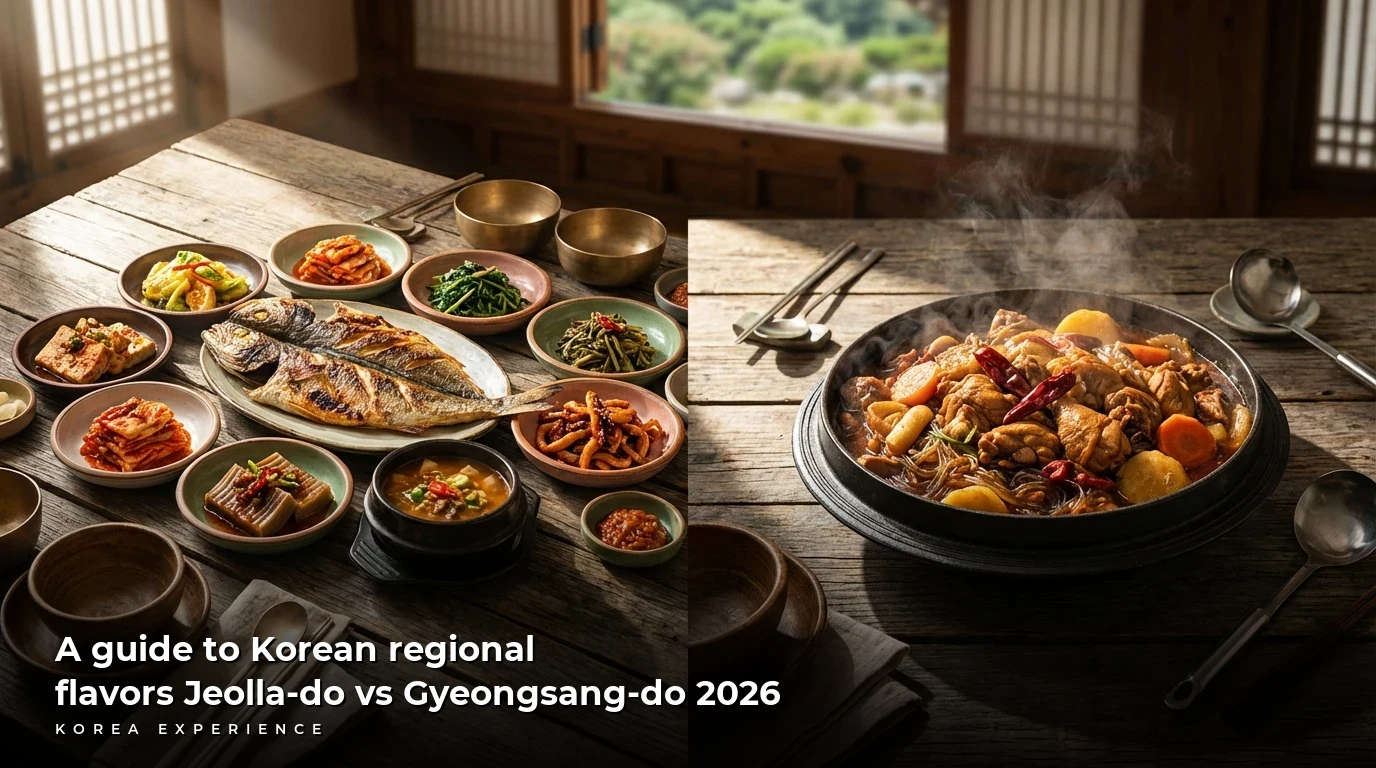
A Guide to Korean Regional Flavors Jeolla-do vs Gyeongsang-do 2026

Korea, a land celebrated globally for its vibrant culture, captivating K-Pop, and groundbreaking technology, also boasts a culinary landscape as diverse and rich as its history. While global attention often zeroes in on the dynamic food scene of Seoul, the true heart and soul of Korean cuisine lie deeply rooted in its provincial traditions. For any international traveler or expat planning a trip in 2026, venturing beyond the capital's boundaries offers an unparalleled gastronomic journey.

This comprehensive guide invites you to delve into the captivating world of Korean Regional Flavors Jeolla-do vs Gyeongsang-do, two provinces representing a fascinating culinary dichotomy. Are you ready to discover the savory abundance of the southwest versus the bold, often spicy, traditions of the southeast? This post will not only highlight the unique characteristics of each region's food but also provide practical tips, must-try dishes, and insider knowledge to ensure your 2026 food adventure is nothing short of spectacular. Prepare to unravel the historical, geographical, and cultural influences that have shaped these distinct Korean palates and equip yourself with the insights needed to navigate their delicious differences.

The Culinary Soul of Jeolla-do: Land of Abundance

Jeolla-do, located in the southwestern part of Korea, is often hailed as the gastronomic heartland of the nation. Blessed with fertile plains, extensive coastlines, and a mild climate, this region has historically enjoyed an abundance of fresh ingredients, from diverse seafood to high-quality grains and vegetables. This natural bounty, combined with a deep-seated culinary heritage, has fostered a sophisticated and refined food culture that emphasizes balance, deep flavors, and presentation.

Jeolla-do's Flavor Profile: Elegant and Nuanced

The cuisine of Jeolla-do is characterized by its rich, often complex, and deeply flavorful profile, achieved through meticulous preparation and the liberal use of locally sourced ingredients. Unlike some other regions, Jeolla-do's food is rarely overwhelmingly spicy but instead focuses on a harmonious blend of sweet, salty, savory, and umami. Fermented sauces, especially soy sauce (Ganjang) and soybean paste (Doenjang), are cornerstone ingredients, often aged for extended periods to develop profound depth.

  • Fermentation Mastery: Jeolla-do is renowned for its exceptional fermented foods. The region's kimchi, often made with locally grown cabbage and a generous amount of seafood paste (Jeotgal), is particularly famous for its rich umami and slightly tangy notes. You'll find a dizzying array of Jang (fermented pastes and sauces) that form the backbone of many dishes.
  • Seafood's Central Role: With its long coastline along the Yellow Sea and the South Sea, seafood is integral to Jeolla-do cuisine. From fresh catches prepared simply to elaborate stews and fermented seafood side dishes (Jeotgal), the ocean's bounty is celebrated in myriad ways.
  • Vegetable Riches: The fertile Naju Plain and other agricultural areas yield an impressive variety of vegetables. These are often prepared fresh, blanched, or lightly stir-fried, allowing their natural flavors to shine. Wild greens (Namul) are also a common sight on the Jeolla-do table.

Key Culinary Hubs in Jeolla-do

  • Jeonju: Arguably the most famous culinary city in Jeolla-do, Jeonju is a must-visit. It's the birthplace of the iconic Jeonju Bibimbap, a dish so meticulously prepared it's considered an art form. The city's Hanok Village is not just a cultural treasure but also a hub for traditional food experiences. Expect to find numerous establishments specializing in Hanjeongsik (full-course Korean meal) and various takes on Bibimbap. A typical Hanjeongsik can range from 30,000 Korean Won to 100,000 Korean Won per person, depending on the restaurant and number of dishes.
  • Gwangju: As the largest city in the Jeolla region, Gwangju offers a modern twist on traditional flavors. Its markets, such as the 1913 Songjeong Station Market, are fantastic places to sample street food and regional specialties. Gwangju is also known for its Gwangju Kimchi Festival, celebrating the region's kimchi-making prowess. Look for restaurants specializing in dishes like Gwangju Tteokgalbi (grilled short rib patties).
  • Mokpo: A port city, Mokpo is celebrated for its fresh seafood. Dishes like Mokpo Nakji Bokeum (stir-fried octopus) and various fish stews are local favorites. The bustling fish markets offer a vibrant glimpse into the region's marine bounty.

Gyeongsang-do's Bold Flavors: A Taste of the Mountains and Sea

Shifting to the southeastern part of Korea, Gyeongsang-do presents a stark yet equally captivating contrast in its culinary philosophy. Bordered by rugged mountains to the west and the expansive East Sea to the east, Gyeongsang-do's geography has profoundly influenced its food culture, leading to a cuisine that is often described as bold, hearty, and characteristically spicy.

Gyeongsang-do's Flavor Profile: Robust and Spicy

The food in Gyeongsang-do is known for its assertive flavors. It often features generous amounts of red chili powder (Gochugaru) and garlic, resulting in dishes that deliver a powerful kick. While less emphasis might be placed on the delicate balance seen in Jeolla-do, Gyeongsang-do cuisine excels in robust, comforting, and intensely savory dishes, perfect for the region's often more challenging terrain and coastal lifestyles.

  • Spice and Salt: Gyeongsang-do dishes are famously spicier than those found in Jeolla-do. This is not just about heat, but about a deep, piquant flavor profile. Salinity is also a key characteristic, especially in coastal areas where drying and preserving seafood is common.
  • Hearty Ingredients: Mountainous terrain means a greater reliance on root vegetables, grains, and wild herbs. However, the lengthy coastline also ensures a steady supply of diverse seafood. Beef, particularly in areas like Daegu, also features prominently in rich stews and soups.
  • Simple yet Impactful Preparation: While not lacking in complexity, Gyeongsang-do dishes often prioritize straightforward cooking methods that highlight the natural intensity of their ingredients. Stews, grilled meats, and various preparations of fish are common.

Key Culinary Hubs in Gyeongsang-do

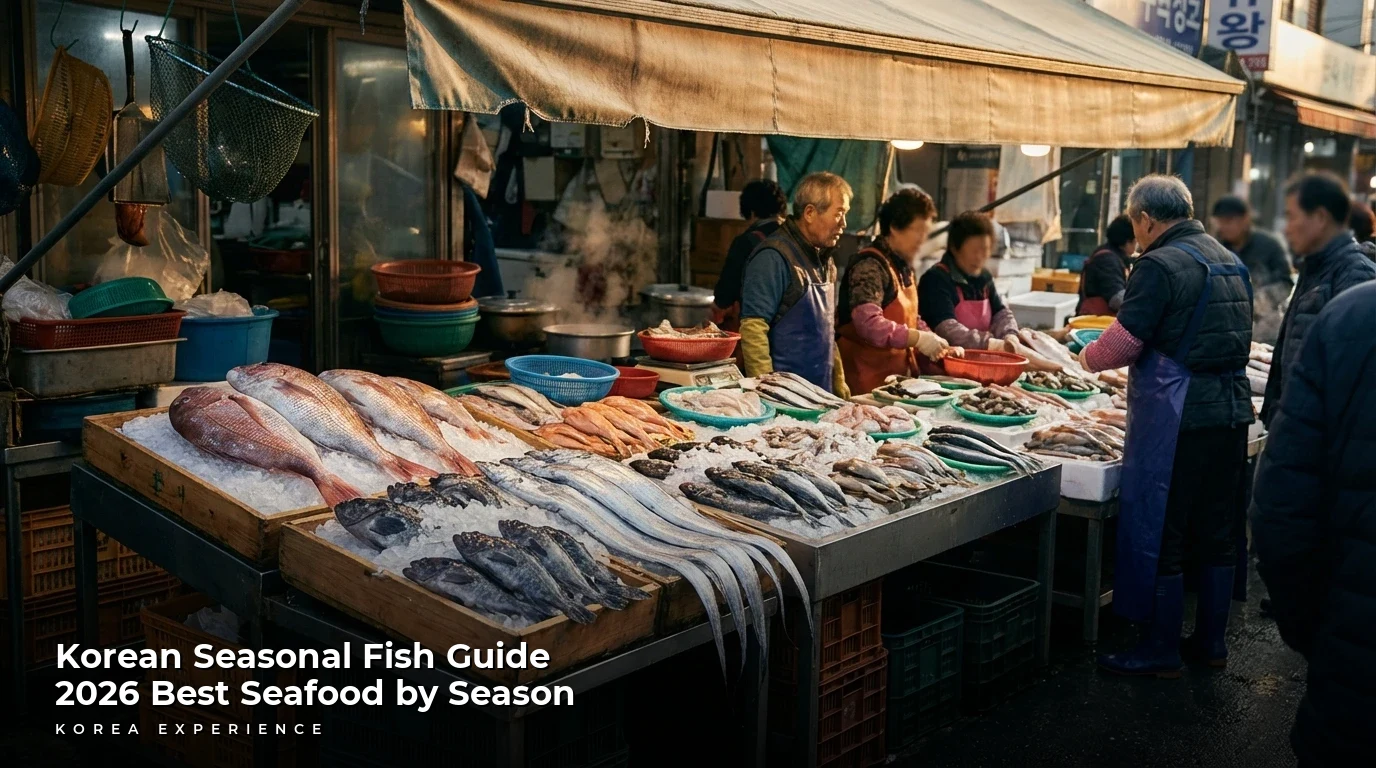
  • Busan: As Korea's second-largest city and a major port, Busan is a seafood lover's paradise. The Jagalchi Fish Market is an iconic destination where you can pick your seafood and have it prepared on the spot. Busan is famous for dishes like Dwaeji Gukbap (pork soup with rice), Milmyeon (cold wheat noodles), and Eomuk (fish cakes). Street food here is legendary, with budget-friendly options starting from 3,000-5,000 Korean Won per item. A full Dwaeji Gukbap meal usually costs around 8,000-10,000 Korean Won.
  • Daegu: Situated inland, Daegu is known for its hearty and spicy dishes. It's particularly famous for Gopchang (grilled beef or pork intestines), Jjim Galbi (spicy braised short ribs), and Makchang (grilled pork intestines). Daegu's Seomun Market is one of the largest traditional markets in Korea, offering a vast array of street food and local delicacies.
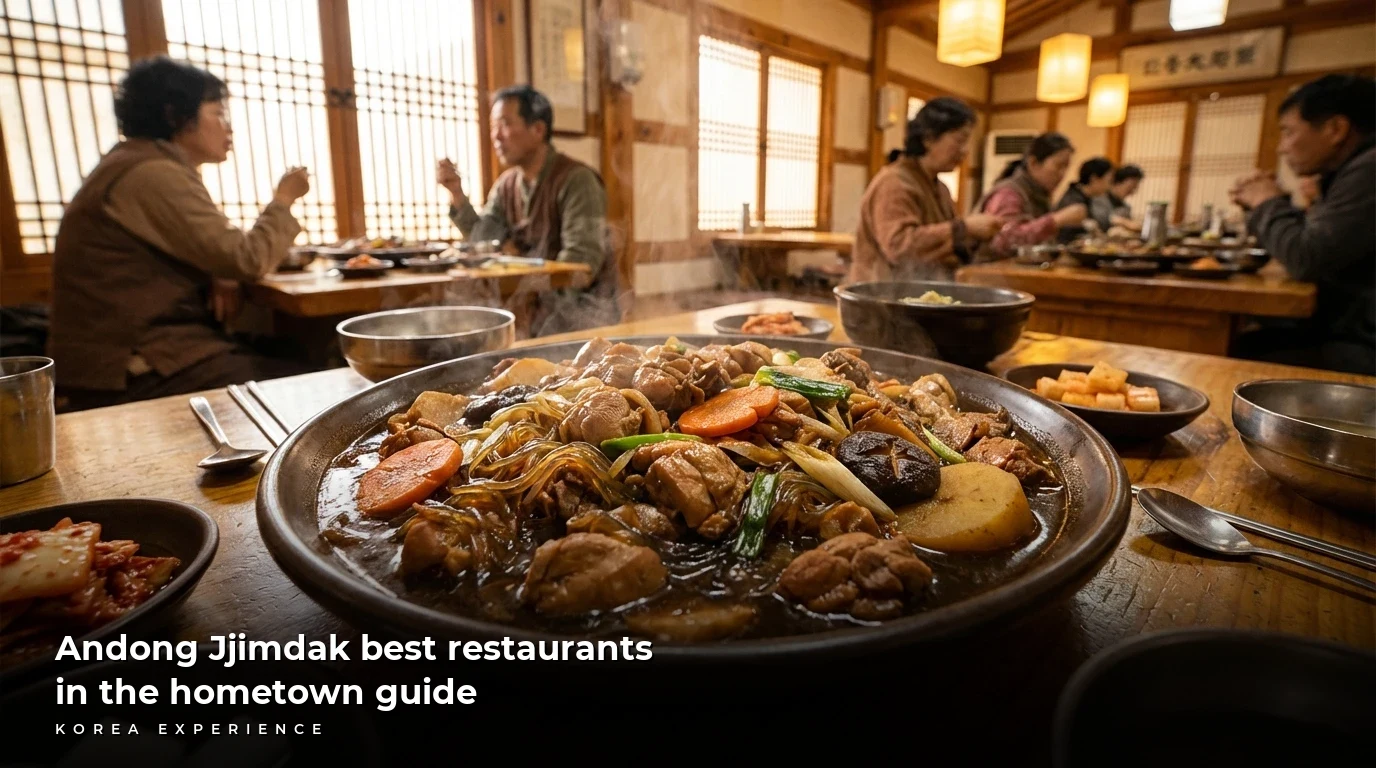
  • Andong: A city steeped in traditional Korean culture, Andong is renowned for its Andong Jjimdak (soy-braised chicken with vegetables and glass noodles) and Heotjesabap (a Bibimbap-like dish traditionally eaten by scholars during ancestral rites). These dishes offer a glimpse into the region's historical culinary practices.

Key Distinctions in Ingredients and Cooking Styles

The fundamental differences between Jeolla-do and Gyeongsang-do cuisine stem from distinct geographical advantages, historical contexts, and culinary philosophies.

Ingredient Focus

FeatureJeolla-do (Southwest)Gyeongsang-do (Southeast)
RiceKnown for high-quality, flavorful rice from fertile plains.Good quality, but less emphasized as a regional specialty.
VegetablesAbundant, fresh, diverse; emphasis on preserving natural taste.Hearty root vegetables, wild greens; often used in spicy preparations.
SeafoodDiverse, delicate seafood from Yellow/South Seas; used in sophisticated preparations and Jeotgal.Robust, often larger fish from East Sea; preserved, dried, or in spicy stews.
FermentationDeep mastery of Jang (soy sauce, soybean paste) and Kimchi; aged for complex flavors.Kimchi is spicier; fermented seafood (Jeotgal) used for bolder flavor.
Chili UseModerate, for flavor enhancement rather than pure heat; often a cleaner spice.Generous, for intense heat and robust flavor; central to many dishes.
Beef/PorkUsed in refined dishes; Gwangju Tteokgalbi is an example.More common in hearty stews, grilled intestine dishes (Gopchang, Makchang).

Cooking Styles and Flavor Philosophy

Jeolla-do's cooking style leans towards elegance and balance. Dishes are often characterized by multiple layers of flavor, achieved through slow cooking, careful seasoning with aged ferments, and an emphasis on fresh ingredients. The goal is a harmonious blend where no single flavor overpowers another. Presentation is also key, reflecting the region's aesthetic appreciation.

Gyeongsang-do, on the other hand, embraces a more direct and assertive approach. Flavors are bold, often punchy, and designed to invigorate. While not lacking in skill, the focus is less on delicate balance and more on impactful taste experiences, often centered around spicy, savory, and hearty notes. The food is comforting and substantial, reflecting the hardworking spirit of the region.

Must-Try Dishes: Jeolla-do's Gastronomic Wonders

When visiting Jeolla-do in 2026, be prepared for a culinary journey filled with exquisite flavors and meticulously prepared dishes.

1. Jeonju Bibimbap (전주 비빔밥)

  • Description: The undisputed king of Bibimbap. This dish from Jeonju is a visual and gastronomic masterpiece, featuring a vibrant array of precisely cut vegetables, finely sliced beef, a raw egg yolk, and often special toppings like gingko nuts and pine nuts, all arranged atop perfectly cooked rice. The secret lies in the quality of the ingredients, particularly the rice cooked in beef broth, and the savory gochujang (chili paste) sauce.
  • Where to Try: Easily found in Jeonju. Look for famous restaurants near the Hanok Village or along Jungang-dong. Popular spots often have long queues.
  • Typical Price: 10,000 - 15,000 Korean Won.

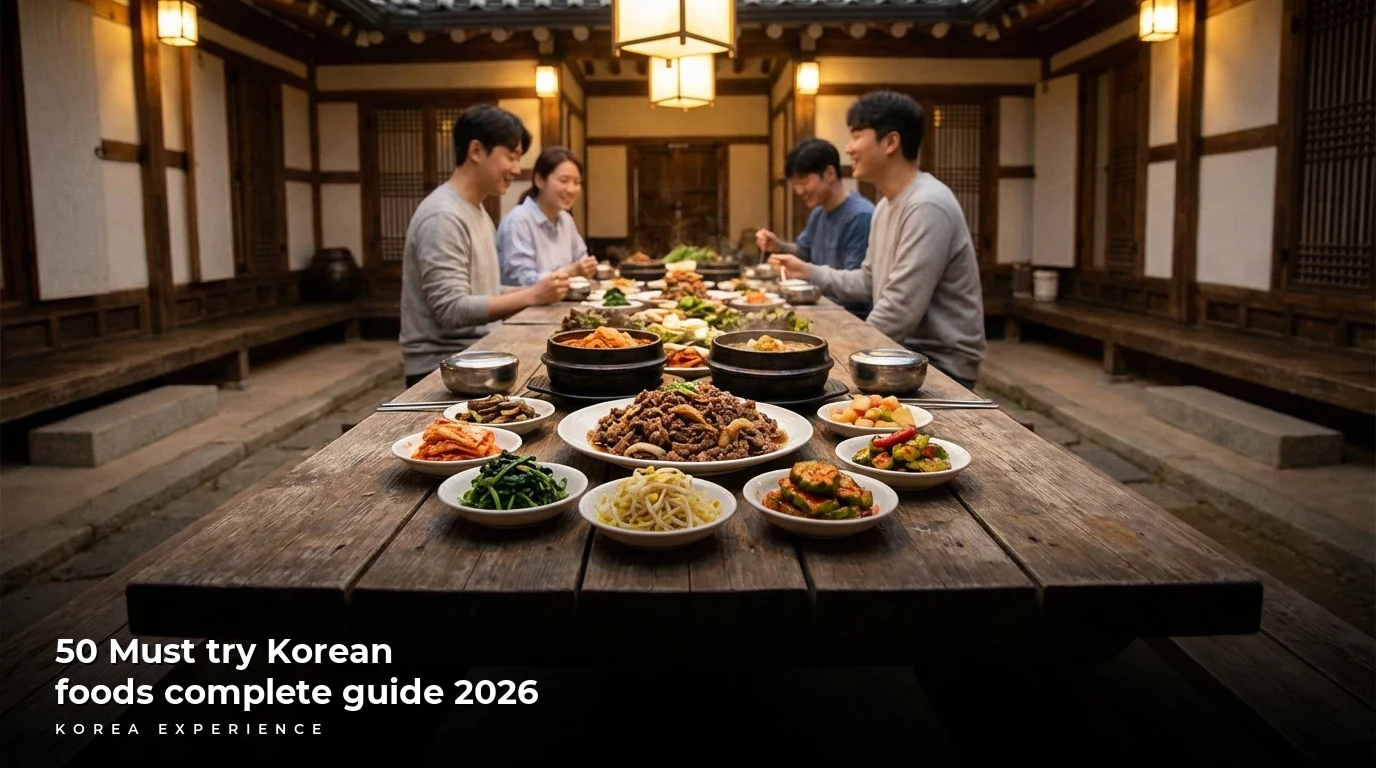
2. Hanjeongsik (한정식 - Full Course Korean Meal)

  • Description: A traditional full-course meal, often comprising dozens of side dishes (Banchan) alongside main dishes like grilled fish, various stews, and sometimes meats. Jeolla-do's Hanjeongsik is renowned for its sheer variety, fresh ingredients, and elegant presentation. It's an experience that showcases the region's culinary abundance and skill.
  • Where to Try: Many restaurants in Jeonju and Gwangju specialize in Hanjeongsik. Reservations are often recommended, especially for higher-end establishments.
  • Typical Price: 30,000 - 100,000+ Korean Won per person, depending on the number and quality of dishes.

3. Gwangju Tteokgalbi (광주 떡갈비 - Grilled Short Rib Patties)

  • Description: A delightful dish of finely minced and seasoned beef short ribs, shaped into patties, and grilled to perfection. It's sweet, savory, and incredibly tender, often served with fresh greens for wrapping. Gwangju's version is particularly famous for its rich flavor and succulent texture.
  • Where to Try: Gwangju has numerous Tteokgalbi alleyways and restaurants, especially in the Songjeong-ri area.
  • Typical Price: 15,000 - 25,000 Korean Won per serving.

4. Gulbi Jeongshik (굴비 정식 - Dried Yellow Corvina Set Meal)

  • Description: A specialty of coastal Jeolla-do, particularly Yeonggwang, Gulbi is dried yellow corvina. It is typically grilled or pan-fried and served as a set meal with rice and various Banchan. The drying process concentrates its savory flavor, creating a distinctively umami-rich and slightly chewy texture.
  • Where to Try: Coastal cities and towns like Yeonggwang or Mokpo. Many restaurants specifically cater to this regional delicacy.
  • Typical Price: 20,000 - 40,000 Korean Won, depending on the size and quality of the fish.

Must-Try Dishes: Gyeongsang-do's Unique Delicacies

Prepare your palate for bold, hearty, and often spicy flavors when exploring Gyeongsang-do in 2026.

1. Dwaeji Gukbap (돼지국밥 - Pork Soup with Rice)

  • Description: A Busan specialty, this comforting and hearty soup features a rich, milky pork broth filled with tender slices of pork, rice, and often noodles. It's typically served with various condiments like salted shrimp (Saeujeot), chives, and spicy chili paste (Dadaegi) to customize the flavor to your liking. It's a perfect meal on a chilly day or after a night out.
  • Where to Try: Busan's Seomyeon area is famous for its Dwaeji Gukbap alley. Many eateries specialize in this dish.
  • Typical Price: 8,000 - 10,000 Korean Won.

2. Milmyeon (밀면 - Cold Wheat Noodles)

  • Description: Another iconic Busan dish, Milmyeon is a lighter, more refreshing alternative to the famous Naengmyeon (cold buckwheat noodles). Made with wheat flour noodles, it's served in a chilled, savory broth, often topped with sliced meat, cucumber, and a dollop of spicy chili paste. Perfect for hot summer days.
  • Where to Try: Popular noodle shops across Busan.
  • Typical Price: 7,000 - 9,000 Korean Won.

3. Daegu Jjim Galbi (대구 찜갈비 - Spicy Braised Short Ribs)

  • Description: Daegu's fiery take on braised short ribs. Unlike the often sweeter versions found elsewhere, Daegu Jjim Galbi is packed with a potent blend of garlic, chili powder, and soy sauce, creating an intensely savory and spicy experience. It's usually served sizzling in a metal pot, often with rice and various Banchan.
  • Where to Try: Daegu's Dongin-dong Jjim Galbi alley is the place to go.
  • Typical Price: 20,000 - 35,000 Korean Won per serving (often for 2 people).

4. Andong Jjimdak (안동 찜닭 - Soy-Braised Chicken)

  • Description: A popular dish originating from Andong, this is a large plate of chicken pieces braised with various vegetables (potatoes, carrots, onions) and glass noodles in a savory, slightly sweet, and mildly spicy soy-based sauce. It's a comforting and communal dish, perfect for sharing.
  • Where to Try: Andong's Old Market (Gujeongjang) has an entire alley dedicated to Jjimdak restaurants.
  • Typical Price: 25,000 - 35,000 Korean Won for a large serving (enough for 2-3 people).

5. Eomuk (어묵 - Fish Cakes)

  • Description: While available nationwide, Busan is particularly famous for its high-quality Eomuk. These are savory fish cakes made from ground fish, typically shaped into various forms, and often served on skewers in a hot, clear broth from street vendors. They're a popular snack, especially during colder months.
  • Where to Try: Jagalchi Fish Market, Gukje Market, and street food stalls throughout Busan. Many specialty Eomuk shops offer a wide variety to choose from.
  • Typical Price: 500 - 2,000 Korean Won per skewer or piece.

Experiencing Regional Flavors: Practical Tips for Travelers

To make the most of your culinary adventure in Jeolla-do and Gyeongsang-do in 2026, keep these practical tips in mind.

1. Embrace Local Markets

Local markets are the pulse of regional cuisine. They offer a fantastic opportunity to sample street food, observe local life, and purchase unique ingredients.

  • Jeolla-do: Jeonju Nambu Market (night market for street food), Gwangju's 1913 Songjeong Station Market.
  • Gyeongsang-do: Busan's Jagalchi Fish Market (seafood paradise), Daegu's Seomun Market (huge traditional market with diverse food), Andong's Old Market.
  • Tip: Arrive with an empty stomach and an open mind. Don't be afraid to point at what looks good if language is a barrier. Cash is often preferred at smaller stalls.

2. Learn Basic Korean Food Phrases

While many younger Koreans, especially in tourist areas, speak some English, knowing a few phrases can greatly enhance your dining experience.

  • "Igeo juseyo" (이거 주세요): "Please give me this" (pointing at a menu item or dish).
  • "Masisseoyo" (맛있어요): "It's delicious!" (a compliment to the chef).
  • "Juseyo" (주세요): "Please give me" (can be used for refills of water, side dishes).
  • "Gyesan hae juseyo" (계산 해주세요): "Please give me the bill."
  • Note: You can often get refills of Banchan (side dishes) for free.

3. Navigating Menus and Ordering

Many restaurants in popular tourist areas will have English menus. If not, don't hesitate to use translation apps on your phone.

  • Visual Cues: Look for pictures on the menu or peer into other diners' tables to see what looks appealing.
  • Set Meals (Jeongshik): If overwhelmed, opt for a "Jeongshik" (set meal) or "Bap" (rice meal) option, which usually comes with a main dish, rice, and a variety of side dishes. This is a great way to experience a broad range of flavors.
  • Group Dining: Many traditional Korean dishes are designed for sharing. If you're traveling in a group, it's a fantastic opportunity to order several dishes and sample a wider variety.

4. Dietary Considerations

  • Vegetarian/Vegan: While challenging in traditional Korean cuisine which often uses meat/fish broths and Jeotgal (fermented seafood) in Kimchi, it's becoming easier to find options in larger cities. Look for temple food restaurants (Sanchaejeongsik) or use apps like HappyCow. Be sure to clearly communicate your dietary needs.
  • Allergies: Carry a translation card for severe allergies. Common allergens include seafood, sesame, and soy.

5. Transportation and Accommodation

  • KORAIL (Korean Rail): High-speed KTX trains connect major cities like Jeonju, Gwangju, Busan, and Daegu efficiently. Consider a KORAIL Pass for extensive travel.
  • Local Buses: For getting around within cities and to smaller towns, local buses are comprehensive and affordable. Use navigation apps like Naver Maps or KakaoMap, which have excellent public transport routing.
  • Accommodation: Book traditional Hanok stays in Jeonju for a unique cultural experience. In larger cities like Busan and Daegu, a wide range of hotels and guesthouses are available.

Planning Your 2026 Food Journey

As you plan your 2026 adventure to experience the diverse Korean regional flavors, consider these itinerary suggestions:

Sample Itinerary: Jeolla-do Focus (5-7 Days)

  • Day 1-3: Jeonju. Immerse yourself in the Hanok Village, try multiple Bibimbap variations, experience Hanjeongsik, and explore Nambu Market. Consider a cooking class to learn the secrets of Jeonju cuisine.
  • Day 4-5: Gwangju. Discover Gwangju Tteokgalbi, explore the 1913 Songjeong Station Market, and visit the city's modern art and cultural centers.
  • Day 6-7: Mokpo/Yeosu. Head to the coast for fresh seafood, stunning ocean views, and perhaps a ferry trip to one of the islands. Enjoy Gulbi Jeongshik in Mokpo or try local seafood stews in Yeosu.

Sample Itinerary: Gyeongsang-do Focus (5-7 Days)

  • Day 1-3: Busan. Indulge in Dwaeji Gukbap, Milmyeon, and endless street food. Explore Jagalchi Fish Market, Gamcheon Culture Village, and Haeundae Beach.
  • Day 4-5: Daegu. Dive into spicy Jjim Galbi, Gopchang, and explore Seomun Market. Discover Daegu's unique cafe culture and modern attractions.
  • Day 6-7: Andong. Experience traditional Korea with Andong Jjimdak and Heotjesabap. Visit Hahoe Folk Village for a UNESCO World Heritage site experience.

Combination Itinerary: Jeolla-do & Gyeongsang-do (10-14 Days)

For the ultimate culinary deep dive, combine both regions. Start in Jeolla-do (Jeonju, Gwangju), then take a KTX train or intercity bus across to Gyeongsang-do (Daegu, Busan, Andong). This will allow you to fully appreciate the contrasting culinary landscapes and create lasting food memories. For more in-depth travel planning, including transportation between regions, refer to our comprehensive guide on "Navigating Public Transport in Korea" (an upcoming article!).

Comparison Tables

To help solidify the differences, here are a few comparison tables summarizing the key aspects:

General Flavor Profile Comparison

AspectJeolla-do (Southwest)Gyeongsang-do (Southeast)
Overall TasteRich, complex, nuanced, harmonious, savory, elegant.Bold, robust, hearty, often spicy, straightforward umami.
Spice LevelMild to moderately spicy; emphasizes flavor depth.Often very spicy; heat is a prominent characteristic.
SaltinessBalanced, refined use of aged ferments.More pronounced, especially in coastal dishes.
SweetnessSubtle, natural sweetness from quality ingredients.Less emphasis on sweetness; savory and spicy dominant.
OilinessGenerally lighter, cleaner finish.Can be heartier, richer, sometimes with more oil.

Signature Dishes Comparison

Jeolla-do Signature DishesGyeongsang-do Signature Dishes
Jeonju Bibimbap (rich mixed rice)Dwaeji Gukbap (pork soup with rice)
Hanjeongsik (full-course Korean meal)Milmyeon (cold wheat noodles)
Gwangju Tteokgalbi (grilled short ribs)Daegu Jjim Galbi (spicy braised short ribs)
Gulbi Jeongshik (dried corvina set meal)Andong Jjimdak (soy-braised chicken)
Kongnamul Gukbap (bean sprout soup)Eomuk (Busan fish cakes)

Culinary Philosophy Comparison

Philosophy AspectJeolla-do (Southwest)Gyeongsang-do (Southeast)
ApproachRefined, meticulous, artistic presentation.Hearty, functional, straightforward, comforting.
Ingredient UseCelebration of natural flavors, delicate balance.Bold enhancement of ingredients, strong flavor impact.
TraditionDeeply rooted in aristocratic and scholarly cuisine.Shaped by practicality, coastal life, and mountain fare.
EmphasisHarmony, variety, depth of flavor.Potency, robustness, satisfying hunger.

Frequently Asked Questions (FAQ)

1. What's the best time to visit Jeolla-do and Gyeongsang-do for food?

Autumn (September to November) is arguably the best time. The weather is pleasant, and it's harvest season, meaning an abundance of fresh ingredients. Spring (April to May) is also excellent, especially for fresh seafood and seasonal vegetables. Summers can be hot and humid, while winters can be cold, but both offer unique seasonal dishes and festivals.

2. Is it easy to find vegetarian or vegan options in these regions?

Finding strictly vegetarian or vegan options in traditional Korean restaurants outside of major cities can be challenging, as many broths contain meat/fish and Kimchi often includes fermented seafood. However, with increasing awareness, some restaurants are starting to offer plant-based dishes. Temple food (Sanchaejeongsik) is a reliable vegan option and can be found in some areas, particularly near temples. Always communicate your dietary needs clearly, perhaps using a translation app.

3. How much should I budget for food per day in Jeolla-do and Gyeongsang-do?

For a comfortable dining experience, budget around 40,000-70,000 Korean Won per person per day. This allows for a mix of budget-friendly street food, casual local eateries, and a few nicer sit-down meals or set menus. Of course, this can vary widely; you can eat cheaper if you stick to street food and convenience store meals, or spend significantly more on high-end dining.

4. Do I need to speak Korean to order food?

While helpful, it's not strictly necessary. Many restaurants in tourist-heavy areas have English menus or picture menus. Pointing, using translation apps, and knowing a few basic phrases will usually suffice. In smaller, more local eateries, the experience might be more adventurous but often leads to authentic discoveries.

5. What's the best way to travel between these regions?

Korea's public transportation system is excellent. KTX high-speed trains connect major cities efficiently (e.g., Jeonju to Busan, Gwangju to Daegu). For inter-city travel to smaller towns, intercity buses (Goeoseok Beoseu or Sihwae Beoseu) are very reliable and affordable. Within cities, use local buses or taxis. Naver Maps or KakaoMap are indispensable for navigation. Consider a KORAIL Pass if you plan extensive train travel.

Conclusion: Savoring Korea's Diverse Palate in 2026

The culinary landscape of Korea is a testament to its rich history, diverse geography, and the ingenuity of its people. Exploring the distinct Korean Regional Flavors Jeolla-do vs Gyeongsang-do offers a profound insight into the nation's soul, far beyond the familiar sights of Seoul.

Jeolla-do beckons with its refined, deeply flavored, and harmoniously balanced dishes, a true ode to abundance and meticulous preparation. From the elegant Jeonju Bibimbap to the elaborate Hanjeongsik, every meal is a journey of sophisticated tastes. Gyeongsang-do, on the other hand, invigorates with its bold, robust, and often spicy offerings, reflecting the resilient spirit of its mountainous terrain and vibrant coastlines, best experienced through a hearty bowl of Dwaeji Gukbap or a fiery plate of Daegu Jjim Galbi.

As you plan your 2026 Korean adventure, remember that the true essence of Korean food lies in these regional variations. Don't be afraid to venture off the beaten path, embrace local markets, and try dishes you've never heard of. Each bite will tell a story, a flavor born from generations of tradition and regional identity. So pack your bags, prepare your palate, and get ready to experience the delicious dichotomy of Jeolla-do and Gyeongsang-do. Your taste buds will thank you!

About the Author

Korea Experience Team

Written by the Korea Experience editorial team - experts in Korean medical tourism, travel, and culture with years of research and firsthand experience.

⚠️ Medical Disclaimer

The information provided on this website is for general informational purposes only and does not constitute medical advice. Always consult with qualified healthcare professionals before making any medical decisions.

Continue Reading

Explore more articles you might find interesting