Korean Seasonal Fish Guide 2026 Best Seafood by Season
Discover the best Korean seasonal fish for 2026. A complete guide to eating fresh seafood in Spring, Summer, Fall, and Winter for travelers.
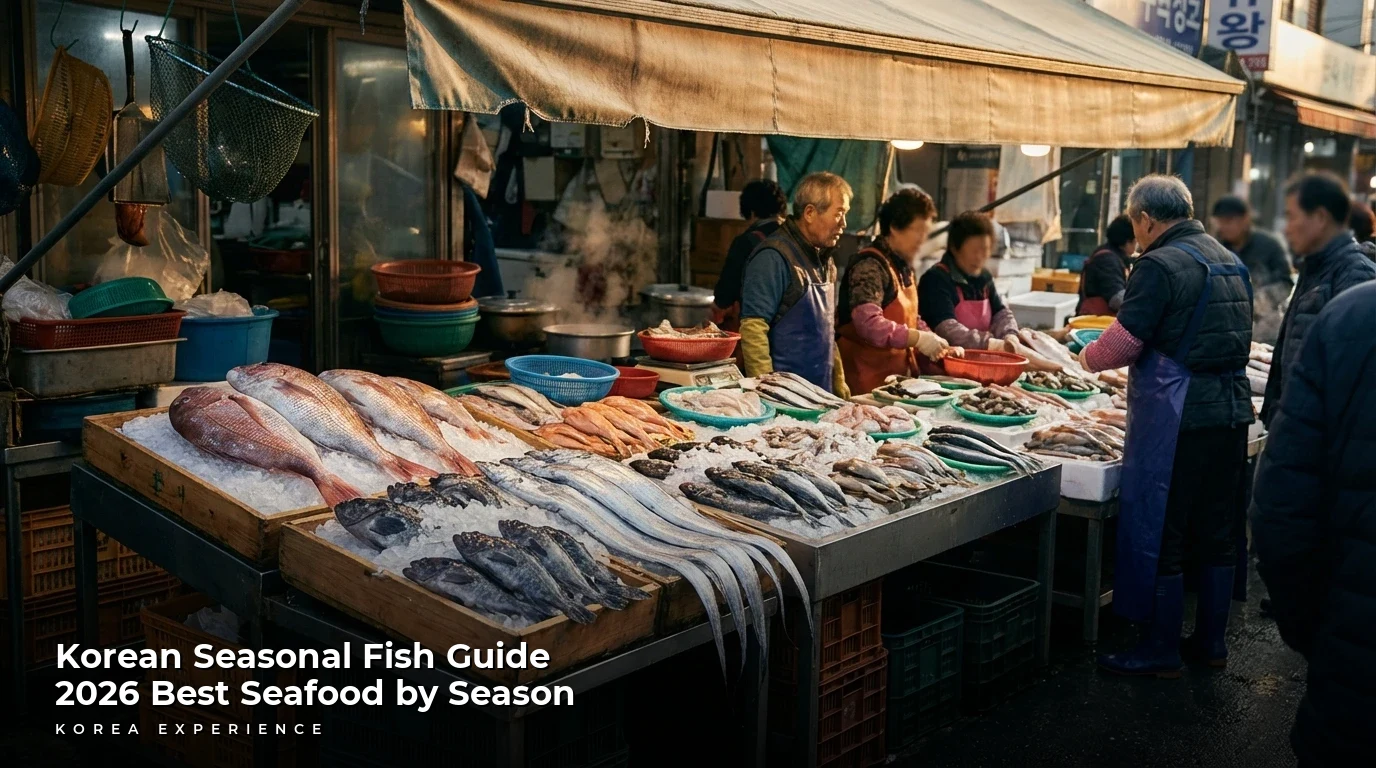
Eating seafood in Korea is not just a meal; it is a synchronized event with nature. The concept of "Jechol"—eating food only when it is at its peak season—is the guiding philosophy of Korean gastronomy. In 2026, the culinary landscape continues to honor this tradition, with technological improvements in logistics ensuring even fresher catches in urban centers like Seoul and Busan.
You might also enjoy our article about Busan seafood guide fresh fish markets and restaurants.
Related reading: Korean seafood guide from raw fish to grilled shellfish.
For more details, check out our guide on Gluten Free Guide to Korean Food What to Eat and Avoid.
Related reading: Jeju black pork where to eat on the island.
For international travelers, understanding the seasonal calendar is crucial. A fish that tastes divine in November might be lackluster and overpriced in May. This guide breaks down exactly what to eat, when to eat it, and how much you should expect to pay in 2026 to ensure your dining experience is nothing short of spectacular.
Key Takeaways
- 1Spring (Mar-May) is best for female Blue Crab with roe and tender Webfoot Octopus
- 2Winter (Dec-Feb) features fatty Yellowtail and Red Snow Crab as premium options
- 3Market table setting fees average ₩5,000 per person in 2026
Understanding the Korean Seafood Calendar
Korea's distinct four seasons dictate the fat content, texture, and flavor profile of marine life. In 2026, the variation in water temperature between summer (reaching 26°C/79°F) and winter (dropping to 2°C/35°F) creates dramatic biological changes in fish. This temperature swing forces fish to store fat for insulation in winter or spawn in spring, creating specific windows of peak flavor.
Travelers should note that "seasonal" also implies "abundant." Eating in season is generally 30% to 40% cheaper than buying off-season or farmed alternatives. For example, a kilogram of wild Red Sea Bream might cost ₩80,000 in spring but drop to ₩50,000 when abundant, though connoisseurs argue the taste justifies the higher price during specific harvest weeks.
The 2026 Supply Chain
Advancements in cold-chain logistics now allow live catches from Jeju Island to reach Seoul tables within 6 hours. However, local consumption at the source port remains the gold standard for texture and price.
Spring (March - May): The Season of Roe and Rebirth
Spring in Korea is characterized by the return of life. The waters warm up, and marine species begin their spawning cycles. This makes spring the ultimate season for seafood lovers who appreciate rich, creamy textures, particularly roe.
1. Female Blue Crab (Kkotge)
Spring is the domain of the female Blue Crab. Before they lay their eggs in June, their shells are packed with bright orange roe, known locally as "al." In April and May 2026, you can expect the meat to be at its sweetest.
- Best Preparation: Soy Sauce Marinated Crab (Ganjang Gejang) or Spicy Crab Stew (Kkotgetang).
- Average Price: 50,000 – ₩75,000 per kg (Premium size).
- Location Tip: The west coast, particularly Incheon and Taean, approximately 120km from Seoul.
📊 Spring Crab Statistics
2. Webfoot Octopus (Jjukkumi)
While available year-round, Jjukkumi is strictly a spring delicacy. During March and April, the heads of these small octopuses are filled with eggs that resemble cooked rice grains. The texture is distinctively chewy and savory.
- Serving Style: Shabu-shabu (hot pot) or spicy stir-fry.
- Distance: The Seocheon Camellia & Jjukkumi Festival takes place about 180km south of Seoul, usually a 2.5-hour drive.
3. Flounder (Dodari)
There is a Korean saying: "Dodari in Spring, Gizzard Shad in Autumn." Spring flounder is known for its tender, non-greasy flesh. It is most famous when paired with Mugwort (Ssuk), a fragrant herb that grows in spring, to make "Dodari Ssukguk" (Flounder Mugwort Soup).
Sorae Pogu Fish Market(Sorae Pogu)
Summer (June - August): Stamina and Cooling
Korean summers are hot and humid, with temperatures often exceeding 35°C (95°F). The culinary focus shifts to "Bongyang"—foods that restore stamina—and dishes that are icy cold.
1. Croaker (Mineo)
Mineo is the king of summer fish. Historically reserved for royalty, this fish is prized for its ability to restore energy. Unlike most Korean sashimi which is eaten fresh/live, Mineo is often aged for 24 to 48 hours to enhance its savory umami flavor.
- The Delicacy: The air bladder is considered the most precious part and is eaten raw with sesame oil.
- Cost: High. Expect to pay ₩100,000 to ₩150,000 per person for a full course in 2026.
📋 Mineo Facts
2. Cold Raw Fish Soup (Mulhoe)
Originating from fishermen who needed a quick meal at sea, Mulhoe has become a summer staple. It consists of raw fish (often flounder, squid, or rockfish) submerged in a spicy, icy red pepper broth with vegetables and noodles.
- Regional Variance: Pohang (350km from Seoul) is famous for its Gochujang-based broth, while Jeju Island specializes in a soybean paste base.
- Price: An affordable 15,000 – ₩20,000 per bowl.
3. Eel (Jangeo)
Grilled eel is the quintessential stamina food. There are two main types enjoyed in summer: Freshwater Eel (Pungcheon Jangeo) and Sea Eel (Anago). Freshwater eel is richer and fattier, while sea eel is lighter.
Summer Safety Warning
Vibrio vulnificus bacteria thrive in sea temperatures above 20°C. In July and August, ensure your raw fish is prepared by certified restaurants with high hygiene standards. Avoid street vendors for raw seafood during high humidity.
Autumn (September - November): The Golden Season
Autumn is arguably the most celebrated season for Korean seafood. As the water cools, fish begin to bulk up for the coming winter. The weather, averaging 15°C to 20°C (59°F-68°F), makes outdoor dining at pojangmachas (tent stalls) incredibly popular.
1. Gizzard Shad (Jeoneo)
The aroma of grilling Jeoneo is legendary. It is said that the smell of grilled autumn Jeoneo is enough to bring a runaway daughter-in-law back home. In 2026, the peak season runs from late September to mid-October.
- Eating Style: Prepared three ways—raw (sashimi), grilled whole (bones and all), or as a spicy salad.
- Size Matters: The best Jeoneo are around 15-20cm long.
- Affordability: Very cheap, averaging ₩30,000 per kg.
2. Jumbo Shrimp (Daeha)
While technically Prawns, "Daeha" are a massive autumn favorite. The classic preparation is "Sogeum-gui"—roasted alive on a bed of coarse sea salt in a pan. This method ensures the shrimp stays moist and savory without needing oil.
💵 Shrimp: Wild vs. Farmed (2026)
Longer whiskers, lighter color, firmer meat.
Standard market option, sweeter taste.
"When eating salt-grilled shrimp, do not throw away the heads! After finishing the body, ask the staff to butter-fry the heads ('Meori-twigim'). The head contains the 'jang' (innards) which is the most flavorful part, tasting like a concentrated bisque."
3. Male Blue Crab
While spring is for female crabs (roe), autumn is for male crabs. The flesh is fluffy, sweet, and packed tightly into the shell. Steaming is the preferred method to enjoy the pure taste of the meat.
Winter (December - February): The Fatty Feasts
Winter seafood is defined by fat content. Fish build up layers of fat to survive the freezing waters (often dropping below 5°C), resulting in a melt-in-your-mouth texture that rivals premium beef wagyu.
1. Yellowtail (Bangeo)
This is the champion of winter. Specifically, "Daebangeo" (Large Yellowtail over 10kg) is prized above all else. The belly meat is pink, marbled, and crunchy, while the back meat is red and rich.
- Defense Mechanism: The cold water forces the fish to tighten its muscles and store fat, increasing the Omega-3 content significantly.
- Price Surge: Due to popularity, prices in December 2026 are expected to hover around ₩80,000 to ₩120,000 for a plate serving 2-3 people.
Yellowtail vs. Amberjack
- ✓Yellowtail (Bangeo) is fattier and softer
- ✓Available extensively in winter
- ✓Distinct red and white marbling
- ✗Amberjack (Buchiri) is firmer and less oily
- ✗Often mislabeled as Yellowtail by unscrupulous vendors
- ✗Better in summer/early autumn
2. Oysters (Gul)
Korea is one of the world's largest oyster producers. In winter, they are incredibly cheap compared to Western standards. A 10kg bag of netted oysters for steaming might cost as little as ₩25,000 at a coastal market.
- Source: 80% come from Tongyeong.
- Safety: Korean oysters are safe, but norovirus is a winter risk. Eating them cooked (steamed or in soup) is 100% safe.
3. Snow Crab (Daegae)
The Red Snow Crab and Snow Crab from the East Coast (Yeongdeok and Uljin) are winter delicacies. The leg meat is sweet and salty.
- Transit: The KTX train to Pohang takes about 2.5 hours from Seoul, placing you close to the crab markets.
- Cost: Variable, but expect ₩50,000 to ₩80,000 per crab depending on the "fill rate" (suyul) of the meat.
📖 How to Order at a Fish Market (Noryangjin/Jagalchi)
Step 1: Select Your Fish
Choose your fish on the ground floor. Negotiate the price or ask for 'service' (extra shellfish).
Step 2: Pay for the Fish
Pay the vendor directly. They will give you a ticket or assign a guide.
Step 3: Move to the Restaurant
Follow the guide to the 2nd floor or basement dining area ('Chojang-jip').
Step 4: Pay the Setting Fee
The restaurant charges a 'Sang-charim' fee (approx ₩5,000/person) plus cooking fees for grilling or stew.
Comparison: Market vs. Restaurant
Travelers often debate whether to brave the chaos of a wet market or sit in a comfortable sushi restaurant. In 2026, the price gap has narrowed, but the experience remains vastly different.
Dining Experience Comparison
| Feature | Wet Market (Noryangjin) | Specialty Restaurant |
|---|---|---|
| Freshness | Live kill (Highest) | High (often aged) |
| Price | $$ (Fish + Fees) | $$$ (All inclusive) |
| Atmosphere | Loud, energetic, wet | Quiet, private, refined |
| Side Dishes | Minimal (Basic veggies) | Extensive (Skidashi) |
Practical Tips for 2026 Travelers
When planning your seafood journey, timing is everything. The Noryangjin Fish Market auction happens at 3:00 AM, but the retail market is best visited between 10:00 AM and 8:00 PM.
Ideal Seafood Day Trip (Incheon)
Depart Seoul
Take Line 1 to Incheon Station (approx 60 mins).
Chinatown & Walk
Explore the area before lunch to build appetite.
Seafood Lunch
Eat seasonal Blue Crab at the nearby fish market.
Cafe Street
Visit a cafe with ocean views in Wolmi-do.
❓ Frequently Asked Questions
Have more questions?Contact us →
About the Author
Korea Experience Team
Written by the Korea Experience editorial team - experts in Korean medical tourism, travel, and culture with years of research and firsthand experience.
Explore more in Food & Dining
Korean BBQ, street food, Michelin restaurants, and regional specialties — your ultimate guide to eating well in Korea.
Browse All Food & Dining ArticlesContinue Reading
Explore more articles you might find interesting
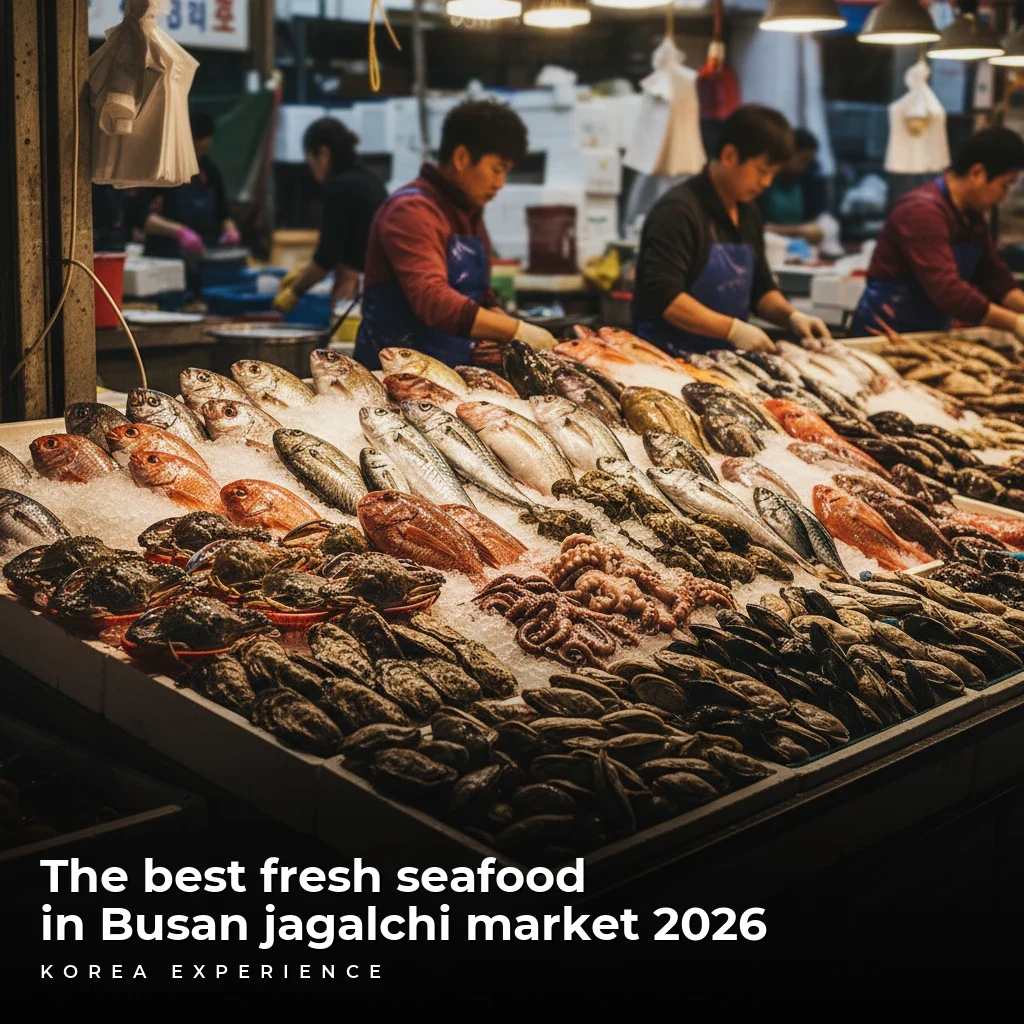
Discover the best fresh seafood in Busan Jagalchi Market 2026 with our expert guide on pricing, top stalls, and dining tips for travelers.
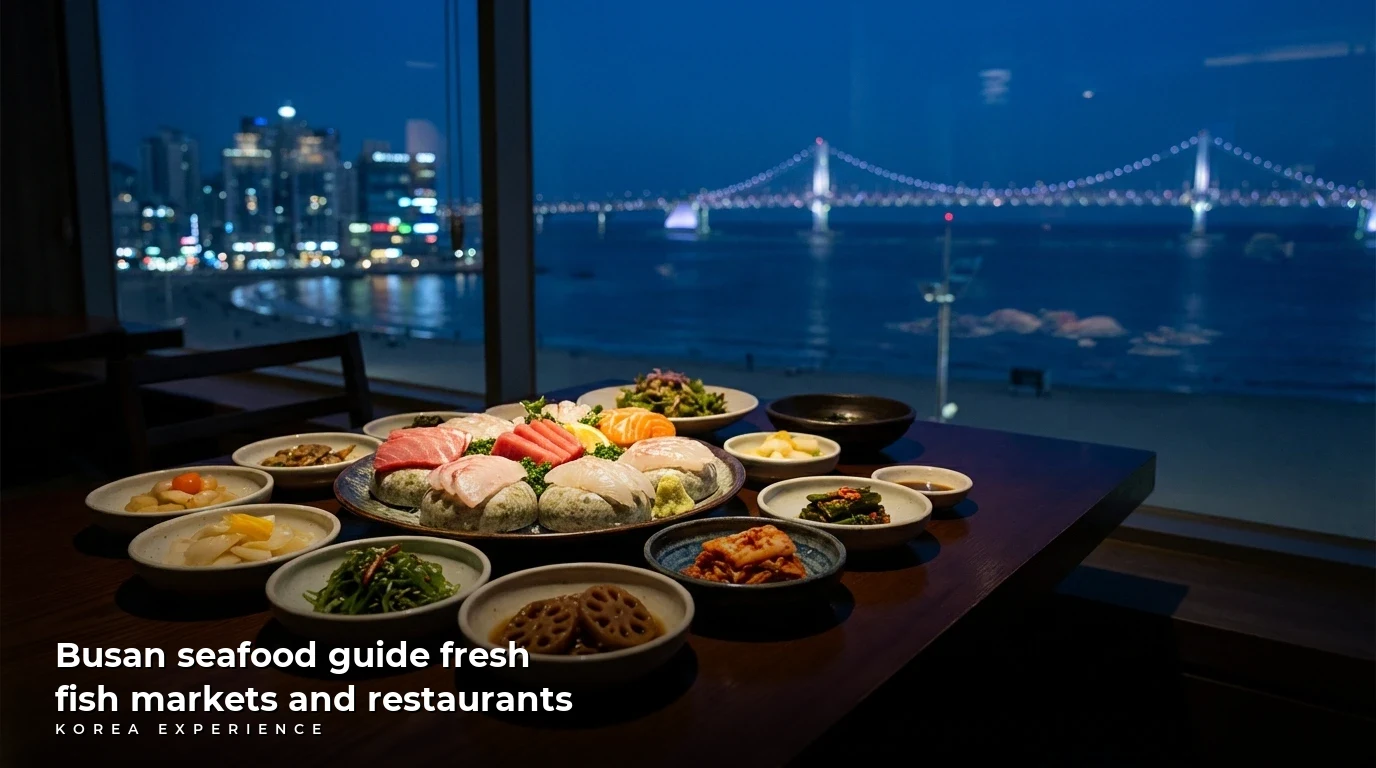
Explore the ultimate Busan seafood guide. Discover Jagalchi Market, Gwangalli raw fish centers, and top local restaurants for fresh catches.
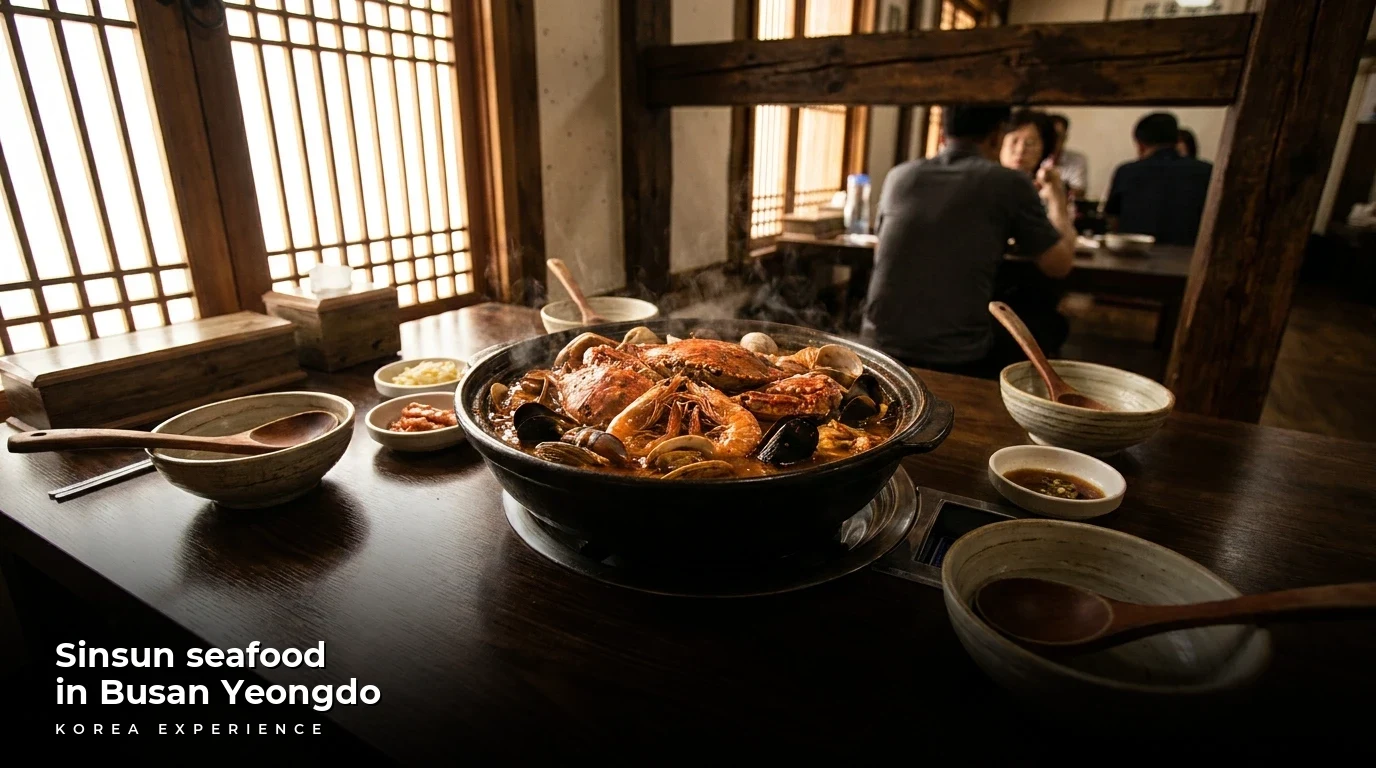
Discover the freshest seafood in Busan. From a $52 Haenyeo diver platter to a 10,000 KRW raw fish soup, explore the ultimate 2026 coastal dining guide.
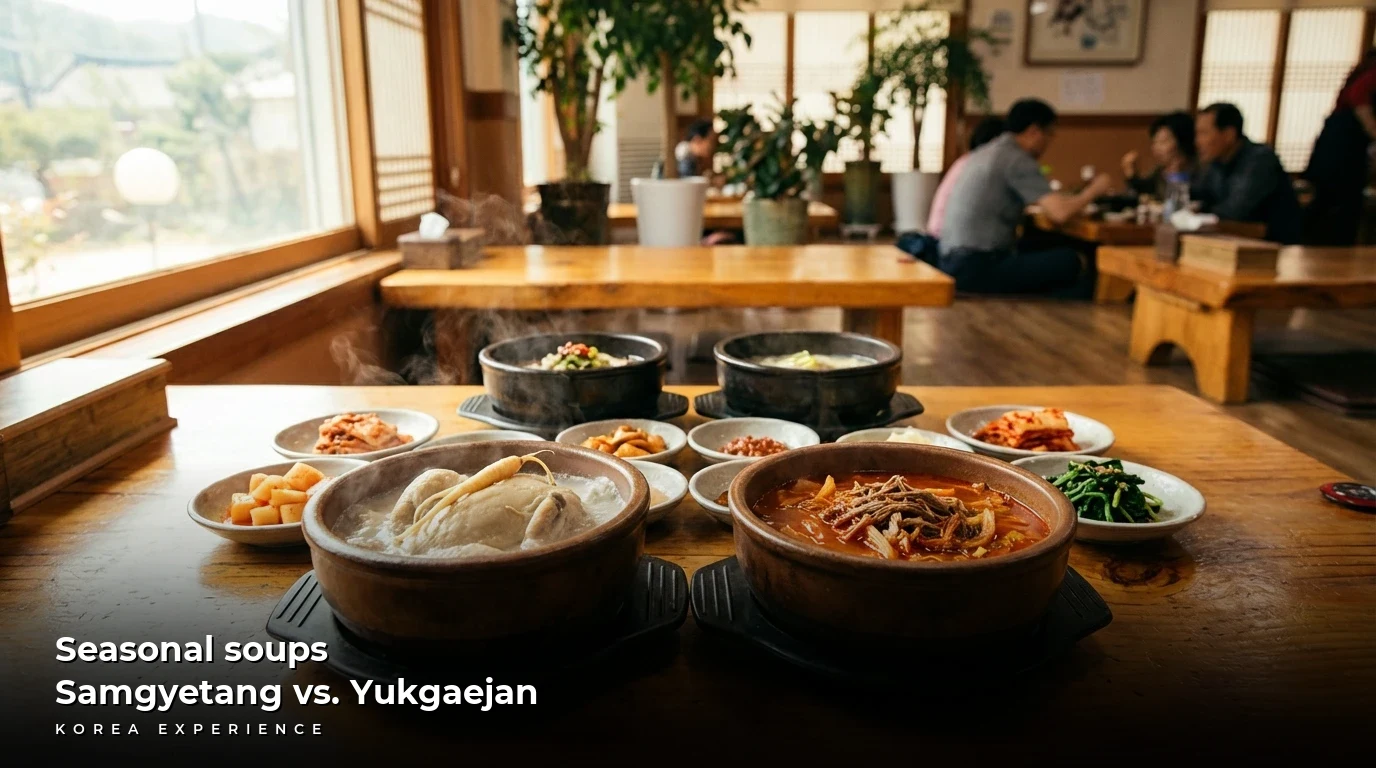
Discover the ultimate 2026 showdown between Samgyetang and Yukgaejang where prices now average 18,000 KRW and spicy beef soup cures winter hangovers.
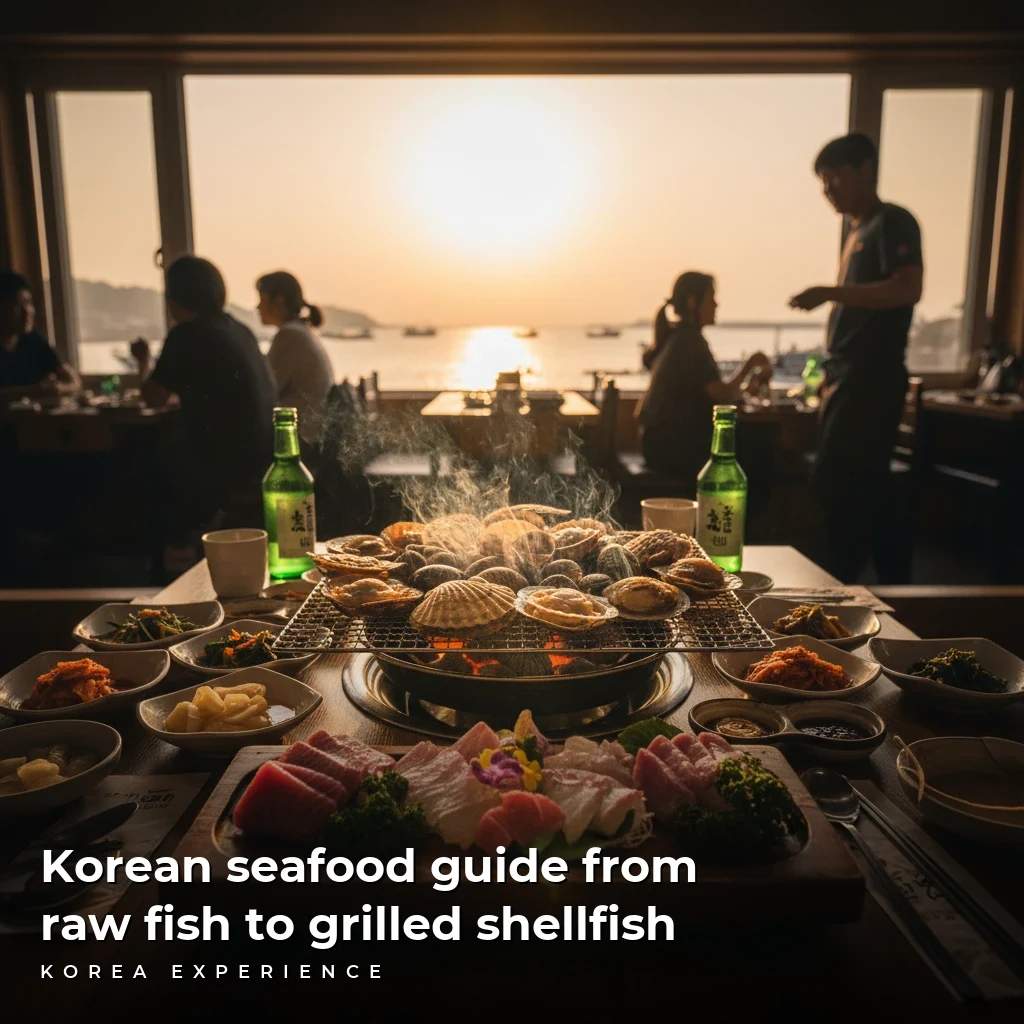
A comprehensive guide to eating seafood in Korea, from Noryangjin market tips to grilling shellfish by the coast.

Discover top Korean ski resorts and ice festivals for 2026. From High1 to Hwacheon, find prices, transport tips, and gear rentals in our complete guide.