Best coffee shops in Seoul 2026 for travelers and digital nomads
Discover the top 20 cafes in Seoul for 2026. From Seongsu warehouses to Hanok spots, find prices, wait times, and signature brews.
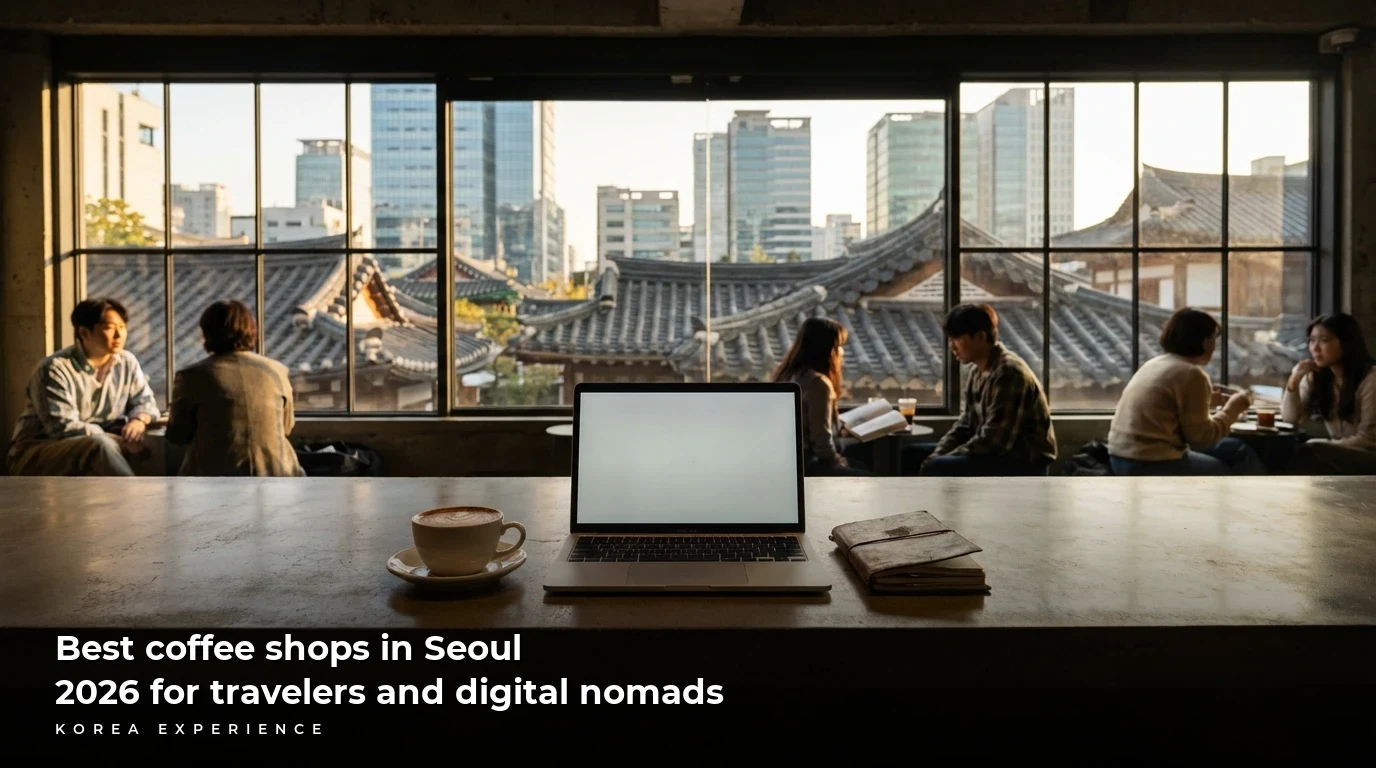
Seoul is arguably the coffee capital of Asia, boasting more cafes per capita than Seattle or Melbourne, with trends shifting rapidly from industrial warehouses to hyper-specialized espresso bars in 2026. The best coffee shops in Seoul for travelers are currently concentrated in Seongsu-dong, Hannam-dong, and the historic Jongno district, offering a mix of champion barista brews, stunning architectural interiors, and the ubiquitous "Eoljukah" (Iced Americano) culture.
The short answer: For 2026, the must-visit heavyweights are Fritz Coffee Company (Best Overall), Cafe Onion Anguk (Best Atmosphere), and Leesar Coffee (Best Espresso), while Seongsu-dong remains the undisputed district for cafe hopping with over 400 specialty shops.
Key Takeaways
- 1Iced Americano remains the national drink, averaging ₩4,500 ($3.40) per cup.
- 2Seongsu-dong and Hannam-dong are the 2026 hotspots for aesthetic cafe hopping.
- 3Most popular cafes have a 'No Kids Zone' policy and 1-hour time limits on weekends.
The Seoul Coffee Landscape in 2026
Before diving into specific recommendations, it is crucial to understand the sheer scale of coffee culture here. As of early 2026, Seoul hosts over 18,000 cafes. For the average Seoulite, a cafe is not just a place to grab caffeine; it is a "third space" (distinct from home and work) used for studying, dating, and social media content creation.
The average price for a specialty coffee has risen slightly to roughly 5,500 to ₩7,000 ($4.15 - $5.30) for signature drinks, while basic Americanos hover around ₩4,500 ($3.40) at independent roasters. If you are budget-conscious, chains like Mega Coffee offer large sizes for under ₩2,000 ($1.50), but the quality difference is palpable.
📊 Coffee Consumption 2026
The "Big Three": Iconic Cafes You Cannot Miss
If you only have time for a few stops, these three locations define the Seoul coffee experience, blending history, architecture, and world-class baking.
1. Cafe Onion (Anguk Branch)
Cafe Onion remains the gold standard for the "Hanok" (traditional Korean house) cafe experience. Located just 200 meters from Anguk Station (Line 3), this sprawling cafe creates a stunning contrast between 100-year-old wooden architecture and modern concrete floors.
The bakery section is famous for the Pandoro, a sugar-dusted mountain of bread costing ₩5,500. In 2026, they have expanded their single-origin filter coffee options, ranging from 6,000 to ₩8,000.
Cafe Onion Anguk(어니언 안국)
Pro Tip: If the line at Anguk is too long (often exceeding 45 minutes on Saturdays), head to their Seongsu branch or the newer Gwangjang Market outpost for a grittier, industrial vibe.
2. Fritz Coffee Company (Dohwa Branch)
Fritz is widely respected by coffee purists. Their branding—a retro seal holding a coffee cup—is iconic. The main branch in Mapo-gu is a converted traditional house that feels like stepping into 1980s Seoul.
Their baristas are frequently national champions. A latte here (₩5,000) is incredibly balanced, utilizing their "Old Dog" or "Seoul Cinema" blends. They are also famous for their pain au chocolat and sausage breads. It is approximately a 10-minute walk from Mapo Station.
3. Nudake (Haus Dosan)
While technically known for its avant-garde desserts, Nudake has redefined the cafe experience in Gangnam. Located in the Haus Dosan building (near Apgujeong Rodeo Station), the interior looks more like an art gallery than a coffee shop.
Their signature "Peak" cake—a croissant tart filled with flowing matcha cream (₩23,000 for a small)—is the most Instagrammed dessert in the city. Their "Nu Truffle" coffee (₩9,000) is a savory-sweet experience unique to this location.
Wait Time Alert
Nudake Haus Dosan often implements a queue management system on tablets at the entrance. On weekends, the wait can exceed 90 minutes. Register your phone number and explore the Gentle Monster sunglasses showroom upstairs while you wait.
For those interested in pairing these coffee experiences with more sweet treats, check out our guide to the best dessert cafes in Seoul.
Specialty Roasters: For the Coffee Geeks
If you care more about the bean origin, processing method, and extraction technique than the interior decor, Seoul's specialty scene is world-class.
Namusairo
Located near Gwanghwamun, Namusairo is one of the pioneers of specialty coffee in Korea. They travel directly to farms to source beans. The venue is a quiet, renovated Hanok that feels incredibly zen. A hand-drip coffee here usually costs between 7,000 and ₩15,000, depending on the rarity of the bean (e.g., Geisha varietals).
Tailor Coffee
With branches in Garosu-gil and Yeonnam-dong, Tailor Coffee is famous for its Cream Mocha (₩6,500). Unlike the overly sweet syrups found in chains, their cream is thick, cold, and barely sweet, sitting atop hot, rich espresso. It is a texture masterclass.
Anthracite Coffee Roasters
Anthracite takes abandoned spaces—old shoe factories, power plants—and turns them into dark, moody coffee sanctuaries. The Hapjeong branch is particularly famous. Their "Butter Fat Trio" blend is a must-try for those who like heavy body and chocolate notes. Prices are standard, with Americanos at ₩5,500.
When ordering specialty coffee in Seoul, ask if they have 'Decaf' options. In 2026, most top-tier roasters finally offer high-quality decaf beans processed via the Sugarcane or Swiss Water method, unlike a few years ago when it was rare.
The Espresso Bar Trend: Small, Strong, and Quick
Starting in late 2023 and exploding by 2026, "Espresso Bars" have taken over Seoul. These are often standing-room-only spots where you drink a quick shot and leave, mimicking Italian culture but with a Korean twist (usually more sugar and cream options).
Leesar Coffee
The godfather of the Korean espresso bar trend. Located in Cheongdam and Yaksu, Leesar offers espresso shots for incredible prices—around 2,000 to ₩3,000. The Caffe Oneroso (espresso with cream and milk) is their bestseller. The Yaksu branch opens at 7:00 AM, a rarity in a city where most cafes open at 10:00 AM or 11:00 AM.
Molto Italian Espresso Bar
Located directly opposite the Myeongdong Cathedral, Molto offers the best view in the city. You sit on a terrace gazing at the gothic architecture while sipping a Caffe Sale (Salted Espresso, ₩4,500). Note that Molto closes in winter or during heavy rain due to its reliance on outdoor seating.
💵 Cost Comparison: Espresso Bar vs. Standard Cafe
Quick, standing bar, intense flavor
Seongsu-dong: The Brooklyn of Seoul
Seongsu-dong deserves its own section. Formerly a handmade shoe factory district, it is now the epicenter of youth culture. If you are planning a day trip here, you can easily visit 4-5 cafes in a single afternoon.
Rain Report Croissant
This concept cafe features artificial rain falling outside the windows constantly, creating a moody, cozy atmosphere regardless of the actual weather. Their black charcoal croissants (₩4,800) are visually striking.
Tongue Planet
Owned by the fashion brand Ader Error, Tongue Planet features surrealist furniture shaped like tongues and weird geometric forms. It is vibrant, strange, and perfect for photos. Drinks are pricey, averaging ₩7,500.
For a complete itinerary in this area, consider our dedicated route guide.
24 Hours in Seongsu: Caffeine & Culture
The Dualism Concept: Experience the best of both worlds — premium luxury moments paired with authentic budget-friendly experiences in one route.
Center Coffee
Geisha Drip Coffee near Seoul Forest
Camel Coffee
Signature Camel Latte
Start at Center Coffee for the view of Seoul Forest, then walk 15 minutes to Camel Coffee for their famous sweet cream latte.
If you are spending the whole day in the area, check out our guide on 24 hours in Seongsu-dong for dining and shopping options alongside your coffee.
Digital Nomad Friendly Cafes
While many "Instagram cafes" have uncomfortable low tables and no plugs, Seoul is still a haven for remote workers if you know where to look.
1. Holly's Coffee (Various Locations)
While it is a chain, Holly's is optimized for workers. Many branches feature "Smart Zones" with library-style partitions, individual lamps, and power outlets at every seat. The Seolleung Station branch is particularly good for deep work.
2. Terarosa (Posco Center)
Located in the steel-and-glass Posco Center in Gangnam, this massive cafe features a two-story library aesthetic. While outlets are somewhat limited to the communal tables, the high ceilings and inspiring atmosphere make it a favorite for creatives. A drip coffee costs roughly ₩6,000.
3. In the Mass (Majang)
A warehouse conversion in Majang-dong, offering bright natural light, large communal tables, and excellent WiFi speeds (averaging 100mbps). It is quieter than Seongsu spots.
Remote Work Setup Comparison
| Feature | Holly's (Chain) | Onion (Hotspot) | Starbucks |
|---|---|---|---|
| Power Outlets | Abundant | Rare | Moderate |
| WiFi Speed | Fast | Fast | Fast |
| Time Limit | None | Often 2 Hours | None |
| Noise Level | Quiet | Loud | Moderate |
If you need a more professional environment, refer to our article on the best coworking spaces in Seoul.
Traditional Meets Modern: Hanok Cafes
Beyond Cafe Onion, there are several other Hanok cafes that offer a more intimate experience.
Cheongsudang (Ikseon-dong)
Located in the maze-like alleys of Ikseon-dong, Cheongsudang (Hall of Pure Water) is famous for its entrance path lined with stone lanterns and bamboo. The souffle castella (₩16,000) is their signature dish. The coffee is standard, but you are paying for the incredibly zen atmosphere.
Low Roof (Bukchon)
A modern cafe building that overlooks a traditional Hanok guesthouse. You can order your coffee in the modern building and then take it to the back porch of the traditional house to sit on the "Maru" (wooden floor) looking out at the garden.
Shoes Off Policy
In many Hanok cafes with traditional floor seating (ondol), you will be required to remove your shoes. Ensure you are wearing clean socks without holes!
For those interested in traditional Korean snacks to go with their coffee, our guide to best Korean desserts covers everything from Bingsu to Hotteok.
Practical Guide for Travelers
Navigating Seoul's cafes in 2026 requires a bit of know-how regarding technology and etiquette.
Ordering via Kiosks
About 80% of cafes in Seoul now use ordering kiosks. While most have an English language button, the interface can sometimes be confusing.
📖 How to Order at a Cafe Kiosk
Step 1: Select 'Eat In' or 'Take Out'
This is legally required due to disposable cup regulations. 'Eat In' means reusable mugs.
Step 2: Choose Menu
Select your drink. Customize ice/hot and sweetness levels.
Step 3: Payment
Insert your foreign credit card. Wait for the receipt.
Restroom Codes & WiFi
Seoul cafes rarely have unlocked restrooms. Look at your receipt or a small sign near the pick-up counter for the gender-specific codes (e.g., "Men: 1234*, Women: 5678*"). Similarly, WiFi passwords are almost always displayed on the receipt or the buzzers.
Seasonal Specialties
Coffee menus in Korea change with the seasons.
- Spring (March-May): Strawberry Lattes (Non-coffee) and Cherry Blossom themed drinks.
- Summer (June-August): "Crush" drinks (slushies) and Cold Brews.
- Autumn (September-November): Chestnut (Bam) Lattes and Black Sesame Lattes.
- Winter (December-February): Toffee Nut Lattes and excessive amounts of hot chocolate.
Pros and Cons of Seoul Cafe Culture
To give you a balanced view before you arrive, here is what to expect.
Seoul Cafe Culture: The Good & The Bad
- ✓Incredible interior design and aesthetics
- ✓High-quality beans and roasting standards
- ✓Fast, free WiFi everywhere
- ✓Open late (many until 10 PM or 11 PM)
- ✗Prices can be higher than in Europe
- ✗Crowded on weekends with waiting lists
- ✗Uncomfortable seating in 'aesthetic' spots
- ✗Time limits (1-2 hours) during peak times
FAQ: Coffee in Seoul
❓ Frequently Asked Questions
Have more questions?Contact us →
Seoul's coffee scene in 2026 is vibrant, innovative, and deeply integrated into daily life. Whether you are seeking the perfect espresso pull at Leesar, a architectural marvel at Onion, or a quiet work corner at Holly's, the city has a space for you. Just remember: grab your buzzer, check the restroom code on your receipt, and enjoy the caffeine.
About the Author
Korea Experience Team
Written by the Korea Experience editorial team - experts in Korean medical tourism, travel, and culture with years of research and firsthand experience.
Explore more in Travel & Tourism
From Seoul's neon-lit streets to Jeju's volcanic landscapes — discover the best of Korea with insider travel tips, itineraries, and seasonal guides.
Browse All Travel & Tourism ArticlesContinue Reading
Explore more articles you might find interesting
Discover the ultimate guide to Seoul cafe culture in 2026, featuring top coffee shops, trending dessert spots, and local insights for travelers.
Discover the top rooftop bars in Seoul for 2026. From Gangnam luxury to Hongdae vibes, find prices, dress codes, and the best sunset spots starting at ₩15,000.
Discover the top 30 Seoul Instagram spots for 2026. From the new Starfield Library to hidden Hanok cafes, get precise locations, lighting tips, and costs.
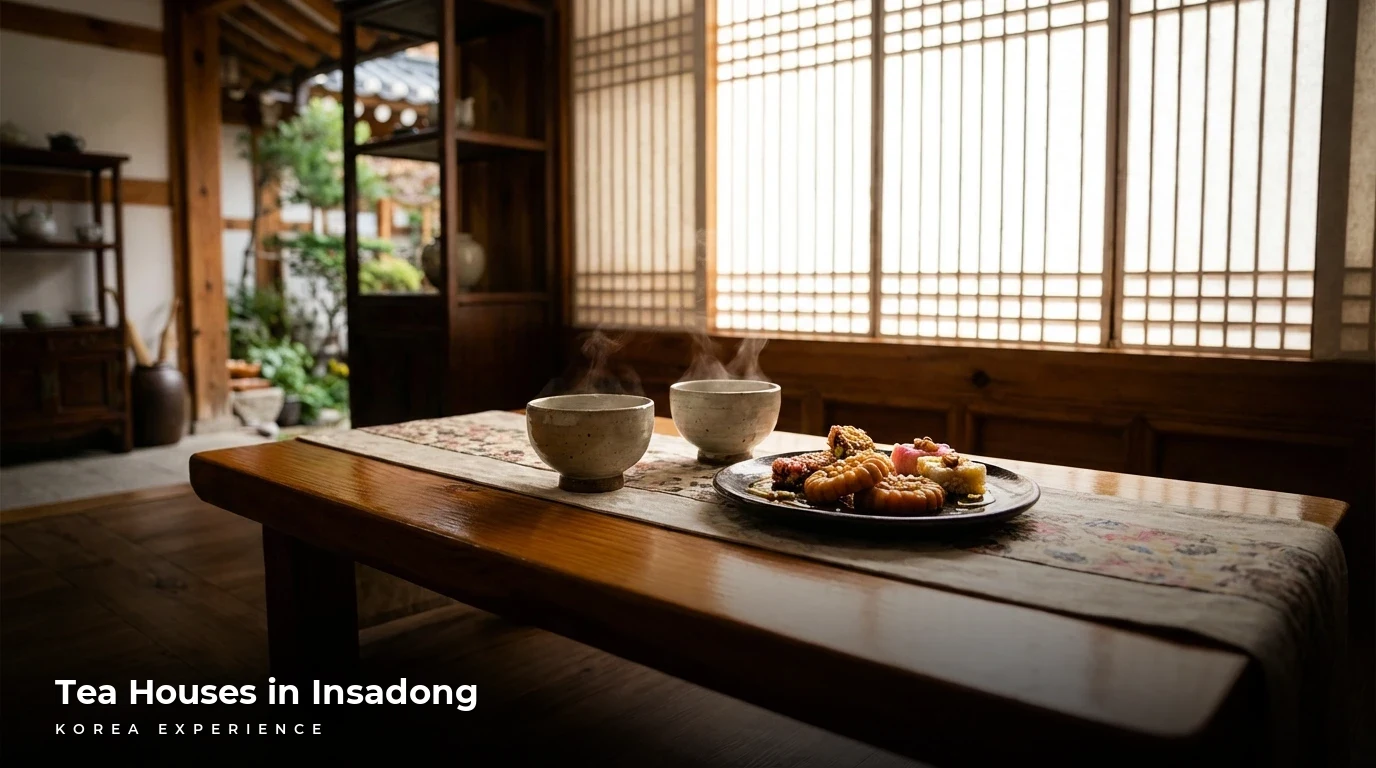
Discover Seoul's soul in 2026 with 100-year-old Hanoks and healing teas starting at 9,000 KRW. Find the best hidden spots away from the main street crowds.

Discover the best thrifting in Seoul for 2026. From Dongmyo's $1 piles to Seongsu's vintage boutiques, find hidden gems and luxury brands for under ₩50,000.
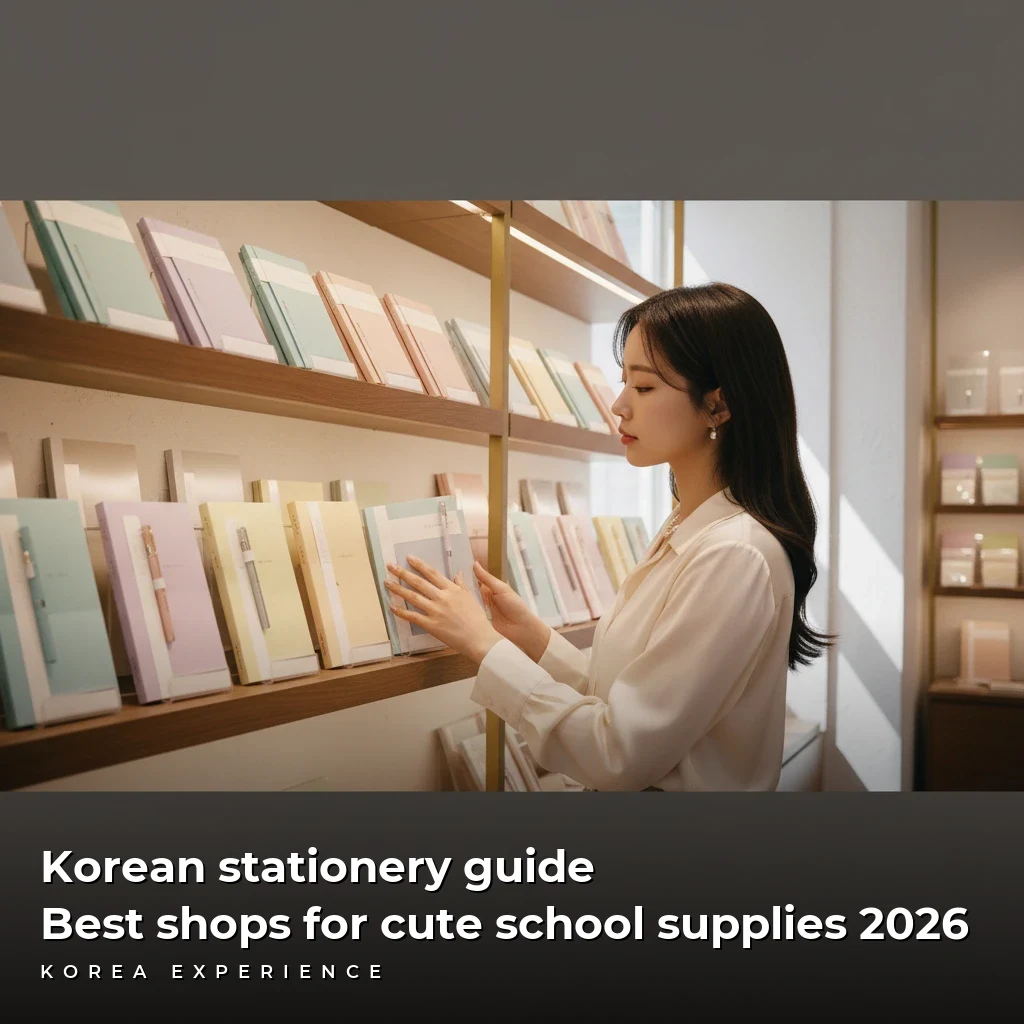
Discover Seoul's best stationery shops from Artbox to Point of View. Find prices, locations, and top souvenirs starting at ₩1,000 in our 2026 guide.