Korea's Autumn Colors Best Hiking and Photography Spots
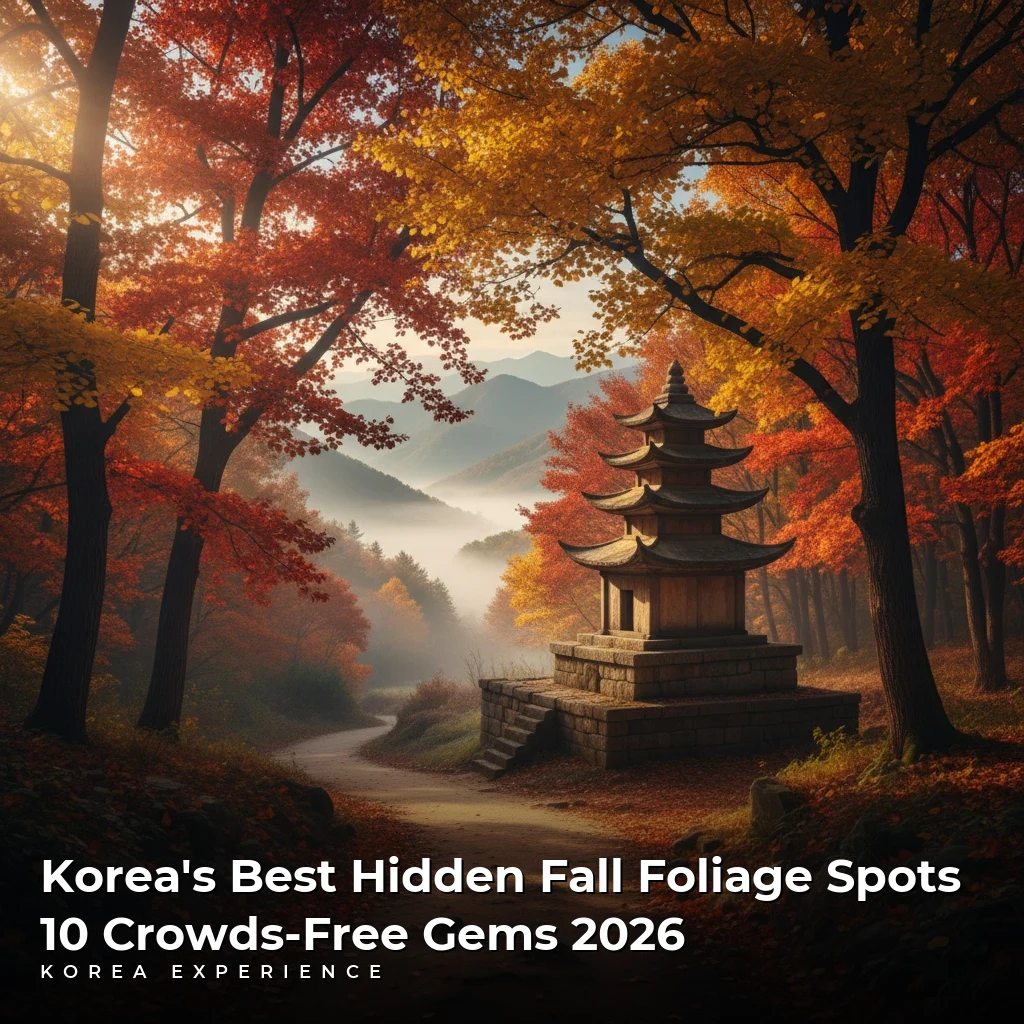
Discover Korea's most breathtaking autumn colors. Find the best hiking and photography spots, from vibrant mountains to serene temples.
Korea's autumn is a spectacle of nature, transforming its mountainous landscapes into a vibrant tapestry of crimson, gold, and amber. For international travelers and expats, experiencing this season offers an unparalleled opportunity for both invigorating hikes and breathtaking photography. This comprehensive guide will navigate you through the "Autumn Colors Best Hiking and Photography Spots" across the Korean peninsula, ensuring your fall adventure is as memorable as it is visually stunning.
The Allure of Korea's Autumn Foliage: A Season of Transformation
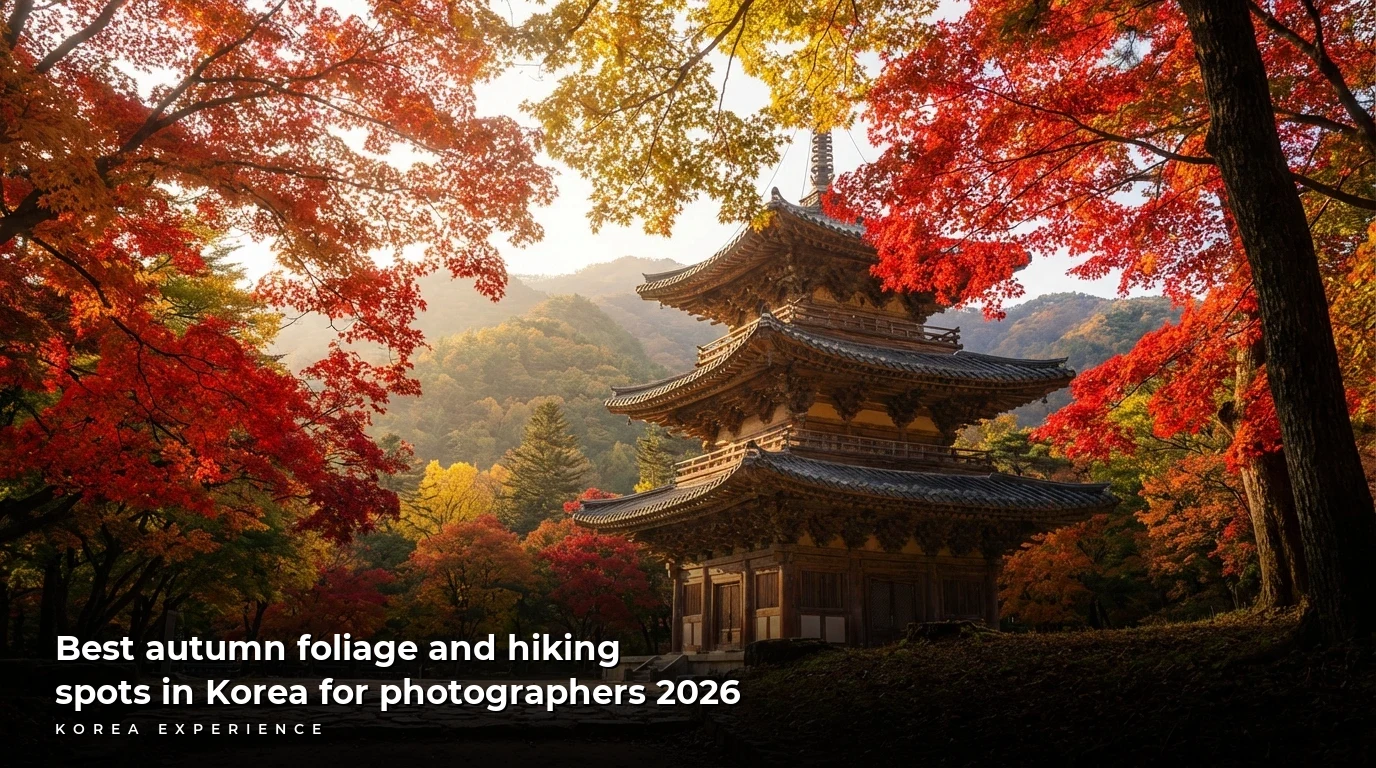
As the summer heat recedes, a refreshing crispness fills the air, signaling the arrival of fall, or gayeul as it's known in Korea. This season is synonymous with the dramatic metamorphosis of the nation's lush green mountains into a painter's palette of fiery reds, brilliant oranges, and sunny yellows. Unlike many countries where autumn colors are subtle, Korea's deciduous forests burst forth with an intensity that captivates every observer.
The beauty of Korean autumn isn't just in the colors themselves, but in their harmonious interplay with the rugged granite peaks, serene valleys, cascading waterfalls, and ancient temples that dot the landscape. For outdoor enthusiasts, the cooler temperatures provide ideal conditions for hiking, while photographers find endless inspiration in the dynamic light and vibrant scenery. From well-trodden national parks to hidden local gems, this guide is your essential companion to discovering the best autumn colors, hiking trails, and photography spots that Korea has to offer. Prepare to immerse yourself in a season of unparalleled natural splendor.
Understanding Peak Foliage Seasons: Timing Your Trip for Maximum Color
Successfully planning your autumn adventure in Korea hinges on understanding the progression of the fall foliage. The colors typically begin their transformation in the northern regions and higher elevations, gradually moving southward and to lower altitudes. This process usually starts in late September, reaching its peak vibrancy in mid-October, and concluding by early to mid-November.
Factors like temperature, sunlight, and rainfall can subtly shift these dates each year, so it's always advisable to check current forecasts closer to your travel period. However, historical data provides a reliable framework for planning. Generally, areas like Seoraksan National Park in the northeast are the first to welcome the autumn hues, while southern parks such as Naejangsan National Park experience their peak later in the season.
| Region/Park | General Peak Foliage Period | Key Features |
|---|---|---|
| Seoraksan National Park | Early to Mid-October | First to color, dramatic peaks, waterfalls |
| Odaesan National Park | Mid-October | Fir tree forests, tranquil valleys |
| Bukhansan National Park | Mid to Late-October | Urban accessibility, granite peaks |
| Jirisan National Park | Mid to Late-October | Largest park, diverse ecosystems, expansive views |
| Gayasan National Park | Late-October | Historic temple grounds, serene beauty |
| Naejangsan National Park | Late-October to Early-November | Most famous for red maples, reflections |
By aligning your visit with these peak times, you significantly increase your chances of witnessing Korea's autumn colors in their most magnificent state, ensuring your hiking and photography efforts are richly rewarded.
Naejangsan National Park: The Jewel of Red Maples
Renowned as the quintessential destination for autumn foliage, Naejangsan National Park, located in Jeongeup, Jeollabuk-do, is celebrated for its breathtaking tunnel of intensely red maples. The name "Naejangsan" itself means "mountains with many hidden secrets," and during autumn, these secrets are revealed in a spectacular display of color.
Overview and Unique Appeal
What sets Naejangsan apart is the sheer density and vibrancy of its maple trees. The park’s valleys are awash in deep crimson, creating an almost surreal landscape. It's often cited as the number one spot for experiencing Korea's autumn colors, drawing countless visitors each year. The harmony of ancient temples, reflective ponds, and gushing waterfalls against a backdrop of fiery leaves makes it a photographer's paradise and a hiker's dream.
Iconic Hiking Trails and Viewpoints
- Uhwajeong Pavilion: This picturesque pavilion, seemingly floating on a tranquil pond, offers one of Naejangsan's most iconic photography spots. Surrounded by brilliant red maples that reflect perfectly on the water's surface, it's a scene of unparalleled beauty. A leisurely stroll around the pond is a must.
- Baekyangsa Temple Trail: For a more extended and immersive experience, the trail leading to Baekyangsa Temple offers stunning views. The path winds through maple forests, alongside streams, and eventually leads to the serene temple complex, providing a perfect blend of nature and culture. This relatively gentle hike takes about 1-2 hours one way.
- Peak Hikes: For seasoned hikers, scaling one of Naejangsan's peaks like Seoraebong (624m) or Sinseonbong (763m) offers panoramic views of the entire park's autumnal splendor. These trails are more challenging, involving steep ascents, but reward hikers with expansive vistas.
Photography Guide
- Reflective Shots: Uhwajeong Pavilion and other small ponds throughout the park are perfect for capturing mirror-like reflections of the colorful foliage.
- Temple Backdrops: The historical temples within Naejangsan, such as Naejangsa Temple and Baekyangsa Temple, provide beautiful architectural elements to contrast with the natural colors. Early morning light often casts a soft glow on these structures.
- Maple Tunnel: The famous "Maple Tunnel" leading from the park entrance is a must-capture. Frame your shots to emphasize the canopy of vibrant red.
- Waterfalls: Capture the serene flow of Doseop Falls or Geumseon Falls against the fiery leaves for dynamic compositions.
Visitor Information
- Getting There: From Seoul, take a KTX train to Jeongeup Station. From there, local buses or taxis are available directly to Naejangsan National Park. The journey takes approximately 3-4 hours in total.
- Best Time to Visit: Late October to early November is typically the peak for Naejangsan's autumn colors. Weekdays are recommended to avoid weekend crowds, which can be substantial.
- Facilities: The park is well-equipped with restaurants, cafes, and souvenir shops near the main entrance. There are also public restrooms and information centers.
Seoraksan National Park: Korea's Majestic First Blush
As one of Korea's most iconic and rugged national parks, Seoraksan National Park in Gangwon-do is often the first to showcase autumn's arrival due to its northern location and high peaks. Its dramatic granite formations, deep valleys, and diverse ecosystems offer a spectacular setting for fall foliage enthusiasts.
Overview and Unique Appeal
Seoraksan is characterized by its majestic peaks, crystal-clear streams, and ancient forests. The autumn colors here are particularly striking against the backdrop of imposing rock faces. The park offers a wide range of trails, from gentle strolls to challenging climbs, catering to all levels of hikers. The sheer scale and raw beauty of Seoraksan during autumn are truly awe-inspiring.
Challenging Peaks and Scenic Valleys
- Ulsanbawi Rock: A challenging but highly rewarding hike to Ulsanbawi Rock offers breathtaking panoramic views. The trail involves numerous stairs, but the sight of the granite peaks surrounded by autumn colors is unparalleled. Allow 3-4 hours round trip.
- Daecheongbong Peak: For the ultimate challenge, the ascent to Daecheongbong (1,708m), Seoraksan's highest peak, is an overnight trek requiring significant preparation. The views from the summit, especially at sunrise, are legendary, with clouds often swirling below a sea of autumn colors.
- Cheonbuldong Valley: This picturesque valley is famed for its stunning autumn foliage, with maples and other deciduous trees lining the stream and reflecting in its waters. The trail through Cheonbuldong is moderately challenging and can be combined with other routes.
- Gwongeumseong Fortress Cable Car: For those seeking views without a strenuous hike, the cable car ascends to Gwongeumseong Fortress, offering sweeping vistas of the autumn-clad mountains and the East Sea. From the cable car station, short trails lead to various viewpoints.
Photography Hotspots
- Heundeulbawi Rock & Biryong Falls: These easily accessible spots offer unique photo opportunities. Heundeulbawi (rock that shakes) provides a fun element, while Biryong Falls cascades beautifully amidst the colorful trees.
- Temple Gardens: Sinheungsa Temple, located near the park entrance, offers serene temple architecture against a vibrant autumn backdrop, especially around its grand bronze Buddha statue.
- Panoramic Views: From the cable car upper station or the summit of Ulsanbawi, capture expansive landscapes with layers of colorful mountains stretching to the horizon. Use a wide-angle lens for these grand shots.
Practical Advice
- Early Peak: Seoraksan's autumn colors peak earlier than southern parks, usually from early to mid-October. Plan accordingly.
- Colder Temperatures: Due to its elevation and northern location, temperatures in Seoraksan can be significantly cooler, especially at higher altitudes. Pack layers, including warm outer wear, hats, and gloves.
- Crowds: Seoraksan is extremely popular during autumn. Arrive early, especially on weekends, to secure parking and avoid long queues for the cable car.
Bukhansan National Park: Seoul's Accessible Mountain Escape
For those based in or visiting Seoul, Bukhansan National Park offers an incredible opportunity to experience vibrant autumn colors without venturing far from the city. This national park, literally meaning "mountains north of Han River," is a natural playground easily accessible by public transport, making it an ideal choice for a day trip.
Overview and Unique Appeal
Bukhansan is unique for its dramatic granite peaks rising directly from the urban sprawl of Seoul. Despite its proximity to a mega-city, the park feels wild and expansive, boasting a diverse ecosystem. During autumn, its trails are lined with brilliant reds, oranges, and yellows, offering stunning contrasts between natural beauty and distant cityscapes. It's an excellent choice for combining a nature escape with urban exploration.
Urban Trails with Stunning Rewards
- Baegundae Peak Trail: The most popular and challenging route, leading to Baegundae (836m), Bukhansan's highest peak. The trail offers a mix of forested paths and rocky climbs, culminating in breathtaking 360-degree views of Seoul and the surrounding mountains, all painted in autumn hues. Allow 4-6 hours round trip.
- Dobongsan Area Trails: Located in the northern part of Bukhansan, Dobongsan offers a variety of trails, including the relatively gentler trek to Cheonchuksa Temple or the more strenuous climb to Jaunbong Peak. The autumn colors here are just as spectacular, often with fewer crowds than the Baegundae area.
- Bukhansanseong Fortress Wall Trail: For a historical hike, portions of the ancient fortress wall wind through beautiful autumn foliage, offering insights into Korea's past while enjoying the natural beauty.
Photography for Cityscapes and Nature
- Seoul Skyline Views: From Baegundae Peak, capture panoramic shots of the sprawling city with a foreground of colorful mountains. Early morning or late afternoon light can create dramatic effects.
- Granite Peaks: The unique geological formations of Bukhansan provide striking contrasts with the soft autumn foliage. Focus on compositions that highlight these natural sculptures.
- Temples and Hermitages: Explore the numerous temples and hermitages tucked away in the mountains, such as Doseonsa Temple or Sancheonsa Temple, for tranquil scenes.
Navigating Bukhansan
- Public Transport: Bukhansan is incredibly accessible. Take a subway to stations like Gupabal (Line 3), Bukhansan Ui (Ui-Sinseol Line), or Dobongsan (Line 1/7), and then connect to local buses that go directly to park entrances.
- Best Time to Visit: Mid to late October is the prime period for autumn colors in Bukhansan. Weekdays are preferable, but if visiting on a weekend, start your hike very early to beat the crowds.
- What to Bring: Even though it's near the city, it's a real mountain. Wear proper hiking shoes, bring water, and snacks. Some sections can be steep and require ropes or handrails.
Jirisan National Park: The Grandeur of the South
Jirisan National Park, spanning three provinces (Jeollanam-do, Jeollabuk-do, and Gyeongsangnam-do), is Korea's largest mainland national park and a spiritual symbol. Its vastness, diverse ecosystems, and towering peaks make it a magnificent destination for experiencing autumn colors on an grand scale.
Overview and Unique Appeal
As a yeongsan (sacred mountain), Jirisan holds deep cultural significance and is home to countless temples, hermitages, and historical sites. During autumn, its expansive valleys and ridge lines transform into an ocean of vibrant hues, offering unparalleled long-distance trekking opportunities. The sheer scale of Jirisan means you can find both challenging multi-day hikes and more leisurely day trails, all immersed in spectacular fall foliage.
Diverse Landscapes and Long-Distance Treks
- Nogodan Peak: One of Jirisan's most accessible major peaks, Nogodan (1,507m) offers spectacular sunrise views over a sea of clouds and autumn foliage. The hike is moderately challenging, with a road leading partway up, allowing for an easier ascent in the final section.
- Piagol Valley: Famed for its breathtaking danpung (autumn leaves), Piagol Valley is often hailed as one of Jirisan's most beautiful autumn spots. The valley trail offers a more leisurely walk along streams, surrounded by intensely red and orange maples. This is a must-visit for photographers and those seeking a less strenuous experience.
- Hwaeomsa Temple: Located at the foot of Jirisan, Hwaeomsa is one of Korea's most important Buddhist temples. Its expansive grounds and ancient trees provide a serene setting for autumn contemplation and photography.
Capturing Jirisan's Wilderness
- Sunrise Shots: For breathtaking photography, aim for a sunrise view from Nogodan Peak or another high vantage point. The interplay of fog, light, and autumn colors is magical.
- Expansive Vistas: With its vastness, Jirisan offers numerous opportunities for wide-angle landscape shots, capturing layers of colorful mountains stretching into the distance.
- Valley Details: Focus on the intricate details of Piagol Valley – the reflections in the stream, the vibrant leaves cascading down, and the interplay of light and shadow.
Planning Your Jirisan Adventure
- Longer Stays: Due to its size, Jirisan is best explored over several days, especially if you plan to tackle longer trails. There are mountain refuges available for overnight stays, but reservations are essential, particularly during peak autumn season.
- Accessibility: Various access points lead into Jirisan National Park. From Seoul, take a KTX to Gurye-gu Station or Namwon Station, then connect with local buses to specific park entrances like Hwaeomsa or Nogodan.
- Preparedness: Be prepared for varying weather conditions. Jirisan's high altitudes can mean significant temperature drops. Pack appropriate gear, including sturdy hiking boots, rain gear, and sufficient food and water.
Gayasan National Park: Cultural Heritage Amidst Foliage
Gayasan National Park, located in Gyeongsangnam-do, offers a unique blend of natural autumn beauty and profound cultural heritage, primarily centered around Haeinsa Temple, a UNESCO World Heritage site. This park provides a more contemplative autumn experience, where vibrant colors complement ancient traditions.
Overview and Unique Appeal
Gayasan is a smaller, more intimate national park, known for its serene atmosphere and the historical significance of Haeinsa Temple, which houses the Tripitaka Koreana – a complete collection of Buddhist scriptures carved on over 80,000 wooden printing blocks. During autumn, the temple grounds and surrounding mountain slopes ignite with brilliant fall colors, creating a harmonious blend of spiritual tranquility and natural splendor.
Serene Hikes and Spiritual Retreats
- Haeinsa Temple Grounds: A walk through the expansive grounds of Haeinsa Temple is a hike in itself. The ancient trees, traditional architecture, and surrounding autumn foliage create a truly spiritual and picturesque setting. Paths are generally easy and well-maintained.
- Sangwangbong Peak Trail: For a more active hike, the trail to Sangwangbong (1,430m), the highest peak of Gayasan, offers rewarding views of the temple complex and the surrounding mountains blanketed in fall colors. This is a moderately challenging hike, taking approximately 4-5 hours round trip from the temple.
- So-ri-gil Trail: This relatively flat and easy trail follows the valley floor, offering pleasant views of the stream and the colorful forest without significant elevation changes. Perfect for families or those seeking a gentle stroll.
Photography of Temples and Autumn Hues
- Haeinsa's Janggyeong Panjeon: Capture the architectural beauty of the Janggyeong Panjeon (depositories for the Tripitaka Koreana blocks) against the backdrop of autumn leaves. The intricate details of the traditional buildings juxtaposed with nature's vibrant palette make for stunning photographs.
- Reflection Ponds: Look for any small ponds or water features within the temple grounds or along the trails that can offer beautiful reflections of the surrounding autumn colors.
- Framing Shots: Use the unique temple gates or surrounding trees to frame your shots of the main temple complex, adding depth and context to your photographs.
Visiting Haeinsa and Gayasan
- Getting There: From Seoul, take a KTX train to Dongdaegu Station, then transfer to a bus directly to Haeinsa Temple. The total journey can take around 3-4 hours.
- Best Time to Visit: Late October is typically the best time for autumn colors in Gayasan.
- Respectful Visit: As a significant spiritual site, visitors are encouraged to dress modestly and behave respectfully within the temple grounds.
- Temple Stay: Consider a temple stay program at Haeinsa for a deeper cultural immersion. Booking in advance is recommended.
Odaesan National Park: Pristine Beauty and Tranquility
Odaesan National Park, located in the central part of Gangwon-do province, is a lesser-known gem compared to Seoraksan or Naejangsan, offering a more tranquil and pristine autumn experience. It is particularly famed for its dense fir tree forests and its important Buddhist temples, Woljeongsa and Sangwonsa.
Overview and Unique Appeal
Odaesan is characterized by its gentle slopes, deep valleys, and lush forests, making it ideal for leisurely walks and peaceful contemplation. While its colors might not be as overwhelmingly vibrant as Naejangsan's maples, the park offers a rich tapestry of golden ginkgos, various maples, and the evergreen contrast of its fir forests. It's an excellent choice for those seeking to escape the crowds and enjoy nature in serenity.
Gentle Walks and Vibrant Valleys
- Woljeongsa Temple Fir Forest Trail: This iconic 1-kilometer trail is perhaps Odaesan's most famous feature. Lined with towering fir trees, it's a serene, flat walk that feels magical in any season, but especially in autumn when surrounding deciduous trees add splashes of color. The path leads to Woljeongsa Temple, a significant temple with a rich history.
- Birobong Peak Trail: For a more challenging hike, the trail to Birobong (1,563m), Odaesan's highest peak, offers panoramic views of the entire park. The ascent is steady but rewarding, taking you through diverse forest types, all ablaze with autumn hues. Allow 5-6 hours round trip.
- Sangwonsa Temple: A smaller, more secluded temple located further up the valley from Woljeongsa. The trail to Sangwonsa is pleasant and offers beautiful views of the valley's autumn foliage.
Capturing Calm and Color
- Fir Forest Contrast: Photography in Odaesan should focus on the beautiful contrast between the dark green fir trees and the bright autumn colors of the deciduous trees. Use leading lines of the fir trees to draw the eye into your compositions.
- Temple Serenity: Woljeongsa and Sangwonsa Temples offer opportunities to capture tranquil scenes of traditional Korean architecture against a colorful natural backdrop. Pay attention to reflections in the temple ponds.
- Gentle Landscapes: Emphasize the park's peaceful atmosphere. Look for soft light filtering through the trees, the subtle flow of streams, and compositions that convey tranquility.
Tips for a Peaceful Visit
- Getting There: From Seoul, take a bus to Jinbu Intercity Bus Terminal. From Jinbu, local buses or taxis are available to Woljeongsa Temple.
- Best Time to Visit: Mid-October is typically the peak for autumn colors in Odaesan. Being less crowded than other major parks, you might find more solitude even on weekends.
- Quiet Contemplation: Odaesan is a place for quiet reflection. Embrace the slower pace and immerse yourself in the natural and spiritual beauty.
Photography Tips for Capturing Autumn in Korea
Capturing the essence of Korea's autumn colors requires more than just pointing and shooting. With a few strategic tips, you can elevate your photographs from good to truly exceptional.
Best Time of Day
- Golden Hour: The hour after sunrise and the hour before sunset offer the softest, warmest light, enhancing the vibrancy of autumn leaves and creating beautiful long shadows.
- Early Morning: Not only does early morning provide excellent light, but it also helps you avoid crowds at popular spots, giving you more freedom to compose your shots. Look for dew on leaves for added detail.
- Overcast Days: Don't dismiss overcast days! Diffused light can bring out the saturation of colors without harsh shadows, perfect for forest interiors.
Gear Essentials
- DSLR/Mirrorless Camera: For maximum control and image quality.
- Variety of Lenses: A wide-angle lens for expansive landscapes, a telephoto lens for isolating details or distant peaks, and a macro lens for close-ups of individual leaves.
- Tripod: Essential for sharp images in low light (sunrise/sunset), for reflective shots, or for slow-shutter water effects.
- Polarizing Filter: Reduces glare on leaves and water, deepens blue skies, and enhances color saturation significantly.
- Extra Batteries and Memory Cards: You'll be taking a lot of photos!
Composition and Light
- Look for Contrasts: Frame colorful leaves against granite peaks, clear blue skies, or ancient temple architecture.
- Reflections: Utilize water (ponds, streams) to create stunning mirror-like reflections of the autumn foliage.
- Leading Lines: Use paths, streams, or rows of trees to guide the viewer's eye through your photograph.
- Foreground Interest: Include interesting elements in the foreground, like a fallen leaf, a mossy rock, or a small stream, to add depth to your landscape shots.
- Backlighting: Experiment with backlighting, especially during golden hour, to make leaves glow with an ethereal light.
Respecting Nature and Other Visitors
- Stay on Trails: Protect the delicate ecosystem by sticking to designated paths.
- Leave No Trace: Pack out everything you pack in. Do not disturb plants or wildlife.
- Be Mindful of Others: Be respectful of other hikers and photographers. Don't block paths or hog prime photography spots.
Practical Advice for Your Autumn Hiking Trip
A successful autumn trip to Korea requires careful planning, especially when combining hiking with photography. Here are some practical tips to ensure a smooth and enjoyable experience.
Transportation
- KTX and Intercity Buses: Korea boasts an efficient public transportation system. KTX trains are fast for long distances, while intercity buses connect major cities to smaller towns near national parks. Book tickets in advance, especially for weekend travel during peak season.
- Local Buses and Taxis: Once near the park, local buses often run from bus terminals to the park entrances. Taxis are also readily available but can be more expensive.
- Car Rental: Renting a car offers the most flexibility, allowing you to explore more remote areas and avoid crowds. However, be prepared for heavy traffic on weekends and limited parking near popular parks.
Accommodation
- Near Park Entrances: Many national parks have a range of accommodations near their entrances, from budget-friendly minbak (guesthouses) to hotels and resorts.
- Temple Stays: For a unique cultural experience, consider a temple stay at one of the many temples located within or near national parks.
- Book in Advance: Autumn is a highly popular travel season. Book your accommodation well in advance, especially if traveling during weekends or public holidays.
What to Pack
- Layered Clothing: Temperatures can vary greatly throughout the day and with elevation. Pack light, moisture-wicking layers, a warm fleece or down jacket, and a wind/waterproof outer shell.
- Sturdy Hiking Boots: Essential for comfort and safety on varied terrain. Ensure they are well broken-in.
- Small Backpack: For water, snacks, extra layers, camera gear, and essentials.
- Reusable Water Bottle: Stay hydrated on the trails.
- Sun Protection: Hat, sunglasses, and sunscreen, even in autumn.
- Basic First-Aid Kit: Band-aids, antiseptic wipes, pain relievers.
- Snacks: Energy bars, fruit, nuts to keep you fueled.
- Navigation: A map of the park (available at visitor centers) and a charged phone with GPS.
- Headlamp/Flashlight: If hiking near dawn or dusk.
Food and Drink
- Park Restaurants: Most major national parks have restaurants near their entrances serving Korean staples like bibimbap, pajeon (savory pancakes), and various stews.
- Convenience Stores: Easily found near park entrances for quick snacks and drinks.
- Local Specialties: Don't miss trying local specialties in the towns surrounding the parks. For example, Jeongeup (near Naejangsan) is known for its beef dishes.
- Bring Your Own: Packing a picnic can be a delightful way to enjoy the scenery.
Leave No Trace Principles
- Plan Ahead and Prepare: Know the regulations and potential hazards.
- Travel and Camp on Durable Surfaces: Stick to trails and established campsites.
- Dispose of Waste Properly: Pack out all trash, including food scraps.
- Leave What You Find: Do not remove natural objects or cultural artifacts.
- Minimize Campfire Impacts: Use established fire rings or portable stoves.
- Respect Wildlife: Observe from a distance; never feed animals.
- Be Considerate of Other Visitors: Yield to others, keep noise levels down.
Comparison Table: Popular Autumn Parks at a Glance
| Park Name | Difficulty | Accessibility (from Seoul) | Main Attraction | Ideal Duration |
|---|---|---|---|---|
| Naejangsan National Park | Easy to Medium | High (KTX + Bus) | Vibrant red maple tunnel | 1-2 days |
| Seoraksan National Park | Medium to Hard | Medium (Bus/Train + Bus) | Rugged peaks, early foliage | 2-3 days |
| Bukhansan National Park | Medium | Very High (Subway + Bus) | City views, granite peaks | 1 day |
| Jirisan National Park | Medium to Hard | Medium (KTX + Bus) | Expansive wilderness, diverse colors | 2-4 days |
| Gayasan National Park | Easy to Medium | Medium (KTX + Bus) | Haeinsa Temple, serene foliage | 1-2 days |
| Odaesan National Park | Easy to Medium | Medium (Bus + Bus) | Fir forests, tranquil valleys | 1-2 days |
Comparison Table: Photography Focus Points
| Park Name | Scenic Type Focus | Best for | Unique Feature |
|---|---|---|---|
| Naejangsan National Park | Valleys, Temples, Reflections | Vibrant maples, serene ponds | Uhwajeong Pavilion reflections |
| Seoraksan National Park | Peaks, Valleys, Waterfalls | Dramatic landscapes, early color | Granite peaks amidst fiery trees |
| Bukhansan National Park | Peaks, Cityscapes, Temples | Urban nature, panoramic views | Seoul skyline with autumn mountains |
| Jirisan National Park | Expansive vistas, Valleys | Wilderness, long trails, sunrises | Piagol Valley's deep reds |
| Gayasan National Park | Temples, Valleys, Peaks | Cultural heritage, peaceful hues | Haeinsa Temple against autumn backdrop |
| Odaesan National Park | Forests, Temples, Valleys | Tranquility, fir forests | Woljeongsa Temple's fir forest path |
Frequently Asked Questions (FAQ)
1. When is the best time to see autumn colors in Korea? The peak autumn foliage season in Korea generally runs from early October to mid-November, starting in the northern and higher-altitude regions (like Seoraksan) and moving southward. Mid-to-late October is often ideal for most central and southern parks. Always check local forecasts closer to your travel dates for precise timing.
2. What should I pack for autumn hiking in Korea? Layered clothing is crucial due to fluctuating temperatures. Pack moisture-wicking base layers, a warm mid-layer (fleece or light down jacket), and a waterproof/windproof outer shell. Sturdy hiking boots, a small backpack, water, snacks, and sun protection are also essential. Don't forget your camera gear!
3. Are Korean national parks free to enter? Generally, access to the hiking trails within most Korean national parks is free. However, some areas, particularly those housing historical temples or specific cultural sites within the park boundaries (like Haeinsa Temple in Gayasan), may charge a small entrance fee to maintain the sites.
4. Can I hike alone in Korean national parks? Yes, hiking alone is generally safe in Korean national parks, which are well-maintained and often have clear signage. However, it's always advisable to inform someone of your plans, stick to marked trails, carry a map and fully charged phone, and be aware of your physical limits, especially on more challenging routes.
5. How do I get to these national parks from Seoul? Korea's public transportation system is excellent. You can typically reach most national parks by taking a KTX train or an intercity bus from Seoul to a nearby major city or bus terminal, and then connecting to local buses or taxis that go directly to the park entrances. For parks closer to Seoul like Bukhansan, the subway system provides direct access.
Conclusion: Embrace the Golden Season
Korea's autumn is a testament to nature's artistry, offering an unforgettable experience for anyone seeking natural beauty, outdoor adventure, and photographic inspiration. From the fiery maples of Naejangsan to the majestic peaks of Seoraksan, the urban escape of Bukhansan, the expansive wilderness of Jirisan, the cultural serenity of Gayasan, and the pristine tranquility of Odaesan – each park presents its own unique spectacle of "Autumn Colors Best Hiking and Photography Spots."
We hope this comprehensive guide empowers you to plan your ultimate fall journey in Korea. Remember to check peak foliage forecasts, book accommodations in advance, and pack wisely to make the most of this spectacular season. Whether you're a seasoned hiker or a budding photographer, the vibrant hues of Korea's autumn await, promising memories that will last a lifetime. So, lace up your boots, charge your camera, and prepare to be captivated by the breathtaking beauty of Korea in fall. Share your experiences with us – we can't wait to see your journey unfold!
About the Author
Korea Experience Team
Written by the Korea Experience editorial team - experts in Korean medical tourism, travel, and culture with years of research and firsthand experience.
Explore more in Travel & Tourism
From Seoul's neon-lit streets to Jeju's volcanic landscapes — discover the best of Korea with insider travel tips, itineraries, and seasonal guides.
Browse All Travel & Tourism ArticlesContinue Reading
Explore more articles you might find interesting
Discover Seoul's top coffee havens in 2026 from aesthetic cafes to specialty roasters. Find your perfect brew in this vibrant city.
Discover Andong Hahoe Village in 2026, a UNESCO site embodying Korea's living heritage. Plan your immersive journey into Joseon Dynasty traditions and culture.
Discover Seoul's top coworking spaces for short-term travelers in 2026. Find flexible, productive spots for your remote work needs.
Choosing between Airport Limousine Bus and AREX Express Train for your Incheon Airport transfer to Seoul? Our guide compares cost, time, comfort, and convenience.
Uncover the top day trips from Seoul in 2026. Explore historical sites, natural wonders, and cultural gems just a short journey from the vibrant capital.
Discover Korea's thrilling adventure side. This guide covers rock climbing, paragliding, and rafting hotspots, offering practical tips and unforgettable experiences.