Bonsai and Zen gardens finding peace in Korea traditional greenery
Discover the tranquility of Korean Bunjae and traditional gardens. A complete 2026 guide to finding peace in Korea's lush landscapes and hidden green gems.
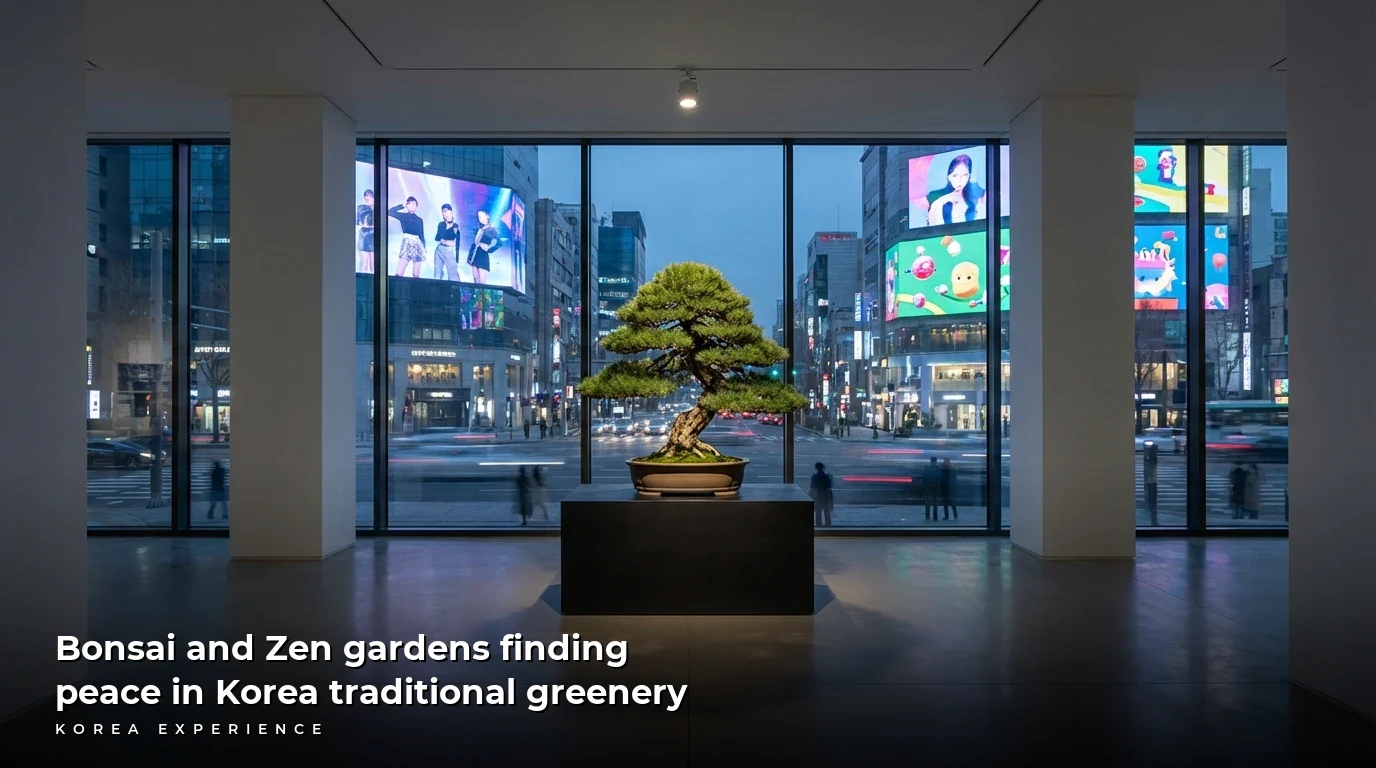
In the hyper-modern landscape of 2026 Korea, where digital connectivity dominates daily life, the ancient pursuit of tranquility through nature has never been more relevant. While the world often associates the term "Bonsai" and "Zen Gardens" primarily with Japan, Korea possesses a distinct, equally profound tradition of miniature trees known as Bunjae and a landscape architecture philosophy deeply rooted in naturalism. For the international traveler seeking respite from the neon lights of Seoul, diving into Korea's traditional greenery offers a spiritual cleanse that costs a fraction of a therapy session.
Korean gardening culture differs significantly from its neighbors. Unlike the highly stylized and controlled aesthetic of Japanese gardens, or the grand, imposing scale of Chinese landscaping, Korean traditional gardens emphasize "borrowing from nature." The goal is not to force nature into a shape, but to create a space where humanity and nature coexist seamlessly. Whether you are a horticulture enthusiast or simply seeking a quiet corner to meditate, this guide explores the best spots for Bunjae and traditional gardens across the peninsula.
Related reading: Rainy Seoul Evenings.
Key Takeaways
- 1Korea's version of Bonsai is called Bunjae, emphasizing rugged, natural stems over stylized perfection.
- 2The Spirited Garden in Jeju is the world's largest Bunjae garden, hosting over 2,000 trees.
- 3Book Secret Garden tours 6 days in advance; tickets cost ₩5,000 and sell out in minutes.
Understanding the Difference: Bunjae vs. Bonsai
To appreciate the greenery you will encounter in 2026, it is crucial to understand the terminology. While international travelers search for "Bonsai," in Korea, you are looking for Bunjae. The art form dates back to the Goryeo Dynasty (918–1392), with records showing miniature landscapes being cultivated well before the widespread popularization of the term Bonsai in the West.
Related reading: Korean Traditional Architecture Palace Tour Guide and Tips.
The philosophy of Bunjae focuses on the "aesthetic of waiting." A typical high-quality Bunjae specimen in Korea is often between 30 to 100 years old, with some masterworks exceeding 300 years in age. The visual difference lies in the trunk. While Japanese Bonsai often seeks an idealized, triangular perfection, Korean Bunjae prizes the Gok (curve) and Yeobaek (empty space), mimicking trees that have survived harsh winds on a cliff edge.
Learn more in our comprehensive guide to Korean traditional music and performance guide.
Garden Philosophy Comparison
| Feature | Korean (Bunjae/Garden) | Japanese (Bonsai/Zen) |
|---|---|---|
| Primary Aesthetic | Naturalism & Flow | Idealized Perfection |
| Human Intervention | Minimal, looks untouched | High, looks manicured |
| Water Features | Square ponds with round islands | Irregular ponds or gravel seas |
| Typical Tree Age | 50-300+ Years | 50-500+ Years |
The Spirited Garden: Jeju Island's Green Masterpiece
Located on the volcanic island of Jeju, The Spirited Garden is arguably the premier destination for Bunjae in the world. Established in 1968 by Director Sung Bum-young, this garden transformed a barren wasteland of rocks and thorns into a lush paradise. Spanning approximately 39,000 square meters, it houses over 2,000 Bunjae artworks.
For more details, check out our guide on Korean Traditional Music Gugak Performance Venues Guide.
In 2026, admission fees have adjusted slightly to reflect inflation, currently sitting at ₩14,000 for adults. The garden is divided into seven distinct themes, featuring waterfalls, stone bridges, and the signature black basalt walls of Jeju. It is not just a garden; it is a philosophy class in physical form. The trees here are not kept in pots indoors but are displayed outdoors, battling the strong Jeju winds, which gives them their characteristic rugged beauty.
The Spirited Garden(생각하는 정원)
The Cost of Serenity
Visiting Jeju requires logistical planning. A flight from Seoul Gimpo Airport to Jeju takes 65 minutes and costs between 40,000 to ₩120,000 depending on the season. Once on the island, renting a car is highly recommended as the garden is located in the western countryside, about 40 kilometers from Jeju City.
📋 Trip Planner: Spirited Garden
The Garden of Morning Calm: Scenic Beauty near Seoul
If you cannot make it to Jeju, The Garden of Morning Calm in Gapyeong is an accessible alternative, located just 50 kilometers east of Seoul. While famous for its lighting festivals in winter, the "Sukgeun Garden" section is where Bunjae enthusiasts should head. This 330,000-square-meter arboretum features 5,000 different plant species.
The Bunjae garden here is designed to resemble the shape of the Korean peninsula. It holds roughly 350 pots of pine, juniper, and maple trees. The trees are meticulously cared for, with some specimens aged over 100 years. The setting is surrounded by Chungnyeongsan Mountain, providing a "shakkei" (borrowed scenery) effect that is central to East Asian garden design.
Transport Pro Tip
Take the ITX-Cheongchun train from Yongsan Station to Cheongpyeong Station (approx. 50 mins, ₩6,900). From there, the dedicated Gapyeong City Tour Bus runs every hour and costs ₩8,000 for an all-day pass connecting the garden with Nami Island.
Seoul's Hidden Peace: Changdeokgung Secret Garden
For the purest example of a Korean traditional garden—which international visitors might equate to a "Zen" experience—you must visit the Huwon (Secret Garden) at Changdeokgung Palace. Unlike the raked gravel of a Japanese Zen garden, the Secret Garden is a masterpiece of natural landscaping.
Occupying 60% of the palace grounds (approx. 462,000 square meters), this area was formerly reserved for the royal family. The garden features square lotus ponds (representing the earth) with round islands (representing the sky), following ancient cosmological principles. The 300-year-old Zelkova trees and the Buyongji Pond offer a profound silence that defies the fact you are in the middle of a city with 9.4 million people.
The Secret Garden is accessible ONLY via guided tour. Tickets for 2026 are released online at 10:00 AM, 6 days in advance. They vanish in seconds. Create an account on the Royal Palaces website beforehand. If you miss online tickets, arrive at the ticket office at 9:00 AM sharp; they hold 20% of tickets for on-site sales.
Architectural Harmony
The pavilions in the Secret Garden, such as the Buyongjeong, are built with their pillars dipping into the water. This architectural style minimizes the barrier between the artificial structure and nature. The tour covers 2.5 kilometers of walking over 90 minutes.
📊 Secret Garden Metrics
Suncheon Bay National Garden: A Global Collection
Located in the southern province of Jeollanam-do, roughly 300 kilometers from Seoul, the Suncheon Bay National Garden is a massive ecological park that includes distinct gardens from various nations, including a dedicated Traditional Korean Garden and a Japanese Zen Garden for comparison.
The Korean Traditional Garden here recreates the royal gardens of the Joseon Dynasty, featuring a terraced flower bed (Hwagye) and a Chimney of Ten Longevity Symbols. It is vast, requiring at least 4 hours to explore properly. The KTX train from Seoul (Yongsan) to Suncheon takes about 2 hours and 40 minutes, costing approximately ₩44,000 one way.
Hands-on Experiences: Learning the Art of Bunjae
Watching is peaceful, but doing is transformative. In 2026, several studios in Seoul and Gyeonggi-do offer one-day classes for English-speaking visitors. These classes typically involve pruning, wiring, and potting a small starter tree.
📖 How to Book a Bunjae Class
Step 1: Identify a Studio
Search for 'Woomyung Bonsai Museum' or 'Space Maum' in Gwacheon/Seoul.
Step 2: Reservation
Most masters require booking 1 week in advance via Instagram DM or KakaoTalk.
Step 3: Preparation
Wear clothes you don't mind getting dusty. Classes usually provide all tools.
Cost Analysis for Classes
The price of tranquility varies. Below is a breakdown of what you can expect to pay for garden experiences versus hands-on classes in 2026.
💵 Experience Cost Comparison
Includes taking the tree home
Self-guided walk
Bringing Nature Home: Shopping and Customs
For expats living in Korea, starting a balcony garden is a popular hobby. For tourists, however, buying a Bunjae to take home involves complex strict agricultural laws.
Yangjae Flower Market
The hub for all things green in Seoul is the Yangjae Flower Market. Located near Yangjae Citizen's Forest Station (Sinbundang Line, Exit 4), this massive complex houses hundreds of vendors.
- Hours: Retail shops open 07:00 to 19:00.
- Prices: Small starter Bunjae (3-5 years old) cost 15,000–₩30,000. Mature pines can range from ₩500,000 to over ₩100,000,000.
Buying Bunjae in Korea
- ✓Significantly cheaper than US/EU prices
- ✓Access to native Korean species like Korean Hornbeam
- ✓Expert advice from local growers
- ✗Strict export quarantine laws
- ✗Soil is generally prohibited in luggage
- ✗Requires Phytosanitary Certificate
The Export Challenge
If you wish to fly a tree home, you cannot simply pack it. Soil is the main enemy of customs agents due to nematodes and bacteria.
- Soil-Free: Trees must often be "bare-rooted" (soil washed off) and packed in sterile moss.
- Inspection: You must visit the Animal and Plant Quarantine Agency (APQA) at Incheon Airport before check-in.
- Permits: You need an import permit from your destination country beforehand.
- Warning: In 90% of cases for casual tourists, it is better to buy a pot or tools (which are allowed) rather than the plant itself.
Legal Export Process
Purchase
Buy tree and request 'bare-rooting' for travel
Certificate
Obtain Phytosanitary Certificate from regional office
Airport Check
Declare at Customs/Quarantine desk 3 hours early
Pungsu-jiri: The Korean Feng Shui
To truly understand the placement of trees and rocks in these gardens, one must acknowledge Pungsu-jiri. This is the Korean version of Feng Shui, dating back to the Three Kingdoms period. It dictates that energy (Gi) flows through the land.
A traditional Korean house (Hanok) and its garden are positioned with a mountain to the back (to block cold wind and evil spirits) and water to the front (to allow flow). In 2026, even modern luxury apartments in Gangnam advertise their adherence to Pungsu-jiri principles to command higher prices—often 20% higher than non-optimized units. When you walk through the Secret Garden or the Spirited Garden, notice how the paths never move in straight lines. Straight lines are believed to accelerate energy too quickly ("poison arrows"), whereas meandering paths allow energy to settle and nourish the visitor.
Cultural Insight
In Korean gardens, you will often see "Sosewaon." These are not just gardens but intellectual retreats used by scholars in the 16th century to escape political corruption. The aesthetic is "honest poverty"—simple, clean, and unadorned.
Practical Travel Tips for Garden Lovers (2026 Edition)
Best Seasons
- Spring (April-May): Azaleas and Cherry Blossoms. The color explosion is immense, but crowds peak.
- Autumn (October-November): Maples and Ginkgo. This is the "Zen" peak. The contrast of red leaves against dark pine needles creates the most photogenic atmosphere.
- Winter (January-February): Snow on Pine. For true solitude and stark, black-and-white photography, this is the elite choice.
Digital Tools
In 2026, most gardens have implemented AI-docents. Downloading the "Smart Tour Korea" app allows you to point your phone at a specific tree species and receive a breakdown of its age, species, and care history in English.
Accessibility
Korea has made great strides in accessibility. The Garden of Morning Calm and Suncheon Bay are 90% wheelchair accessible. However, the Secret Garden in Changdeokgung involves uneven stone steps and hills, making it difficult for those with limited mobility.
Conclusion
Finding peace in Korea in 2026 is not about escaping the city, but finding the pockets of nature that have been curated within and around it. Whether it is the wind-swept Bunjae of Jeju Island or the royal dignity of the Secret Garden, the Korean approach to greenery offers a unique lesson: perfection is not in geometry, but in the harmonious acceptance of nature's wild flow.
For the international traveler, a visit to these sites provides more than just photos; it provides a mental reset button. Just remember to book your Secret Garden tickets six days early, wear comfortable shoes for the uneven paths, and perhaps buy a high-quality pair of Korean pruning shears instead of trying to smuggle a pine tree through customs.
❓ Frequently Asked Questions
Have more questions?Contact us →
About the Author
Korea Experience Team
Written by the Korea Experience editorial team - experts in Korean medical tourism, travel, and culture with years of research and firsthand experience.
Explore more in K-Culture
K-Pop, K-Drama, traditional arts, and modern culture — dive deep into the cultural phenomena that have captivated the world.
Browse All K-Culture ArticlesContinue Reading
Explore more articles you might find interesting

Discover the best traditional Korean hanbok experience in Seoul with rental tips, pricing guides, and hidden photo spots for 2026 travelers.
Discover the charm of Dongne Chaekbang in 2026. A complete guide to independent bookstores in Korea, from Seoul hidden gems to coastal bookstays.
Discover the most romantic dining spots in Seoul, from Michelin-starred venues to hidden Hanok gems, complete with reservation tips and pricing.
Discover the best mountain temple stays in Korea for 2026. From ₩50,000 retreats to martial arts training, here is your complete guide to finding inner peace.
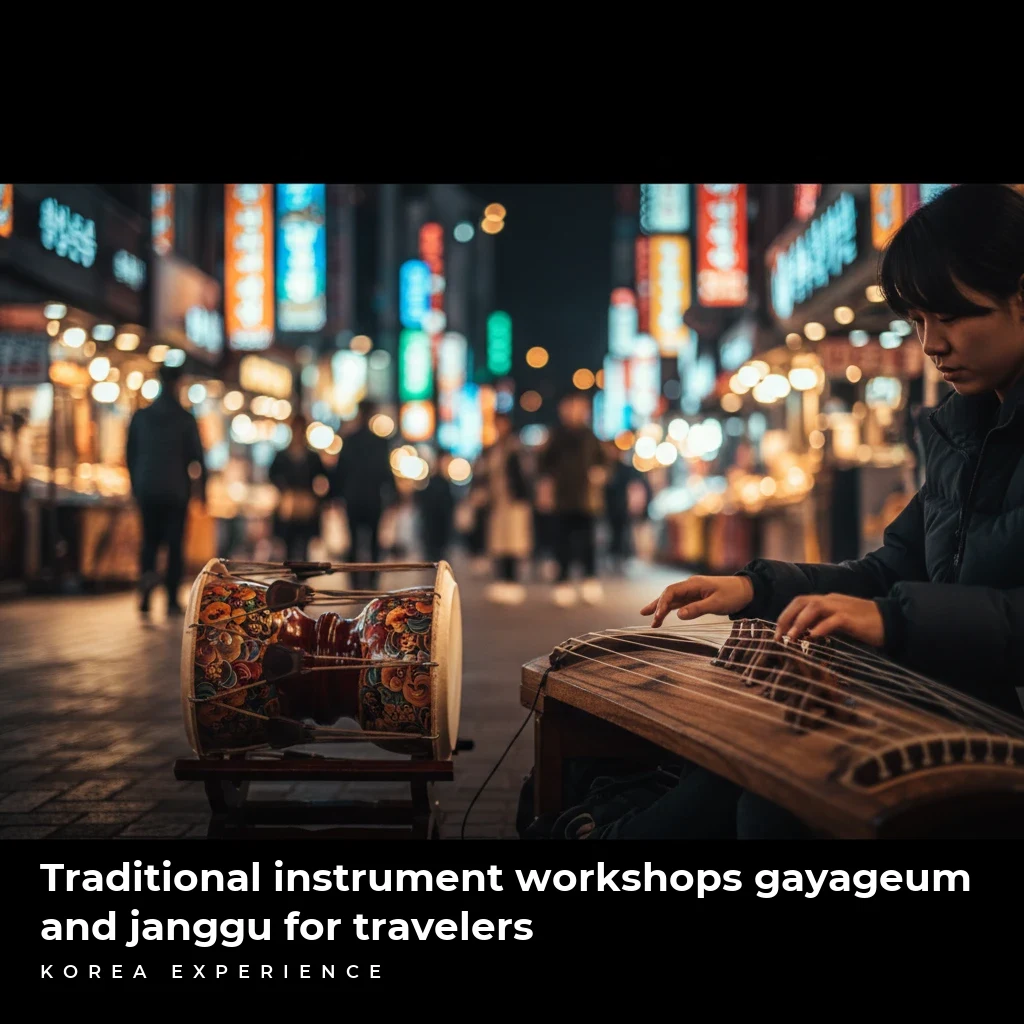
Discover the soul of Korea through sound. A complete guide to booking and experiencing traditional Gayageum and Janggu classes in Seoul.
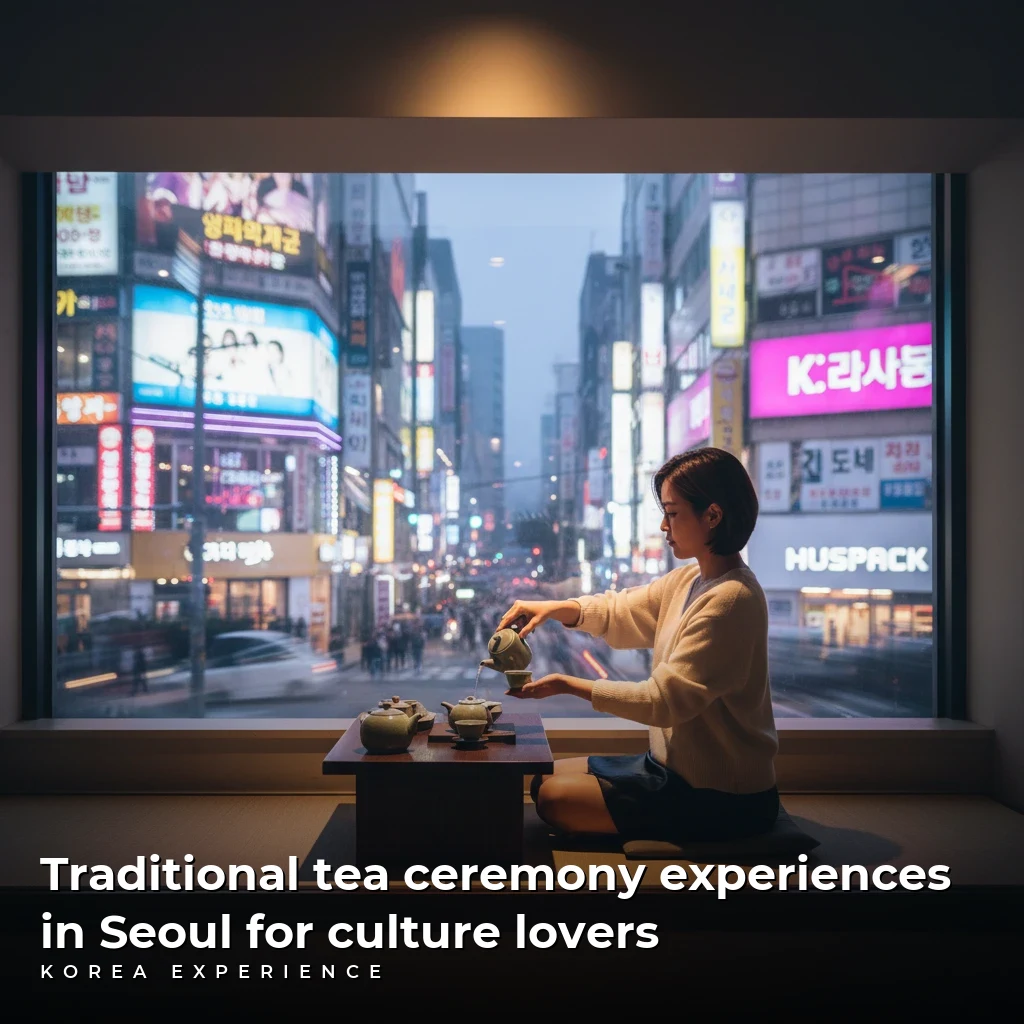
Discover the best traditional tea houses and ceremony classes in Seoul. From hidden Hanoks to temple stays, find your perfect calm.