Living in Korea

Battling Loneliness in Korea Mental Health Support

Navigating loneliness in Korea can be tough for expats and travelers. Discover essential mental health resources, support networks, and practical tips to thrive and connect.

Battling Loneliness in Korea: Essential Mental Health Resources for Expats

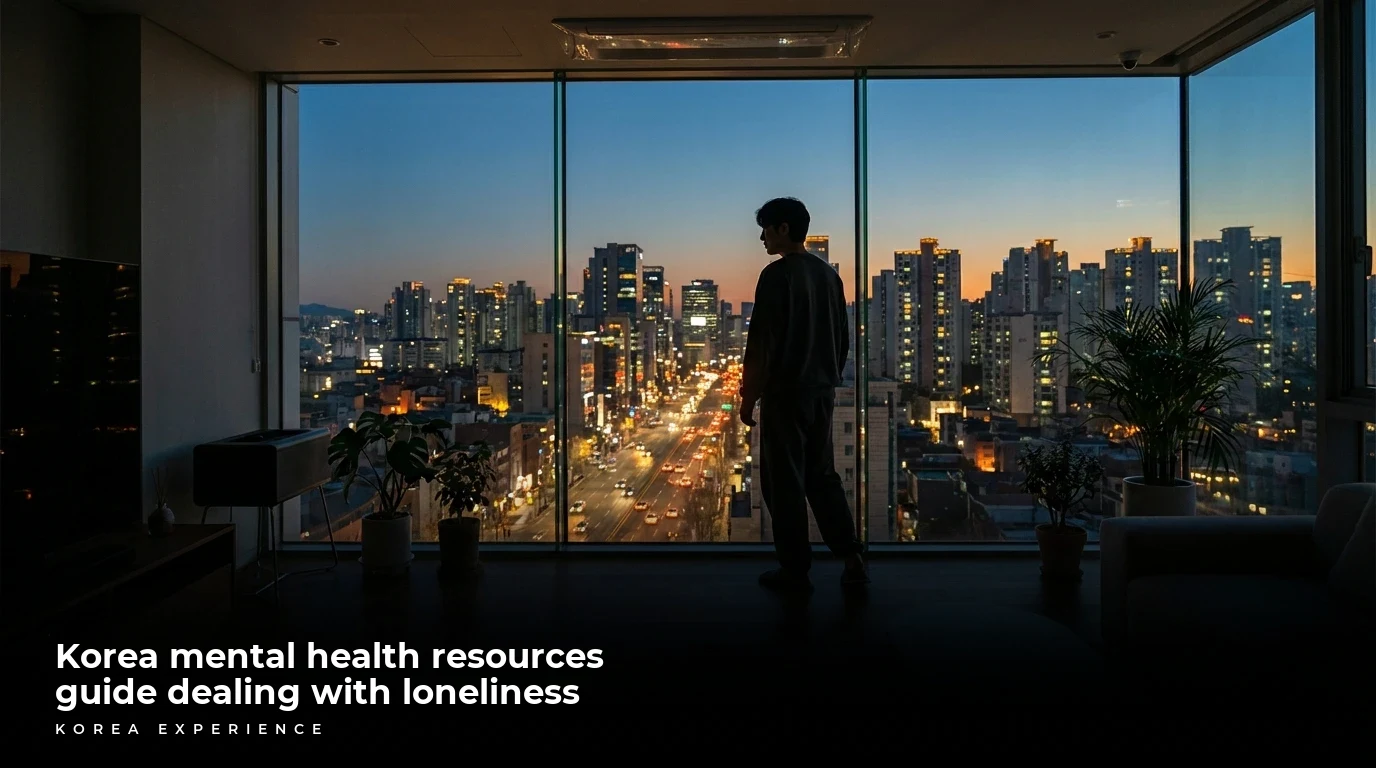
Korea, with its vibrant cities, rich history, and dynamic culture, draws countless international travelers and expats seeking new adventures. The allure of K-pop, cutting-edge technology, delicious cuisine, and a unique way of life is undeniable. However, beneath the surface of this exciting experience, a common challenge often quietly emerges: loneliness. For many, the dream of living abroad can sometimes clash with the reality of cultural differences, language barriers, and the sheer distance from familiar support systems.

Living in a foreign country, even one as welcoming as Korea, can present unique pressures that affect mental well-being. The initial exhilaration of discovery can fade, leaving individuals grappling with feelings of isolation, homesickness, and a sense of being an outsider. This is especially true when trying to navigate daily life, work, or studies in a fast-paced environment with distinct social norms. Recognizing and addressing these feelings is crucial for a healthy and fulfilling expat journey.

This comprehensive guide is designed to empower international residents in Korea, whether you are a long-term expat, a student, or a temporary traveler. We will delve into understanding the roots of loneliness in a Korean context and, more importantly, equip you with practical strategies and a wealth of mental health resources to help you build connections, seek professional support, and cultivate resilience. From finding English-speaking therapists to joining expat communities and embracing self-care, you'll learn how to navigate these challenges and transform your experience into one of growth and belonging.

Understanding Loneliness in Korea for Expats

Loneliness is a universal human emotion, but its experience can be intensified and complicated by the unique circumstances of living abroad. In Korea, several factors contribute to feelings of isolation among international residents. Understanding these can be the first step towards finding solutions.

Cultural Nuances and Social Dynamics

Korea boasts a deeply rooted culture with distinct social dynamics that can be challenging for newcomers to grasp. Concepts like "Jeong" (a deep emotional bond and affection shared between people), "Nunchi" (the subtle art of reading social cues and understanding unspoken feelings), and "Bballi-bballi" (the "hurry-hurry" culture emphasizing speed and efficiency) profoundly influence social interactions.

  • Jeong: While a beautiful aspect of Korean culture that fosters strong community, it can be difficult for foreigners to initially penetrate existing "Jeong" circles. Friendships often form over long periods and shared experiences, which can make quick, deep connections challenging for expats.
  • Nunchi: Mastering Nunchi takes time and cultural immersion. Without it, expats might misinterpret social situations, accidentally cause offense, or feel perpetually out of sync with those around them, leading to frustration and withdrawal.
  • Bballi-bballi: The fast pace of life, particularly in cities like Seoul, can leave little room for spontaneous social interaction or deep conversations, contributing to a sense of superficial connection.

These cultural differences, combined with a collectivist society that often prioritizes group harmony over individual expression, can make it hard for those from more individualistic backgrounds to find their footing and express their personal needs or struggles.

Language Barriers and Communication Challenges

Perhaps the most apparent obstacle to feeling connected is the language barrier. While many Koreans, especially younger generations, have learned English, fluency is not universal, particularly outside of major international hubs.

  • Daily Interactions: Simple tasks like ordering food, navigating public transport, or asking for directions can become stressful, eroding confidence and increasing reliance on others or isolating oneself.
  • Deep Conversations: True connection often relies on the ability to share thoughts, feelings, and humor in a nuanced way. When you cannot express yourself fully or understand the subtleties of a conversation, it's difficult to form genuine bonds beyond surface-level interactions. This can lead to feelings of being misunderstood or unable to truly connect, even when surrounded by people.
  • Accessing Services: Language barriers can also prevent individuals from effectively seeking help, whether it's understanding medical advice or accessing mental health services.

The "Forever Foreigner" Feeling

Even after years of living in Korea, many expats report experiencing the "forever foreigner" feeling. This is the persistent sense of being an outsider, regardless of how integrated one becomes or how fluent one is in Korean. This feeling can stem from:

  • Physical Appearance: Being visibly different from the majority population.
  • Cultural Expectations: Always being seen through the lens of one's nationality rather than as an individual.
  • Lack of Shared History: Not having grown up with the same pop culture references, historical events, or societal norms that bind locals together.

This constant awareness of one's "otherness" can be emotionally draining and contribute significantly to chronic feelings of loneliness and a lack of true belonging, even when friendships are formed.

Professional Mental Health Support: Where to Find Help

When feelings of loneliness become overwhelming or persistent, professional mental health support can provide invaluable tools and guidance. Fortunately, Korea has seen a growing number of resources tailored for international residents.

English-Speaking Counseling Centers

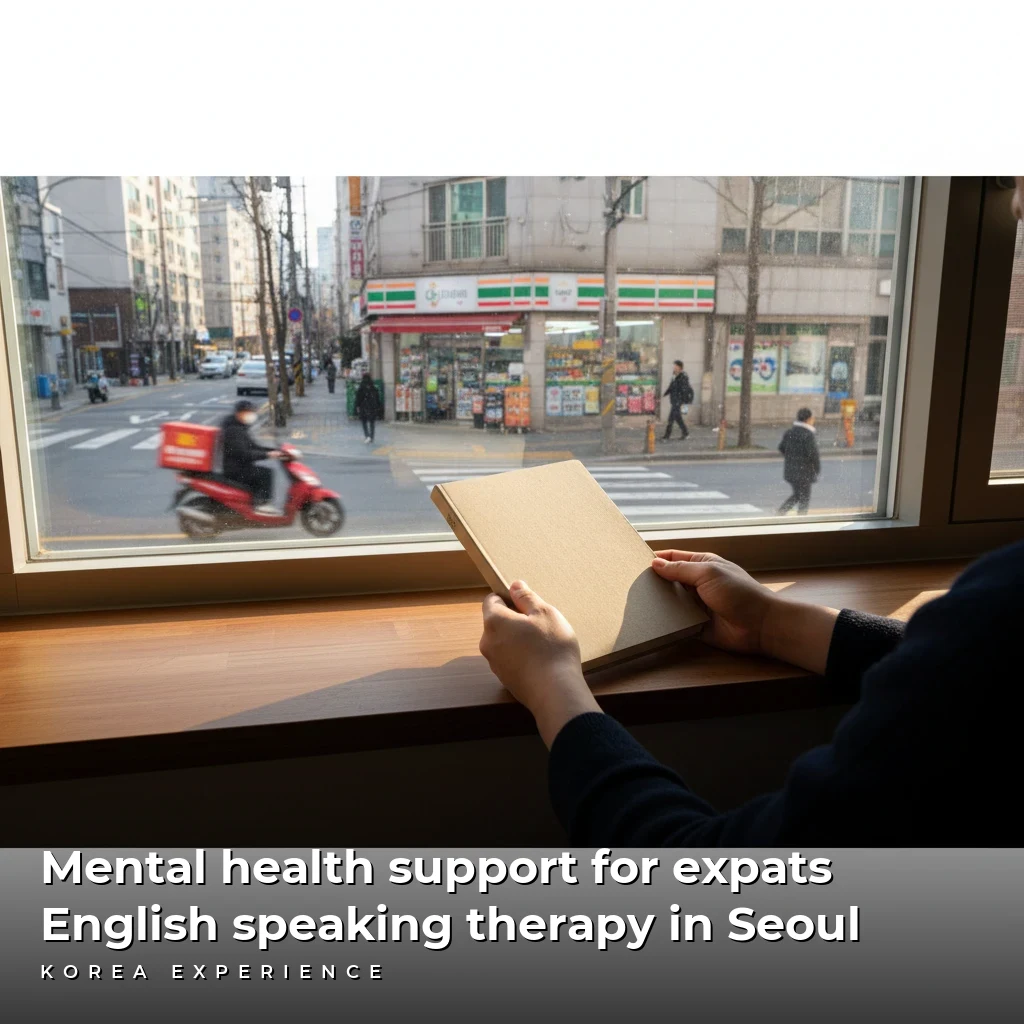
Seoul, being the largest international hub, offers the most options for English-speaking therapy, but resources are also emerging in other major cities. These centers often employ licensed therapists who are experienced in cross-cultural issues.

  • Seoul Counseling Center:
    • Services: Individual, couples, and family therapy. Specializes in expat adjustment, anxiety, depression, and trauma.
    • Location: Gangnam-gu, Seoul (multiple locations may exist).
    • Estimated Price: KRW 120,000 - 180,000 per 50-minute session. Prices can vary depending on the therapist's experience and specific services.
    • How to Book: Generally, through their website (search "Seoul Counseling Center") or by phone/email. Initial consultations might be available.
    • Website (Example search term): "Seoul Counseling Center English"
  • Clinic for Foreigners (various hospitals):
    • Services: Some larger hospitals, like Yonsei Severance Hospital or Asan Medical Center, have international clinics with mental health departments that can provide psychiatric consultations and some counseling services in English. These are more geared towards medical assessment and medication management.
    • Location: Major university hospitals in Seoul.
    • Estimated Price: Initial consultations can range from KRW 80,000 to KRW 200,000, not including medication. Follow-up appointments are generally less.
    • How to Book: Contact the international clinic's direct line or visit their reception. Appointments are usually required.
  • Other Private Practices: Many independent psychologists and counselors operate private practices in areas popular with expats (e.g., Itaewon, Hongdae, Gangnam). Searching online forums or expat groups often yields recommendations.

University Counseling Services

For international students, university counseling centers are an excellent, often free or low-cost, resource.

  • Services: Most major universities (e.g., Seoul National University, Yonsei University, Korea University) offer counseling services to their enrolled students. These often include individual counseling, group therapy, workshops on stress management, and academic support. Many universities now have dedicated English-speaking counselors.
  • Location: On-campus counseling centers.
  • Estimated Price: Often free for enrolled students.
  • How to Book: Inquire directly with the university's student services or counseling center.

Online Therapy Platforms

For those living outside major cities, facing mobility issues, or seeking more flexible options, online therapy platforms are a viable alternative.

  • BetterHelp, Talkspace, and others:
    • Services: Connects individuals with licensed therapists via video calls, phone calls, or text messaging. Offers a wide range of specialties.
    • Pros for Korea Expats: Accessibility from anywhere, flexible scheduling, often a wider choice of therapists with specific expertise, potential for continuity of care if moving countries.
    • Cons: Time zone differences can be tricky, internet stability required, not always covered by Korean insurance, and less personal than in-person sessions for some. Ensure the therapist understands expat challenges.
    • Estimated Price: Subscription-based, typically KRW 200,000 - 400,000 per month for unlimited messaging and weekly live sessions.
    • Considerations: Verify the therapist's licensing and whether they are permitted to practice with clients residing in Korea, though many international platforms bridge this gap effectively.

Table: Comparison of In-Person vs. Online Therapy in Korea

FeatureIn-Person TherapyOnline Therapy
AccessibilityLimited to major cities; travel requiredAvailable anywhere with internet; no travel
CostGenerally higher per session (KRW 120K-180K+)Often subscription-based; can be more affordable
PrivacySecure, dedicated physical spaceDependent on platform security; home environment
FlexibilityFixed appointments; office hoursHighly flexible scheduling; asynchronous options
Therapist PoolSmaller pool of English-speaking therapists locallyLarger, global pool of English-speaking therapists
Cultural FitLocal therapists may have better cultural understandingRequires explicit communication of cultural context
InsuranceSome Korean private insurance may coverRarely covered by Korean insurance; check home country

Building Your Support Network: Community and Connection

While professional help is vital for clinical issues, combating loneliness often begins with building a robust social support network.

Expat Meetups and Social Groups

These groups are a lifeline for many international residents, providing ready-made communities of people who understand the expat experience.

  • Facebook Groups: Search for "Seoul Expats," "Korea Expats," "Foreigners in Korea," "____ City Expats." These groups are excellent for asking questions, getting recommendations, and finding events. Specific groups cater to interests like "Expats in Korea: Hiking," "Book Club Seoul," or "Gaming Group Korea."
  • Meetup.com: A platform dedicated to organizing local interest groups. Search for "English speakers," "language exchange," "hiking," "board games," or specific sports in your city.
  • International Churches/Religious Centers: Many churches in major cities offer services in English and have active social groups, providing a sense of community and belonging beyond just religious affiliation. Examples include Seoul International Baptist Church, Onnuri Community Church (various international ministries).
  • Embassy-Sponsored Events: Keep an eye on your embassy's website or social media. They often host cultural events, national day celebrations, or networking gatherings that are great opportunities to meet fellow nationals and others.

Hobby-Based Communities

Connecting over shared interests can naturally lead to deeper friendships. Korea offers a plethora of options.

  • Language Exchange Cafes: Popular in university areas and expat neighborhoods. These are casual settings where people meet to practice Korean and English (or other languages). Look for places like "Language Exchange Cafe" in Hongdae or Gangnam.
  • Sports Clubs: Join a local amateur soccer league, a hiking group (Korea has incredible mountains and well-maintained trails like Bukhansan National Park near Seoul), a cycling club, or a gym with group classes.
  • Art and Craft Classes: Pottery, painting, traditional Korean crafts (like Hanji paper art or patchwork Bojagi) can be relaxing and social. Search for "one-day classes" or "hobby classes Seoul."
  • Cooking Classes: Learn to make kimchi, bulgogi, or other Korean dishes. These are fun, interactive, and often attract both locals and foreigners.

Volunteer Opportunities

Volunteering is a powerful way to meet like-minded people, give back to the community, and gain a sense of purpose, all of which combat loneliness.

  • Animal Shelters: Organizations like KARA (Korean Animal Rights Advocates) or local shelters often need volunteers for walking dogs, cleaning, or fundraising.
  • Environmental Groups: Participate in clean-up drives or environmental awareness campaigns.
  • Community Centers: Some centers welcome English speakers for tutoring, cultural exchange programs, or supporting initiatives for multicultural families.
  • Orphanages/Care Homes: Look for opportunities to spend time with residents.

Making Korean Friends

While it takes effort, building friendships with locals can greatly enhance your integration and reduce feelings of isolation.

  • Language Exchange Partners: Beyond cafes, dedicated apps like "HelloTalk" or "Tandem" can help you find individual language partners.
  • Work or School Connections: Actively participate in social events organized by your workplace or university. Be open to after-work dinners ("Hoesik") or weekend outings.
  • Cultural Centers: Many districts have cultural centers offering classes in Korean language, cooking, or traditional arts. These are great places to meet locals with shared interests.
  • Be Proactive: Initiate conversations, suggest activities, and be patient. Korean friendships may develop differently than those in your home country.

Leveraging Technology and Digital Resources

In an increasingly digital world, technology can be a powerful tool to bridge distances and find support, especially when dealing with loneliness in Korea.

Mental Wellness Apps

These apps offer guided meditations, mindfulness exercises, mood tracking, and even cognitive behavioral therapy (CBT) techniques that can be accessed anytime, anywhere.

  • Calm: Popular for guided meditation, sleep stories, and breathing exercises.
  • Headspace: Offers various meditation courses, mindfulness techniques, and tools for stress and anxiety.
  • Woebot: An AI-powered chatbot that uses CBT principles to help users manage their mood.
  • Korean Apps: While many are in Korean, some like "Kokkoro" (꼬꼬로) might have limited English functionality or resources targeting multicultural families. Always check for English language support.

Online Forums and Support Groups

Digital communities can provide a sense of belonging and understanding from people going through similar experiences.

  • Reddit (r/korea, r/expats): These subreddits are active communities where expats share experiences, ask questions, and offer advice on living in Korea. You can find specific threads on mental health or loneliness.
  • Expat-Specific Forums: Websites like Internations or forums associated with expat news sites (e.g., The Korea Herald's expat section) often have active discussion boards.
  • Specialized Online Support Groups: Search for groups focused on specific issues like anxiety, depression, or even grief, which may be magnified by living abroad.

Virtual Socializing

Don't underestimate the power of connecting with friends and family back home.

  • Regular Video Calls: Schedule consistent video calls with loved ones. Seeing familiar faces and hearing familiar voices can significantly reduce feelings of isolation and homesickness.
  • Gaming/Online Activities: Participate in online games or virtual book clubs with friends from your home country.
  • Shared Media Experiences: Watch movies or TV shows simultaneously with friends using apps that sync playback, allowing for real-time commentary.

Self-Care Strategies for Expats in Korea

Beyond external resources, cultivating strong self-care practices is fundamental to managing loneliness and maintaining good mental health while living abroad.

Embracing Korean Culture

Instead of resisting or feeling alienated by cultural differences, actively embracing and exploring Korean culture can be a powerful way to feel more connected and reduce feelings of being an outsider.

  • Explore Neighborhoods: Wander through traditional Hanok villages like Bukchon, visit vibrant markets like Gwangjang, or enjoy the artistic streets of Hongdae. Each area has its unique charm and stories.
  • Cafe Hopping: Korea's cafe culture is legendary. Spend time in various cafes, enjoy a quiet moment, read a book, or simply people-watch. Many are beautifully designed and offer a serene escape.
  • Nature Escapes: Korea is incredibly mountainous, and hiking is a national pastime. Discover local parks and hiking trails even within urban areas (e.g., Namsan Mountain, Bukhansan National Park in Seoul). The natural beauty offers a refreshing change of pace and an opportunity for reflection.
  • Cultural Activities: Visit palaces (Gyeongbokgung, Changdeokgung), museums (National Museum of Korea), or attend traditional performances. Learning about the history and art can deepen your appreciation and connection to your surroundings.

Maintaining a Healthy Routine

Establishing a stable routine provides structure and a sense of normalcy, especially important when everything else feels new or chaotic.

  • Sleep Hygiene: Prioritize consistent sleep schedules. A lack of sleep exacerbates stress and anxiety.
  • Nutritious Diet: While Korean food is delicious, it's easy to fall into unhealthy eating habits when stressed. Try to cook healthy meals, visit local markets for fresh produce, and ensure a balanced diet.
  • Regular Exercise: Physical activity is a proven mood booster.
    • Gyms: Many districts have affordable gyms (fitness centers or "hellejang" 헬스장). Look for ones with English-speaking staff if possible.
    • Outdoor Activities: Running along the Han River, cycling, hiking, or using outdoor exercise equipment found in many parks.
    • Group Fitness: Yoga, Pilates, or dance studios (especially K-pop dance classes) can be fun and social.

Mindfulness and Stress Reduction Techniques

Learning to be present and manage stress can greatly impact your overall well-being.

  • Meditation: Use apps like Calm or Headspace, or find local meditation centers (some offer English programs).
  • Journaling: Writing down your thoughts and feelings can be a powerful way to process emotions and gain perspective.
  • Deep Breathing Exercises: Simple techniques can quickly calm your nervous system.
  • Mindful Walking: Pay attention to your surroundings, the sounds, smells, and sights as you walk.

Setting Realistic Expectations

Living abroad is not always a fairytale. It comes with challenges, setbacks, and periods of adjustment.

  • Expect Ups and Downs: Acknowledge that homesickness and loneliness are normal parts of the expat experience.
  • Be Patient with Yourself: Adjustment takes time. Don't expect to be fully integrated or have a perfect social life overnight.
  • Celebrate Small Victories: Acknowledge every small step forward, whether it's navigating the subway independently, trying a new food, or making a new acquaintance.

Table: Self-Care Activities in Korea

ActivityEstimated Cost (KRW)AccessibilityBenefits
Hiking/ParksFree - 10,000 (transport)High (many national parks/local)Physical exercise, nature exposure, mental clarity
Cafe Hopping5,000 - 15,000 per visitVery HighRelaxation, cultural immersion, quiet time
Gym Membership30,000 - 80,000 per monthHigh (local gyms, fitness centers)Physical health, stress relief, routine
Art/Craft Class30,000 - 100,000 per sessionModerate (found in major cities)Creativity, social interaction, mindfulness
Meditation AppsFree - 10,000 per monthVery High (phone/tablet)Stress reduction, improved focus, emotional regulation
Traditional Saunas (Jjimjilbang)10,000 - 20,000 per visitHighRelaxation, cultural experience, warmth

In severe cases, loneliness can escalate into more serious mental health crises. Knowing where to turn in an emergency is paramount.

Emergency Hotlines

For immediate support, specific hotlines are available.

  • Korea National Mental Health Center Hotline (1577-0199): This is a general mental health hotline. While primarily in Korean, they may be able to connect you with English-speaking assistance or direct you to appropriate resources, especially in larger cities. It's worth trying if you are in distress.
  • Emergency Services (119): For any life-threatening emergency, including severe mental health crises where you or someone else is at immediate risk of harm. Dial 119 for police, fire, and ambulance services. Operators in major cities can often speak English or use translation services. Clearly state it's a "mental health emergency" (정신 건강 비상 사태 - jeongsin geongang bisang sataet) if possible.
  • Seoul Global Center (120 - then press 9 for English): While not a mental health specific hotline, their general inquiry line can assist with finding resources and contacts, and their staff often speak multiple languages.

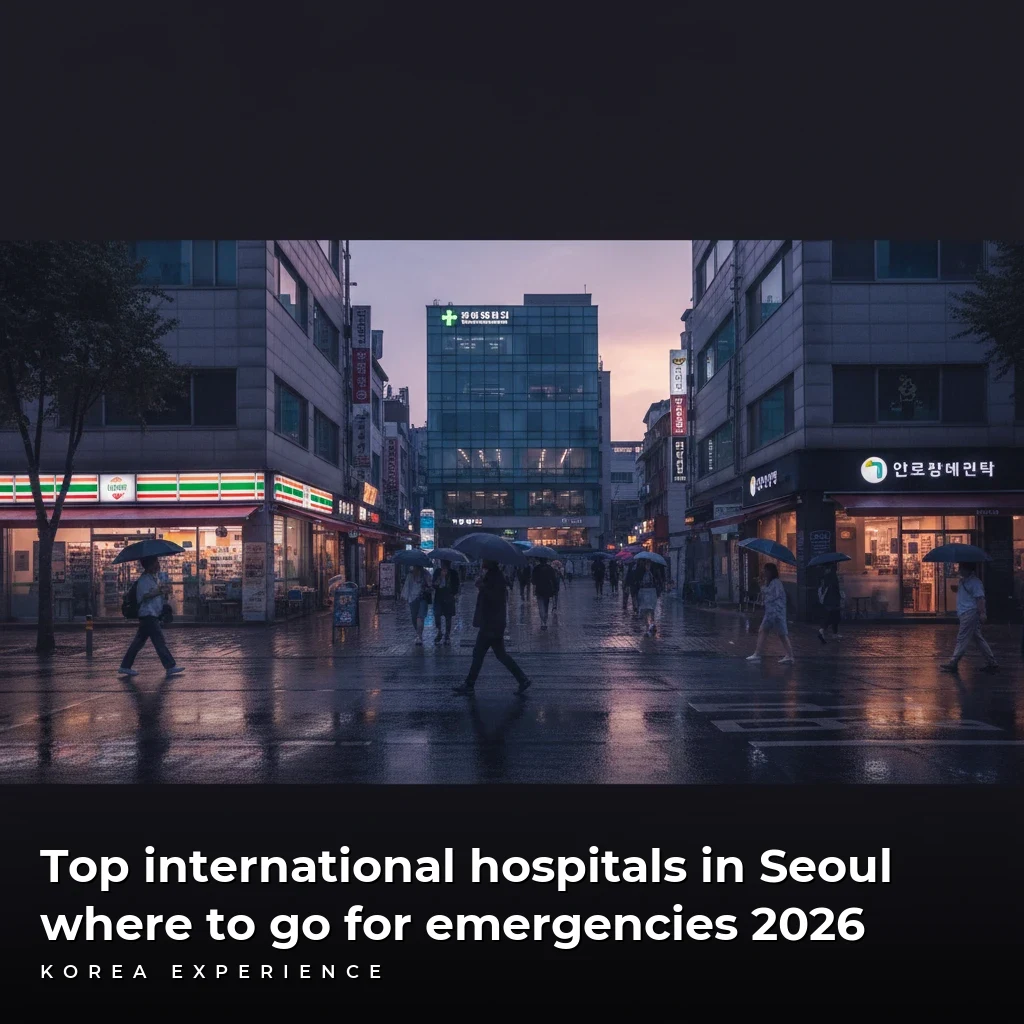
Local Hospitals with International Clinics

For urgent psychiatric assessment or crisis intervention that requires medical attention, larger hospitals with international clinics are the best bet.

  • Yonsei Severance Hospital International Health Care Center: Known for its comprehensive services, including psychiatric care.
    • Contact: Search their official website for the International Health Care Center's direct line and address.
  • Asan Medical Center International Healthcare Center: Another leading hospital with extensive international services.
    • Contact: Refer to their website for international patient services.
  • Samsung Medical Center International Health Services: Offers a wide range of medical care.
    • Contact: Check their website for specific contact details for international patients.

These centers have English-speaking staff and can facilitate access to psychiatrists, emergency rooms, and inpatient care if needed.

Embassy Support and Resources

Your country's embassy or consulate in Korea can also be a valuable resource in a crisis.

  • Consular Services: Embassies can provide lists of English-speaking doctors and mental health professionals, assist with communication in emergencies, and, in extreme cases, help coordinate repatriation.
  • Emergency Contact Information: Most embassies have an emergency contact number outside of regular business hours for their citizens facing urgent situations.

Table: Emergency Contacts and Resources

ResourceType of SupportContact MethodNotes
Emergency ServicesLife-threatening medical/safetyPhone: 119For immediate danger; English often available in cities.
Korea National Mental Health CenterGeneral mental health supportPhone: 1577-0199Primarily Korean; may have limited English support.
Seoul Global CenterResource navigation, general helpPhone: 120 (then press 9 for English)Can help find local mental health resources.
Yonsei Severance International ClinicEmergency psychiatric assessment, medical carePhone/Website searchFor medical emergencies and urgent psychiatric needs.
Your Country's EmbassyCrisis assistance, resource listsPhone/Website (emergency contact)Consular support, list of English-speaking professionals.

Frequently Asked Questions About Mental Health in Korea

Q1: Is therapy expensive in Korea for expats?

A1: Therapy in Korea, particularly with English-speaking professionals, can be comparable to or slightly higher than in some Western countries. A 50-minute session typically ranges from KRW 120,000 to KRW 180,000. Online therapy platforms can sometimes offer more affordable subscription models, though they may not be covered by local insurance. University counseling centers are often free for students.

Q2: Can I find English-speaking doctors and psychiatrists easily in Korea?

A2: Yes, especially in major cities like Seoul, Busan, and Daegu. Large university hospitals (like Yonsei Severance, Asan Medical Center, Samsung Medical Center) have dedicated International Health Care Centers with English-speaking staff and doctors, including psychiatrists. Private clinics catering to expats also exist. It may be more challenging in rural areas, but online resources can bridge this gap.

Q3: What are the best ways to meet other expats in Korea?

A3: The most effective ways include joining Facebook expat groups (e.g., "Seoul Expats"), using Meetup.com to find interest-based groups, attending international church services, participating in language exchange programs, and signing up for hobby classes (like cooking or art). Networking events hosted by embassies or international organizations can also be fruitful.

Q4: How can I deal with the language barrier when I feel isolated?

A4: Actively seeking language exchange partners, enrolling in Korean language classes, and using translation apps for quick communication can help. However, for deeper emotional needs, prioritize finding English-speaking support groups or therapists. Remember that while language helps, genuine connection transcends words, and many locals are eager to practice English and connect culturally. Don't be afraid to try!

Q5: What are common signs of loneliness turning into a more serious mental health issue?

A5: While loneliness is a normal human emotion, it can become problematic if it's persistent and accompanied by other symptoms. Look out for prolonged sadness, loss of interest in activities you once enjoyed, significant changes in sleep or appetite, extreme fatigue, feelings of worthlessness or hopelessness, difficulty concentrating, increased irritability, or thoughts of self-harm. If you experience these symptoms, it's crucial to seek professional help immediately.

Conclusion

Living in Korea offers an incredible tapestry of experiences, from bustling city life to tranquil temples, and delicious street food to cutting-edge technology. Yet, for many international residents, the journey is not without its silent struggles, with loneliness often being a pervasive and challenging emotion.

Remember that experiencing loneliness, homesickness, or culture shock is a normal part of the expat experience. You are not alone in these feelings. The key is to acknowledge them, be kind to yourself, and proactively seek out the vast array of mental health resources and support systems available.

Whether it's connecting with a professional therapist, joining a vibrant expat community, embracing local culture, or simply taking dedicated time for self-care, there are numerous pathways to building a fulfilling and connected life in Korea. Don't hesitate to take the first step. Reach out, explore your options, and prioritize your mental well-being. Your experience in Korea is yours to shape, and with the right support, it can be a truly enriching chapter in your life.

For more insights into navigating life in Korea, including practical tips on bureaucracy and cultural etiquette, be sure to explore our other guides in the "Living in Korea" category!

About the Author

Korea Experience Team

Written by the Korea Experience editorial team - experts in Korean medical tourism, travel, and culture with years of research and firsthand experience.

⚠️ Medical Disclaimer

The information provided on this website is for general informational purposes only and does not constitute medical advice. Always consult with qualified healthcare professionals before making any medical decisions.

Continue Reading

Explore more articles you might find interesting