Digital Nomad Visa Korea Requirements and Application
Unlock Korea's remote work potential with our guide to the Digital Nomad Visa. Discover eligibility, detailed requirements, and the step-by-step application process.
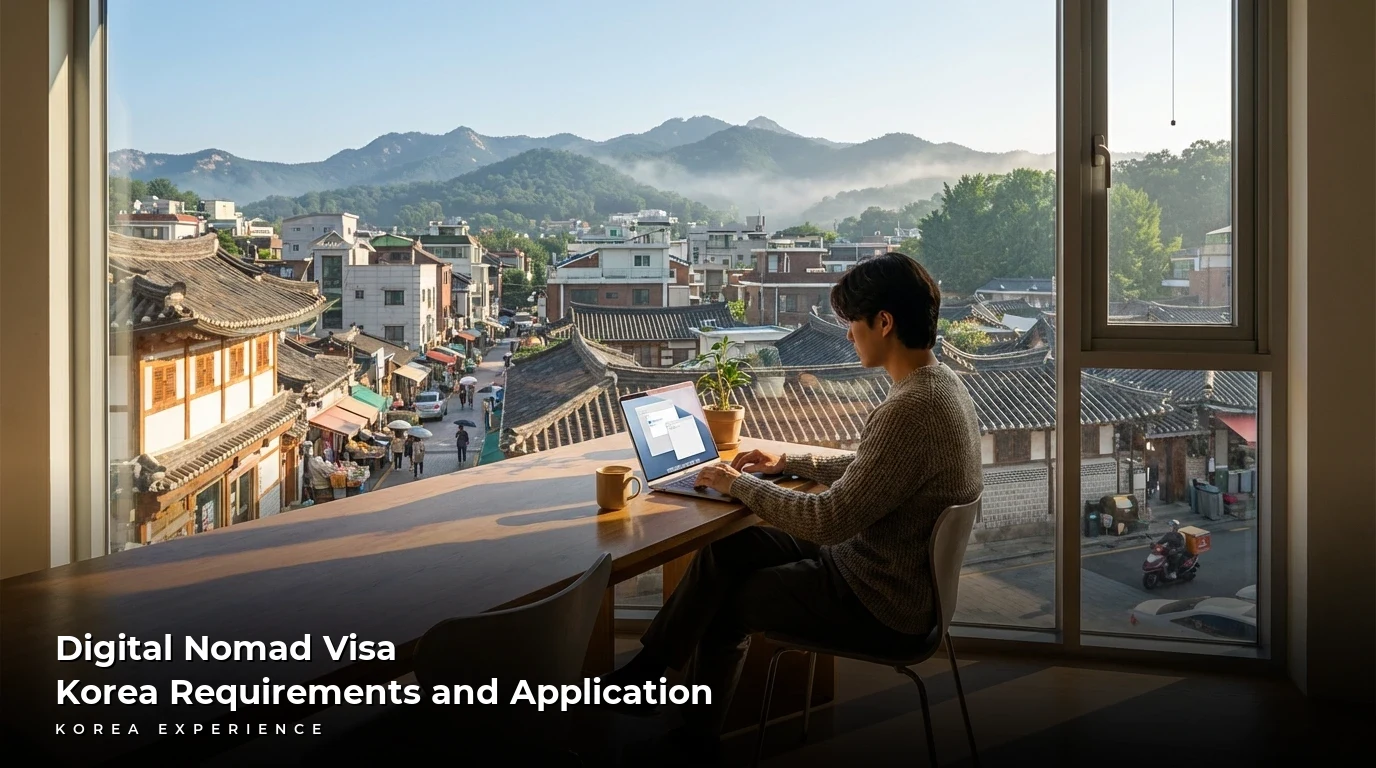
Embark on Your Journey: Navigating the Digital Nomad Visa Korea
South Korea, a nation celebrated for its blend of ancient traditions and hyper-modern innovation, has long captivated international audiences. From the pulsating energy of Seoul to the serene beaches of Busan and the volcanic landscapes of Jeju Island, its allure is undeniable. For a new generation of professionals – the digital nomads – the dream of experiencing Korea while maintaining their global careers is becoming a tangible reality, thanks to the introduction of the Digital Nomad Visa Korea.
This comprehensive guide is designed for remote workers, freelancers, and global entrepreneurs eager to extend their stay in the Land of the Morning Calm beyond the typical tourist visa limits. We understand the challenges of navigating international immigration policies, especially when seeking to blend work and travel in a foreign land. You’re likely wondering about specific income thresholds, necessary documents, and the overall application timeline.
In this extensive blog post, we will demystify the Digital Nomad Visa Korea, also officially known as the "Workation Visa." We’ll cover everything from eligibility criteria and required documentation to the intricate application process. By the end, you’ll have a clear roadmap to secure your place in Korea, allowing you to immerse yourself in its vibrant culture, explore its breathtaking landscapes, and continue your professional endeavors from one of Asia's most dynamic countries.
image: "/images/digital-nomad-visa-korea-requirements-and-application.webp"
Understanding Korea's Digital Nomad Visa: The Workation Opportunity
The Korean government officially launched its Digital Nomad Visa pilot program in January 2024, responding to the global rise of remote work and the increasing desire of skilled professionals to experience life abroad without sacrificing their careers. This visa category, primarily designed for individuals who work remotely for foreign companies or operate their own businesses outside of Korea, allows for an extended stay, typically up to one year, with the possibility of renewal.
Prior to this visa, remote workers often relied on short-term tourist visas or more restrictive work visas tied to local employment. The Digital Nomad Visa Korea fills a significant gap, offering a dedicated pathway for those whose income is generated from sources outside of Korea. It's an opportunity not just for travel, but for deep cultural immersion, professional growth, and a unique lifestyle experience in one of the world's most technologically advanced nations.
Key Characteristics of the Digital Nomad Visa Korea:
- Non-Employment Visa: Crucially, this visa does not permit employment with a Korean company. Your work must be for an overseas employer or your own foreign-based business.
- Extended Stay: Offers a significant advantage over typical tourist visas, allowing for up to one year, with potential for renewal.
- Dependents Allowed: Visa holders may bring eligible dependents (spouse and minor children) under certain conditions.
- Cultural Immersion: Facilitates longer-term living, enabling a deeper understanding and enjoyment of Korean society and culture.
Digital Nomad Visa vs. Other Korean Visas:
To better illustrate the unique position of the Digital Nomad Visa Korea, let's compare it with other common visa types international visitors might consider:
| Feature | Digital Nomad Visa (Workation) | Tourist Visa (B-2/C-3) | Working Holiday Visa (H-1) |
|---|---|---|---|
| Purpose | Remote work for foreign entity, long-term stay, travel | Tourism, short-term visit | Tourism, limited casual employment for expenses |
| Duration | Up to 1 year, renewable (total 2 years) | Varies by nationality (30-90 days), non-extendable for work | Up to 1 year (age restrictions, e.g., 18-30/32) |
| Work Allowed | Remote work for foreign employer/business, no local employment | No work permitted | Limited casual employment to support travel (no professional work) |
| Income Source | Must be from outside Korea | N/A | Can be from limited local work |
| Age Restrictions | None specified, but financial stability is key | None | Typically 18-30/32 |
| Dependents | Permitted (spouse, minor children) | Not applicable for long-term stay | Not permitted |
| Financial Requirement | Significant (e.g., ~$65,000 USD annual income) | Sufficient funds for travel | Sufficient funds for initial stay, emergency |
This comparison highlights that the Digital Nomad Visa Korea is specifically tailored for self-sufficient remote workers seeking an extended, immersive experience without entering the local job market.
Who is Eligible for the Digital Nomad Visa in Korea?
While the Digital Nomad Visa Korea is exciting, it's not universally available. The Korean government has set clear criteria to ensure that applicants are genuinely capable of sustaining themselves financially and are serious about contributing positively to the expatriate community. Understanding these eligibility requirements is the crucial first step.
Primary Eligibility Criteria:
- Nationality: Applicants must be citizens of countries that Korea has visa-waiver agreements or visa-free entry agreements with. This is a crucial starting point. Check the Korean Ministry of Foreign Affairs website for the most up-to-date list of eligible countries.
- Remote Work Status: You must be employed by a foreign company or be self-employed with clients primarily outside of Korea. The core principle is that your income source is external to Korea.
- Proof of Income: This is one of the most significant hurdles. Applicants must demonstrate a stable income that is at least twice the average Gross National Income (GNI) per capita of Korea from the previous year. As of our last update (and subject to change), Korea's GNI per capita was approximately $35,000 USD. Therefore, you would need to prove an annual income of roughly $70,000 USD or more. This income must be verifiable through bank statements, tax returns, and employment contracts.
- Work Experience: A minimum of one year of work experience in the relevant industry is typically required. This helps demonstrate professional stability and capability.
- Health Insurance: You must have comprehensive private health insurance with coverage for at least 100 million Korean Won (approximately $75,000 USD) for hospital treatment and repatriation. This ensures you won't become a burden on the Korean public health system in case of medical emergencies.
- Clean Record: Applicants must have no criminal record. A criminal background check will be required.
Dependents' Eligibility:
If you plan to bring your family, specific conditions apply for dependents:
- Relationship: Only spouses and minor children (under 18 years old) are eligible to accompany the main visa holder.
- Financial Sufficiency: The main applicant's income must be sufficient to support all accompanying family members, beyond just their own needs.
- Health Insurance: Dependents must also be covered by the same comprehensive health insurance policy.
- Clean Record: Dependents over a certain age (e.g., 14 or 16, depending on specific regulations) may also require a criminal record check.
Meeting these criteria is non-negotiable. It's highly recommended to gather all documentation well in advance to ensure a smooth application process.
Digital Nomad Visa Korea Requirements: A Detailed Checklist
Preparing your application for the Digital Nomad Visa Korea requires meticulous attention to detail. The following checklist outlines the essential documents you’ll need to compile. Remember that official requirements can sometimes change, so always verify the latest information on the website of the Korean Embassy or Consulate in your country, or the Hi Korea website (the official immigration portal).
Personal Documentation:
- Passport: Valid for at least six months beyond your intended stay, with several blank visa pages.
- Visa Application Form: Duly completed and signed. Available on the embassy/consulate website.
- Passport-Sized Photos: Recent (within 6 months), color photos meeting specific dimensions (typically 3.5cm x 4.5cm, white background).
- Birth Certificate: For yourself and any minor children, if applicable.
- Marriage Certificate: If applying with a spouse.
- Family Relation Certificate: May be required to prove family ties.
- Criminal Record Check/Police Clearance Certificate: Issued by your home country and any other country where you've resided for a significant period. Must be recent (e.g., within 3-6 months).
- Health Insurance Certificate: Proof of comprehensive private health insurance with specified coverage limits (at least 100 million Korean Won for hospital treatment and repatriation).
Financial Documentation:
- Bank Statements: Original bank statements from the past 6-12 months, clearly showing consistent income exceeding the required threshold (currently twice Korea's GNI per capita, approx. $70,000 USD annually).
- Tax Returns: Official tax returns from the previous one to two years.
- Employment Contract/Business Registration:
- For Employees: A letter from your foreign employer stating your position, salary, remote work arrangement, and duration of employment. Your employment contract will also be necessary.
- For Self-Employed/Freelancers: Business registration documents from your home country, contracts with international clients, and proof of consistent income from these sources.
- Proof of Funds: Documents indicating liquid assets that can cover your initial period in Korea.
Professional & Work-Related Documentation:
- Resume/CV: Detailing your educational background and professional experience.
- Proof of Work Experience: Letters of reference from previous employers, certificates of employment, or a portfolio demonstrating at least one year of experience in your current field.
- Proof of Remote Work: Documentation demonstrating your ability to work remotely, such as employment contracts specifying remote work, client agreements, or a statement from your employer confirming your remote status.
Additional Documents (as required):
- Letter of Intent: A personal statement explaining your reasons for wanting to live in Korea as a digital nomad, your plans, and how you meet the visa requirements.
- Accommodation Plan: While not strictly required for the initial application, having a plan for your first few weeks or months can be beneficial (e.g., hotel booking, temporary rental agreement).
Document Preparation Tips:
- Authenticity: All documents must be original or certified true copies.
- Translations: Any documents not in English or Korean must be officially translated and notarized.
- Photocopies: Bring photocopies of all originals. Some embassies may require multiple copies.
- Organize: Keep all documents well-organized in a folder, clearly labeled.
The Application Process: Step-by-Step Guide for the Digital Nomad Visa Korea
Applying for the Digital Nomad Visa Korea is a multi-stage process that typically involves submitting your application at a Korean Embassy or Consulate in your home country or country of legal residence. It's not currently possible to apply from within Korea on a tourist visa.
Step 1: Gather All Required Documents
Based on the detailed checklist above, ensure you have meticulously collected and organized every single document. Double-check expiration dates, ensure all forms are correctly filled, and that financial thresholds are met. Missing documents are the most common cause of application delays or rejections.
Step 2: Contact Your Local Korean Embassy or Consulate
Before submitting anything, contact the specific Korean Embassy or Consulate responsible for your region. Visa requirements can sometimes vary slightly by location, and they will provide the most accurate and up-to-date information regarding:
- Specific application forms to use.
- Any country-specific additional requirements.
- Appointment scheduling procedures (many require online booking).
- Current visa processing fees.
- Acceptable payment methods.
Step 3: Submit Your Application
Once you have an appointment (if required), visit the embassy or consulate in person to submit your complete application package. Be prepared for:
- Interview: You may be interviewed by a consular officer. They will ask questions about your work, financial stability, reasons for wanting to live in Korea, and your plans. Be honest, clear, and confident in your responses.
- Biometrics: You will likely have your fingerprints and a photo taken.
- Application Fee Payment: Pay the non-refundable visa application fee. Fees vary but expect it to be in the range of $50-$200 USD, depending on your nationality and the consulate's specific charges.
Step 4: Await Processing and Decision
After submission, your application will undergo review. Processing times can vary significantly, from a few weeks to several months, depending on the volume of applications and the specific consulate. It's advisable not to make irreversible travel plans until your visa is approved.
Step 5: Visa Issuance and Entry to Korea
If your application is successful, your visa will be stamped into your passport. Congratulations! You can now plan your travel to Korea.
Step 6: Apply for Alien Registration Card (ARC)
Upon arrival in Korea with your Digital Nomad Visa, one of your first crucial tasks will be to apply for an Alien Registration Card (ARC) at the local immigration office. This card serves as your official identification in Korea and is necessary for many aspects of daily life, including:
- Opening a bank account.
- Getting a phone plan.
- Signing rental agreements.
- Accessing public services.
You typically need to apply for the ARC within 90 days of your arrival. The process involves submitting documents like your passport, visa, photos, proof of residency (e.g., rental contract), and an application form. Be sure to book an appointment online via the Hi Korea website well in advance, as slots fill up quickly, especially in major cities like Seoul.
Application Process Key Points:
| Stage | Description | Estimated Timeline | Key Actions |
|---|---|---|---|
| Document Gathering | Compile all personal, financial, and professional documents. | 1-3 months | Request statements, certificates, translations. |
| Embassy/Consulate Contact | Confirm requirements, schedule appointment. | 1-2 weeks | Check official websites, make calls/emails. |
| Application Submission | In-person submission, interview, biometrics. | 1 day (appointment) | Dress professionally, bring all documents. |
| Processing | Immigration authorities review your application. | 4-12 weeks (variable) | Patience, avoid making irreversible travel plans. |
| Visa Issuance | Visa sticker placed in passport. | Varies | Check details on visa sticker. |
| Arrival in Korea | Enter Korea with your Digital Nomad Visa. | Upon entry | Keep passport/visa handy, declare purpose. |
| Alien Registration Card | Apply at local immigration office for your official ID. | Within 90 days of arrival (appointment) | Book online, bring required documents, proof of address. |
Life as a Digital Nomad in Korea: Beyond the Visa
Securing your Digital Nomad Visa Korea is just the beginning. The real adventure starts when you immerse yourself in the daily life of this vibrant country. Korea offers an unparalleled experience for remote workers, blending cutting-edge technology with rich cultural heritage.
Finding Your Base: Cities and Accommodation
- Seoul: The quintessential choice for many. Seoul offers an endless array of co-working spaces, cafes with excellent Wi-Fi, vibrant nightlife, world-class dining, and efficient public transportation. Popular areas for expats include Itaewon, Hongdae, Gangnam, and the quieter, more residential areas like Mapo-gu. Rent can be high, especially in central districts.
- Busan: Korea's second-largest city, known for its beautiful beaches, fresh seafood, and more relaxed pace. It offers a slightly lower cost of living than Seoul but still has strong infrastructure for remote work.
- Jeju Island: A popular domestic and international tourist destination, Jeju offers stunning natural beauty and a peaceful environment. It's a great choice for those seeking a slower pace, though co-working options might be more limited than in major cities.
- Accommodation: Options range from modern apartments (officetels, one-room apartments) to traditional Korean houses (hanoks) adapted for modern living. Websites like Zigbang and Dabang (Korean, but accessible via translation) or expat groups on social media can be helpful. Expect to pay a security deposit (key money), which can be significant, ranging from a few million Korean Won to tens of millions. Monthly rent will vary greatly by location and size.
Connectivity and Co-working Spaces
Korea boasts some of the fastest internet speeds in the world, making it an ideal environment for digital nomads.
- Public Wi-Fi: Widely available in cafes, subways, and public areas.
- Co-working Spaces: Flourish in major cities. Examples include WeWork, Fast Five, and local independent spaces, offering hot desks, private offices, and networking opportunities. These spaces provide a professional environment and a chance to connect with other remote professionals.
- Cafes: Countless cafes offer comfortable seating, good coffee, and reliable Wi-Fi, perfect for a change of scenery.
Cost of Living as a Digital Nomad in Korea
The cost of living in Korea can vary significantly based on your lifestyle and location. Seoul is generally the most expensive.
| Category | Estimated Monthly Cost (USD) - Seoul | Estimated Monthly Cost (USD) - Busan/Other |
|---|---|---|
| Rent (1-room apt) | $600 - $1,200+ | $400 - $800+ |
| Utilities (electric, gas, water, internet) | $100 - $200 | $80 - $150 |
| Groceries | $250 - $400 | $200 - $350 |
| Dining Out (mid-range) | $300 - $600 | $250 - $500 |
| Transportation | $50 - $100 | $40 - $80 |
| Health Insurance (private supplement) | $50 - $150 | $50 - $150 |
| Miscellaneous (leisure, personal care) | $200 - $400 | $150 - $300 |
| Total Estimated Monthly | $1,550 - $3,050+ | $1,170 - $2,330+ |
Note: These are estimates and can vary widely based on individual habits, lifestyle, and specific choices of accommodation and dining.
Cultural Integration and Networking
- Learn Basic Korean: While many young Koreans speak English, learning basic Korean phrases will significantly enhance your daily life and show respect for the local culture.
- Join Expat Groups: Social media platforms (Facebook, Meetup) host numerous expat groups in Korea. These are invaluable for networking, sharing tips, and making new friends.
- Embrace the Culture: Participate in local festivals, visit historical sites, explore traditional markets, and try diverse Korean cuisine. Don't shy away from engaging with locals; they are often curious and welcoming.
- Stay Connected: Leverage your co-working spaces and online communities to connect with other digital nomads, fostering both personal and professional relationships.
Common Challenges and How to Overcome Them
While the dream of living and working in Korea is compelling, digital nomads may encounter certain challenges. Being prepared can make a significant difference.
- Language Barrier: Despite increasing English proficiency, especially in Seoul, outside major tourist areas, communication can be difficult.
- Solution: Invest in a translation app (Papago is excellent for Korean), learn basic phrases, and consider enrolling in a Korean language class.
- Finding Accommodation: The rental market can be complex, often requiring significant key money (deposit) and using local real estate agents who may not speak English.
- Solution: Start researching early. Look for expat-friendly real estate agents, utilize online platforms tailored for foreigners, and consider short-term rentals or guesthouses for your initial weeks. Be prepared for the key money system.
- Bureaucracy and Paperwork: Navigating Korean immigration and administrative processes (like ARC application, bank accounts) can be daunting.
- Solution: Use the Hi Korea website extensively (it has an English version), follow instructions precisely, prepare all documents in advance, and don't hesitate to ask for help from expat communities or a local translator if needed.
- Cultural Differences: Korea has distinct social norms and etiquette. What might be polite in your home country could be considered rude here, and vice versa.
- Solution: Read up on Korean etiquette, observe local behavior, be open-minded, and don't be afraid to politely ask if you're unsure about something. Humility and a willingness to learn go a long way.
- Loneliness/Homesickness: Living abroad can be isolating at times, especially when working remotely.
- Solution: Actively seek out social opportunities. Join clubs, attend meetups, connect with other digital nomads, and make an effort to explore your surroundings. Regular video calls with family and friends back home can also help.
Extending Your Stay: Digital Nomad Visa Renewal
The initial Digital Nomad Visa Korea is typically valid for one year. For those who fall in love with Korea and wish to extend their stay, renewal is possible, usually for an additional year, bringing the total maximum stay to two years.
Renewal Requirements:
The requirements for renewal are largely similar to the initial application, focusing on continued eligibility:
- Continued Financial Stability: You will need to demonstrate that you still meet the income threshold (twice Korea's GNI per capita) for the past year. Provide updated bank statements and tax returns.
- Valid Health Insurance: Proof of ongoing comprehensive health insurance coverage.
- No Criminal Record: Maintain a clean legal record in Korea and internationally.
- Compliance with Visa Conditions: You must have adhered to all conditions of your initial visa, particularly not engaging in unauthorized local employment.
- Proof of Residency: Updated rental contract or proof of continued stable accommodation in Korea.
- Application Form: A renewal application form.
- ARC Card: Your current Alien Registration Card.
Renewal Process:
- Timing: You typically need to apply for renewal at a local immigration office before your current visa expires, usually within 60 days of the expiration date.
- Appointment: Book an appointment online through the Hi Korea website. These appointments can fill up quickly, so plan well in advance.
- Submission: Visit the immigration office with all your updated documents. An interview might be conducted.
- Fee Payment: Pay the renewal application fee.
- Decision: Await the decision from the immigration authorities.
It is crucial to maintain all your financial and professional records diligently throughout your stay in Korea to ensure a smooth renewal process. Any significant changes in your employment status or income should be reported to the immigration office as per their guidelines.
Frequently Asked Questions (FAQ) about the Digital Nomad Visa Korea
Here are answers to some of the most common questions prospective digital nomads have about living and working in Korea under this new visa.
Q1: Can I work for a Korean company with a Digital Nomad Visa? A1: No, the Digital Nomad Visa Korea strictly prohibits employment with Korean companies. Your income must come from sources outside of Korea, such as a foreign employer or your own foreign-registered business. If you wish to work for a Korean company, you would need to apply for a different type of work visa (e.g., E-series visa).
Q2: Is there an age limit for the Digital Nomad Visa Korea? A2: Unlike some other visa categories (e.g., Working Holiday Visa), there is no specified upper or lower age limit for the Digital Nomad Visa. The primary focus is on meeting the financial stability and professional experience requirements.
Q3: Can I switch from a Tourist Visa to a Digital Nomad Visa while in Korea? A3: Generally, no. The Digital Nomad Visa Korea is designed for application from outside of Korea, at a Korean Embassy or Consulate in your home country or country of legal residence. It is not usually possible to convert a tourist visa to a long-term residency visa from within Korea. You would likely need to return to your home country to apply.
Q4: What happens if my income drops below the required threshold during my stay? A4: Maintaining the required income level is crucial for both initial approval and potential renewal. If your income significantly drops, it could jeopardize your ability to renew your visa. It's important to demonstrate stable financial capacity throughout your stay. In serious cases, immigration authorities may take action, but generally, this would be reviewed at renewal.
Q5: Do I need to pay Korean taxes if I have a Digital Nomad Visa? A5: Tax obligations for digital nomads can be complex and depend on several factors, including your nationality, the existence of tax treaties between Korea and your home country, and the duration of your stay. Generally, if you reside in Korea for more than 183 days in a tax year, you may be considered a tax resident and become liable for Korean income tax on your worldwide income. It is highly recommended to consult with a qualified tax advisor specializing in international taxation to understand your specific obligations.
Conclusion: Your Digital Nomad Adventure Awaits in Korea
The introduction of the Digital Nomad Visa Korea marks a significant milestone, opening up an incredible opportunity for remote professionals worldwide to experience the unparalleled charm and dynamism of South Korea. From the bustling streets of Seoul to the tranquil beauty of its countryside, Korea offers a unique backdrop for both your personal growth and professional endeavors.
While the application process requires diligent preparation and adherence to specific requirements, the reward of living in this captivating nation is immense. By meticulously gathering your documents, understanding the financial criteria, and preparing for the application steps, you'll be well on your way to securing your place as a digital nomad in Korea.
Remember to leverage the insights provided in this guide, connect with expat communities, and embrace the local culture with an open mind. Your journey as a Digital Nomad in Korea promises to be an enriching and unforgettable experience. Start planning today, and prepare to unlock a new chapter in your global professional and personal life.
For more information on living in Korea, finding accommodation, or exploring local attractions, be sure to check out our other resources on the Korea Experience Team blog!
About the Author
Korea Experience Team
Written by the Korea Experience editorial team - experts in Korean medical tourism, travel, and culture with years of research and firsthand experience.
Explore more in Living in Korea
Everything expats and long-term visitors need to know — from visa requirements and housing to banking, healthcare, and daily life tips.
Browse All Living in Korea ArticlesContinue Reading
Explore more articles you might find interesting
Unlock your dream of living and working remotely in South Korea with the F-1-D Digital Nomad Visa 2026. This guide covers eligibility, application, and life in Korea.
The ultimate 2026 guide to remote work in Jeju Island. Discover 500Mbps cafe speeds, top coworking spaces, and living costs for digital nomads.
A complete guide to securing remote work and navigating the digital nomad lifestyle in South Korea under the 2026 visa regulations.
Unlock your dream of teaching English in Korea with our comprehensive E-2 Visa guide. Learn requirements, steps, and insider tips for a smooth process.
Master the F-5 visa application in 2026. Detailed guide on income, KIIP, and documents for securing permanent residency in South Korea.
Master the E-7 visa process for Korea. Learn eligibility, GNI salary rules, and application steps for 2026 to secure your career in Seoul.