Living in Korea

Dating & Marriage in Korea as a Foreigner 2026 Guide

Navigate Korean dating and marriage as an expat in 2026. This comprehensive guide covers cultural nuances, legal processes, and practical tips for successful relationships.

Dating and Marriage in Korea as a Foreigner 2026: Your Comprehensive Guide

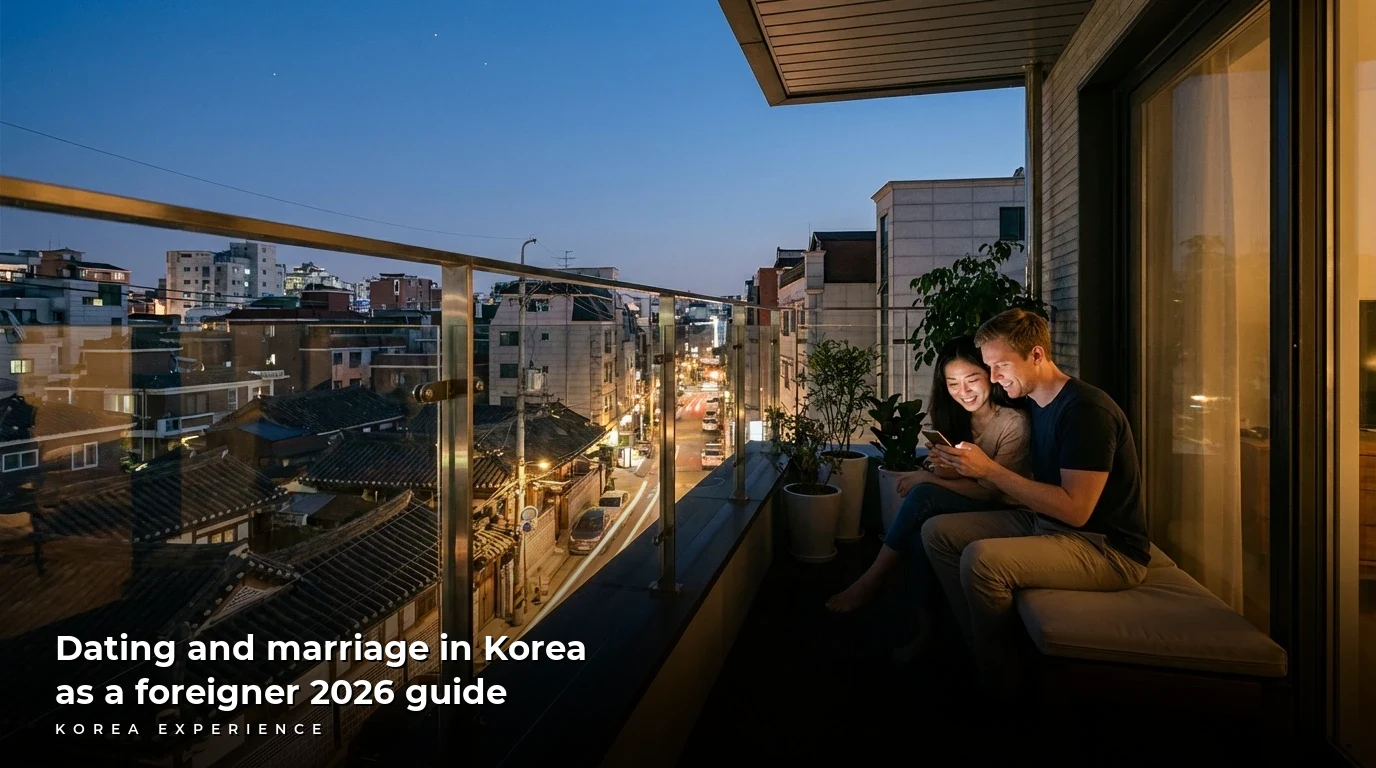
Stepping into the vibrant, dynamic world of South Korea as a foreigner offers an abundance of unique experiences, from exploring ancient palaces to indulging in world-class cuisine. For many, the desire to connect on a deeper, more personal level with the local culture naturally extends to dating and even marriage. The prospect of dating and marriage in Korea as a foreigner in 2026 is both exciting and, at times, perplexing, given the distinct cultural norms and societal expectations.

This guide is designed to illuminate the path for international individuals seeking meaningful relationships in Korea. We'll delve into everything from understanding the nuances of Korean dating culture to navigating the legal intricacies of international marriage. Whether you're a long-term expat or considering a move, prepare to gain invaluable insights and practical advice to foster successful relationships in the Land of the Morning Calm.

Understanding Korean Dating Culture: A Foreigner's Primer

Korean dating culture possesses a charm and complexity that can be both enchanting and challenging for newcomers. Unlike many Western cultures, the approach to relationships often carries a significant emphasis on group dynamics, parental approval, and a clear progression towards commitment.

The Concept of "Some" and Relationship Milestones

Before an official relationship, Koreans often enter a phase called "Some" (썸), a period of mutual interest and flirtation without explicit commitment. It's an ambiguous but exciting stage, often filled with subtle gestures and shared experiences, where both parties gauge compatibility. If some progresses, the relationship officially begins, often marked by specific milestones:

  • Official Dating: Once a couple decides to be exclusive, it's common to celebrate monthly or 100-day anniversaries, reflecting a dedication to marking relationship progress.
  • Couple Items: Wearing matching outfits (known as "keopeul-look"), having matching phone cases, or sharing other couple items are common displays of affection and commitment, signaling to the world that you're together.
  • Public Displays of Affection (PDAs): While hand-holding and light embraces are common, overly passionate PDAs are generally less frequent and sometimes frowned upon in conservative areas, though this varies greatly by location and generation.

The Role of Family and Societal Expectations

Family plays an exceptionally significant role in Korean relationships, particularly as a couple moves towards marriage. Parental approval can be a make-or-break factor. It's common for parents to inquire about a potential partner's background, education, financial stability, and family status.

  • Parental Introduction: Meeting the parents is a serious step, usually signaling a long-term commitment. It's an opportunity to make a good impression and show respect.
  • Age and Marriage: While modern Korea is becoming more flexible, there can still be societal pressure, especially on women, to marry by a certain age. Discussions about marriage often emerge relatively early in serious relationships compared to some Western contexts.
  • Gender Roles: Although evolving, traditional gender roles can still influence expectations. Men might be expected to be the primary providers, while women might face expectations regarding household management, though many young couples strive for more egalitarian partnerships.

Communication Styles and Expressions of Affection

Korean communication often prioritizes harmony and indirectness. Direct confrontation is generally avoided, and it's important to read between the lines or understand non-verbal cues.

  • "Eye-contact" vs. "Reading the Air": While eye contact is valued in Western cultures, in Korea, it's often more about "reading the air" (nunchi) – understanding unspoken sentiments and social dynamics.
  • Acts of Service: Affection is often expressed through acts of service and care rather than solely verbal declarations. Picking up your partner from work, preparing meals, or thoughtful gifts are common demonstrations of love.
  • Emotional Labor: Be prepared for potential emotional labor. Partners often share a deep emotional bond (jeong) and expect a high degree of empathy and support from each other.

To illustrate some key cultural differences, consider this comparison:

AspectKorean Dating CultureWestern Dating Culture (General)
Commitment PaceOften faster progression to official couple status; clear milestones (100-day)Can be slower, more emphasis on casual dating before exclusivity
Public AffectionMore subtle (hand-holding, matching items); less overt PDA, especially in publicMore varied, often more overt PDA accepted
Family InvolvementHigh importance of parental approval and family background; early introductions for serious relationshipsVaries, but generally less direct parental involvement until serious commitment
CommunicationEmphasis on nunchi (reading the air), indirectness, harmony; less direct conflictMore direct communication, verbal expression of feelings; comfort with direct conflict
Group vs. IndividualGroup outings, blind dates (sogaeting) arranged by friends are commonMore emphasis on individual dates; group hangouts less formal dating

Where to Meet Potential Partners in Korea

Finding love, or even just a fun date, in Korea as a foreigner in 2026 offers diverse avenues, blending traditional methods with modern digital solutions.

Online Dating Apps and Platforms

Online dating is incredibly popular in Korea, particularly among younger generations. Many apps cater to various preferences, including specific ones for foreigners.

  • Tinder & Bumble: These global giants are widely used by both Koreans and foreigners, especially in larger cities like Seoul, Busan, and Daegu. They offer a broad user base and are good starting points.
  • GLAM: A popular Korean dating app known for its detailed profiles and algorithm-based matching. It's often used by Koreans looking for serious relationships. While in Korean, many users are fluent in English.
  • TanTan (Tantan): More common for those looking for casual encounters or friendships, though serious relationships can certainly blossom. It has a significant user base among foreigners in Korea.
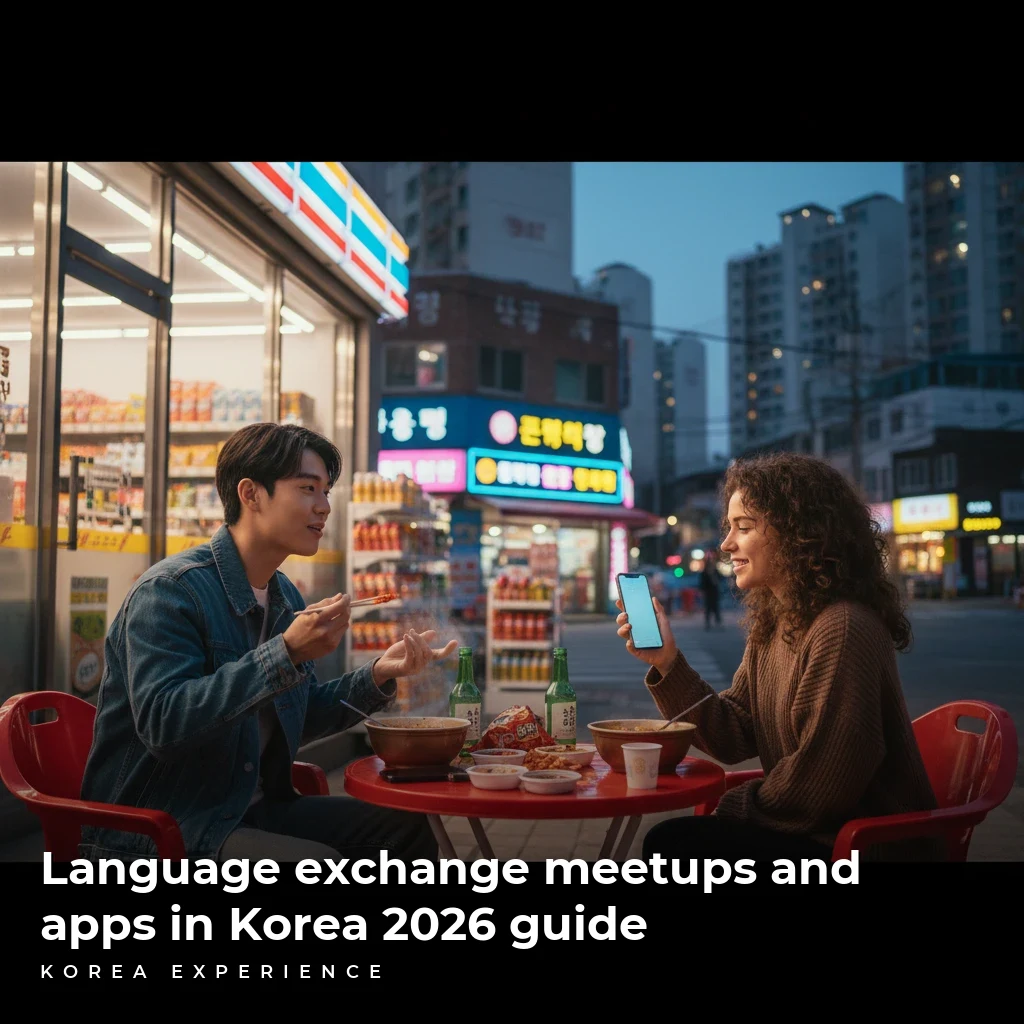
  • HelloTalk & Language Exchange Apps: While not strictly dating apps, platforms like HelloTalk are excellent for meeting people interested in cultural exchange and language learning. Friendships formed here can naturally evolve into romantic relationships.
  • Expat Groups on Facebook/KakaoTalk: Many expat communities have groups specifically for social events or even "singles mixers," which can be a low-pressure way to meet new people. Search for "Expat Singles Seoul" or similar.
Dating AppPrimary User BaseFeatures/ProsConsPrice Range (Monthly)
TinderGlobal, large user baseDiverse profiles, casual to serious, easy to useCan be superficial, many non-serious usersFree - $20
BumbleGlobal, women initiate contactEmpowering for women, focuses on quality matchesSmaller user base than Tinder in KoreaFree - $25
GLAMPrimarily Korean, seriousDetailed profiles, algorithm matches, local focusInterface largely in Korean, learning curveFree - $30
TanTanGlobal, strong Asian presenceEasy matching, good for casual & friendshipsLess focus on long-term relationships for someFree - $15
HelloTalk (Social)Language learnersCultural exchange, organic connections, genuineNot a dating app; explicit dating intent can be frowned uponFree - $10

Offline Opportunities and Social Circles

Beyond apps, Korea offers numerous offline avenues for meeting potential partners.

  • Language Exchange Meetups: These are fantastic places to meet people interested in cultural exchange. Look for groups in areas like Gangnam, Hongdae, or Itaewon. They often gather in cafes or bars.
  • Hobby Groups and Clubs: Join a hiking club, a cooking class, a K-pop dance class, or a sports league. Shared interests are a strong foundation for any relationship. Check local community centers or online platforms like Meetup.com.
  • Social Gatherings in Expat Hubs: Areas like Itaewon, Hongdae, and Gangnam in Seoul, or Seomyeon in Busan, have a higher concentration of bars, clubs, and cafes popular with both foreigners and Koreans who are open to meeting international people.
  • University Clubs and Societies: If you're a student, your university offers a wealth of opportunities to meet both Korean and international students through various clubs and societies.
  • Workplace or Academic Settings: Many foreigners meet their Korean partners through work, school, or other professional settings. These environments naturally foster deeper connections over time.

Insider Tip: When meeting people offline, especially in social settings, be open-minded and respectful of personal space. A friendly smile and a genuine interest in conversation go a long way.

Once you've found someone special, the journey of building a relationship begins. This phase often requires patience, cultural sensitivity, and open communication.

Bridging Cultural Divides Through Communication

Cultural differences are inevitable, but they can be navigated successfully with clear, honest communication.

  • Be Explicit, But Respectfully: While Koreans often prefer indirect communication, as a foreigner, it's sometimes better to be more explicit about your feelings and intentions, especially in the early stages. However, always do so respectfully and gently.
  • Ask Questions: Don't be afraid to ask your partner about their cultural norms or why certain behaviors are common. This shows interest and helps you understand.
  • Active Listening: Pay close attention to both verbal and non-verbal cues. Sometimes, silence or a change in tone can convey more than words.
  • Discuss Expectations Early: Talk about your expectations regarding commitment, exclusivity, family involvement, and future plans to ensure you're both on the same page.

Understanding Korean Love Languages

While not exclusive to Korea, certain expressions of love are particularly common and valued.

  • Acts of Service: Offering help, running errands, or simply being there for your partner are deeply appreciated.
  • Quality Time: Spending time together, even just quietly at a cafe, is a strong indicator of affection.
  • Thoughtful Gifts: Small, regular gifts, especially those that show you remember something your partner mentioned, are highly valued. This can include anything from snacks to beauty products.
  • Words of Affirmation: While less direct than in some Western cultures, sincere compliments and expressions of gratitude are always welcome.

Dealing with Parental and Societal Approval

As your relationship deepens, meeting the parents becomes a significant milestone.

  • First Impressions Matter: Dress neatly, bring a small gift (like fruit or health supplements), and practice basic Korean greetings if you can. Show respect through your demeanor and actions.
  • Research Family Background (Subtly): Understand if there are any specific family traditions or expectations you should be aware of.
  • Be Patient with Acceptance: Some Korean parents may initially have reservations about their child dating a foreigner due to cultural differences, language barriers, or concerns about future stability. Patience, respect, and consistent effort to connect can often bridge this gap.
  • Language Barrier with Parents: If there's a significant language barrier, your partner will likely act as a translator. Be understanding of this dynamic and make an effort to communicate through gestures and smiles.

The Journey to Marriage: Legalities and Cultural Nuances

For those considering marriage, understanding both the legal framework and the cultural expectations is crucial for a smooth transition.

The process for a foreigner marrying a Korean citizen in Korea involves several steps and requires specific documentation. It's highly recommended to consult with the local district office (Gu-cheong) where you plan to register your marriage, as requirements can sometimes vary slightly.

  1. Certificate of No Impediment to Marriage (Honkyeoljeok-yogonungnyeokjeungmyeongseo): This document, confirming you are legally free to marry, is usually obtained from your home country's embassy or consulate in Korea, or directly from your home country's government.
    • Cost: Varies by embassy, typically around $30-$50 USD.
    • Processing Time: Can range from same-day to several weeks, depending on the embassy.
  2. Passport and Visa: Original and copies of your passport and a valid visa for your stay in Korea.
  3. Basic Certificate (Gibonjeungmyeongseo) & Family Relations Certificate (Gajokgwangyecertificate): Your Korean partner will need to provide these, obtained from their local district office.
  4. Application for Marriage Registration (Honin Singoseo): This form needs to be filled out by both parties and signed. Two witnesses (who are over 19) must also sign.
  5. Translation: Any documents not in Korean or English will need to be officially translated and notarized.

Process Overview:

  • Gather all required documents from both your home country's embassy/consulate and the Korean district office.
  • Visit the district office (Gu-cheong) with your Korean partner and all documents.
  • Submit the "Application for Marriage Registration" and supporting documents.
  • Once approved, your marriage will be officially registered. There is no separate marriage ceremony requirement for legal registration in Korea, although most couples opt for a wedding ceremony afterward.

Important Note: If you marry in your home country, you will need to register your marriage with the Korean authorities afterward for it to be recognized in Korea. Consult the Korean Embassy in your home country for specific procedures.

Wedding Traditions: Blending Cultures

Modern Korean weddings often blend traditional customs with Western influences.

  • Western-Style Ceremony: Many couples opt for a formal ceremony in a wedding hall, similar to Western weddings, complete with white dresses, tuxedos, and vows.
  • Traditional Korean Ceremony (Pyebaek): This is a beautiful post-wedding ceremony where the couple pays respect to the groom's (and sometimes bride's) parents and elders. It involves bowing, special tea, and playful elements like the groom carrying the bride on his back. Many international couples choose to include this for its cultural significance.
  • Bridal Showers/Bachelorette Parties: Increasingly popular, especially among younger generations, though still not as widespread as in Western cultures.
  • Wedding Gifts: Cash gifts are the norm. Guests usually place money in white envelopes (with their name written on it) and present it upon arrival.

Visa Implications for International Couples

After marriage, a foreign spouse can apply for a F-6 (Spouse of a Korean National) visa.

  • F-6 Visa Eligibility: This visa allows foreign spouses to reside in Korea long-term and engage in employment without needing a separate work visa.
  • Application Process: Requires documented proof of marriage, financial stability of the Korean spouse, language proficiency (basic Korean is often required for the foreign spouse), and proof of a genuine relationship.
  • Processing Time: Can vary, but typically takes 1-3 months. It's crucial to prepare all documents meticulously.

Internal Linking Opportunity: For detailed information on specific visa types and requirements, refer to our comprehensive "Korea Visa Guide for 2026."

Life as an International Couple in Korea

Life as an international couple in Korea presents its own set of joys and challenges, demanding adaptability and mutual understanding.

Common Challenges and How to Overcome Them

  • Language Barriers: Even if one partner is fluent, daily life with in-laws or in certain social situations can still present challenges. Continue to learn each other's languages.
  • Cultural Misunderstandings: Differences in communication, family expectations, or even daily habits can lead to friction. Open dialogue, patience, and a sense of humor are vital.
  • Social Isolation for the Foreigner: Especially if the foreigner is new to Korea, they might struggle to build their own social circle outside of their partner's. Encourage your partner to introduce you to their friends and actively seek out expat communities.
  • Parental Pressure: Navigating the expectations of Korean in-laws can be demanding. Your Korean partner plays a crucial role in mediating and supporting you.
  • Future Planning: Discussions about where to live long-term, raising children (e.g., language, education), and career paths need to be approached with mutual respect and flexibility.

Building a Support Network

  • Expat Communities: Connect with other international couples or foreigners who have successfully integrated into Korean life. They can offer advice, support, and friendship. Online forums, Facebook groups, and local meetups are great resources.
  • Couple Counseling: Don't hesitate to seek professional counseling if cultural differences become overwhelming. Many services cater to international couples in major cities.
  • Shared Hobbies: Engage in activities you both enjoy. This strengthens your bond and creates shared experiences that transcend cultural differences.
  • Learning Korean: Even basic Korean goes a long way in showing respect to your partner's family and culture, and helps you integrate more smoothly.

Success Stories and Common Pitfalls

Learning from the experiences of others can provide valuable insights for your own journey.

Attributes of Successful International Relationships

  • Mutual Respect and Open-mindedness: Both partners actively seek to understand and respect each other's cultural backgrounds, even if they don't fully agree with every aspect.
  • Strong Communication: They prioritize honest, often direct, conversations about expectations, feelings, and cultural differences, rather than letting issues fester.
  • Shared Vision for the Future: They discuss and agree upon important life decisions, such as where to live, career paths, and how to raise children, with flexibility and compromise.
  • Independent Support Systems: While deeply connected, both partners maintain individual friendships and hobbies, reducing the burden on the relationship to fulfill all social needs.
  • Humor and Patience: They can laugh at misunderstandings and approach challenges with a patient, problem-solving mindset rather than blame.

Common Pitfalls to Avoid

  • Idealizing the Culture/Partner: Falling in love with the idea of Korean culture or a specific trope can lead to disappointment when reality sets in.
  • Lack of Language Effort: Relying solely on your partner for translation and communication in their home country can hinder your integration and strain the relationship.
  • Ignoring Family Dynamics: Underestimating the influence of family, especially in-laws, can create significant tension.
  • Avoiding Difficult Conversations: Brushing cultural differences under the rug or hoping they'll resolve themselves is a recipe for disaster.
  • Giving Up Your Own Identity: While adapting is good, losing your own cultural identity or personal interests to fully assimilate can lead to resentment and unhappiness.
  • Financial Discrepancies: While less common for Western foreigners, some international relationships are unfortunately rooted in financial motives. Be vigilant and ensure the relationship is built on genuine affection and shared values.

Real-world Example: Sarah, an American expat, met her Korean husband, Minjun, through a hiking club in Busan. Their relationship thrived because they actively engaged in each other's hobbies and consistently discussed cultural differences. Sarah learned Korean, which greatly impressed Minjun's parents, and Minjun was eager to explore American traditions with Sarah. They faced challenges with parental expectations, but by presenting a united front and patiently explaining their choices, they built a strong, respected international family.

Financial Aspects and Future Planning for International Couples

Marriage brings shared financial responsibilities and long-term planning. Understanding these aspects in a Korean context is important.

Joint Finances vs. Separate Finances

  • Korean Norms: Traditionally, joint finances are common after marriage, often managed by one partner (historically the wife, though this is changing).
  • Foreigner Perspective: Many Westerners are accustomed to maintaining separate accounts or having a hybrid approach.
  • Recommendation: Discuss your financial philosophies openly. Decide what works best for your specific situation. Consider having a joint account for household expenses while maintaining separate accounts for personal savings or spending.

Cost of Living and Budgeting in Korea

Korea, especially cities like Seoul, can be expensive.

  • Housing: Rent is often the largest expense. Consider Jeonse (lump-sum deposit) or Wolse (monthly rent with deposit). Jeonse requires a large upfront sum but no monthly rent, while Wolse is more akin to Western renting. Average Wolse for a small apartment in Seoul can range from $500 to $1,500+ USD, plus a security deposit (often 10-20x monthly rent).
  • Utilities: Relatively affordable, but can add up.
  • Food: Eating out can be economical for everyday meals, but grocery shopping can be pricey for certain imported goods.
  • Transportation: Public transport is excellent and affordable.
  • Healthcare: Korea has a robust and affordable national health insurance system. As a foreign spouse on an F-6 visa, you'll be eligible.
  • Budgeting: Create a joint budget, track expenses, and ensure both partners are comfortable with the financial plan.

Long-Term Planning and Family Considerations

  • Children: Discuss parental roles, language education (e.g., bilingual upbringing), and schooling options early on.
  • Residency and Citizenship: For the foreign spouse, the F-6 visa can lead to permanent residency (F-5 visa) after a certain period of marriage, and eventually, naturalization (Korean citizenship) if desired and eligibility requirements are met.
  • Inheritance and Estate Planning: Understand Korean laws regarding inheritance, especially if either partner owns assets in their home country or Korea. Consulting with an international legal expert is advised.
  • Retirement: Plan for retirement savings, considering pension schemes in both Korea and your home country.
Financial AspectKorean Cultural Norm (General)Expat/International Perspective (Common)Recommendation for Couples
Bank AccountsOften joint or managed by one partner; clear rolesOften separate for personal, sometimes joint for shared expensesDiscuss openly; consider hybrid model (joint for bills, separate for personal)
HousingEmphasis on owning a home; Jeonse system commonOften renting initially; familiar with Wolse (monthly rent)Understand Jeonse & Wolse; align on housing goals and budget
SavingsStrong emphasis on saving for future, children's educationVaries by individual; focus on short-term or long-term goalsSet clear joint savings goals for family, future, emergencies
Parental SupportCommon for parents to provide financial help (e.g., housing)Less common, emphasis on financial independenceCommunicate expectations regarding family support; set boundaries

Frequently Asked Questions about Dating and Marriage in Korea as a Foreigner 2026

Q1: Is it hard for foreigners to date in Korea?

A1: It can be both challenging and rewarding. Cultural differences, language barriers, and differing expectations are common hurdles. However, many Koreans are open to dating foreigners, especially in larger cities. Patience, open-mindedness, and effort to understand the culture greatly increase your chances of success.

Q2: Do I need to speak Korean to date or marry a Korean person?

A2: While not strictly required, especially if your partner speaks fluent English, learning basic Korean significantly improves your experience and shows respect for their culture. For F-6 visa application, basic Korean proficiency may be a requirement for the foreign spouse. Communication with family members will also be much easier.

Q3: What are common stereotypes about foreigners dating Koreans?

A3: Unfortunately, stereotypes exist on both sides. Some Koreans may perceive foreigners as more casual, while some foreigners might idealize Korean partners based on K-drama portrayals. It's crucial to approach each individual without preconceived notions and build a relationship based on genuine connection.

Q4: How long does it typically take to get married in Korea as a foreigner?

A4: The legal registration of marriage itself is a relatively quick administrative process once all documents are gathered (often a single visit to the district office). However, the entire process, including obtaining necessary documents from your home country, translations, and then applying for the F-6 visa, can take several months, ranging from 3 to 6 months in total.

Q5: Will my Korean in-laws accept me as a foreigner?

A5: Acceptance varies greatly by family. Many Korean families are welcoming and curious, especially if you show genuine respect for their culture and make an effort to communicate. Some might have initial reservations due to cultural differences or concerns, but patience, consistent effort, and your partner's support are key to building a positive relationship with them.

Conclusion: Embracing the Journey of Love in Korea

Navigating dating and marriage in Korea as a foreigner in 2026 is a unique and enriching experience that intertwines personal connection with cultural immersion. While challenges are inevitable, they are often outweighed by the profound joy of building a bicultural relationship and family.

Remember these key takeaways:

  • Educate Yourself: Continuously learn about Korean culture, traditions, and communication styles.
  • Communicate Openly: Be honest and explicit with your partner about your feelings, expectations, and any cultural misunderstandings.
  • Show Respect: For your partner, their family, and Korean customs. A little effort goes a long way.
  • Build Your Own Support System: Connect with other expats and find hobbies to maintain your individual well-being.
  • Be Patient and Flexible: Relationships, especially cross-cultural ones, require time, understanding, and adaptability.

The journey of love in Korea is an adventure in itself. With an open heart and a prepared mind, you can build a truly meaningful and lasting relationship in this fascinating country.

About the Author

Korea Experience Team

Written by the Korea Experience editorial team - experts in Korean medical tourism, travel, and culture with years of research and firsthand experience.

⚠️ Medical Disclaimer

The information provided on this website is for general informational purposes only and does not constitute medical advice. Always consult with qualified healthcare professionals before making any medical decisions.

Continue Reading

Explore more articles you might find interesting