Seoul hidden cafes with fast Wi-Fi: The 2026 nomad guide
Discover Seoul's best hidden cafes with 85 Mbps Wi-Fi speeds. Learn how to secure laptop-friendly seating and avoid the 2026 2-hour study limits.
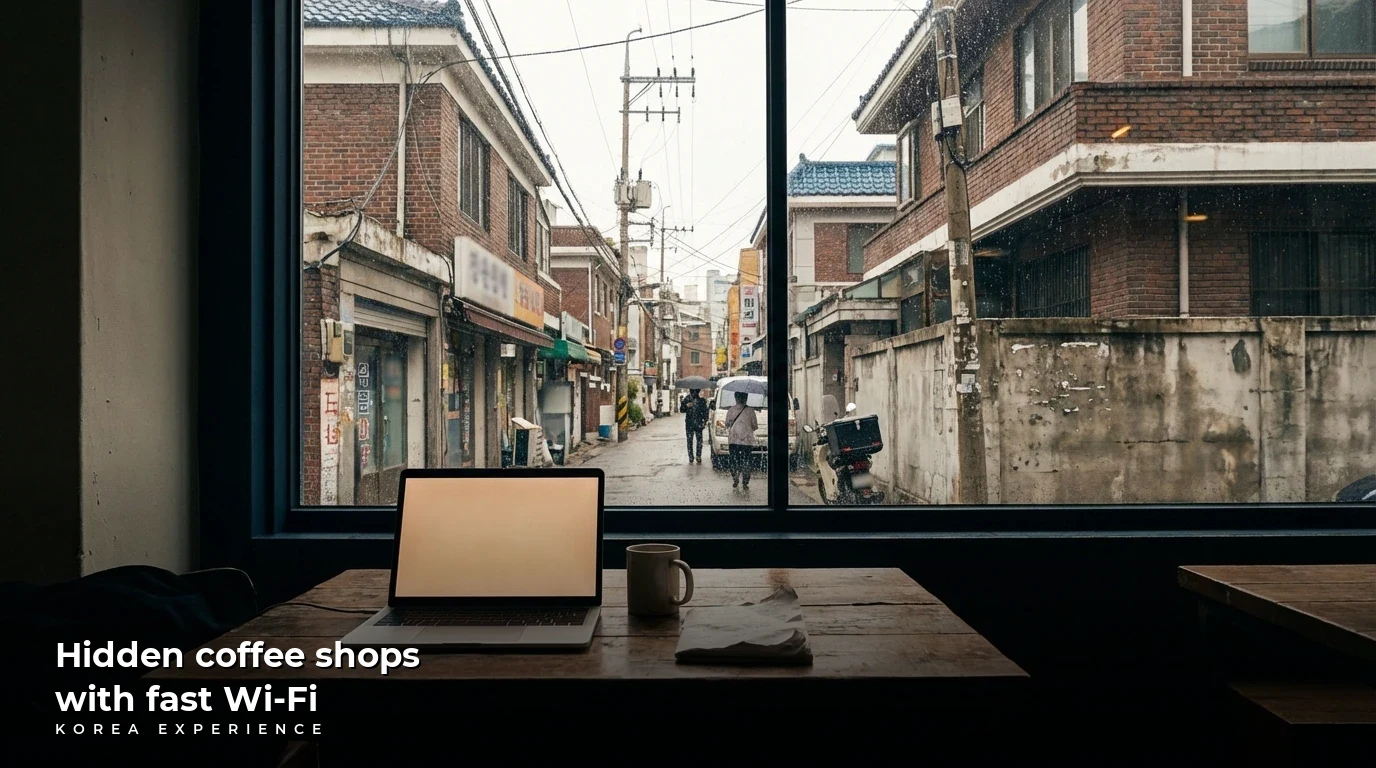
So, you have just touched down at Incheon International Airport, navigated the airport express train, and finally dropped your bags at your accommodation in Seoul. You pop open your laptop, ready to fire off some emails, only to realize you need a solid place to work. You wander outside, turn the corner, and suddenly there are literally five different coffee shops staring back at you. Which one do you pick? Are they going to yell at you if you pull out your laptop? Will the Wi-Fi be fast enough for that massive client file transfer?
Do not stress. We have spent an embarrassing amount of time cafe-hopping across this massive metropolis, testing internet speeds, evaluating power outlet availability, and navigating the complex social etiquette of the Korean coffee scene. We have tracked down the absolute best hidden, laptop-friendly cafes with screaming-fast internet where you can actually get stuff done like a local.
Key Takeaways
- 1Seoul has an absolute abundance of cafes with fast Wi-Fi, but the 2026 crackdown on digital nomads means you need to know exactly which indie spots will welcome your laptop.
- 2The average Wi-Fi speed in Seoul's work-friendly cafes is a blistering 30 Mbps, with some business districts hitting averages of 85 Mbps or higher.
- 3Always check your paper receipt before you throw it away, as the Wi-Fi network and password are almost always printed at the very bottom.
- 4To bypass the strict SMS identity verification blocks on public city networks, stick to private cafe Wi-Fi or invest in a travel router.
📋 Quick Facts
The Holy Grail of Remote Work in Seoul
Here is the absolute truth about Seoul: it is arguably the greatest city on the planet for digital nomads and remote workers. But it is also a city of extreme contrasts. On one hand, you have an infrastructure that feels like it is living in the year 2030. The average Wi-Fi speed in a work-friendly Seoul cafe clocks in around 30 Mbps, with some business districts like Gangnam casually averaging 85 Mbps or higher. To put that in perspective, you could be downloading a massive video project, streaming a high-definition tutorial, and sitting on a video call all at the exact same time without a single drop in quality. It is genuinely mind-blowing.
If you are setting up your life here long-term, you will quickly realize that this high-speed infrastructure extends to everything. From opening your bank accounts to navigating the subway, the digital ecosystem is flawless. For those planning to stay a while, checking out our NH vs Hana Bank 2026: The Ultimate Korea Nomad Banking Guide is a great next step to ensure your finances are as streamlined as your internet connection.
But on the other hand, the sheer volume of cafes here is overwhelming. As of recent data, there are over 100,000 cafes across South Korea. In Seoul alone, it feels like there is an espresso machine on every single corner. You have massive, multi-story industrial roasteries, tiny hole-in-the-wall spots that seat three people, and sprawling traditional Korean houses converted into bakeries.
The secret to thriving here is not just finding a place with coffee; it is finding the hidden spots where the Wi-Fi is blazing fast, the power outlets are actually turned on, and the staff will not glare at you for staying a few hours. Because, trust us on this one, not all of those 100,000 cafes want your laptop in their establishment. There is a massive cultural shift happening right now in 2026, and if you do not know the unwritten rules, you are going to end up paying premium prices for a latte only to realize there are no plugs and the internet requires a local phone number. We are going to make sure that does not happen to you.
From Royal Palaces to the Cafe Study Tribe Crackdown
To really understand why working in a Seoul cafe feels like a competitive sport, you have to understand how we got here. The story of coffee in Korea actually starts like a historical drama. The evolution from royal luxury to a daily necessity for millions of remote workers is a fascinating journey that explains the current state of the city's cafe culture.
The Royal Brew
King Gojong becomes the very first Korean to try coffee while taking refuge at the Russian Embassy, sparking a royal obsession with the dark beverage.
The First Traditional Cafe
Antoinette Sontag opens Korea's first traditional coffee shop, known as a dabang, at the Sontag Hotel in Seoul, catering to diplomats and the elite.
The Instant Coffee Boom
The US military introduces instant coffee during the Korean War, taking the drink from an elite luxury to an accessible daily staple for the masses.
The Mermaid Arrives
The very first Starbucks opens in the Sinchon neighborhood, fundamentally shifting the culture toward self-service and studying in cafes.
The 100K Milestone
The number of cafes across South Korea explodes past 100,000, creating an ultra-competitive market for cafe owners and endless options for consumers.
The No Study Zone Crackdown
In response to the extreme cafe study tribe, many cafes start implementing strict 2-hour time limits and covering up power outlets to increase table turnover.
The Nomad Adaptation
Hidden indie cafes adapt to the new digital nomad influx by creating specialized acoustic zones and dedicated laptop seating for respectful remote workers.
For a long time, coffee was an extreme luxury. It was not until the Korean War in the 1950s, when massive amounts of instant coffee were introduced, that the average person got a taste of the caffeine life. The traditional cafe culture evolved into places where young people would go on blind dates, listen to DJs spin vinyl records, and talk politics. But the real earthquake happened in 1999. That is the year the first major Western franchise opened its doors. They introduced this radical idea: you could order your drink at the counter, carry it yourself, and sit alone reading a book without a waiter hovering over you.
Locals took that concept and sprinted with it. Today, the cafe is not just a place to drink coffee; it is the definitive third space. Because so many young people live with their parents or in incredibly tiny studio apartments, the cafe became their living room, their library, and their office. This gave birth to the cafe study tribe.
And look, these studiers are incredibly dedicated, but they pushed the limits. A few years ago, cafe owners started noticing people coming in, buying the cheapest Americano, and setting up camp for eight hours. Some wild individuals were literally bringing desktop monitors, printers, and six-port power strips, taking over four-person tables to build makeshift offices. Because commercial rent in Seoul is astronomical, owners started losing serious money. That is why, in 2025 and 2026, you are seeing a massive wave of "No Study Zone" signs popping up, with cafes physically blocking their wall outlets or instituting strict time limits. The golden age of limitless lingering is over, which is why finding the right spot is more crucial than ever.
Breaking Down Your Workspace Options
Knowing that half the cafes in the city are actively fighting a war against laptops, where do you actually go? You have to match your workspace to the type of work you are doing. Let us break down your main options so you can choose the perfect environment for your daily tasks.
| Feature | Industrial Roasters | Concept Hanoks | Indie Study Cafes |
|---|---|---|---|
| Average Cost | ₩5,500 to ₩7,000 | ₩6,000 to ₩8,000 | ₩4,500 to ₩6,500 |
| Wi-Fi Speed | 30 to 50 Mbps | 20 to 35 Mbps | 50 to 85+ Mbps |
| Duration Validity | Great for long 3 to 4 hour sessions | 1 to 2 hours before it gets crowded | All-day friendly if you reorder |
| Vibe Requirements | Love for raw, warehouse aesthetics | Patience for long queues and tourists | Quiet respect for other studiers |
| Best Used For | Creative work, meetings, deep focus | Inspiration, photos, short tasks | Intense studying, coding, exams |
| 2026 Changes | Adding more hidden floor outlets | Stricter weekend laptop time limits | Expanding digital nomad seating |
If you are looking for deep, uninterrupted focus and you need the absolute fastest internet physically possible, you want to hunt down the Industrial Roasters. My personal favorite is Anthracite Coffee Roasters in the Hapjeong neighborhood. This place used to be a shoe factory back in 1910, and they kept all the raw, rusted iron and concrete aesthetics. It is dark, moody, and surprisingly cozy. The Wi-Fi here is consistently pushing 30 Mbps, and because the space is so massive, especially the second floor, you can easily disappear into a corner for three hours without anyone bothering you. Plus, the music is usually a chill jazz playlist that acts as perfect white noise.
But maybe you did not fly across the world to sit in a place that looks like a warehouse. If you want aesthetic inspiration and you are only planning to work for an hour or two, you need to visit a Concept Hanok. Cafe Onion in the Anguk area is the crown jewel of this category. It is a beautifully restored 1920s traditional Korean house. You can literally sit cross-legged on the traditional wooden floor with your laptop, staring out at the tiled roofs. However, here is the catch: the internet is great, but the tourist crowds are aggressive. If you want to work here, you must arrive at 8:00 AM on a weekday. Otherwise, the sensory overload of people taking photos will destroy your productivity.
If you are a digital nomad who just needs to hunker down and grind, look for the Indie Study Cafes. Places like Allez Cake in the Sinchon area are literal lifesavers. These are small, quiet, neighborhood gems hidden away from the main streets. They actively welcome students and workers. They have power outlets everywhere, free Wi-Fi, and owners who are genuinely friendly to foreigners. You can sit there eating their famous mugwort cake, sipping a matcha latte, and churning out spreadsheets in total peace. The key to these places is respect—keep your headphones on, do not talk loudly, and order a second drink if you stay past three hours.
The Pros and Cons of Seoul Cafe Working
Working from cafes in Seoul is a unique experience that comes with its own set of incredible advantages and frustrating drawbacks. Before you commit to the cafe nomad lifestyle, it is important to weigh the pros and cons.
Pros
- ✓Mind-Blowing Internet Speeds: You are tapping into a telecom infrastructure that averages 30 Mbps to 85 Mbps, making remote work an absolute breeze.
- ✓The Leave Your Laptop Trust Culture: You can literally leave your expensive laptop and wallet on the table to go to the restroom, and nobody will touch it.
- ✓Incredible Aesthetic Inspiration: You get to type away in beautifully restored 1920s traditional houses, massive converted 1910 shoe factories, or lush indoor bamboo forests.
Cons
- ✗The Study Tribe Crackdown: Because a few people ruined it by bringing desktop monitors into cafes, owners are fighting back with strict time limits.
- ✗Sensory Overload and Seating Wars: If you do not arrive early, you are going to be fighting to find a seat with a power outlet before the afternoon rush.
- ✗Public Wi-Fi Security Risks: While the Wi-Fi is fast and free, it is still public. If you are not careful with your data, you could be exposing your personal information.
The trust culture is perhaps the most shocking element for newly arrived expats. The city is blanketed in a highly effective CCTV network, and the cultural emphasis on respecting personal property is incredibly strong. You will routinely see locals leave their newest smartphones, designer bags, and credit cards on tables just to reserve their spot while they wait in line to order. It takes a few days to get used to, but once you embrace it, the freedom of not having to pack up your entire mobile office just to use the restroom is liberating.
However, the seating wars are very real. By 1:00 PM, especially in trendy neighborhoods like Seongsu or Yeonnam, finding a table with a working power outlet becomes a competitive sport. If you plan to do a full day of work, you need to treat your cafe arrival like a morning commute and secure your spot before the post-lunch rush floods the building.
The Complete How-To Guide for Cafe Survival
Walking into a busy Seoul cafe with a laptop can be intimidating if you do not know the unwritten rules of engagement. I learned this the hard way so you do not have to. Here is your step-by-step guide to securing the perfect workspace and keeping the cafe owners happy.
📖 How to Secure the Ultimate Cafe Workspace in Seoul
Step 1: Scope the Neighborhood Vibe
Before you leave your accommodation, pick the right district. Head to Hongdae for creative energy, Seongsu for industrial vibes, or Gangnam for serious focus. Avoid super touristy spots if you want to get work done.
Step 2: Claim Your Territory
When you walk into the cafe, do not go to the counter to order first. Find a table, check for a power outlet, and leave your bag or jacket on the chair to claim it. No one will steal it.
Step 3: Navigate the Ordering Process
Head to the counter or the digital touchscreen kiosk. Order your drink and a pastry. Buying food shows the owner you are not just a freeloader taking up space for hours.
Step 4: Manage the Time Limit Etiquette
Once connected, be mindful of the room. If the cafe starts filling up with people waiting for tables, it is polite to pack up after two or three hours. To stay all day, buy another item every few hours.
When it comes to navigating the city to find these hidden gems, you will quickly realize that getting around requires some local knowledge. Because global map applications are restricted from providing turn-by-turn walking directions, you will need to rely on local alternatives. To master the transit system and find the fastest routes to your chosen cafe, be sure to read our KakaoMetro 2026 Guide: Travel Time Secrets & Fast Transfer Hacks.
Once you have secured your table and settled in, you might find yourself working through lunch. Instead of packing up your gear and losing your coveted power outlet, many nomads choose to take a quick break to grab food nearby. If you want to secure a table at a popular restaurant without waiting in a massive line, check out our guide on CatchTable Global 2026: Book Korea's Best Restaurants Without a Phone.
Expert Advice for Deep Focus
Sometimes, the biggest challenge is not finding a seat, but finding an environment where you can actually concentrate. The architectural design of a cafe plays a massive role in how productive you will be.
If you want a truly quiet space for deep focus, look at the ceiling height before you commit to sitting down. Places like Fritz Coffee Company have 5-meter ceilings that naturally diffuse sound upward, so even when there are 100 people in the room, the acoustic engineering keeps it feeling like a quiet library.
Fritz Coffee Company in the Wonseo neighborhood is a perfect example of this architectural advantage. Despite being incredibly popular and serving some of the best pastries in the city, the sheer volume of the space prevents the noise from becoming overwhelming. You can sit there for hours, enjoying their blazing fast 35 Mbps Wi-Fi and amazing retro branding, without feeling like you are in the middle of a crowded market.
The Stuff Nobody Tells You About Connectivity
We need to talk about the dark side of internet connectivity in Korea, because this is the stuff that makes tourists and new expats want to pull their hair out. You will often see signs for incredibly fast, free public Wi-Fi on the subway, on city buses, and in public parks.
Bypassing the SMS Verification Block
This is the single most frustrating thing for digital nomads: trying to connect to a public city Wi-Fi network only to be hit with an SMS identity verification screen. In Korea, to verify your identity via SMS, your phone number must be linked to a resident ID number or an Alien Registration Card (ARC). Tourists cannot pass this verification.
To survive without an ARC:
- Stick exclusively to private cafe Wi-Fi networks. Private businesses use a standard password printed on the receipt and skip the SMS verification entirely.
- Invest in a good travel router. It allows you to bypass captive portals and creates a secure, encrypted tunnel for your laptop.
- Buy a tourist eSIM with unlimited data so you can tether your laptop to your phone's hotspot in emergencies.
If you are planning your trip and want to ensure you never get caught without a connection, choosing the right mobile data plan is critical. Do not rely solely on cafe Wi-Fi for your entire trip. Dive into our comprehensive breakdown in the eSIM vs USIM vs Pocket Wi-Fi Korea 2026: The Ultimate Connectivity Guide to find the perfect backup internet solution for your specific needs.
Using a travel router is perhaps the ultimate digital nomad pro-tip. A travel router is a tiny device that you can connect to public networks. Once the router connects, you connect your laptop to the router. This not only helps bypass certain portal restrictions by allowing you to spoof a MAC address, but it also creates a secure, encrypted tunnel. Korean public networks are heavily trafficked, and if you are doing sensitive work for clients back home, you do not want to be sending that data over an open, unencrypted connection in a crowded cafe. A travel router keeps your data locked down tight.
Frequently Asked Questions
❓ Frequently Asked Questions
Have more questions?Contact us →
Conclusion: Your Action Plan
So, here is your exact game plan for your first 24 hours of working in Seoul. Skip the major global franchises right out of the gate—they are increasingly cracking down on laptop users with new rules banning monitors and bulky gear. Instead, fire up your local map app and head toward the Mapo or Jongno districts.
Drop your bag at a table in a spacious roastery like Fritz Coffee to take advantage of their 35 Mbps speeds and high ceilings. Order an iced Americano, grab the receipt to find your Wi-Fi password, and dive into your work. Be respectful of the space, order a pastry if you stay past two hours, and soak in the incredible aesthetic.
If you want to mix up your day, try a route through the Bukchon area. Start your morning with hyper-focused productivity at an industrial spot, then move over to a massive traditional house like Cafe Onion for lunch. Grab their famous powdered sugar pastry while working from a traditional wooden floor. Take a screen break to walk around the nearby palace grounds, and finish your afternoon sprint hidden inside an indoor bamboo forest at a luxury concept cafe like Cheong Su Dang.
Seoul’s cafe culture is a delicate ecosystem right now, balancing between massive expansion and the backlash against excessive studying. If you follow these unwritten rules, respect the local etiquette, and come prepared with your tech setup, you will unlock the most productive, inspiring work environment you have ever experienced. Get out there, find your perfect hidden corner, and get to work!
Sources
- Wikipedia - Historical timeline of traditional cafes, royal coffee history, and modern franchise expansion.
- Reporter Gourmet - Information on the cafe study tribe, No Study Zones, and the recent 48 percent increase in cafe locations.
- Visit Seoul - Details on Anthracite Coffee Roasters Hapjeong and industrial chic cafe aesthetics.
- Wireless Gate - Crucial technical information on SMS verification issues, ARC requirements, and travel routers.
- Geronimo AI - Detailed Wi-Fi speed test statistics and bandwidth averages for metropolitan cafes.
- LetSeoul - Insights on acoustic engineering, ceiling heights, and cafe etiquette for remote workers.
- Expert Market Research - Nationwide statistics confirming over 100,000 active cafe locations.
About the Author
Korea Experience Team
Written by the Korea Experience editorial team - experts in Korean medical tourism, travel, and culture with years of research and firsthand experience.
Explore more in Living in Korea
Everything expats and long-term visitors need to know — from visa requirements and housing to banking, healthcare, and daily life tips.
Browse All Living in Korea ArticlesContinue Reading
Explore more articles you might find interesting
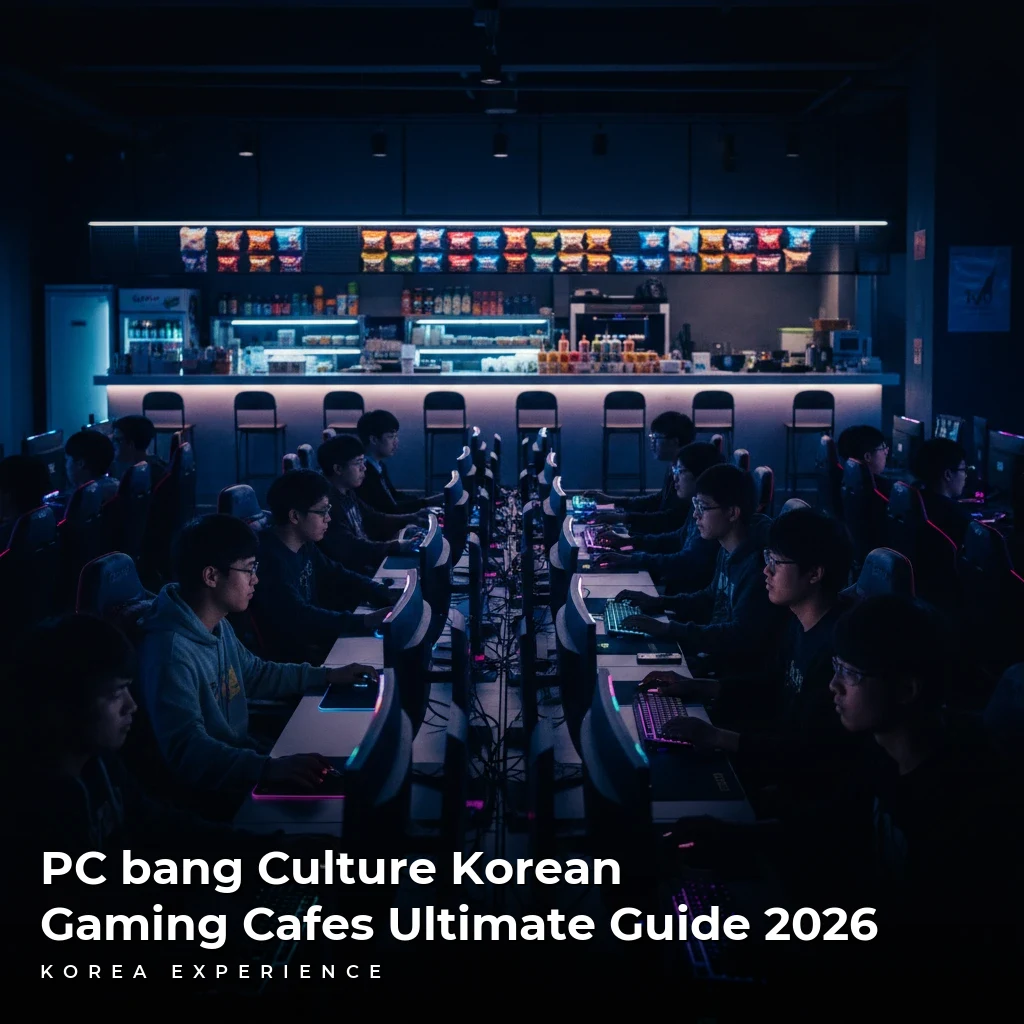
Discover the high-tech world of Korean PC Bang culture, featuring ultra-fast speeds, gourmet food ordering, and 24-hour access for travelers.
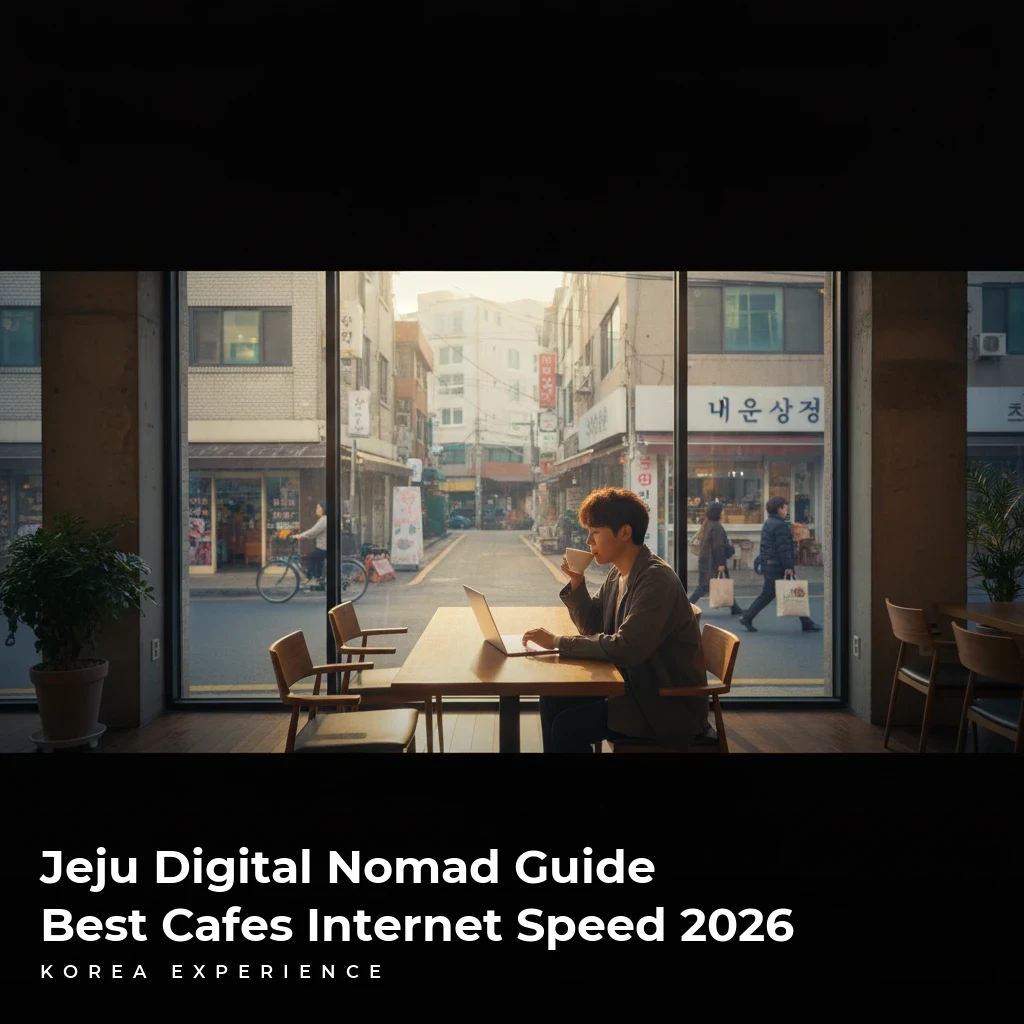
The ultimate 2026 guide to remote work in Jeju Island. Discover 500Mbps cafe speeds, top coworking spaces, and living costs for digital nomads.
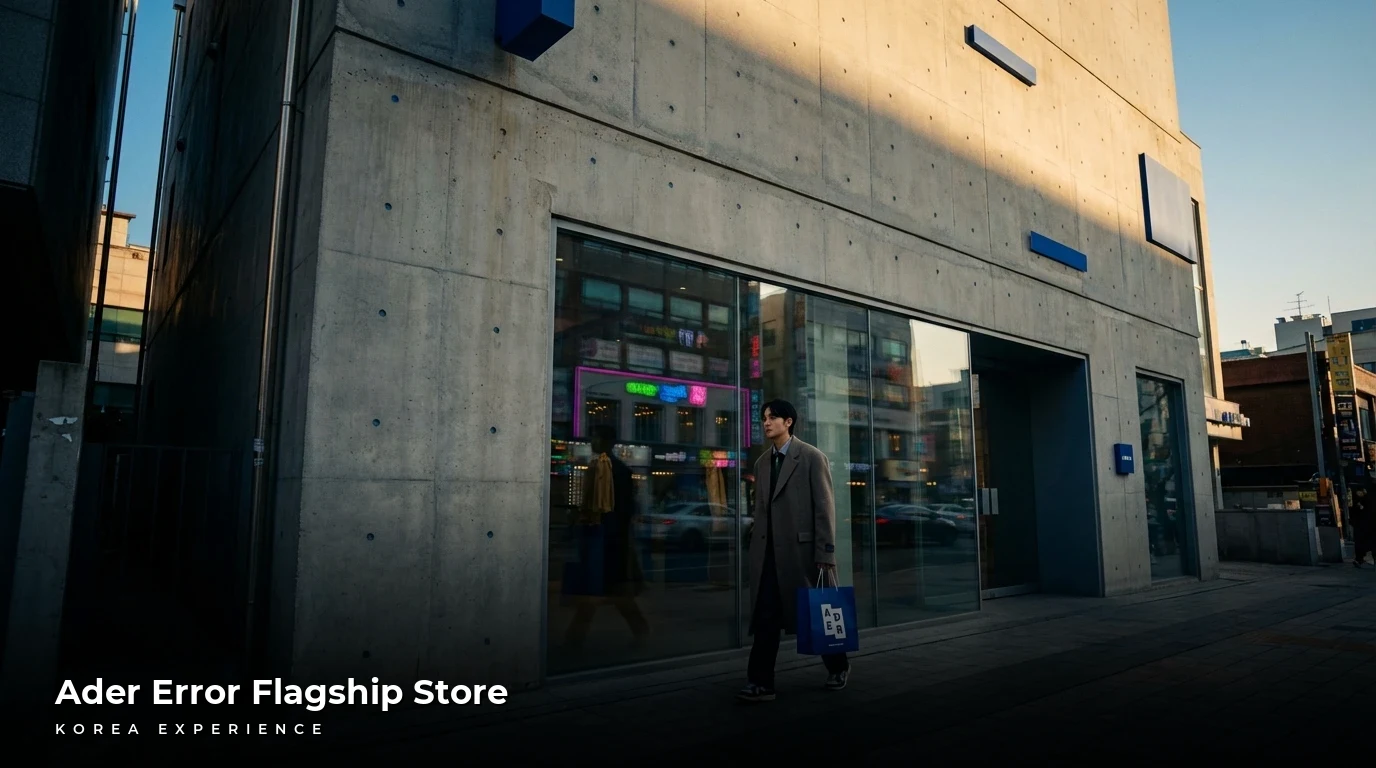
Discover if the 1 to 2 hour wait for Seoul Ader Error flagship stores is worth it. Learn how to save up to 8 percent on 2026 prices ranging from $110 to $260.
Discover the 2026 solo dining revolution in Seoul where 36.1% of households are single. Learn to navigate BBQ joints and avoid lunchflation prices.
Explore Seoul's Big 3 K-pop HQs with subway fares at 1,550 KRW. Find the SM Kwangya store open daily and discover hidden fan cafes near HYBE.
Discover the top 15+ English-friendly temple stays in Korea. From Seoul to mountains, learn booking tips, costs (₩50k-80k), and schedules for 2026.