Korean Design Districts: Seongsu-dong & Samcheong-dong
Explore Seoul's vibrant design scene. From Seongsu-dong's industrial chic to Samcheong-dong's traditional elegance, discover Korea's unique creative spirit.
Seoul, a city where ancient traditions beautifully intertwine with cutting-edge modernity, has become a global epicenter of design, fashion, and artistic innovation. For the international traveler or expat looking to dive deep into the heart of Korea's creative spirit, navigating the sheer volume of artistic hotspots can be overwhelming. Where do you begin to uncover the true pulse of Korean aesthetics, where history whispers alongside contemporary cool?
This comprehensive guide invites you on an immersive journey through two of Seoul's most iconic and distinct design districts: the industrial-chic transformation of Seongsu-dong and the timeless elegance of Samcheong-dong. We will unravel their unique stories, explore their must-visit galleries, cafes, and boutiques, and equip you with practical tips to experience the best of Seoul's design landscape. Prepare to discover the places where Korea’s past, present, and future design visions converge, offering unforgettable experiences for every design enthusiast.
The Evolution of Korean Design and Cultural Hubs
Korean design, once heavily influenced by global trends, has truly come into its own, developing a distinctive identity characterized by innovation, functionality, and a deep appreciation for aesthetics. This evolution is particularly evident in its vibrant urban landscapes, where former industrial zones transform into creative havens and historic neighborhoods embrace contemporary art. These cultural hubs are more than just places to shop; they are living galleries, showcasing the dynamic interplay between tradition and modernity that defines modern Korea.
The global recognition of K-culture – from K-pop and K-dramas to K-beauty and K-food – has put a spotlight on every facet of Korean creativity, including its design prowess. Seoul's design districts serve as powerful testaments to this creative explosion, offering diverse experiences that cater to different tastes, from the raw, urban edge of Seongsu-dong to the refined, artistic atmosphere of Samcheong-dong. Understanding these areas is key to grasping the multifaceted nature of Korean contemporary culture and design.
Seongsu-dong: Seoul's Industrial Chic Design Playground
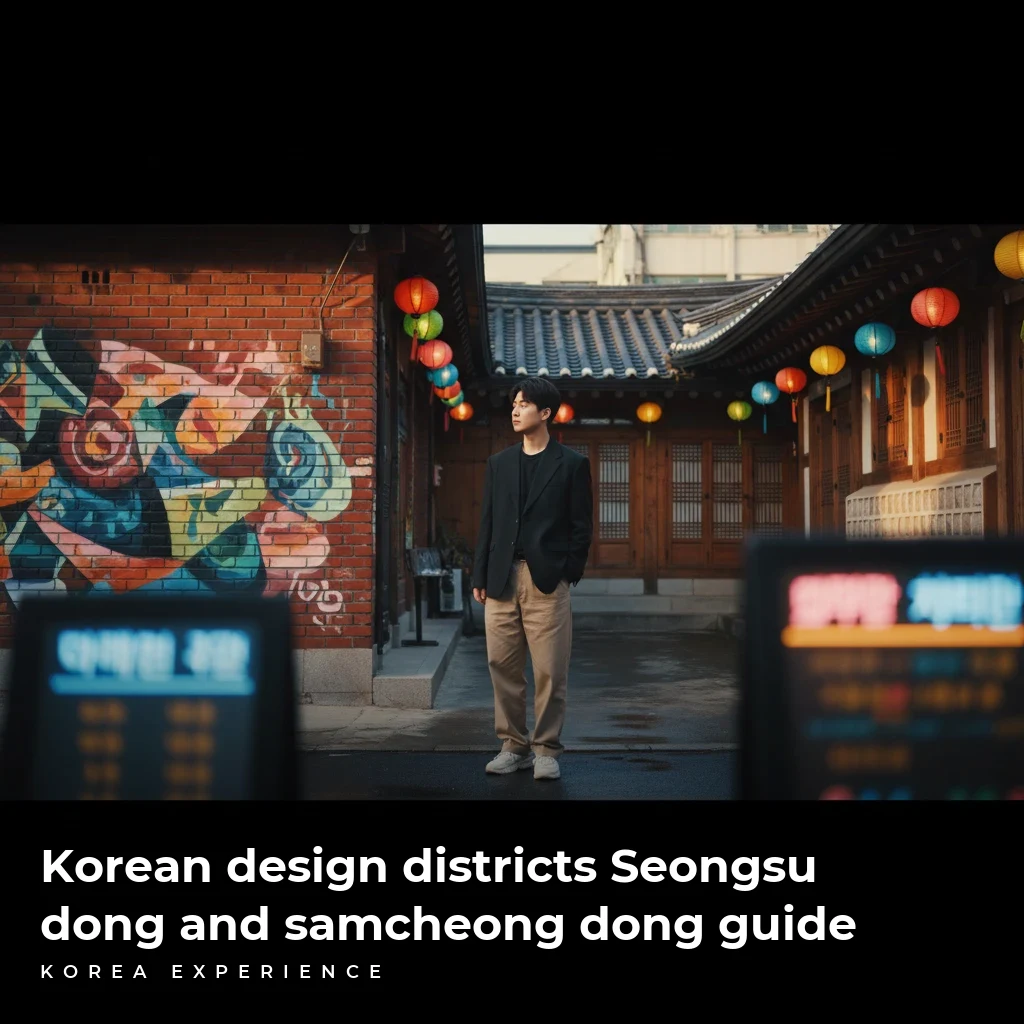
Seongsu-dong, often hailed as "Brooklyn of Seoul," is a testament to urban revitalization and creative repurposing. Once a hub for shoe factories, print shops, and industrial complexes, this district has undergone a dramatic transformation. Its gritty, industrial roots are now celebrated, providing a unique backdrop for avant-garde galleries, trendy cafes, designer boutiques, and innovative start-ups. The raw concrete, exposed brick, and large factory windows are not merely preserved but reimagined, creating an aesthetic that is both nostalgic and strikingly modern.
From Factories to Galleries and Workshops
The heart of Seongsu-dong's charm lies in its ability to reinvent without erasing its past. Many of the old factories have been meticulously renovated, retaining their structural integrity while being converted into spacious art galleries, experiential retail spaces, and creative workshops. These expansive venues offer artists and designers ample room to showcase their work, from large-scale installations to intricate artisanal crafts.
- Daelim Changgo Gallery Cafe: This iconic space, an old rice mill turned factory, now serves as a sprawling art gallery and cafe. It perfectly embodies Seongsu-dong's spirit, offering contemporary art exhibitions alongside excellent coffee and brunch in an architecturally stunning setting. Entry often requires purchasing a drink or food item, with prices for coffee ranging from 7,000 to 9,000 Korean Won (approximately 5-7 USD).
- Layer57: A popular multi-purpose cultural space that hosts fashion shows, pop-up events, and photo shoots, demonstrating the district's strong ties to the fashion and creative industries.
- Atelier Coque: Home to various craft workshops where visitors can try their hand at leather crafting, pottery, or jewelry making, offering a hands-on experience of Korean artistry. Booking in advance is often recommended, with workshop fees typically starting from 50,000 Korean Won (approximately 38 USD).
Trendy Cafes and Boutiques Redefining Urban Spaces
Seongsu-dong is a paradise for cafe hoppers and fashion enthusiasts. The cafes here are not just places for coffee; they are design statements, often featuring unique interiors that blend industrial aesthetics with minimalist Korean design principles. Each cafe offers a distinct atmosphere, making the simple act of having a coffee an immersive design experience.
- Blue Bottle Coffee, Seongsu Cafe: The first branch of the famous American coffee chain in Korea, intentionally built within a repurposed auto repair shop. Its minimalist design perfectly complements the industrial surroundings, drawing crowds for both its coffee and its architectural appeal.
- Onion Cafe (Cafe Onion Seongsu): Another immensely popular spot housed in a former metalworking factory, retaining much of its original structure. Its rustic, unfinished look, coupled with delicious pastries, makes it a must-visit. Expect prices for coffee and pastries to be around 10,000-15,000 Korean Won (approximately 7-11 USD).
- Concept Stores and Independent Boutiques: Beyond cafes, Seongsu-dong boasts an array of independent fashion boutiques and concept stores that showcase emerging Korean designers. These stores often feature limited-edition items and unique styles that you won't find in mainstream shopping districts.
Seongsu Yeonbang: A Creative Complex
Seongsu Yeonbang, which translates to "Seongsu Federation," is a vibrant complex of cafes, shops, and restaurants meticulously built into a former chemical factory. It's a microcosm of Seongsu-dong's appeal, offering a curated experience that blends retail, dining, and art in one stylish location. From a quaint bookstore (Chaekbang) to various eateries and lifestyle stores, Yeonbang is a perfect spot for an afternoon of exploration and relaxation. It's easily accessible and a great starting point for first-time visitors to the district.
Samcheong-dong: Traditional Charm Meets Contemporary Artistry
In stark contrast to Seongsu-dong's modern edge, Samcheong-dong offers a serene blend of traditional Korean heritage and sophisticated contemporary art. Nestled between the grandeur of Gyeongbokgung Palace and the historical Bukchon Hanok Village, Samcheong-dong provides a picturesque journey through winding alleys lined with traditional Korean houses (Hanok), art galleries, quaint cafes, and artisan shops. This district is where Seoul's rich past gracefully embraces its vibrant present.
Hanok Houses and Art Galleries: A Picturesque Fusion
Samcheong-dong's signature aesthetic is its beautifully preserved Hanok architecture, many of which have been transformed into contemporary art galleries, cozy cafes, or charming boutiques. Walking through its narrow, undulating streets feels like stepping back in time, yet every corner reveals a modern artistic surprise.
- Art Galleries Galore: The district is renowned for its high concentration of art galleries, showcasing both established and emerging Korean artists. Many are housed within renovated Hanok, offering a unique viewing experience that contrasts traditional settings with modern works. Look out for smaller, independent galleries that often feature more experimental pieces.
- The National Museum of Modern and Contemporary Art (MMCA), Seoul: While technically just outside Samcheong-dong, its proximity makes it an essential visit for anyone exploring the area. It offers a comprehensive look at Korean and international modern and contemporary art. Admission fees vary depending on exhibitions, generally around 4,000 Korean Won (approximately 3 USD) for general admission.
- Museum Mile: Samcheong-dong itself acts as a 'Museum Mile,' with numerous private galleries like Hakgojae Gallery and Kukje Gallery representing prominent Korean artists.
Boutique Shopping and Artisanal Crafts
Shopping in Samcheong-dong is a curated experience, far removed from the bustling consumerism of major department stores. Here, you'll find unique, handcrafted items, bespoke fashion, and beautifully designed lifestyle goods. The emphasis is on quality, originality, and the story behind each piece.
- Handmade Accessories and Jewelry: Numerous small shops specialize in handcrafted items, from intricate jewelry to unique leather goods. These make perfect souvenirs, offering a piece of Korean artistry to take home.
- Traditional Korean Crafts with a Modern Twist: Discover stores selling modern interpretations of traditional Korean crafts, such as ceramics, textiles, and stationery. These items beautifully merge age-old techniques with contemporary design sensibilities.
- Independent Fashion Boutiques: Similar to Seongsu-dong, Samcheong-dong also features independent fashion boutiques, though with a generally more refined and minimalist aesthetic, often inspired by traditional Korean silhouettes and natural fabrics.
Scenic Cafes and Tea Houses
The cafes and tea houses in Samcheong-dong are designed for tranquility and reflection. Many offer stunning views of the surrounding Hanok rooftops or lush greenery, providing a peaceful retreat from the city's hustle. Experience traditional Korean teas in a serene Hanok setting, or enjoy a modern coffee creation with a panoramic view.
- Cafe Breezin: Known for its charming interior and delicious desserts, it provides a cozy spot to relax after exploring.
- Traditional Tea Houses: Seek out one of the many traditional Korean tea houses to experience the art of Korean tea ceremonies. These offer a cultural immersion, often served with traditional Korean snacks (desserts). A tea set typically costs around 8,000-15,000 Korean Won (approximately 6-11 USD).
Comparing Seongsu-dong and Samcheong-dong: A Tale of Two Districts
While both Seongsu-dong and Samcheong-dong are quintessential Korean design districts, they offer strikingly different experiences. Understanding these distinctions will help you tailor your visit to your personal preferences.
| Feature | Seongsu-dong | Samcheong-dong |
|---|---|---|
| Vibe/Atmosphere | Industrial chic, edgy, trendy, bustling | Traditional, artistic, serene, elegant |
| Architecture | Repurposed factories, warehouses, modern builds | Preserved Hanok, traditional Korean structures |
| Art Scene | Contemporary, experimental, large-scale | Fine art, traditional Korean art, refined |
| Shopping Focus | Independent fashion, lifestyle, unique concepts | Artisanal crafts, bespoke items, niche boutiques |
| Cafe Culture | Hipster, spacious, industrial-themed | Cozy, scenic views, traditional tea houses |
| Ideal Visitor | Trend-seekers, urban explorers, creatives | Culture enthusiasts, art lovers, those seeking peace |
| Aspect | Seongsu-dong | Samcheong-dong |
|---|---|---|
| Historical Context | Industrial past, urban regeneration | Traditional residential area, near royal palaces |
| Accessibility | Well-served by Seoul Subway Line 2 | Accessible via Anguk Station (Line 3), bus |
| Food Scene | Diverse international, trendy, fusion cuisine | Traditional Korean, refined, cafe dining |
| Nightlife | Lively bars, craft breweries | Quieter, evening dining, fewer late-night options |
Must-Visit Spots and Experiences in Each Design District
To maximize your visit to these Korean design districts, here’s a curated list of specific places and activities.
Seongsu-dong Highlights:
- Daelim Changgo Gallery Cafe: As mentioned, an essential stop for art, coffee, and atmosphere. Check their website for current exhibitions.
- Cafe Onion Seongsu: Experience its unique industrial aesthetic and delicious baked goods. Be prepared for crowds, especially on weekends.
- Seongsu Yeonbang: Dedicate an hour or two to explore this complex, including the bookstore, shops, and various eateries. It's particularly charming in the evening with its subtle lighting.
- Street Art and Murals: Keep an eye out for impressive street art and murals adorning the walls of former factories, adding to the district's urban charm.
- E.LAND Museum: A hidden gem that often hosts intriguing exhibitions, adding another layer to Seongsu-dong's diverse art scene.
- Handmade Shoe Street: Although many factories have moved, you can still find traditional shoe artisans and custom shoe shops along this historic street.
Samcheong-dong Highlights:
- National Museum of Modern and Contemporary Art (MMCA), Seoul: A short walk from the main street, it’s a must for serious art lovers.
- Bukchon Hanok Village: Directly adjacent to Samcheong-dong. Combine your visit by wandering through this preserved traditional village for stunning photo opportunities and a deeper sense of history.
- Gyeongbokgung Palace: The largest of Seoul's Five Grand Palaces is within walking distance. Consider renting a Hanbok (traditional Korean clothing) nearby for a memorable photo shoot.
- Pyeongchang-dong Galleries: While further afield, Samcheong-dong serves as a gateway to the upscale galleries in Pyeongchang-dong if you're keen on exploring more high-end Korean art.
- Hwaseong Fortress Views: Head up some of the steeper alleys for panoramic views of the city skyline, Gyeongbokgung Palace, and the traditional Hanok rooftops.
- Myeongryun-dong Calligraphy Alley: A small, charming street where traditional calligraphy shops still operate, offering a glimpse into another traditional Korean art form.
Practical Tips for Exploring Seoul's Design Gems
Navigating these Korean design districts can be an adventure. Here are some practical tips to ensure a smooth and enjoyable experience.
- Transportation:
- Seongsu-dong: Best accessed via Seoul Subway Line 2, getting off at Seongsu Station (Exit 3 or 4). The main attractions are within walking distance.
- Samcheong-dong: Take Seoul Subway Line 3 to Anguk Station (Exit 1 or 2). From there, it's about a 10-15 minute walk, or you can catch a local bus.
- Best Time to Visit:
- Weekdays: Generally less crowded, especially for popular cafes and galleries.
- Weekends: Both districts can get very busy. Seongsu-dong buzzes with young crowds, while Samcheong-dong attracts families and tourists. Visiting early morning on a weekend can help beat the crowds.
- Spring (April-May) and Autumn (September-October): The weather is ideal for walking and outdoor exploration.
- Budgeting:
- Seongsu-dong: Cafes and boutiques can be moderately priced. Expect to spend 7,000-15,000 Korean Won (approximately 5-11 USD) per person for a drink and snack. Independent boutiques vary widely but can be pricier than mass-market brands.
- Samcheong-dong: Galleries often have free entry, but special exhibitions may charge. Traditional tea houses and artisanal shops can be slightly more expensive due to the handcrafted nature of goods.
- Walking Shoes: Both districts are best explored on foot, so comfortable walking shoes are essential. Samcheong-dong, in particular, has many uphill slopes and cobblestone alleys.
- Digital Tools: Use Naver Maps or Kakao Maps (not Google Maps, which has limited functionality in Korea) for navigation. Learn a few basic Korean phrases for ordering or asking directions, although many staff in these tourist-friendly areas speak English.
- Connectivity: Ensure you have a local SIM card or a portable Wi-Fi egg for seamless navigation and instant translation.
- Embrace the Unexpected: Both areas are full of hidden alleys and charming corners. Don't be afraid to wander off the main streets to discover unique shops or art installations.
- Internal Linking Opportunity: For more detailed guides on using Korean navigation apps or mastering Seoul's subway system, check out our other posts on "Navigating Seoul Like a Local" or "Essential Apps for Your Korea Trip."
Beyond Design: Food, Fashion, and Fun in Seongsu & Samcheong
The allure of Seongsu-dong and Samcheong-dong extends far beyond their design prowess. These districts are also vibrant hubs for culinary delights, cutting-edge fashion, and unique leisure activities.
Culinary Journeys: From Street Food to Fine Dining
- Seongsu-dong's Food Scene: Reflects its trendy and diverse character. You'll find a mix of modern Korean fusion restaurants, international eateries, and artisan bakeries. Look for innovative brunch spots, craft breweries, and vegan-friendly options that cater to the younger, diverse crowd. Don't miss the local tteokbokki (spicy rice cake) stalls for a classic Korean street food experience.
- Samcheong-dong's Gastronomy: Tends to be more traditional and refined. Many restaurants offer updated versions of classic Korean dishes, often served in beautiful Hanok settings. You'll also find charming cafes specializing in desserts and traditional Korean teas. Fine dining options are available, providing an elegant culinary experience.
Fashion Forward: Boutique Shopping and Emerging Trends
- Seongsu-dong Fashion: This district is a hotbed for emerging Korean designers and independent fashion labels. You'll discover unique apparel, accessories, and streetwear that are ahead of mainstream trends. Many shops offer a more avant-garde or minimalist aesthetic, reflecting the urban cool of the area.
- Samcheong-dong Fashion: Here, the fashion leans towards sophisticated, classic, and often artisanal styles. Boutiques showcase pieces with high-quality fabrics and unique detailing, perfect for those seeking timeless elegance rather than fleeting trends. Handcrafted jewelry and accessories are also prominent.
Unique Leisure and Entertainment
- Seongsu-dong's Nightlife: While not a hardcore party district, Seongsu-dong offers a lively evening atmosphere with numerous craft beer pubs, wine bars, and unique cocktail lounges. It's a great place for a relaxed evening drink in a stylish setting.
- Samcheong-dong's Cultural Activities: Beyond galleries, you can often find small cultural performances, traditional craft workshops, and opportunities to learn about Korean art forms. Its proximity to Gyeongbokgung Palace also means you can often witness traditional ceremonies or cultural events.
| Category | Seongsu-dong | Samcheong-dong |
|---|---|---|
| Food & Drink | Fusion restaurants, craft beer, vegan options | Traditional Korean, refined dining, tea houses |
| Fashion Style | Urban chic, streetwear, emerging designers | Classic, artisanal, minimalist, elegant |
| Cultural Events | Pop-up events, fashion shows, design markets | Traditional performances, art exhibitions, craft workshops |
| Atmosphere (Evening) | Trendy, bustling, lively | Serene, romantic, cultural |
FAQ Section: Your Questions Answered
To help you plan your visit, here are answers to some frequently asked questions about these Korean design districts.
Q1: How much time should I allocate for each district? A1: For a thorough exploration, allocate at least half a day (4-5 hours) for each district. If you plan to visit multiple galleries, participate in a workshop, or enjoy a leisurely meal, a full day for each would be more comfortable.
Q2: Are these districts suitable for families with young children? A2: Seongsu-dong might be more engaging for slightly older children or teenagers due to its trendier shops and interactive spaces. Samcheong-dong, with its art galleries and quiet atmosphere, might be better suited for adults or families who appreciate art and history. However, both offer interesting walks and unique cafes for a pleasant outing.
Q3: Is English widely spoken in these areas? A3: In major cafes, galleries, and popular shops in both Seongsu-dong and Samcheong-dong, you will likely find staff who speak conversational English. However, in smaller, independent shops or traditional eateries, English might be limited. Having a translation app handy is always a good idea.
Q4: Can I buy unique souvenirs in these design districts? A4: Absolutely! Both districts are excellent for unique souvenir shopping. In Seongsu-dong, look for independent fashion items, lifestyle goods, and design-focused stationery. Samcheong-dong is perfect for artisanal crafts, traditional Korean art pieces, and handcrafted accessories.
Q5: What's the best way to combine a visit to Samcheong-dong with nearby attractions? A5: Samcheong-dong is ideally located for combining a visit with Bukchon Hanok Village and Gyeongbokgung Palace. You can start with the palace in the morning, then wander through Bukchon Hanok Village, and finally arrive in Samcheong-dong for lunch, art exploration, and cafe hopping in the afternoon. All these areas are within comfortable walking distance of each other.
Conclusion: Discovering Seoul's Creative Pulse
Seoul’s Seongsu-dong and Samcheong-dong offer a fascinating microcosm of Korea's dynamic design landscape. From Seongsu-dong's audacious blend of industrial grit and modern cool to Samcheong-dong's tranquil harmony of traditional aesthetics and contemporary art, these Korean design districts provide rich, immersive experiences for any international traveler or expat.
Whether you're drawn to the edgy street art and innovative concept stores of a revitalized factory district, or prefer the serene beauty of Hanok-turned-galleries and artisanal boutiques, Seoul has a design story waiting for you. By exploring these unique neighborhoods, you'll gain a deeper appreciation for the creative energy that fuels modern Korea, taking home not just souvenirs, but unforgettable memories and a fresh perspective on a global design leader.
So, pack your comfortable shoes, prepare your cameras, and set out to uncover the unique charm and inspiring creativity that define Seongsu-dong and Samcheong-dong – two vibrant expressions of Korean design.
About the Author
Korea Experience Team
Written by the Korea Experience editorial team - experts in Korean medical tourism, travel, and culture with years of research and firsthand experience.
⚠️ Medical Disclaimer
The information provided on this website is for general informational purposes only and does not constitute medical advice. Always consult with qualified healthcare professionals before making any medical decisions.
Continue Reading
Explore more articles you might find interesting
Discover the best places to experience Talchum, Korea's vibrant mask dance drama. From Seoul's stages to historic folk villages, find authentic performances and cultural insights.
Dreaming of K-Pop? Explore our guide to SM, JYP, and HYBE public spaces and experiences. Discover how to get closer to your favorite idols' worlds.
Dreaming of meeting your favorite K-Drama actor? This comprehensive guide reveals how international fans can successfully attend fan meetings in Korea.