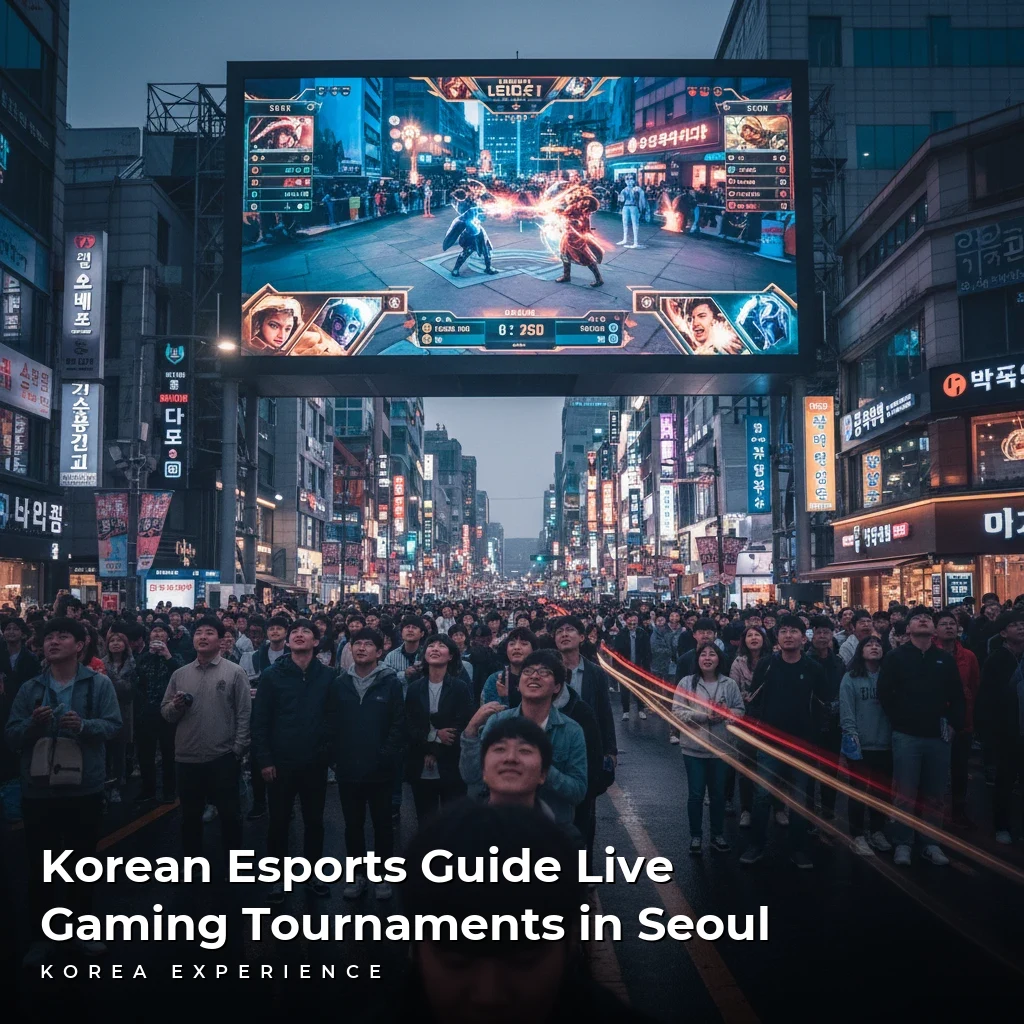
Korean Esports Attending Live Gaming Tournaments Guide
Your comprehensive guide to experiencing Korean esports live. Learn how to buy tickets, find venues, and immerse yourself in Korea's gaming culture.
Korean Esports: Attending Live Gaming Tournaments in the Land of Champions
Korea is not just a country; it's the undisputed epicenter of esports. For decades, it has cultivated a vibrant competitive gaming scene, producing legendary players, innovative strategies, and an electrifying fan culture that captivates audiences worldwide. As an international traveler or expat, the allure of Korean esports attending live gaming tournaments is undeniable – a chance to witness history in the making, feel the roar of the crowd, and experience a unique facet of K-culture.
However, for those unfamiliar with the local ticketing systems, venue navigation, and unique fan customs, the prospect of attending a live esports event in Korea can seem daunting. Where do you buy tickets? What should you expect? How do you make the most of your visit?
This comprehensive guide will equip you with all the knowledge you need to confidently navigate the world of Korean esports. We’ll delve into the top venues, demystify ticket purchases, share insider tips for game day, and explore how you can fully immerse yourself in Korea’s unparalleled gaming culture. Get ready to cheer alongside passionate fans and witness the pinnacle of competitive gaming!
The Heartbeat of Esports: Why Korea Reigns Supreme
Korea's dominance in esports is not a recent phenomenon but a deeply ingrained cultural legacy. Understanding this foundation is key to appreciating the intensity and passion you'll encounter when Korean esports attending live gaming tournaments.
A Legacy of Champions: From StarCraft to League of Legends
The story of Korean esports began in the late 1990s with StarCraft: Brood War. This real-time strategy game became a national pastime, with professional players achieving celebrity status and televised matches drawing massive audiences. The dedication, strategic depth, and high skill ceiling fostered by StarCraft laid the groundwork for future generations of pro gamers. When League of Legends rose to global prominence, Korea swiftly adapted, developing an infrastructure and talent pool that continues to set the gold standard. Teams like SK Telecom T1 (now T1) and Gen.G have etched their names into history with multiple world championships, showcasing the meticulous training, tactical innovation, and individual brilliance that defines Korean esports.
Government Support and Robust Infrastructure
Unlike many countries where esports developed organically, Korea's government recognized its potential early on. The Korea e-Sports Association (KeSPA) was established in 2000, promoting esports as a legitimate sport and providing regulatory frameworks. This official recognition helped build dedicated stadiums, broadcast networks, and professionalize player careers. High-speed internet infrastructure, ubiquitous PC Bangs (internet cafes), and a culture of competitive gaming from a young age have created an unparalleled ecosystem for talent development and fan engagement.
The Passionate Fanbase: A Culture of Dedication
The energy at a live Korean esports event is palpable. Fans are incredibly passionate, knowledgeable, and loyal. They don't just watch games; they live and breathe them. Fandom culture is a significant part of the experience, with fans creating intricate banners, preparing gifts for their favorite players, and coordinating elaborate cheers. Attending a match means becoming part of this collective enthusiasm, whether you're supporting a local hero or simply soaking in the atmosphere.
Top Esports Venues in South Korea
When planning your trip to experience Korean esports attending live gaming tournaments, knowing the key venues is essential. Most major events are concentrated in Seoul, offering easy accessibility via its excellent public transportation system.
LoL Park (League of Legends Park)
LoL Park is the spiritual home of League of Legends in Korea. Located in the heart of Jongno District, Seoul, it's not just an arena but a complete esports complex.
- Location: Gran Seoul Building, 33 Jong-ro, Jongno-gu, Seoul. Easily accessible via Jonggak Station (Subway Line 1) or Gwanghwamun Station (Subway Line 5).
- Capacity: Approximately 450 seats for the main LCK Arena.
- Experience: LoL Park features a futuristic circular arena, a dedicated Riot Games PC Bang (LoL Park PC Bang) where you can play League of Legends on high-spec machines, a fan store for official merchandise, and a cafe. The arena offers an intimate viewing experience, allowing fans to be incredibly close to the action and the players. It’s the primary venue for the League of Legends Champions Korea (LCK) regular season.
Afreeca Colosseum
Operated by AfreecaTV, a major live-streaming platform in Korea, the Afreeca Colosseum is a versatile venue that hosts a variety of esports titles beyond League of Legends.
- Location: Lotte World Tower, 300 Olympic-ro, Songpa-gu, Seoul. Accessible via Jamsil Station (Subway Lines 2 and 8).
- Games Hosted: Known for hosting StarCraft II Global StarCraft II League (GSL) matches, Overwatch Contenders Korea, Valorant Champions Tour Korea (VCT KR), and various fighting game tournaments.
- Unique Features: The Colosseum offers a modern and sleek environment, with good sightlines and professional production quality. Its location within the Lotte World Tower complex means easy access to dining, shopping, and entertainment options before or after matches.
Gocheok Sky Dome and Jamsil Arena
While LoL Park and Afreeca Colosseum handle regular season games, major finals, international events, and championship matches often move to larger multi-purpose arenas.
- Gocheok Sky Dome: A massive baseball stadium that can be reconfigured for major events. It has hosted League of Legends World Championship finals, drawing tens of thousands of fans.
- Location: Gocheok-dong, Guro-gu, Seoul. Accessible via Guil Station (Subway Line 1).
- Jamsil Arena (Jamsil Indoor Stadium): Another large indoor stadium primarily used for sports and concerts, it also occasionally hosts major esports finals, especially for games with larger fan bases.
- Location: Jamsil Sports Complex, Songpa-gu, Seoul. Accessible via Sports Complex Station (Subway Lines 2 and 9).
Smaller Stages and PC Bangs
Beyond the professional venues, smaller tournaments, amateur leagues, and community watch parties often take place in dedicated gaming spaces within PC Bangs or local community centers. While these might not offer the same grand spectacle, they provide a more grassroots, authentic experience of Korean gaming culture. Keep an eye on community forums or local esports event listings for these opportunities.
Navigating Ticket Purchases for Korean Esports Tournaments
Securing tickets for Korean esports attending live gaming tournaments requires a bit of planning, especially for popular matches. Here’s how international fans can typically purchase tickets.
Online Ticketing Platforms
The primary method for purchasing tickets in Korea is through online platforms.
- Interpark Ticket: This is one of Korea's largest ticketing sites and a common platform for LCK tickets.
- Process: You'll need to create an account. While Interpark has an English interface, some parts of the booking process, especially for specific event pages, might default to Korean. It's advisable to use a translation tool if you encounter difficulties. Payment usually requires a Korean credit card, but international credit cards (Visa, Mastercard, Amex) are often accepted, especially for the global version of Interpark.
- Release Dates: LCK tickets typically go on sale a week or so before the match day, usually on Tuesday evenings for the following week's games. Be prepared for tickets to sell out quickly, especially for popular team matchups.
- Ticketlink: Another major ticketing platform, often used for GSL and other esports events.
- Process: Similar to Interpark, an account is usually required. English support varies by event. Payment options are generally the same.
- AfreecaTV Ticket (Afreeca Colosseum events): For events held at the Afreeca Colosseum, AfreecaTV may have its own dedicated ticketing portal accessible via its website. This often requires an AfreecaTV account.
Practical Tip: It's highly recommended to register for accounts on these platforms before ticket release dates. Familiarize yourself with the interface and payment process to save time during high-demand sales.
On-site Purchases
While some venues might offer limited on-site ticket sales, this is generally not recommended, especially for popular matches. Tickets often sell out online well in advance. On-site purchases are more common for smaller, less high-profile events or if you're attending a less popular match during the regular season. Always check the official event website for information on same-day ticket availability.
Fan Club Pre-sales and Raffles
For the most dedicated fans, joining official team fan clubs can offer advantages like pre-sale access or participation in ticket raffles. However, these systems are usually more geared towards local fans, often requiring a Korean ID number and local banking. For international visitors, relying on general online sales is usually the most straightforward approach.
Here's a comparison table to help you decide on ticketing options:
| Feature | Interpark Ticket & Ticketlink (Online) | On-site Purchase (Limited) | Fan Club Pre-sales/Raffles (Advanced) |
|---|---|---|---|
| Availability | High, but sell out fast for popular matches | Very low, not guaranteed for popular events | Exclusive, but often requires local setup |
| Convenience | High, can buy from anywhere | Low, requires physical presence, risk of no tickets | Moderate, if you have local connections/setup |
| Language | English interface often available (partial) | Korean | Predominantly Korean |
| Payment | International credit cards often accepted | Cash or Korean card | Korean bank transfers/cards usually required |
| Best For | Most international visitors, primary method | Last resort, or for very minor/less popular events | Die-hard fans with local support |
| Recommendation | Primary method for planning ahead | Avoid unless absolutely necessary or confirmed available | Consider only with strong local support or long-term stay |
Essential Tips for Attending Live Korean Esports Events
Once you’ve secured your tickets for Korean esports attending live gaming tournaments, here are some practical tips to enhance your experience.
Arrive Early: Soak in the Atmosphere
Arriving at least 60-90 minutes before the scheduled match start time is highly recommended. This allows you to:
- Pick up tickets: If you're collecting physical tickets, give yourself ample time.
- Explore the venue: Get a feel for the layout, locate restrooms, and find your seats.
- Visit fan zones and merchandise stores: Many venues have dedicated areas where you can buy official team jerseys, light sticks, and other memorabilia. This is a great way to show your support and take home a souvenir.
- Witness the pre-game buzz: Observe the growing excitement, fan interactions, and player arrivals.
Understand the Fan Culture: Join the Cheering
Korean esports fan culture is vibrant and enthusiastic. You'll often see:
- Light Sticks: Similar to K-Pop concerts, many fans bring team-specific light sticks or generic ones to wave during matches. You can usually buy them at the venue.
- Chants and Cheers: Teams often have specific chants. Listen to the local fans and try to follow along! Even if you don't know the words, the energy is infectious.
- Fan Signs/Banners: Fans often bring handmade signs supporting their favorite players or teams.
- Player Gifts: It's common for fans to prepare small gifts or food for their favorite players, usually collected by staff at designated drop-off points. Don't feel obliged to participate, but it’s interesting to observe.
Food and Drinks at Venues
Most major esports venues, like LoL Park, have cafes or snack bars where you can purchase drinks and light refreshments. For larger arenas like Gocheok Sky Dome, you'll find a wider range of food vendors.
- Outside Food/Drink: Policies vary, but generally, large outside food or drinks are not permitted. Small, personal water bottles are usually fine. Check the specific venue's rules before you go.
- Nearby Options: For a full meal, explore the restaurants and eateries surrounding the venues. Areas around LoL Park (Jongno) or Afreeca Colosseum (Jamsil) offer excellent dining choices.
Transportation to Venues
Seoul's public transportation system is world-class, efficient, and affordable, making it the best way to get to any esports venue.
- Subway: The subway is your best friend. All major venues are conveniently located near subway stations. Invest in a T-money card (a rechargeable transportation card) for seamless travel on subways and buses.
- Buses: Buses are also an option, but the subway is generally easier for foreigners to navigate.
- Taxis: Taxis are readily available but can be more expensive, especially during peak hours.
Language Barrier Navigation
While some venues or ticketing platforms might have English interfaces, much of the communication on-site will be in Korean.
- Translation Apps: Have a translation app like Papago or Google Translate handy. These can be incredibly useful for reading signs or asking for directions.
- Basic Korean Phrases: Learning a few basic phrases like "Annyeonghaseyo" (Hello), "Gamsahamnida" (Thank you), "Eolmayeyo?" (How much is it?), and "Yeogi Eodiya?" (Where is this?) can go a long way.
- Venue Staff: Staff at major venues are generally used to international visitors and may have some English speakers available or be able to assist with translation tools.
Beyond the Matches: Immerse Yourself in Korean Gaming Culture
Korean esports attending live gaming tournaments is just one aspect of the rich gaming culture. To truly immerse yourself, explore these other facets.
PC Bangs (Internet Cafes): Experience a Pro's Training Ground
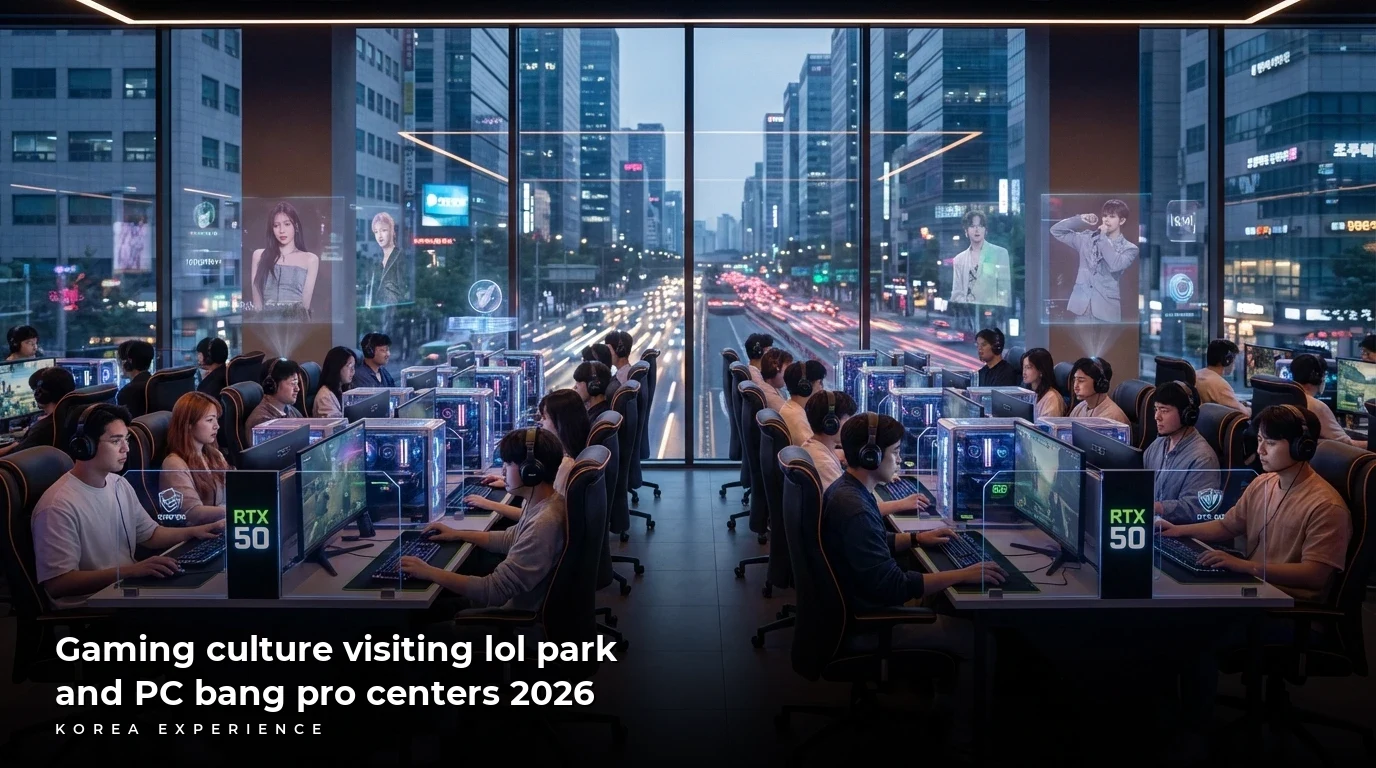
PC Bangs are ubiquitous in Korea and are much more than just internet cafes. They are social hubs, casual gaming centers, and even training grounds for aspiring pros.
- What to Expect: High-spec computers, comfortable gaming chairs, noise-canceling headsets, and an extensive library of games (League of Legends, Overwatch, Valorant, PUBG, etc.). Many PC Bangs also offer a menu of snacks, instant noodles, and drinks delivered directly to your station.
- How to Use: You'll typically pay by the hour. Most modern PC Bangs use a system where you top up a card or account with credits. For foreigners, some require a temporary account creation with a passport. Prices are very affordable, usually 1,000-2,000 Korean Won (approx. 0.75-1.50 USD) per hour.
- Insider Tip: Visit a popular PC Bang in gaming districts like Gangnam or Sinchon to see the latest setups and atmosphere.
Esports Cafes and Bars: Social Viewing Experiences
Similar to sports bars, esports cafes and bars are growing in popularity, offering a social environment to watch live matches with fellow fans. These venues often feature large screens, comfortable seating, and a menu of food and beverages. It's a fantastic alternative if you can't get tickets to a live event or want to catch a game with friends in a relaxed setting. Look for them in trendy areas of Seoul.
Gaming Gear Shopping: Level Up Your Setup
Korea is also a hub for gaming hardware. If you're interested in upgrading your setup or just browsing the latest tech, consider a visit to:
- Yongsan Electronics Market (Yongsan Jeonja Sangga): This sprawling market in Seoul is a haven for all things electronics, including specialized gaming peripherals, custom PC components, and the latest hardware. It's a unique shopping experience, though haggling might be expected in some smaller shops.
Here's a comparison of different gaming experiences:
| Feature | Live Esports Match | PC Bang Experience | Esports Cafe/Bar |
|---|---|---|---|
| Atmosphere | Electric, high energy, communal cheering, professional production | Casual, social, focus on personal gameplay/small groups | Social, relaxed, communal viewing, food/drinks available |
| Cost | Moderate (ticket prices vary, 10,000-30,000 KRW typical) | Very low (1,000-2,000 KRW/hour) | Moderate (cost of food/drinks, sometimes cover charge) |
| Interaction | With live crowd, players on stage (from a distance) | With your friends or other players online | With fellow viewers, discussions about the game |
| Focus | Watching pros compete | Playing games yourself | Watching games (live or VODs) socially |
| Best For | Witnessing top-tier competition, intense fandom experience | Affordable gaming, experiencing local culture, solo/group play | Casual viewing, meeting other fans, relaxed atmosphere |
Major Korean Esports Tournaments and Seasons
To plan your trip around Korean esports attending live gaming tournaments, it's helpful to know the schedules of the most prominent leagues.
League of Legends Champions Korea (LCK)
The LCK is arguably the most prestigious regional league in League of Legends and a must-see for any fan.
- Schedule: The LCK runs two splits annually:
- Spring Split: January to April (culminates in MSI – Mid-Season Invitational qualification).
- Summer Split: June to August (culminates in Worlds – World Championship qualification).
- Key Venue: LoL Park in Jongno, Seoul, is the primary venue for regular season matches. Finals may be held in larger arenas.
- Importance: LCK teams consistently contend for the World Championship title, making every match a high-stakes affair.
StarCraft II Global StarCraft II League (GSL)
The GSL is the longest-running individual league in esports history and a testament to Korea's enduring love for StarCraft II.
- Schedule: GSL typically has three seasons per year (e.g., Season 1, 2, 3), each running for a few months. Specific dates vary but are usually spread throughout the year.
- Key Venue: Afreeca Colosseum in Jamsil, Seoul.
- Importance: Witness the unparalleled mechanical skill and strategic brilliance of Korean StarCraft II players. The atmosphere, while perhaps smaller than LoL, is incredibly dedicated and knowledgeable.
Valorant Champions Tour Korea (VCT KR)
Valorant has rapidly grown in popularity, and Korea has quickly established itself as a strong region in the Valorant Champions Tour.
- Schedule: VCT KR runs in stages throughout the year, with regional playoffs leading to international events. Specific dates are announced annually by Riot Games.
- Key Venue: Often held at the Afreeca Colosseum, with larger events potentially moving to bigger stages.
- Importance: A chance to see the next generation of Korean esports talent in a fast-paced, tactical first-person shooter.
Other Games and Events
Beyond these major leagues, Korea hosts numerous tournaments for other popular titles:
- Overwatch Contenders Korea: The developmental league for professional Overwatch players.
- KartRider Rush+ League: A hugely popular mobile racing game with a dedicated esports scene.
- Fighting Game Tournaments: Various events for games like Tekken and Street Fighter, often held at smaller venues or community centers.
Here's a quick overview of major tournaments:
| Tournament | Primary Game | Typical Season | Key Venue (Regular Season) | Notes |
|---|---|---|---|---|
| LCK (League of Legends Korea) | League of Legends | Spring (Jan-Apr), Summer (Jun-Aug) | LoL Park | Premier regional league, produces World Champions |
| GSL (Global StarCraft II League) | StarCraft II | 3 Seasons throughout the year (e.g., Mar-May, Jul-Sep, Oct-Dec) | Afreeca Colosseum | Longest-running individual esports league, highly strategic |
| VCT KR (Valorant Champions Tour Korea) | Valorant | Multiple stages throughout the year | Afreeca Colosseum | Growing tactical FPS scene, strong regional competition |
| Overwatch Contenders Korea | Overwatch | Varies, often parallel to OWL season | Afreeca Colosseum | Developmental league for aspiring Overwatch League pros |
| KartRider Rush+ League | KartRider Rush+ (Mobile) | Multiple seasons annually | Varies, often Afreeca Colosseum | Highly popular mobile racing game, unique fan culture |
Frequently Asked Questions about Attending Korean Esports
Here are five common questions international visitors have about Korean esports attending live gaming tournaments:
Q1: Can I buy tickets at the door for most events?
A1: While technically possible for very minor or unpopular matches, it is highly discouraged for major league games (LCK, GSL, VCT KR). Tickets for popular matchups often sell out online within minutes of release. It's always best to purchase your tickets in advance through official online platforms like Interpark Ticket.
Q2: Is English widely spoken at esports venues in Korea?
A2: At major venues like LoL Park or Afreeca Colosseum, some staff members may have basic English proficiency, especially at information desks or merchandise stores. However, English is not widely spoken by all staff or fellow attendees. It's wise to have a translation app (like Papago or Google Translate) ready on your phone to help with navigation, reading signs, or asking questions.
Q3: What's the best time of year to attend a Korean esports event?
A3: The best time depends on the game you want to see. For League of Legends (LCK), both the Spring Split (January-April) and Summer Split (June-August) offer regular season games, with playoffs in April and August. StarCraft II (GSL) typically runs multiple seasons throughout the year. Valorant (VCT KR) also has stages spread out. Consider checking the official schedules for your preferred game a few months before your planned trip. If you aim for major international events (like Worlds if hosted in Korea), those usually happen in October-November.
Q4: What should I bring to a live esports event in Korea?
A4:
- Your ticket: Printed or on your phone.
- Photo ID/Passport: May be required for ticket verification or account creation at PC Bangs.
- T-money card: For easy public transport.
- Translation app: On your smartphone.
- Portable charger: To keep your phone alive for photos and translations.
- Light stick (optional): If you want to join the cheering, you can often buy one at the venue.
- Small bag: For personal belongings, but avoid large backpacks as they might be cumbersome in seating areas.
Q5: How do I get to LoL Park from central Seoul?
A5: LoL Park is located in the Gran Seoul building in Jongno, a central district. The easiest way to get there is by subway:
- Take Subway Line 1 to Jonggak Station. LoL Park is directly connected via an underground passage from Exit 1.
- Alternatively, take Subway Line 5 to Gwanghwamun Station. It's about a 5-10 minute walk from Exit 4. Seoul's subway system is very efficient, and signage is usually available in English.
Conclusion: Your Esports Adventure Awaits in Korea
Attending live esports tournaments in Korea is an unforgettable experience, offering a unique blend of competitive thrill, passionate fandom, and cutting-edge technology. From the legendary battlegrounds of LoL Park to the strategic clashes at Afreeca Colosseum, you'll be at the heart of where champions are forged and legends are made.
By utilizing online ticketing platforms, understanding public transport, and embracing the vibrant fan culture, you can easily navigate the world of Korean esports attending live gaming tournaments. Don't just watch the pros on a screen; feel the roar of the crowd, witness the incredible skill firsthand, and immerse yourself in a culture that lives and breathes competitive gaming.
So, start planning your trip, grab your T-money card, practice your cheers, and get ready to experience the unparalleled excitement of Korean esports. The Land of the Morning Calm is calling, and its gaming arenas are ready to welcome you. Your ultimate esports adventure awaits!
About the Author
Korea Experience Team
Written by the Korea Experience editorial team - experts in Korean medical tourism, travel, and culture with years of research and firsthand experience.
⚠️ Medical Disclaimer
The information provided on this website is for general informational purposes only and does not constitute medical advice. Always consult with qualified healthcare professionals before making any medical decisions.
Continue Reading
Explore more articles you might find interesting
Explore Seoul's vibrant design scene. From Seongsu-dong's industrial chic to Samcheong-dong's traditional elegance, discover Korea's unique creative spirit.
Discover Seoul's thriving independent cinema scene. This guide explores the best art house theaters, offering unique films and cultural experiences beyond the mainstream.
Discover the best Korean webtoon platforms like Naver, Kakao, and Lezhin. Explore popular titles and learn how to dive into Korea's digital comic culture.