K-Culture

Korean Fan Culture Explained 2026: Lightsticks, Fancams

Explore the dynamic world of Korean fan culture in 2026. Understand lightsticks, fancams, fan meetings, and how international fans can truly engage.

Unveiling Korean Fan Culture: Lightsticks, Fancams, and Beyond Explained for 2026

The global phenomenon of K-pop has swept across continents, captivating millions with its infectious music, mesmerizing choreography, and charismatic artists. But beyond the glitz and glamour of the stage lies a rich, intricate, and deeply passionate ecosystem: Korean fan culture. For international travelers and expats venturing into Korea, understanding this vibrant world is key to truly immersing oneself in the nation's contemporary pulse. In 2026, this culture continues to evolve, blending tradition with cutting-edge digital engagement.

Many newcomers find the sheer depth and unique aspects of Korean fandom overwhelming. From the synchronized glow of K-pop lightsticks to the dedicated art of the fancam, and the unspoken rules of fan etiquette, there's a lot to learn. This comprehensive guide aims to demystify Korean fan culture in 2026, offering practical insights, insider tips, and a clear explanation of how these elements come together to create an unparalleled fan experience. You'll learn about official merchandise, how to navigate event ticketing, the significance of fan support, and how to participate respectfully and fully as an international fan.

The Heartbeat of Fandom: Understanding Korean Fan Culture in 2026

Korean fan culture is more than just appreciating music; it's a powerful, organized, and deeply personal connection between artists and their supporters. It's built on a foundation of mutual respect, loyalty, and collective effort, fostering a sense of community that extends globally. As we move further into 2026, this culture continues to lead in innovative forms of engagement, setting global trends for celebrity-fan interaction.

From Idols to Fandoms: A Unique Connection

At the core of Korean fan culture is the "idol," an artist who embodies talent, professionalism, and a carefully cultivated image. Unlike traditional Western celebrities, K-pop idols often debut after years of rigorous training, making their journey and growth a shared experience with their fans. This creates a strong bond, where fans often feel like they are "raising" or nurturing their idols' careers. Each idol group has an official fandom name (e.g., ARMY for BTS, BLINK for BLACKPINK, STAY for Stray Kids), signifying a collective identity and belonging. This sense of belonging is crucial, driving fans to act as a unified force in supporting their chosen artists.

The Pillars of Engagement: Support and Community

The dedication of Korean fans is legendary. This dedication manifests in various ways, from streaming music endlessly to secure chart positions, to purchasing multiple copies of albums for fan signing event entries, and organizing elaborate birthday projects. This culture of intense support is driven by a desire to see their idols succeed, break records, and gain recognition. The community aspect is equally vital; fans often connect through online forums, social media, and local fan groups, sharing information, coordinating projects, and building friendships based on shared passion. For international fans, tapping into these online communities (often on platforms like Weverse, X – formerly Twitter, and various forums) is the first step to understanding and participating.

The Digital vs. Physical Experience

Korean fan culture thrives both online and offline. Digitally, platforms like Weverse offer direct communication channels with idols, exclusive content, and merchandise sales. YouTube, X, and Instagram are essential for content consumption and real-time news. Physically, the experience comes alive at concerts, fan meetings, music show filmings, and pop-up stores. In 2026, the integration of these two realms is seamless, with digital interactions often leading to opportunities for physical engagement. For example, winning a fan signing event online could lead to an in-person meeting. Understanding this interplay is essential for a comprehensive fan experience.

Lightsticks: More Than Just a Glow

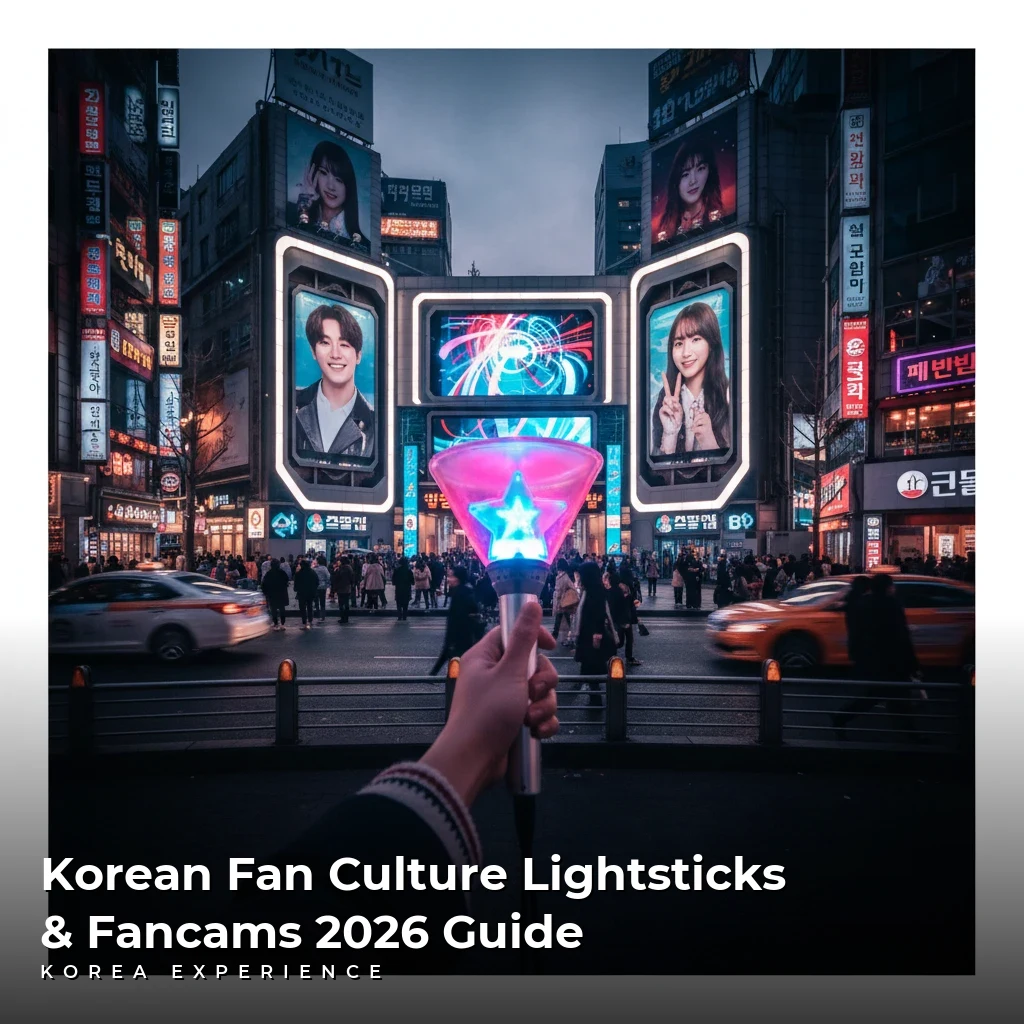
Perhaps the most iconic symbol of K-pop fandom is the "lightstick." These aren't just glow sticks; they are intricately designed, often high-tech, and deeply personal emblems of each group's identity. Owning and waving a lightstick is a fundamental part of attending a K-pop concert in Korea.

Evolution and Design: The Iconic 'A-Bong'

Every major K-pop group has its own unique official lightstick, affectionately named with the group's name followed by "-bong" (e.g., "A-bong" for ARMY Bomb, "Konbat" for iKON). These designs are often inspired by the group's concept, logo, or significant symbols, making them collector's items. Early lightsticks were simple, but modern versions feature advanced LED technology, often capable of displaying a spectrum of colors. The packaging and accompanying photocards also contribute to their value and appeal. By 2026, lightstick designs continue to push boundaries, incorporating even more sophisticated features and aesthetic details.

Synchronized Seas: Concert Etiquette and Technology

The most breathtaking sight at a K-pop concert is the "ocean" created by thousands of synchronized lightsticks. Modern official lightsticks are often equipped with Bluetooth technology, allowing central control during concerts. This means the concert organizers can wirelessly change the color and flash patterns of all official lightsticks in the venue, creating stunning light shows that pulse in perfect harmony with the music. As an attendee, it's crucial to ensure your lightstick is an official one (unofficial ones cannot be controlled) and that you've downloaded the relevant app to connect it before the show. Typically, you'll need to link your lightstick to your seat number via a dedicated mobile application (e.g., Weverse Shop app, or a specific concert app) upon entering the venue. This allows for the breathtaking, synchronized light spectacles. Using an unofficial lightstick or failing to connect yours can disrupt this visual experience and is generally frowned upon.

Where to Buy and Authenticity

Purchasing an official lightstick is a rite of passage. In Korea, the most reliable places to buy them include:

  • Official Artist Stores: Many major entertainment companies have flagship stores (e.g., HYBE INSIGHT for HYBE artists in Seoul, SM Town Store, JYP Shop). These are guaranteed to sell authentic merchandise.
  • Concert Venues: During concert periods, official merchandise booths are set up outside the venue. Be prepared for long queues, especially for popular groups.
  • Online Retailers: The Weverse Shop (for HYBE, YG, and some other artists), and official company online stores are reliable. Global shipping options are often available, but direct purchase in Korea ensures authenticity and avoids shipping costs/delays.
  • Retail Stores in Tourist Areas: Shops in areas like Myeongdong, Hongdae, or Gangnam sometimes carry official merchandise, but it’s crucial to verify authenticity. Always look for the official hologram sticker or packaging.

Warning: Be wary of unofficial or imitation lightsticks sold cheaply, especially near concert venues or in less reputable souvenir shops. These will not connect to the central control system and often have poor quality.

Table 1: Official Lightstick vs. Unofficial/Imitation

FeatureOfficial LightstickUnofficial/Imitation Lightstick
AuthenticityGuaranteed genuine, comes with official packagingOften lacks official branding, generic packaging
ConnectivityBluetooth enabled for concert synchronizationNo Bluetooth, cannot synchronize with concert lights
QualityHigh-quality materials, durable, bright LEDsInferior materials, dim lights, easily breaks
PriceHigher (typically 35,000-50,000 KRW)Significantly cheaper (often under 20,000 KRW)
ExperienceEssential for full concert light show participationLimited, detracts from synchronized visual experience

The World of Fancams and Content Creation

Beyond official releases, fan-generated content forms a massive part of Korean fan culture. Among the most popular and influential are "fancams" – close-up videos of individual idols during performances.

What is a Fancam? Its Role and Impact

A fancam is a video recording of a single member of a group performing, usually filmed by a fan. These videos highlight an idol's specific movements, expressions, and charisma in detail, often offering a perspective not seen in official broadcast recordings that frequently cut between members and wide shots. Fancams gained immense popularity for their ability to focus on individual talent and personality, sometimes even launching lesser-known members into viral fame. They allow fans to appreciate the nuances of their favorite idol's performance and create a more intimate viewing experience. Major broadcasters like Mnet (M2 channel) and SBS (S.B.S. K-POP) now produce official fancams, recognizing their critical role in fan engagement.

Fan-Generated Content: Photos, Videos, and Fan Art

Fancams are just one facet of the vast landscape of fan-generated content. Fans routinely capture high-quality photos and videos at concerts, fan meetings, and public appearances. These "fan-taken" materials are then shared widely across social media platforms. Beyond photography, fan art, fanfiction, and elaborate video edits (often called "fan-made MVs" or "compilations") demonstrate the incredible creativity and dedication of fandoms. This content serves as a crucial way for fans to express their adoration, connect with others, and keep the idols' presence alive between official comebacks.

The primary hubs for K-pop fan content are digital.

  • YouTube: Indispensable for official music videos, performance videos, and, crucially, fan-uploaded fancams and compilations. Many fan communities also host channels dedicated to specific idols.
  • Weverse: As mentioned, this app provides direct communication with idols, exclusive content, and a community platform for official fan club members. It's a must-have for serious fans.
  • X (formerly Twitter): The fastest and most dynamic platform for real-time K-pop news, trends, and fan discussions. Hashtags are critical for organizing fan efforts and trending topics.
  • Instagram: Used by idols for personal updates and by fans for sharing high-quality photos and fan art.

While fan content is celebrated, it's important to be aware of ethical considerations. Unauthorized distribution of copyrighted material (like recording entire concerts for profit) is illegal. Most fan-taken fancams and photos are shared freely within the fan community for non-commercial purposes, often with watermarks crediting the original fan photographer/videographer. It's an unwritten rule to credit original creators when reposting their work. Respecting intellectual property and privacy is paramount, ensuring the sustainability of this unique content ecosystem.

Experiencing Live Events: Concerts, Fan Meetings, and Broadcasts

Attending a live K-pop event in Korea is an unforgettable experience. However, securing access can be competitive, requiring strategy and persistence.

Securing Tickets: The Fierce Competition

Getting tickets to a K-pop concert or fan meeting can be incredibly challenging, especially for popular groups. Here's what international fans need to know for 2026:

  • Official Ticketing Sites: Major sites include Interpark Ticket Global, Yes24 Ticket Global, and Auction Ticket Global. These offer English interfaces and accept international payments.
  • Fan Club Pre-sales: Joining the official fan club (often via Weverse Shop or similar platforms) usually grants access to exclusive pre-sale periods, significantly increasing your chances. Membership typically involves a yearly fee.
  • General Sales: These are open to the public but sell out in seconds for top-tier groups. Be ready precisely at the release time, with multiple devices and a fast internet connection.
  • Package Tours: Some travel agencies offer K-pop concert packages that include tickets, accommodation, and sometimes transport. While more expensive, these can be a guaranteed way to attend.
  • Secondary Market: While scalping is discouraged and often illegal, unofficial resales do occur. Exercise extreme caution, verify authenticity, and be aware that inflated prices are common. It's generally safer to stick to official channels.

Tip: For events like concerts at large venues such as Seoul's Gocheok Sky Dome or Olympic Park Gymnastics Arena (KSPO Dome), be prepared for heavy competition. Always try to purchase directly from official global ticketing sites.

Fan Meetings and Fan Signings: Getting Up Close

Fan meetings are exclusive events where idols perform, play games, and interact with their fans in a more intimate setting than a concert. Fan signings offer an even closer encounter, where idols sign albums and briefly chat with individual fans.

  • Accessing Fan Meetings: Similar to concerts, tickets are highly competitive and often involve fan club pre-sales.
  • Winning Fan Signings: These are typically raffle-based. To enter, fans must purchase a certain number of albums during a specified period (often through specific stores or online platforms). The more albums purchased, the higher the chance of winning. This can be very costly and is not guaranteed. Winners are randomly selected and announced.
  • Etiquette: At fan signings, strict rules are enforced regarding gifts (often only small items or letters are allowed, or none at all), touching idols, and photography. Always follow staff instructions carefully.

Music Show Filming: A Unique Opportunity

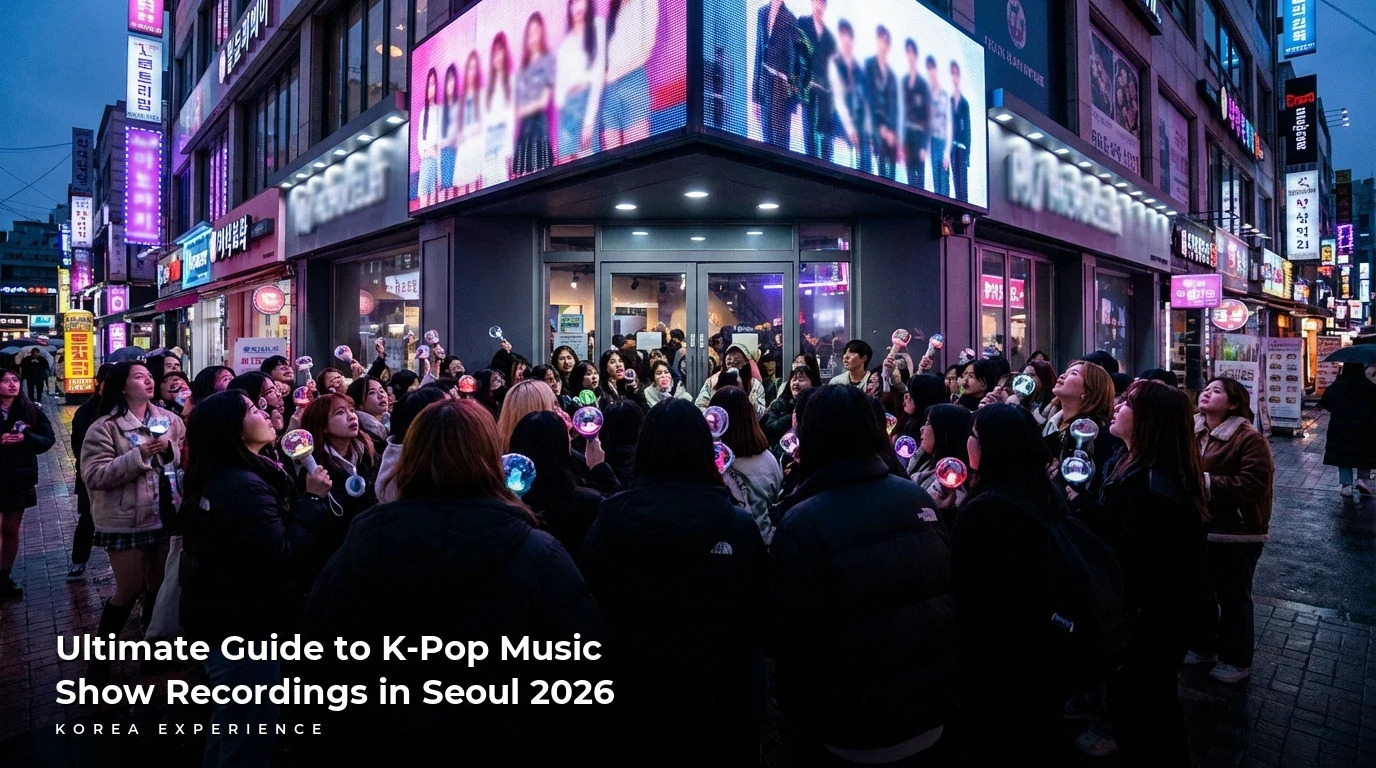
Attending a live music show filming (e.g., SBS Inkigayo, KBS Music Bank, MBC Show! Music Core) offers a unique glimpse into the Korean broadcast system. These shows feature multiple K-pop acts performing their latest songs.

  • How to Attend: Access is notoriously difficult and highly competitive, often prioritizing official fan club members who apply weeks in advance. Some fan bases organize attendance lists for their specific idol's performance. For international fans, some tour agencies offer limited spots as part of K-pop experience packages, but direct entry is rare and requires deep immersion in local fan communities.
  • Pre-recordings vs. Live Broadcasts: Many performances are pre-recorded hours or even days before the live broadcast. Attending a pre-recording often means seeing the same performance multiple times as they perfect takes, offering a very detailed view.
  • Rules: Strict rules apply to photography, filming, and behavior inside the studio. Mobile phones are often confiscated or required to be put away.

Understanding Fanchants: Participating in Unity

Fanchants are synchronized cheers and chants performed by fans during an idol's song. These aren't random shouts but carefully constructed vocal accompaniments to specific parts of a song, often including the members' names or iconic phrases. Learning fanchants is an essential part of participating fully in a K-pop concert. Many groups release official fanchant guides, and fan communities share practice videos. Performing a fanchant with thousands of other fans creates an incredible feeling of unity and is a powerful way to show support.

Table 2: Types of Fan Events and How to Access Them

Event TypeDescriptionAccess Method for International Fans (2026)Typical Cost (KRW)
ConcertsLarge-scale performances with full productionOfficial global ticketing sites (Interpark, Yes24), fan club pre-sales, travel packages. High competition.99,000-150,000
Fan MeetingsMore intimate events with performances, games, Q&AOfficial global ticketing sites, fan club pre-sales. Often require fan club membership. Very high competition.77,000-110,000
Fan SigningsDirect interaction for album signing and brief chatRaffle entry by purchasing multiple albums (e.g., 5-50+ albums per entry). Extremely high competition, no guarantee of winning even with significant album purchases.Album cost (variable)
Music Show FilmingAttending a live broadcast or pre-recording of TV music showsExtremely difficult for general public. Priority for official fan club members who apply. Some limited tour packages. Nearly impossible for casual tourists without fan club affiliation and deep local network.Free (if lucky)
Pop-up Stores/ExhibitsTemporary themed stores selling exclusive merchandise and offering photo zonesOpen to public, sometimes requires online reservation for entry during peak times. Check official announcements for locations (e.g., The Hyundai Seoul, common malls, specific areas like Seongsu-dong).Merchandise cost

Fan Support Culture: Gifts, Projects, and Coffee Trucks

The concept of "fan support" is deeply ingrained in Korean fan culture, showcasing fans' dedication through tangible gestures of love and encouragement. This goes far beyond just buying albums.

Organized Support: Fan Clubs and Fan Bases

Official fan clubs and dedicated fan bases (often called "fandoms" or "fan groups") play a crucial role in coordinating support projects. These include:

  • Food Support: Sending elaborate meal sets, snacks, and drinks to idols and their staff during long filming schedules, rehearsals, or comebacks. These are often themed and sourced from high-end caterers.
  • Birthday Projects: Celebrating an idol's birthday with large-scale advertisements on digital billboards in subway stations (e.g., Gangnam Station, Samseong Station), bus stops, and even on buildings. Some projects include donations to charities in the idol's name.
  • Anniversary Projects: Similar to birthday projects, commemorating group or debut anniversaries.
  • Gifts: While many agencies now discourage or prohibit physical gifts (due to privacy, fairness, and storage issues), fans used to send clothing, accessories, and other luxury items. It's crucial to check specific agency guidelines for each idol. Letters are often still accepted and highly cherished.

The Culture of Coffee Trucks: A Gesture of Love

Coffee trucks (or food trucks) are a beloved form of fan support. Fans arrange for these trucks, serving coffee, specialized drinks, and snacks, to be sent to filming sets (dramas, movies, variety shows, music video shoots) or even company buildings. These trucks often come adorned with banners featuring encouraging messages and photos of the idol. It's a highly visible and appreciated gesture, not just for the idol but for the entire cast and crew, showing widespread support. International fans can sometimes contribute financially to these organized projects via fan groups, allowing them to participate from afar.

Ethical Considerations: Appropriate Support and Privacy

While support is valued, fan culture also emphasizes respect for privacy and professional boundaries.

  • Over-gifting: As mentioned, many agencies have scaled back or prohibited physical gifts to prevent issues of fairness among members, storage, and potential privacy concerns. Always check official guidelines.
  • Stalking/Sasaeng Fans: This term refers to obsessive fans who engage in intrusive and illegal activities like stalking, invading privacy, or harassing idols. This behavior is universally condemned by agencies, idols, and the vast majority of respectful fans. It's important to understand the distinction between dedicated fan support and harmful, disrespectful actions.
  • Respecting Schedules: Never try to intercept idols at airports (unless it's an official public arrival/departure announced by their agency), company buildings, or private residences. This infringes on their personal space and can cause security issues.

To fully enjoy and respectfully participate in Korean fan culture, especially as an international visitor, understanding the unspoken rules and etiquette is paramount. These guidelines ensure a harmonious experience for everyone.

Respecting Idols and Fellow Fans

  • Maintain Distance: At airports, public events, or when encountering idols outside official schedules, maintain a respectful distance. Do not rush or block their path. Give them space.
  • No Unauthorized Photos/Videos: Unless explicitly allowed (e.g., during certain parts of a concert, specific fan events), avoid taking photos or videos. Flashing lights and constant filming can be disruptive and disrespectful.
  • Be Mindful of Others: At concerts, remain in your designated seat, avoid excessive shouting that drowns out the music or other fans, and be considerate with your lightstick movements. Blocking views is highly frowned upon.
  • Follow Staff Instructions: At any event, staff members are there to ensure safety and order. Always comply with their directions promptly and politely.

The Role of 'Sasaeng' Fans: Understanding Boundaries

The term "sasaeng" (pronounced sah-saeng) refers to overly obsessive fans who engage in extreme and invasive behaviors, crossing the line from fandom into stalking and harassment. This includes breaking into dorms, installing tracking devices, making incessant phone calls, or chasing idols in taxis. These actions are illegal, dangerous, and deeply damaging to the idols' mental health and safety. The vast majority of K-pop fans strongly condemn sasaeng behavior. As an international fan, it is crucial to understand that such actions are unacceptable and entirely separate from healthy fan engagement. Report any suspicious or harmful behavior you might witness to event staff or authorities.

Protecting Privacy and Personal Space

One of the most important aspects of fan etiquette is respecting an idol's personal life and privacy. Their public persona is distinct from their private life. Do not speculate about their personal relationships, family matters, or non-public schedules. Avoid seeking out their private residences or contacting their family members. This boundary is crucial for the idols' well-being and the integrity of the industry. Engaging with idols should ideally be within official, designated channels and events.

Table 3: Dos and Don'ts of Korean Fan Culture (2026)

DoDon't
Do purchase official merchandise and lightsticks.Don't buy unofficial or imitation goods, especially lightsticks.
Do learn fanchants and participate in concerts.Don't sit silently or distract others during fanchant sections.
Do respect designated seating and standing areas.Don't push, shove, or block views at events.
Do follow staff instructions at all times.Don't argue with staff or bypass security measures.
Do use official global ticketing sites for events.Don't resort to unofficial, unreliable ticket resellers.
Do respect idols' personal space and privacy.Don't engage in stalking or "sasaeng" behaviors.
Do credit original fan content creators when sharing.Don't repost content without credit or claim it as your own.
Do engage respectfully on online fan platforms.Don't engage in fan wars or spread malicious rumors.

Frequently Asked Questions About Korean Fan Culture 2026

Q1: Can international fans join official Korean fan clubs?

A1: Yes, most major entertainment companies and official fan clubs offer global memberships. These are typically purchased online via platforms like Weverse Shop or official company websites. Membership usually grants access to exclusive content, pre-sale tickets, and sometimes merchandise.

Q2: What's the best way to get K-pop concert tickets as an expat in Korea?

A2: For expats residing in Korea, using the domestic versions of ticketing sites (Interpark Ticket, Yes24 Ticket) with a Korean phone number and bank account can sometimes offer more options than global sites. However, competition remains fierce. Joining official fan clubs for pre-sales is still your best bet.

Q3: Are fan gifts still allowed for idols in 2026?

A3: Generally, physical gifts (clothing, accessories, large items) are increasingly discouraged or outright prohibited by most major agencies to ensure fairness among members and protect privacy. Letters are often still accepted and cherished. Always check the specific idol's agency guidelines before attempting to give a gift.

Q4: How can I identify an official lightstick from a fake?

A4: Official lightsticks come in branded packaging with a hologram sticker or a verifiable serial number. They will also typically connect via Bluetooth to a specific app for concert synchronization. Fakes often have poor build quality, generic packaging, no hologram, and cannot connect to the official app. Purchase only from official stores, reputable online shops, or concert venues.

Q5: What is the etiquette for meeting idols informally in public?

A5: The best etiquette is to respect their personal space and privacy. If you see an idol, maintain a respectful distance, avoid making loud noises or drawing excessive attention, and do not attempt to follow them. A polite wave or quiet acknowledgement is usually acceptable, but do not ask for photos, autographs, or engage in conversation unless they initiate it. Their time in public is often their only personal time.

Conclusion: Embracing the Dynamic World of Korean Fan Culture

Korean fan culture in 2026 is a vibrant, evolving landscape, characterized by deep passion, organized support, and a unique blend of digital and physical engagement. From the radiant glow of K-pop lightsticks to the captivating focus of fancams, every element contributes to an immersive and unforgettable experience for both idols and their fans.

For international travelers and expats, understanding these facets is not just about appreciating K-pop; it's about connecting with a significant part of contemporary Korean identity. By embracing the etiquette, respecting boundaries, and actively participating in the right ways, you can move beyond being a casual observer to becoming a valued member of this global community. Dive in, explore the nuances, and prepare to be amazed by the dedication and creativity that defines Korean fan culture. This guide provides a strong foundation, but the true adventure lies in experiencing it firsthand!

About the Author

Korea Experience Team

Written by the Korea Experience editorial team - experts in Korean medical tourism, travel, and culture with years of research and firsthand experience.

⚠️ Medical Disclaimer

The information provided on this website is for general informational purposes only and does not constitute medical advice. Always consult with qualified healthcare professionals before making any medical decisions.

Continue Reading

Explore more articles you might find interesting