Korean Fashion Weeks: Your Ultimate Visitor Guide
Unlock the secrets to attending Korean Fashion Weeks as an international visitor. Discover how to experience Seoul's vibrant style scene firsthand.
Unlocking the Runway: A Visitor's Guide to Korean Fashion Weeks
Korea has firmly established itself as a global powerhouse of style and trendsetting, with its unique blend of innovative design, street chic, and celebrity influence captivating audiences worldwide. For international travelers and expats living in Korea, experiencing the dynamic energy of Korean Fashion Weeks offers an unparalleled glimpse into the heart of this creative phenomenon. Imagine witnessing the next big trends unfold, spotting your favorite K-pop idols, or simply soaking in the electrifying atmosphere that defines Seoul's fashion landscape.
However, navigating these exclusive events can seem daunting for an outsider. Where are they held? How do you get tickets? What should you wear? This comprehensive guide is designed to demystify the process, providing you with all the insider knowledge and practical tips you need to confidently attend and make the most of Korean Fashion Weeks as a visitor. From understanding the key events and securing access to mastering the local style and exploring beyond the main shows, you’ll learn everything required to immerse yourself in Korea's captivating world of fashion.
Understanding Korean Fashion Weeks: The Pulse of K-Fashion
At the core of Korea's fashion industry are its biannual Fashion Weeks, vibrant platforms where designers showcase their latest collections and set the tone for upcoming seasons. While smaller, independent shows and brand launches occur throughout the year, two major events capture international attention: Seoul Fashion Week and FASHION KODE.
Seoul Fashion Week: The Flagship Event
Seoul Fashion Week (SFW) is undoubtedly the most prominent and internationally recognized fashion event in Korea. Organized by the Seoul Metropolitan Government, SFW serves as a critical stage for both established Korean designers and emerging talents. It’s where the world gets a concentrated dose of K-fashion innovation, often blending traditional Korean aesthetics with modern, edgy designs.
- Collections: Features Spring/Summer (S/S) collections in the fall (typically October) and Fall/Winter (F/W) collections in the spring (typically March).
- Designers: Showcases a diverse range from high-end luxury brands to contemporary streetwear and avant-garde labels.
- Influence: Beyond the runway, SFW is a massive hub for street style, attracting fashion enthusiasts, influencers, and celebrities from across Asia and beyond. The area around the main venue transforms into an open-air fashion show itself.
FASHION KODE: Business and Creativity Combined
While Seoul Fashion Week focuses heavily on runway shows and brand promotion, FASHION KODE (often referred to as 'Fashion Code') is a government-backed trade show designed to foster business opportunities. It combines a fashion fair, runway shows, and networking events, aiming to connect Korean designers with buyers, investors, and media from around the globe.
- Focus: More business-oriented, with showrooms and exhibition booths alongside a curated selection of runway presentations.
- Accessibility: Often has more public access for its fair components, making it a good starting point for visitors interested in the commercial side of K-fashion.
- Timing: Also held biannually, usually aligning with or slightly preceding/following Seoul Fashion Week.
Other Emerging Fashion Events
Beyond these two major players, Korea's fashion scene is dynamic, with various smaller, independent fashion shows, designer pop-ups, and brand launch events happening year-round. These often take place in trendy districts like Gangnam, Garosu-gil, Hongdae, or Seongsu-dong, offering unique opportunities to discover niche designers and local trends. Keep an eye on local fashion media and designer social channels for announcements.
When and Where to Catch the Style: Key Dates and Locations
Timing and location are crucial for planning your visit to Korean Fashion Weeks. Knowing when and where these events take place will allow you to coordinate your travel plans and maximize your experience.
Seasonal Schedule: Plan Your Visit
Korean Fashion Weeks adhere to the international fashion calendar, presenting collections for the upcoming season.
- Fall/Winter (F/W) Collections: Typically shown in March of the current year, predicting trends for the fall and winter season later that year.
- Spring/Summer (S/S) Collections: Typically shown in October of the current year, predicting trends for the spring and summer season of the following year.
It's always recommended to check the official Seoul Fashion Week website or other reputable K-fashion news sources for exact dates, which are usually announced a few months in advance. Flexibility in your travel dates can be beneficial to ensure you catch the peak action.
The Epicenter of Style: Dongdaemun Design Plaza (DDP)
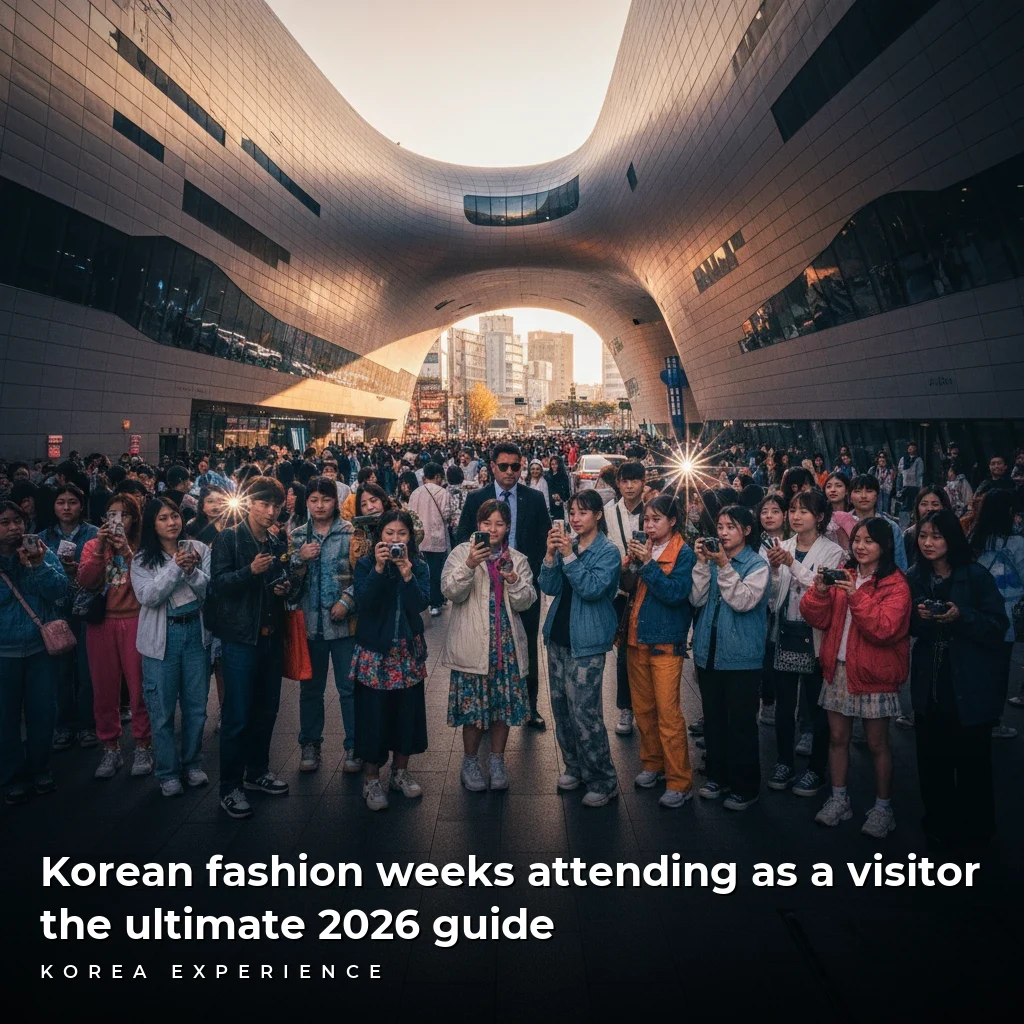
The primary venue for Seoul Fashion Week, and often for FASHION KODE as well, is the iconic Dongdaemun Design Plaza (DDP). This futuristic architectural marvel, designed by Zaha Hadid, is more than just a venue; it's a landmark of Seoul's creative spirit.
- Location: Situated in the Dongdaemun district, easily accessible via public transportation (Dongdaemun History & Culture Park Station, Lines 2, 4, 5).
- Accessibility: The DDP complex itself is a public space. During Fashion Week, while most runway shows are held inside specific halls and require invitations, the exterior and surrounding areas become a vibrant public spectacle. This is where street style photography thrives, and visitors can soak in the atmosphere even without a show ticket.
- Facilities: DDP hosts numerous design-related exhibitions, cafes, shops, and cultural events throughout the year, making it a destination in itself.
Satellite Locations and District Vibes
While DDP is the main hub, many associated events, after-parties, pop-up stores, and brand presentations take place in other fashionable districts across Seoul.
- Gangnam: Home to luxury boutiques and high-end brands, Gangnam often hosts exclusive after-parties or private collection viewings.
- Garosu-gil (Sinsa-dong): Known for its trendy cafes, independent designer shops, and unique boutiques, this tree-lined street is a prime spot for discovering new labels and experiencing the everyday chic of Seoul.
- Hongdae/Ewha: Youthful, energetic districts known for their streetwear focus, these areas are great for understanding the more casual, yet highly influential, aspects of Korean fashion.
- Seongsu-dong: An industrial district revitalized with artisanal cafes, galleries, and designer studios, Seongsu-dong is emerging as a new creative hot spot and may host niche fashion events.
Getting Your Foot in the Fashion Door: Accessing Shows as a Visitor
Attending runway shows at Korean Fashion Weeks, particularly Seoul Fashion Week, can be challenging due to their exclusive, invite-only nature. However, it's far from impossible to experience the energy and glamour firsthand. Here's how to navigate access:
The Reality of Runway Show Tickets
Most major runway shows at Seoul Fashion Week are strictly invitation-only. These invitations are extended to buyers, media, celebrities, industry professionals, and VIPs. This means that general public tickets for individual designer shows are typically not available for purchase.
Strategies for Gaining Access (or Getting Close)
- Networking: If you have any connections in the fashion industry (designers, PR agencies, media), leverage them! Networking can open doors to specific show invites.
- Volunteer Opportunities: For long-term expats or those planning an extended stay, volunteering for SFW can offer incredible behind-the-scenes access and potentially a chance to see shows. Keep an eye on official SFW announcements for volunteer recruitment.
- Online Giveaways/Events: Occasionally, designers or sponsors might run online contests or special events offering a limited number of tickets to the public. Follow official SFW social media channels and designer accounts for these rare opportunities.
- Fashion Trade Shows: Events like FASHION KODE often have a more accessible trade fair component. While the main runway shows might still be invite-only, the exhibition halls where designers showcase their collections to buyers are sometimes open to the public (with a registration fee). This is an excellent way to see new collections up close and interact with designers.
- Official SFW Program/Exhibitions: Seoul Fashion Week often hosts public-friendly exhibitions, pop-up stores, or special events within the DDP complex that do not require an invitation to the main shows. Check the official SFW program closer to the event dates for these accessible options.
- Street Style Photography: This is arguably the most accessible and vibrant way for any visitor to experience Korean Fashion Weeks. The area around DDP during SFW transforms into a massive open-air runway. Fashion enthusiasts, models, and celebrities gather, dressed to impress, creating incredible photo opportunities and a palpable buzz. No ticket needed, just a keen eye and a camera!
Public Access vs. Invite-Only Events
To clarify expectations, here's a comparison:
| Feature | Invite-Only Runway Shows (e.g., SFW Main Hall) | Public Access Events (e.g., DDP exterior, Exhibitions) |
|---|---|---|
| Accessibility | Very Limited; invitation required | High; often free or small registration fee |
| Cost | Free (if invited) | Free (street style) to ~20,000 KRW (exhibitions) |
| Experience | Direct view of new collections, celebrity spotting | Immersive atmosphere, street style, networking |
| What to See | Designer collections, high-profile guests | K-Fashion trends in real-time, creative energy |
| Interaction | Limited, formal | High, casual, great for photography |
Average Costs for Public Access Events (Estimates)
- Street Style Spectator: Free.
- DDP Exhibitions/Pop-ups: Often free, but special exhibitions might cost anywhere from 5,000 KRW to 15,000 KRW (approximately 4-12 USD).
- FASHION KODE Fair: Registration fees might range from 10,000 KRW to 20,000 KRW (approximately 8-16 USD), though sometimes free with pre-registration.
- Merchandise: Expect typical retail prices for designer pieces if purchasing from pop-ups or showrooms.
What to Wear: Embracing Korean Fashion Culture
When attending Korean Fashion Weeks, your outfit is part of the experience. Korean fashion is celebrated for its individuality, trend-consciousness, and often a playful mix of streetwear and sophisticated elements. While there's no strict dress code for general attendance, embracing the local style will enhance your immersion and even your chances of being photographed for street style!
Understanding the K-Fashion Aesthetic
Korean fashion is often characterized by:
- Effortless Chic: A balance between comfort and style, often achieved through oversized silhouettes, clever layering, and well-chosen accessories.
- Trend-Driven: Koreans are quick to adopt and adapt global trends, often giving them a unique K-twist.
- Mix-and-Match: High-low dressing is common, combining luxury pieces with affordable streetwear.
- Attention to Detail: Small details like socks, eyewear, bags, and jewelry are carefully considered.
- Color Palette: While vibrant colors are present, a sophisticated use of neutrals (black, white, beige, grey) is prevalent, often paired with a single pop of color.
- Gender Fluidity: Many Korean styles blur traditional gender lines, with oversized blazers, wide-leg trousers, and statement accessories worn by all.
Outfit Suggestions for Visitors
- Smart Casual with an Edge: This is your safest bet. Think well-fitted jeans or tailored trousers, a stylish top, a statement jacket (e.g., an oversized blazer, a leather jacket, or a unique bomber), and fashionable sneakers or sleek boots.
- Layering is Key: Seoul's weather can be unpredictable, especially during transition seasons when Fashion Week takes place. Layers allow you to adapt to indoor/outdoor temperatures and add depth to your outfit.
- Statement Pieces: Incorporate one or two eye-catching elements: a bold handbag, chunky jewelry, unique eyewear, or a scarf with an interesting print.
- Comfortable, Stylish Footwear: You'll be doing a lot of walking, standing, and potentially navigating crowds. Choose sneakers, boots, or low heels that are both comfortable and fashionable. High heels are often reserved for those directly attending shows and not doing extensive street walking.
- Reflect Your Personal Style: While it's great to be inspired by K-fashion, the most authentic looks come from expressing your own personality through your clothes. Don't feel pressured to mimic exactly what you see; rather, take inspiration and make it your own.
What to Avoid (Generally)
- Overly Casual Attire: While street style is celebrated, overly casual clothes like sweatpants or poorly fitted activewear are generally not seen, unless they are part of a deliberate, high-fashion athleisure look.
- Barely There Outfits: Korean fashion, even when sexy, tends to be more about subtle allure and elegant cuts rather than overt displays of skin.
- Uncomfortable Shoes: Seriously, your feet will thank you.
Beyond the Runway: Fashion Week Side Events & Experiences
Korean Fashion Weeks are more than just runway shows; they are sprawling cultural events that offer numerous opportunities for visitors to engage with the K-fashion scene.
Designer Showrooms and Pop-up Stores
Many designers, especially emerging ones, host private showrooms or temporary pop-up stores during Fashion Week. These allow buyers and sometimes the public to view collections up close, interact with designers, and even make purchases. Keep an eye on the official SFW schedule and designer social media for announcements about these events. Trendy districts like Garosu-gil, Seongsu-dong, and Ikseon-dong are common locations.
Fashion Exhibitions and Art Installations
DDP itself, and other art spaces around Seoul, often host fashion-related exhibitions or art installations concurrently with Fashion Week. These can be excellent opportunities to delve deeper into Korean design, explore historical fashion, or see innovative textile art. Check the DDP website and local arts and culture listings.
Industry Seminars and Talks
If you're interested in the business or creative process behind fashion, some Fashion Week programs include seminars, workshops, or talks by industry experts. These are sometimes open to the public, though they might require pre-registration or a small fee.
After-Parties and Networking Events
While main after-parties are exclusive, many brands or fashion magazines host smaller gatherings in clubs or bars in Gangnam or Itaewon. These can be difficult to access without direct invitations, but being in the right area during Fashion Week can sometimes lead to chance encounters or discovery of more informal events. If you're an industry professional, reaching out to PR agencies beforehand might secure you a spot.
The Ultimate Street Style Experience
As mentioned, the area around DDP during SFW is a non-stop fashion show. Spend time observing, photographing, and potentially being photographed.
- Best Spots: The large outdoor plaza areas, staircases, and entranceways of DDP are prime locations.
- Timing: Peak street style activity occurs before and after major shows, typically from late morning to late afternoon.
- Approach: Be polite if you want to photograph someone. A simple gesture and "Photo, please?" (in English is usually fine) is often enough. Be respectful if they decline.
- Be a Part of It: Dress your best! You might just catch the eye of a professional street style photographer yourself.
Planning Your Trip: Logistics and Practicalities
Attending Korean Fashion Weeks requires careful planning, especially for international visitors. Here’s a rundown of essential logistics and practical tips.
Accommodation: Where to Stay
Choosing the right neighborhood can significantly enhance your experience.
- Dongdaemun: Staying near DDP is convenient for direct access to the main venue. Options range from budget hostels to mid-range hotels.
- Myeongdong: A central location with excellent transportation links, Myeongdong is packed with hotels, shopping, and dining. It’s a short subway ride to DDP.
- Gangnam/Sinsa-dong: If you prefer a more upscale and trendy vibe, staying in Gangnam or near Garosu-gil puts you closer to designer boutiques, high-end restaurants, and potential after-party locations, though it's a slightly longer commute to DDP.
- Hongdae: A vibrant, youthful area, Hongdae offers a lively atmosphere and plenty of budget-friendly accommodation, but requires a longer subway journey to DDP.
Book your accommodation well in advance, especially for March and October, as hotel prices can increase during peak event times.
Transportation: Navigating Seoul
Seoul boasts an incredibly efficient and user-friendly public transportation system.
- Subway: The Seoul Metropolitan Subway is your best friend. It's clean, punctual, and connects virtually every part of the city. Get a T-Money card (rechargeable transportation card) upon arrival for easy travel on subways and buses.
- Bus: An extensive bus network complements the subway. Use navigation apps like Naver Map or KakaoMap for real-time bus information.
- Taxis: Readily available, but can be more expensive, especially during peak hours. Download Kakao T, a popular ride-hailing app.
- Walking: Many fashion-centric districts like Garosu-gil or Seongsu-dong are best explored on foot. Wear comfortable shoes!
Budgeting for Your Fashion Adventure
While street style viewing is free, other aspects of your trip will incur costs.
- Flights & Accommodation: These will be your biggest expenses. Book in advance for better deals.
- Food: Seoul offers dining options for every budget, from street food (around 5,000-10,000 KRW per meal) to mid-range restaurants (15,000-30,000 KRW) and fine dining (50,000 KRW+).
- Transportation: A T-Money card is cost-effective. Expect to spend around 1,250-1,500 KRW per subway ride.
- Shopping: This is entirely discretionary! Be prepared for tempting opportunities to purchase unique K-fashion pieces.
- Miscellaneous: Coffee, snacks, entrance fees for museums or exhibitions.
Essential Apps for Visitors
- Naver Map / KakaoMap: Absolutely indispensable for navigation (Google Maps is less effective in Korea). Provides public transport routes, walking directions, and estimated times.
- KakaoTalk: The ubiquitous messaging app in Korea. Useful for connecting with locals or businesses.
- Papago: A superior translation app for Korean.
- Kakao T: For calling taxis.
Comparison: S/S vs. F/W Collections for Visitors
| Feature | Spring/Summer (S/S) Collections (Shown in Oct) | Fall/Winter (F/W) Collections (Shown in Mar) |
|---|---|---|
| Weather | Pleasant autumn weather; crisp, sunny | Cooler spring weather; potentially chilly |
| Vibe | Brighter, lighter fabrics, fresh palettes | Richer textures, darker tones, layering |
| Street Style | Less heavy outerwear, more accessories | Creative layering, statement coats, hats |
| Travel Impact | Often coincides with pleasant tourist season | Can be slightly colder, requiring warmer clothing |
Making the Most of Your Korean Fashion Week Experience
Beyond logistics, a few insider tips can elevate your Fashion Week visit from good to unforgettable.
Master the Art of Street Style Photography
- Be Patient: Wait for the perfect shot. Many fashionistas are happy to pose if approached politely.
- Look for Groups: Fashion Week attendees often gather in stylish groups, creating dynamic shots.
- Focus on Detail: Don't just get full body shots; capture interesting accessories, textures, or makeup.
- Scout Locations: The DDP architecture provides amazing backdrops. Experiment with different angles and lighting.
- Bring the Right Gear: A good camera with a versatile lens is ideal, but even a smartphone with a good camera can capture stunning images.
Embrace the Atmosphere, Even Without a Show Ticket
Remember that the energy and excitement extend far beyond the runways. The DDP plaza, the surrounding streets, and nearby cafes all buzz with activity. Grab a coffee, find a good spot, and simply people-watch. You'll be amazed by the creativity on display.
Connect with Local Fashion Enthusiasts
Don't be shy! Koreans are generally welcoming. If you admire someone's outfit, a compliment can sometimes lead to a friendly conversation. Engage with local vendors at pop-ups, ask questions, and learn about their brands.
Explore Beyond DDP
Dedicate time to exploring Seoul's diverse fashion districts. Garosu-gil, Seongsu-dong, and even the underground shopping malls like Gangnam Station or Express Bus Terminal offer unique insights into everyday Korean fashion and where locals shop for trends.
Internal Linking Opportunities: Deeper Dives
This post offers a great overview, but there's always more to explore! Consider checking out our other guides:
- "Seoul's Top Shopping Districts: From Luxury to Streetwear"
- "Discovering Korean Beauty Trends: What to Try Now"
- "A Foodie's Guide to Dongdaemun: Beyond Fashion"
- "Navigating Seoul's Public Transportation: A Comprehensive Guide"
Frequently Asked Questions (FAQ)
1. Can I just show up to Seoul Fashion Week without an invitation?
Yes and no. You can absolutely show up to the Dongdaemun Design Plaza (DDP) and experience the vibrant street style atmosphere, observe fashionistas, and potentially visit public exhibitions or pop-ups. However, entry to the main runway shows inside the halls is strictly by invitation only.
2. Is it expensive to attend Korean Fashion Week as a visitor?
It can be as expensive or as affordable as you make it. Watching street style is free. Public exhibitions might have a small entrance fee (around 5,000-20,000 KRW). Your main expenses will be travel, accommodation, food, and any shopping you choose to do. Overall, experiencing the public aspects is quite budget-friendly compared to global fashion weeks.
3. What's the best time to visit for Korean Fashion Weeks?
To catch the main events, plan your trip for either March (for Fall/Winter collections) or October (for Spring/Summer collections). Check the official Seoul Fashion Week website a few months prior for exact dates.
4. Do I need to speak Korean to enjoy Korean Fashion Week?
No, while a few basic Korean phrases are always helpful, English is widely understood in tourist areas, and staff at DDP or official events will likely have English speakers. For street style interactions, simple English or gestures are usually sufficient. Navigation apps like Naver Map and translation apps like Papago will be your best friends.
5. What should I wear to Korean Fashion Week as a visitor?
Opt for smart casual with a fashionable twist. Think stylish layers, comfortable yet chic footwear (sneakers or boots are popular), and one or two statement accessories. Embrace the K-fashion aesthetic of effortless chic and personal expression, but prioritize comfort as you'll likely be doing a lot of walking and standing.
Conclusion: Your K-Fashion Journey Awaits
Attending Korean Fashion Weeks as an international visitor is an enriching and incredibly exciting experience, offering a unique window into one of the world's most innovative fashion landscapes. While direct access to every runway show may be exclusive, the surrounding buzz, the electric street style scene, and the myriad of public-facing events provide ample opportunity for every fashion enthusiast to immerse themselves fully.
By understanding the schedule, knowing where to go, embracing the local style, and utilizing practical tips, you can confidently navigate the exciting world of K-fashion. So, start planning your trip to Seoul, pack your most stylish outfits, and prepare to be inspired by the creativity and flair of Korean Fashion Weeks. Your ultimate K-fashion adventure awaits!
About the Author
Korea Experience Team
Written by the Korea Experience editorial team - experts in Korean medical tourism, travel, and culture with years of research and firsthand experience.
⚠️ Medical Disclaimer
The information provided on this website is for general informational purposes only and does not constitute medical advice. Always consult with qualified healthcare professionals before making any medical decisions.
Continue Reading
Explore more articles you might find interesting
Unlock your K-Pop idol dreams in Korea! Discover beginner-friendly dance classes and cover dance studios, essential tips for international enthusiasts.
Discover unique differences between Korean movie theaters and Western cinemas, from advanced tech to distinct snacks and social etiquette.
Discover the vibrant world of K-Pop Random Play Dance in Seoul. Learn where to find events, how to participate, and essential tips for an unforgettable experience.