Korean film awards shows attending as a tourist guide
The ultimate guide to attending Korean film awards like BIFF and Blue Dragon. Includes ticket strategies, red carpet tips, and costs.
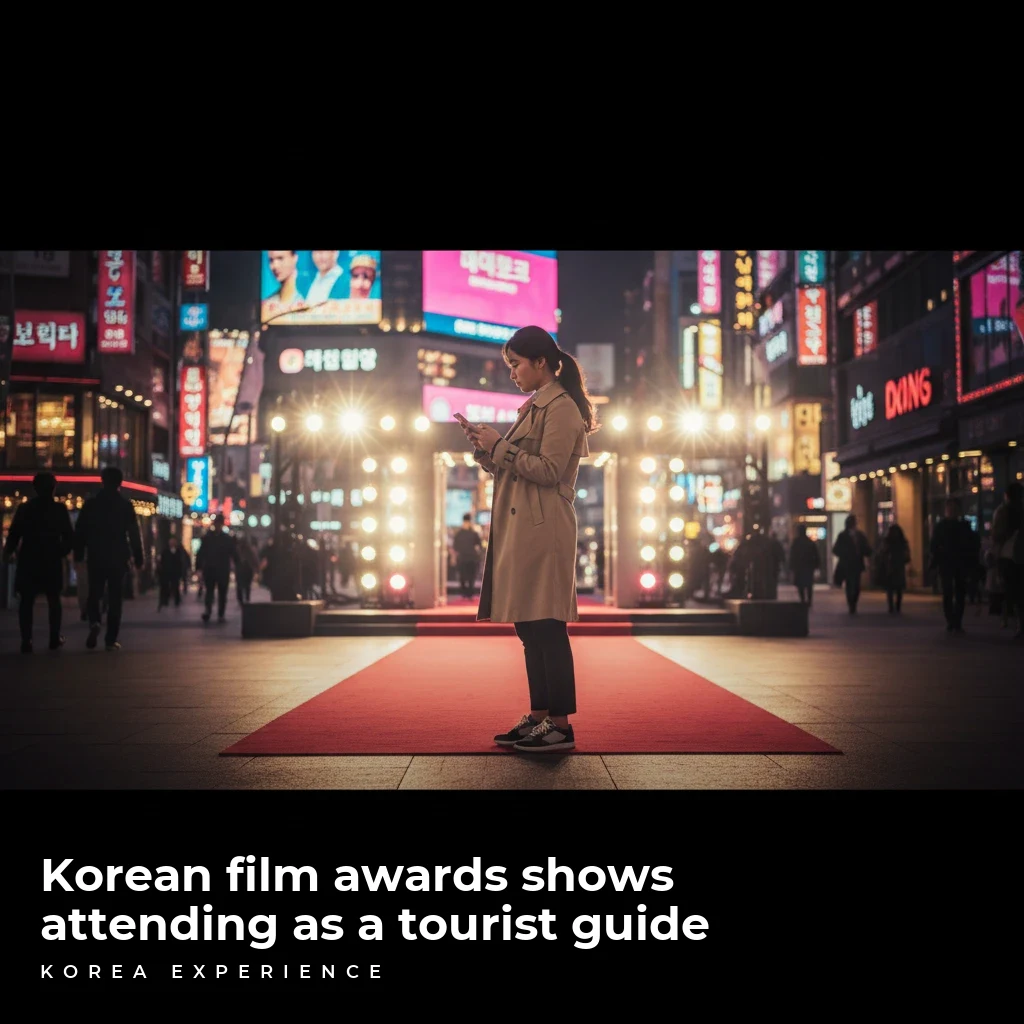
South Korea’s cinema industry has exploded onto the global stage, transforming local awards ceremonies into international spectacles. For film enthusiasts and Hallyu fans, attending a Korean film awards show is the ultimate bucket-list experience. However, navigating the ticketing ecosystem, understanding the venue logistics, and securing a spot near the red carpet can be daunting for international travelers.
Whether you are hoping to catch a glimpse of the cast of "Squid Game" or see the directors who are reshaping global cinema, this guide provides a comprehensive roadmap. From the coastal glamour of the Busan International Film Festival (BIFF) to the high-stakes exclusivity of the Blue Dragon Film Awards in Seoul, we break down exactly how a tourist can participate in these prestigious events.
Related reading: K-Pop music shows attending inkigayo and music bank.
Key Takeaways
- 1The Busan International Film Festival (BIFF) is the most tourist-friendly event, offering over 300 screenings and public outdoor events in October.
- 2Official tickets for major awards often sell out in under 1 second; international tourists should utilize concierge services or 'Foreigner Exclusive' packages via Klook or Trazy.
- 3Red carpet events are generally free to view but require arriving 4 to 6 hours early to secure a front-row spot at venues like KBS Hall or COEX.
The "Big Three": Understanding the Landscape
Before booking your flight, it is crucial to understand the hierarchy of Korean film events. The industry revolves around three major pillars, each with a distinct vibe and accessibility level for foreigners. The South Korean film market, valued at approximately 1.2 trillion won annually, pours significant resources into these galas.
For more details, check out our guide on Korean Esports Guide Live Gaming Tournaments in Seoul.
1. Busan International Film Festival (BIFF)
Held annually in early to mid-October, this is the largest film festival in Asia. It is less of a single awards show and more of a 10-day celebration.
For more details, check out our guide on Korean fashion weeks attending as a visitor.
- Accessibility: High. Tickets are allocated specifically for on-site purchase, and many events are open to the public.
- Location: Busan (Centum City & Haeundae).
- Best For: Cinephiles who want to see films, not just celebrities.
2. The Blue Dragon Film Awards
Usually held in late November, this is often considered the most prestigious "critics' choice" award.
You might also enjoy our article about Korean film festivals calendar for international visitors.
- Accessibility: Low. It is an invite-heavy industry event.
- Location: Seoul (often KBS Hall in Yeouido).
- Best For: Seeing the absolute A-list elite of Chungmuro (Korea's Hollywood).
3. The Baeksang Arts Awards
Held in May, the Baeksang is unique because it honors both Film and Television (K-Dramas).
- Accessibility: Medium. It is held in large arenas, but competition is fierce due to the K-Drama fandoms.
- Location: Seoul (often COEX or KINTEX).
- Best For: Multi-fans who love both movies and dramas.
📋 Event Comparison Quick Facts
Deep Dive: The Busan International Film Festival (BIFF)
If you are planning a trip specifically for Korean cinema, BIFF is your safest bet. Located 325 kilometers southeast of Seoul, Busan transforms into a movie lover's paradise every October. The festival utilizes the architectural marvel, the Busan Cinema Center, which features an outdoor theater seating nearly 4,000 people.
Getting Tickets as a Foreigner
Unlike the Seoul-based awards shows, BIFF wants the public to attend. General screening tickets cost roughly ₩9,000 ($6.50 USD), while Opening and Closing Ceremonies cost around ₩30,000 ($22 USD).
Pro Tip: The Mobile Ticket Queue
BIFF allocates roughly 20% of tickets for on-site purchase. If you miss the online sale, go to the BIFF Hill ticket box at 8:30 AM. The line often starts forming at 7:00 AM, so bring coffee and a light jacket as coastal winds can lower temperatures to 12°C (53°F).
The Venue Experience
The heart of the festival is the Busan Cinema Center in Centum City. The famous outdoor screenings allow you to watch premieres under the world's largest cantilever roof, illuminated by 42,600 LED lights.
Busan Cinema Center(Busan Yeonghwa-ui Jeondang)
Mastering the Seoul Awards: Blue Dragon & Baeksang
Attending the Blue Dragon or Baeksang awards in Seoul is significantly more difficult than BIFF because these are one-night televised events rather than multi-day festivals. The venues usually hold between 1,500 and 3,000 people, and 70% of those seats are reserved for nominees and industry professionals.
The Ticketing War
Koreans call ticketing "Picket-ting" (Blood + Ticketing) because of the intense competition. For the Baeksang Arts Awards, tickets on the primary market (usually Interpark Ticket Global) cost around 20,000 to ₩40,000. However, they sell out in less than 2 seconds.
📊 Ticketing Reality Check
To succeed, you generally have two options: The "DIY" method using global ticketing sites, or the "concierge" method using tour agencies.
💵 Cost vs. Convenience Analysis
Includes red carpet drop-off and guaranteed seating.
Extremely high failure rate. Requires fast internet.
Using Ticket Concierge Services
For international travelers, paying a premium for a tour package is the only guarantee of entry. Agencies like Trazy or Klook often secure small blocks of tickets for foreigners. These packages usually include:
- Transportation from Myeongdong or Hongdae (approx. 45-60 minutes to venue).
- A generic sightseeing tour in the morning.
- Category B or C seating at the awards show.
Expect to pay between $250 and $450 USD per person. While steep compared to the face value, it eliminates the stress of the resale market, where scalpers on Twitter (X) demand bank transfers to Korean accounts—a major hurdle for tourists without a Resident Registration Number.
The Red Carpet: The Best Free Experience
If you cannot secure a ticket to the ceremony, the red carpet is your best alternative. It is free, open to the public, and offers the closest view of the stars. However, it requires physical endurance.
The red carpet usually takes place outdoors or in the lobby of the venue 60 to 90 minutes before the ceremony begins.
Red Carpet Survival Timeline
Arrival
Arrive at venue (e.g., KBS Hall). Scout barrier positions.
The Wait
Teams of fans lay down mats. Do not leave your spot unattended.
Media Arrival
Press photographers set up ladders. The energy shifts.
Stars Arrive
The 60-minute window where limousines drop off talent.
"Do not stand right next to the official press area. The security guards are strictest there. Instead, move towards the 'drop-off zone' where the cars stop. Stars often wave to fans there before composing themselves for the official press photos. You need at least a 70mm lens; phone cameras will struggle with the lighting."
Logistics: Accommodation and Travel
Choosing where to stay is critical because awards shows often finish late at night (around 10:30 PM or 11:00 PM), and the Seoul subway system stops operating around midnight.
For Seoul Events (Blue Dragon / Baeksang)
Most major awards are held in Gangnam (COEX), Yeouido (KBS Hall), or Ilsan (KINTEX).
- Recommendation: Stay in Gangnam or Yeouido.
- Transport: Taxis are plentiful but demand spikes after the show. The base fare in Seoul is ₩4,800 ($3.60 USD).
- Distance: If the event is at KINTEX (Ilsan), it is a 60-minute taxi ride back to central Seoul, costing approx. 40,000 - ₩50,000.
For Busan Events (BIFF)
The festival is centered around Haeundae Beach and Centum City.
- Recommendation: Book a hotel in Centum City 6 months in advance. Prices triple during the festival. A standard room usually costing ₩150,000 can jump to ₩450,000.
- Transport: The Busan Subway Line 2 connects the venues perfectly.
Accommodation Strategy
| Feature | Stay Near Venue | Stay in Tourist Hub |
|---|---|---|
| Cost (Avg/Night) | $250+ | $100+ |
| Transit Time | 5-10 mins | 45-60 mins |
| Late Night Access | Walkable | Expensive Taxi |
Technical Guide: How to Buy Tickets on Interpark Global
If you decide to brave the "ticketing war" yourself, you must be prepared. Most organizers use Interpark Ticket Global for international sales.
📖 How to Secure Tickets on Interpark Global
Step 1: Create Account Early
Register on Interpark Global at least 24 hours before. Verify your email.
Step 2: Check Server Time
Use a site like 'Navyism' to see the exact server time of Interpark. Do not trust your computer clock.
Step 3: Seat Selection
Do not look for the 'best' seat. Click any colored block you see immediately.
Step 4: Payment
Use a non-Korean credit card. Visa and Mastercard work best. Have 3D Secure set up beforehand.
Identity Verification Warning
Tickets are strictly non-transferable. The name on the ticket MUST match your passport exactly. If you buy a resale ticket with a Korean name on it, you will likely be denied entry at the door. Security checks ID for every single attendee.
Etiquette and Cultural Norms
Attending a Korean awards show is different from Western counterparts. The audience is respectful and often organized by fandoms.
Dress Code
- Attendees: "Smart Casual" is the minimum. Most attendees wear blazers, slacks, or nice dresses. Avoid shorts or flip-flops.
- Red Carpet: If you are just watching outside, dress for the weather. Seoul in November drops to 5°C (41°F) at night.
Photography
- Inside the Venue: Strictly prohibited during the broadcast. Ushers equipped with laser pointers will spot cameras instantly. You may be escorted out.
- Outside/Red Carpet: DSLRs and massive telephoto lenses are allowed and expected.
Attending vs. Watching on TV
- ✓Unfiltered view of celebrities
- ✓Electric atmosphere of fandoms
- ✓Exclusive offline pre-show events
- ✗No subtitles/translation provided
- ✗Extremely long wait times
- ✗High cost for guaranteed entry
Conclusion
Attending a Korean film awards show as a tourist is a high-effort, high-reward endeavor. While the Busan International Film Festival offers the most accessible and holistic cinema experience, securing a seat at the Blue Dragon or Baeksang Awards provides a rare glimpse into the glamorous epicenter of K-Culture.
If you are planning this trip for 2026, start budgeting now. Allocate roughly $300 USD for ticketing packages and ensure your travel dates align with the estimated ceremony schedules. The memory of seeing the stars of Korean cinema ascend the red carpet is an experience that transcends the language barrier.
❓ Frequently Asked Questions
Have more questions?Contact us →
About the Author
Korea Experience Team
Written by the Korea Experience editorial team - experts in Korean medical tourism, travel, and culture with years of research and firsthand experience.
Explore more in K-Culture
K-Pop, K-Drama, traditional arts, and modern culture — dive deep into the cultural phenomena that have captivated the world.
Browse All K-Culture ArticlesContinue Reading
Explore more articles you might find interesting
The ultimate guide to Korean film festivals including BIFF, Jeonju, and Bucheon. Discover dates, ticket guides, and travel tips for international cinema lovers.
Learn how to attend K Pop music shows like M Countdown and Music Bank in 2026. Includes booking tips, venue maps, and insider advice.
The complete guide to attending K-drama filming, award shows, and press conferences. Essential ticket strategies and location tips for fans.
Discover the 3000 year history of kimchi, from ancient preservation to modern superfood. Includes 2026 travel tips, museum guides, and cooking class costs.
The ultimate guide to joining K Pop cover contest events in Korea including application tips, major venues, and detailed costs.
The ultimate guide to attending K-Pop fan meetings in Korea. Learn ticketing secrets, verified global platforms, and venue tips for international fans.