Korean Holiday Calendar Navigating Closed Days for Travelers
Master the Korean holiday system. Learn which days shops close, how to book transport during Chuseok, and survival tips for Red Days in Seoul.
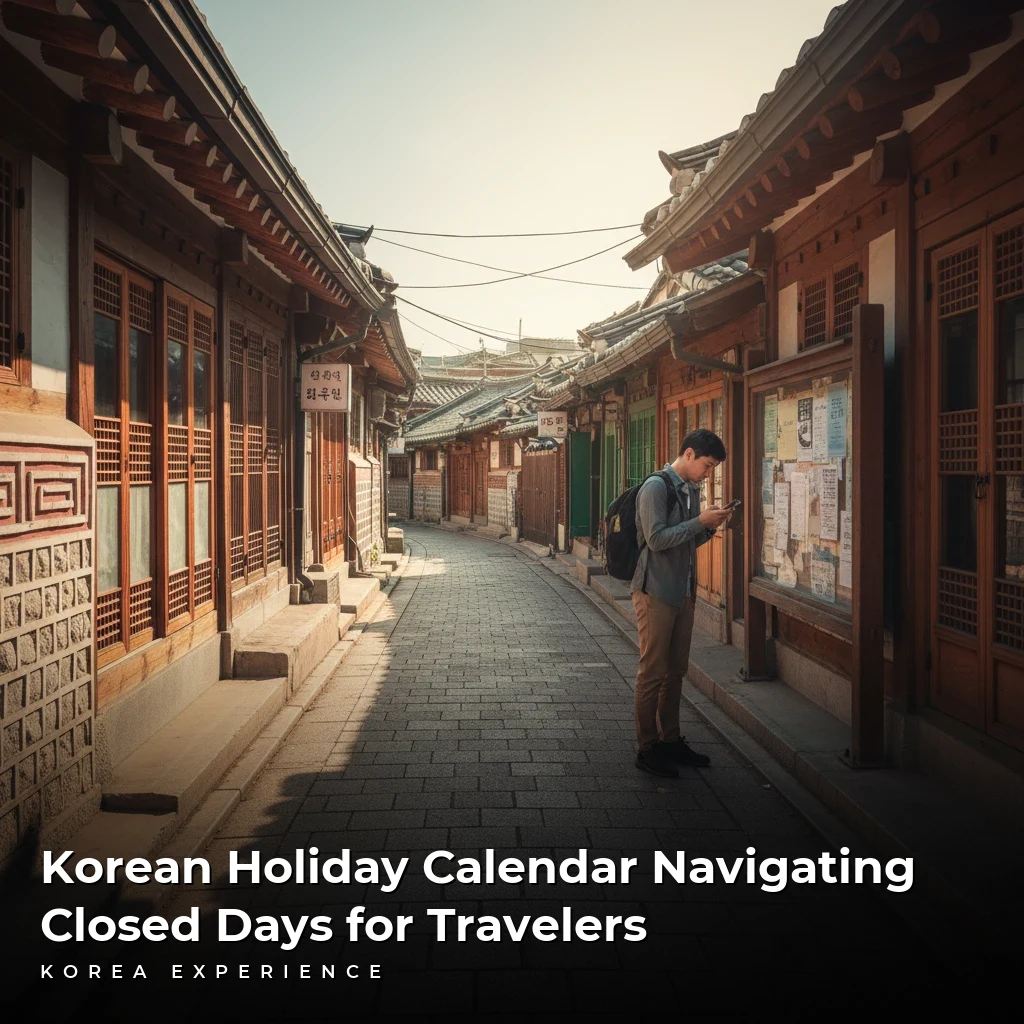
Arriving in Seoul only to find your dream restaurant shuttered or the palaces overrun with crowds is a classic rookie mistake. South Korea's holiday calendar is a complex mix of fixed solar dates, shifting lunar festivals, and the government's unique "substitution holiday" system. For travelers and expats, understanding these "Red Days" (marked in red on Korean calendars) is not just about knowing when to celebrate—it is about logistical survival.
The contrast is stark: on a standard Tuesday, the Gangnam district is a hive of activity with over 1 million commuters. On Chuseok morning, that same district can resemble a ghost town, while the highways out of Seoul become the world's largest parking lot.
For more details, check out our guide on Best Korea SIM Cards for Long-Term Travelers Beyond Airpo....
Key Takeaways
- 1Seollal and Chuseok are the only times most family-owned businesses close for 3 days straight.
- 2Royal Palaces usually remain open and free during major holidays, saving you ₩3,000 per ticket.
- 3KTX train tickets for major holidays sell out within 20 minutes of release, usually one month in advance.
Understanding the "Red Day" System
In Korea, public holidays are colloquially known as "Red Days." While many Western countries have bank holidays that result in long weekends, the Korean system is slightly more rigid yet evolving. There are roughly 15 public holidays designated by the government each year.
For more details, check out our guide on Navigating Korean bureaucracy from ARC to taxes.
The most critical distinction for travelers is between Solar Holidays (fixed dates like Christmas on December 25) and Lunar Holidays (Seollal and Chuseok, which change dates every year).
Learn more in our comprehensive guide to H 1 Working Holiday Visa Korea Complete Guide.
📊 Holiday Business Impact
On minor holidays like Children's Day (May 5th) or Independence Movement Day (March 1st), the disruption is minimal. You might find banks and government offices closed, but restaurants, cafes, and malls operate normally. In fact, these days often see a 30% surge in foot traffic at major attractions like Lotte World or Everland.
You might also enjoy our article about Navigating the national health insurance nhis website.
However, the "Big Two"—Seollal (Lunar New Year) and Chuseok (Korean Thanksgiving)—operate differently. These involve a massive national migration where over 30 million people (more than half the population) travel to their hometowns.
The Big Two: Seollal and Chuseok Survival Guide
If your trip falls during these periods, your strategy must change completely. These holidays officially last three days: the day before, the day of, and the day after the lunar event.
What Actually Closes?
The "shutdown" is not total, but it is significant.
- Closed: Government offices, banks, post offices, small private clinics, and authentic family-run restaurants (Mom-and-Pop shops).
- Open: Department stores (usually closed only on the actual day of the holiday), movie theaters, palaces, museums, and convenience stores.
Department Store Warning
Major department stores like Shinsegae, Lotte, and Hyundai typically close for exactly one day during the three-day holiday period. This is usually the day of the holiday itself, but verify their websites 48 hours in advance.
During these major holidays, the population density of Seoul drops dramatically. A taxi ride that usually takes 45 minutes from Gangnam to Hongdae might take only 20 minutes due to empty roads. Conversely, highways leaving Seoul will face delays of 4 to 6 hours for a journey that normally takes 2 hours.
The Substitution Holiday Rule
Introduced to boost domestic consumption and ensure workers get rest, the Substitution Holiday system applies if a major holiday falls on a weekend. The government designates the following Monday as a "Red Day."
- Impact: This creates a 3-day or 4-day weekend.
- Travel Cost: Domestic flight prices to Jeju Island often triple during these extended weekends, with round-trip tickets jumping from an average of ₩80,000 to over ₩250,000.
Typical Chuseok Timeline
The Exodus
Highways jam. KTX full. Seoul empties out.
Chuseok Day
Ancestral rites (Charye) in morning. Most shops closed. Palaces free entry.
The Return
Families return to Seoul. Malls reopen fully. Traffic jams reverse direction.
2026 Major Holiday Calendar Breakdown
Planning a trip for 2026? Here is the landscape you need to navigate. Knowing these dates helps you avoid the dreaded "Sold Out" notifications on hotel booking sites.
📋 2026 Key Dates
January & February: The Lunar New Year (Seollal)
In 2026, Seollal falls mid-February. This is the coldest time of the year, with temperatures often dropping to -10°C (14°F).
- Travel Tip: Ski resorts in Gangwon-do will be at maximum capacity. Lift pass prices remain standard (approx. ₩80,000 for a day pass), but accommodation costs surge by 150%.
- City Life: Seoul becomes quiet. It is the best time to visit the Five Grand Palaces, which are not only open but offer free admission. You save the standard ₩3,000 entry fee, but more importantly, you get to see traditional performances that only happen during this window.
May: The Month of Family
May is packed with holidays: Labor Day (May 1st - not a Red Day but banks close), Children's Day (May 5th), and Buddha's Birthday.
- The Lantern Festival: In the weeks leading up to Buddha's Birthday, the Jogyesa Temple and Cheonggyecheon Stream are lit with thousands of lanterns. It is visually stunning and completely free.
- Crowd Alert: Lotte World on Children's Day is notorious. Wait times for popular rides like "Atlantis Adventure" can exceed 180 minutes. Avoid theme parks on May 5th at all costs.
"Many travelers assume Buddha's Birthday means quiet temples. The opposite is true. Temples offer 'Temple Stay' programs, but they book out 3 months in advance for this specific week. If you want a quiet experience, visit a temple the week after the holiday."
September/October: Chuseok and Golden Weeks
Chuseok involves gift-giving. If you are visiting friends, bring fruit sets or spam sets (yes, Spam is a premium gift here, costing between 30,000 to ₩50,000 for a gift box).
- The Golden Week Phenomenon: Occasionally, Chuseok aligns with National Foundation Day (Oct 3) or Hangeul Day (Oct 9), creating a "Golden Week" of 7-10 days off. During these rare events, Incheon Airport processes over 200,000 passengers daily. Arrive at the airport 4 hours early, not the usual 2.5 hours.
Transportation: The Battle for Tickets
The most stressful aspect of Korean holidays is inter-city transport. If you plan to travel between Seoul and Busan during Seollal or Chuseok, you are entering a battlefield.
The KTX/SRT Ticketing War
Train tickets for the holidays are released roughly one month in advance.
- Success Rate: For popular routes (Seoul to Busan), tickets sell out in less than 20 minutes.
- The 'Standing' Option: If you miss a reserved seat, you can buy a standing ticket. This costs roughly 15% less (approx. ₩50,000 vs ₩59,800 for Seoul-Busan), but standing for 2.5 hours in a crowded vestibule is grueling.
📖 How to Secure Holiday Train Tickets
Step 1: Check Release Date
Korail announces the specific 'Holiday Ticket' opening date on their website 2 weeks prior. Mark your calendar.
Step 2: Use the App
Download the KorailTalk app. The English version is stable. Pre-register your credit card to save 60 seconds during checkout.
Step 3: The Queue
Log in at 7:00 AM sharp. You will see a queue number (e.g., 'You are number 14,502'). Do not refresh.
Step 4: Backup Plan: Express Bus
If trains fail, check the Kobus app for Premium Buses. They cost about 40,000-₩50,000 and are very comfortable.
Highway Conditions
If you choose to drive or take a bus, be prepared for "Gui-seong-gil" (the homecoming road).
- Duration: The drive from Seoul to Busan, normally 4.5 hours, can take 8 to 10 hours.
- Rest Stops: Highway rest stops are an experience in themselves, selling over 10,000 "Sotteok Sotteok" (sausage and rice cake skewers) per day during holidays. A skewer costs about ₩4,500.
Where to Eat When Everything is Closed
You are hungry, it is Chuseok day, and your list of "Must-Try Restaurants" is useless because they are all closed. Where do you go?
The rule of thumb: Go Corporate or Go International. Chain restaurants, hotel buffets, and areas with high foreigner concentrations (Itaewon, Hongdae) remain active.
Flavors Buffet(JW Marriott Hotel)
Price Comparison: Holiday Dining
Dining out on a holiday can range from a cheap convenience store run to a luxury hotel splurge. Here is the cost breakdown you can expect.
💵 Holiday Meal Options
Unlimited lobster/steak, guaranteed open
High-end Dosirak (lunchbox) + drink
Convenience stores (GS25, CU, 7-Eleven) are the lifeline of the city. During holidays, they stock special "Holiday Feast" bento boxes featuring traditional foods like Jeon (pancakes) and Japchae (glass noodles) for under ₩10,000, allowing solo travelers to taste the holiday cuisine without a family invite.
Attractions: The "Reverse Psychology" Strategy
The best way to enjoy a Korean holiday as a foreigner is to do what the locals are not doing. Locals leave Seoul? You stay in Seoul. Locals go to the amusement park? You go to the museum.
The Palaces and Museums
As mentioned, the grand palaces (Gyeongbokgung, Changdeokgung) are open and often free. The National Museum of Korea is also open (closed only on Jan 1st usually, but check specific holiday schedules).
- Distance: Gyeongbokgung to Changdeokgung is a 1.5 km walk or a 5-minute taxi ride (base fare approx. ₩4,800).
- Crowds: While the grounds are large enough to absorb crowds, the changing of the guard ceremony will be packed. Arrive 20 minutes early (ceremonies at 10 AM and 2 PM).
Theme Parks (Everland / Lotte World)
Visiting Theme Parks on Holidays
- ✓Special parades and fireworks
- ✓Extended opening hours (often until 10 PM)
- ✗Extreme wait times (2+ hours per ride)
- ✗Ticket prices are full price (approx ₩65,000)
- ✗Crowded restaurants inside the park
Medical Emergencies on Red Days
Getting sick is never planned, but if it happens on a holiday, you need to know the protocol. Most local clinics close.
- Emergency Number: Dial 119 for ambulance/fire. Dial 1339 for the KCDC (disease control) and hospital information. They have English interpretation services available.
- Pharmacies: Look for pharmacies with a "Public Night Pharmacy" sticker, or search for "Hue-il Jik-im Yak-guk" (Holiday Duty Pharmacy) online. Many pharmacies near major bus terminals and train stations remain open.
- Cost: Be aware that visiting an Emergency Room (ER) for non-life-threatening issues carries a surcharge. On holidays, medical fees see a surcharge of 30% to 50%. A basic consultation that usually costs ₩20,000 might cost ₩30,000, but ER base fees are significantly higher (often starting at ₩60,000 before treatment).
Shopping: The Duty-Free Loophole
For those looking to shop, major holidays are actually excellent for Duty-Free shopping.
- Lotte & Shilla Duty-Free: These never close. In fact, they run aggressive "Golden Week" promotions targeting tourists, offering discounts of up to 40% on luxury cosmetics and ginseng products.
- Traditional Markets: Markets like Gwangjang Market or Namdaemun Market operate on a mixed schedule. While fabric and wholesale sections close, the food alleys (famous for knife-cut noodles and mung bean pancakes) often stay open to cater to tourists, though roughly 30% of stalls might be dark.
Shopping Venue Status on Major Holidays
| Venue Type | Open on Holiday? | Crowd Level | Discount Potential |
|---|---|---|---|
| Department Stores | Closed 1 Day | Low (Day before) | Standard |
| Duty Free Shops | Always Open | High | High (Promotions) |
| Dongdaemun Design Plaza | Mostly Open | Medium | Low |
| Local Boutiques | Usually Closed | N/A | N/A |
The "Sandwich Day" Strategy
Koreans are masters of the "Sandwich Day." This refers to a workday that falls between a holiday and a weekend.
- Example: If a holiday is Tuesday, Monday is the Sandwich Day.
- Effect: Many office workers take annual leave on the Sandwich Day to create a 4-day break.
- Traveler Impact: If you plan to visit administrative offices (immigration, city hall) on a Sandwich Day, expect skeleton crews and slower processing times. However, traffic in the business districts (Yeouido, Gangnam) will be lighter—roughly 20% less volume than a standard Monday.
Cultural Etiquette During Holidays
If you are invited to a Korean home for Seollal or Chuseok, it is a high honor.
- Dress: Modest casual is fine, but socks are mandatory (you will take your shoes off).
- Gift: Do not arrive empty-handed. A box of high-quality fruit (apples or pears, costing 30,000-₩50,000) or health supplements is standard.
- Customs: You might witness "Charye" (ancestral rites). You are not expected to participate in the bowing unless invited, but stand respectfully and silently.
Money Envelopes
On Seollal, elders give money to children (Sebaet-don) after they bow. As a guest, you are not expected to give money unless you are very close to the family and there are young children, in which case a crisp ₩10,000 or ₩50,000 bill is appropriate.
Summary: The "Answer First" Approach to Holidays
To navigate Korean holidays successfully, adopt an "Answer First" mentality for your itinerary. Don't ask "Is it open?" assume it is closed and verify otherwise.
- Transport: Book 30 days out.
- Food: Identify hotel restaurants or 24-hour chains.
- Activities: Stick to Palaces, Nature, and Duty-Free shops.
By aligning your schedule with the rhythm of the "Red Days," you can avoid the frustration of closed doors and enjoy the unique quietude of a mega-city taking a rare breath.
❓ Frequently Asked Questions
Have more questions?Contact us →
About the Author
Korea Experience Team
Written by the Korea Experience editorial team - experts in Korean medical tourism, travel, and culture with years of research and firsthand experience.
Explore more in Living in Korea
Everything expats and long-term visitors need to know — from visa requirements and housing to banking, healthcare, and daily life tips.
Browse All Living in Korea ArticlesContinue Reading
Explore more articles you might find interesting
Master the art of Korean convenience store dining. Learn viral recipes, budget tips, and how to eat like a local in Seoul.
A complete guide to Korea's unique lump-sum housing deposit system. Learn costs, loans, and safety tips for foreigners navigating Jeonse in 2026.
Compare KakaoMetro vs. Seoul Subway apps for 2026. Learn about the 1,550 KRW base fare, Climate Card savings, and why Google Maps fails in Korea.
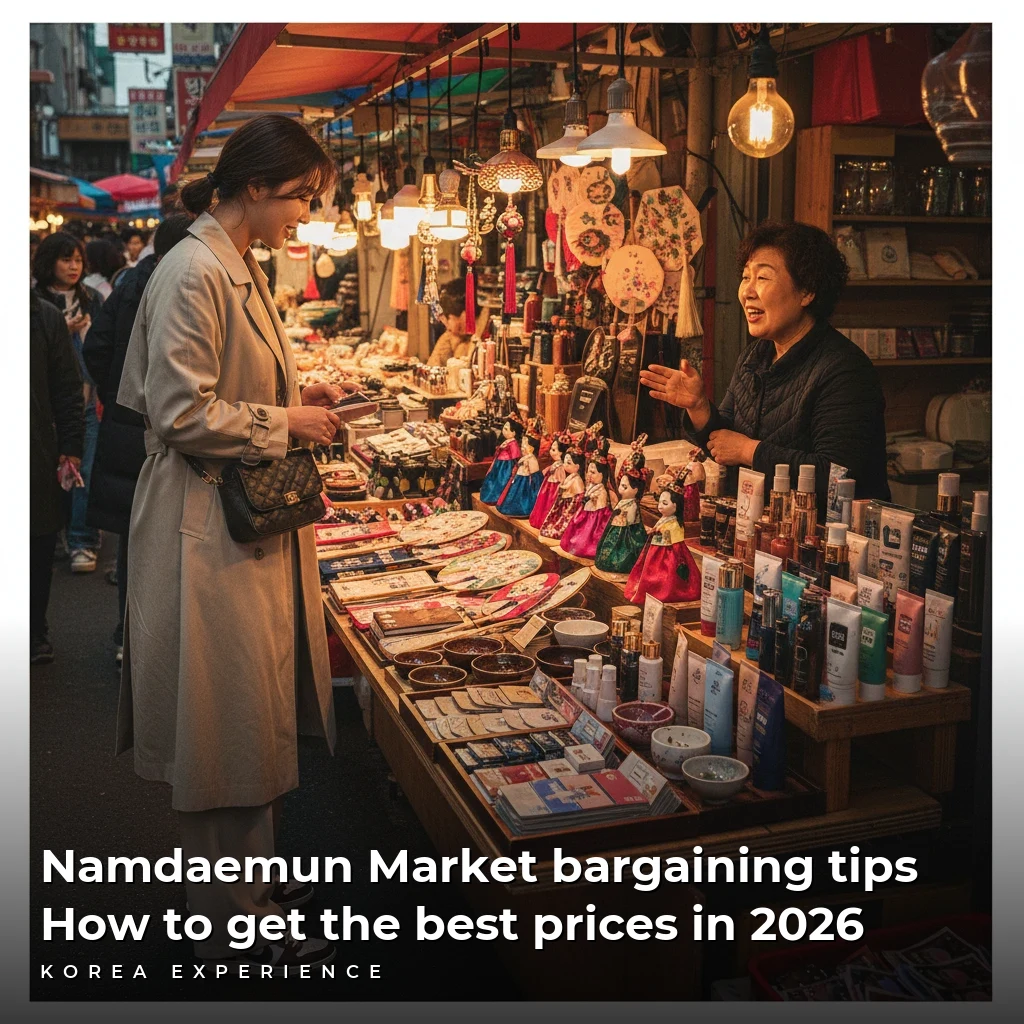
Master Namdaemun Market bargaining tips with our 2026 guide. Save 10-20% on clothes and souvenirs while navigating Seoul's oldest market like a pro.

Master the moves in Seoul. Our ultimate guide covers top studios, booking steps, and tips to learn K-Pop dance from real choreographers in 2026.
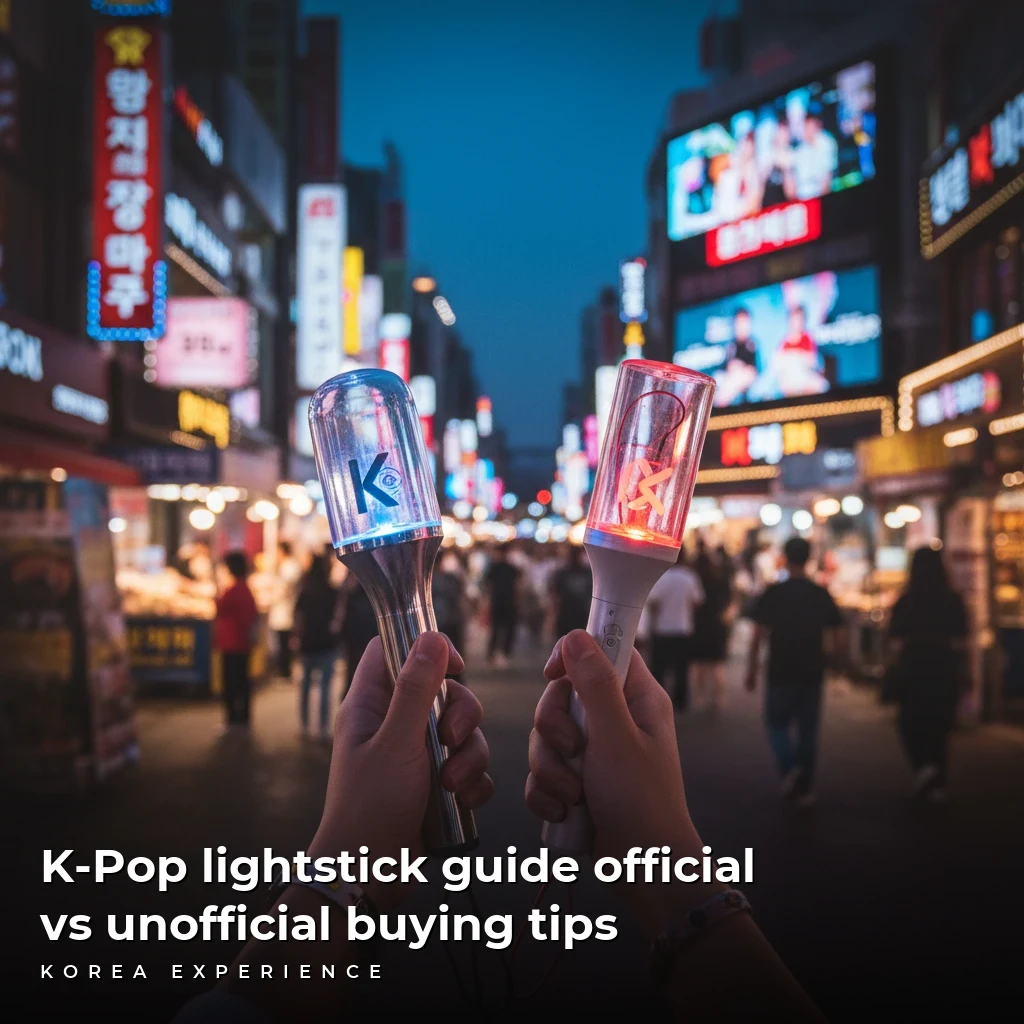
Master the art of spotting fake K-Pop lightsticks, find the best shops in Seoul, and ensure your concert experience is authentic with this expert guide.