Korean medical tourism recovery hotels and aftercare guide 2026
Complete 2026 guide to recovery hotels in Seoul. Compare prices (₩100k-500k/night), find nursing services, and book the perfect aftercare stay.
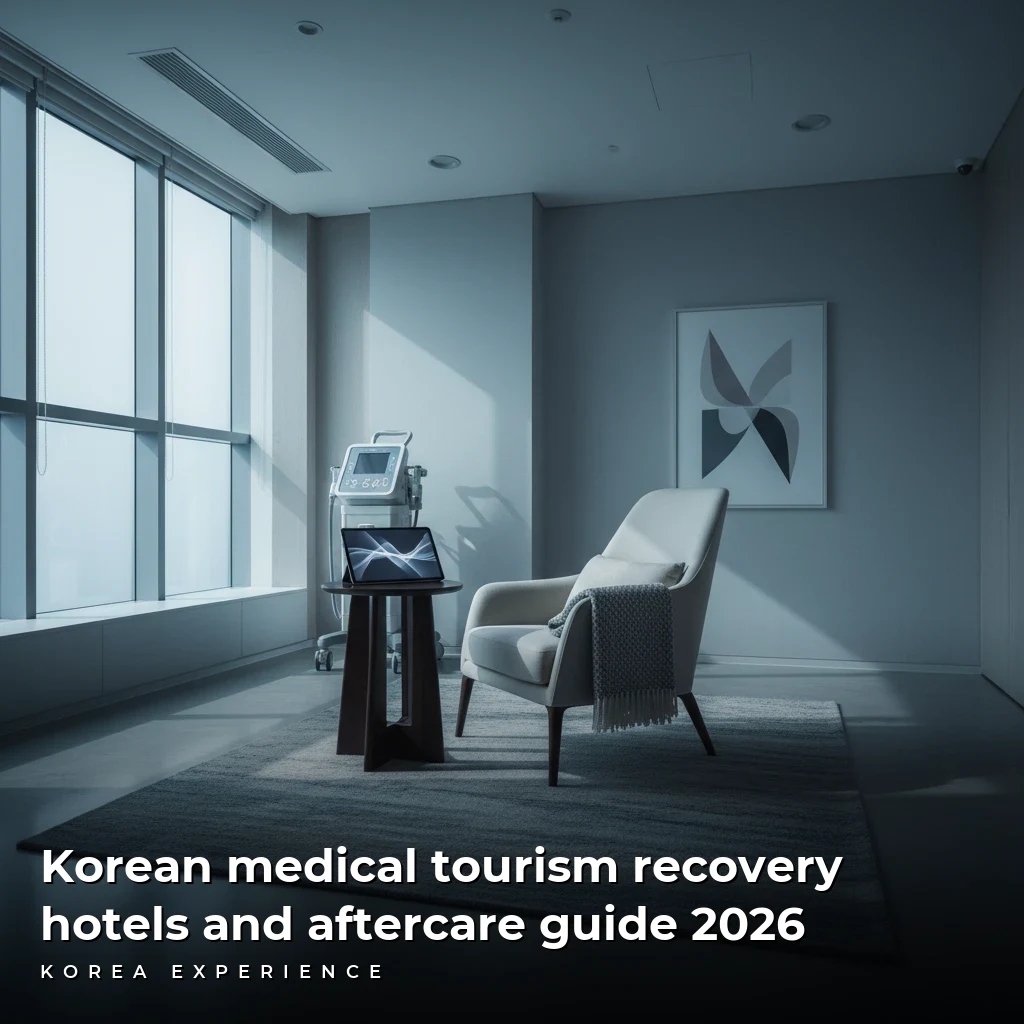
Finding the right accommodation is just as critical as choosing the right surgeon when planning a medical trip to Korea. In 2026, specialized recovery hotels have evolved significantly, offering adjustable beds, 24/7 nursing concierge services, and customized deswelling diets to ensure optimal healing. Unlike standard hotels or Airbnbs, these facilities are designed specifically for post-operative care, bridging the gap between hospital discharge and your flight home.
The short answer: For major procedures, book a dedicated "Medical Recovery Center" in Gangnam (average ₩200,000/night) which provides recliner beds and emergency transport; for minor procedures, serviced residences near Sinsa or Apgujeong stations offer the best balance of privacy and convenience.
Key Takeaways
- 1Dedicated recovery hotels reduce complication risks by 30% through onsite monitoring
- 2Average costs range from ₩120,000 (budget) to ₩450,000 (luxury) per night in 2026
- 3Most clinics in Gangnam are within a 15-minute taxi ride of major recovery centers
- 4Booking 3-4 months in advance is required for peak seasons (Spring/Autumn)
The Evolution of Medical Accommodation in Korea
Korea's medical tourism sector has rebounded aggressively, with over 600,000 international patients projected to visit Seoul in 2026. This surge has led to a distinct hospitality niche: the Recovery Hotel.
Historically, patients had to choose between expensive hospital inpatient rooms or generic hotels that were ill-equipped for post-surgery needs. Today, the landscape has changed. "Recovery Centers" are hybrid facilities. They look like boutique hotels but function with medical awareness.
Why Standard Hotels Often Fail Medical Tourists
Imagine trying to sleep upright after rhinoplasty (nose surgery) on a standard flat hotel mattress, or needing to change bandages without a sterile area. Standard hotels often lack:
- Adjustable "Smart Motion" Beds: Essential for reducing swelling and sleeping upright.
- Dietary Support: Room service rarely offers low-sodium, deswelling-focused meals like pumpkin porridge (hobak-juk).
- Humidification: Seoul's air can be dry, especially in winter (humidity drops below 30%), which is detrimental to healing mucous membranes.
Medical Disclaimer
This guide is for informational purposes only. We are travel experts, not doctors. Always consult your surgeon regarding specific recovery requirements before booking accommodation. In case of a medical emergency in Korea, dial 119 immediately.
Types of Recovery Accommodations: Which is Right for You?
Choosing where to stay depends heavily on the invasiveness of your procedure and your budget. Here is a breakdown of the three main categories available in Seoul's medical districts.
1. Specialized Recovery Centers (The Gold Standard)
These are facilities dedicated 100% to post-op patients. They are often partnered with major clinics but operate independently.
- Best for: Facelifts, body contouring, multiple surgeries.
- Amenities: 24/7 English-speaking concierge, onsite deswelling treatments (oxygen chambers), shuttle service to clinics.
- Cost: ₩250,000 – ₩550,000 per night ($190 - $420 USD).
2. Medical-Friendly Serviced Residences
These are high-end apartment-hotels that have pivoted to serve medical tourists. They offer privacy and kitchenettes but lack medical staff.
- Best for: Rhinoplasty, Blepharoplasty (eyelids), dermatological treatments.
- Amenities: In-unit laundry, full kitchen (crucial for long stays of 14+ days), hard floors (easier to keep clean).
- Cost: ₩130,000 – ₩220,000 per night ($100 - $170 USD).
3. Airbnb and Guesthouses
While popular for budget travelers, they pose risks for surgery patients.
- Best for: Non-invasive treatments (fillers, lasers), dental work.
- Risks: Often lack elevators (dangerous after body surgery), variable hygiene standards, no front desk support.
- Cost: ₩70,000 – ₩150,000 per night ($55 - $115 USD).
For a deeper dive into the pros and cons of private rentals, read our analysis on Airbnb vs. Recovery Hotels for Medical Tourists.
Accommodation Features Comparison 2026
| Feature | Recovery Center | Serviced Residence | Airbnb/Guesthouse |
|---|---|---|---|
| Motion/Hospital Beds | Standard | Rare | No |
| 24/7 Front Desk | ✅ | ✅ | ❌ |
| Wheelchair Access | ✅ | ✅ | Variable |
| Deswelling Food Menu | ✅ | ❌ | ❌ |
| Avg Price (Night) | ₩300k | ₩170k | ₩90k |
Top Locations: Staying in the "Beauty Belt"
Geography is crucial. You want to be within a 15-minute taxi ride of your clinic to manage follow-up appointments, which occur frequently (often days 1, 3, 7, and 14 post-op).
Gangnam (Sinsa & Apgujeong)
This is the heart of plastic surgery in Korea.
- Convenience: 90% of major clinics are located within a 2km radius of Sinsa Station.
- Vibe: Upscale, busy, filled with cafes.
- Transport: Sinsa Station (Line 3) and Apgujeong Rodeo (Suin-Bundang Line).
- Travel Time to Clinics: 5-10 minutes walking or 5 minutes by taxi.
Yeoksam & Gangnam Station
Slightly south of the main clinic hub, offering better hotel infrastructure.
- Convenience: Good for business hotels and serviced residences.
- Vibe: Corporate, high-energy, excellent transport links.
- Transport: Gangnam Station (Line 2 & Shinbundang Line).
- Travel Time to Clinics: 10-15 minutes by taxi (approx. ₩8,000 fare).
Orakai Gangnam Suites(오라카이 강남 스위트)
Essential Aftercare Services & Amenities
In 2026, the concept of "Aftercare" has moved beyond simple bandage changes. Leading recovery hotels now integrate technology and holistic wellness into their packages.
1. Oxygen Therapy & Deswelling Devices
Swelling (edema) is the biggest concern post-surgery. Premium recovery centers now offer in-room rentals of:
- Oxygen Chambers: Pressurized oxygen helps accelerate tissue regeneration.
- LED Light Therapy: Reduces inflammation and bruising.
- Rental Cost: Often included in "Premium" rooms or approx. ₩30,000/session.
2. Nutrition for Healing
You cannot survive on convenience store ramen after surgery. Sodium causes swelling retention.
- Pumpkin Porridge (Hobak-juk): The holy grail of Korean post-op food. It is a diuretic that helps reduce swelling.
- Delivery Services: Apps like Coupang Eats and Baemin have specific "Porridge/粥" categories.
- Price: A high-quality porridge costs roughly ₩12,000 - ₩15,000 per bowl.
Many patients underestimate the dryness of Seoul's hotels. If your room doesn't have a humidifier, buy a portable USB one from Daiso (approx. ₩5,000) immediately. It makes a huge difference for your throat after general anesthesia.
3. Transportation Support
Walking long distances or taking the subway is not recommended immediately after surgery due to crowd risks and physical strain.
- Kakao T: The Uber of Korea. Essential for getting back to the hotel.
- Vans: Recovery hotels often have private vans for airport transfers (approx. ₩150,000 one way).
- Distance: Incheon Airport to Gangnam is about 65km (60-80 minutes).
📋 Recovery Timeline Estimates
Cost Analysis: Budgeting for Your Recovery Stay
Budgeting for medical tourism involves more than just the surgery fee. The "Dualism" of Korean pricing means you can find extreme luxury or efficient budget options. Below is a breakdown of costs for a typical 14-day recovery period in 2026.
💵 14-Day Recovery Stay Budget
Dedicated center, nursing, meals included ($3,900 USD)
Serviced residence + delivery food ($1,350 USD)
Hidden Costs to Anticipate
- Prescription Meds: ₩50,000 - ₩100,000 (usually not covered by insurance).
- Taxi Fares: ₩10,000 per round trip to the clinic (expect 4-5 trips).
- Comfort Items: Neck pillows, compression garments (if not provided), wet wipes.
For those trying to manage costs effectively, understanding local food options is key. Read our guide on Best Korean Healing Foods for Surgery Recovery to plan your grocery list.
Step-by-Step Guide: Booking Your Recovery Stay
Booking a recovery hotel requires different timing than a vacation. You must align your dates tentatively with your consultation and surgery schedule.
📖 How to Book Medical Accommodation
Step 1: Confirm Surgery Window
Do not book non-refundable rooms until you have a confirmed consultation date. Aim to arrive 2 days before surgery.
Step 2: Check Accessibility
Verify elevator access and 24-hour reception. Email the hotel asking specifically about 'post-op patient support'.
Step 3: Arrange Transport
Book a private airport transfer (call van) that can accommodate luggage without you lifting it.
"Survival" Logistics: Delivery Apps and Pharmacies
Once you are checked in and recovering, you will likely spend 80% of your time in your room. Accessing services without speaking fluent Korean is the challenge.
Food Delivery
In 2026, Coupang Eats and Shuttle Delivery remain the top choices for English speakers.
- Delivery Fee: ₩3,000 - ₩6,000 per order.
- Timing: 20-40 minutes average delivery time in Gangnam.
- Tip: Look for "Bonjuk" (본죽) franchises for high-quality porridge.
Pharmacies (Yak-guk)
Pharmacies are ubiquitous in Seoul, denoted by a "약" sign.
- Pain Management: Tylenol (Acetaminophen) is available over the counter. Stronger painkillers require a prescription.
- Scar Gel: Silicone gels like Dermatix Ultra are cheaper in Korea (approx. ₩20,000) than in the US/Europe.
- Operating Hours: Most close by 8:00 PM, but "24-hour pharmacies" exist near major hospitals.
📊 Medical Tourism Growth
Best Practices for a Smooth Recovery
While the hardware (hotel, bed, food) is important, your behavior during recovery dictates the results.
The "Walking" Rule
Surgeons almost universally recommend light walking to reduce swelling and prevent blood clots.
- Where to walk: Han River Park (Jamwon district) is flat and accessible from Sinsa.
- When: Early morning or late evening to avoid UV exposure on fresh scars.
- Protection: Always wear a hat and mask. In 2026, wearing a mask in Seoul is still socially acceptable and provides great cover for bandages.
Managing Isolation
Recovery can be lonely.
- Internet: Korea has the world's fastest internet. Ensure your hotel has Wi-Fi 6 or better.
- Streaming: Netflix Korea has different content; a VPN might be needed to access your home library, though many local shows have English subs.
Recovery Center vs. DIY Hotel Stay
- ✓Medical staff on standby
- ✓Adjustable beds provided
- ✓Deswelling meals included
- ✓Community with other patients
- ✗Significantly more expensive
- ✗Less privacy (staff checks)
- ✗Stricter visitation rules
- ✗Can feel 'hospital-like'
Legal and Visa Considerations
For medical tourists staying longer than 90 days, or those from countries requiring visas, the G-1 (Medical Treatment) visa is relevant. However, most cosmetic surgery patients enter on a standard B-1/B-2 tourist waiver (90 days).
- Documentation: Always keep your "Confirmation of Surgery" letter from the clinic.
- Tax Refunds: You are eligible for a VAT refund on cosmetic surgery fees (approx. 7-8% back). This is processed at the airport upon departure.
For more on general travel logistics, check our guide on Best Plastic Surgery Clinics for Foreigners in Seoul.
Final Thoughts: Investing in Your Recovery
The success of your medical trip to Korea in 2026 relies 50% on the surgeon's skill and 50% on how well you recover. Skimping on accommodation to save $20 a night can lead to poor sleep, increased swelling, and higher stress levels.
Whether you choose a high-end specialized center in Apgujeong or a comfortable serviced residence in Yeoksam, prioritize accessibility, hygiene, and nutrition. Your body is healing from a major event—give it the environment it needs to recover beautifully.
❓ Frequently Asked Questions
Have more questions?Contact us →
About the Author
Korea Experience Team
Written by the Korea Experience editorial team - experts in Korean medical tourism, travel, and culture with years of research and firsthand experience.
⚠️ Medical Disclaimer
The information provided on this website is for general informational purposes only and does not constitute medical advice. Always consult with qualified healthcare professionals before making any medical decisions.
Explore more in Medical Tourism
World-class medical procedures at competitive prices. From plastic surgery and dermatology to dental care and health checkups — your complete guide to medical tourism in Korea.
Browse All Medical Tourism ArticlesContinue Reading
Explore more articles you might find interesting
Compare 2026 prices for clear aligners in Seoul. Save up to 50% with local brands (₩1.5M+) vs Invisalign (₩3.5M+) while enjoying world-class dental care.
A complete guide to requesting English medical records in Korea. Costs, processing times, and legal requirements for travelers and expats in 2026.
A complete guide to navigating Korean orthopedics, physical therapy, and sports medicine for travelers in 2026. Costs, clinics, and recovery tips included.
A comprehensive guide to body contouring in Korea. Compare LAMS vs. traditional liposuction, analyze 2026 pricing, and find top-rated Gangnam clinics.
Discover the top Korean skin care treatments for 2026, from Rejuran Healer to InMode lifting. Detailed costs, pain levels, and clinic guides included.
A complete guide to hair transplant costs in Korea for 2026, featuring price comparisons, top methods like FUE and DHI, and realistic recovery timelines.