Korean skin care treatments what clinics offer
Discover the top Korean skin care treatments for 2026, from Rejuran Healer to InMode lifting. Detailed costs, pain levels, and clinic guides included.
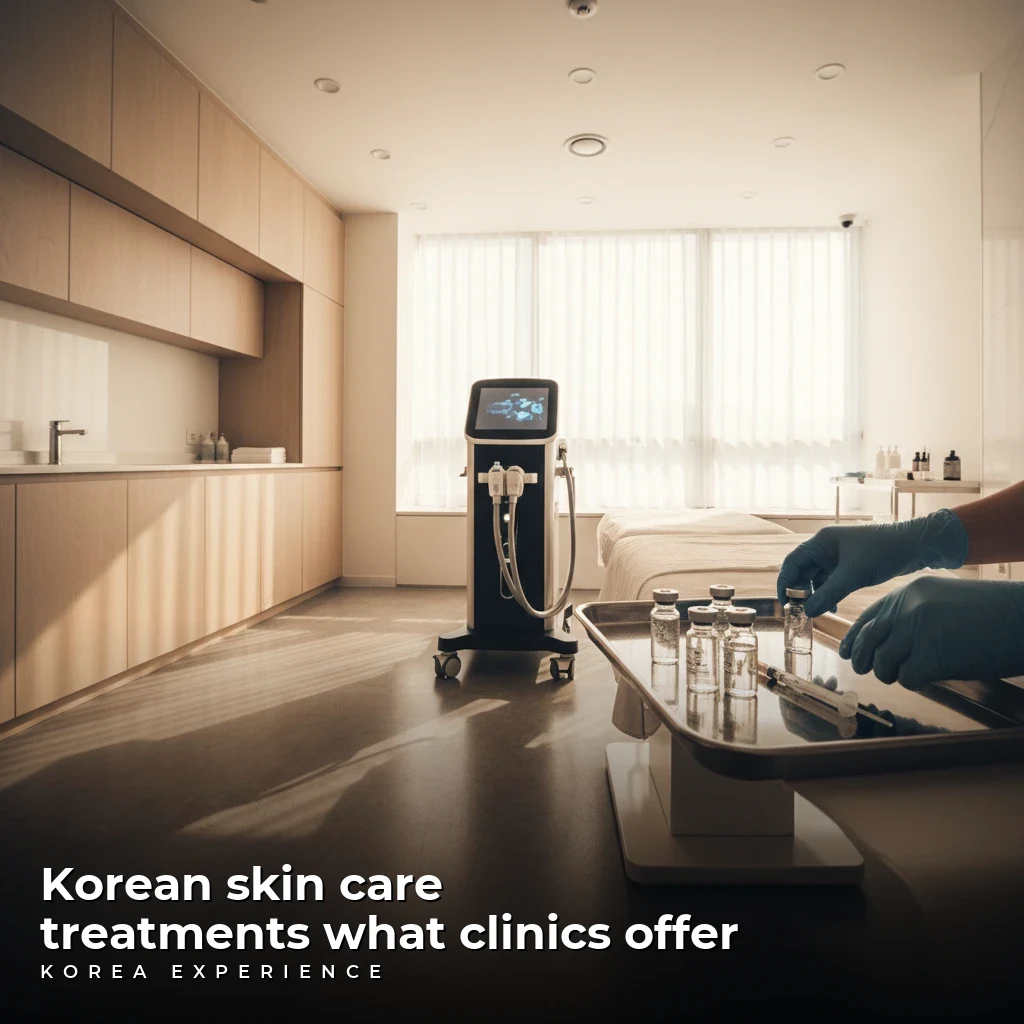
Korean skin care treatments encompass a wide spectrum of medical-grade procedures designed to improve skin texture, tone, and elasticity, primarily utilizing advanced laser technology, ultrasound lifting (HIFU), and injectable skin boosters like Rejuran Healer. Unlike Western dermatology, which often focuses on reactive treatment of diseases, Korean clinics emphasize preventative "skin management" (gwanli), offering affordable, high-tech maintenance treatments that are accessible to the general public, not just the wealthy.
The short answer: Korean clinics offer a tiered system of treatments ranging from basic medical facials ($30-50 USD) and laser toning for pigmentation ($40-80 USD) to advanced anti-aging lifting procedures like Ulthera and Thermage ($800-2,000 USD), with the most popular 2026 trend being "skin boosters" that inject nutrients directly into the dermis.
Key Takeaways
- 1Laser toning and basic facials are maintenance treatments costing under $70 per session.
- 2Skin boosters like Rejuran and Juvelook are 2026's top trend for 'glass skin' texture.
- 3Factory-style clinics offer prices 50-70% lower than Western equivalents but offer less privacy.
- 4Most treatments require 3-7 days of downtime for redness or bruising to subside.
Medical Disclaimer
The content in this article is for informational purposes only and does not constitute medical advice. Always consult with a qualified dermatologist or medical professional before undergoing any cosmetic procedures. Results and recovery times vary by individual.
The Korean Philosophy of "Skin Management"
To understand what Korean clinics offer, you must first understand the concept of gwanli (management). In Seoul, visiting a dermatology clinic is viewed similarly to going to the gym. It is a routine maintenance activity rather than a special occasion luxury.
In 2026, statistics show that approximately 1 in 3 women in Seoul's major districts visits a skin clinic at least once a month. This high volume of patients has driven costs down and technology up. While a standard facial in New York or London might cost $150 and consist primarily of creams and massages, a similar price point in Korea buys you medical-grade laser treatments performed by a doctor.
The ecosystem is divided into two main categories:
- "Factory" Clinics: Large-scale centers processing hundreds of patients daily. They offer the lowest prices (e.g., Botox for $20) but minimal consultation time.
- Private Board-Certified Dermatologists: Smaller, boutique clinics where you see one doctor who manages your long-term plan. Prices are 2-3 times higher, but the care is personalized.
If you are new to this world, the sheer volume of options can be overwhelming. We have broken down the treatments by category below to help you navigate the menu.
📊 Market Growth
Laser Toning and Pigmentation Treatments
Pigmentation removal is the bread and butter of Korean skincare. Whether it is sunspots, melasma, or acne scarring, there is a laser for it. These are generally low-downtime procedures designed to be repeated every 1-2 weeks.
Pico Toning
Pico lasers are the gold standard for brightening skin and breaking down pigment. Unlike older nanosecond lasers, picosecond lasers deliver energy in shorter bursts, shattering pigment into tinier particles that the body can eliminate more easily.
- Best for: General brightening, sunspots, uneven skin tone.
- Pain Level: 2/10 (feels like tiny warm prickles).
- Cost: ₩40,000 – ₩80,000 ($30-$60) per session.
- Downtime: None. You can wear makeup immediately.
Excel V
This is a vascular laser targeting redness, rosacea, and spider veins. It is incredibly popular in Korea because many locals suffer from facial flushing.
- Best for: Red acne marks (PIE), rosacea, visible veins.
- Pain Level: 4/10 (feels like a hot rubber band snap).
- Cost: ₩150,000 – ₩250,000 ($110-$185) per mode.
- Downtime: 2-3 hours of redness/swelling.
CO2 Fractional Laser
Used for resurfacing, this is a more aggressive treatment often used to remove moles, skin tags, or treat deep acne scars.
- Best for: Mole removal, scar resurfacing.
- Pain Level: 6/10 (numbing cream required).
- Cost: ₩10,000 ($7) per mole; ₩150,000+ ($110) for full face resurfacing.
- Downtime: 5-7 days of scabbing.
📋 Laser Treatment Facts
Lifting and Tightening (Energy-Based Devices)
If you are looking for anti-aging without surgery, Korea is the global capital of energy-based lifting. These treatments use ultrasound (HIFU) or radiofrequency (RF) to stimulate collagen deep within the skin.
Shurink Universe (Ultraformer III/MPT)
Shurink is the domestic Korean version of HIFU (High-Intensity Focused Ultrasound). It is famously affordable and effective for "v-line" contouring.
- Mechanism: Thermal energy tightens the SMAS layer (the muscle layer surgeons pull during a facelift).
- Best for: Double chin reduction, jawline defining.
- Pain Level: 5/10 (deep aching sensation).
- Cost: ₩100,000 – ₩200,000 ($75-$150) for 300 shots.
- Downtime: None to mild swelling.
InMode (FX and Forma)
InMode has exploded in popularity in 2026. It has two modes: "FX" which uses high voltage pulses to kill fat cells (melting), and "Forma" which uses RF heat to tighten skin.
- Best for: Chubby cheeks, double chin, skin tightening.
- Pain Level: 6/10 (FX mode feels like a hot pinch).
- Cost: ₩150,000 – ₩300,000 ($110-$225) for full face.
- Downtime: FX mode leaves suction bruises (hickeys) that last 3-5 days.
Pro Tip
If you have a major event or photoshoot, do NOT get InMode FX less than 7 days prior. The bruising can be significant and difficult to cover with makeup.
Ulthera and Thermage FLX
These are the premium, imported US machines. They are significantly more expensive than their Korean counterparts (Shurink and Oligio) but are considered the gold standard for efficacy and longevity.
- Best for: Severe sagging, long-term anti-aging (results last 1 year).
- Pain Level: 8/10 (sedation is often offered).
- Cost:
- Ulthera: ₩1,000,000 – ₩1,500,000 ($750-$1,100) for 300-400 lines.
- Thermage: ₩2,000,000+ ($1,500+) for 600 shots.
For a deeper dive into where to get these treatments, check out our guide to the best Korean skin clinics in Gangnam.
Skin Boosters: The "Glass Skin" Secret
If you wonder why Korean celebrities have skin that looks wet or dewy, the answer is rarely just drinking water—it is Skin Boosters. These are injectables that place nutrients, hyaluronic acid, or polynucleotides (DNA) directly into the dermis layer of the skin.
Rejuran Healer (Salmon DNA)
This is arguably the most famous skin treatment in Korea in 2026. Derived from salmon DNA (PN - Polynucleotide), it repairs damaged skin, thickens the skin barrier, and balances oil and moisture.
- Best for: Thin skin, acne scars, fine lines, overall "glow."
- Pain Level: 9/10. It is notoriously painful. The liquid is viscous and stings upon entry.
- Cost: ₩250,000 – ₩350,000 ($185-$260) for 2cc.
- Downtime: The injection creates "embossing" (bumps) on the face that look like reptile skin. These settle within 24-48 hours.
Rejuran Healer Analysis
- ✓Increases skin thickness and elasticity
- ✓Balances oil production
- ✓Safe and biocompatible
- ✗Extremely painful without sedation
- ✗Embossing downtime (1-2 days)
- ✗Expensive (needs 3 sessions)
Juvelook
A hybrid filler combining PLA (Poly-D, L-Lactic Acid) and Hyaluronic Acid. Unlike regular fillers that just add volume, Juvelook stimulates your body to produce its own collagen over time.
- Best for: Enlarged pores, deep acne scars (Juvelook Volume).
- Pain Level: 6/10.
- Cost: ₩300,000 – ₩400,000 ($225-$300) per vial.
Exosomes
Stem-cell-derived vesicles that signal cells to regenerate. In Korea, these are often applied topically after microneedling (MTS) rather than injected, due to regulatory classifications, though some clinics offer injection.
- Best for: Anti-inflammation, severe acne, calming sensitive skin.
- Cost: ₩200,000 – ₩400,000 ($150-$300).
For those specifically struggling with skin texture issues, reading about acne scar treatment options in Korea can provide more targeted advice.
Medical Facials and Maintenance
Not everything involves needles and lasers. "Medical Facials" bridge the gap between a spa day and a doctor's visit. These use medical-grade devices to clean and hydrate the skin.
Aqua Peel (Aqua Gwanli)
A 3-step suction device that cleans out pores using AHA and BHA solutions. It is the standard "deep clean" in Korea.
- Best for: Blackheads, congestion.
- Cost: ₩30,000 – ₩50,000 ($22-$37).
- Time: 30-45 minutes.
LDM (Local Dynamic Micro-massage)
Ultrasound waves that toggle between frequencies to hydrate skin and reduce inflammation. It is often paired with harsher laser treatments to speed up recovery.
- Best for: Dryness, redness, post-laser soothing.
- Cost: ₩60,000 – ₩100,000 ($45-$75).
If you are short on time, these are excellent options. We have a full breakdown of the best in-clinic facial treatments for busy travelers.
The Clinic Experience: Step-by-Step
Visiting a Korean clinic can be a culture shock if you are used to Western medical practices. Here is exactly what happens.
Clinic Visit Timeline
Registration
Check-in via iPad. Passport required for tax refund.
Consultation
Often with a consultant, not the doctor. VISIA skin scan.
Cleansing & Numbing
Self-wash face or aesthetician does it. Numbing cream applied.
The Procedure
Doctor enters, performs procedure quickly, leaves.
Aftercare
Cooling mask, sunscreen application.
1. Booking
Reservations are mandatory. Most clinics use KakaoTalk or WhatsApp. Popular clinics in Gangnam may require booking 2-3 weeks in advance.
- English Service: Major clinics (Lienjang, Muse, PPEUM) have dedicated English interpreters. Private clinics might not.
2. The Consultation
In "factory" clinics, you will likely consult with a "counselor" rather than the doctor. They will look at your skin, sometimes use a scanner, and recommend a package.
- Note: Counselors are sales-driven. If you feel pressured to buy too many add-ons, it is okay to say "I'll stick to my original plan."
Always bring a photo of your skin without makeup or filters to the consultation. Also, be honest about your budget upfront. Saying 'My max budget is ₩300,000' helps the consultant build a realistic package for you without the awkward upselling.
3. Tax Refund
Foreigners are eligible for a VAT refund (approx. 7-8%) on cosmetic procedures.
- Immediate Refund: Some clinics deduct it instantly from your bill.
- Airport Refund: Others give you a receipt to scan at the kiosk at Incheon Airport.
- Requirement: You MUST bring your physical passport to the clinic.
Price Comparison: Korea vs. USA/Europe
Why travel to Korea for skin care? The price difference is staggering, largely due to the high competition among clinics and the domestic manufacturing of devices.
💵 Treatment Price Comparison (USD)
Genuine tips, performed by MD
Domestic Korean brands (Botulax/Nabota)
Same machine, higher labor cost
Allergan brand mostly
While the savings are immense, you must factor in flight and accommodation. However, for "high ticket" items like Ultherapy or a full course of Rejuran, the savings often cover the cost of the plane ticket.
Popular Clinic Districts
Seoul is massive, but dermatology clinics cluster in specific areas.
Gangnam (Gangnam Station & Sinnonhyeon)
The epicenter of K-Beauty.
- Vibe: Flashy, high-tech, enormous towers filled with clinics.
- Pros: Highest concentration of English-speaking clinics; competitive pricing.
- Cons: can feel impersonal; wait times can be long even with appointments.
Cheongdam & Apgujeong
The luxury belt.
- Vibe: Quiet, private, expensive.
- Target: Celebrities, wealthy locals, medical tourists seeking privacy.
- Pros: Board-certified dermatologists, private rooms, high-end service.
- Cons: Prices are 2-3x higher than Gangnam Station.
Hongdae
The youth district.
- Vibe: Trendy, younger demographic.
- Target: Students and young adults.
- Pros: Very affordable, focuses on acne and basic maintenance.
- Cons: Fewer advanced anti-aging options for mature skin.
Generic Factory Clinic Experience(공장형 피부과)
Important Safety Considerations
While Korean clinics are generally safe and high-quality, the "factory" system has pitfalls.
- Doctor Shopping: In some factory clinics, you don't choose your doctor. A random doctor enters the room, performs the laser, and leaves. If you want a specific doctor, you must request a "designated doctor" (usually for an extra fee).
- Overtreatment: Korean beauty standards favor aggressive treatments. What a Korean doctor considers "necessary" for a V-line might look "too thin" to a Western eye. Be clear about wanting natural results.
- Counterfeit Tips: For expensive treatments like Thermage and Ulthera, ensure the clinic shows you the unopened tip box and scans the authenticity QR code in front of you.
📖 How to Verify Clinic Authenticity
Step 1: Check Certifications
Look for the 'Board Certified Dermatologist' logo (pink/red logo) vs general practitioner (green/blue logo).
Step 2: Verify Machine Tips
Ask to see the unopened tip package for Ulthera or Thermage.
Step 3: Read Recent Reviews
Check Google Maps and Gangnam Unni (app) for recent foreigner reviews.
Customization and Analysis
One of the best things to do before booking a treatment is to understand your skin type properly. Many clinics offer Visia scans, which analyze your sun damage, pore size, and wrinkle depth digitally.
For a detailed look at this process, read our article on getting a professional skin analysis in Seoul. This is crucial because what you think you need (e.g., Botox) might not be what you actually need (e.g., skin barrier repair).
Comparison: Skin Boosters vs. Lasers
Many travelers are confused about whether they need lasers or injections. Here is a simple breakdown.
Treatment Type Comparison
| Feature | Lasers (Energy) | Skin Boosters (Injectables) |
|---|---|---|
| Primary Goal | Lifting, Tightening, Pigment Removal | Texture, Hydration, Glow |
| Pain Type | Heat/Snapping | Needle Prick/Stinging |
| Downtime | Redness (Hours) or Scabbing | Bumps/Embossing (1-2 Days) |
| Time to Results | 1-3 Months (Collagen building) | 1-2 Weeks (Hydration) |
Final Thoughts and Recommendations
Korea is truly a wonderland for skincare enthusiasts. The combination of advanced technology, skilled practitioners, and competitive pricing makes it the best place in the world to invest in your face.
However, approach it with realistic expectations. One session of Rejuran will not give you glass skin forever—it requires maintenance. One session of Ulthera will not replace a surgical facelift. Treat your visit as the start of a journey or a super-charged maintenance session.
For those interested in the broader scope of anti-aging, our guide to anti-aging treatments in Korea covers fillers and toxins in more depth.
❓ Frequently Asked Questions
Have more questions?Contact us →
About the Author
Korea Experience Team
Written by the Korea Experience editorial team - experts in Korean medical tourism, travel, and culture with years of research and firsthand experience.
⚠️ Medical Disclaimer
The information provided on this website is for general informational purposes only and does not constitute medical advice. Always consult with qualified healthcare professionals before making any medical decisions.
Explore more in Medical Tourism
World-class medical procedures at competitive prices. From plastic surgery and dermatology to dental care and health checkups — your complete guide to medical tourism in Korea.
Browse All Medical Tourism ArticlesContinue Reading
Explore more articles you might find interesting
Compare 2026 costs for Ultherapy ($800+), Shurink ($100+), and Thermage in Seoul. Expert guide to pain levels, results, and choosing the right clinic.
Everything you need to know about getting glass skin in Korea, from Rejuran Healer costs to the best clinics in Gangnam for 2026.
Your 2026 guide to anti-aging in Korea. Discover prices for Botox, fillers, and skin boosters like Rejuran, plus clinic tips and recovery advice.
Discover Korea's 2026 stem cell medical tourism boom. Learn how new laws unlock anti-aging and joint treatments at 50% lower costs than the US, from $8,000.
Compare Ultherapy, Thermage, and Shurink costs and results. Discover why Seoul offers treatments at 30-50% less than global rates with our 2026 guide.
Unlock the secrets to brighter skin in Korea. Compare Glutathione IV drips and topical treatments, including costs, effectiveness, and safety in Seoul clinics.