Everything You Need to Know About Hitting Up a Korean Pharmacy in 2026
So, you are in Seoul, your head is pounding from that 14-hour flight, or maybe you went a little too hard on the spicy tteokbokki—don't worry, I have got you.
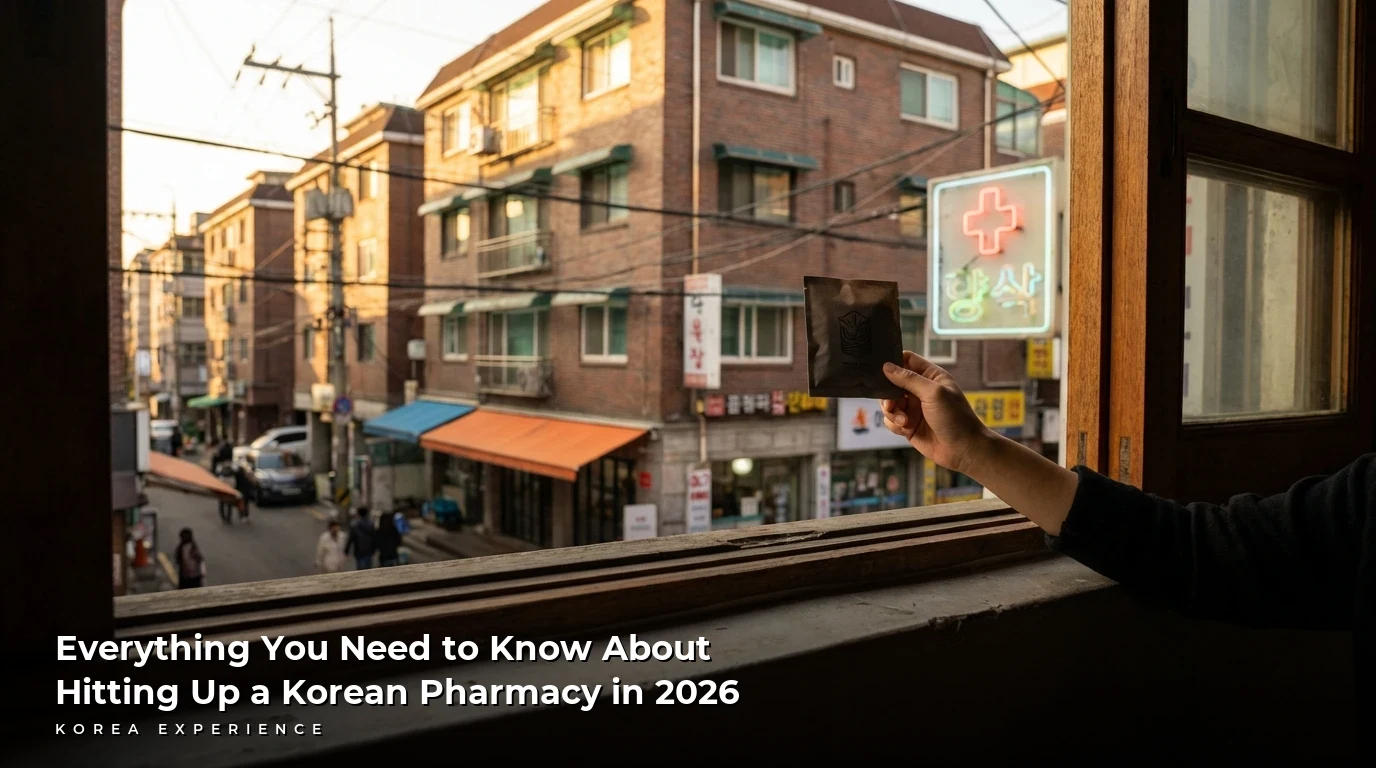
So, here's the thing about being a tourist in Korea: you're going to be walking a lot—like, 20,000 steps a day a lot—and eating some of the most delicious, spiciest food of your life. Eventually, your body is going to put up a protest. When that happens, you're going to want to find a pharmacy, or what locals call a Yakguk. But if you walk into one expecting to see aisles and aisles of bottles like you would at a CVS or a Boots, you're in for a surprise.
The short answer is: Most of what you need is hidden behind the counter. While you can grab a few basics like Tylenol at a 24-hour convenience store, for anything "real"—like those viral skin regeneration creams or the heavy-duty cold meds—you have to walk into a pharmacy and actually talk to the pharmacist.
For more on staying healthy during your trip, check out our Korean healthcare system guide using National Health Insurance.
Key Takeaways
- 1Most of what you need is hidden behind the counter. While you can grab basics like Tylenol at convenience stores, for anything real you have to walk into a pharmacy (Yakguk) and talk to the pharmacist.
- 2A full box of most standard painkillers or cold meds costs about 3,000 KRW (about $2.20 USD) thanks to the 2026 generic drug reforms that slashed prices—literally cheaper than a single latte at a trendy Gangnam cafe.
- 3If you are feeling overwhelmed and don't have a local phone number or an ARC, just dial 1339 from any phone. It is a 24/7 medical hotline with English-speaking pros who can tell you where the nearest open pharmacy is.
📋 Korean Pharmacy Quick Facts
In Korea, the pharmacy culture is all about the counter. You can't just browse for most things. You walk in, greet the pharmacist, and tell them your problems. The "good stuff"—the strong cold syrups, the effective painkillers, and the viral skincare treatments—are all tucked away behind the pharmacist's desk.
Now, let's talk numbers because this is where it gets really good for your travel budget. As we move through 2026, the Korean government has implemented a massive pricing reform. They capped the price of generics at about 40% of the original brand price. What does that mean for you? A box of high-quality painkillers that would cost you $15 in New York or London will only cost you about ₩3,000 to ₩4,000 (around $3 USD) here.
If it's 2 AM and the pharmacies are closed, don't panic. You can hit up any convenience store (GS25, CU, 7-Eleven) for the "Safety OTC" items. There are only about 13 of them, but they cover the big three: pain (Tylenol), digestion (Bearse), and muscle aches (medicated patches).
The Backstory: Why Korea's Pharmacy System is Different
Korean Pharmacy System Evolution
The Big Split (SPD)
Doctors stopped selling meds directly, and pharmacists took over the dispensing role for good.
Convenience Store Freedom
Regulations relaxed to let 24/7 convenience stores sell 13 'safety' OTC items like Tylenol.
PDRN Goes Mainstream
Salmon-DNA skincare moved from clinics to pharmacy shelves, becoming a tourist must-buy.
Hangover Crackdown
New rules required all hangover cures to prove they actually work with human clinical trials.
Price Drop Era
The government officially slashed generic drug prices by 20% to help out the public budget.
e-Arrival Era
Paper forms are dead; you now need a digital e-Arrival card to get through immigration.
You might be wondering why you have to go to a separate shop just for a band-aid or a cough drop. It all goes back to a massive showdown in the year 2000. Before that, Korean doctors used to sell medicine directly to patients, and pharmacists used to act a bit like doctors. It was a mess, and people were taking way too much medicine because everyone was trying to make a profit.
So, the government stepped in and created the SPD system—Separation of Prescribing and Dispensing. It was a huge deal; doctors actually went on strike! But in the end, it created the system we see today where there's a clear line: the doctor diagnoses you, and the pharmacist handles the drugs.
As the years went on, Korea realized that being too strict was making it hard for people who just had a simple headache at night. That's why in 2012, they finally let convenience stores sell the basics. And now, in 2026, we're seeing the next evolution: digital integration. Many pharmacies in tourist spots like Myeongdong and Gangnam now have tablets where you can select your symptoms in English, and it'll show the pharmacist exactly what you need.
Breaking Down Your Options: Pharmacy vs. Convenience Store vs. Olive Young
Where to Get Your Meds in Korea
| Feature | Local Pharmacy (Yakguk) | 24/7 Convenience Store | Olive Young (H and B) |
|---|---|---|---|
| Cost | Very Low (Generic Focus) | Moderate (Fixed Price) | Moderate to High |
| Processing Time | 5 Mins (Consultation) | Zero (Self-Service) | Zero (Self-Service) |
| Dosing Strength | Standard to High | Low / Safety Doses | Cosmetic Grade Only |
| Best For | Specific sickness / Skin meds | Late-night headaches | Acne patches / Beauty meds |
| 2026 Changes | AI-Translator Tablets | Price Index Adjustments | Medical-Wellness expansion |
| Requirements | None for OTC | None | None |
Look, I get it. You're standing on a street corner in Hongdae and you see a CU convenience store, an Olive Young, and a pharmacy with the "Yak" sign. Where do you go?
The Local Pharmacy (Yakguk): This is your best friend for actual sickness. If you have a fever, a "wet" cough with phlegm, or a stomach bug that won't quit, go here. The pharmacists can give you combos like Panpyrin or Pancold—these are liquid gold for cold symptoms. Also, this is the only place that sells the high-potency pharmacy skincare like the salmon DNA Rejuvenex cream or Noscarna for scars.
The Convenience Store (Pyeonuijeom): These are for the "I need it right now" moments. If you're a digital nomad working late and your neck starts to cramp, grab a Pas (medicated patch) here. They are open 24/7, which is their biggest selling point.
Olive Young: They don't sell Tylenol. But they are the kings of preventative stuff—the best acne patches (like the CarePlus brand) and "wellness" shots that are basically vitamins on steroids. For more shopping tips, check our Olive Young shopping guide.
Local Yakguk: Pros and Cons
- ✓Pharmacist Wisdom: You don't have to guess what you need; just tell them where it hurts and they will hand you a specific combo that works.
- ✓High-Potency Skincare: You can get medical-grade scar gels and salmon sperm creams that are way stronger than anything on a Sephora shelf.
- ✓Crazy Cheap: With the 2026 reforms, most meds are under five bucks.
- ✗The Language Wall: If you are not in a tourist area, the pharmacist might not speak great English. You will definitely need a translation app like Papago.
- ✗Early Bird Schedule: Most pharmacies close around 7 PM. If you get a fever at midnight, you are stuck with the limited selection at a convenience store.
- ✗Tiny Packs: Don't expect a bottle of 500 pills. They sell meds in small blister packs of 6 or 10, which can be annoying.
How to Score the Right Meds in Seoul
📖 How to Score the Right Meds in Seoul
Step 1: Find the 'Yak' Sign
Look for a red or green cross or a sign that says '약'. They are literally everywhere, usually tucked into the first floor of buildings near subway exits.
Step 2: Use the Symptom Method
Walk up to the counter and describe what is wrong. You don't need to know the brand name; just point to your head, throat, or stomach and say 'apa-yo' (it hurts).
Step 3: Check the 'Sik-hu' Instructions
The pharmacist will likely tell you to take the meds 'Sik-hu sam-sip-bun.' This means 30 minutes after eating.
Step 4: Grab Your Tax Refund
If you are at a big pharmacy in Myeongdong and spend over 30,000 KRW, ask for a tax refund. You will need your passport to get the cash back on the spot.
In 2026, we're seeing a huge trend of tourists coming in for 'Pharmacy Skincare.' Look, don't just buy what's viral on TikTok. Ask for Noscarna if you have red acne marks or Mela Toning for dark spots. These are actual drugs, not just cosmetics, so we'll show you exactly how to use them without irritating your skin.
The Stuff Nobody Tells You: Pro Hacks
Now for the "insider" stuff I learned the hard way.
First, let's talk about the No-ARC/No-Korean Phone struggle. If you're a tourist, you'll find that a lot of "emergency" apps won't let you sign up. Here is the hack: Dial 1339. It's the national medical hotline. You don't need a login, you don't need a residency card, and they have English speakers available 24/7. If you're lost in a random neighborhood and need an open pharmacy, they will look it up for you.
Second, let's talk about the Hangover Cure Science. Koreans take drinking and hangovers very seriously. You'll see entire aisles of drinks like Condition or Morning Care. Look for the word Heotgae (Oriental Raisin Tree). The science shows that a compound called Dihydromyricetin (DHM) actually helps your liver process alcohol toxins faster. In 2026, these are more regulated than ever, so they actually do work better than just drinking a bunch of water. My advice? Drink one before you start your night and another one before you go to bed.
For more about Korean drinking culture, read our zero-sugar soju and healthy drinking trends guide.
Third, the "Pharmacy Skincare" goldmine. You've probably seen the expensive Rejuran treatments in clinics. Well, you can buy the topical versions at the pharmacy for a fraction of the cost. These contain PDRN (salmon DNA), which is amazing for healing your skin barrier after a flight or a harsh facial. Check out our pharmacy essentials guide for pain relief and wound care for specific product recommendations.
Pro Tip: Non-Drowsy Cold Medicine
If you need a cold medicine that doesn't make you feel like a zombie, specifically ask for "ka-pe-in eom-neun" (caffeine-free) or "non-drowsy." Korean all-in-one cold syrups are super effective but can be really strong.
Check the Dosage
Korean Tylenol is 500mg, but in some Western countries, it starts at 325mg. Always check the dose on the back of the pack so you don't accidentally take way more than you are used to.
No Korean Phone/ARC? Here's What To Do
If you need medical help and can't use the local apps, dial 1339. It is the Emergency Medical Information Center. They provide 24/7 English support for foreigners—no ARC or Korean SIM card required. They can find the nearest open pharmacy or hospital for you and even help translate for the pharmacist over the phone.
Frequently Asked Questions
❓ Frequently Asked Questions
Have more questions?Contact us →
Your Action Plan
Look, being sick on vacation is the worst, but in Korea, it doesn't have to ruin your trip. Here is your 24-hour action plan if you're feeling under the weather.
First thing: check the time. If it's between 9 AM and 7 PM, use Naver Maps to find the nearest pharmacy with the "Yak" sign. Don't waste time at a convenience store if you need real help. Walk in, use Papago to describe your symptoms, and grab a box of whatever they recommend—it'll likely cost you less than a subway fare anyway.
If it's late at night, head to the nearest GS25 or CU for some Tylenol or Bearse. And if things feel serious and you're worried about the language barrier, just remember that number: 1339. They are the heroes for tourists in the Korean medical system.
Go enjoy your trip, eat all the spicy food you can handle, and know that if your body complains, a friendly Korean pharmacist has exactly what you need right behind that counter. You've got this!
Sources
- OK Recruiting Guide - Specific meds for cold, cough, and stomach issues
- South of Seoul OTC Blog - Comparison of US vs Korean dosages and convenience store items
- Korea Biomedical Review - Details on the 2026 drug pricing reforms
- The Guardian (K-Cure) - Science behind Korean hangover remedies and Hovenia dulcis
- Creatrip Pharmacy Services - Information on multilingual pharmacy support in Seoul
About the Author
Korea Experience Team
Written by the Korea Experience editorial team - experts in Korean medical tourism, travel, and culture with years of research and firsthand experience.
Explore more in Living in Korea
Everything expats and long-term visitors need to know — from visa requirements and housing to banking, healthcare, and daily life tips.
Browse All Living in Korea ArticlesContinue Reading
Explore more articles you might find interesting
Save money in Seoul with the 2026 Climate Card. We analyze if the 62,000 KRW monthly pass beats T-Money for your 30-day stay based on 40 rides.
Avoid the ₩50,000 ancestor ceremony scam. Learn to spot cult recruiters in Hongdae and Sinchon with our 2026 safety guide for expats and students.
Wash and dry a full load for 10,000 KRW in under 75 minutes. A 2026 guide to using Korean coin laundromats, shoe washers, and cashless kiosks.
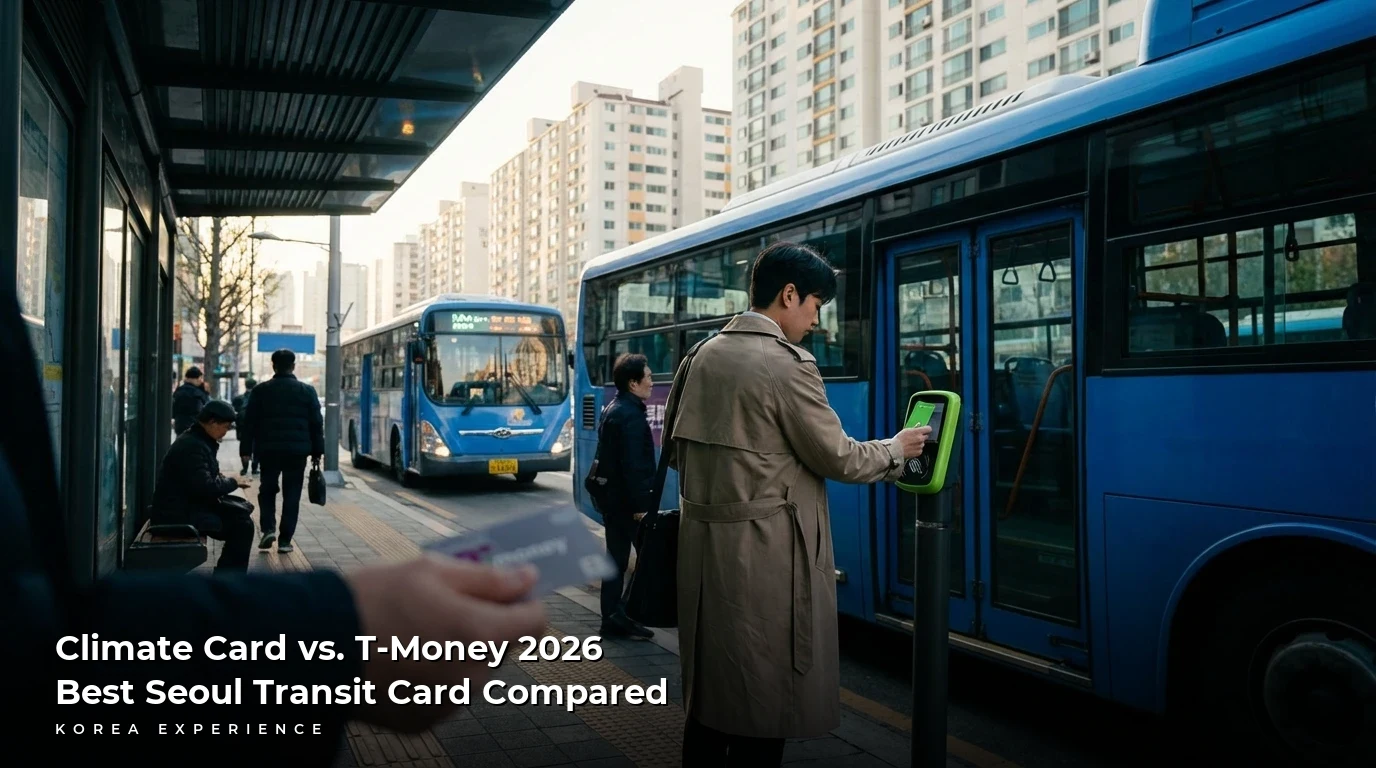
If you're planning to hit more than three spots a day in Seoul, the Climate Card is your absolute best friend.
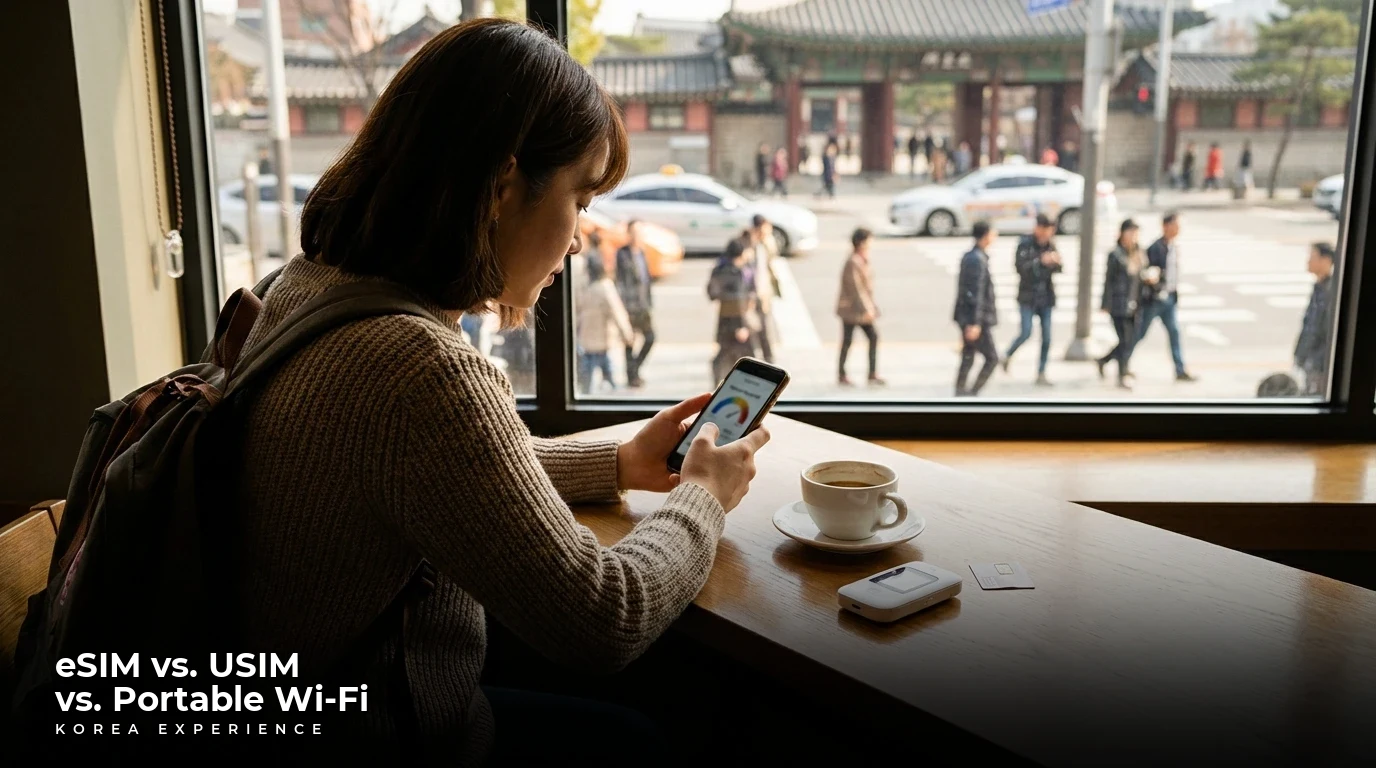
Compare eSIM, USIM, and Pocket Wi-Fi for 2026 travel. Learn why 90% choose eSIMs for $3/day and how to handle the new facial recognition laws.
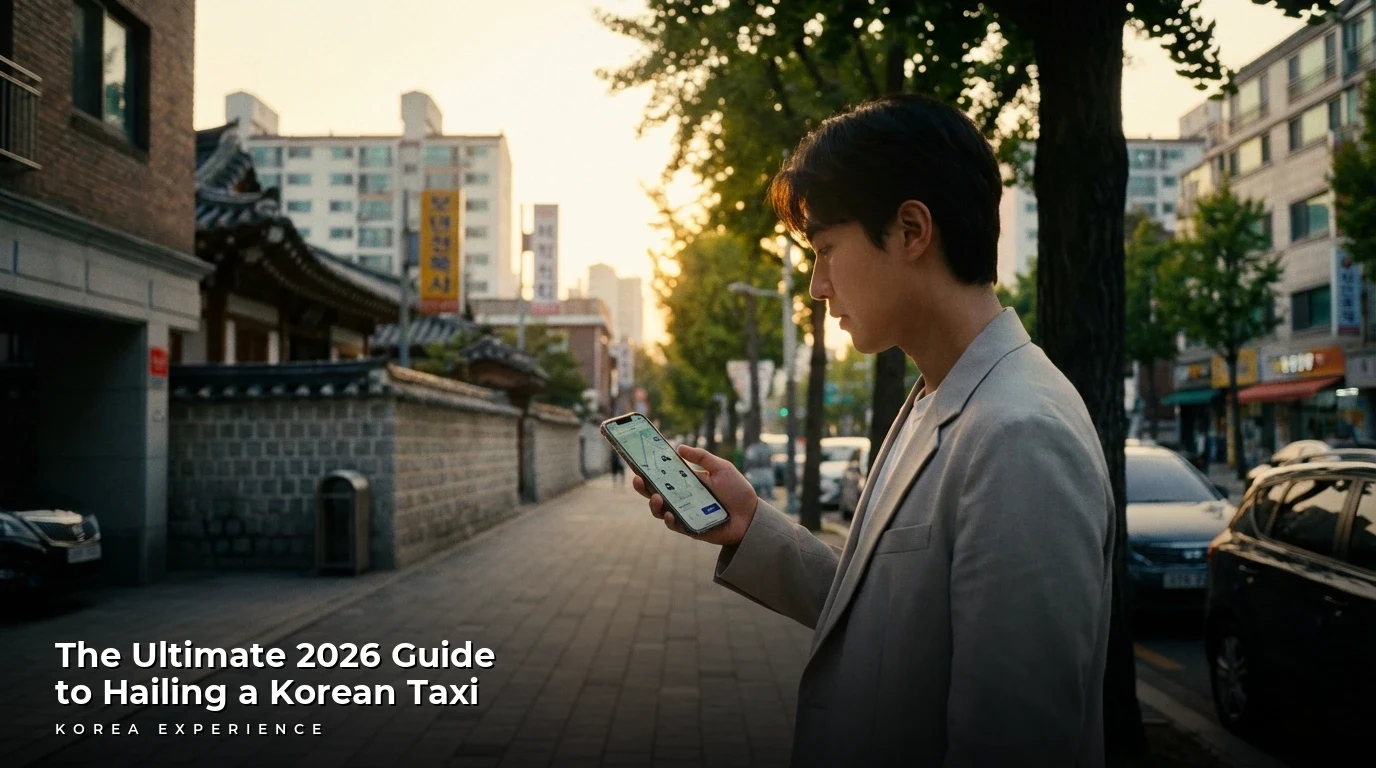
The short answer is yes, you can absolutely call a taxi without a local number by using apps like K.Ride or Uber (UT).