K-Culture

Ihwa Mural Village 2026: Korean Street Art & Graffiti

Explore Ihwa Mural Village in 2026, a hub for Korean street art and graffiti culture, offering unique insights and practical tips for travelers.

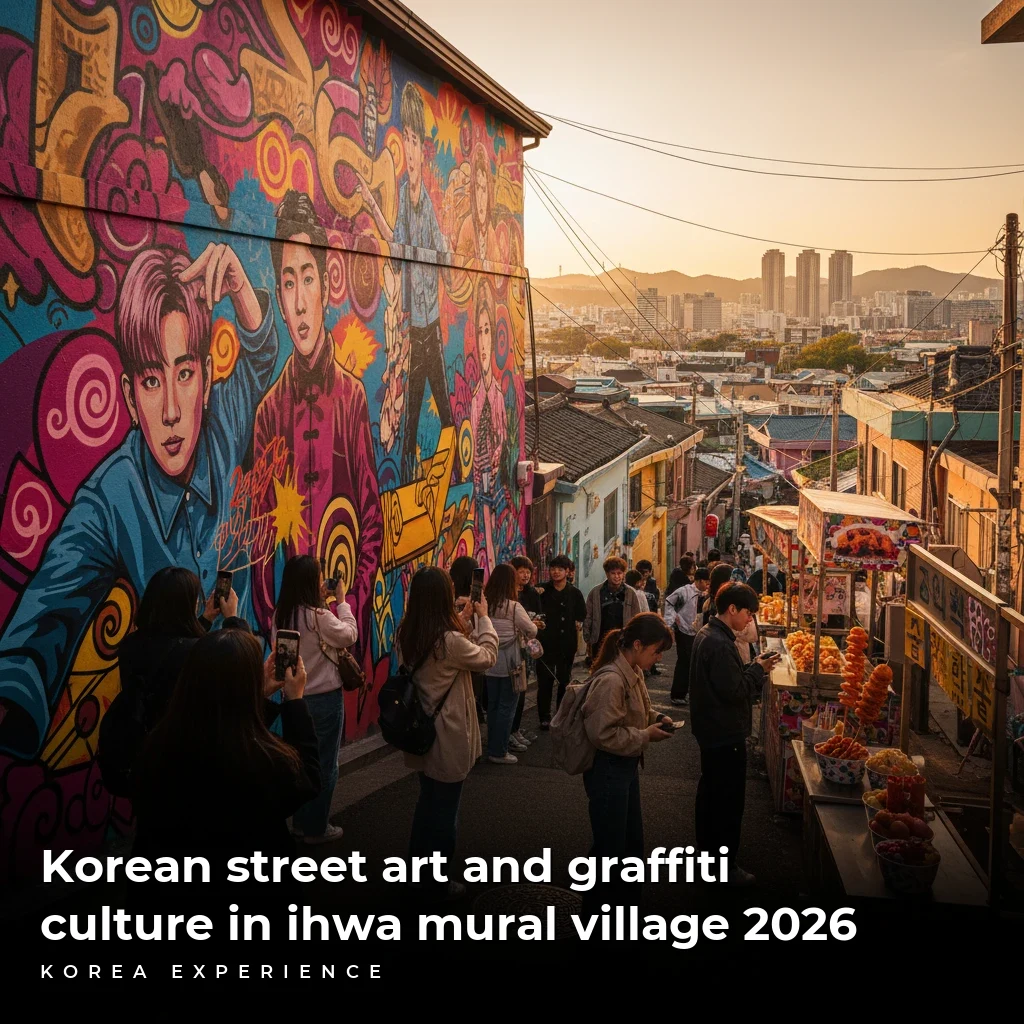
Embark on a captivating journey through the vibrant and ever-evolving landscape of Korean street art and graffiti culture in Ihwa Mural Village 2026. Seoul, a city renowned for its dynamic blend of tradition and modernity, harbors hidden artistic gems that reflect the pulse of its youth and the resilience of its communities. Among these, Ihwa Mural Village stands out as a living canvas, a testament to urban regeneration through art, and a crucial site for understanding Korea's unique approach to public expression.

In this comprehensive guide, tailored for international travelers and expatriates eager to delve deeper into K-Culture, we will explore the historical context, artistic evolution, and practicalities of visiting Ihwa Mural Village in the year 2026. You will learn about the village's transformation, the distinct forms of street art and graffiti prevalent in Seoul, and gain insider tips to enhance your experience. Prepare to discover not just beautiful murals, but also the stories they tell about Korean society, creativity, and community spirit.

The Evolution of Korean Street Art: From Tradition to Modern Expression

Korean art has a rich and storied history, often associated with elegant calligraphy, intricate ceramics, and serene landscape paintings. However, the dawn of the 21st century has witnessed a dramatic shift, with public spaces becoming canvases for a new generation of artists. The evolution of Korean street art is a fascinating narrative, intertwining ancient aesthetic principles with contemporary global influences.

From Ancient Murals to Modern Expression

While modern street art and graffiti might seem like a recent phenomenon, Korea has a long history of public art. Ancient tomb murals, for instance, served to beautify and tell stories in public (albeit sacred) spaces. This historical precedent for art in shared environments laid a subtle groundwork. In the modern era, the rapid urbanization and industrialization of South Korea in the latter half of the 20th century led to a landscape dominated by concrete and efficiency. As the nation prospered, there emerged a longing for color, identity, and expression in these often-monotonous urban settings.

The initial stirrings of modern street art often took the form of political protest or nascent graffiti tagging in less visible areas. However, as global art trends permeated Korea, artists began to experiment with murals, installations, and stenciling, pushing the boundaries of what was considered "art" and where it could be displayed.

The Rise of Graffiti and Urban Art

Graffiti, in its rawest form, arrived in Korea later than in many Western countries, but quickly found its footing among youth subcultures. Initially viewed with skepticism and often associated with vandalism, the perception of graffiti began to shift as artists demonstrated its potential for legitimate artistic expression. This transformation was significantly influenced by international artists and the growing accessibility of art online. Korean graffiti artists, sometimes operating underground, developed unique styles that blended traditional Korean motifs or characters with global hip-hop and street art aesthetics.

The concept of "urban art" emerged as a broader category, encompassing not just graffiti but also large-scale murals, paste-ups, sculptures in public spaces, and mixed-media installations. This movement gained traction in culturally vibrant districts like Hongdae and later found a powerful platform in community art projects, most notably Ihwa Mural Village, which sought to harness the power of art for social good and urban regeneration.

Ihwa Mural Village: A Canvas Transformed in 2026

Ihwa Mural Village is not just a collection of pretty pictures; it is a profound social experiment and a beacon of urban regeneration. By 2026, the village continues to thrive as a unique intersection of art, history, and community life, evolving while maintaining its core identity.

Historical Context and Community Revitalization

Nestled on the slopes of Naksan Mountain, Ihwa-dong was once a decaying hillside neighborhood slated for demolition. Home to many elderly residents, it suffered from neglect and a dwindling population. In 2006, as part of the "Art in City" project by the Korean Ministry of Culture, Sports, and Tourism, over 70 artists transformed the village. Their mission was to inject life and color into the community, prevent its demolition, and attract visitors, thereby stimulating the local economy.

The project was a resounding success. Artists painted vibrant murals on walls, stairs, and even utility boxes, creating a whimsical open-air gallery. Old houses were repurposed into cafes and small shops, and the village became a beloved destination. By 2026, the village has learned from its past challenges, including initial over-tourism and concerns from residents about noise and privacy. It has adapted to balance visitor enjoyment with community well-being, implementing thoughtful signage and educational campaigns about respectful tourism.

Iconic Murals and Installations

While some original murals may have faded or been replaced over the years, Ihwa's spirit of creative expression endures. Visitors in 2026 can still expect to encounter a diverse range of artistic styles:

  • Whimsical Staircases: The famous "Flower Stairs" and "Fishbone Alley" (originally featuring a Koi fish design) are often cited examples of how artists integrated art directly into the village's architecture. These pieces utilize optical illusions and vibrant colors to make climbing the steep alleys an enchanting experience. While specific designs might vary, the concept of art on stairs remains a highlight.
  • Narrative Wall Murals: Many murals depict scenes of daily life, nature, or imaginative dreamscapes, often telling silent stories that reflect the history and hopes of the community. Look for large-scale pieces that beautifully blend with the traditional Korean houses (hanoks) and modern structures.
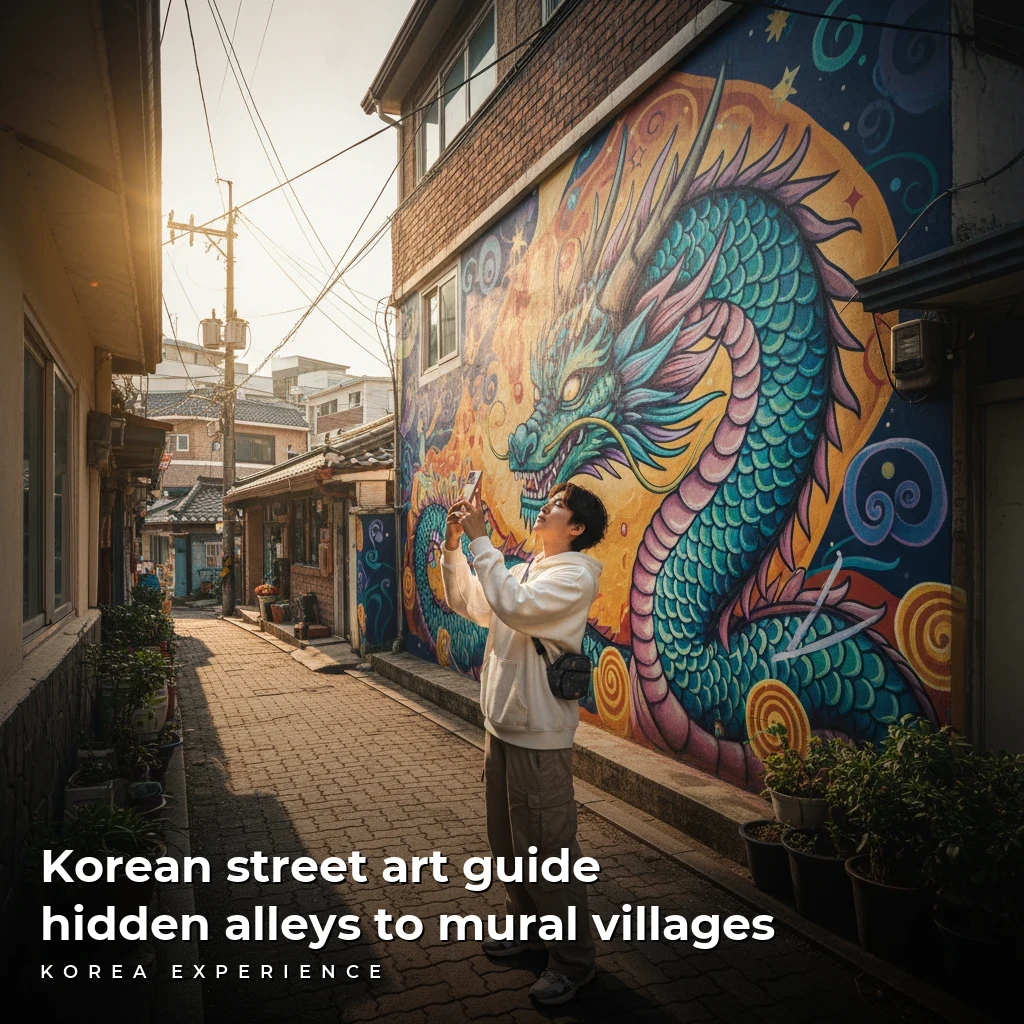
  • Interactive Art: Several installations encourage visitor participation, from wings that allow you to "fly" for a photo opportunity to playful sculptures that invite engagement. These interactive elements make the art personal and memorable.
  • Hidden Gems: Part of the charm of Ihwa is discovering smaller, less obvious pieces tucked away in narrow alleys or on the sides of unassuming homes. These often reflect the individual creativity of local artists or residents.

The Role of Residents and Artists

The long-term success of Ihwa Mural Village depends heavily on the harmonious relationship between its residents and the artistic community. Over the years, some residents have become artists themselves, contributing to the village's ever-changing tapestry. Local community centers often host workshops, encouraging villagers to participate in maintaining and creating new art.

By 2026, the village operates with a clearer understanding that it is a residential area first, and a tourist attraction second. Efforts are continuously made to involve residents in decision-making regarding new art projects and tourist management, ensuring that the village remains a thriving home while enchanting visitors. This collaborative spirit is what truly sets Ihwa apart.

Understanding Graffiti Culture in Seoul

Beyond the curated beauty of Ihwa Mural Village, Seoul pulsates with a more raw and rebellious form of artistic expression: graffiti. While often controversial, graffiti culture plays a significant role in the city's urban art landscape, reflecting underground movements and social commentary.

Legality and Permitted Spaces

In South Korea, graffiti on private or public property without permission is illegal and can lead to fines or prosecution. This has historically pushed much of the graffiti scene underground. However, recognizing the artistic value and the desire for expression, some areas have designated "free walls" or commissioned graffiti art for specific projects.

By 2026, there is a growing trend towards more officially sanctioned spaces, particularly in districts known for their youth culture and artistic communities. These include:

  • Hongdae's alleys: While much is still spontaneous, some cafes and businesses commission graffiti artists to adorn their walls.
  • Specific cultural complexes: Places like Common Ground in Gwangjin-gu or certain areas within Seongsu-dong (often revitalized industrial zones) feature large, legally commissioned graffiti pieces and murals.
  • Temporary installations: Art festivals and urban regeneration projects sometimes include temporary graffiti walls or performance spaces.

The distinction between illicit tagging and commissioned street art is crucial in understanding the diverse nature of graffiti in Seoul. While the latter is celebrated, unauthorized graffiti still faces legal repercussions, making its appearance often fleeting.

Key Graffiti Artists and Crews

Seoul's graffiti scene is vibrant, albeit somewhat discreet. While specific artist names might not be widely publicized due to the nature of the art form, various crews and individual artists contribute to the urban tapestry. Many artists have honed their skills by combining traditional Korean calligraphy's fluid strokes with bold, Western-style lettering. Themes often include:

  • Social commentary: Critiques of consumerism, political statements, or reflections on societal pressures.
  • Abstract expressions: Complex patterns, wildstyle lettering, and vibrant color combinations.
  • Character-based art: Playful or evocative characters that become signature motifs.
  • Hybrid styles: Incorporating elements of traditional Korean folk art or symbolism into modern graffiti.

Look for areas near art universities, skate parks, or underpasses, where you might spot intricate pieces that showcase the talent and dedication of Seoul's graffiti artists. These works often rotate rapidly, making each discovery unique to your visit.

Graffiti as a Form of Social Commentary

Graffiti, by its very nature, is often a form of silent protest or social commentary. In South Korea, where open political dissent can sometimes be met with conservatism, graffiti provides an anonymous yet powerful platform. Artists use their work to:

  • Highlight urban issues: Gentrification, lack of public spaces, or environmental concerns.
  • Express youth culture: The desires, frustrations, and dreams of a younger generation.
  • Challenge norms: Questioning beauty standards, gender roles, or societal expectations.
  • Celebrate cultural identity: Integrating Korean symbols, historical figures, or traditional elements into contemporary street art.

While Ihwa Mural Village offers a softer, more community-focused approach to street art, the broader graffiti culture in Seoul presents a grittier, more spontaneous, and often more provocative side of artistic expression, reflecting the multifaceted voices within the city.

Visiting Ihwa Mural Village in 2026 promises an enriching experience, but a little preparation goes a long way. These practical tips will help you make the most of your trip while ensuring a respectful and enjoyable visit.

Getting There

Ihwa Mural Village is easily accessible via Seoul's efficient public transportation system:

  • Subway: The most convenient way is to take Subway Line 4 to Hyehwa Station. Exit 2 offers the most direct route.
    • From Hyehwa Station Exit 2, walk straight for about 200 meters until you reach a major intersection (Dongsung-gil and Daehak-ro). Turn left onto Dongsung-gil.
    • Continue walking uphill, past the Lock Museum, and follow the signs. The ascent takes about 15-20 minutes on foot. The path is well-marked and winds through charming streets with cafes and small shops.
  • Bus: Several local buses also serve the area, but the subway is generally more straightforward for international visitors.
  • Taxi/Ride-sharing: A taxi or ride-sharing service can drop you closer to the entrance of the village, saving you the uphill walk, but be prepared for potential traffic, especially on weekends.

Best Times to Visit

Timing your visit can significantly enhance your experience:

  • Season:
    • Spring (April-May): Pleasant weather, cherry blossoms, and blooming flowers add to the village's charm.
    • Autumn (October-November): Crisp air and vibrant fall foliage create a beautiful backdrop for the murals.
    • Summer (June-August): Can be hot and humid, but early mornings or late afternoons offer softer light.
    • Winter (December-March): Cold, but fewer crowds and a unique atmosphere, especially if there's light snow.
  • Time of Day:
    • Weekdays: Generally less crowded than weekends.
    • Mornings (before 10 AM): Ideal for photography, soft light, and minimal crowds.
    • Late Afternoons (after 4 PM): Golden hour light is excellent for photos, and the village atmosphere becomes more relaxed as day-trippers depart.
  • Avoid: Weekends and public holidays, especially in the afternoon, can be extremely busy.

Respecting the Community

Ihwa is a residential area, and its residents' comfort is paramount. By 2026, the village has explicit guidelines for visitors:

  • Keep Noise Levels Down: Especially when passing by homes. Do not shout or play loud music.
  • Respect Privacy: Do not peer into windows, open gates, or take photos of residents without their explicit permission.
  • Stay on Designated Paths: Do not trespass onto private property or disturb gardens.
  • Take Your Trash With You: Or use designated bins. Help keep the village clean.
  • Support Local Businesses: Patronize the small cafes and shops within the village to contribute directly to the community's livelihood.

Photography Tips for Art Enthusiasts

Ihwa is a photographer's paradise. Here are some tips for capturing its beauty:

  • Look for Unique Angles: Don't just shoot head-on. Experiment with perspective, leading lines, and framing.
  • Utilize Natural Light: Early morning or late afternoon light is best. Overcast days can also provide soft, even lighting.
  • Focus on Details: Beyond the grand murals, look for intricate details, small sculptures, or interesting textures.
  • Interact with the Art: Many murals are designed for interaction. Pose with the wings, sit on a painted bench, and become part of the artwork.
  • Be Patient: Wait for crowds to clear to get clean shots of popular murals.
  • Respect Others: Be mindful of other visitors and residents. Don't block pathways or hog popular photo spots.

Beyond Ihwa: Exploring Other Art Hubs in 2026

While Ihwa Mural Village offers a unique window into community-driven art, Seoul is a sprawling metropolis brimming with diverse art scenes. For those interested in broadening their understanding of Korean street art, several other districts offer distinct experiences by 2026.

Hongdae's Dynamic Art Scene

Hongdae, located near Hongik University, has long been the epicenter of Seoul's youth culture, indie music, and underground art. By 2026, it remains a hotbed for dynamic and often ephemeral street art:

  • Graffiti Alleyways: Wander through the labyrinthine alleys behind the main streets, and you'll discover a constantly changing gallery of graffiti tags, murals, and paste-ups. These works often reflect contemporary trends, social satire, or abstract artistic expressions.
  • Live Art Performances: On weekends, especially around Hongdae Playground or Hongdae Walking Street, you might encounter artists creating live portraits, caricatures, or even street dancers incorporating visual art into their performances.
  • Art Cafes and Galleries: Numerous cafes double as art spaces, exhibiting local artists' work, while small galleries showcase emerging talent.
  • Interactive Installations: Throughout the district, temporary installations and sculptures add to the vibrant visual landscape.

Unlike Ihwa's often planned and permanent murals, Hongdae's street art is characterized by its spontaneity, rapid turnover, and raw energy. For more on Hongdae's vibrant indie scene, check out our guide to Seoul's Youth Culture.

Common Ground and Seongsu-dong

These two districts offer a more organized, yet equally exciting, perspective on urban art:

  • Common Ground (Gwangjin-gu): Opened in 2015, this unique shopping mall made from 200 shipping containers has evolved into a cultural complex by 2026. Its exterior walls often feature large-scale, legally commissioned graffiti and mural art from both Korean and international artists. The art here is often bold, modern, and perfectly integrates with the industrial-chic aesthetic of the complex. It's a great spot to see impressive, high-quality urban art in a structured environment.
  • Seongsu-dong: Once an industrial manufacturing district filled with shoemakers and print shops, Seongsu-dong has undergone a dramatic transformation by 2026, becoming Seoul's hottest creative district. Old factories and warehouses have been converted into trendy cafes, art galleries, and designer studios.
    • Industrial Chic Murals: Many buildings in Seongsu-dong boast large, often abstract or geometric murals that complement the area's industrial heritage. Artists frequently use the brickwork and raw concrete as part of their canvas.
    • Pop-up Art Installations: Given its status as a hub for fashion and design, Seongsu-dong often hosts temporary art installations and exhibitions, spilling onto the streets and making the entire neighborhood an evolving art space.
    • Community Projects: Similar to Ihwa, some smaller community art projects have taken root in Seongsu-dong, breathing new life into older residential sections adjacent to the trendier zones.

By 2026, Korean street art continues to push boundaries with several emerging trends:

  • Digital Integration: Augmented Reality (AR) street art where viewers use their smartphones to see animated layers over physical murals.
  • Eco-conscious Art: Murals using natural pigments, or installations made from recycled materials, reflecting growing environmental awareness.
  • Cross-cultural Collaborations: More partnerships between Korean and international street artists, leading to a fusion of styles and perspectives.
  • Interactive Art with Technology: Installations that respond to sound, light, or movement, engaging the public in dynamic ways.
  • Focus on Lesser-Known Neighborhoods: Art projects expanding beyond established tourist zones to revitalize other forgotten corners of the city.

The Future of Ihwa and Urban Regeneration

Ihwa Mural Village, by 2026, is not merely a static tourist attraction but a dynamic example of sustainable urban regeneration. Its journey continues, shaped by ongoing efforts to balance preservation with evolution, and community engagement with visitor appeal.

Balancing Preservation and Evolution

The challenge for Ihwa, and similar art villages, is to preserve the charm and authenticity that made them popular while allowing for organic growth and renewal. This involves:

  • Restoration and Maintenance: Regularly refreshing older murals that have faded or been damaged, often involving original artists or their successors.
  • New Art Commissions: Inviting new artists to contribute, ensuring the village's art collection remains fresh and relevant, while respecting existing themes.
  • Architectural Preservation: Efforts to maintain the traditional Korean architecture (hanoks) that gives the village its unique character, even as modern conveniences are integrated.
  • Managed Change: Acknowledging that some murals will inevitably change or disappear, and embracing this natural evolution as part of the street art experience.

Community Engagement and Sustainable Tourism

Learning from past experiences with over-tourism, Ihwa by 2026 places a strong emphasis on sustainable tourism practices:

  • Resident-Led Initiatives: Empowering residents to lead tours, operate local businesses, and participate in village management decisions.
  • Educational Signage: Clear signs guide visitors, provide historical context, explain the art, and reiterate guidelines for respectful behavior.
  • Diversified Offerings: Beyond murals, the village promotes local craft shops, cafes, and cultural workshops (e.g., traditional Korean paper crafts, calligraphy) to enrich the visitor experience and distribute economic benefits more widely.
  • Visitor Volume Management: Potentially implementing strategies to manage peak season crowds, perhaps through timed entries for certain areas or promoting off-peak visits.

Ihwa as a Model for Urban Art Villages

Ihwa Mural Village's success has inspired similar projects across South Korea. By 2026, it serves as a crucial case study for how art can be a catalyst for:

  • Community Empowerment: Giving a voice and economic opportunity to marginalized communities.
  • Cultural Preservation: Using modern art to highlight and protect traditional urban fabrics.
  • Creative Placemaking: Transforming neglected spaces into vibrant, meaningful destinations.
  • Sustainable Development: Integrating tourism with community needs and environmental considerations.

Its story offers valuable lessons for cities worldwide looking to revitalize urban areas through artistic and cultural initiatives, proving that a brushstroke can indeed change a neighborhood's destiny.

Comparison Tables

To help visualize the differences and offerings, here are a few comparison tables:

Ihwa Mural Village vs. Hongdae Street Art

FeatureIhwa Mural VillageHongdae Street Art Scene
Primary FocusCommunity regeneration, family-friendly murals, curatedYouth culture, spontaneous graffiti, raw expression
Art TypeLarge-scale murals, optical illusions, installationsTags, throw-ups, wildstyle graffiti, paste-ups, stencils
Legality/ApprovalOfficially sanctioned, community-led, permanentMostly unsanctioned, ephemeral, some commissioned
AtmosphereQuaint, quiet (with respectful tourism), picturesqueEnergetic, dynamic, bustling, urban
Best ForScenic walks, photography, cultural insight, peaceful explorationExperiencing youth subculture, raw creativity, urban edge
Community ImpactDirect revitalization, resident involvement, tourism incomeReflects youth trends, artistic outlet, contributes to hip vibe

Types of Art and Elements Found in Ihwa Mural Village

Art Type / ElementDescriptionCommon Location / Examples
Wall MuralsLarge paintings directly on building walls, often depicting scenes or storiesThroughout the village, on houses, cafes
Staircase ArtMurals painted on the risers of stairs, creating unique visual effectsThe famous "Flower Stairs," "Fishbone Alley"
Sculptural InstallationsThree-dimensional artworks, often interactive or whimsicalScattered throughout, park areas, small plazas
Door & Window ArtSmaller-scale paintings or embellishments on doors, windows, and gatesHidden alleys, residential entrances
Upcycled ArtArt made from repurposed materials, reflecting sustainabilityGardens, public spaces, creative shops
Informative ArtMurals or signs that also provide historical context or village storiesEntrance points, historical markers

Best Times to Visit Ihwa Mural Village

FactorIdeal PeriodNotes
SeasonSpring (April-May) & Autumn (October-November)Comfortable weather, beautiful foliage/blooms, pleasant for walking
Day of the WeekWeekdays (Monday-Friday)Significantly fewer crowds, more peaceful experience
Time of DayEarly Morning (8:00 AM - 10:00 AM)Soft light for photography, minimal crowds, cooler temperatures
Late AfternoonGolden Hour (1-2 hours before sunset)Beautiful light for photos, village quiets down
To AvoidWeekends & Public Holidays (especially afternoons)Can be very crowded, challenging for photos, less peaceful

Frequently Asked Questions (FAQ)

Here are answers to some common questions about visiting Ihwa Mural Village:

Q1: Is Ihwa Mural Village free to visit? A1: Yes, Ihwa Mural Village is a public residential area and there is no entrance fee. You can explore the murals and installations completely free of charge. However, supporting local cafes and shops is highly encouraged.

Q2: How much time should I allocate for visiting Ihwa? A2: To thoroughly explore the village, take photos, and perhaps enjoy a coffee at a local cafe, plan for at least 2-3 hours. If you're combining it with a visit to Naksan Park or exploring Hyehwa Station's cultural district, you might want to allocate half a day.

Q3: Is graffiti legal in South Korea? A3: Unauthorized graffiti on public or private property is illegal in South Korea and can result in fines or legal action. However, there are designated "free walls" or officially commissioned street art projects, particularly in districts like Hongdae or Seongsu-dong, where graffiti is permitted or celebrated.

Q4: Are there any specific rules to follow in Ihwa Mural Village? A4: Yes, as it's a residential area, visitors are strongly asked to be mindful of residents. This includes keeping noise levels down, especially near homes, not trespassing on private property, respecting privacy (no photos of residents without permission), and disposing of trash properly. Signage throughout the village provides clear guidelines.

Q5: What's the nearest subway station to Ihwa Mural Village? A5: The nearest and most convenient subway station is Hyehwa Station (Line 4), Exit 2. From there, it's about a 15-20 minute uphill walk to the main entrance of the village, with clear signs along the way.

Conclusion

Ihwa Mural Village in 2026 stands as a powerful testament to the transformative potential of art. It is a place where canvases spill onto walls, stairs tell stories, and a once-forgotten neighborhood has been reborn through the collective spirit of artists and residents. More than just a collection of vibrant murals, Ihwa offers a compelling narrative of community resilience, urban regeneration, and the evolving face of Korean street art and graffiti culture.

As an international traveler or expat, exploring Ihwa provides a unique opportunity to connect with a deeper layer of K-Culture – one that celebrates creativity, respects tradition, and embraces modernity. The village's blend of whimsical art and real-life community makes it an unforgettable destination. Beyond Ihwa, the dynamic streets of Hongdae and the industrial-chic transformation of Seongsu-dong beckon, offering further glimpses into Seoul's diverse and ever-changing urban art landscape.

So, pack your comfortable walking shoes, prepare your camera, and step into the vibrant narrative of Ihwa Mural Village. Discover the art, feel the history, and immerse yourself in a corner of Seoul where every wall has a story to tell, inspiring you to look beyond the surface and appreciate the enduring power of human creativity. Your journey into the heart of Korean urban art awaits!

About the Author

Korea Experience Team

Written by the Korea Experience editorial team - experts in Korean medical tourism, travel, and culture with years of research and firsthand experience.

⚠️ Medical Disclaimer

The information provided on this website is for general informational purposes only and does not constitute medical advice. Always consult with qualified healthcare professionals before making any medical decisions.

Continue Reading

Explore more articles you might find interesting