Best Korean Podcasts for Learners 2026 Guide
Discover the top Korean podcasts for every level. Master the language with our curated list of audio resources, study tips, and platform guides.
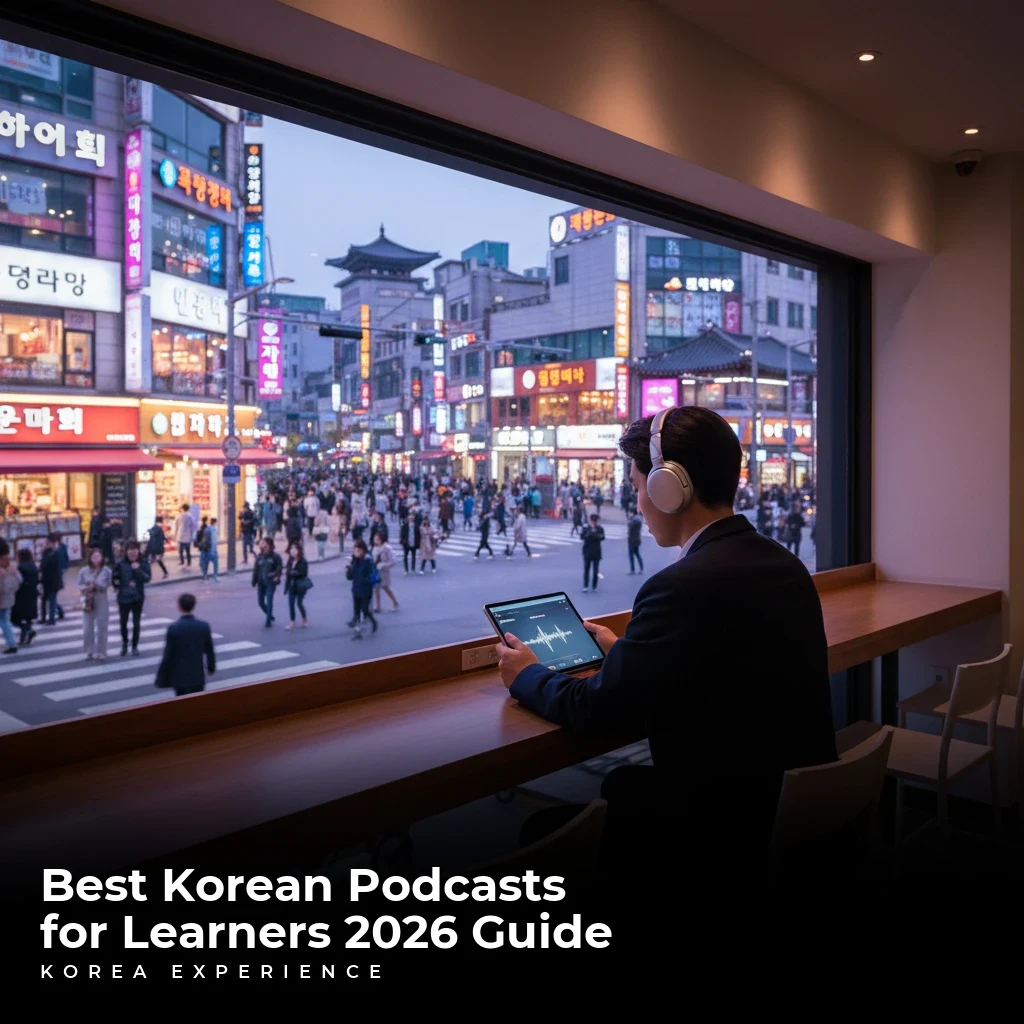
Immersing yourself in the local soundscape is one of the most effective ways to bridge the gap between textbook study and real-world fluency. For international travelers and expats aiming to navigate life in Seoul or Busan, understanding the nuances of spoken Korean is non-negotiable. While K-Dramas provide visual context, the thriving world of Korean podcast culture offers a portable, focused, and deeply educational alternative.
In 2026, the audio content market in South Korea has matured significantly, with over 70% of language learners reporting that active listening exercises were the primary driver of their conversational confidence. Whether you are commuting on the Seoul Metro for 45 minutes or taking a 2-hour KTX train ride to Daegu, podcasts turn "dead time" into productive study sessions. This guide explores the best audio resources, ranging from structured lessons for absolute beginners to native-level talk shows that will challenge your comprehension.
Learn more in our comprehensive guide to Gaming culture visiting lol park and PC bang pro centers.
Key Takeaways
- 1Talk To Me In Korean remains the top choice for structured grammar lessons
- 2Naver AudioClip is the essential app for native content with 30,000+ channels
- 3Active listening for just 20 minutes daily increases retention by 40%
The Korean Audio Landscape: Why Listen?
South Korea is a hyper-connected society where digital consumption is integrated into every waking hour. With an average daily commute time of 58 minutes in the Greater Seoul area, audio content has exploded in popularity. For language learners, this is a goldmine. Unlike the static dialogues found in older textbooks, podcasts capture the Living Language—the slang, the intonation changes, and the rapid-fire delivery of modern speakers.
For more details, check out our guide on K-Drama Cafe Culture Scene Filming Locations Guide.
📊 Podcast Growth in Korea
Podcasts also offer a cost-effective study method. While attending a language institute at a university like Yonsei or Sogang can cost upwards of ₩1,700,000 (approx. $1,250 USD) per term, the vast majority of podcast content is free or requires a nominal subscription fee of under ₩10,000 ($7.50 USD) per month.
For more details, check out our guide on K-Pop album unboxing culture photocards and inclusions guide.
Best Podcasts for Beginners
If you are just starting your journey, diving into native radio will be overwhelming. Beginner podcasts focus on "comprehensible input," ensuring that at least 80% of the content is understandable to keep you motivated.
Learn more in our comprehensive guide to K-Pop fan cafe culture daum vs weverse guide for global fans.
Talk To Me In Korean (TTMIK)
Often cited as the bible of Korean self-study, TTMIK has maintained its dominance for over a decade. Their core grammar curriculum is broken down into bite-sized episodes, usually lasting between 10 to 15 minutes. This brevity is intentional, designed to prevent cognitive overload.
Why It Works
The hosts, Hyunwoo and Kyeongeun, switch seamlessly between English and Korean, explaining the cultural context behind grammatical rules. This context is crucial for avoiding faux pas when you arrive in Korea.
The platform has evolved to include a premium subscription, but the core audio lessons remain accessible. With a library of over 1,500 lessons, a learner can progress from learning the alphabet (Hangul) to complex sentence structures within 6 to 8 months of consistent listening.
KoreanClass101
For those who prefer a more situational approach, KoreanClass101 offers role-play scenarios. You might listen to a dialogue about ordering Samgyeopsal (pork belly) at a restaurant or asking for directions to the nearest subway station.
💵 KoreanClass101 Plans
1-on-1 teacher access & homework
Audio access & lesson notes
The "Absolute Beginner" season is particularly strong, with episodes averaging 12 minutes. They often repeat the dialogue three times: once at natural speed, once slowly, and once with English translation.
Intermediate Gems: Bridging the Gap
The "Intermediate Plateau" is a common struggle where learners can order food but cannot hold a conversation. The following podcasts are designed to push you past this barrier by reducing English usage to less than 30%.
Spongemind
Hosted by Jonson and Hyonsu, Spongemind is unique because they often record two versions of the same topic: one in English and one in Korean. This allows you to listen to the English version first to grasp the concepts, then the Korean version to focus on vocabulary.
Episodes typically run for 25 to 35 minutes. They cover topics like bilingualism, Korean work culture, and personal development. The audio quality is crisp, mimicking a professional studio environment, which helps with distinguishing clear pronunciation.
"Many of my exchange students get stuck because they only listen to textbook audio. I always recommend Spongemind because the hosts speak naturally but clearly. It's the perfect bridge before tackling full speed Korean TV shows."
Iyagi (Real-Life Conversations)
Produced by the TTMIK team, Iyagi (meaning "Story" or "Talk") features two native speakers having a natural conversation about specific topics like "Rice," "Travel," or "Part-time Jobs." The episodes are short, around 8 to 12 minutes.
The key metric here is vocabulary density. Unlike beginner lessons that introduce 5-10 new words, an Iyagi episode might expose you to 30-40 relevant terms in context.
Advanced Listening: The Native Ecosystem
Once you reach an advanced level, you should migrate away from learner-centric materials and onto platforms used by actual Koreans. This is where the cultural immersion truly begins.
The Platform War: Podbbang vs. Naver AudioClip
While Spotify and Apple Podcasts are growing in Korea, domestic platforms still hold the majority of unique content.
Podbbang is the giant of the industry. It hosts everything from political commentary to comedy shows. It claims over 70% of the domestic market share for independent creators. Naver AudioClip is the polished competitor, integrated into the massive Naver ecosystem. It features audiobooks, ASMR, and high-production lectures.
Platform Showdown
| Feature | Spotify | Podbbang | Naver AudioClip |
|---|---|---|---|
| English Interface | ✅ | ❌ | Partial |
| Native Content Vol. | Medium | High | Very High |
| Script Support | Lyrics only | Rarely | Audiobooks only |
Recommended Native Shows
- Cultwo Show: A legendary radio show known for hilarious listener stories. It is fast, filled with slang, and loud. Great for testing your comprehension speed.
- Song Eun-i & Kim Sook's Secret Guarantee: A comedy advice show. The chemistry is chaotic and rapid, perfect for learning conversational interjections.
Difficulty Alert
Native comedy podcasts often reference Korean pop culture from the 90s or specific local news. Don't be discouraged if you miss 50% of the jokes. Focus on the tone and flow.
How to Set Up Your Listening Environment
Accessing Korean-exclusive platforms can sometimes be tricky due to region locking, though most podcast apps are available globally. Here is a guide to getting started with Naver AudioClip, which offers the most high-quality educational content.
📖 Setting Up Naver AudioClip
Step 1: Download the App
Search for 'Naver AudioClip' in the App Store or Google Play. The icon is a distinct orange 'N' symbol.
Step 2: Log In via Naver
Use your existing Naver ID or create one. You can use 'Sign in with Line' or 'Sign in with Facebook' for faster access.
Step 3: Search for Categories
Look for 'Eohak' (Language) in the category menu. This filters out the entertainment shows.
Study Techniques: Active vs. Passive Listening
Simply having a podcast playing in the background while you work is "passive listening." While helpful for getting used to the rhythm of the language, it rarely leads to vocabulary acquisition. To truly learn, you need "active listening."
Data suggests that active listening sessions should be capped at 45 minutes to maintain peak concentration. Here is a recommended study timeline.
The 1-Hour Power Study Session
First Listen
Listen without pausing. Do not look at transcripts. Try to get the gist.
Vocabulary Hunt
Listen again, pausing to write down unknown words. Look them up in Naver Dictionary.
Shadowing
Play the audio and repeat exactly what you hear, mimicking speed and intonation.
Review
Read the transcript (if available) while listening one final time.
The Shadowing Technique
Shadowing involves repeating the audio almost simultaneously with the speaker. A 2024 study on second language acquisition showed that learners who shadowed for 15 minutes daily improved their pronunciation scores by 20% over a 3-month period compared to those who only listened.
Where to Listen in Seoul: The "Study Cafe" Culture
If you are in Korea, you cannot talk about studying without mentioning "Study Cafes." These are not regular coffee shops; they are quiet zones designed for focus. They are perfect for podcast study if you use headphones and engage in silent shadowing (mouthing the words).
Prices for study cafes typically range from ₩2,000 to ₩3,000 per hour. Day passes are available for around ₩10,000 to ₩12,000.
LangStudy Cafe Hongdae(LangStudy Cafe)
Vocabulary: Key Podcast Terms
To navigate Korean apps, you need to know specific terminology.
- Gudok: Subscribe. This is the most important button.
- Joayo: Like.
- Daetgeul: Comment. Leaving comments in Korean is great writing practice.
- Jaesaeng: Play.
- Daunrodeu: Download. Essential for saving data while on the subway, where Wi-Fi can sometimes be spotty between older stations.
📋 Data Usage Facts
Paid vs. Free Resources: Is it Worth the Upgrade?
Many learners hesitate to pay for premium subscriptions. However, the value often lies in the transcripts. In Korean, sound changes (batchim rules) mean that what you hear is often different from how it is spelled. Having a transcript bridges this disconnect.
Premium Subscriptions (with Transcripts)
- ✓Visual confirmation of spelling rules
- ✓Searchable text for vocabulary
- ✓Supports the creators
- ✗Monthly recurring costs ($5-$15)
- ✗Can lead to reliance on reading over listening
For a serious learner aiming to pass the TOPIK II (Test of Proficiency in Korean) level 3 or 4, the investment in a service that provides transcripts is statistically shown to reduce study time by approximately 25%.
Conclusion
Korean podcast culture offers a dynamic, flexible, and culturally rich path to language mastery. From the structured guidance of Talk To Me In Korean to the chaotic hilarity of the Cultwo Show, there is a stream for every stage of your journey. By combining these audio resources with active study techniques like shadowing, and utilizing the robust digital infrastructure of platforms like Naver AudioClip, you transform every commute and coffee break into a classroom.
Start with 15 minutes today. Your ears—and your future Korean friends—will thank you.
❓ Frequently Asked Questions
Have more questions?Contact us →
About the Author
Korea Experience Team
Written by the Korea Experience editorial team - experts in Korean medical tourism, travel, and culture with years of research and firsthand experience.
Explore more in K-Culture
K-Pop, K-Drama, traditional arts, and modern culture — dive deep into the cultural phenomena that have captivated the world.
Browse All K-Culture ArticlesContinue Reading
Explore more articles you might find interesting
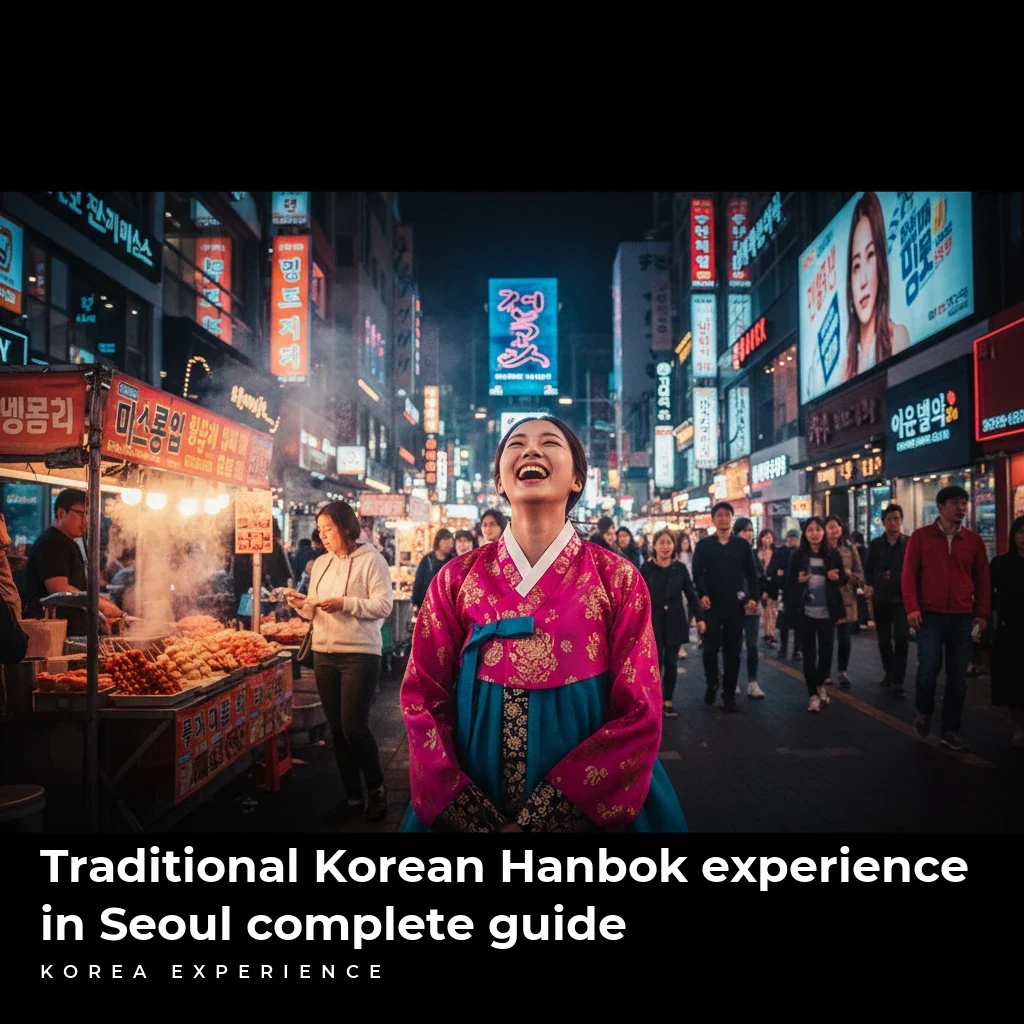
Discover the best traditional Korean hanbok experience in Seoul with rental tips, pricing guides, and hidden photo spots for 2026 travelers.
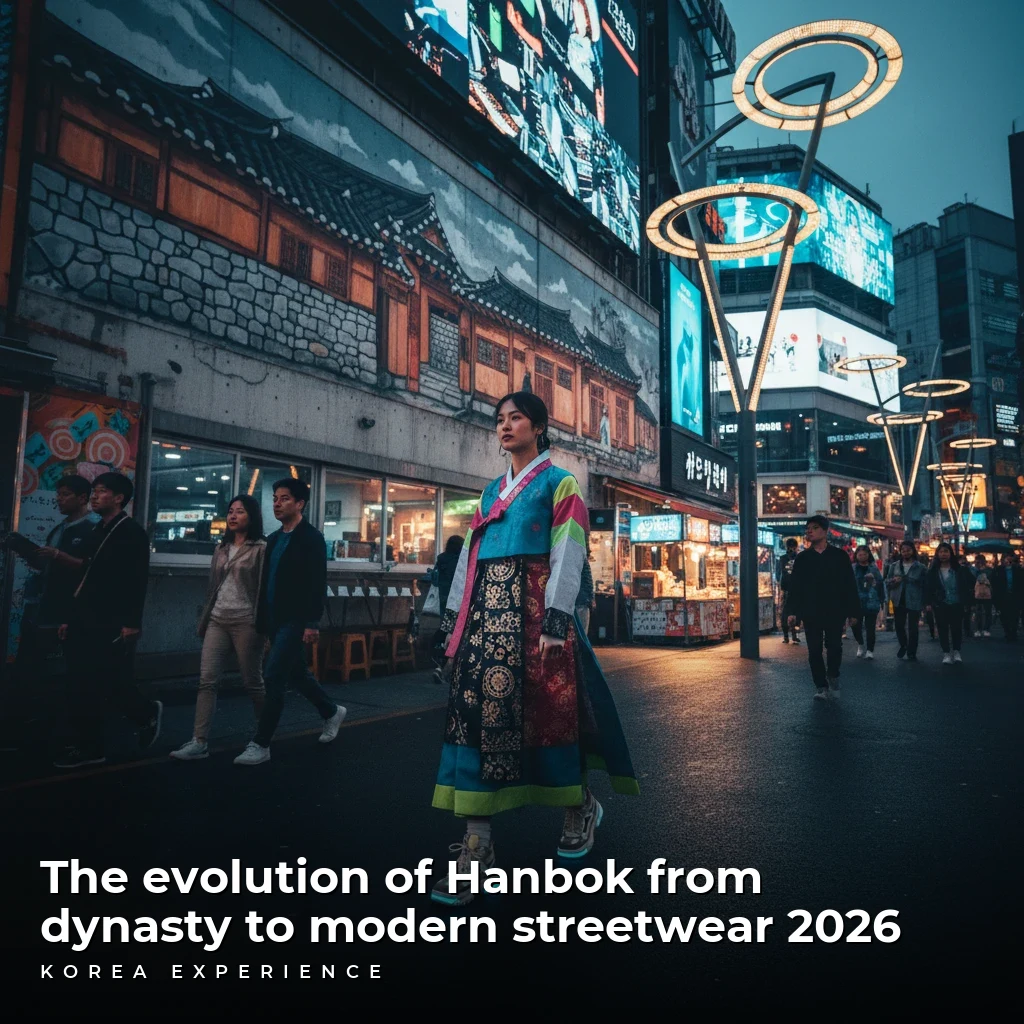
Discover how traditional Korean Hanbok evolved from Joseon dynasty attire to 2026 global streetwear trends, including rental tips and shopping guides.
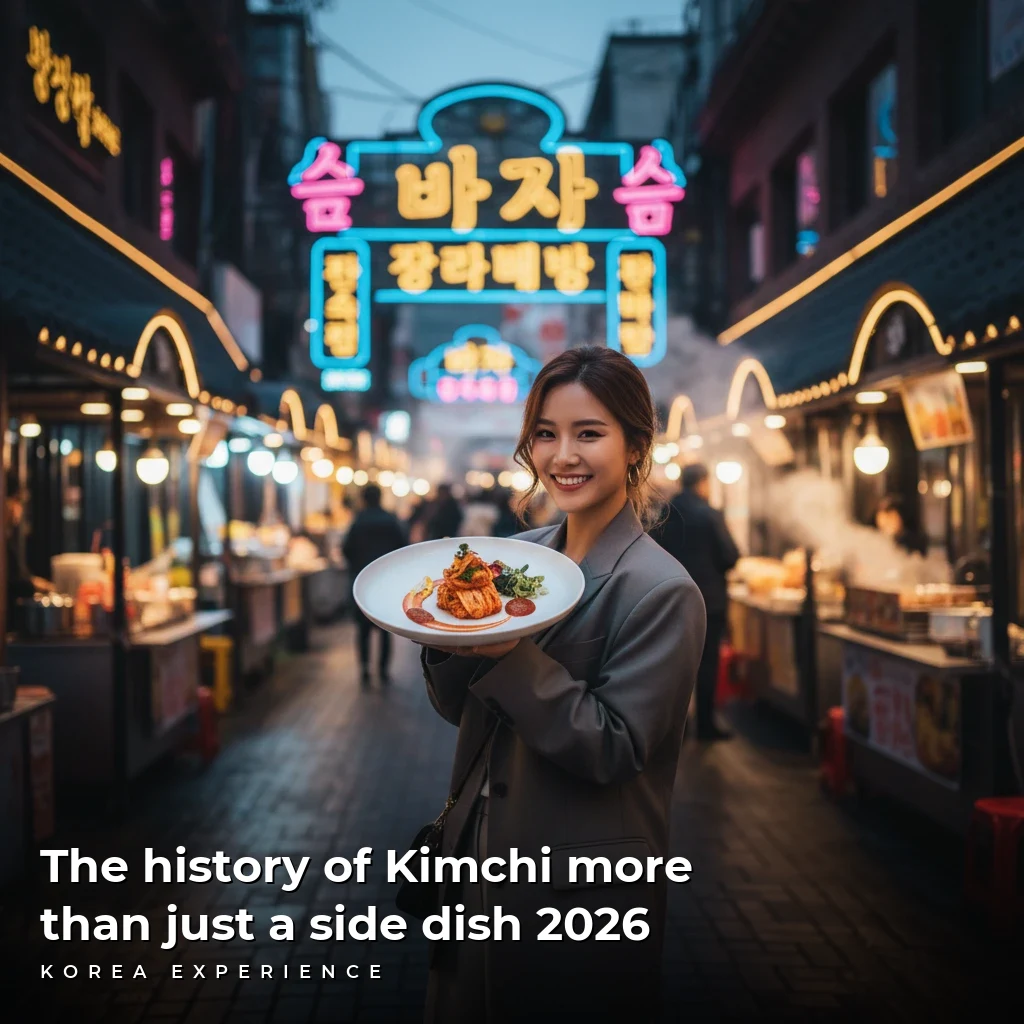
Discover the 3000 year history of kimchi, from ancient preservation to modern superfood. Includes 2026 travel tips, museum guides, and cooking class costs.
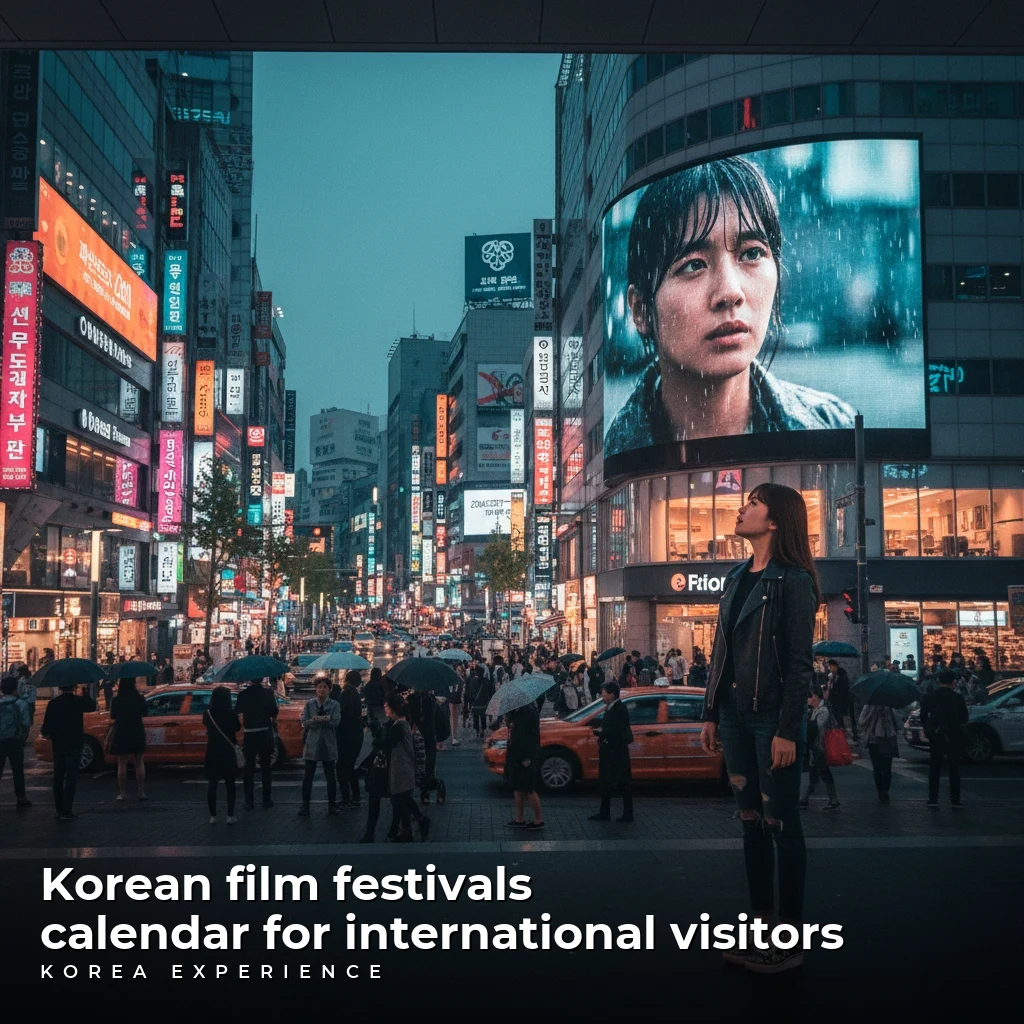
The ultimate guide to Korean film festivals including BIFF, Jeonju, and Bucheon. Discover dates, ticket guides, and travel tips for international cinema lovers.

Discover Korea's top winter sports spots for 2026. From Yongpyong slopes to Cheongsong ice walls, get prices, transport tips, and rental guides.
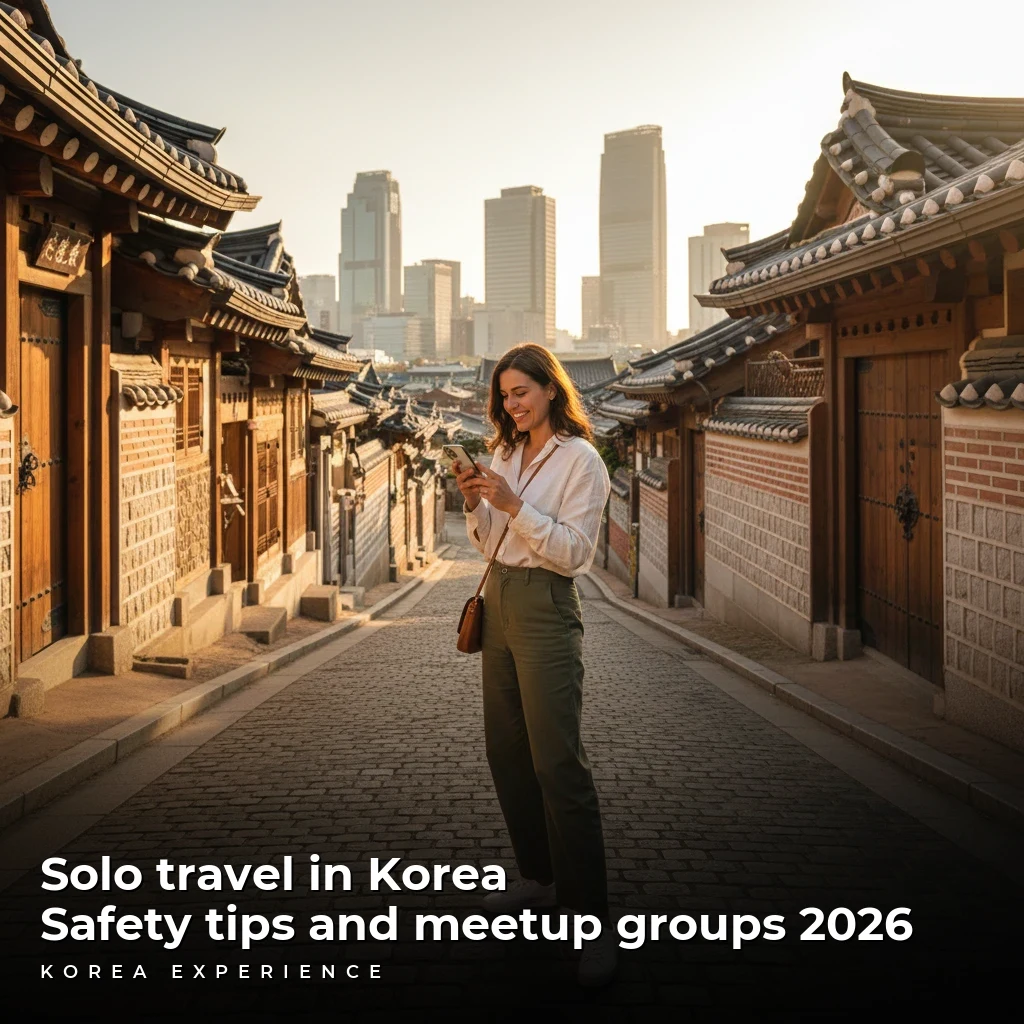
Solo travel in Korea is incredibly safe, with crime rates 50% lower than US cities. Discover top meetup apps, dining tips, and night safety guides for 2026.