Korean wedding traditions what to expect at a local wedding 2026
Your essential guide to Korean wedding etiquette in 2026. Learn about monetary gifts, guest attire, and ceremony flows to attend with confidence.
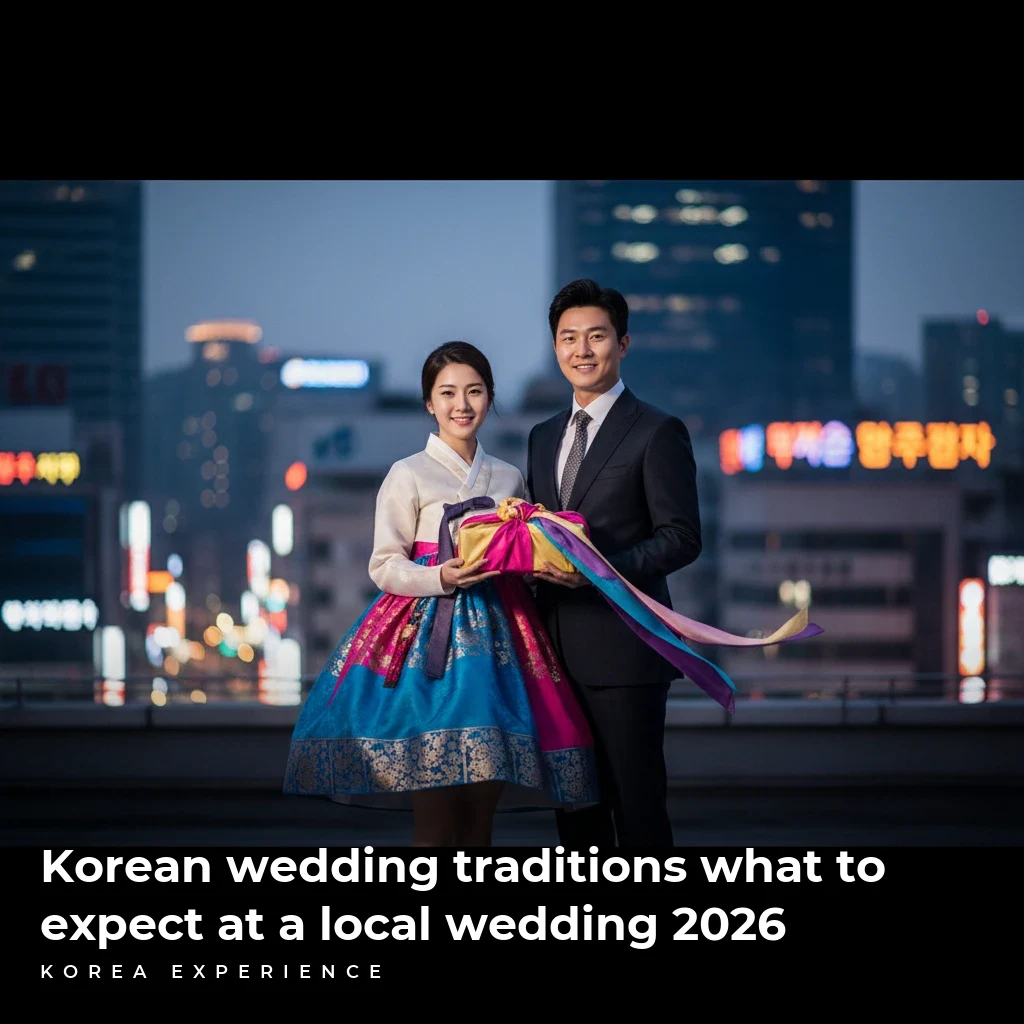
Attending a wedding in South Korea is a fascinating cultural experience that differs significantly from Western nuptials. It is a unique blend of modern "factory-style" efficiency and deep-rooted Confucian traditions. If you have received an invitation for a wedding in Seoul or beyond in 2026, you might be surprised to learn that the entire ceremony often lasts less than 30 minutes, and there is no bridal party standing at the altar.
You might also enjoy our article about K-Drama Convenience Store Dinner Guide for Travelers in K....
Related reading: Korean funeral traditions understanding death and remembr....
You might also enjoy our article about The 2026 Expat Guide to South Korea.
For more details, check out our guide on Bottoms Up in Seoul.
As South Korea continues to evolve, so do its wedding customs. The average cost of a wedding has risen significantly, impacting how guests are expected to contribute. Whether you are a close friend, a coworker, or a distant relative, navigating the etiquette of Chugui-geum (congratulatory money) and understanding the rapid-fire schedule is essential to being a respectful guest.
Key Takeaways
- 1Standard gift is now ₩100,000 (approx. $75) if attending the meal
- 2Ceremonies are incredibly fast, often lasting only 25 to 30 minutes
- 3No formal RSVP is required unless explicitly stated on the invite
The Invitation and RSVP Culture
Unlike Western weddings where RSVPs are tracked months in advance, the Korean system is surprisingly fluid. In 2026, roughly 90% of wedding invitations are sent digitally via KakaoTalk or text message links. These mobile invitations are sophisticated, featuring gallery photos of the couple, directions to the venue, and even bank account numbers for those who cannot attend.
You will typically receive this invitation 2 to 4 weeks before the big day. Surprisingly, you are generally not required to formally RSVP. The couple estimates attendance based on their social circles and reserves a buffet headcount accordingly. However, for luxury hotel weddings which are plated (sit-down dinners), a formal RSVP is becoming increasingly common to manage the high per-plate costs, which can exceed ₩150,000 ($115 USD).
Pro Tip
If you receive a mobile invitation link, open it! It usually contains a specific "Gallery" section. Viewing the pre-wedding photoshoot is a great conversation starter if you meet the couple briefly at the venue.
What to Wear: The "Hagaek-look"
The "Hagaek-look" (Guest Look) refers to the unspoken dress code for wedding guests. The golden rule remains unchanged in 2026: Never wear white. This color is exclusively reserved for the bride.
For men, a suit is standard. However, unlike the strict formal wear of the past, distinct ties are becoming optional. About 70% of male guests in their 20s and 30s now opt for a clean, semi-formal suit without a tie, or a blazer with dress slacks.
For women, muted colors are preferred. Beige, pastels, navy, or black are safe choices. Avoid overly revealing clothing or club attire. The goal is to look polished but not to draw attention away from the couple. If you are visiting during the humid summer months (July-August), smart-casual linen is acceptable, but avoid shorts or open-toed sandals for men.
The Cost of Attendance: Chugui-geum (Money Gift)
The most stressful part for international guests is often the monetary gift. In Korea, registries are non-existent. Cash is the only standard gift. As of 2026, inflation has shifted the acceptable tiers of giving.
The "break-even" point for a wedding meal in Seoul now averages around ₩75,000 to ₩90,000 per person. Therefore, giving ₩50,000 is now considered a faux pas if you plan to stay and eat.
💵 2026 Wedding Gift Guidelines
For close friends, direct team members, or extended family.
How to Prepare Your Envelope
When you arrive at the venue, you will see a reception desk outside the wedding hall. This is where you hand over your money.
📖 How to Submit Chugui-geum
Step 1: Get an Envelope
Envelopes are usually provided at the venue's desk. Look for white envelopes with vertical Chinese characters.
Step 2: Insert Cash
Use crisp bills. Standard denominations are ₩50,000 (yellow bill). Avoid giving even numbers like 40,000 or 80,000.
Step 3: Hand it Over
Give the envelope to the person at the registry desk (usually the groom's or bride's family member). They will open it immediately to log the amount.
Step 4: Get a Meal Ticket
Once the money is recorded, you will receive a meal ticket (sikkwon) for the buffet.
The Venue: "Wedding Halls" vs. Hotels
The vast majority (over 70%) of Korean weddings take place in dedicated "Wedding Halls." These are specialized buildings designed solely for churning out weddings with maximum efficiency. A large venue in Gangnam might host 6 to 8 weddings per day in a single hall.
The Wedding Hall Experience
Wedding halls operate on strict time slots, usually 60 to 90 minutes. This includes the ceremony and the photography session. Because of this tight schedule, the atmosphere can feel rushed. The rental fee for these halls can range from 3 million to ₩10 million, but the real revenue comes from the guaranteed guest count for the buffet, usually a minimum of 200 to 250 people.
Hotel Weddings
Luxury hotel weddings are slower, grander affairs. They typically offer a 3-hour time slot and a synchronized course meal served at the table. Guests remain seated during the ceremony and the meal. These are significantly more expensive, costing upwards of ₩100 million ($75,000 USD) for 300 guests.
Venue Comparison
| Feature | Wedding Hall | Luxury Hotel | Small/House Wedding |
|---|---|---|---|
| Time Limit | 60-90 Mins | 3-4 Hours | 3-5 Hours |
| Food Type | Large Buffet | Course Meal | Catering/Buffet |
| Atmosphere | Efficient/Busy | Formal/Grand | Intimate/Relaxed |
| Guest Count | 200-500 | 300-800 | 50-100 |
The Ceremony Flow
Do not expect a 45-minute sermon. A Korean wedding ceremony is a theatrical production that moves quickly. The officiant is often a friend or a hired professional rather than a religious figure, although Christian weddings are common.
The ceremony typically begins exactly on the hour. If the invitation says 1:00 PM, the bride walks down the aisle at 1:10 PM, and the couple marches out by 1:35 PM.
Standard Wedding Timeline
Bridal Waiting Room
Guests visit a special room to take photos with the bride before the ceremony.
Mothers' Entrance
Mothers of the bride and groom enter and light candles (blue for groom, red for bride).
The Entrance
Groom enters first, followed by the Bride (often with her father).
Vows & Performance
Short vows, followed by a musical performance by friends.
Photos
Group photos are taken on the stage immediately after the recession.
"Many international guests skip the group photo because they feel shy. Don't! The photographer will call out 'Friends and Colleagues.' This is your moment. If you skip it, the couple might think you left early. It’s the visual proof of your attendance."
Pyebaek: The Traditional Ceremony
After the modern ceremony (which involves Western dresses and tuxedos), the couple changes into traditional Hanbok for the Pyebaek. Historically, this was an introduction to the groom's family, but in 2026, many couples include the bride's parents as well.
This takes place in a separate, smaller room. Usually, only immediate family members enter the room, while friends head straight to the buffet. However, some venues have glass windows or open doors allowing guests to peek in.
📋 Pyebaek Symbols
The highlight is when the parents toss dates and chestnuts into the bride's skirt, predicting the number of children the couple will have. It is a lighthearted and colorful moment that contrasts with the formal white wedding.
The Banquet (Yeonhoe-jang)
For 80% of guests, the highlight is the food. After the photos, you will be directed to a massive banquet hall (Yeonhoe-jang), usually located on a different floor. You must present the meal ticket you received earlier.
Korean wedding buffets are legendary for their scale. You can expect anywhere from 80 to 120 different dishes. The spread includes sushi, sashimi, noodle stations, Korean banchan, Chinese stir-fries, and Western roasts.
📊 Buffet Economics
In these banquet halls, large screens project the wedding for those who preferred to start eating during the ceremony. Yes, it is socially acceptable in Korea to skip the ceremony and go straight to the food if you are just a casual acquaintance!
Seating Etiquette
In a wedding hall buffet, seating is rarely assigned. You sit at long communal tables. Do not linger for hours after eating; the staff needs to clear the table for the next wedding's guests arriving in 30 minutes.
Modern Trends in 2026
While the "factory" wedding remains dominant due to convenience, trends are shifting. "Small Weddings" (hosting fewer than 100 guests) have gained popularity, though they are ironically often more expensive per person due to the lack of economies of scale.
Another rising trend is the "No-Officiant Wedding." Instead of hiring an older male figure to deliver a speech, the couple reads letters to each other, and their fathers offer short toasts. This makes the ceremony feel more personal and less rigid.
If you are looking to experience traditional Korean aesthetics yourself while in Seoul, you might consider renting a Hanbok. While you shouldn't wear a full traditional Hanbok to someone else's wedding (unless you are family), renting one for a palace tour is a must-do activity.
Oneday Hanbok(원데이 한복)
Pros and Cons of Korean Weddings
For the international visitor, the experience can be jarring but efficient. Here is what to expect in terms of vibe.
Visitor Experience Analysis
- ✓Highly efficient; takes little of your day
- ✓Incredible food variety at buffets
- ✓No awkward dancing or forced socializing
- ✗Can feel impersonal and rushed
- ✗Monetary pressure due to inflation
- ✗Lack of an after-party for general guests
Conclusion
Attending a Korean wedding in 2026 is a whirlwind experience of cultural efficiency. From the moment you hand over your Chugui-geum to the final bite of buffet sushi, the process is streamlined, communal, and distinct. While it may lack the drunken dance floors of Western weddings, it makes up for it with generous hospitality and a deep respect for family bonds. Remember to bring your envelope, bow politely, and enjoy the feast.
❓ Frequently Asked Questions
Have more questions?Contact us →
About the Author
Korea Experience Team
Written by the Korea Experience editorial team - experts in Korean medical tourism, travel, and culture with years of research and firsthand experience.
Explore more in K-Culture
K-Pop, K-Drama, traditional arts, and modern culture — dive deep into the cultural phenomena that have captivated the world.
Browse All K-Culture ArticlesContinue Reading
Explore more articles you might find interesting
Discover the essential guide to dating and marriage in Korea as a foreigner in 2026. Learn about apps, cultural etiquette, F6 visas, and wedding costs.
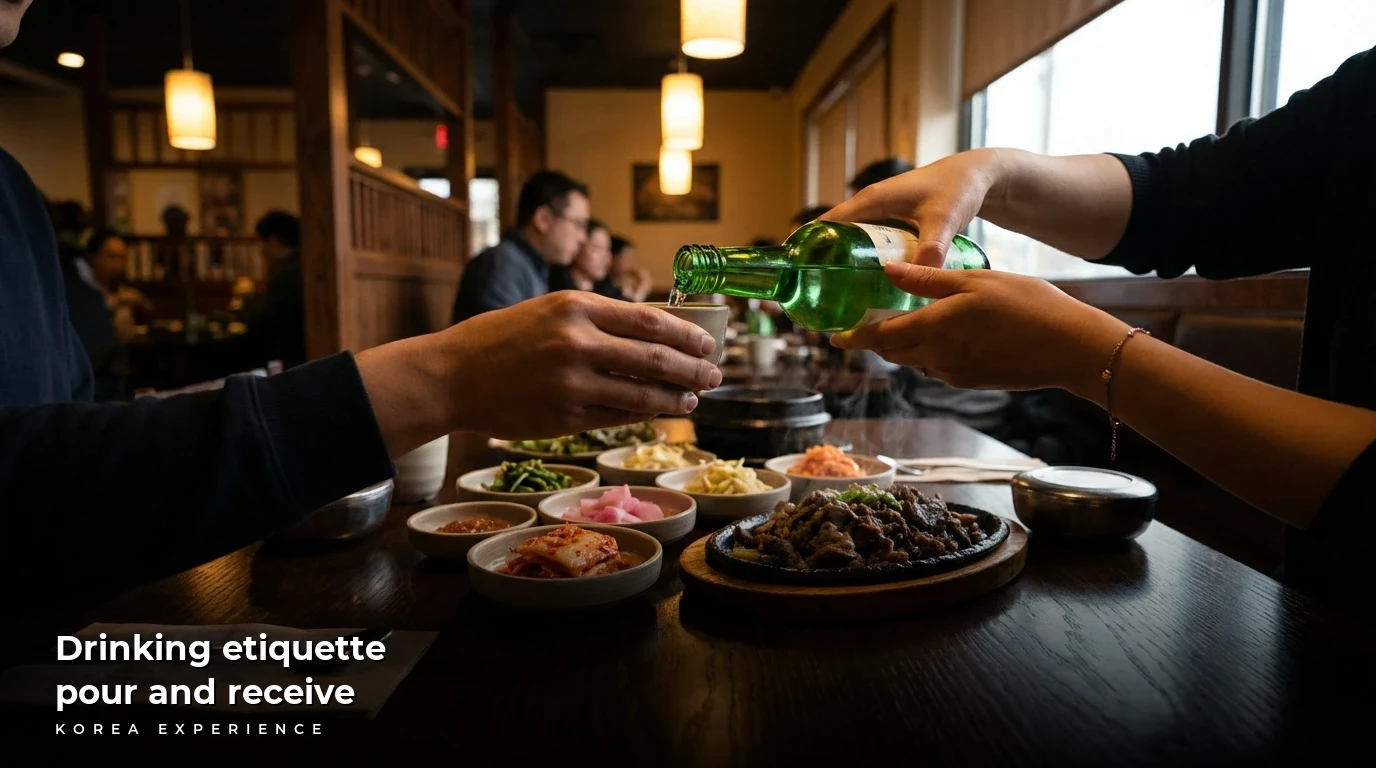
Master the two-hand tuck and polite turn. Learn why soju costs 7,000 KRW in 2026 and how to avoid the 50% refill rule mistake in this essential guide.
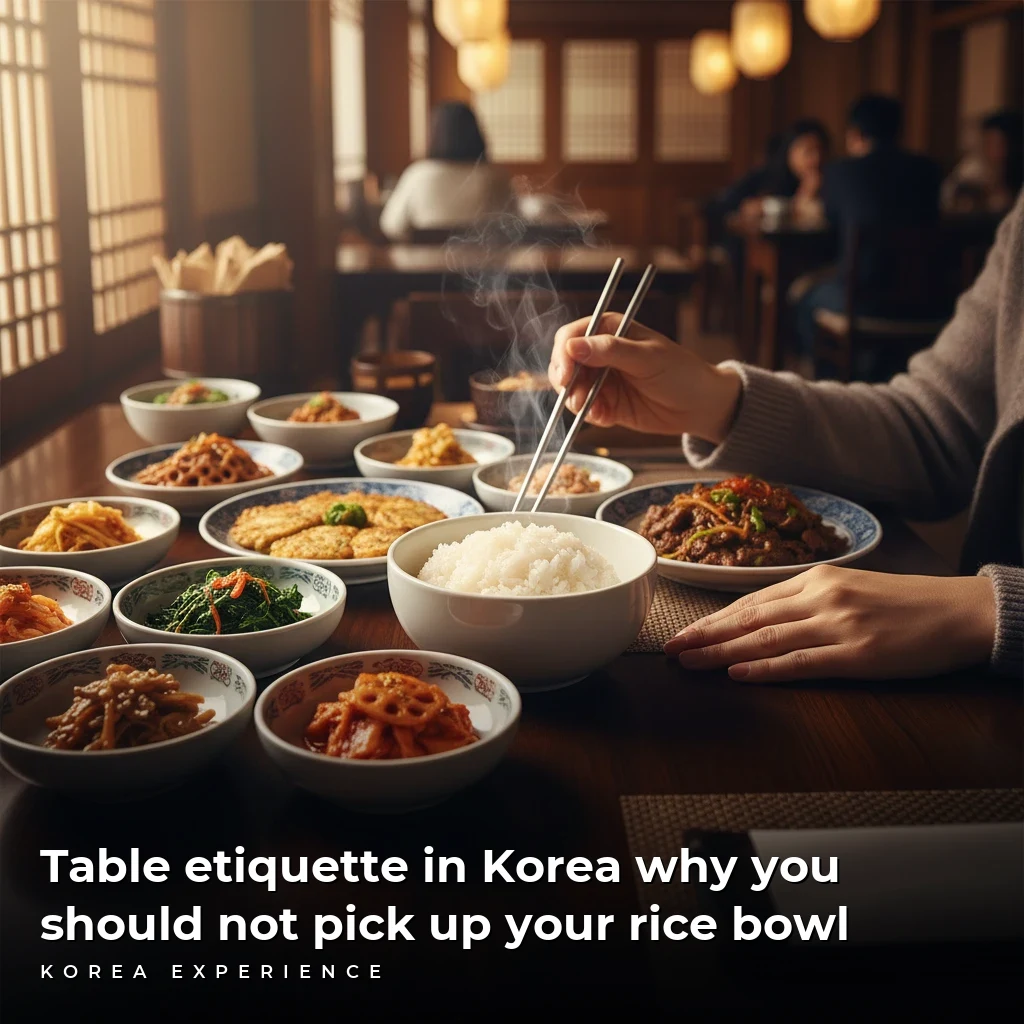
Master Korean dining rules and learn why lifting your rice bowl is a cultural taboo. Essential guide for travelers in 2026.

Considering plastic surgery in Korea? Learn what to expect, from choosing a clinic to recovery, costs, and essential tips for international visitors.
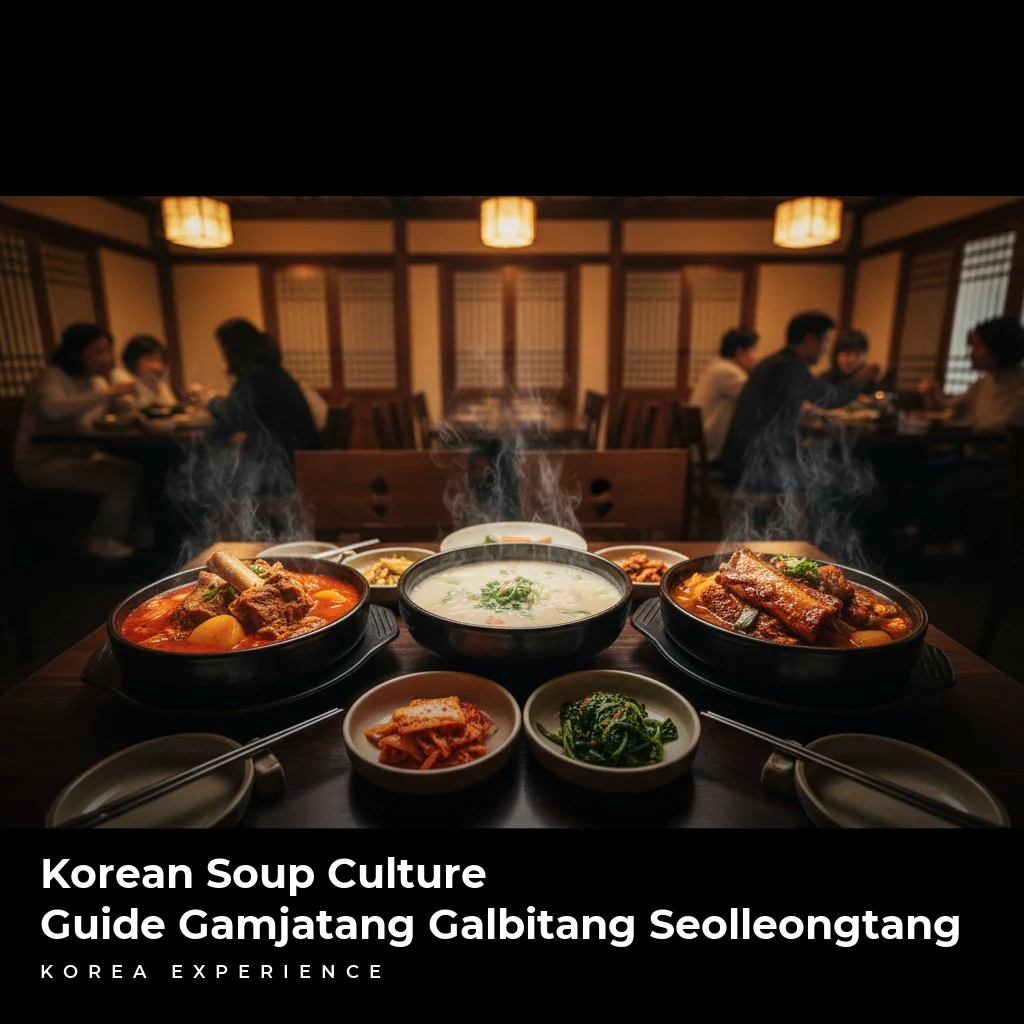
Discover the heart of Korean dining with our deep dive into Gamjatang, Galbitang, and Seolleongtang. Learn where to eat, how to order, and local etiquette.
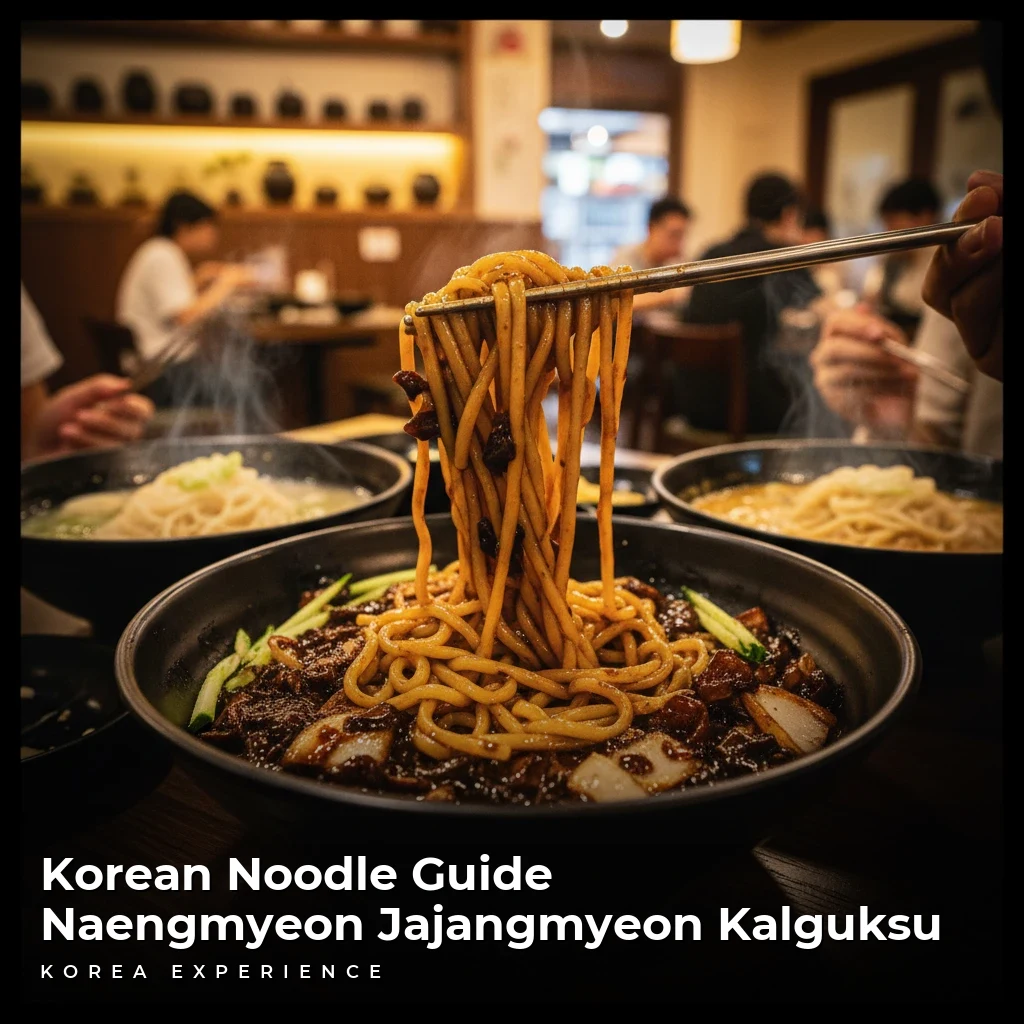
Discover the ultimate Korean noodle guide covering Naengmyeon, Jajangmyeon, and Kalguksu. Learn where to eat, how to order, and local etiquette tips.