Psychological support for post-surgery depression in foreign patients
Comprehensive guide to mental health resources for medical tourists in Korea. Find English-speaking counselors, recovery centers, and costs in 2026.
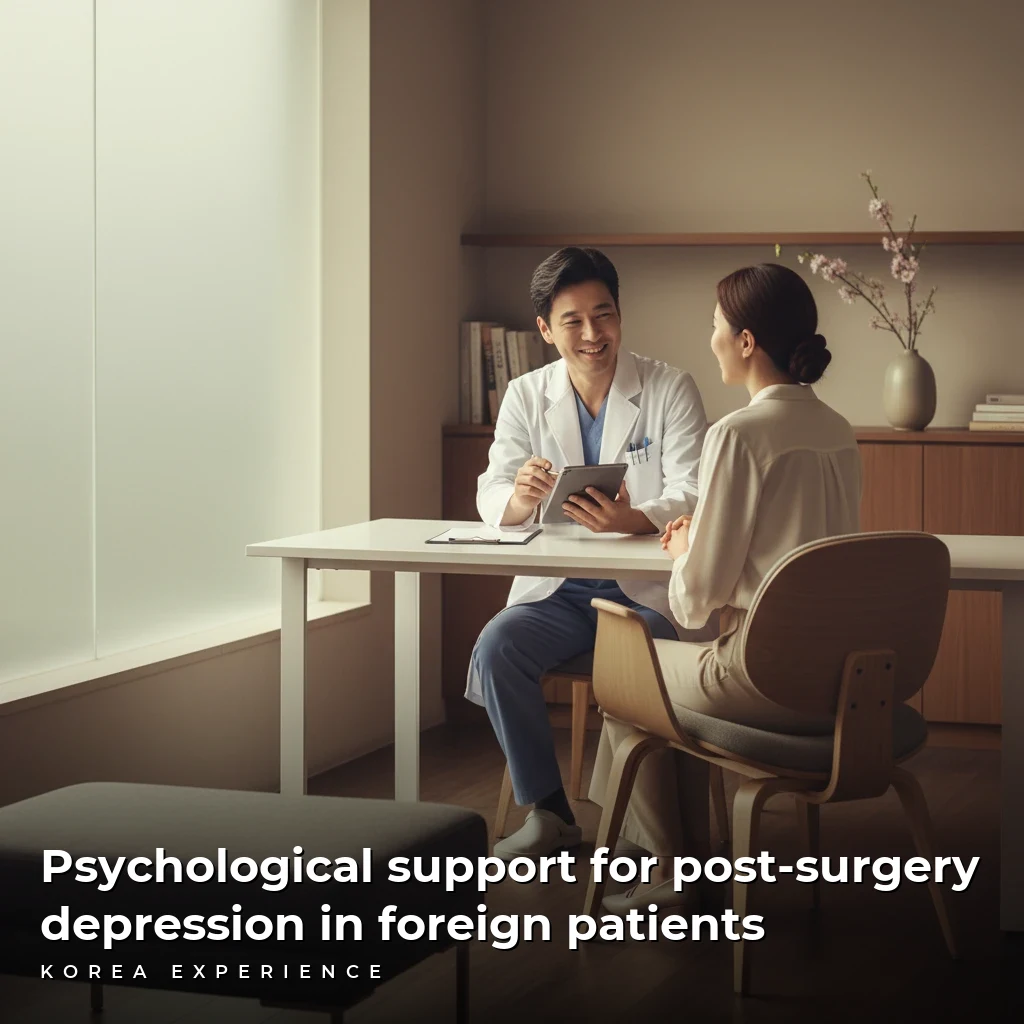
Finding psychological support for post-surgery depression in foreign patients in Korea involves a combination of pre-arranged hospital services, private English-speaking counseling centers, and specialized recovery accommodations. As of 2026, the Korean medical tourism industry has integrated mental wellness into physical recovery packages, recognizing that "post-op blues" affect approximately 30-40% of international patients. Immediate support is available through International Healthcare Centers at major university hospitals, private therapy practices in foreign-friendly districts like Itaewon and Gangnam, and digital telehealth platforms designed specifically for short-term visitors.
The short answer: In 2026, foreign patients can access English-speaking psychological support through hospital international centers (referrals required), private clinics in Yongsan-gu and Gangnam-gu (average ₩150,000–₩250,000 per session), and premium post-operative recovery centers that include emotional wellness counseling in their nightly rates.
Key Takeaways
- 1English-speaking therapy sessions in Seoul average ₩180,000 ($135 USD) per hour in 2026
- 2Post-op depression affects 1 in 3 medical tourists due to medication, isolation, and culture shock
- 3Major hospitals like Asan and Samsung now offer integrated mental health referrals for international patients
The reality of post-surgery depression for medical tourists
Medical tourism is often marketed as a "surgery vacation," but the reality of recovery can be psychologically taxing. For patients traveling to South Korea in 2026, the physical distance from home—often exceeding 5,000 to 10,000 kilometers for visitors from North America or Europe—compounds the physiological effects of surgery. This phenomenon, often called "Post-Op Blues," is a temporary form of depression caused by a combination of anesthesia after-effects, pain medication, inflammation, and social isolation.
Medical Disclaimer
This article is for informational purposes only and does not constitute medical advice. If you have thoughts of self-harm or severe distress, call the Korean Emergency Services at 119 immediately.
In 2026, the discourse around medical tourism in Korea has shifted from purely aesthetic or functional outcomes to "holistic recovery." Data from the Korea Medical Tourism Association indicates that patient satisfaction scores drop by 25% on day 3 post-surgery, coinciding with the peak of swelling and the wearing off of initial adrenaline. Understanding that this is a biological reaction, rather than a sign of a botched procedure, is the first step in management.
Why Korea brings unique challenges
While Korea offers world-class medical technology, the environment can be overwhelming for a recovering patient.
- Language Barrier: Despite AI translation advancements, navigating a pharmacy or ordering food when you are in pain and cannot speak Korean induces high stress.
- The "Gangnam Bubble": Most clinics are concentrated in Gangnam-gu, an area of 39.5 square kilometers that is bustling, loud, and visually focused on perfection, which can trigger body dysmorphia during the ugly phases of healing.
- Isolation: Spending 14 days in a hotel room alone, 8 time zones away from your support network, disrupts circadian rhythms and increases cortisol levels.
📊 Mental Health Stats 2026
Clinical support systems in Korean hospitals
In 2026, top-tier general hospitals and premier plastic surgery clinics have distinct protocols for handling mental health.
University and General Hospitals
Large institutions like Asan Medical Center, Samsung Medical Center, and Severance Hospital have dedicated "International Healthcare Centers." If you are undergoing major surgery (cancer treatment, orthopedics, or organ transplant), psychological support is often part of the post-operative care pathway.
- Access: You must request a consultation through your coordinator.
- Wait Time: Usually 2-3 days for non-emergencies.
- Cost: Approximately ₩50,000 to ₩100,000 ($38-$76 USD) premium on top of standard consultation fees.
Private Plastic Surgery Clinics
Private clinics, particularly those specializing in cosmetic procedures, have historically lacked in-house mental health professionals. However, due to new regulations introduced in late 2025, "Tier 1" clinics (those with over 10 operating rooms) are now required to have a mental health referral system.
- The Gap: Smaller clinics may still treat emotional distress with more pain medication or sleeping pills rather than counseling.
- The Fix: Patients are encouraged to book independent therapy beforehand.
📋 Hospital Mental Health Access
Private English-speaking counseling services in Seoul
For most medical tourists, specifically those visiting for elective procedures, private counseling is the most effective route. Seoul has a robust network of English-speaking psychologists, many of whom are expats themselves or Koreans trained in the US or UK.
Key locations for therapy
The highest concentration of English-speaking mental health professionals is found in two districts:
- Yongsan-gu (Itaewon/Hannam-dong): Approximately 6 kilometers from the city center, known for its expat community.
- Gangnam-gu (Sinsa/Apgujeong): The heart of the medical district, making it convenient for patients recovering nearby.
To find the right environment for your recovery, it helps to understand the layout of the city. You can read more about the best neighborhoods for expats in Seoul to choose a location that balances clinical proximity with mental peace.
Seoul Global Mind Clinic(서울글로벌마인드클리닉)
Cost of private therapy in 2026
Mental health services in Korea are generally not covered by international travel insurance unless specifically added as a "medical complication" clause.
- Initial Intake: ₩200,000 - ₩300,000 ($150 - $225 USD)
- Follow-up Sessions (50 mins): ₩150,000 - ₩220,000 ($115 - $165 USD)
- Psychiatric Evaluation (with medication): ₩250,000+ ($190 USD)
Note that if you require medication (antidepressants or anti-anxiety meds), you must see a Psychiatrist (M.D.), not a Psychologist or Counselor. Psychologists in Korea cannot prescribe medication.
💵 Mental Health Service Costs 2026
Can prescribe medication
Talk therapy only
Specialized recovery centers: The holistic option
One of the biggest trends in 2026 is the rise of "After-Care Houses" or specialized recovery centers that bridge the gap between a hospital ward and a hotel. Unlike a standard Airbnb, these facilities provide 24-hour nursing support, nutritional meals, and, increasingly, emotional support programs.
Why choose a recovery center?
Staying in a recovery center eliminates the isolation factor. You are surrounded by other patients going through the same process. Staff are trained to recognize signs of depression and can facilitate professional help. For a detailed comparison of accommodation types, check our guide on Airbnb vs. Recovery Hotels for medical tourists.
Recovery Centers vs. Hotels
- ✓24/7 Emotional Support Staff
- ✓Community with other patients
- ✓Structured routine reduces anxiety
- ✗Significantly more expensive
- ✗Less privacy than a hotel
- ✗Strict visiting hours for family
What to expect in 2026
Premium centers in Gangnam now offer "Mindfulness Recovery" packages. These include:
- Light Therapy Rooms: To combat circadian rhythm disruption.
- Gentle Yoga/Meditation: Modified for post-surgery mobility constraints.
- Nutritional Psychiatry: Meals designed to boost serotonin (rich in Omega-3s and probiotics).
For those interested in how diet affects recovery, reading about best Korean healing foods for surgery recovery offers practical insights into what you will be eating at these centers.
DIY strategies for mental wellness during recovery
If professional therapy or luxury recovery centers are outside your budget, there are effective self-management strategies you can employ. The key is to combat the three main enemies of recovery: Stagnation, Darkness, and Isolation.
1. The "100-Meter" Rule
Depression feeds on immobility. Unless you are strictly bedbound by your surgeon, aim to walk 100 meters for every hour you are awake. In 2026, most recovery-friendly hotels are located near flat walking paths. For example, staying near the Han River parks allows for flat, easy walking with soothing nature views.
- Tip: Avoid hilly areas like Namsan or the upper slopes of Itaewon during the first week.
2. Managing Expectations
A major trigger for post-surgery depression is the "regret phase." This usually occurs between Day 3 and Day 7, when swelling is asymmetric and the face or body looks worse than before surgery. This is biologically normal. Reading before and after Korean plastic surgery real patient reviews can help normalize this experience—seeing that others looked "scary" on Day 4 but "stunning" on Month 3 provides crucial perspective.
3. Light and Environment
Seoul apartments and hotel rooms can be small. Ensure you book a room with a large window. Exposure to natural light for at least 30 minutes in the morning helps regulate cortisol.
- Action: Open specialized blackout curtains immediately upon waking.
- Gadget: Bring a portable SAD (Seasonal Affective Disorder) lamp if you are visiting during winter (November–February).
📖 Daily Mental Wellness Routine
Step 1: Morning Light
Open curtains immediately. 20 mins of natural light exposure.
Step 2: lymphatic Walk
15-minute gentle walk on flat ground.
Step 3: Journaling
Write down pain levels and emotion levels (1-10).
Step 4: Social Connection
Video call a friend who is supportive, not critical.
Medication regulations and emergency access
Managing medication in Korea requires strict adherence to local laws. Korea has very strict narcotics control policies.
Bringing your own medication
If you are already on anti-depressants or anti-anxiety medication (like Xanax or Valium) in your home country:
- Bring the original bottle: It must have your name and the prescription label.
- Bring a doctor's note: A letter in English stating the diagnosis and dosage.
- Quantity limit: Usually a 90-day supply max, but for narcotics/psychotropics, aim for exact travel duration plus 3-5 days buffer.
Getting prescriptions in Korea
If you run out or need new medication for acute anxiety:
- You cannot buy antidepressants or strong sleep aids over the counter.
- You must see a psychiatrist (not a counselor).
- Wait times: Walk-ins are rare for psychiatrists. You may need to wait 1-2 weeks for an appointment at a popular clinic.
- Emergency: University Hospital International Clinics can prescribe short-term refills in emergencies.
Narcotics Warning
Do not attempt to mail medication to yourself in Korea. Customs will seize packages containing psychotropic drugs, and you may face legal investigation. Always carry meds in your carry-on luggage.
Telehealth and digital support options
By 2026, telehealth has become a dominant force in medical tourism support. Several platforms now cater specifically to foreigners in Korea.
Local Telehealth Apps
Apps like "DoctorNow" (Korean) have expanded their English services. However, for mental health, cultural nuance is key. Many patients prefer using platforms from their home country (like BetterHelp or Talkspace) via VPN, but time zone differences can be a hurdle.
Seoul-based Virtual Therapy
Many physical clinics in Gangnam now offer "Hotel Room Calls"—secure video sessions conducted by local English-speaking therapists. This is often cheaper than in-person visits and perfect for patients who are too swollen or self-conscious to go outside.
- Average Cost: ₩100,000 - ₩150,000 per 50-minute session.
- Connection: Korea has the world's fastest 5G/6G networks, ensuring lag-free therapy sessions.
Therapy Formats Comparison
| Feature | In-Person Clinic | Local Telehealth | Home Country App |
|---|---|---|---|
| Prescription Power | ✅ | Limited | ❌ |
| Cost per Session | ₩180k | ₩120k | $80 USD |
| Cultural Context | High | High | Low |
| Wait Time | 1-2 Weeks | 1-3 Days | Instant |
Financial planning for mental health
Budgeting for medical tourism often overlooks mental health costs. If you are planning a surgery budget, we recommend setting aside a "Wellness Contingency Fund."
The Contingency Fund
For a 2-week trip, set aside an extra ₩500,000 ($375 USD).
- This covers 2 emergency therapy sessions.
- Or, it covers upgrading your food delivery to high-quality, nutritious meals rather than convenience store food.
- Or, it pays for a few nights at a premium recovery lounge if the hotel becomes too isolating.
For a broader look at managing your money while in the country, the cost of living in Seoul vs Busan comparison can help you allocate funds effectively across accommodation, food, and medical needs.
Emergency Contacts (Save these now)
If post-surgery depression escalates to a crisis point, do not hesitate to use these numbers. Interpretation services are available 24/7.
- 119: Medical Emergency / Ambulance (Free, speaks English via interpreter).
- 1339: Korea Disease Control & Prevention Agency (Medical advice and hospital finder).
- 1577-0199: 24/7 Crisis Counseling (Korean, but can bridge to English resources).
- 1345: Immigration Contact Center (General life support/info).
"The hardest time for my foreign patients is usually day 4 or 5. The anesthesia is fully gone, the swelling is peak, and the boredom sets in. I tell patients: Don't just plan your surgery; plan your entertainment. Download movies, bring books, and schedule daily video calls with family before you fly. Boredom breeds anxiety."
Navigating Cultural Differences in Therapy
It is important to understand that Korean therapy styles might differ from Western approaches. Korean counseling can sometimes be more directive (giving advice/solutions) rather than purely exploratory (listening/reflecting).
- Directness: A Korean doctor might ask very direct questions about your weight, marital status, or finances. This is standard medical history taking here, not rudeness.
- Holistic focus: Don't be surprised if a psychiatrist asks about your digestion, sleep position, or heat/cold sensitivity. Korean medicine views the mind and body as deeply interconnected.
Conclusion
Post-surgery depression is a valid, medical reality for many international patients in Korea. In 2026, the infrastructure to support you is stronger than ever, ranging from high-end recovery centers with wellness coaches to accessible English-speaking clinics in Yongsan and Gangnam.
The key to a successful recovery is preparation. Acknowledge that your mood might dip, budget for professional support, and choose accommodation that prevents isolation. You are traveling thousands of miles to improve your life; ensuring your mental health is cared for is the most important part of that investment.
❓ Frequently Asked Questions
Have more questions?Contact us →
About the Author
Korea Experience Team
Written by the Korea Experience editorial team - experts in Korean medical tourism, travel, and culture with years of research and firsthand experience.
⚠️ Medical Disclaimer
The information provided on this website is for general informational purposes only and does not constitute medical advice. Always consult with qualified healthcare professionals before making any medical decisions.
Explore more in Medical Tourism
World-class medical procedures at competitive prices. From plastic surgery and dermatology to dental care and health checkups — your complete guide to medical tourism in Korea.
Browse All Medical Tourism ArticlesContinue Reading
Explore more articles you might find interesting
Discover comprehensive mental health resources in Korea. From English speaking therapists to crisis hotlines, find support for dealing with loneliness.
A complete guide to finding English-speaking therapy in Seoul. Covers costs, insurance, top clinics, and mental health resources for expats in 2026.
A comprehensive guide to FFS, VFS, and top surgery in Seoul for 2026. Includes costs, recovery times, and clinic recommendations for international patients.
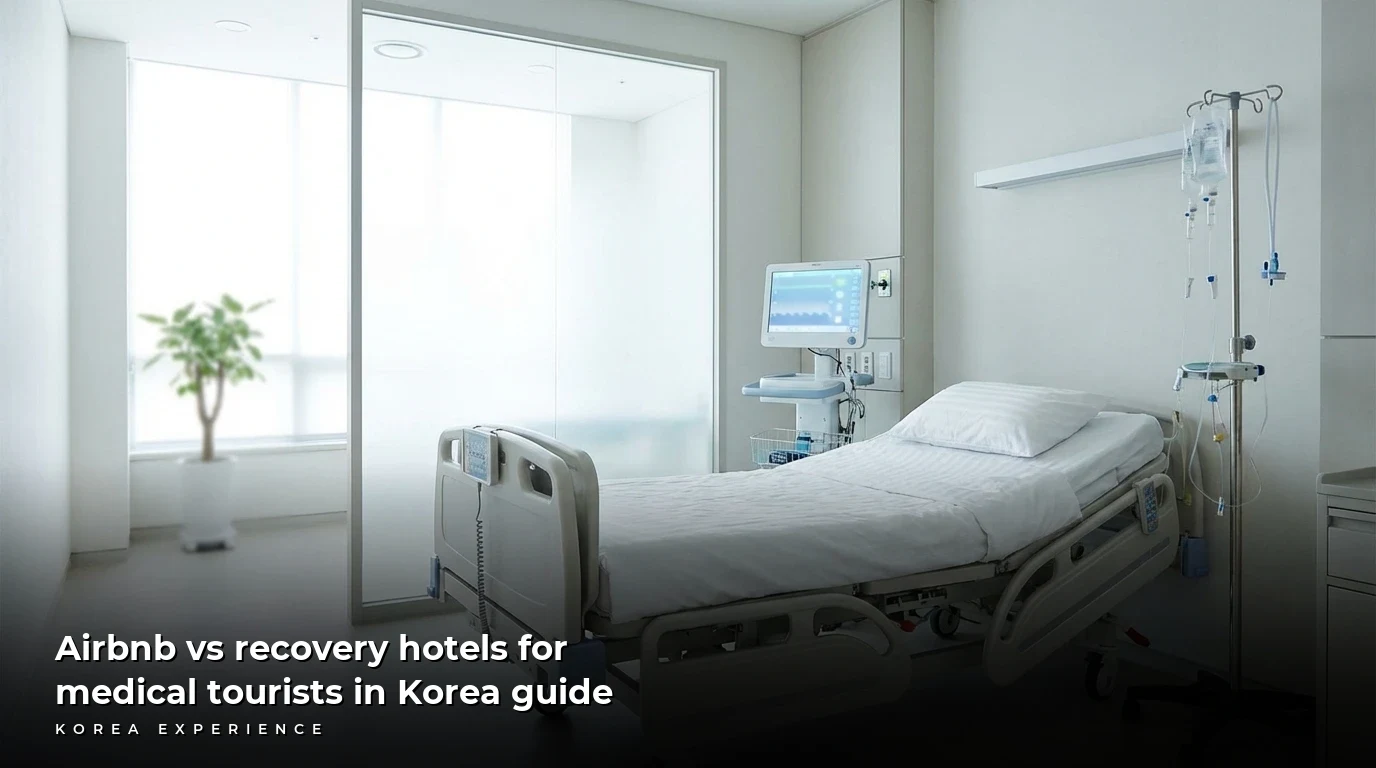
Compare Airbnb and recovery hotels for medical tourism in Korea. Discover costs, safety features, and amenities for your post-surgery stay.
Managing expectations for plastic surgery in Korea reduces post-op depression by 40%.
Explore 2026 male plastic surgery trends in Korea for jawline definition and gynecomastia. Discover top clinics, costs, and recovery insights for international patients interested in medical tourism.