Medical Tourism

Revision Rhinoplasty in Korea: Your Second Chance in Seoul 2026

Unsatisfied with a previous nose job? Discover why Seoul is the global destination for revision rhinoplasty in 2026, offering advanced techniques and expert surgeons.

Introduction: Seeking a Second Chance – Why Revision Rhinoplasty Matters

For many, the journey to aesthetic enhancement is deeply personal and filled with hope. A primary rhinoplasty, or nose job, is often seen as a transformative step towards achieving facial harmony and boosting confidence. However, for a significant number of individuals worldwide, the initial results fall short of expectations, leading to aesthetic dissatisfaction, functional problems, or even both. This can be a deeply disheartening experience, leaving patients feeling frustrated, self-conscious, and unsure where to turn next.

Enter revision rhinoplasty in Korea. In 2026, Seoul, South Korea, stands as the undisputed global epicenter for advanced plastic surgery, particularly when it comes to correcting and refining previous nasal procedures. Foreigners increasingly choose Seoul for their second chances, drawn by the unparalleled expertise, cutting-edge technology, and patient-centric approach that characterize Korean medical aesthetics. This comprehensive guide will explore why Korea has earned its reputation as the leading destination for revision rhinoplasty, what distinguishes this complex procedure, how to navigate your options, and everything you need to know for a successful medical journey to the vibrant capital of South Korea.

Why Korea Excels in Revision Rhinoplasty: A Global Leader in 2026

South Korea's dominance in plastic surgery is no secret, and its leadership in revision rhinoplasty is particularly pronounced. This reputation isn't just built on volume; it's founded on a meticulous combination of factors that make it the preferred choice for discerning international patients seeking corrective work.

Unmatched Expertise and Specialization

Korean plastic surgeons are renowned for their highly specialized training and extensive experience. The sheer volume of rhinoplasties performed in Korea means that surgeons gain an unparalleled level of practice and proficiency. For revision cases, this experience is critical. Many clinics in Seoul, especially in areas like Gangnam and Apgujeong, house surgeons who have dedicated their careers to perfecting nasal aesthetics, often focusing heavily on the intricate challenges posed by revision surgeries. They possess a deep understanding of diverse facial structures and ethnic considerations, allowing them to tailor results that are both natural-looking and harmonious with a patient's overall features.

Advanced Surgical Techniques and Technology

Korean clinics invest heavily in the latest medical technologies, ensuring that patients receive the most advanced care available globally. For revision rhinoplasty, this translates into:

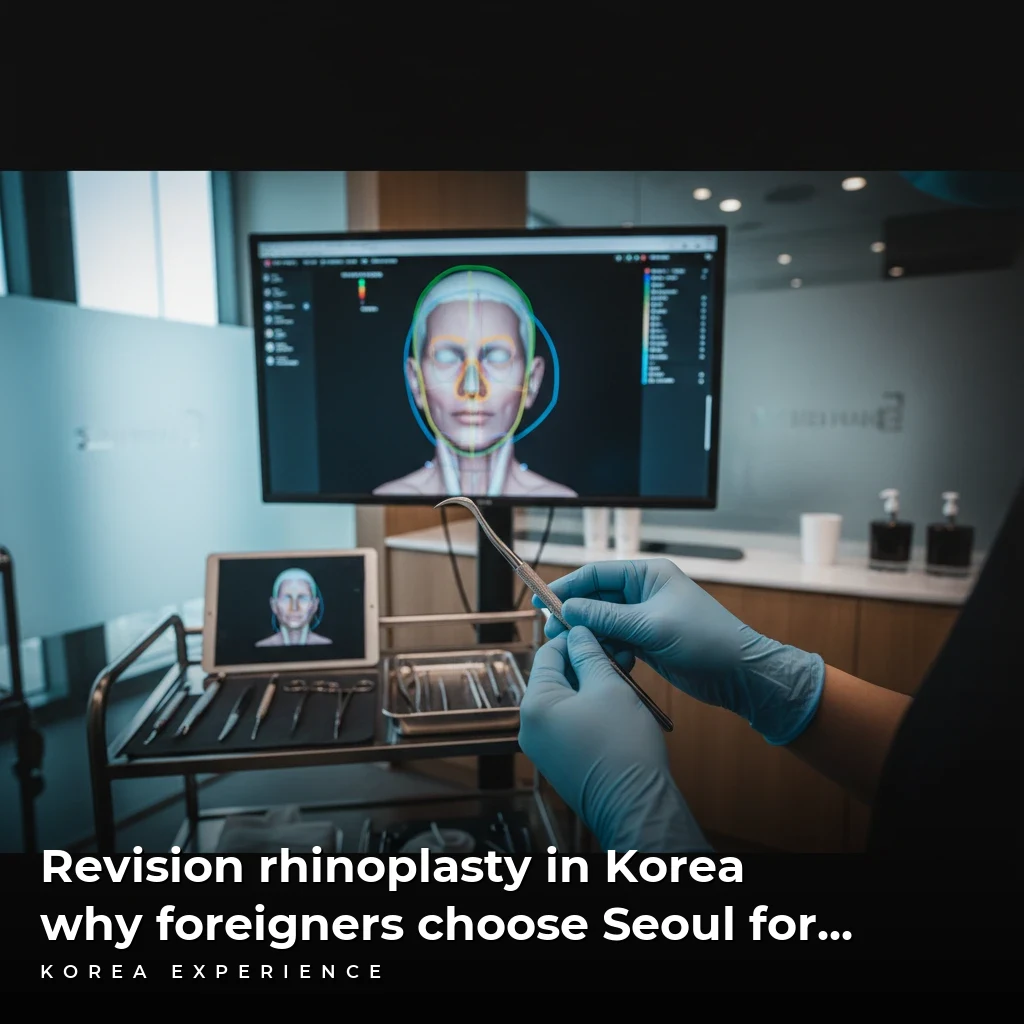
  • 3D CT Imaging and Simulation: Before surgery, detailed 3D CT scans provide surgeons with a precise view of the internal nasal structures, including previous surgical alterations, scar tissue, and remaining cartilage. This allows for meticulous pre-operative planning and simulations, helping both surgeon and patient visualize potential outcomes.
  • Micro-Surgical Instruments: The delicate nature of revision surgery requires extremely precise tools. Korean clinics often utilize micro-surgical instruments that allow for minimal invasiveness and greater accuracy, crucial when working with compromised tissues.
  • Diverse Grafting Materials: Surgeons in Korea are experts in utilizing a wide array of grafting materials, including autologous (from the patient's own body) septal cartilage, ear cartilage, and rib cartilage, as well as sometimes alloplastic materials (synthetic implants) when appropriate. Their skill in harvesting and shaping these grafts is paramount for rebuilding and refining the nose.

A Focus on Natural and Harmonious Results

One of the hallmarks of Korean plastic surgery is its emphasis on achieving natural-looking results that enhance rather than drastically alter a patient's appearance. For revision rhinoplasty, this means correcting previous issues while creating a nose that seamlessly integrates with the rest of the face. Korean surgeons are experts at avoiding the "operated" look, aiming for subtle yet significant improvements that restore confidence without drawing undue attention. They understand that a second chance isn't just about fixing a problem; it's about achieving the aesthetic ideal the patient initially sought.

The Complexities of Revision Rhinoplasty: What Makes it Different?

Revision rhinoplasty is inherently more challenging and complex than a primary procedure. It requires a surgeon with exceptional skill, experience, and a deep understanding of nasal anatomy and healing processes. Patients considering this surgery must understand these complexities to set realistic expectations.

Assessing Previous Damage and Scarring

The primary hurdle in revision surgery is dealing with the remnants of the previous procedure. Scar tissue, known as fibrosis, can distort the nasal anatomy, restrict tissue movement, and make dissection more difficult. The surgeon must carefully navigate through this altered tissue, identify the existing cartilage and bone structures, and assess any damage or asymmetry caused by the initial surgery. This investigative phase is crucial for developing an effective surgical plan.

Rebuilding Structure with Grafting Materials

Often, primary rhinoplasties involve the removal of cartilage, leading to structural weakness or insufficient support for reshaping. In revision cases, a significant part of the surgery involves rebuilding the nasal framework. This almost always necessitates the use of grafting materials.

  • Septal Cartilage: If available and intact, cartilage from the nasal septum is ideal due to its straightness and strength. However, it's often depleted from a primary surgery.
  • Ear Cartilage: Softer and more curved, ear cartilage is excellent for tip refinement or adding volume to specific areas. It's usually harvested from behind the ear, leaving a discreet scar.
  • Rib Cartilage: When larger amounts of strong cartilage are needed, particularly for major structural reconstruction, rib cartilage (autologous costal cartilage) is often the best option. While harvesting is a more involved procedure, it provides ample, sturdy material. Korean surgeons are highly skilled in carving and shaping rib cartilage to create natural and durable results.

The surgeon's expertise in selecting, harvesting, and meticulously shaping these grafts is a cornerstone of successful revision rhinoplasty.

Addressing Functional Issues

Beyond aesthetics, many patients seeking revision rhinoplasty suffer from functional impairments, such as difficulty breathing. This can be due to structural collapse, scar tissue obstruction, or internal nasal valve issues. A skilled revision rhinoplasty surgeon in Korea will perform a thorough functional assessment, often utilizing nasal endoscopy, to identify and address these issues alongside aesthetic concerns. Improving airflow and restoring proper nasal function is a critical component of a comprehensive revision.

Choosing the Right Clinic and Surgeon in Seoul

Selecting the appropriate clinic and surgeon is the most critical step in ensuring a successful revision rhinoplasty in Korea. With hundreds of clinics in Seoul, particularly concentrated in the medical tourism hub of Gangnam, careful research and due diligence are paramount.

Researching Reputable Hospitals and Clinics

Start by compiling a list of clinics known for their excellence in revision rhinoplasty. Look for clinics that:

  • Specialize in Rhinoplasty: While many clinics offer a range of procedures, some have a particular focus and expertise in nasal surgeries.
  • Have a Strong Portfolio of Revision Cases: Review before-and-after photos specifically for revision rhinoplasty, paying attention to cases similar to your own.
  • Are Well-Established: Clinics with a long history and positive international patient reviews often indicate reliability.
  • Offer Comprehensive Support for Foreigners: This includes English-speaking staff, international coordinators, and assistance with logistics.

Examples of areas known for high concentrations of reputable plastic surgery clinics include Apgujeong and Cheongdam-dong within the Gangnam District. While specific clinic names are subject to change and personal preference, clinics like "ID Hospital," "JW Plastic Surgery," and "View Plastic Surgery" are often mentioned in general discussions about large, well-equipped facilities catering to international patients, and are examples of the type of large, multi-specialty clinics you might encounter in these areas. Always perform independent, up-to-date research.

The Importance of Board-Certified Plastic Surgeons

Ensure your chosen surgeon is board-certified by the Korean Society of Plastic and Reconstructive Surgeons. This certification indicates that they have undergone rigorous training and adhere to high professional standards. Furthermore, inquire about their specific experience with revision rhinoplasty, as it requires a distinct skill set beyond primary surgeries. A surgeon's expertise in handling various graft materials, managing scar tissue, and addressing complex anatomical issues is vital.

Consultation Process: What to Expect as a Foreigner

The consultation process in Korea is thorough and highly personalized. It typically involves:

  • Detailed Examination: The surgeon will conduct a comprehensive physical examination of your nose, assessing its current structure, skin quality, previous incisions, and functional aspects.
  • Medical History Review: Be prepared to provide a detailed history of your previous rhinoplasty, including surgical reports, before-and-after photos, and any complications experienced.
  • 3D CT Scan and Analysis: Many top clinics will perform a 3D CT scan to provide an in-depth view of your internal nasal structures, which is critical for revision planning.
  • Discussion of Goals and Expectations: Openly communicate your aesthetic goals and concerns. The surgeon will discuss what is realistically achievable, given your current nasal condition.
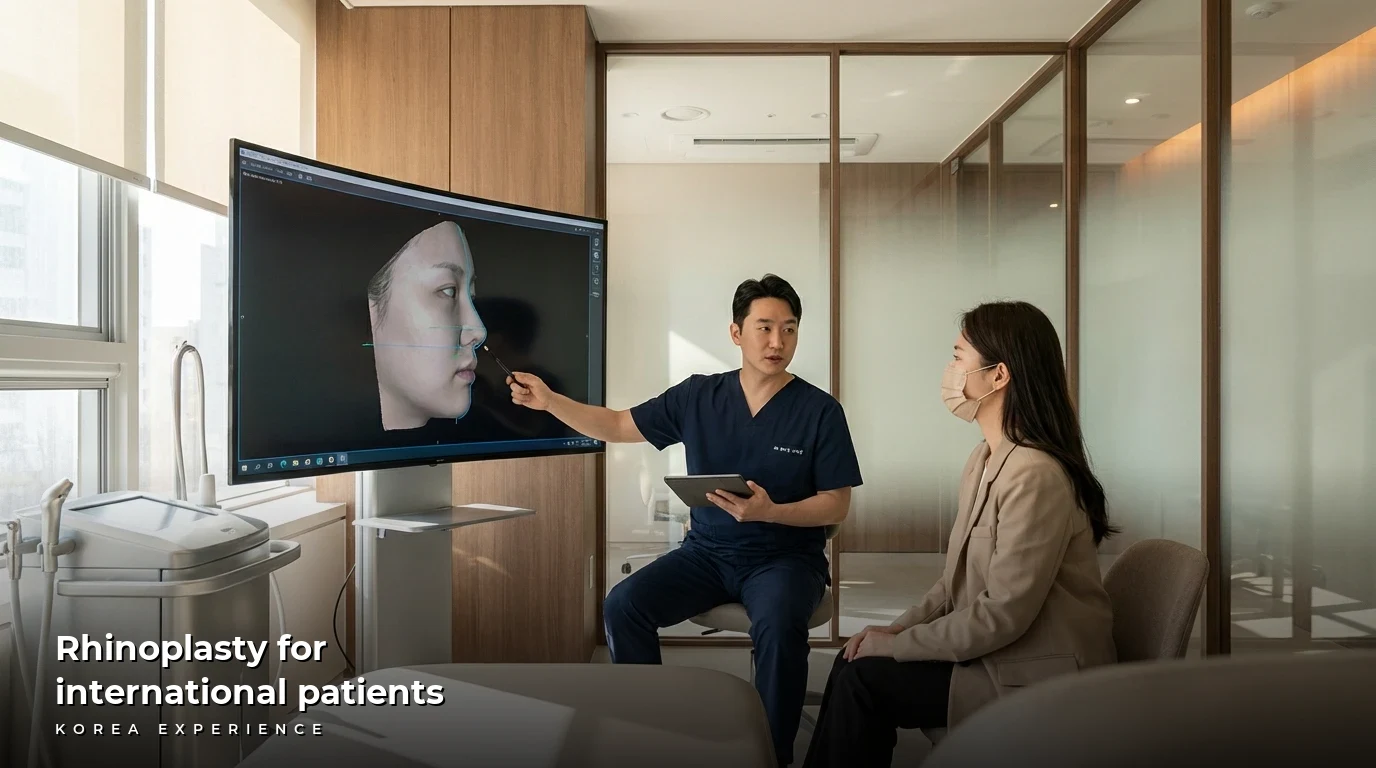
  • Computer Imaging/Simulation: Many clinics offer computer imaging to help visualize potential outcomes, though it's important to remember these are simulations, not guarantees.

Communication and Language Support

Most prominent clinics catering to international patients will have dedicated international coordination teams with English-speaking staff and professional medical interpreters. Do not underestimate the importance of clear communication. Ensure you fully understand all aspects of the procedure, risks, recovery, and post-operative instructions. If you're not comfortable with English, inquire if the clinic offers support in your native language.

A Journey to Recovery: Post-Surgery Care and Support

The recovery process for revision rhinoplasty in Korea is similar to primary surgery but often requires a bit more patience due to the more complex nature of the procedure. Proper post-operative care is crucial for optimal results.

Immediate Post-Operative Period

  • Bandaging and Splint: Your nose will likely be bandaged and an external splint (or cast) will be applied to protect and stabilize the new shape. Internal splints might also be used.
  • Swelling and Bruising: Expect significant swelling and bruising around the nose and under the eyes, which typically peaks within 2-3 days and gradually subsides over weeks. Cold compresses are often recommended.
  • Discomfort: Pain medication will be prescribed to manage any discomfort.
  • Rest: Rest is paramount during the first week. Avoid strenuous activities, bending over, and blowing your nose.
  • Follow-Up Appointments: You'll have several follow-up appointments in the days and weeks following surgery for dressing changes, splint removal (typically around 7-10 days), and to monitor your healing.

Long-Term Healing and Follow-Ups

  • Persistent Swelling: While initial swelling resolves quickly, subtle swelling can persist for several months, sometimes up to a year or even longer for revision cases. The final results will become evident as this swelling completely subsides.
  • Scar Care: If external incisions were made, your surgeon will provide instructions for scar care.
  • Continued Monitoring: Many Korean clinics offer excellent long-term follow-up care, sometimes extending for a year or more, to ensure the healing progresses as expected and to address any concerns. This commitment to patient care is a significant advantage for international patients.

Accommodation and Transportation Tips in Seoul

  • Stay Near Your Clinic: For convenience during follow-up appointments, choose accommodation in or near the Gangnam District, particularly Apgujeong or Cheongdam-dong, where most major plastic surgery clinics are located. This area also offers a wide range of hotels, serviced apartments, and guesthouses.
  • Public Transportation: Seoul boasts an excellent, efficient, and English-friendly subway system. It's the easiest way to get around. Taxis are also readily available.
  • Food and Amenities: The medical tourism zones are well-equipped with restaurants, cafes, pharmacies, and convenience stores, making your recovery stay comfortable. Many hotels cater to medical tourists and can assist with special dietary needs or transportation.

Understanding Costs and Financial Planning for Revision Rhinoplasty in Korea (2026 Estimates)

While Korea offers world-class medical care, it often comes at a more competitive price point compared to equivalent quality in Western countries, though revision procedures are invariably more expensive than primary ones. Understanding the financial aspects is crucial for planning your medical journey.

Average Price Ranges for Revision Procedures

As of 2026, the estimated cost for revision rhinoplasty in Korea typically ranges from 8,000 USD to 20,000+ USD. This wide range reflects the significant variability in the complexity of cases.

  • Minor Revisions: (e.g., small touch-ups, minor asymmetry correction) might fall on the lower end.
  • Moderate Revisions: (e.g., tip refinement, bridge correction, some grafting) will be in the mid-range.
  • Complex Revisions: (e.g., significant structural reconstruction, extensive grafting with rib cartilage, addressing severe functional issues, multiple previous surgeries) will command the higher end of the spectrum.

Factors Influencing Cost

Several factors contribute to the final price of revision rhinoplasty:

  • Surgeon's Experience and Reputation: Highly sought-after surgeons with extensive experience in revision cases will naturally charge more.
  • Clinic's Prestige and Facilities: Larger, more technologically advanced clinics in prime locations tend to have higher overheads.
  • Complexity of the Case: The amount of time required in surgery, the need for extensive grafting (especially rib cartilage harvest), and the degree of previous damage all play a major role.
  • Anesthesia Fees: Typically included, but complex cases might require longer anesthesia time.
  • Pre- and Post-Operative Care: This usually includes consultations, 3D imaging, follow-up appointments, and basic medications.
  • Language Support: While often included, some clinics might have premium packages for dedicated interpreters.

Package Deals and Medical Tourism Facilitators

Many clinics and medical tourism agencies offer "package deals" for international patients. These might include:

  • Surgery and Anesthesia
  • Pre- and Post-Operative Consultations
  • Hospital Stays (if applicable)
  • Some Medications
  • Airport Transfers
  • Accommodation Assistance
  • Interpretation Services

Working with a reputable medical tourism facilitator can simplify the process, helping you find suitable clinics, understand pricing, and manage logistics. However, always verify that the quoted price is all-inclusive and ask about any potential hidden fees.

Comparison Table: Estimated Revision Rhinoplasty Costs (2026)

Procedure ComplexityEstimated Price Range (USD)Key Factors
Minor Revision8,000 - 12,000Small adjustments, minimal grafting, short operating time.
Moderate Revision12,000 - 16,000Tip/bridge refinement, ear cartilage graft, addressing minor asymmetries.
Complex Revision16,000 - 20,000+Extensive structural rebuilding, rib cartilage graft, significant functional correction, multiple previous surgeries.

Note: These are estimated ranges for 2026 and can vary significantly between clinics and individual cases.

A medical trip to Korea for revision rhinoplasty involves more than just the surgery itself. Careful planning and understanding of local customs will make your experience smoother and more enjoyable.

Visa Requirements and Travel Planning

  • Visa: Depending on your nationality, you may need a specific visa for medical tourism or a general tourist visa. For shorter stays (under 90 days), many countries have visa-free entry agreements with Korea. For longer stays or specific medical visas, check with the Korean embassy or consulate in your home country well in advance.
  • Travel Insurance: Consider comprehensive travel insurance that includes medical coverage for emergencies not related to your planned surgery, and travel cancellation protection.
  • Timing: Plan to arrive a few days before your consultation to recover from jet lag. You'll generally need to stay in Korea for at least 2-3 weeks post-surgery for initial recovery and follow-ups.

Medical Insurance Considerations

It's crucial to understand that your standard health insurance from your home country is highly unlikely to cover elective cosmetic surgery abroad, including revision rhinoplasty. You will be responsible for the full cost of the procedure. Some specialized medical travel insurance policies might cover complications, but this is rare and needs thorough investigation. Always confirm financial details directly with your chosen clinic before travel.

Cultural Etiquette in Korean Medical Settings

Korean medical facilities, while modern, still observe certain cultural norms:

  • Respect for Authority: Show respect to doctors and medical staff.
  • Punctuality: Be on time for all appointments.
  • Privacy: While highly professional, discussions about your procedure may occur in more open settings than you might be used to in Western clinics, particularly within the bustling environments of larger facilities.
  • Cleanliness: Korean society places a high value on cleanliness and hygiene.

Emergency Contacts and Resources

While your medical journey will be meticulously planned, it's wise to be prepared for any unforeseen circumstances:

  • Emergency Services (Ambulance/Fire): Dial 119 (similar to 911). English speaking operators are available.
  • Medical Consultation/Information: Dial 1339 (Korea Tourist Organization's medical interpretation service and emergency information line). This service can provide medical advice, hospital information, and interpretation assistance.
  • Your Clinic's Emergency Number: Always have the direct emergency contact number for your clinic and your assigned international coordinator.
  • Your Embassy/Consulate: Keep the contact details of your country's embassy or consulate in Seoul handy.

Comparison Table: Primary vs. Revision Rhinoplasty Key Differences

FeaturePrimary RhinoplastyRevision Rhinoplasty
ComplexityLess complex, working with virgin tissue.Highly complex, dealing with scar tissue, altered anatomy.
Surgical GoalCreate desired shape from scratch.Correct previous issues, rebuild, refine existing structure.
Cartilage UseOften uses septal cartilage; less extensive grafting.Almost always requires grafting (ear, rib cartilage common).
Operating TimeTypically shorter (2-4 hours).Generally longer (3-6+ hours), more meticulous.
CostLower (average 5,000 - 10,000 USD).Higher (average 8,000 - 20,000+ USD).
RecoveryPredictable, swelling subsides faster.Swelling may last longer, potentially more bruising.
Emotional ImpactHopeful expectation.Often anxiety, frustration, seeking resolution.
Surgeon SkillRequires skilled surgeon.Requires highly specialized, experienced revision expert.

Success Stories and Realities: Setting Realistic Expectations

The desire for a "perfect" nose can be strong, especially after a disappointing first surgery. While revision rhinoplasty in Korea offers incredible opportunities for improvement, it's vital to approach the process with realistic expectations.

Psychological Aspects of Revision Surgery

Patients seeking revision surgery often carry a heavier emotional burden than those undergoing a primary procedure. There can be feelings of regret, frustration, self-consciousness, and even resentment towards the previous outcome. A successful revision not only addresses physical imperfections but also plays a significant role in healing these emotional wounds. It's important to discuss your psychological state with your surgeon and support system. A positive mindset, coupled with realistic goals, contributes significantly to your overall satisfaction.

The Importance of Patience and Trust

Healing from any surgery takes time, and revision rhinoplasty even more so. The final results may not be fully apparent for 12-18 months, as deep swelling gradually resolves and tissues settle. Patience during this period is key. Trusting your surgeon's expertise and following all post-operative instructions diligently will yield the best possible outcome. Avoid comparing your immediate post-op appearance to others' or to idealized images.

Celebrating Your Second Chance

Despite the complexities, a successful revision rhinoplasty in Korea can be truly life-changing. It offers a chance to correct what went wrong, achieve the aesthetic and functional improvements you desired, and regain confidence. Many patients report not just satisfaction with their new nose but a renewed sense of self-esteem and happiness. Celebrating this second chance, achieved through meticulous planning and world-class surgical skill, is a powerful and rewarding experience.

FAQ: Your Questions About Revision Rhinoplasty in Korea

Q1: How long do I need to stay in Korea for revision rhinoplasty?

A1: Typically, international patients should plan for a stay of at least 2 to 3 weeks. This allows sufficient time for initial consultations, the surgery itself, splint removal (usually around 7-10 days post-op), and critical early follow-up appointments. For complex cases, a slightly longer stay might be recommended.

Q2: Is revision rhinoplasty more painful than primary surgery?

A2: While revision rhinoplasty is a more complex procedure, the pain level is generally manageable with prescribed medication and is not necessarily more intense than primary rhinoplasty. Patients often report discomfort and pressure rather than severe pain. Swelling and bruising, however, can be more pronounced and may take longer to subside.

Q3: Can I combine revision rhinoplasty with other procedures?

A3: It is possible to combine revision rhinoplasty with other facial procedures (e.g., facial contouring, eyelid surgery) if your surgeon deems it safe and appropriate. However, given the complexity of revision rhinoplasty, your surgeon might recommend staging procedures to minimize risks and optimize healing. Always discuss your full aesthetic goals during your initial consultation.

Q4: What if I'm not satisfied with the results again?

A4: While highly skilled revision surgeons in Korea strive for excellent results, complete perfection is never guaranteed, especially in revision cases where pre-existing scar tissue and altered anatomy pose unique challenges. It's crucial to have open and realistic discussions with your surgeon before the procedure. Most reputable clinics will have a policy for minor touch-ups if needed, though this would typically be after full healing (1-2 years) and might incur additional costs.

Q5: How far in advance should I book my surgery?

A5: It is highly recommended to start your research and booking process at least 3-6 months in advance, especially if you plan to see a highly sought-after surgeon. This allows ample time for virtual consultations, travel arrangements, visa applications (if necessary), and securing your preferred surgery date.

Conclusion: Your Path to a Confident Future with Revision Rhinoplasty in Korea

The decision to undergo revision rhinoplasty is a significant one, often born from a desire to correct past disappointments and finally achieve the confidence that comes with harmonious facial features. As we look to 2026, South Korea, particularly Seoul, stands out as the premier destination for international patients seeking this intricate and life-changing procedure.

With its unparalleled surgical expertise, commitment to cutting-edge technology, and a patient-centric approach focused on natural and beautiful outcomes, Korea offers a genuine second chance. While the journey involves careful planning, understanding the complexities, and setting realistic expectations, the rewards of a successful revision can be profound – transforming not just your appearance, but your self-esteem and outlook on life. By choosing a reputable clinic and an experienced surgeon in Seoul, you are investing in world-class care and embarking on a path toward a more confident and fulfilling future.


Medical Disclaimer

The information provided in this blog post is intended for general informational purposes only and does not constitute medical advice. It is not a substitute for professional medical advice, diagnosis, or treatment. Always seek the advice of a qualified and board-certified plastic surgeon or other healthcare provider with any questions you may have regarding a medical condition or treatment. The choice of a medical procedure is a serious one and should be made in consultation with a qualified medical professional.

Emergency Contact Information in Korea

  • Ambulance / Fire: Dial 119 (Available with English-speaking operators)
  • Medical Consultation / Emergency Information: Dial 1339 (Korea Tourist Organization's medical interpretation service and emergency information line)

About the Author

Korea Experience Team

Written by the Korea Experience editorial team - experts in Korean medical tourism, travel, and culture with years of research and firsthand experience.

⚠️ Medical Disclaimer

The information provided on this website is for general informational purposes only and does not constitute medical advice. Always consult with qualified healthcare professionals before making any medical decisions.

Continue Reading

Explore more articles you might find interesting