Seoul 3 Day Itinerary: The Perfect First-Timer's Guide 2026
Explore Seoul in 72 hours with this optimized 2026 guide covering 3 key districts, budgeting ₩150,000/day, and essential transport tips.
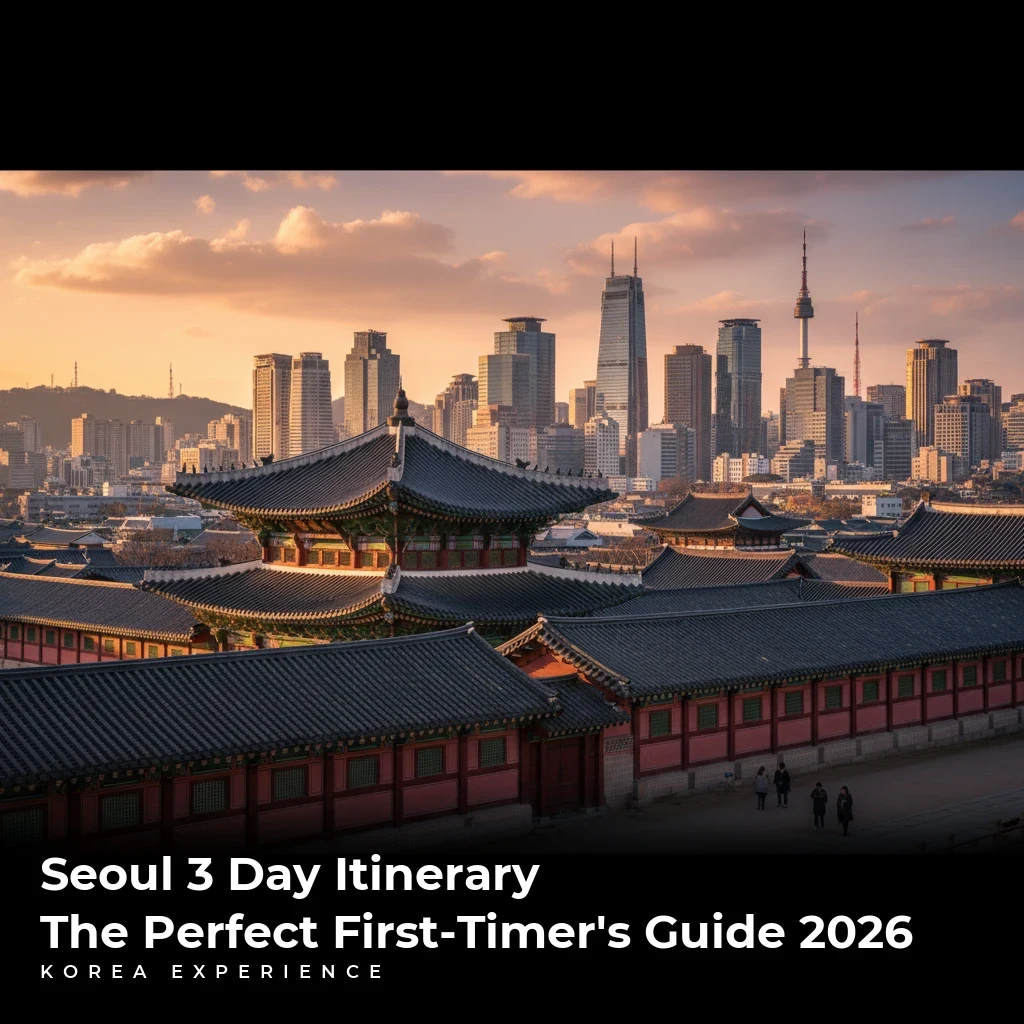
Planning a trip to Seoul can feel overwhelming due to the sheer size of the metropolis, but the most efficient 3-day strategy is to divide your time geographically: dedicate Day 1 to the historic Jongno district north of the Han River, Day 2 to the modern Gangnam district south of the river, and Day 3 to the youthful energy of Hongdae and the Han River parks. This approach minimizes travel time—which can take up to 60 minutes between districts—and maximizes your exposure to the city's diverse "faces," from 14th-century palaces to 22nd-century skyscrapers.
The short answer: Focus Day 1 on Gyeongbokgung and Bukchon Hanok Village, Day 2 on Gangnam and COEX Mall, and Day 3 on Hongdae and the Han River to see the best of Seoul in 72 hours.
Key Takeaways
- 1Day 1 focuses on history (North Seoul), Day 2 on modern luxury (Gangnam), Day 3 on youth culture (West Seoul).
- 2Budget approximately ₩150,000 per person per day for mid-range dining and attractions.
- 3Download Naver Map and Kakao T immediately; Google Maps does not provide walking directions in Korea.
Getting Started: Essential Logistics for 2026
Before diving into the itinerary, you need to sort out your arrival and connectivity. In 2026, the digital infrastructure in Seoul is more advanced than ever, but it requires specific preparation.
Airport to City Center
When you land at Incheon International Airport (ICN), you are approximately 48 kilometers from downtown Seoul. You have two primary options: the AREX (Airport Railroad Express) or the Airport Limousine Bus. The AREX Express Train takes exactly 43 minutes to Seoul Station and costs ₩9,500 (approx. $7 USD). It is the fastest option but requires navigating the subway with luggage upon arrival at Seoul Station.
Airport Transfer Options
| Feature | AREX Express | Airport Limousine Bus | Taxi |
|---|---|---|---|
| Cost | ₩9,500 | ₩17,000 | ₩70,000+ |
| Time to Center | 43-51 mins | 60-80 mins | 60 mins |
| Comfort | High (Reserved Seat) | Very High (Reclining) | Private |
| Luggage | Carry yourself | Driver assists | Driver assists |
For a more detailed breakdown, read our guide on Airport Limousine Bus vs AREX Express Train.
Connectivity and Transport Cards
You must purchase a T-Money card or a NAMANE card upon arrival. These reloadable transport cards work on buses, subways, and taxis. A blank card costs roughly ₩4,000 at convenience stores (CU, GS25, 7-Eleven). You should load about ₩30,000 to cover three days of travel.
Pro Tip: The Climate Card
As of 2026, if you plan to use the subway more than 4 times a day, consider the specialized tourist passes. However, for a 3-day casual trip, the standard T-Money card is often more flexible and can be refunded at convenience stores (minus a ₩500 service fee) if the balance is under ₩20,000.
Day 1: The Soul of Seoul (History & Tradition)
Your first day focuses on the area north of the Han River (Gangbuk), specifically the Jongno-gu district. This is where the Joseon Dynasty established the capital in 1394.
Morning: Gyeongbokgung Palace & Hanbok Experience
Start your day at 09:00 AM at Gyeongbokgung Palace, the largest of the Five Grand Palaces. Admission is ₩3,000 for adults, but it is free if you are wearing a Hanbok (traditional Korean clothing).
📖 How to Rent a Hanbok for Free Palace Entry
Step 1: Find a Rental Shop
Shops line the streets near Exit 4 of Gyeongbokgung Station. Look for 'Hanboknam' or 'Seohwa Hanbok'.
Step 2: Choose Your Style
Standard Hanbok costs ~₩15,000/2hrs; Premium themes cost ~₩30,000.
Step 3: Hair Styling
Most shops include basic hair braiding and accessories in the rental price.
Step 4: Enter the Palace
Walk to the ticket booth, show your outfit, and get your free ticket.
Be at the Gwanghwamun Gate by 10:00 AM sharp to witness the Royal Guard Changing Ceremony. It takes about 20 minutes and is a colorful, rhythmic display of Korean military tradition.
Gyeongbokgung Palace(경복궁)
Lunch: Legendary Samgyetang
Walk 10 minutes west to Tosokchon Samgyetang. This restaurant is famous for its Ginseng Chicken Soup (Samgyetang), a dish believed to restore energy. A standard bowl costs approximately ₩20,000. It is housed in a traditional Hanok, adding to the atmosphere.
Afternoon: Bukchon Hanok Village & Insadong
After lunch, head east to Bukchon Hanok Village. This residential area preserves hundreds of traditional houses dating back 600 years. It is a real neighborhood, so keep your voice down. The walk involves steep hills, covering about 2 kilometers of winding alleys.
"Everyone goes to the main photo spot at Bukchon 5-ga. Instead, head to the 'Gahoe-dong Alley' early in the morning or late afternoon for golden hour light and 80% fewer tourists. Please remember people live here—do not ring doorbells!"
From Bukchon, walk down towards Insadong. This street is famous for antique shops, art galleries, and traditional tea houses. Stop at Ssamzigil, a spiral shopping complex, to buy unique handmade souvenirs like personalized stamps (Dojang) which cost between ₩30,000 and ₩50,000 depending on the stone quality.
Evening: Gwangjang Market
End your historical day at Gwangjang Market, the nation's first permanent market. It is chaotic, loud, and delicious.
Must-Eats at Gwangjang:
- Bindaetteok (Mung Bean Pancake): Crispy, savory, and greasy in the best way. Price: ₩5,000.
- Mayak Gimbap (Addictive Seaweed Rice Rolls): Small rolls dipped in mustard sauce. Price: ₩4,000.
- Yukhoe (Raw Beef Tartare): Served with pear and egg yolk. Head to the "Yukhoe Sisters" alley. Price: ₩19,000 per plate.
For more food recommendations, check our guide on 50 must-try Korean foods.
Day 2: The Future is Now (Gangnam & Jamsil)
Day 2 takes you south of the Han River (Gangnam) to witness the ultra-modern side of Korea. This area became globally famous due to PSY, but it is the hub of finance, plastic surgery, and luxury.
Morning: COEX Mall & Starfield Library
Take the subway (Line 2) to Samseong Station. You are entering the COEX Mall, the largest underground shopping mall in Asia.
The centerpiece is the Starfield Library, a massive open space with 13-meter tall bookshelves holding 50,000+ books. It opens at 10:30 AM, and while it is free to enter, getting a photo without a crowd requires patience. Grab a coffee at the % Arabica nearby (approx. ₩6,000 for a latte) and marvel at the architecture.
If you are interested in K-Beauty, COEX is a paradise. You can find everything from Olive Young to luxury brands like Sulwhasoo. For specific product recommendations, read our article on best Korean toners for every skin type.
Lunch: Modern Korean Cuisine
COEX has endless dining options. For a refined experience, try Gombawi nearby for premium beef tripe or Hanwoo BBQ (Lunch sets ~₩35,000). For a budget option, the Hyundai Department Store food court connected to the mall offers high-quality meals for ₩12,000–₩15,000.
Afternoon: Gangnam Station & Luxury vs. Budget
Take the subway three stops to Gangnam Station. This area represents the frantic pace of modern Seoul. The underground shopping center at the station is excellent for cheap, trendy clothes (sweaters for ₩10,000, accessories for ₩5,000).
However, Gangnam is a place of contrasts. Walk out of Exit 11 to see the towering skyscrapers and plastic surgery clinics. Then, visit the Samsung D'light exhibition (free entry) to play with the absolute latest tech gadgets that won't be released in the West for months.
Gangnam Afternoon: High-End vs. High-Street
The Dualism Concept: Experience the best of both worlds — premium luxury moments paired with authentic budget-friendly experiences in one route.
Cheongdam Fashion Street
Flagship stores of Dior, Louis Vuitton, and Chanel.
Gangnam Station Underground
Hundreds of stalls selling trendy fashion.
Walk Cheongdam for the architecture, but shop Underground for the deals.
Evening: Lotte World Tower & Seoul Sky
Head east to Jamsil Station (Line 2) to visit the Lotte World Tower, the tallest building in Korea and the 6th tallest in the world (555 meters).
The Seoul Sky observatory is on floors 117-123. Tickets cost ₩31,000 for adults. Ideally, time your visit for sunset (check local time, usually around 19:30 in summer, 17:30 in winter). The glass-floor observation deck on the 118th floor offers a vertigo-inducing view of the intersections nearly half a kilometer below.
📊 Lotte World Tower Stats
After descending, explore the Seokchon Lake park surrounding the tower. It's a romantic spot heavily featured in K-Dramas. If you're a fan of K-Pop, you might want to check out our guide to BTS tour locations in Seoul.
Day 3: Youth, Art, and River Vibes (Hongdae & Yeonnam)
Day 3 is about the vibrant youth culture in Mapo-gu (Western Seoul). This is the home of Hongik University, indie music, and the trendiest cafes.
Morning: Cafe Hopping in Yeonnam-dong
Start at Hongik Univ. Station, Exit 3. This leads you to the Gyeongui Line Forest Park, nicknamed "Yeontral Park." This former railway track is now a linear park lined with cafes.
Korean cafe culture is unmatched. In 2026, the trend has moved towards hyper-concept cafes.
- Cafe Layered: famous for scones (₩5,500) and English cottage aesthetic.
- Greem Cafe: Designed to look like a 2D cartoon drawing.
Spend the morning strolling the park and trying distinct desserts.
Lunch: Korean BBQ or Dakgalbi
You cannot leave Korea without a proper BBQ lunch. Hongdae is packed with options.
- Piggy Bank (Hongdae): Famous for using stones instead of a grill grate. Pork belly (Samgyeopsal) costs about ₩16,000 per 150g serving.
- Yoogane Dakgalbi: Spicy stir-fried chicken with cheese. Very affordable at roughly ₩11,000 per person.
Check out our full list of Best Korean BBQ Restaurants in Seoul.
Afternoon: Hongdae Shopping & Busking
Walk towards the main Hongdae Shopping Street. This is where you find:
- Fashion: Streetwear brands like "This is Never That" and "Covernat".
- K-Pop Merch: "WithMuu" in AK Plaza is great for albums and lightsticks.
- Busking: On weekends, the streets are filled with dance cover groups and indie singers.
Shopping Budget
In Hongdae, you can find high-quality hoodies for ₩35,000-₩50,000 and socks for ₩1,500. It is generally slightly pricier than the Gangnam underground but higher quality.
Evening: Han River Picnic (Hangang Ramyeon)
Finish your trip with the quintessential Seoul experience: a picnic at the Han River. From Hongdae, take the subway to Yeouido Station (Line 5) or Mangwon Station (Line 6).
The classic activity is eating "Hangang Ramyeon"—instant noodles cooked in a special foil container at the convenience store machines right by the river.
📋 Han River Picnic Costs
Sit by the water, watch the city lights reflect on the river, and reflect on your 3-day journey. If you are at Yeouido, look out for the Banpo Bridge Rainbow Fountain show (runs April–October, at 19:30, 20:00, 20:30, 21:00).
Where to Stay: Choosing Your Base
For a short 3-day trip, location is critical. Do not stay on the outskirts to save money; you will lose time.
Myeongdong: The Best First-Timer Base
- ✓Central location (Line 4)
- ✓Airport Bus stops at every corner
- ✓English is spoken everywhere
- ✓Night market food available late
- ✗Can be very crowded
- ✗Restaurants are often 'tourist traps'
- ✗No authentic neighborhood vibe
Alternative: Stay in Hongdae if you want nightlife and younger vibes, or Gangnam if you prioritize luxury hotels and proximity to COEX, though Gangnam is far from the historical sites (45+ mins).
Budget Breakdown (Per Person)
Seoul can be done on a budget or as a luxury trip. Here is a realistic estimate for a mid-range traveler in 2026.
💵 3-Day Trip Budget Estimation
3-star hotel in Myeongdong
Mix of street food and restaurants
Total Estimated On-Ground Cost: ~₩550,000 ($410 USD) for 3 days, excluding flights and shopping.
Frequently Asked Questions
❓ Seoul Travel FAQs
Have more questions?Contact us →
Final Thoughts
Three days in Seoul is a sprint, not a marathon. You won't see everything, but following this itinerary ensures you taste the royal history, the futuristic ambition, and the vibrant street culture that defines this incredible city.
Don't forget to check our guide on Hanbok rental before you go to ensure you get the best photos of your trip! Safe travels!
About the Author
Korea Experience Team
Written by the Korea Experience editorial team - experts in Korean medical tourism, travel, and culture with years of research and firsthand experience.
Explore more in Travel & Tourism
From Seoul's neon-lit streets to Jeju's volcanic landscapes — discover the best of Korea with insider travel tips, itineraries, and seasonal guides.
Browse All Travel & Tourism ArticlesContinue Reading
Explore more articles you might find interesting
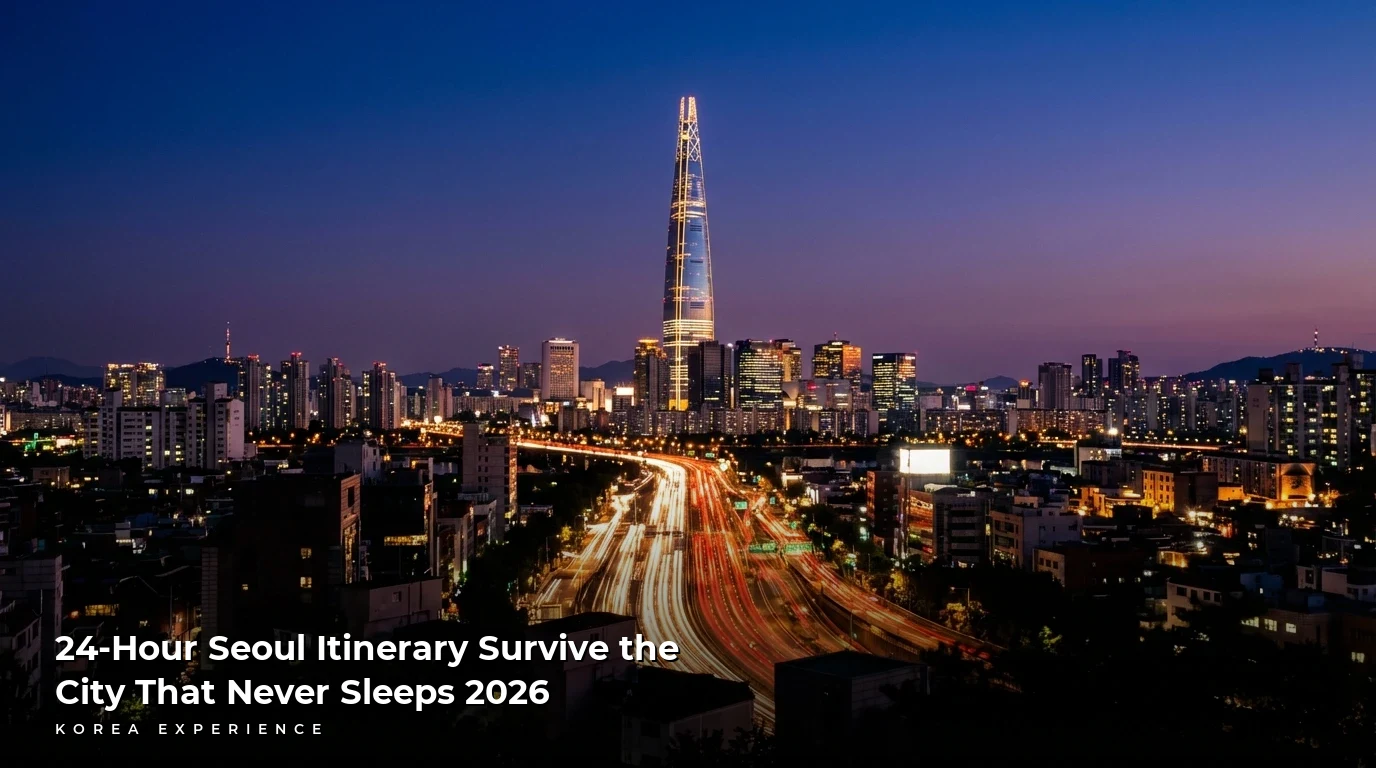
Master Seoul in 24 hours with this expert guide covering essential sights, food, and nightlife. Unlock the secrets to a dynamic day and night adventure.
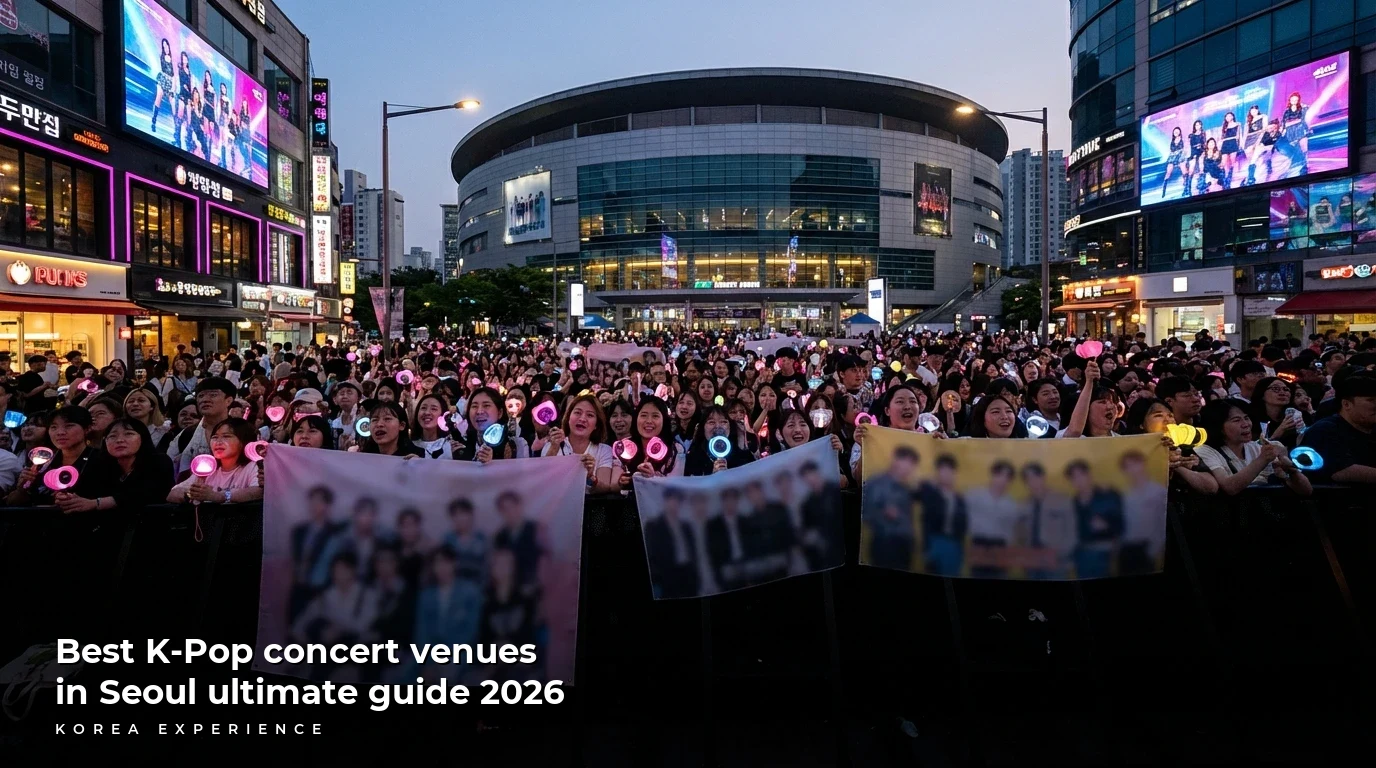
Discover the top K Pop concert venues in Seoul. From Gocheok Dome to KSPO, get essential tips, seating charts, and transport info for the perfect show.
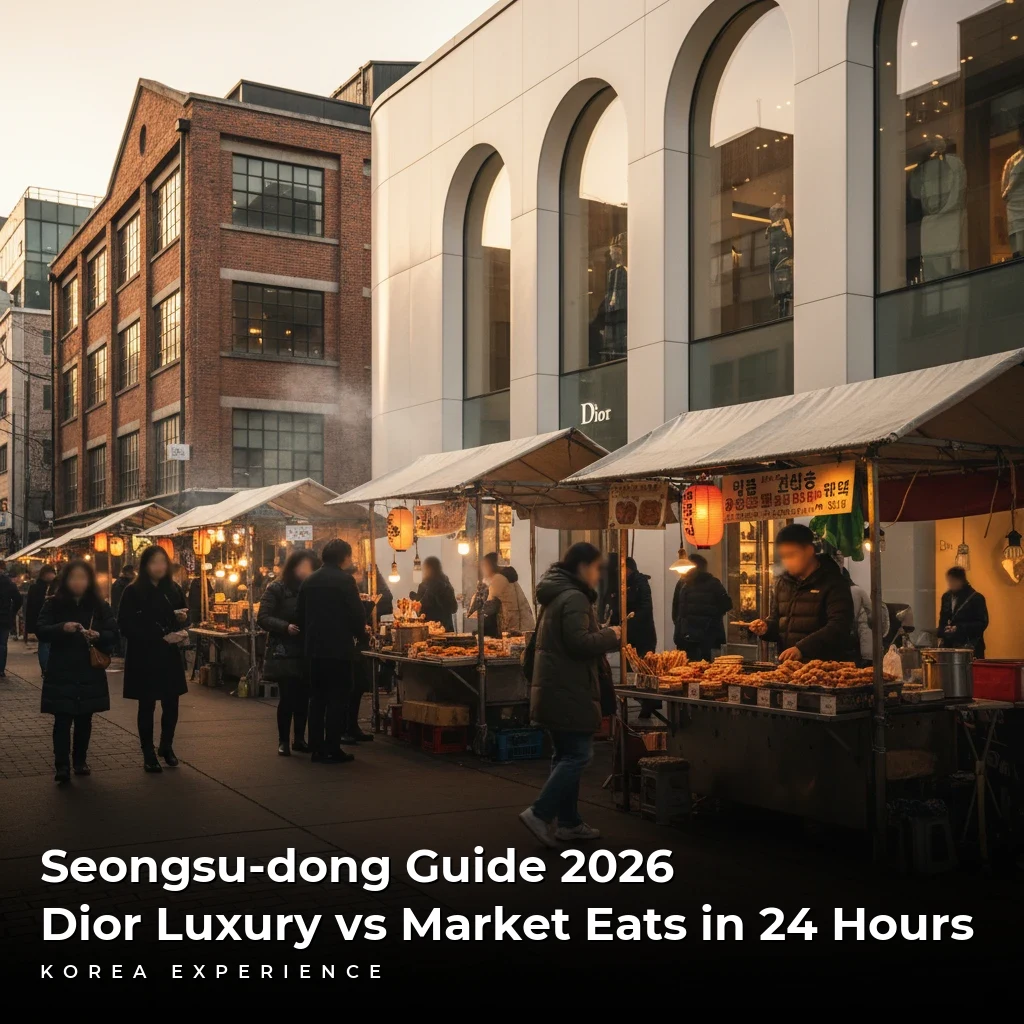
Explore Seoul's trendiest district with our 24-hour itinerary. Compare the ₩200,000 luxury Dior experience against ₩15,000 local market gems in Seongsu.
Discover Korea's best markets beyond Seoul. Explore Busan, Jeju, and Daegu with specific food prices, transport tips, and 2026 travel data.
Your essential handbook for K-beauty in Seoul 2026. Discover top districts, 2026 trends, tax refund tips, and must-visit flagship stores.
Capture stunning sunsets in Seoul with our 2026 guide. Discover top locations like Namsan and Banpo Bridge, plus timing tips for the perfect shot.