Best rural farm stays in Korea and agritourism guide 2026
Discover Korea's best farm stays for 2026. From strawberry picking in Nonsan to Hanok stays in Andong, find prices starting at ₩50,000 per night.
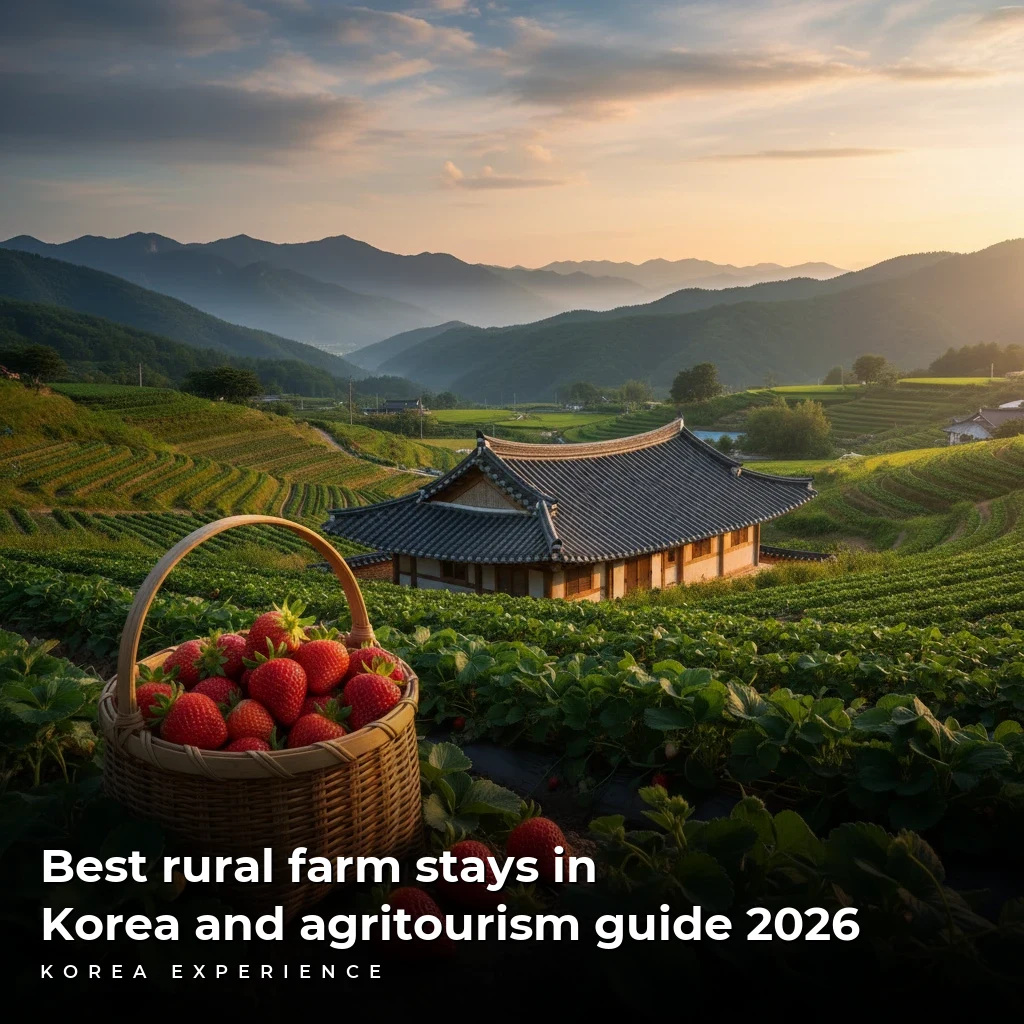
For many international travelers, a trip to South Korea begins and ends within the neon-lit streets of Seoul or the coastal buzz of Busan. However, a massive shift in travel trends is directing visitors toward the quiet, mist-covered mountains and verdant valleys of the countryside. You are likely looking for how to access these authentic experiences, what they cost, and how to navigate the language barrier in rural areas.
The short answer: Rural farm stays in Korea, often called "Minbak" or "Nongwon," offer accommodation starting at ₩50,000 per night, with premium "Hanok" farm stays reaching ₩250,000. Most experiences are highly seasonal—strawberries in winter/spring, tangerines in winter, and rice harvesting in autumn—and require booking 2-3 weeks in advance via platforms like Stayfolio or Trazy for English speakers.
Key Takeaways
- 1Peak season for strawberry picking is December to April (cost: ~₩15,000/person)
- 2Renting a car is recommended as rural buses run on 60-90 minute intervals
- 3Bring your own toiletries; rural minbaks often provide only soap and towels
Why Choose Agritourism in Korea?
In 2026, the concept of "Chon-kang" (a portmanteau of chon meaning countryside and vacance) has evolved from a niche domestic trend to a major draw for international tourists. Following the rapid urbanization of the country, where over 81% of the population lives in cities, there is a intense cultural nostalgia for rural life.
For the traveler, this offers a dual benefit: significantly lower costs compared to Seoul hotels (often 40-50% cheaper) and an immersion into the "Jeong" (deep emotional connection) of Korean hospitality that is harder to find in the busy capital.
📊 Rural Tourism Growth
Agritourism here isn't just about sleeping in a quiet room. It is active. You are paying to work—joyfully. Whether it is making tofu from scratch in Gangwon-do (approx. 2.5 hours from Seoul) or picking Hallabong oranges on Jeju Island, these experiences connect you to the food sources that make Korean cuisine world-famous.
Types of Farm Stays Available
Understanding the terminology is crucial before you book, as "farm stay" covers a wide spectrum of accommodations.
1. Traditional Minbak (Homestay)
These are rooms within a farmer's actual house or an annex building. They are simple, affordable, and authentic.
- Average Cost: ₩50,000 – ₩80,000 per night.
- Sleeping Style: Usually Yo (floor mattress) on heated Ondol floors.
- Amenities: Shared bathrooms are common; expect no Wi-Fi in remote areas.
2. Experience Villages (Cheongchun/Nongchon)
These are government-supported rural communities designed specifically for tourism. They usually have a central community center for sleeping and organized activities.
- Average Cost: ₩100,000 – ₩150,000 (often includes meals).
- Best For: Families with children and groups.
- Language: Higher chance of finding English speakers or guides.
3. Luxury Farm Glamping & Hanoks
The high-end sector. Think beautifully renovated traditional houses (Hanok) located on working farms, or luxury tents set up in orchards.
- Average Cost: ₩200,000 – ₩450,000 per night.
- Amenities: Private Jacuzzis, en-suite bathrooms, BBQ sets (usually ₩20,000 extra).
💵 Farm Stay Accommodation Tiers
Private courtyard, ensuite, breakfast included
Authentic room, floor sleeping, shared facilities
The Seasonal Harvest Calendar
Korea has four distinct seasons, and agritourism is entirely dictacted by this rhythm. Booking the wrong season means staring at empty fields.
Spring (March – May): The Sweetest Season
Spring is dominated by strawberries. The Nonsan Strawberry Festival is the most famous, located about 160km south of Seoul (2 hours by KTX).
- Key Crop: Strawberries (Seolhyang variety).
- Activity Cost: ₩15,000 – ₩25,000 per person for 30 minutes of picking (usually includes a 500g take-home pack).
- Other Crops: Wild herbs (Namul), Green tea (Boseong).
Pro Tip: Strawberry Etiquette
Unlike some countries where you pay by weight, many Korean strawberry farms operate on a "pick and eat" basis within a time limit, plus one small box to take home. Do not bite a strawberry and throw the rest away—farmers consider this extremely disrespectful.
Summer (June – August): Vibrant and Vital
The weather is hot and humid (average 30°C / 86°F), but the produce is abundant.
- Key Crops: Corn (Gangwon-do), Potatoes, Peaches, Blueberries.
- Activity: River snail catching and freshwater fishing are popular summer additions.
- Location Focus: Pyeongchang in Gangwon-do offers cooler high-altitude temperatures.
Autumn (September – November): The Golden Harvest
This is widely considered the best time for rural travel due to the crisp weather and stunning foliage.
- Key Crops: Apples (Cheongsong), Pears (Naju), Sweet Potatoes, Rice.
- Activity: Apple picking is incredibly popular. Prices range from ₩10,000 to ₩20,000 per kg.
- Special Event: Kimchi-making festivals begin in late November (Gimjang season).
Winter (December – February): Citrus and Snow
While the mainland freezes, Jeju Island enters its prime citrus season.
- Key Crops: Tangerines, Hallabong, Red Hyang.
- Activity: Citrus picking on Jeju.
- Mainland Activity: Roasted sweet potatoes and chestnuts, making Dubu (tofu).
Top Farm Stay Regions and Recommendations
Here are three distinct regions offering the best infrastructure for international travelers.
1. Gyeonggi-do: Yangpyeong & Gapyeong
Distance from Seoul: 40km – 60km (45 mins to 1.5 hours). Transport: Accessible via Seoul Subway (Gyeongui-Jungang Line) or ITX-Cheongchun train.
Yangpyeong is the organic farming capital of Korea. It is incredibly accessible for a day trip or an overnight stay without needing a car.
Ssumire Farm (Strawberry Experience)(수미마을)
This area is perfect for those who want to dip their toes into rural life without committing to a long journey. The "Ssumi Village" festival runs year-round with different themes: Strawberry (Spring), Catfish (Summer), and Kimchi (Autumn).
2. Jeolla-do: Gochang & Sunchang
Distance from Seoul: 290km (3.5 hours by KTX + Bus). Vibe: Deep culinary heritage.
If you are a foodie, you must head to Jeolla-do. This is Korea's breadbasket. Gochang is famous for the expansive Sangha Farm, which is more of an agricultural theme park owned by the Maeil Dairies company. It bridges the gap between commercial comfort and rural education.
Why visit Gochang? It offers a sanitized but beautiful version of farming. You can pet sheep, make sausages, bake bread, and stay in the on-site hotel "Farmer's Village." It is excellent for families who are hesitant about roughing it in a traditional Minbak.
Jeolla-do food is significantly saltier and spicier than Seoul food. In farm stays here, the "banchan" (side dishes) are the main event. Don't be surprised if your breakfast table has 12 different dishes for just ₩10,000. It's the region's way of showing 'Jeong'.
For more on regional flavors, check out our guide to Korean regional flavors.
3. Jeju Island: Seogwipo Citrus Farms
Distance: 1 hour flight from Seoul. Season: November to February.
Jeju's tangerine farms are iconic. The stone walls designed to protect trees from wind create a unique visual landscape. Many cafes in Seogwipo operate their own small orchards where you can pay just for the drink and get free entry to take photos, or pay a small fee (₩5,000) to pick 1kg of fruit.
📋 Jeju Citrus Picking Facts
How to Book a Farm Stay (The Hard Part)
This is the biggest hurdle for non-Korean speakers. Most authentic Minbaks do not are on Airbnb or Booking.com. They rely on phone calls or Naver Booking.
📖 How to Book a Rural Stay Without Knowing Korean
Step 1: Identify the Region
Decide if you want Gyeonggi (close) or Jeolla/Gangwon (far).
Step 2: Use Specialized Agencies
Sites like Trazy or Klook sell 'Day Tour' packages which are easiest. For overnight, try Stayfolio (English available) for high-end stays.
Step 3: The Naver Map Hack
Search '농원' (Nongwon - Farm) or '체험마을' (Experience Village) on Naver Maps. Look for the 'Booking' (예약) button. Use your browser's auto-translate feature to navigate the calendar.
Step 4: Contact via KakaoTalk
If a mobile number is listed (010-xxxx-xxxx), save it and check if they have KakaoTalk. Send a simple message in English. Farmers often use translation apps to reply.
Language Barriers and Apps
You absolutely need Papago (translation) and Naver Maps (navigation). Google Maps is notoriously unreliable for walking directions and transit times in rural Korea.
For transportation logistics, renting a car is highly advised. While rural buses exist, they often run on 60 to 90-minute intervals. If you are driving, be aware that rural roads can be narrow. For tips on driving, read our article on buying a used car in Korea which also covers registration and driving rules relevant to long-term visitors, or simply rent via Lotte Rent-a-Car.
Cost Breakdown: Luxury vs. Budget
To help you budget, here is a comparison of a 2-day, 1-night trip to a farm stay.
Weekend Farm Trip Budget (Per Person)
| Expense | Budget Style | Luxury Style |
|---|---|---|
| Transport | Bus/Train (₩25,000) | Rental Car + Gas (₩120,000) |
| Accommodation | Minbak (₩60,000) | Private Hanok (₩250,000) |
| Activities | Picking (₩15,000) | Private Class (₩80,000) |
| Meals | Local Market (₩30,000) | BBQ Set + Wine (₩100,000) |
Sample Itinerary: 24 Hours in Yangpyeong
If you have limited time but want the full experience, this route maximizes efficiency.
24 Hours in Yangpyeong: Nature Meets Comfort
The Dualism Concept: Experience the best of both worlds — premium luxury moments paired with authentic budget-friendly experiences in one route.
Morning Harvest
Strawberry picking at Ssumi Village.
Lunch: Lotus Leaf Rice
Premium Yeon-ip-bap set menu.
Afternoon: Dumulmeori
Walk where two rivers meet. Free entry.
Evening: Glamping
Stay at a luxury glamping site with private BBQ.
Start early to beat the traffic out of Seoul. The drive along the river is scenic but jams heavily on Saturday mornings.
If you enjoy this mix of luxury and local experiences, you might also like our guide to 24 hours in Seongsu-dong.
Etiquette and What to Pack
Rural Korea operates on different social rules than Itaewon or Hongdae.
The Reality of Rural Stays
- ✓Incredible value for money
- ✓Air quality is pristine
- ✓Fresh, organic meals included often
- ✗Bugs and insects are common
- ✗Strict recycling rules
- ✗Sleeping on the floor (Yo)
The "Yo" Mattress Situation
Most traditional stays (Minbak) do not have western beds. You will sleep on a Yo, a padded quilt on the floor. The floor is heated (Ondol), which is cozy in winter but can be hard on the back if you aren't used to it.
- Tip: If you have back problems, ask for "Chim-dae" (Bed) room specifically, or bring an inflatable camping mat to put under the Yo.
Insects
In summer, mosquitoes in the rice paddies are aggressive. Korean rural mosquitoes are often called "Adidas mosquitoes" (because of their stripes) and they bite through denim.
- Pack: Picaridin or DEET bug spray. Most farms provide mosquito coils.
Waste Management
Korea is strict about recycling. In rural areas, you may be expected to separate your food waste (pig food) from general trash scrupulously. The owner will usually show you the bins upon arrival.
Top Activities Beyond Picking
While fruit picking is the headline act, the "Experience" (Cheom-ham) sector has diversified.
- Makgeolli Brewing: Many traditional breweries (Yangjo-jang) in the countryside offer classes where you steam rice, mix Nuruk (fermentation starter), and bottle your own rice wine.
- Temple Food: Rural temples often neighbor farm stays. You can learn to cook vegetarian dishes using mountain herbs.
- Ceramics: Icheon (Gyeonggi-do) is famous for pottery. Combine a farm stay with a wheel-throwing class (approx. ₩30,000).
For those interested in historical settings, check out our guide to Andong Hahoe Village, which offers the most traditional housing experiences in the country.
Frequently Asked Questions
❓ Frequently Asked Questions
Have more questions?Contact us →
Final Thoughts: The "Real" Korea
Visiting a farm in Korea is about recalibrating your senses. The neon signs of Gangnam are replaced by starlight (which you can actually see). The noise of the subway is replaced by the sound of crickets and wind in the rice stalks.
While it requires more planning and a bit of adventurous spirit regarding language and logistics, the reward is an intimate look at Korean culture that no city tour can provide. Whether you are plucking strawberries in the frost of January or grilling pork belly under a summer pergola, the rural experience is where you find the heart of the peninsula.
For more travel inspiration to balance your rural trip with city excitement, don't miss our 24-hour Seoul itinerary.
Safe travels and happy harvesting!
About the Author
Korea Experience Team
Written by the Korea Experience editorial team - experts in Korean medical tourism, travel, and culture with years of research and firsthand experience.
Explore more in Travel & Tourism
From Seoul's neon-lit streets to Jeju's volcanic landscapes — discover the best of Korea with insider travel tips, itineraries, and seasonal guides.
Browse All Travel & Tourism ArticlesContinue Reading
Explore more articles you might find interesting
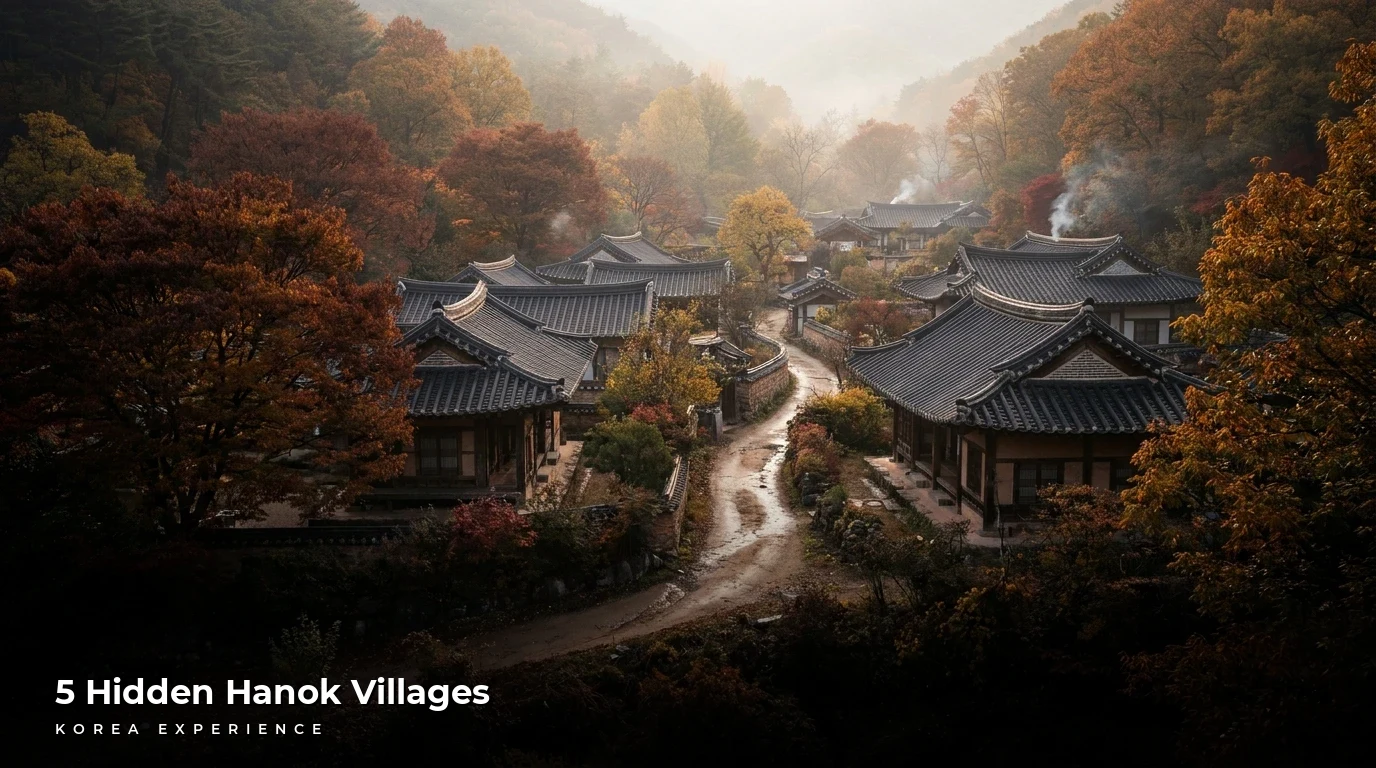
Escape the crowds with our 2026 guide to 5 secret hanok villages. Discover 6000m of historic walls and authentic stays starting at just ₩50,000 per night.

Discover the top rooftop bars in Seoul for 2026. From Gangnam luxury to Hongdae vibes, find prices, dress codes, and the best sunset spots starting at ₩15,000.
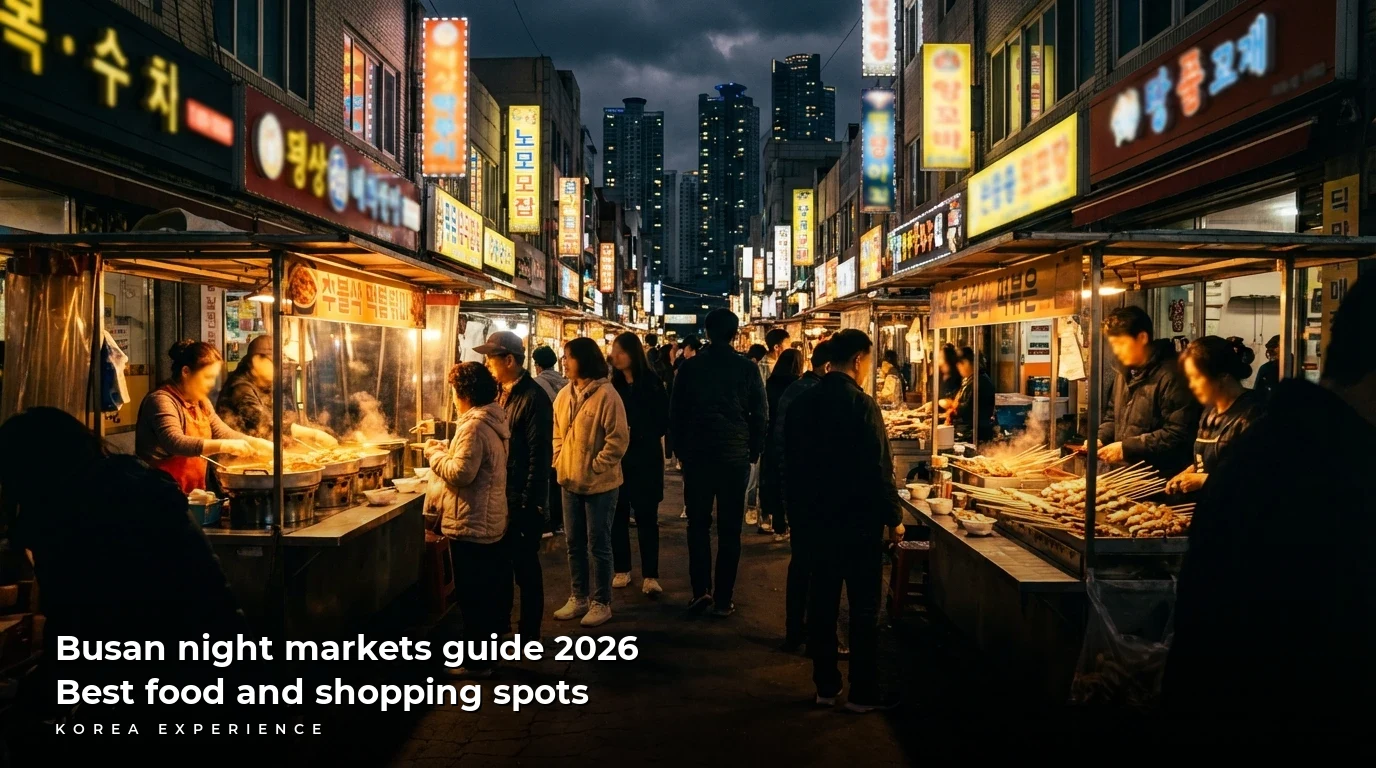
Discover the best Busan night markets in 2026. From Bupyeong Kkangtong's street food to Haeundae's seafood, find prices, hours, and transport tips.
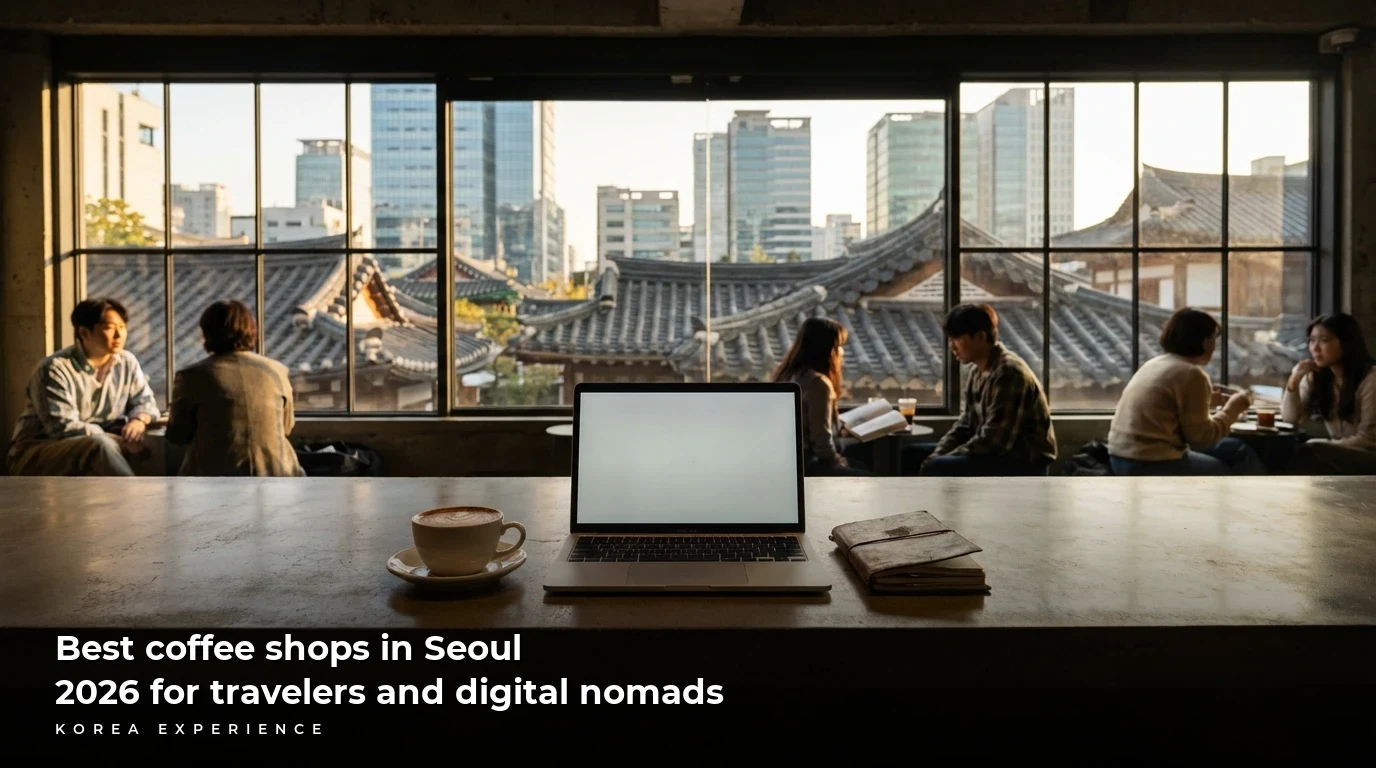
Discover the top 20 cafes in Seoul for 2026. From Seongsu warehouses to Hanok spots, find prices, wait times, and signature brews.

Discover the top 10 vegan K-beauty brands for 2026. From Klairs to Melixir, find cruelty-free skincare in Seoul with prices starting at $15 USD.

Discover Seoul's best stationery shops from Artbox to Point of View. Find prices, locations, and top souvenirs starting at ₩1,000 in our 2026 guide.