Secret Beaches in Busan: 5 Hidden Gems Beyond Haeundae 2026
Discover 5 secret beaches in Busan beyond Haeundae. From surfing at Songjeong to Dadaepo's ₩0 fountain shows, explore Korea's coast like a local.
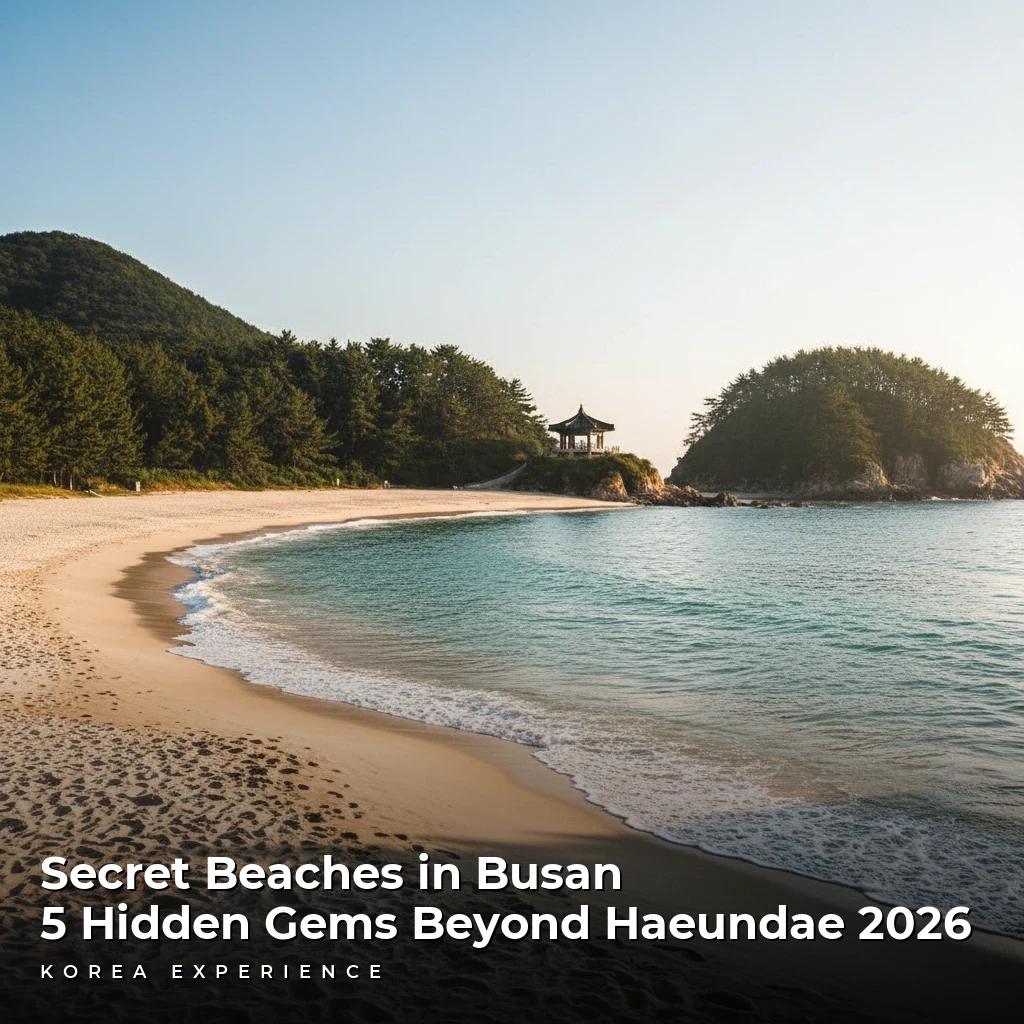
While Haeundae and Gwangalli are undeniably the poster children of Busan’s coastline, relying solely on them means missing out on the authentic coastal soul of South Korea's second-largest city. If you are looking for secret beaches in Busan, the answer lies in heading either far west to the sunset-soaked mudflats or north to the rugged cafe-lined cliffs of Gijang.
The short answer: Songjeong Beach is the top alternative for surfing and camping vibes, Dadaepo Beach offers the best sunsets and fountain shows, while the Gijang coastline (Ilgwang and Imrang) provides a quieter, cafe-centric experience away from the city center.
Key Takeaways
- 1Songjeong Beach is the premier surfing hub with lessons starting around ₩50,000
- 2Dadaepo Beach features the world's largest fountain and stunning sunset trails
- 3Songdo Beach offers Korea's first public beach experience with a 1.62km cable car ride
- 4Gijang's coastline is best for cafe hopping and car camping (Cha-bak)
Why Look Beyond the "Big Two"?
In 2026, Busan attracts over 30 million visitors annually, and a staggering percentage of them congregate on the 1.5km stretch of Haeundae Beach. While the skyscrapers and luxury hotels are impressive, the crowds can be overwhelming, with parasol rentals costing upwards of ₩10,000 and restaurant prices often inflated by 20-30% compared to local neighborhoods.
Exploring the lesser-known beaches isn't just about avoiding crowds; it's about discovering distinct local cultures. Each beach in Busan has a specific "personality." Songjeong attracts the youth and surf crowd; Dadaepo pulls in families and photographers; Songdo appeals to history buffs and thrill-seekers; and Gijang is the playground for the trend-conscious cafe hopper.
Transportation Tip
Busan is geographically long and spread out. Traveling from Dadaepo (West) to Gijang (East) can take over 90 minutes by public transport. Plan your accommodation based on which side of the coast appeals to you most.
Songjeong Beach: The Surfer's Sanctuary
Located just northeast of Haeundae, Songjeong Beach feels a world away from the luxury high-rises. It is often cited by locals as the best beach for swimming because the water is clearer, and the sand is finer than its more famous neighbor.
The Surfing Capital of Korea
Songjeong is the birthplace of Korean surfing. The geography of the bay creates consistent, manageable waves perfect for beginners and intermediates. In 2026, the beachfront is lined with over 20 surf schools. A typical 2-hour introductory lesson, including board and wetsuit rental, costs between ₩50,000 and ₩65,000.
Unlike the deep drop-offs at Haeundae, Songjeong has a shallow bottom that extends far out, making it safer for novice swimmers. The vibe here is distinctly "California meets Korea," with food trucks selling toast and coffee, and surfers walking the boardwalk year-round.
💵 Songjeong Activity Costs (2026)
1-on-1 intensive session
2-hour lesson + gear rental
The Blue Line Park Connection
Accessing Songjeong has never been easier thanks to the Haeundae Blue Line Park. The Beach Train runs from Mipo (Haeundae) to Songjeong Station, a restored old railway stop that is an attraction in itself. The 4.8km ride takes about 30 minutes and offers panoramic ocean views.
Insider Tip: While the Sky Capsule is famous, the Beach Train is more practical for transport. A one-way ticket costs ₩7,000. If you visit in the evening, grab a "Moon Toast" from the famous food truck queue—expect to wait 20 minutes, but the mozzarella-stuffed toast (₩4,500) is a local rite of passage.
Songjeong Station (Blue Line Park)(송정역)
Dadaepo Beach: The Sunset Masterpiece
On the complete opposite side of Busan (Southwest) lies Dadaepo Beach. This area offers a stark contrast to the rocky eastern coast. Here, the Nakdong River meets the ocean, creating vast mudflats and shallow waters.
The Sunset Fountain of Dreams
Dadaepo is famous for the "Sunset Fountain of Dreams," one of the world's largest musical floor fountains. The show operates from April to October, usually with two shows nightly (7:30 PM and 8:30 PM, though times shift with the sunset). The 20-minute performance features water shooting up to 55 meters high, synchronized with K-Pop and classical music. Admission is free (₩0).
📋 Dadaepo Quick Facts
The Morundae Coastal Walk
Before the sunset, walk the Morundae Coastal Trail. It’s a forested peninsula connected to the beach with wooden decks and dirt paths. The loop takes about 45-60 minutes. The mixture of pine scent and sea breeze is therapeutic.
Because of the mudflats, Dadaepo is excellent for "earthing" (walking barefoot). Local government initiatives have installed washing stations for your feet at the park entrance, making it convenient to walk in the sand without tracking mud home.
Don't just watch the fountain and leave. The boardwalk built over the marshland (Gowooni Ecological Path) is illuminated beautifully at night. It's the most romantic walking spot in Busan, far quieter than Gwangalli.
For those interested in how living costs compare between these areas, check out our guide on cost of living in Seoul vs Busan, which highlights why West Busan areas like Dadaepo offer better value.
Songdo Beach: The Historic Revival
Songdo Beach holds the title of Korea's first public beach, opened in 1913. After falling out of favor in the late 90s due to typhoon damage, it has undergone a massive renaissance and is now one of the most exciting spots in the city.
Songdo Marine Cable Car
The skyline of Songdo is dominated by the Busan Air Cruise (Cable Car). It spans 1.62km across the ocean, reaching heights of 86 meters.
- Standard Cabin: ₩17,000 (Round trip)
- Crystal Cabin (Glass Floor): ₩22,000 (Round trip)
The ride connects the eastern Songnim Park to the western Amnam Park. Once you land at Amnam Park, you can explore the "Dino Adventure" park (great for kids) or hike the coastal trails.
The Cloud Trails (Skywalk)
Extending from the beach is the Songdo Cloud Trails, a curved skywalk that lets you walk 365 meters out over the ocean. Sections of the floor are made of tempered glass, allowing you to see the waves crashing against the rocks below. Entrance is free, generally open from 06:00 to 23:00.
📊 Songdo Attractions by Numbers
Foodie Alert: Grilled Clams (Jogae-gui)
While here, you must visit the food tents at Amnam Park (at the top cable car station). They serve abundant platters of scallops and clams grilled over briquettes, topped with cheese and butter. A platter for two costs roughly ₩60,000 but includes unlimited mussels soup and side dishes. For more seafood insights, read our Busan Seafood Guide.
The Gijang Coast: Ilgwang and Imrang
Heading north from Haeundae, you enter Gijang-gun. This area is rapidly developing but retains a rugged, village-like charm. It is the destination for the "Cafe Tour" crowd.
Ilgwang Beach: The Chill Vibe
Ilgwang Beach is smaller and crescent-shaped. It gained fame as a filming location for several K-dramas. The water is incredibly calm, making it popular for paddleboarding (SUP). Rental prices for a paddleboard are generally ₩30,000 for 2 hours.
The area behind the beach is filled with trendy bakeries and dumplings shops. Hobbang (steamed buns) in Ilgwang are famous nationwide; expect to pay about ₩5,000 for a pack of five.
Imrang Beach: Camping and Fishing
Further north is Imrang. This beach is a haven for "Cha-bak" (car camping). Locals park their SUVs right up to the designated zones, pop the trunk, and cook ramen while listening to the waves. While you can't camp directly on the sand in all areas, designated zones allow for tent pitching for a small cleaning fee (usually ₩10,000-20,000).
Gijang Day Trip: Cafe Luxury vs. Local Charm
The Dualism Concept: Experience the best of both worlds — premium luxury moments paired with authentic budget-friendly experiences in one route.
Waveon Coffee
Architectural marvel cafe on the cliff
Ilgwang Dumplings
Famous local steamed buns
Start with the dumplings for lunch, then head north to Waveon or Coralani for sunset coffee.
Cheongsapo: The Photogenic Port
Technically a small fishing port located between Haeundae and Songjeong, Cheongsapo deserves a mention for its unique "rocky beach" atmosphere and visual appeal.
Twin Lighthouses & Sky Capsule
The red and white twin lighthouses are iconic Busan landmarks. Cheongsapo is also a main stop for the Sky Capsule, the retro-looking individual train cars that run on an elevated track.
- Sky Capsule Price: ₩35,000 (2 people), ₩45,000 (3 people).
- Reservation: Mandatory at least 1-2 weeks in advance for sunset slots.
The area is famous for Jangeo-gui (grilled eel) and Jogae-gui (grilled shellfish). Restaurants line the waterfront, with prices averaging ₩50,000 per person for a full eel meal.
📖 How to Book the Sky Capsule
Step 1: Visit Official Site
Go to the Blueline Park website (English available).
Step 2: Select Route
Choose Mipo -> Cheongsapo (most popular) or Cheongsapo -> Mipo (less crowded).
Step 3: Payment
International cards are accepted. Save the QR code.
Practical Guide: Logistics and Timing
Visiting these secret beaches requires a bit more planning than the subway-accessible Haeundae.
Getting Around
While the Busan Metro (Subway) is excellent, it doesn't reach Gijang's northern beaches or the heart of Songdo easily.
- Taxi: The most convenient but expensive. A ride from Busan Station to Gijang can cost ₩30,000+.
- Bus: Reliable but slow. Use Naver Maps or KakaoMap. Google Maps is often outdated for bus schedules in Korea.
- Donghae Line: This above-ground light rail is perfect for Gijang and Ilgwang. It connects to the subway at Bexco Station.
Transport to Beaches (from Busan Station)
| Beach | Best Transport | Time | Approx Cost |
|---|---|---|---|
| Songjeong | Bus 1001 | 50 min | ₩1,700 |
| Dadaepo | Metro Line 1 | 40 min | ₩1,450 |
| Songdo | Bus 26 | 25 min | ₩1,300 |
| Ilgwang | Donghae Line | 50 min | ₩1,600 |
Best Time to Visit
The swimming season officially runs from July to August. However, the best time to visit these "secret" beaches is actually September and October.
- Weather: Warm enough to wade in, cool enough for hiking.
- Crowds: Significant drop-off after August 31st.
- Events: The Busan International Film Festival (October) brings a buzz to the city without clogging up the remote beaches.
For a broader look at weather patterns, check our guide on the best time to visit Korea.
Accommodation Recommendations
If you choose to stay near these hidden gems, the accommodation style changes.
- Songjeong: Boutique hotels and "Minbak" (guesthouses) focused on surfers.
- Gijang: Luxury resorts (like the Ananti Hilton) and pension houses with pool villas.
- Songdo: Mid-range hotels like the Fairfield by Marriott, offering great ocean views for around ₩120,000/night.
Nightlife Differences
Don't expect the clubbing scene of Haeundae.
- Songjeong: Chill beach bars, acoustic guitar performances, and late-night food trucks.
- Dadaepo: Quiet cafes and local raw fish centers.
- Gijang: Most things close by 9:00 PM, except for a few late-night cafes.
If you crave bustling night markets after your beach day, you can always head back into the city. Our guide to Busan night markets covers the best spots like Bupyeong Kkangtong Market, which is a short taxi ride from Songdo.
Swimming Rules
Unlike Western beaches, swimming in Korea is strictly regulated. You must stay within the buoy lines. Lifeguards are very active and will whistle if you drift too far. Swimming at night (after 6 PM) is generally prohibited at designated beaches.
Conclusion
Busan is far more than just Haeundae. By venturing to Songjeong, Dadaepo, Songdo, or Gijang, you experience the multi-faceted charm of this port city. Whether you want to surf the waves, walk the sky, or simply sip an iced Americano on a cliff edge, these secret beaches offer a slice of coastal life that most tourists miss.
❓ Frequently Asked Questions
Have more questions?Contact us →
About the Author
Korea Experience Team
Written by the Korea Experience editorial team - experts in Korean medical tourism, travel, and culture with years of research and firsthand experience.
Explore more in Travel & Tourism
From Seoul's neon-lit streets to Jeju's volcanic landscapes — discover the best of Korea with insider travel tips, itineraries, and seasonal guides.
Browse All Travel & Tourism ArticlesContinue Reading
Explore more articles you might find interesting
Discover Seoul's best-kept secrets beyond Myeongdong. From art hubs in Mullae (₩5,000 coffee) to sunset views in Huam-dong, explore the city like a local.
Discover Seoul's best kept secrets for 2026. From Sindang-dong cocktail bars to Mullae art alleys, explore the city like a local. Prices and maps included.
Discover the best of Busan in 2026. From Haeundae Beach to Haedong Yonggungsa Temple, explore top spots, costs, and itineraries for your trip.
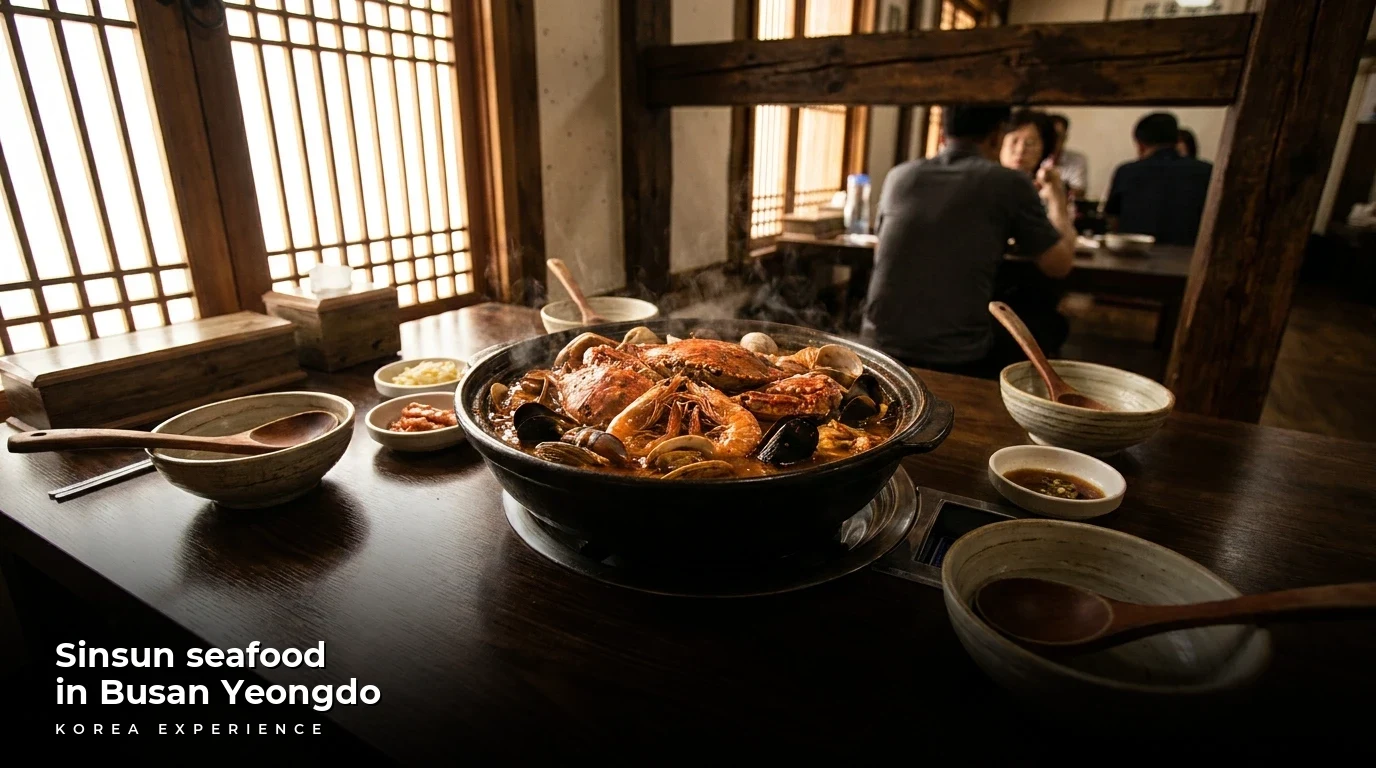
Discover the freshest seafood in Busan. From a $52 Haenyeo diver platter to a 10,000 KRW raw fish soup, explore the ultimate 2026 coastal dining guide.
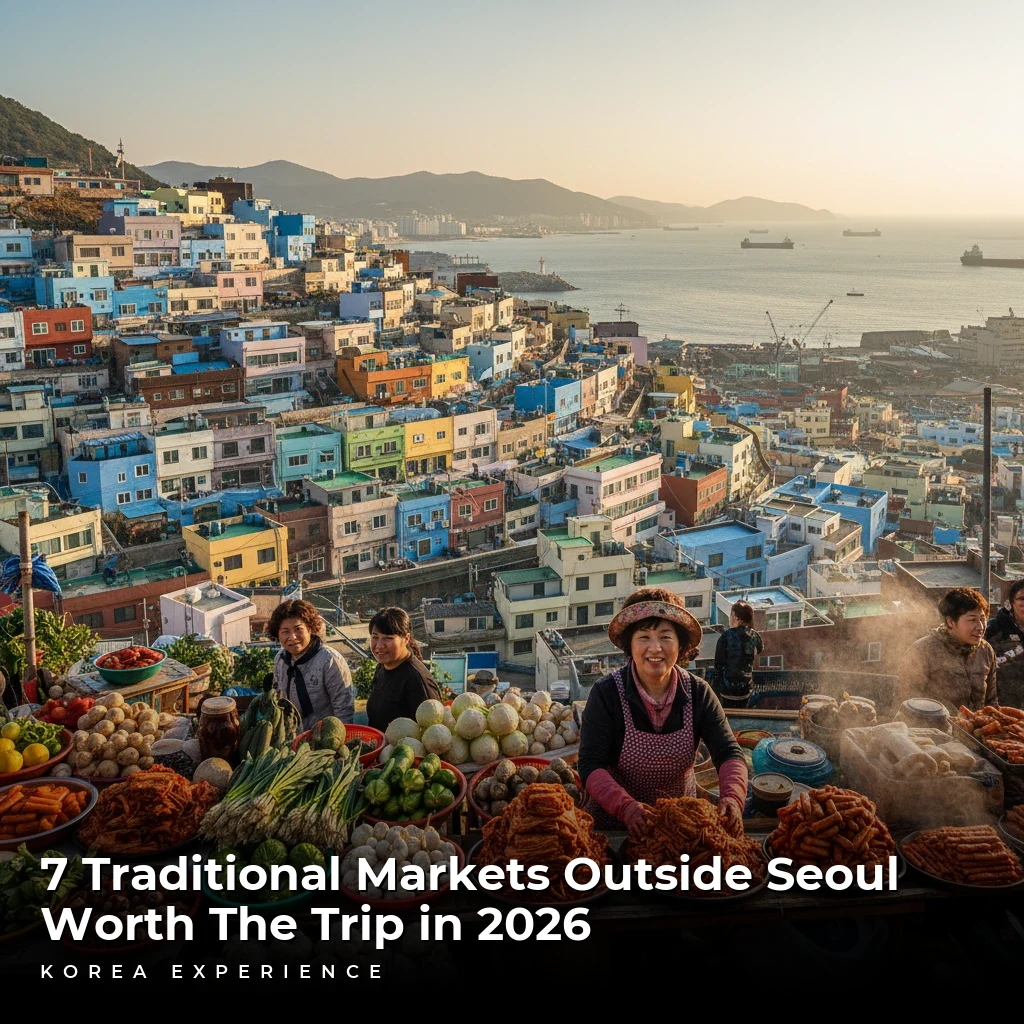
Discover Korea's best markets beyond Seoul. Explore Busan, Jeju, and Daegu with specific food prices, transport tips, and 2026 travel data.
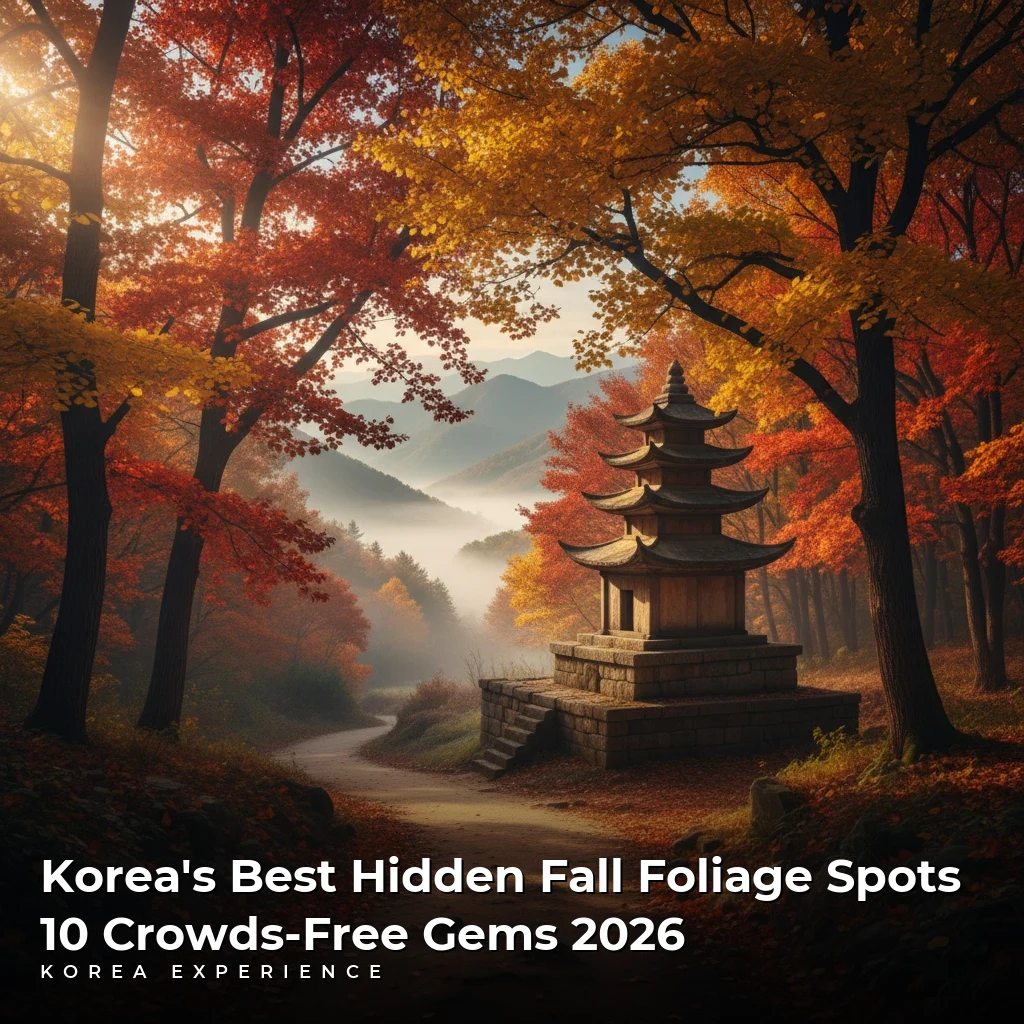
Discover 10 secret autumn spots in Korea away from crowds. Includes 2026 peak foliage dates, transport costs, and specific hiking routes for the perfect trip.