Senior Friendly Travel Korea: Accessible Routes and Slow Pace Guide 2026
Discover the best senior-friendly travel routes in Korea. From barrier-free transport to 65+ free entry benefits and slow-pace itineraries for 2026.
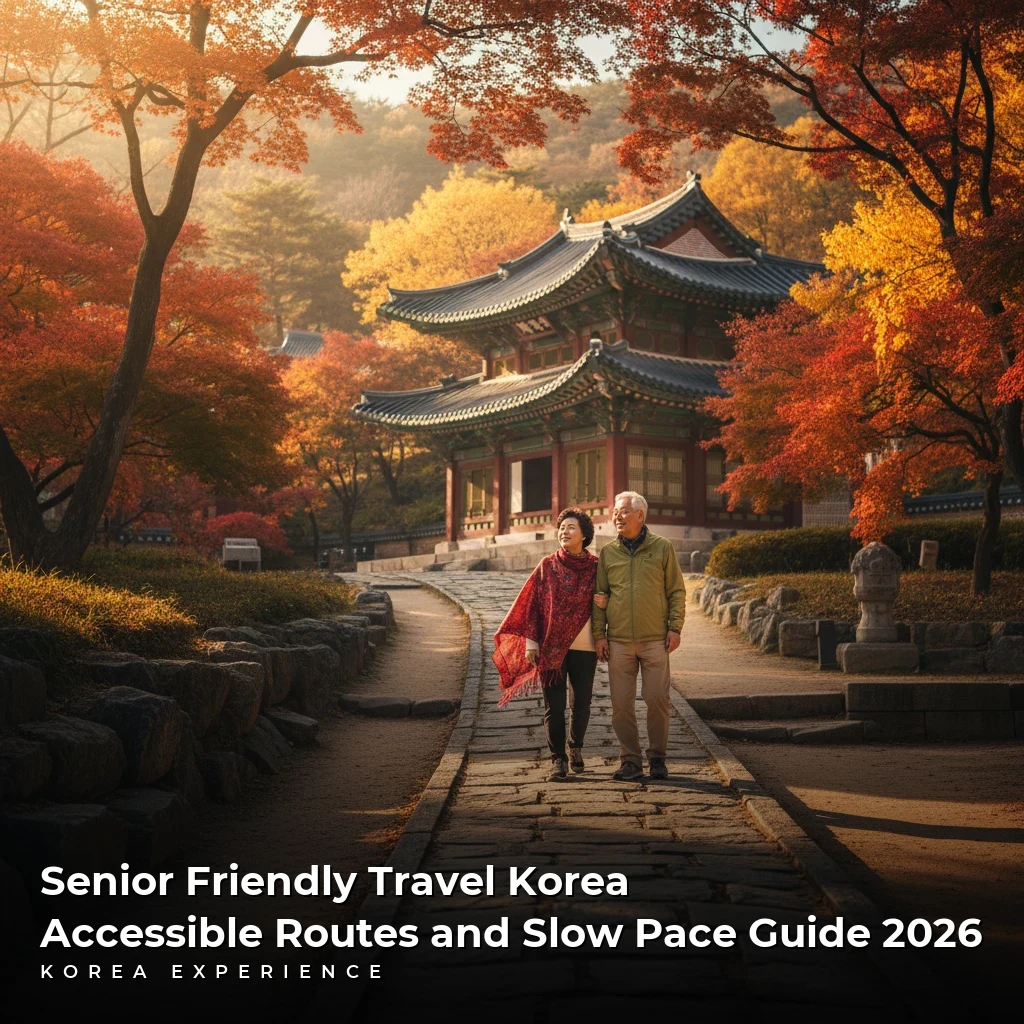
Traveling to Korea as a senior, or with older family members, is surprisingly convenient thanks to the country's rapid modernization and deep cultural respect for elders. While the hilly terrain of the Korean peninsula can seem daunting initially, the infrastructure in major cities like Seoul and Busan has been optimized for accessibility. You can expect elevators at 95% of subway stations, priority seating on all public transport, and significant discounts for those over age 65.
The short answer: Korea is highly senior-friendly, offering free entry to royal palaces for those 65+ (regardless of nationality), extensive elevator networks in subways, and affordable "luxury" taxis that make point-to-point travel stress-free in 2026.
Key Takeaways
- 1Seniors (65+) get free entry to major sites like Gyeongbokgung Palace with a passport
- 2Kakao T Venti vans provide comfortable, accessible transport for groups at ₩40,000+ per ride
- 3All subway stations have elevators, though transfer walking distances can be long (500m+)
- 4Avoid the crowded monsoon season (July) and opt for comfortable Spring or Autumn travel
Why Korea is Ideal for Senior Travelers
Korea is currently facing a rapidly aging society, which has inadvertently created a massive benefit for senior tourists: the infrastructure is designed with older adults in mind. This concept, often referred to as the "Silver Economy," means that accessibility is not an afterthought but a priority in urban planning.
Respect for Elders (Hyo)
The Confucian principle of Hyo (filial piety) is still very much alive. You will notice that younger Koreans will almost immediately vacate their seats on the subway or bus when an older person boards. This cultural norm provides a layer of psychological comfort for senior travelers, knowing that if they need assistance or a place to sit, it will likely be offered without asking.
Safety Statistics
Korea remains one of the safest countries in the world. For senior travelers, the low crime rate is a significant reassuring factor. You can walk through Cheonggyecheon Stream at 9:00 PM without concern. The extensive CCTV network and well-lit streets mean that evening strolls are a viable part of the itinerary.
📊 Senior Safety & Access
Planning Logistics: Arrival and Transport
The most physically demanding part of any trip is the transit. Here is how to navigate Korea's transport system with a focus on low-impact, high-comfort travel.
Airport to City: The Limousine Bus Advantage
While the AREX (Airport Railroad Express) is fast (43 minutes to Seoul Station), it requires navigating deep underground platforms. For seniors, the Airport Limousine Bus is the superior choice.
These are luxury coaches with reclining leather seats and ample legroom. The driver loads and unloads your luggage for you.
- Cost: Approximately ₩17,000 to ₩18,000 one way.
- Convenience: Drops you directly in front of major hotels in Myeongdong, Gangnam, and Jamsil.
- Frequency: Every 15-20 minutes.
Luggage Tip
If you are traveling with multiple large suitcases, use the "Zimcarry" or "Hanjin" luggage delivery services at Incheon Airport. For about ₩20,000 per bag, they will deliver your luggage directly to your hotel, allowing you to take the train or bus unencumbered.
Navigating the Subway
The Seoul Metro is world-class, but it is vast. A single transfer can involve a 600-meter walk.
- Elevators: Look for the orange/yellow elevator signs. Almost every station has them, though they may be located at the far ends of the platform.
- Priority Seating: Every carriage has designated seats at the ends for seniors, pregnant women, and the disabled. Do not hesitate to use these if you are over 60.
- T-Money Card: Buy a T-Money card at any convenience store (₩4,000 for the card) and load it. It saves fumbling for cash.
If you are looking for specialized routes for those with mobility issues, check our guide on Accessible Seoul routes.
The Taxi Solution: Kakao T
For distances under 5 kilometers, a taxi is often cheaper and faster for a group of 2-3 people than the subway.
- Standard Taxi: Base fare starts around ₩4,800.
- Kakao T Venti: These are large vans (similar to Kia Carnivals). They are easier to enter and exit than sedans and offer a smoother ride. You can book them via the Kakao T app (which accepts foreign credit cards in 2026).
📖 How to Book a Senior-Friendly Taxi
Step 1: Download Kakao T
Install the app and register your foreign credit card.
Step 2: Select 'Venti' or 'Black'
When choosing a ride, scroll to Venti (Large Van) or Black (Luxury Sedan). These drivers are rated higher for service.
Step 3: Set Destination
Input your destination in English. The app translates it for the driver.
Accessible Seoul: A 3-Day Slow Pace Itinerary
For senior travelers, we recommend a "Slow Travel" approach: one major activity in the morning, a rest/café break, and one light activity in the late afternoon.
Day 1: The Royal Past (Barrier-Free)
Start at Gyeongbokgung Palace. The palace grounds are largely flat, consisting of packed dirt and paved stone.
- Senior Benefit: Admission is free for anyone over age 65 (show your passport at the ticket booth).
- Accessibility: Wheelchair ramps are installed at major halls. You can also rent wheelchairs for free at the entrance with an ID deposit.
Gyeongbokgung Palace(경복궁)
For lunch, head to a nearby restaurant specializing in Samgyetang (Ginseng Chicken Soup). This is a traditional stamina food perfect for replenishing energy. Ensure the restaurant has table seating, as traditional floor seating can be hard on the knees.
Afternoon in Insadong: Tradition vs. Comfort
The Dualism Concept: Experience the best of both worlds — premium luxury moments paired with authentic budget-friendly experiences in one route.
Traditional Tea House
Private room with premium green tea and rice cakes.
Ssamzigil Browsing
Window shopping handmade crafts. The building uses a gentle ramp instead of stairs.
The Ssamzigil complex is architecturally unique because it is a continuous spiral ramp, making it stroller and wheelchair friendly without elevators.
Day 2: Modern Seoul & River Relaxation
The Han River (Hangang) parks are excellent for seniors because they are completely flat and paved.
- Activity: Take a Han River Cruise from Yeouido.
- Cost: Approx ₩22,000 for a 40-minute day cruise.
- Experience: You can sit indoors with air conditioning or on the deck. It requires zero walking once on board.
In the evening, visit Lotte World Tower (Seoul Sky). While it is a high-energy attraction, the elevators are the world's fastest, and the observation deck offers seating with 360-degree views. It is a low-impact way to see the entire city.
Senior Discount
Lotte World Tower offers a senior discount for those over 65. The regular ticket is around ₩31,000, but with the discount, it drops to approximately ₩27,000. Always ask for the "Senior" or "Silver" price.
Day 3: Cultural Immersion Without the Hike
Many guidebooks suggest Namsan Tower, but the walk up from the cable car can be steep (lots of stairs). Instead, visit the National Museum of Korea.
- Accessibility: 100% barrier-free. Elevators, wide corridors, and plenty of benches.
- Pacing: It is huge, so focus on the 1st floor (Prehistory to Joseon Dynasty).
- Garden: The outdoor Dragon Falls area is flat and serene.
For dinner, consider a high-quality Korean BBQ experience where the staff cooks everything for you. Check out our guide to best Korean BBQ restaurants in Seoul for places with comfortable ventilation and table service.
Beyond Seoul: Slow Travel in the Provinces
If you are extending your trip, avoid the rush of multiple cities. Pick one region and stay for 2-3 nights.
Andong: The Spirit of Korea
Andong is arguably the best "Slow City" in Korea. The Hahoe Folk Village is a UNESCO site that is still inhabited.
- Transport: From Seoul (Cheongnyangni Station) to Andong Station takes about 2 hours via KTX-Eum.
- Accessibility: The village is flat dirt paths. However, they operate electric golf carts that shuttle visitors around the perimeter for a small fee (approx ₩5,000-10,000).
- Stay: You can stay in a traditional Hanok, but ensure you book one with a modern "Western-style" bed, as sleeping on the floor (Yo) can be difficult for seniors.
For a deeper dive into this region, read our article on Andong Hahoe Village.
Busan: Coastal Comfort
Busan is famous for hills, but the coastline is accessible.
- Haeundae Blue Line Park: This acts as a coastal train. You ride a "Sky Capsule" or "Beach Train" along the ocean cliffs. It requires no walking and offers the best views in the city.
- Pricing: Approx ₩35,000 for a 2-person capsule.
- Walks: The dongbaekseom Island coastal walk is a wooden boardwalk that is largely flat and connects directly to the Westin Josun Hotel.
Accommodation: Choosing Senior-Friendly Hotels
When booking hotels in Korea, "Standard" rooms are often smaller than in the US or Europe (averaging 22-25 square meters). For senior travelers, space and accessibility are key.
Accommodation Types for Seniors
| Feature | Business Hotel | 5-Star Hotel | Hanok Stay |
|---|---|---|---|
| Elevator Access | ✅ | ✅ | Rare |
| Bed Height | Standard | High/Plush | Floor (Yo) |
| English Concierge | Limited | Excellent | Variable |
| Price (Avg) | ₩120,000 | ₩350,000 | ₩180,000 |
Always request a room 'near the elevator' when booking. Corridors in massive hotels like the Grand Hyatt or Lotte Hotel World can be 100 meters long. Also, explicitly ask for a 'walk-in shower' as many older Korean hotels still feature deep bathtub/shower combos that have high step-over heights.
Dining Considerations: Health and Comfort
Korean food is generally healthy, featuring fermented vegetables and lean meats. However, it can be spicy and high in sodium.
- Bonjuk (Porridge Chain): If you or your companion has a sensitive stomach or dental issues, look for the brand "Bonjuk." They serve premium rice porridge (abalone, beef, vegetable) that is soft, nutritious, and mild. Prices range from ₩10,000 to ₩20,000.
- Table Check: Before entering a restaurant, peek inside. If you see cushions on the floor, skip it. Look for high tables and chairs.
- Water: Water is safe to drink from purifiers in restaurants, but stick to bottled water (Samdasoo) for hotel rooms.
For specific dietary needs, check our guide on 50 must-try Korean foods to identify non-spicy options like Galbitang (Short Rib Soup).
Medical Safety and E-E-A-T
Korea creates a safe environment for seniors regarding health.
- Pharmacies (Yak-guk): Marked with a "Yak" sign (약). Pharmacists often speak basic English. You can buy mild painkillers, digestion medicine, and muscle patches (Pas) over the counter.
- Emergency: Dial 119 for ambulance (English interpretation is available).
- International Clinics: Severance Hospital (Sinchon) and Asan Medical Center have dedicated International Health Care Centers that accept foreign insurance and have English-speaking doctors.
💵 Common Medical Costs (Non-Insured)
Walk-in clinic visit
Initial examination fee
Best Time to Visit for Seniors
Weather dictates mobility.
- Avoid: Late June to Late August. The "Jangma" (monsoon) brings heavy rain and 90% humidity, which creates slippery surfaces and respiratory stress.
- Avoid: January/February. Icy sidewalks are a major fall hazard.
- Best: October to Mid-November. Crisp air, dry pavement, and stunning autumn foliage.
- Good: April to May. Cherry blossoms and mild temperatures.
Check our monthly breakdown in the best time to visit Korea guide.
Suggested Packing List for Senior Travelers
- Slip-on Shoes: You will take your shoes off frequently at temples and some restaurants. Lace-up shoes become a nuisance.
- Trekking Poles: Even for urban walking, collapsible poles provide stability on uneven historic pavement.
- Prescriptions: Bring the original bottle with your name.
- Google Translate & Papago: Download these apps. Papago is superior for Korean-English image translation (menus).
Slow Pace Travel in Korea
- ✓World-class public transport accessibility
- ✓Extremely safe environment day and night
- ✓Deep cultural respect for seniors
- ✗Language barrier in rural areas
- ✗Fast-paced crowds in rush hour
- ✗Long transfer distances in subway stations
Conclusion
Korea is not just a destination for K-Pop youth; it is a country that honors age and history. By utilizing the high-tech transport infrastructure, taking advantage of senior discounts, and pacing your itinerary to enjoy the cafe culture and serene palaces, senior travelers can have a comfortable and enriching experience. The key is to embrace the "slow travel" mindset—using taxis for convenience, booking accessible accommodation, and enjoying the view rather than rushing to every landmark.
Frequently Asked Questions
❓ Frequently Asked Questions
Have more questions?Contact us →
About the Author
Korea Experience Team
Written by the Korea Experience editorial team - experts in Korean medical tourism, travel, and culture with years of research and firsthand experience.
Explore more in Travel & Tourism
From Seoul's neon-lit streets to Jeju's volcanic landscapes — discover the best of Korea with insider travel tips, itineraries, and seasonal guides.
Browse All Travel & Tourism ArticlesContinue Reading
Explore more articles you might find interesting
Discover top wheelchair-accessible routes in Seoul for 2026. Includes elevator maps, transport costs, barrier-free hotels, and specialized taxi services.
Discover the top pet friendly travel hotels and parks for dogs in Korea. Includes 2026 prices, entry fees, and amenities for your furry friend.
Discover Korea's pet-friendly scene for 2026. From KTX rules (under 10kg) to 5-star dog hotels costing ₩400,000/night. Complete guide for traveling with pets.

Discover 10 secret autumn spots in Korea away from crowds. Includes 2026 peak foliage dates, transport costs, and specific hiking routes for the perfect trip.
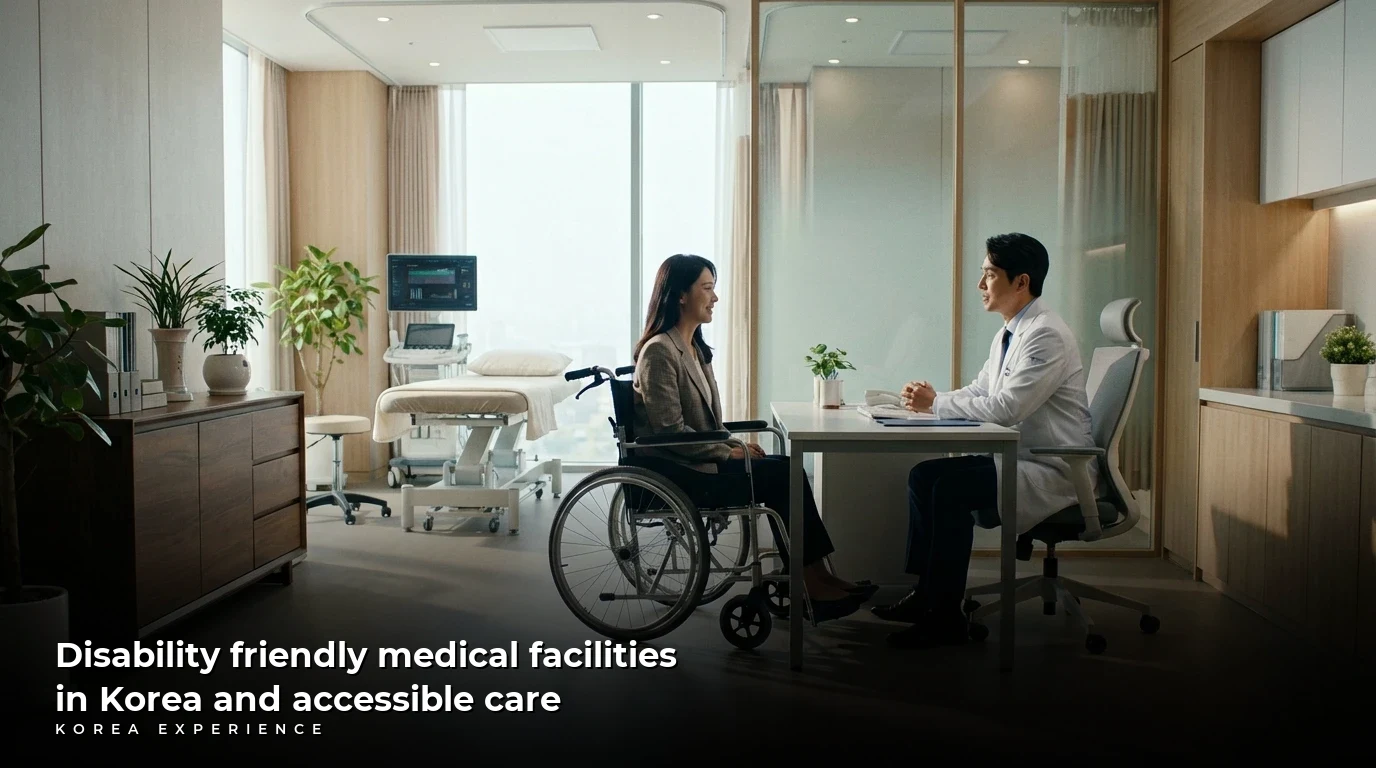
A complete guide to barrier-free hospitals and medical tourism in Korea for travelers with disabilities, featuring the top 5 accessible facilities.
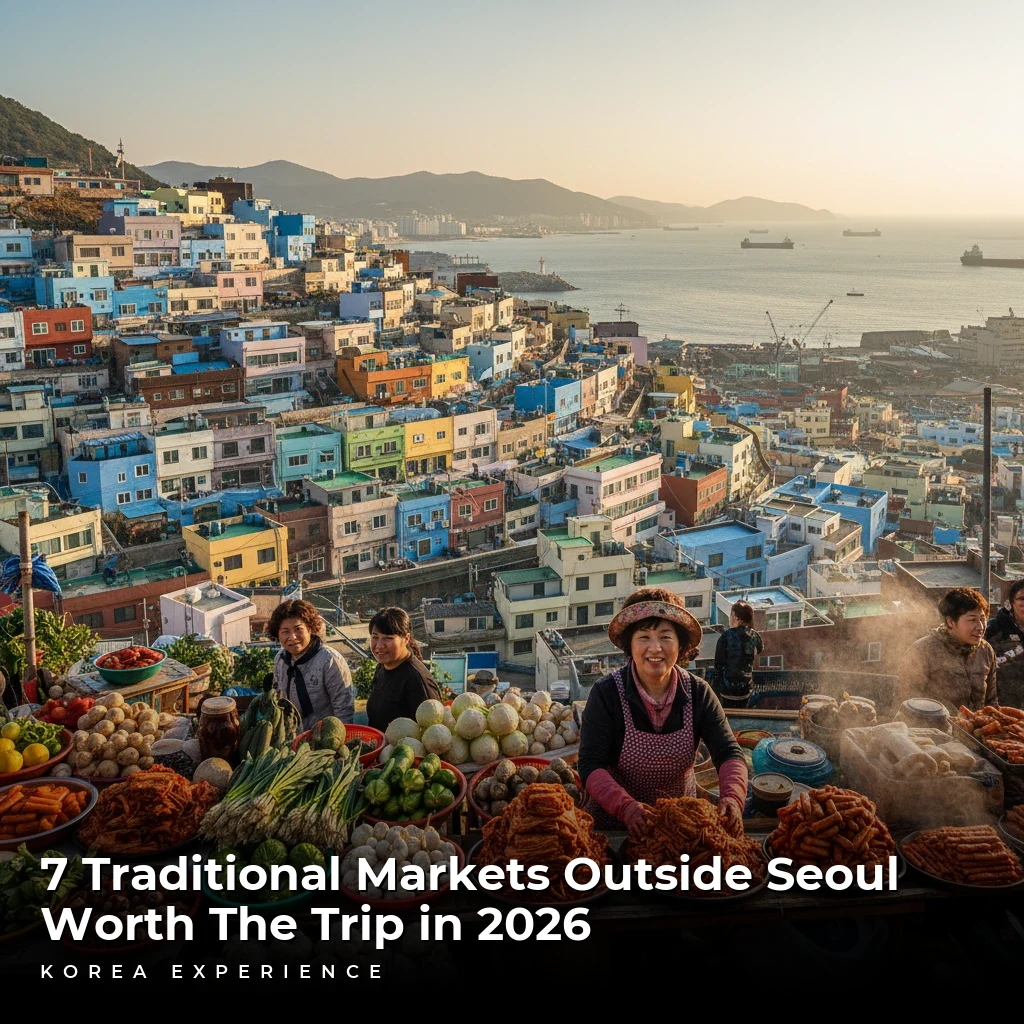
Discover Korea's best markets beyond Seoul. Explore Busan, Jeju, and Daegu with specific food prices, transport tips, and 2026 travel data.