Food & Dining

Vegan & Vegetarian Korean Food Guide 2026

Unlock Korea's vibrant plant-based culinary scene with this essential 2026 guide for vegan and vegetarian travelers and expats.

A Comprehensive Vegan and Vegetarian Guide to Korean Food 2026

For many international travelers and expats, the mention of Korean food often conjures images of sizzling barbecued meats, hearty stews brimming with seafood, and delicious but often meat-broth-based noodle dishes. While Korean cuisine undoubtedly boasts a rich tradition of meat and fish, a growing awareness and demand are making vegan and vegetarian Korean food more accessible and diverse than ever before. If you're planning a trip to Korea in 2026 or are currently residing here and navigating the culinary landscape on a plant-based diet, you might be wondering how to enjoy the country's incredible flavors without compromising your dietary choices.

The challenge for vegans and vegetarians in Korea historically stemmed from the pervasive use of meat or fish broths, fish sauce (Aekjeot), and various seafood derivatives (like salted shrimp, Saeujeot) as foundational flavor enhancers in many traditional dishes. However, with the global rise of plant-based eating and Korea's own burgeoning health and wellness trends, the landscape is rapidly evolving. This comprehensive guide aims to demystify vegan and vegetarian Korean food, providing you with the essential knowledge, practical tips, and specific recommendations to savor the best of Korea's culinary offerings in 2026 and beyond. By the end of this post, you'll be well-equipped to confidently order, explore, and enjoy a vibrant array of plant-based dishes, ensuring an unforgettable foodie experience in Korea.

Understanding Vegetarianism and Veganism in the Korean Context

Before diving into specific dishes, it's crucial to understand the nuances of plant-based diets within Korean culture. The concepts of "vegetarian" (Chaeshikjuuija) and "vegan" (Bigeoneo) are becoming more recognized, but traditional interpretations can differ.

Traditional Dietary Practices: Temple Food and Beyond

Historically, Korean Buddhist temple cuisine (Balwoo Gongyang) offers the most authentic form of traditional Korean vegetarianism. Monastics adhere to a strict diet free from meat, fish, and even the five pungent vegetables (Osinchae): garlic, green onions, chives, wild leeks, and onions, believed to interfere with meditation. This makes temple food inherently vegan, often excluding even dairy and eggs. While not all temple food restaurants adhere to the "five pungent vegetables" rule for general diners, they are excellent places to find truly plant-based meals.

The Modern Korean Interpretation

In contemporary Korea, a "vegetarian" might simply avoid obvious meat and fish, but dairy, eggs, and hidden animal ingredients are often overlooked. A "vegan" diet is generally understood more closely to the Western definition, but clarity is still key. Many restaurant staff, even if they understand the terms, might not be fully aware of hidden ingredients in broths or sauces. Always be prepared to explain your dietary needs clearly.

Hidden Animal Ingredients to Watch Out For

To truly navigate vegan and vegetarian Korean food, you must be vigilant about certain common ingredients:

  • Fish Sauce (Aekjeot): Widely used in Kimchi, soups, stews, and side dishes (Banchan).
  • Salted Shrimp (Saeujeot): Another common Kimchi ingredient and flavoring for stews.
  • Beef Broth (Gukmul): The base for many soups, stews, and noodle dishes.
  • Anchovy Broth (Myeolchi Yuksu): Extremely common base for almost all traditional Korean soups and stews.
  • Eggs (Gyeran): Often used as a garnish or binding agent.
  • Dairy (Uyu): Less common in traditional dishes but present in some modern fusion or bakery items.

Decoding Korean Menus: Key Phrases & Ingredients

Empowering yourself with a few key Korean phrases and a list of ingredients to avoid can transform your dining experience. While many younger Koreans or staff in tourist areas speak some English, having these phrases ready will significantly help.

Essential Phrases for Vegan and Vegetarian Dining

When ordering, polite communication is crucial. Here are some phrases to help you:

  • "저는 채식주의자예요." (Jeoneun chaeshikjuuija-yeyo.) - "I am vegetarian."
  • "저는 비건이에요." (Jeoneun bigeon-ieyo.) - "I am vegan."
  • "고기 안 먹어요." (Gogi an meogeoyo.) - "I don't eat meat."
  • "생선 안 먹어요." (Saengseon an meogeoyo.) - "I don't eat fish."
  • "해산물 안 먹어요." (Haesanmul an meogeoyo.) - "I don't eat seafood."
  • "달걀 안 먹어요." (Dalgyal an meogeoyo.) - "I don't eat eggs."
  • "우유 안 먹어요." (Uyu an meogeoyo.) - "I don't eat dairy."
  • "새우젓 빼주세요." (Saeujeot ppaejuseyo.) - "Please omit salted shrimp."
  • "멸치 육수 사용하지 마세요." (Myeolchi yuksu sayonghaji maseyo.) - "Please don't use anchovy broth." (This is a more advanced request that might be challenging in non-specialty restaurants).
  • "고기 육수 빼주세요." (Gogi yuksu ppaejuseyo.) - "Please omit meat broth."

Common Non-Vegan Ingredients and Their Korean Names

Knowing these terms will help you spot potential issues on menus or when asking questions:

English TermKorean Term (Romanized)What to Watch For
Meat (general)GogiBeef (Soegogi), Pork (Dwaejigogi), Chicken (Dakgogi)
Fish/SeafoodSaengseon/HaesanmulAnchovy (Myeolchi), Shrimp (Saeu), Octopus (Nakji), Squid (Ojingeo)
Fish SauceAekjeotCommon in Kimchi, stews.
Salted Shrimp PasteSaeujeotAlso common in Kimchi, some stews.
Beef BrothSoegogi YuksuBase for many soups and stews.
Anchovy BrothMyeolchi YuksuVery common base for soups and stews.
EggGyeranGarnish, binding agent.
DairyUyu/Yu-je-pumLess common in traditional, but present in modern items.

Naturally Vegan and Vegetarian Korean Dishes

Despite the challenges, many delicious Korean dishes are either inherently plant-based or can be easily adapted. Focus on these staples to enjoy authentic flavors.

Inherently Vegan Options (or Easily Made Vegan)

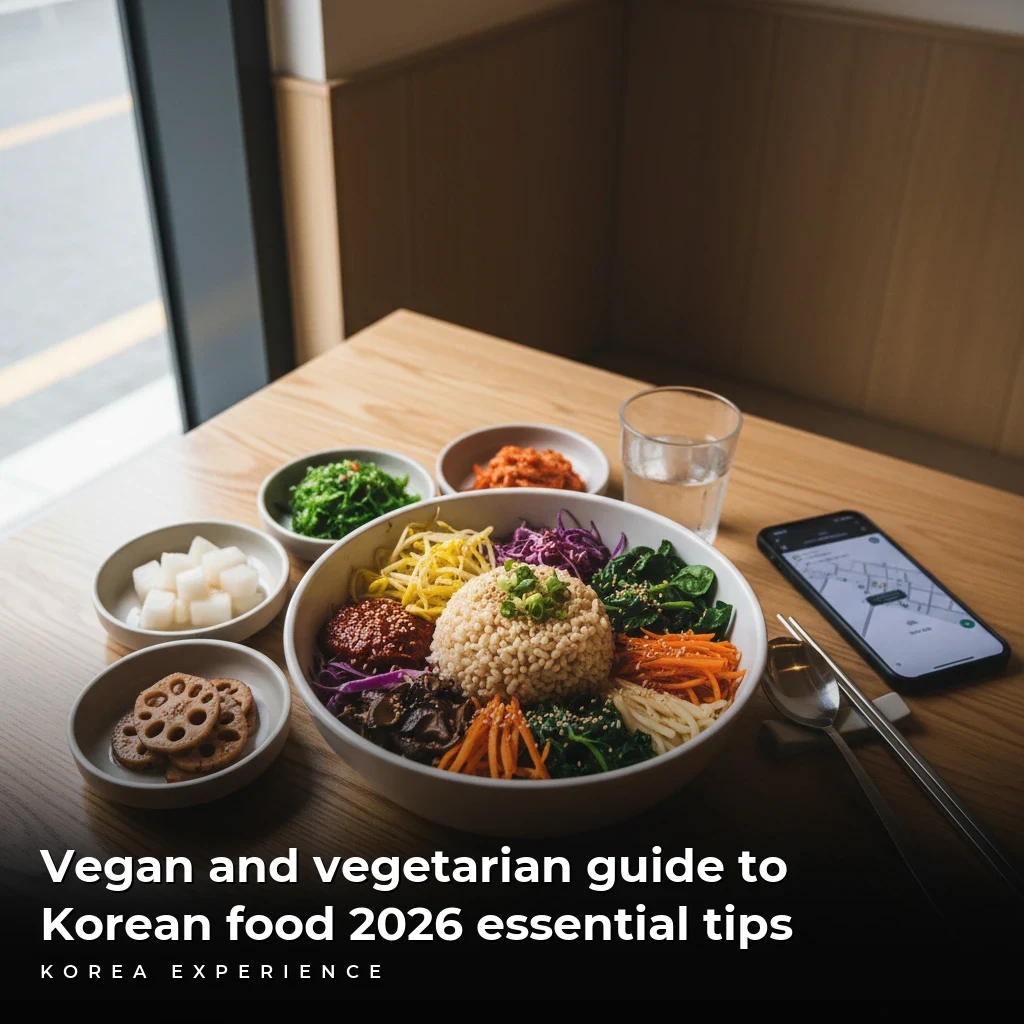
  • Bibimbap (비빔밥 - Mixed Rice): A cornerstone of Korean cuisine. The classic version often includes egg and sometimes meat, but you can request it without these. Crucially, ask for "gogi ppaego, gyeran ppaego" (no meat, no egg) and clarify that the Gochujang (chili paste) is meat-free (most commercial Gochujang is vegan, but homemade versions might vary). Look for Jeonju Bibimbap (often comes with a raw egg yolk) or Dolsot Bibimbap (served in a hot stone pot, which crisps the rice).
  • GimBap (김밥 - Seaweed Rice Rolls): Similar to sushi rolls. Many varieties contain ham, tuna, or imitation crab. However, Yachae GimBap (vegetable gimbap) or Chilgye GimBap (seven-ingredient gimbap, often vegetable-heavy) are good choices. Always confirm no egg or fish cake.
  • Japchae (잡채 - Glass Noodles with Vegetables): Sweet potato starch noodles stir-fried with vegetables like spinach, carrots, mushrooms, and onions in a soy sauce-based seasoning. This is usually vegan, but sometimes includes a tiny bit of meat. Confirm "no meat" to be safe.
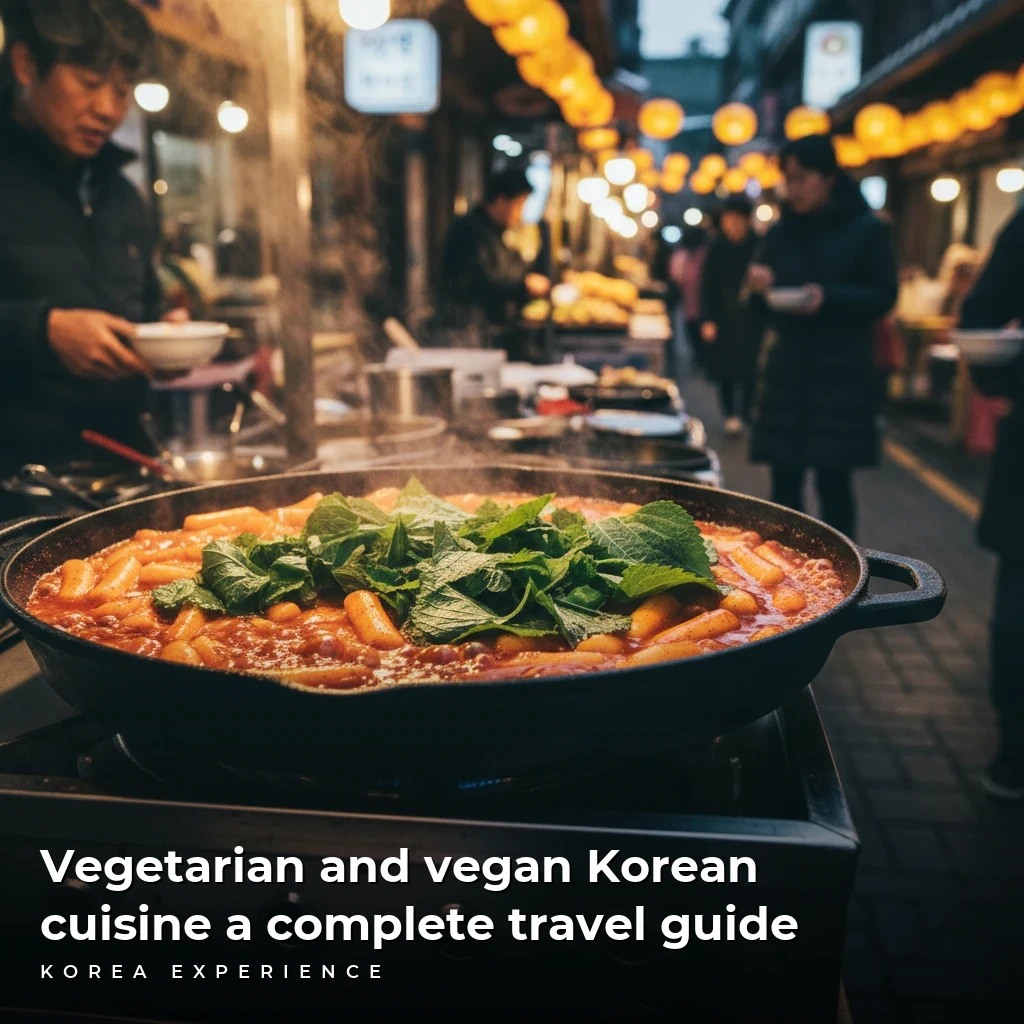
  • Tteokbokki (떡볶이 - Spicy Rice Cakes): A popular street food. The rice cakes themselves are vegan, and the spicy Gochujang sauce is typically vegan. The main issue is fish cake (Eomuk), which is almost always present. Ask for Eomuk ppaego (no fish cake) or seek out dedicated vegan stalls/restaurants.
  • Pajeon/Buchimgae (파전/부침개 - Korean Pancakes): Savory pancakes. Yachaejeon (vegetable pancake) or Gamjajeon (potato pancake) are often vegan-friendly, made with flour, vegetables, and water. Kimchi-jeon (Kimchi pancake) can be vegan if the Kimchi used is fish-sauce-free, but this is less common. Avoid Haemul Pajeon (seafood pancake).
  • Doenjang Jjigae (된장찌개 - Soybean Paste Stew): A staple Korean stew. This is tricky. While the main ingredients (fermented soybean paste, tofu, vegetables) are vegan, the broth is almost always anchovy-based or beef-based. However, some restaurants (especially Buddhist temple food eateries) or dedicated vegan spots will offer a pure vegetable broth version. It's worth asking, but be prepared for a "no."
  • Sundubu Jjigae (순두부찌개 - Soft Tofu Stew): Similar to Doenjang Jjigae, it's often made with anchovy or beef broth. However, the Haemul Sundubu Jjigae (seafood soft tofu stew) is common, so avoid that. If a vegetable-based option exists, it would be clearly marked at a vegan restaurant.
  • Various Banchan (반찬 - Side Dishes): Many Banchan are naturally vegan, such as seasoned bean sprouts (Kongnamul Muchim), spinach (Sigeumchi Namul), pickled radishes (Mu Saengchae), and potato salad (Gamja Salad - usually vegan in Korea, but check for mayo with eggs). Always confirm the Kimchi is vegetarian/vegan, as most contains fish sauce.

Vegetarian Options (May Contain Eggs/Dairy)

  • Gyeran Jjim (계란찜 - Steamed Egg Custard): A fluffy, savory steamed egg dish. Clearly vegetarian, but not vegan.
  • Certain Baked Goods: While many bakeries use eggs and dairy, some offer vegan options or items that are primarily flour-based. Always inquire about ingredients.

Dedicated Vegan & Vegetarian Restaurants in Korea (2026)

The specialized vegan and vegetarian dining scene in Korea, especially in Seoul, has flourished. These establishments are your safest and most delicious bets for guaranteed plant-based meals.

Seoul's Vegan Hotspots

Seoul is at the forefront of the plant-based movement in Korea. You'll find a wide array of options, from traditional Korean to international fusion.

  • Sanchon (산촌): A renowned Buddhist temple food restaurant in Insadong. Expect a serene atmosphere and exquisite multi-course meals prepared without any meat, fish, or five pungent vegetables. It's an experience, not just a meal. Prices are higher, typically 30,000-50,000 Korean Won per person for a set menu. Reservation recommended.
  • Plant Cafe Seoul (플랜트): With locations in Itaewon and Yeonnam-dong (near Hongdae), Plant Cafe is a pioneer in Seoul's vegan scene. It offers a diverse Western-style menu including burgers, sandwiches, salads, and delicious baked goods. Great for a casual meal. Expect to pay 12,000-18,000 Korean Won for a main dish.
  • Majang Vegan (마장비건): Located near Majang Market, this spot focuses on vegan Korean comfort food, often reinterpreting classic dishes like Jjajangmyeon (black bean noodles) and Tangsuyuk (sweet and sour "pork" using mushrooms). A fantastic option for familiar Korean flavors made vegan. Prices around 10,000-15,000 Korean Won per dish.
  • Oh Se Gye Hyang (오세계향): Another excellent traditional Korean vegetarian restaurant in Insadong. Offers a wide range of mock meat dishes and traditional meals. Highly popular among both locals and tourists. Expect main dishes around 10,000-18,000 Korean Won.
  • Ggami Emo Kimchi Jjim (까미이모김치찜) - Vegan Kimchi Jjim: A smaller, specialized spot that offers vegan Kimchi Jjim (steamed Kimchi stew) using plant-based ingredients and no fish sauce. A rarity and a must-try for Kimchi stew lovers. Location can be a bit hidden, but worth seeking out. Prices typically 10,000-13,000 Korean Won.
  • Vegan Kitchen (비건키친): Found in Hongdae, this cafe offers a variety of vegan dishes from brunch items to pasta and bowls. Very popular with students and young crowds.

Beyond Seoul: Other Cities and Regions

While Seoul boasts the largest selection, other major cities and even some smaller towns are catching up.

  • Busan: Look for vegan options in areas like Seomyeon or Gwangalli. Restaurants like Vegan Food Lab or VEGUN offer modern plant-based fare.
  • Jeonju: Famous for Bibimbap, some restaurants offer specialized Yukhoe-kkaebi Bibimbap (no raw beef, no egg, vegetable-only bibimbap). There are also a few dedicated vegan cafes.
  • Jeju Island: A popular tourist destination, Jeju has a growing number of health-conscious eateries, including a few dedicated vegan restaurants and cafes, particularly around Jeju City and Seogwipo.

Comparing Vegan-Friendly Restaurant Types

Understanding where to look can save you time and ensure a satisfying meal.

Restaurant TypeVegan-Friendly ScoreNotes
Dedicated Vegan/Vegetarian5/5 (Excellent)Safest option, diverse menus, staff fully understands.
Buddhist Temple Food4/5 (Very Good)Traditional Korean, often strictly vegan, excludes 5 pungent vegetables.
Indian/Middle Eastern Restaurants4/5 (Very Good)Many naturally vegetarian/vegan options, clear menus.
Upscale/Modern Cafes (Seoul)3/5 (Good)Increasingly offering labeled vegan options, especially brunch/salads.
Bibimbap Specialty Restaurants3/5 (Good)Can usually customize Bibimbap (no meat, no egg, specific Kimchi for vegans).
General Korean Restaurants2/5 (Challenging)Requires careful questioning about broths, sauces, and hidden ingredients.
Korean BBQ (Gogi-jib)1/5 (Very Challenging)Focus is meat; side dishes may be an option, but cross-contamination is high.

Dining at a regular Korean restaurant can be rewarding but requires vigilance. Don't be afraid to ask questions.

The "Ask for No Meat/Fish" Strategy

Many everyday Korean dishes rely heavily on meat or fish broth for flavor. While asking to omit meat/fish from the main dish is feasible, asking to change the broth base is often met with confusion or inability, as broths are usually pre-made in large batches.

  • Tofu Jjigae (두부찌개 - Tofu Stew): Similar to Sundubu and Doenjang, but the broth is still likely an issue. If you find a restaurant that explicitly states "vegetarian tofu stew" on the menu, it's worth trying.
  • Guksu (국수 - Noodles): Noodle soups almost always have a meat or anchovy broth. Bibim Guksu (spicy mixed noodles) or Japchae are safer bets, but again, check for meat in the sauce or garnish.
  • Korean Chinese Restaurants: These often have dishes like Jjajangmyeon (black bean noodles) that can be made vegetarian/vegan, but traditional recipes use pork. Some specialized restaurants offer vegetable versions. Jjamppong (spicy seafood noodle soup) is seafood-heavy.
  • Kimchi: Almost all standard restaurant Kimchi contains fish sauce or salted shrimp. If you are strictly vegan, it is generally safer to avoid restaurant Kimchi unless it's explicitly labeled vegan or you are at a dedicated vegan eatery.

Embrace "Gyeran Ppaego, Gogi Ppaego!"

Even if a restaurant doesn't offer specific vegan options, you can often customize existing dishes. Focus on Bibimbap, Gimbap, and various Namul (seasoned vegetable) side dishes. Always request "no meat" (gogi ppaego) and "no egg" (gyeran ppaego). For Kimchi, if you must have it, assume it's not vegan unless otherwise stated.

Tips for Communication and Verification

  • Use translation apps: Papago (Naver's translator) is highly recommended for Korean. You can type in your dietary needs and show the staff.
  • Have a printed card: A small card with clear Korean phrases explaining your diet can be very helpful, especially in smaller, less tourist-frequented establishments.
  • Be polite and patient: Communication can be challenging. A smile and a patient attitude go a long way.
  • Look for visual cues: If you see a restaurant bustling with monks or advertising "temple food," it's likely a good bet.

Supermarket & Convenience Store Finds

For quick meals, snacks, or cooking at home, Korean supermarkets and convenience stores offer a surprising array of plant-based options.

Supermarket Treasures (E-mart, Lotte Mart, Homeplus)

  • Fresh Produce: An abundance of fresh vegetables, fruits, and mushrooms.
  • Tofu (Dubu): A staple! Different consistencies (soft, firm, extra firm) are available.
  • Soy Milk & Plant Milks: Soy milk (Duyu) is ubiquitous, and oat milk, almond milk, and even rice milk are becoming common.
  • Noodles: Many dry noodle varieties (ramen, glass noodles, wheat noodles) are vegan, but check the seasoning packets for meat/fish powder. Look for instant ramen labeled "vegetable" or "pure vegetable." Nongshim's Soon Veggie Ramyun is a widely available vegan option.
  • Kimchi: Many brands now offer "vegan Kimchi" or "vegetarian Kimchi" specifically made without fish sauce. Look for labels that say 비건 김치 (Bigeoneo Kimchi) or 채식 김치 (Chaeshik Kimchi) or 멸치액젓 무첨가 (Myeolchi Aekjeot Mucheomga - no anchovy fish sauce). Brands like Bibigo sometimes have specific vegan lines.
  • Seaweed Snacks (Gim): Most roasted seaweed is vegan, seasoned with salt and sesame oil.
  • Pre-made Salads & Side Dishes: Many supermarkets have a Banchan section with various vegetable side dishes. Inquire about ingredients or stick to clearly identifiable ones like plain bean sprouts or spinach.
  • Frozen Vegan Products: The demand for plant-based meat alternatives is growing, so you might find vegan dumplings, patties, or even sliced mock meats in larger supermarkets.

Convenience Store Quick Bites (GS25, CU, 7-Eleven)

  • Samgak Gimbap (삼각김밥 - Triangular Gimbap): The Jeonju Bibim Gimbap (often looks like a spicy Bibimbap filling) or plain vegetable options might be vegan, but always check the ingredients list carefully. Many contain tuna, ham, or imitation crab.
  • Instant Noodles/Ramen: As mentioned, Nongshim's Soon Veggie Ramyun is usually available. Always read labels, as many standard instant ramens contain meat/seafood powder.
  • Sweet Potato (Goguma): Baked sweet potatoes are a common and delicious vegan snack, especially in winter.
  • Roasted Chestnuts (Bam): A seasonal and often available healthy snack.
  • Fruits: A good range of fresh fruit.
  • Tofu in cups: Some convenience stores carry small pre-packaged tofu snacks.
  • Breads/Pastries: Some simple bread rolls might be vegan, but most will contain dairy or eggs.

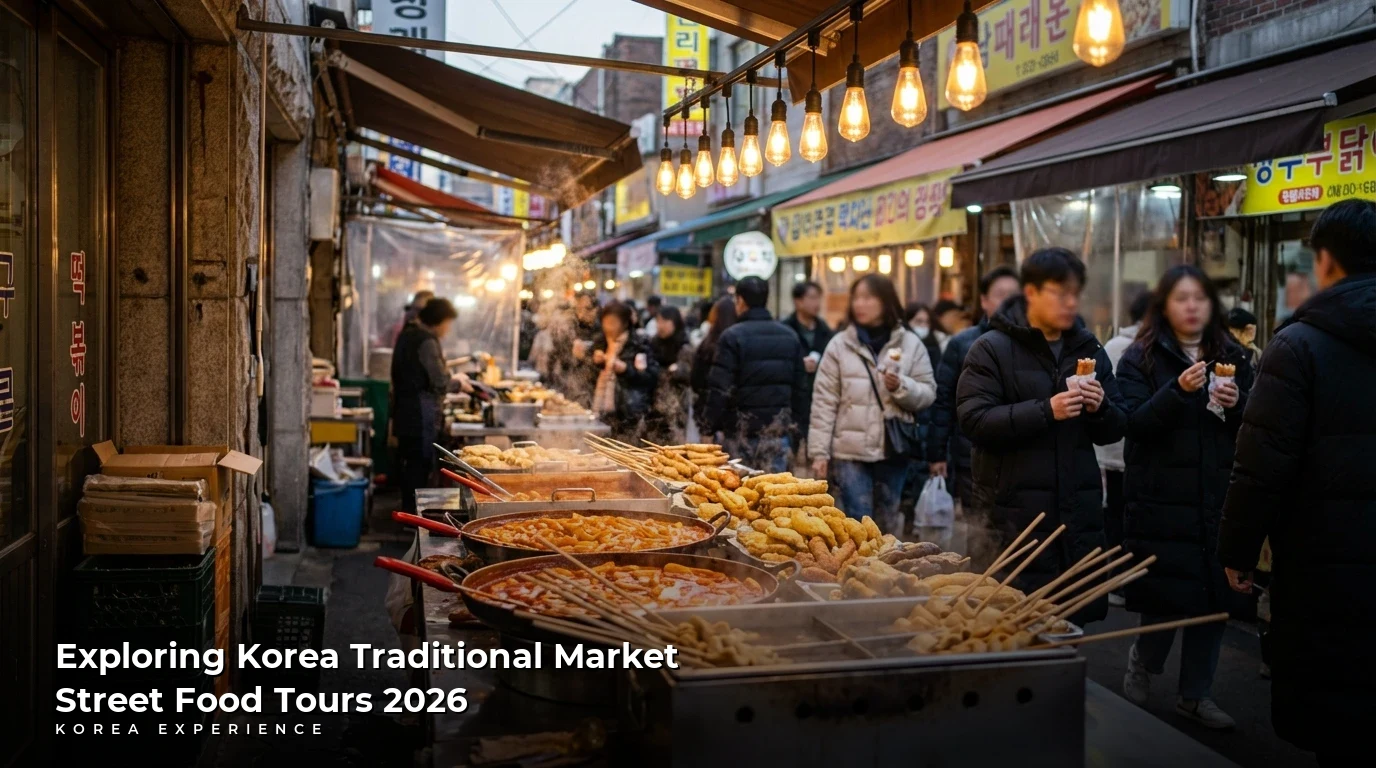
Street Food & Traditional Markets

Korean street food is an experience not to be missed, but it requires careful selection for plant-based eaters.

Safer Street Food Options

  • Hotteok (호떡 - Sweet Pancakes): These sweet, chewy pancakes with a brown sugar and nut filling are usually vegan, made from a flour-based dough. Confirm no dairy is added during preparation.
  • Gyeranppang (계란빵 - Egg Bread): Clearly vegetarian, but not vegan, as it's primarily an egg-based snack.
  • Gukhwa-ppang (국화빵 - Chrysanthemum Bread): Small, flower-shaped pastries typically filled with red bean paste. Often vegan.
  • Bungeoppang (붕어빵 - Fish-shaped Pastry): Similarly, fish-shaped pastries filled with red bean paste are usually vegan.
  • Tteokbokki (떡볶이): As mentioned, the rice cakes and sauce are typically vegan, but the fish cake is ubiquitous. Ask for "Eomuk ppaego" (no fish cake) and watch how they prepare it. Some specialized stalls might accommodate.
  • Goguma Twigim (고구마 튀김 - Fried Sweet Potato): Tempura-style fried vegetables. Other vegetable tempura (Yachae Twigim) might also be available. Ask for "no fish" in the oil if possible, though this is difficult for shared fryers.
  • Corn on the Cob (Oksusu): Simply steamed or roasted corn.
  • Roasted Chestnuts/Sweet Potatoes: Seasonal and readily available.

Avoid (or be Very Cautious With)

  • Odeng/Eomuk (오뎅/어묵 - Fish Cakes): Almost entirely fish-based.
  • Sundae (순대 - Blood Sausage): Definitely not vegetarian/vegan.
  • Kalguksu (칼국수 - Noodle Soup): Broth is almost always meat or anchovy-based.
  • Pojangmacha (포장마차 - Street Stalls): While many sell Tteokbokki, Odeng, etc., they are less likely to accommodate special dietary requests compared to sit-down restaurants.

Comparing Common Non-Vegan Ingredients to Watch Out For

Staying vigilant is key, as hidden ingredients are common in Korean cuisine.

Ingredient TypeKorean Term (Romanized)Common Use CaseVegan Status
Broth BaseYuksu (육수)Soups (Guk), Stews (Jjigae), Noodle Dishes (Guksu)Non-Vegan
Flavor EnhancerAekjeot (액젓)Kimchi, Some Soups, BanchanNon-Vegan
Flavor EnhancerSaeujeot (새우젓)Kimchi, Some Soups, Often in Kimchi JjigaeNon-Vegan
Garnish/BinderGyeran (계란)Bibimbap, Some Noodles, Side DishesVegetarian
Main IngredientEomuk (어묵)Tteokbokki, Odeng, Some Soups, Side DishesNon-Vegan
Main IngredientGogi (고기)Bibimbap, Gimbap, Japchae (sometimes), Soups, StewsNon-Vegan
Main IngredientHaemul (해물)Pajeon, Sundubu Jjigae, Jjamppong, Various Stir-friesNon-Vegan

FAQ: Vegan and Vegetarian Korean Food

Q1: Is it hard to be vegan or vegetarian in Korea?

While it has historically been challenging due to the pervasive use of fish sauce and meat/fish broths, it is significantly easier in 2026. Major cities like Seoul, Busan, and Jeju now have numerous dedicated vegan/vegetarian restaurants, and even regular eateries are becoming more aware. With this guide and a few key phrases, you can navigate the culinary scene successfully.

Q2: What's the safest Korean dish for vegans?

Bibimbap is often considered the safest, provided you explicitly ask for it without meat (gogi ppaego) and without egg (gyeran ppaego). Many Banchan (side dishes) like seasoned spinach (Sigeumchi Namul) or bean sprouts (Kongnamul Muchim) are also safe, but always double-check the Kimchi. Dedicated vegan restaurants offer a worry-free dining experience.

Q3: How do I ask for no meat or fish in Korean?

To ask for no meat, say "Gogi an meogeoyo" (I don't eat meat) or "Gogi ppaejuseyo" (Please omit meat). For no fish, say "Saengseon an meogeoyo" (I don't eat fish) or "Haesanmul an meogeoyo" (I don't eat seafood). It's helpful to also mention you're "vegan" (bigeon-ieyo) or "vegetarian" (chaeshikjuuija-yeyo).

Q4: Is all Kimchi vegan?

No, traditional Kimchi is almost always made with fish sauce (Aekjeot) or salted shrimp (Saeujeot). To find vegan Kimchi, you must look for brands explicitly labeled "vegan Kimchi" or "vegetarian Kimchi" in supermarkets, or purchase it from dedicated vegan restaurants or Buddhist temple food eateries.

Q5: Can I find vegan options at convenience stores?

Yes, you can! Look for instant ramen like Nongshim's Soon Veggie Ramyun, roasted seaweed snacks (Gim), fresh fruits, baked sweet potatoes, and plain soy milk. Some pre-made gimbap rolls might be vegetable-only, but always check the ingredients list for hidden animal products like fish cake or egg.

Conclusion: Savoring Vegan and Vegetarian Korean Food

The world of vegan and vegetarian Korean food is richer and more accessible than ever before in 2026. While navigating traditional cuisine still requires awareness and proactive communication, the increasing number of dedicated plant-based eateries and understanding staff makes it an exciting time for plant-based travelers and expats in Korea.

Here are your key takeaways for a successful plant-based journey:

  • Prioritize dedicated vegan/vegetarian restaurants: These are your safest bets for diverse and delicious meals.
  • Learn key Korean phrases: "I am vegan/vegetarian," "no meat," "no fish," and "no egg" are essential.
  • Be vigilant about hidden ingredients: Fish sauce, salted shrimp, and meat/anchovy broths are common.
  • Embrace naturally plant-based dishes: Bibimbap (customized), Japchae, and certain Banchan are excellent starting points.
  • Explore supermarkets: A fantastic resource for cooking at home and finding clearly labeled vegan products.
  • Don't be afraid to ask: Politeness and patience go a long way in ensuring a satisfying dining experience.

With this guide, you're now ready to confidently explore the vibrant flavors of Korea, proving that a plant-based diet doesn't mean missing out on an incredible culinary adventure. Enjoy your delicious exploration of vegan and vegetarian Korean food!

For more insights into Korean culture, travel tips, and diverse culinary experiences, explore other guides on the Korea Experience Team blog.

About the Author

Korea Experience Team

Written by the Korea Experience editorial team - experts in Korean medical tourism, travel, and culture with years of research and firsthand experience.

⚠️ Medical Disclaimer

The information provided on this website is for general informational purposes only and does not constitute medical advice. Always consult with qualified healthcare professionals before making any medical decisions.

Continue Reading

Explore more articles you might find interesting