Tongyeong Oyster Specialties Coastal Delicacies Guide
Discover the culinary heart of Korea's south coast with our guide to Tongyeong oysters.
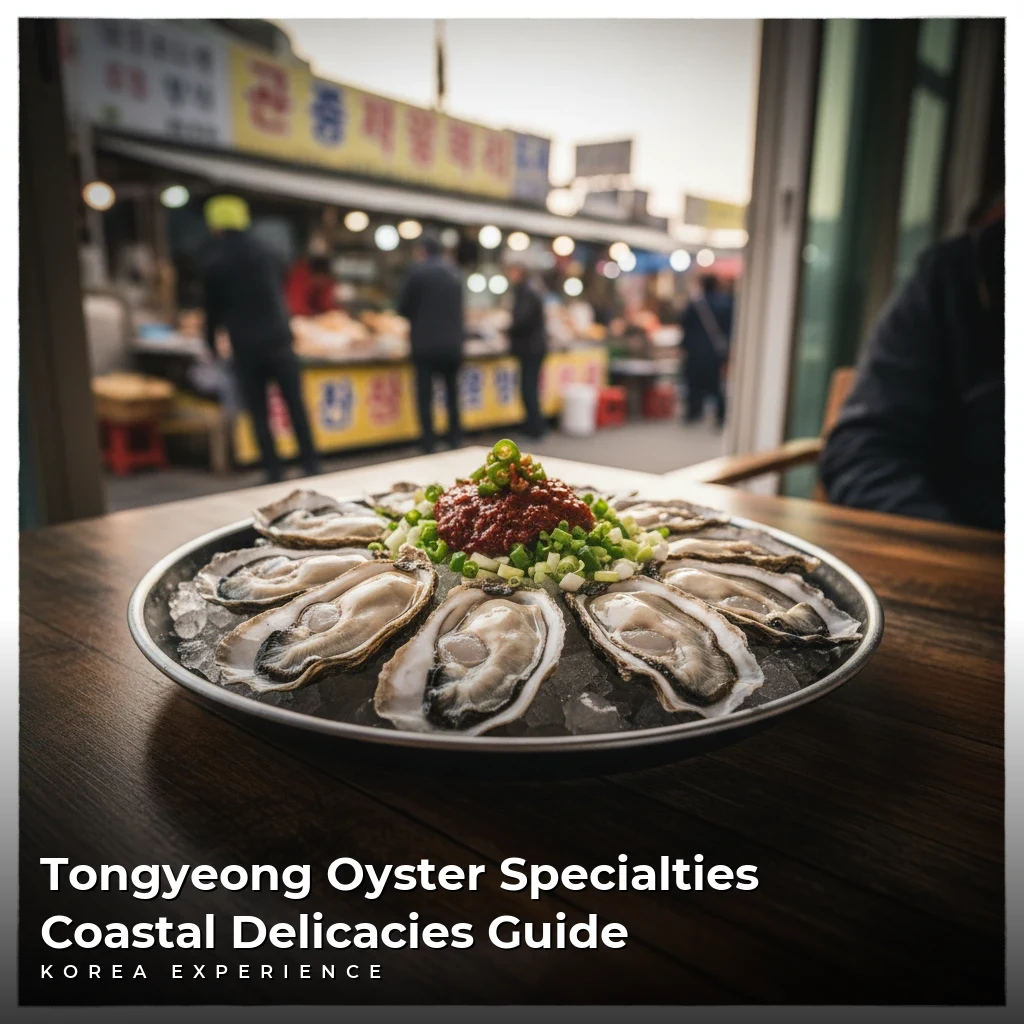
Tongyeong, often affectionately referred to as the "Naples of Korea," is not just a visual spectacle of azure waters and emerald islands; it is the undisputed capital of Korean oyster production. Located approximately 380 kilometers (236 miles) south of Seoul, this coastal city is responsible for producing nearly 80% of South Korea's oysters and exporting thousands of tons globally every year.
For the international traveler, a visit to Tongyeong during the winter season offers a gastronomic pilgrimage unlike any other. The oysters here, grown in the plankton-rich waters of the Hallyeo Marine National Park, are celebrated for their distinctive briny sweetness and creamy texture. Whether you are a gourmand seeking a multi-course fine dining experience or an adventurer looking to haggle in bustling fish markets, Tongyeong provides a culinary landscape that is as deep and varied as the ocean itself.
Related reading: Korean seafood guide from raw fish to grilled shellfish.
Key Takeaways
- 1Tongyeong produces 80% of Korea's oysters, with the peak season running from November to February
- 2A full oyster course meal (Gul-Course) typically costs between ₩25,000 and ₩35,000 ($18-25 USD) per person
- 3Most famous oyster restaurants are clustered around the Ganggu-an Harbor and Jungang Market area
Why Tongyeong Oysters Are World-Class
Before diving into where to eat, it is essential to understand why you are eating here. The geography of Tongyeong creates a perfect storm for aquaculture. The coastline is jagged (ria coast), providing calm, sheltered waters that protect oyster farms from harsh currents while allowing tidal flows to bring in abundant nutrients.
For more details, check out our guide on Mokpo seafood specialties octopus and skate guide.
According to 2025 agricultural data, the region produces over 41,000 tons of oysters annually. These waters are also some of the few in Asia certified by the US FDA (Food and Drug Administration) for sanitation, meaning the raw consumption of these shellfish is generally considered safer here than in many other parts of the world.
📊 Tongyeong Production Metrics
The best time to visit is mid-January. The water temperature drops to its lowest, causing the oysters to build up glycogen stores. This results in the meat becoming firmer, sweeter, and significantly creamier than those harvested in early autumn.
The "Gul-Course": A Symphony of Oysters
The quintessential way to experience Tongyeong's specialty is through a Gul-Course (Oyster Course Meal). Unlike western dining where you might order a dozen raw oysters on ice, the Korean approach is holistic. A single restaurant visit will present the key ingredient prepared in five to seven distinct ways.
A standard B-Course usually starts at around ₩25,000 ($18 USD), while a premium A-Course, which often includes larger servings or additional seafood sides like grilled fish or raw sashmi, averages ₩30,000 to ₩35,000 ($22-26 USD).
The Progression of the Meal
Typical Oyster Course Progression
Seokhwa (Raw Oyster)
Fresh, raw oysters served on the half-shell with chili paste (chogochujang) and lemon.
Gul-Muchim (Spicy Salad)
Blanched oysters tossed with cucumber, pear, and spicy red pepper sauce.
Gul-Jeon (Pancake)
Plump oysters coated in egg batter and pan-fried until golden.
Gul-Tangsuyuk
Deep-fried oysters served with a sweet and sour sauce, a fusion twist.
Gul-Bap & Gul-Guk
Steamed rice cooked with oysters and radish, served with clear seaweed oyster soup.
The brilliance of this course is the texture variance. You move from the cold, slippery texture of the raw dish to the crunch of the deep-fried version, followed by the soft, savory warmth of the pancake, and finally, the comforting heartiness of the rice soup.
Eating Like a Local
When eating the raw oysters (Seokhwa), skip the Tabasco. Locals dip the oyster in Chogochujang (vinegar chili paste) or simply sesame oil with salt to enhance the natural sweetness without overpowering the ocean flavor.
Top Oyster Restaurants in Tongyeong
The harbor area, specifically near Ganggu-an Port, is lined with specialty restaurants. The competition is fierce, which generally keeps quality high and prices competitive. However, waiting times can be long on weekends, averaging 40 to 60 minutes during peak lunch hours (12:00 PM - 1:30 PM).
1. Daepung-gwan (The Crowds Favorite)
Located right near the coastline, Daepung-gwan is perhaps the most famous oyster restaurant in the city. It gained massive popularity after being featured on several Korean variety shows. Their turnover rate is incredibly high, ensuring the absolute freshest catch.
Daepung-gwan(대풍관)
2. Tongyeong Bapsang Gaetbeol (Authentic Flavor)
For travelers seeking a slightly more traditional atmosphere, Gaetbeol offers a rustic charm. They are famous for their Gul-bap (stone pot oyster rice), which develops a delicious crispy crust on the bottom.
Tongyeong Bapsang Gaetbeol(통영밥상 갯벌)
💵 Menu Price Comparison (2025/2026 Season)
Includes Oyster Steak, Grilled Fish, Raw Oyster, Pancake, Soup, Rice
The DIY Experience: Jungang Traditional Market
While restaurants offer comfort, the Jungang Traditional Market offers immersion. Located just steps from the harbor, this market is a sensory overload of splashing water, shouting vendors, and the freshest seafood imaginable.
Here, you can buy oysters by weight. As of the winter 2025 season, 1 kilogram (2.2 lbs) of freshly shucked oysters typically costs between ₩15,000 and ₩20,000 ($11-15 USD). Unshucked oysters in the shell are cheaper by weight but require tools to open.
📋 Jungang Market Stats
📖 How to Eat at the Market (Chojang-jip Style)
Step 1: Purchase Oysters
Walk through the wet market. Look for vendors shucking oysters on the spot. Buy 1kg for 2 people.
Step 2: Find a Sauce House
Look for signs saying 'Chojang-jip' (초장집) upstairs or nearby. These restaurants charge a 'setting fee' to let you eat your market purchases there.
Step 3: Order Sides
Once seated, the restaurant will provide sauces, lettuce, and garlic. You can order rice, soup, or alcohol (Soju) from their menu.
Seasonal Logistics: When and How to Go
Oysters are strictly seasonal. While modern freezing technology allows for year-round consumption, the fresh oyster season in Tongyeong begins in late October and runs through March.
Peak Season: December to February. Shoulder Season: October/November and March/April. Off Season: May to September (Oysters are spawning; toxins can be present. Most restaurants switch to cooked-only menus or frozen stock).
Getting to Tongyeong requires a bit of planning, as there is no KTX (high-speed train) station directly in the city. The nearest KTX hubs are Jinju or Masan, requiring a transfer to an intercity bus.
Transport Options from Seoul
| Mode | Time | Cost (One Way) | Convenience |
|---|---|---|---|
| Express Bus | 4 hrs 10 min | ₩35,000 - ₩48,000 | High (Direct) |
| KTX + Bus | 3 hrs 30 min | ₩60,000 + ₩7,000 | Medium (Transfer req.) |
| Rental Car | 4 hrs 30 min | Gas + Tolls (~₩80k) | High (Flexibility) |
Traffic Alert
Driving into Tongyeong on a Saturday morning during oyster season can be chaotic. The main road into the Ganggu-an harbor area often experiences 30-45 minute delays. It is highly recommended to park at your hotel and walk or take a taxi to the restaurant district.
Beyond Oysters: Complementary Delicacies
While oysters are the star, a trip to Tongyeong is incomplete without trying its other two culinary pillars: Chungmu Gimbap and Omisul (Honey Bread).
Chungmu Gimbap is a distinct variation of the classic Korean roll. Originating from fishermen who needed food that wouldn't spoil quickly in the sun, the rice and seaweed are rolled plain, with spicy squid and radish kimchi served on the side rather than inside. A portion costs about ₩6,000 ($4.50 USD).
Tongyeong Honey Bread (Kkulppang) is a fried dough ball filled with red bean paste and coated in sticky syrup and sesame seeds. It pairs perfectly as a dessert after a salty oyster meal.
Dining Choice: Oyster Course vs. Street Food Tour
- ✓Course: Complete gastronomic experience
- ✓Course: Comfortable seating and service
- ✓Street: significantly cheaper
- ✓Street: Variety of snacks (Gimbap, Honey Bread)
- ✗Course: Higher price point ($25+)
- ✗Course: Requires 1.5 - 2 hours
- ✗Street: Standing/walking while eating
- ✗Street: Hard to find seating in winter
Health Benefits and Safety Considerations
Oysters are often called the "milk of the sea" due to their high nutritional density. A 100g serving of Tongyeong oysters contains approximately 10g of protein, high levels of Zinc (crucial for immune function), and Vitamin B12.
However, Norovirus is a genuine concern with winter shellfish. The Korean government monitors the Tongyeong waters aggressively. If Norovirus is detected in the water, sales of raw oysters are suspended, and only "heated processing" oysters are sold.
Safety First
If you have a sensitive stomach, are pregnant, or are elderly, request that your oysters be fully cooked. Even fresh oysters can carry risks. The fried (Gul-jeon), steamed (Gul-jim), and soup (Gul-gukbap) dishes are delicious and safe alternatives to raw consumption.
Frequently Asked Questions
❓ Tongyeong Oyster FAQ
Have more questions?Contact us →
Tongyeong offers a winter culinary adventure that rivals any seafood destination in Asia. The combination of high-quality ingredients, affordable pricing, and the sheer variety of preparation methods makes the 4-hour journey from Seoul entirely worth the effort. Whether you are slurping raw oysters at a plastic table in the market or enjoying a refined course overlooking the harbor, the taste of the Tongyeong sea is a memory that will linger long after you return home.
About the Author
Korea Experience Team
Written by the Korea Experience editorial team - experts in Korean medical tourism, travel, and culture with years of research and firsthand experience.
Explore more in Food & Dining
Korean BBQ, street food, Michelin restaurants, and regional specialties — your ultimate guide to eating well in Korea.
Browse All Food & Dining ArticlesContinue Reading
Explore more articles you might find interesting
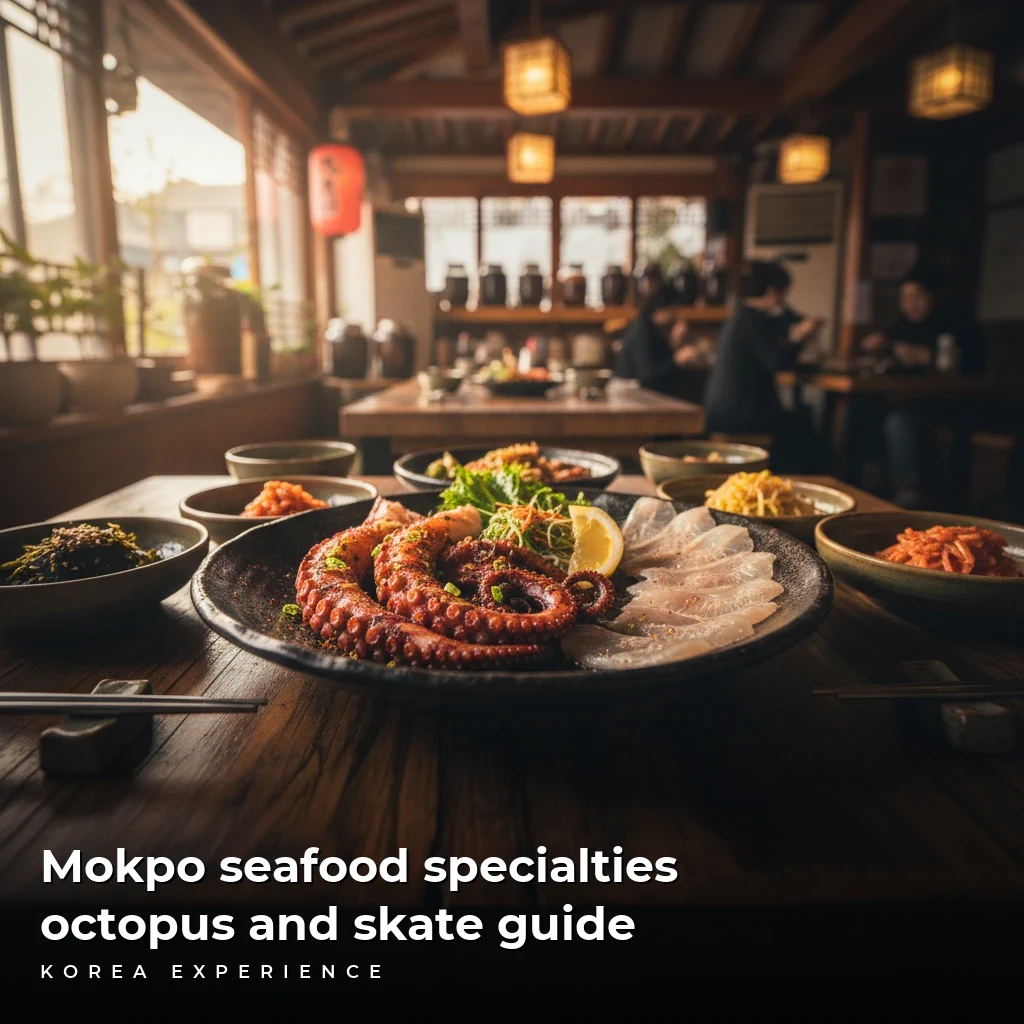
Discover the ultimate guide to Mokpo seafood specialties octopus and skate. Learn where to eat, how to order, and the costs of these Korean delicacies.
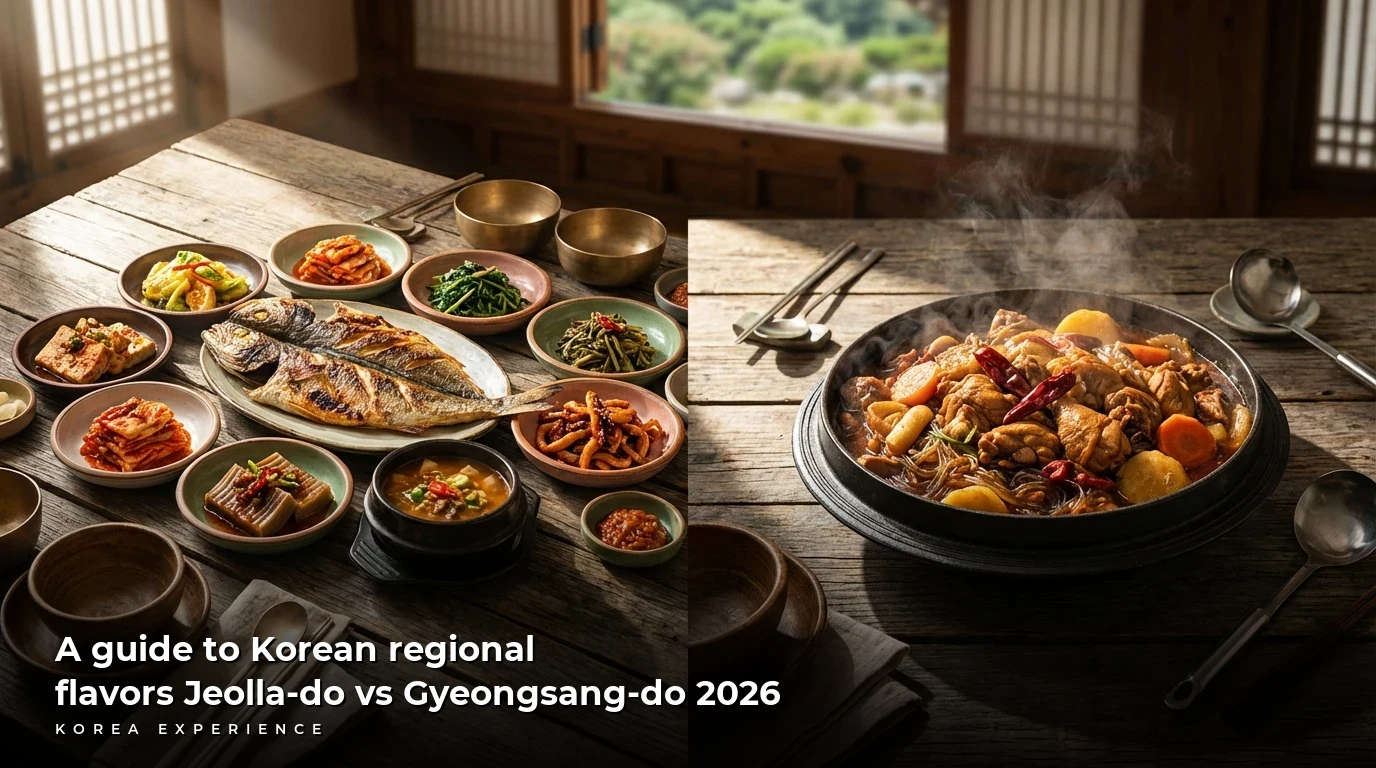
Discover the ultimate culinary rivalry of South Korea. A comprehensive comparison of Jeolla-do feasts vs Gyeongsang-do bold flavors for 2026 travelers.

Discover Korea's top coastal cycling routes. From the 234km Jeju Fantasy Path to the East Coast trail, get maps, rental costs, and itinerary tips.
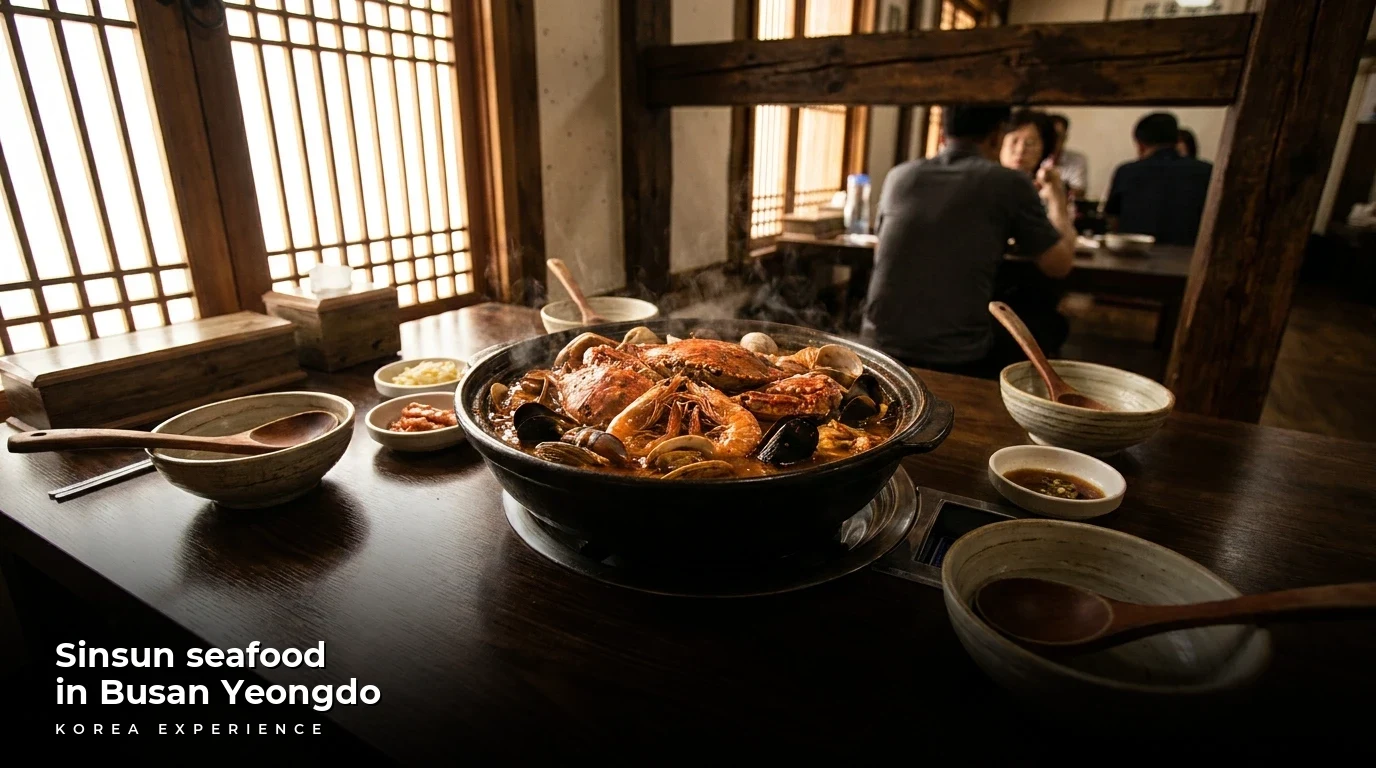
Discover the freshest seafood in Busan. From a $52 Haenyeo diver platter to a 10,000 KRW raw fish soup, explore the ultimate 2026 coastal dining guide.
Discover the hidden value of Seoul's culinary scene with our guide to 5 Michelin-starred and recognized lunch experiences for under $50 USD.
Discover the 2026 guide to modern Korean fine dining. From 3-star masters to rising chefs, explore the best culinary experiences in Seoul.