Adventure Travel Korea: Paragliding, Rafting & More
Discover Korea's best adventure spots. From paragliding in Danyang ($85) to rafting in Inje, get complete guides, prices, and booking tips for 2026.
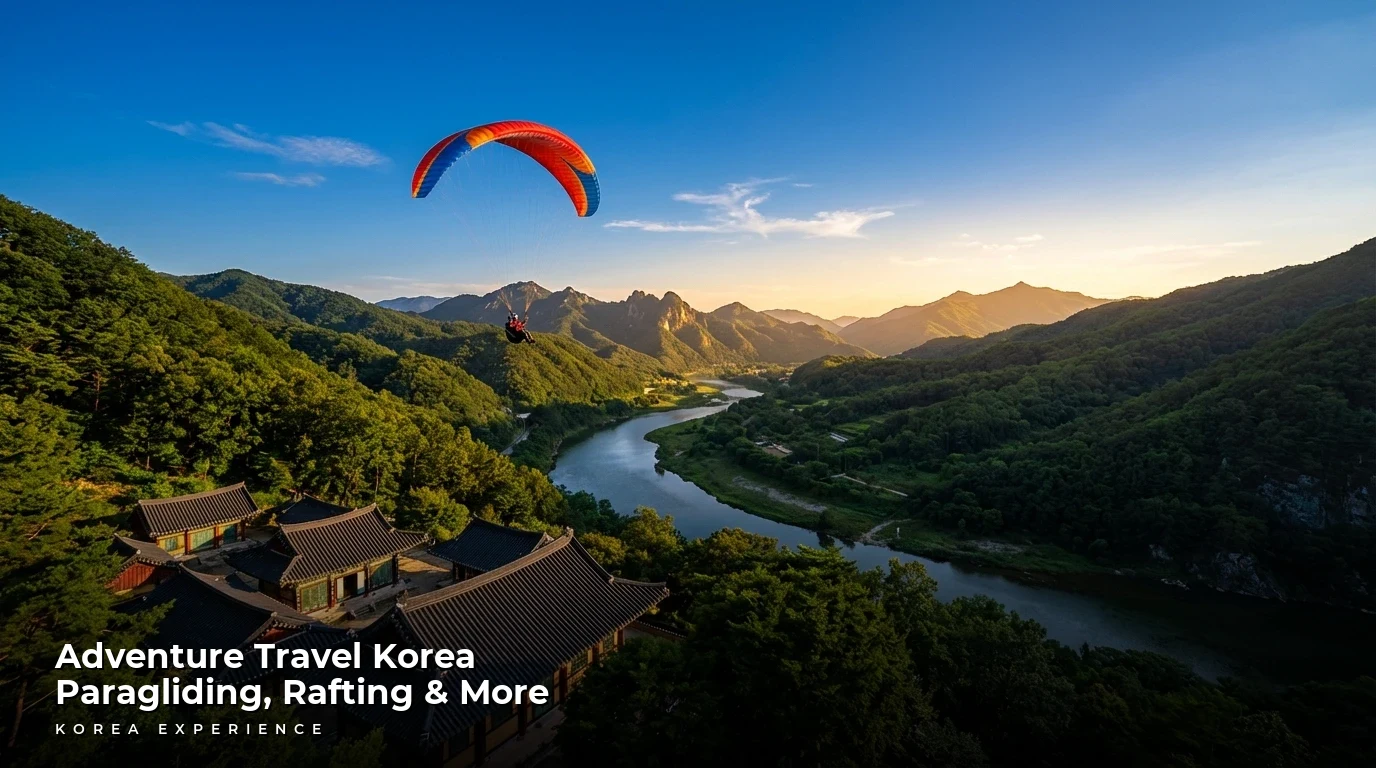
For international travelers, South Korea is often synonymous with neon-lit cityscapes, ancient palaces, and culinary tours, but the country's mountainous terrain (covering 70% of the landmass) makes it a premier, yet underrated, destination for high-octane adventure sports. If you are looking for paragliding over winding rivers, whitewater rafting through granite gorges, or world-class rock climbing on polished granite, Korea offers accessible, affordable, and safe options often within 2 to 3 hours of Seoul.
The short answer: Danyang is the paragliding capital (flights approx. ₩90,000-130,000), Inje Naerincheon offers the best Grade 3 rapids for summer rafting, and Bukhansan National Park provides world-class granite climbing accessible directly by the Seoul subway system.
Key Takeaways
- 1Danyang accounts for 60% of Korea's paragliding traffic with average flight times of 10-15 minutes.
- 2Summer rafting in Inje costs roughly ₩35,000 per person for a 2.5-hour course.
- 3Bukhansan requires expert guidance or local partners for technical multi-pitch climbing due to strict safety regulations.
Why Korea is the next adventure travel hub
While typically overshadowed by destinations like New Zealand or Switzerland, South Korea’s infrastructure for adventure travel has matured significantly by 2026. The accessibility is the primary differentiator here. Unlike other countries where adventure hubs are remote, Korea’s extensive KTX (high-speed train) and intercity bus network allow you to reach prime paragliding or rafting sites like Danyang or Yeongwol in under 2.5 hours from Seoul Station.
Furthermore, the safety standards are rigorously enforced. Following stricter tourism laws implemented in 2024 and 2025, adventure operators must renew licenses annually and maintain updated equipment. For the budget-conscious traveler, prices are highly competitive; a tandem paragliding flight in Korea averages $80 USD, compared to $180+ in Interlaken, Switzerland.
📊 Adventure Tourism Growth
Paragliding in Korea: Soaring over the peninsula
Paragliding has exploded in popularity, driven partly by its appearance in K-Dramas like Crash Landing on You. The experience is generally a tandem flight, meaning you are strapped to a certified pilot who handles the technical launch and landing, leaving you to enjoy the view and take photos.
The best spots for paragliding
There are two main hubs for paragliding near the capital region: Danyang and Yangpyeong.
1. Danyang (Para Village) Danyang is the undisputed capital of Korean paragliding. Located in North Chungcheong Province, about 2.5 hours from Seoul by bus, it offers spectacular views of the Namhan River winding around the Sobaeksan Mountains. The launch sites here are approximately 600 meters above sea level.
- Average Cost: ₩90,000 – ₩140,000 ($65 – $100 USD) depending on video inclusion.
- Flight Duration: 10 to 15 minutes (weather dependent).
- Vibe: Bustling, tourist-friendly, with cafes at the summit.
Cafe Sann & Paragliding Site(카페산)
2. Yangpyeong If you are pressed for time, Yangpyeong is closer to Seoul (about 60-90 minutes). The famous Yumyeongsan Mountain launch site (860 meters) is higher than Danyang, offering longer flight potential, though the river views are less dramatic than Danyang's oxbow turns.
What to expect on flight day
The process is streamlined for efficiency. You do not need prior training.
- Arrival: You will be picked up from the local station or drive to the landing zone office.
- Gear Up: Wear a flight suit over your clothes (provided).
- Transport: A truck takes you up a steep, winding road to the summit.
- Launch: You run forward with the pilot; do not jump or sit until you are airborne.
Motion Sickness Warning
Paragliding involves spirals and rapid descents if you ask for the "dynamic" experience. If you are prone to motion sickness, take medication 30 minutes before the flight and ask your pilot for a "gentle" ride.
If you are looking for a quick escape from the city to try this, check out our guide on best day trips from Seoul for transport specifics.
Whitewater rafting: Conquering Korean rapids
Summer in Korea (June to August) is hot and humid, making water sports essential. Korean rafting is community-focused, often involving team games, splashing wars, and a stop for Korean snacks midway. While you won't find the Class 5 death-defying rapids of the Zambezi, Korea offers solid Class 2 to Class 3+ rapids that are thrilling yet safe for beginners.
Top rafting locations
1. Inje (Naerincheon River) Inje is the premier rafting destination, located in Gangwon Province. The Naerincheon River flows north, a rarity in Korea, and features the fastest currents.
- Course Length: approx. 6km to 20km options.
- Duration: 2 to 3 hours.
- Rapid Class: 3 (up to 4 after heavy rain).
- Best Time: July to mid-August.
2. Yeongwol (Donggang River) The Donggang River offers a more scenic, leisurely experience. It flows through limestone cliffs and is ecologically protected. This is better for families or those who want to enjoy the scenery more than the adrenaline.
- Rapid Class: 2 (gentle).
- Scenery: 10/10 (Limestone karst landscape).
📋 Rafting Logistics
How to book and prepare
Most rafting operators require reservations, especially on weekends. While walk-ins are possible in Inje during peak season, you risk waiting hours.
📖 How to plan a rafting trip
Step 1: Check the Weather
Rafting is best after rain, but cancelled during typhoons. Aim for 2-3 days after heavy rainfall.
Step 2: Booking
Use platforms like Trazy or Klook for English service, or ask a Korean speaker to call local operators in Inje.
Step 3: Clothing
Wear rash guards and aqua shoes. Avoid cotton. Most operators rent shoes for ₩3,000.
Step 4: Post-Rafting
Showers are provided. Bring toiletries and a full change of clothes.
For those planning their trip around the weather, consult our guide on the best time to visit Korea to time the monsoon rains perfectly.
Rock climbing and bouldering: Granite paradise
Korea is a mountainous peninsula formed largely of granite, offering friction climbing that is world-renowned. The climbing culture here is intense, with locals decked out in high-end gear.
Indoor climbing gyms (Bouldering)
If you are visiting in winter or the rainy season, Seoul has a density of climbing gyms that rivals Tokyo. The dominant franchise is "The Climb," with major branches in Yeonnam, Magok, and Gangnam.
- Day Pass Cost: ₩20,000 – ₩25,000.
- Shoe Rental: ₩3,000 – ₩5,000.
- Style: Modern, competition-style setting with frequent resets.
Outdoor climbing: Bukhansan National Park
Located on the northern edge of Seoul, Bukhansan is unique because you can take a subway to the base of a national park. The main attraction is Insu-bong, a granite dome rising about 200 meters from its base (810m above sea level).
Climbing Insu-bong is not for casual hikers. It is a multi-pitch trad/sport climbing area. You legally must wear a helmet and have proper gear. Park rangers will check your equipment at the trailhead. If you are a solo traveler, do not attempt to climb Insu-bong alone; hire a local guide or join a climbing meetup group.
Accessing Bukhansan: Take the subway to Bukhansan Ui Station (Ui-Sinseol Line). From there, it is a steep 1-hour hike just to reach the base of the climbing routes.
Seoraksan National Park: Ulsanbawi
For the ultimate adventure, Ulsanbawi in Seoraksan (near Sokcho) offers multi-pitch climbing on a massive granite formation. It requires a 3-hour drive from Seoul. The visuals here—looking out over the East Sea while hanging off a cliff—are unbeatable. The difficulty ranges significantly, but most routes are 5.10 and above.
Climbing in Korea: Indoor vs Outdoor
- ✓World-class granite friction
- ✓Accessibility via public transit
- ✓Strong local community
- ✗Humid summers make grip difficult
- ✗Strict regulations in National Parks
- ✗Language barrier for topo maps
If you enjoy scenic hikes but aren't ready for technical climbing, the hiking trails in fall are spectacular. See our guide on autumn colors and hiking spots.
Adventure costs: What to budget
Korea is a "value" destination for adventure sports compared to North America or Western Europe. However, costs can add up if you opt for VIP packages (which usually include 4K video footage and hotel pickups).
Here is a comparative look at pricing for 2026 adventure activities.
💵 Adventure Activity Price Comparison (2026)
20 min flight + 4K Video + Pickup
Private instructor for small group
10 min flight only
Per person, shared boat
To manage your overall trip budget while fitting in these activities, you might find our article on budget travel in Korea helpful.
Practical logistics for adventurers
Insurance is non-negotiable
While Korean operators have insurance, it typically covers only basic liability. If you are engaging in "hazardous sports" (which climbing and paragliding often are classified as), standard travel insurance policies may void your coverage. Ensure your policy specifically includes "adventure sports coverage."
Booking platforms vs. Direct
- Klook/Trazy: Best for English speakers. Prices are slightly higher (5-10%) but customer service handles the language barrier.
- Naver Booking: If you have a Korean friend or can navigate Hangul, booking directly via Naver Maps often yields a 10-20% discount and more time slot options.
Booking Method Comparison
| Feature | Klook/Trazy | Naver Booking | Walk-In |
|---|---|---|---|
| English Support | ✅ | ❌ | Hit or Miss |
| Price | $$ | $ | $$$ |
| Instant Confirmation | ✅ | ✅ | ❌ |
24-Hour Adventure Itinerary: Danyang
Danyang is the easiest place to build a 2-day adventure trip. Here is how to structure a day that balances adrenaline with local culture.
The Danyang Adventure Day
Arrival
Arrive at Danyang Station via KTX-Eum (1.5 hrs from Cheongnyangni)
Paragliding
Head to Para Village. Morning air is most stable.
Lunch
Eat Garlic Tteokgalbi (local specialty) near the market.
River Trekking/Rafting
Rafting on Namhan River or visit Mancheonha Skywalk.
Evening
Visit the illuminated Dodamsambong Peaks.
For a mix of spending styles during your trip, here is a routed itinerary option.
Danyang Weekend: High Flyer vs. Grounded Explorer
The Dualism Concept: Experience the best of both worlds — premium luxury moments paired with authentic budget-friendly experiences in one route.
Sono Moon Resort
River view suite with sauna access
Factory G. Guesthouse
Clean dorms, social vibe, near terminal
Splurge on the paragliding video package, save on accommodation by staying near the bus terminal.
Other adventure activities
Beyond the "big three," Korea is diversifying its adventure portfolio.
- Luge: Tongyeong and Ganghwa Island have massive Luge tracks. The Skyline Luge in Tongyeong offers a 1.5km track with ocean views.
- Ziplining: The Nami Island zipline is famous, but for a more intense experience, the Hadong Alps Zipline is the longest in Asia (3.18km) and reaches speeds of 120km/h.
- Surfing: Yangyang (Surfyy Beach) on the east coast is the surfing capital. While waves are generally mellow (best for beginners/longboarders), typhoon season brings serious swells.
For those looking to extend their adventure into a full weekend, check out our recommendations for weekend getaways for expats.
Frequently Asked Questions
❓ Adventure Travel FAQ
Have more questions?Contact us →
Final thoughts on Korean adventure
Korea offers a density of adventure that is hard to beat. You can wake up in a Gangnam hotel, be climbing a granite peak by 10 AM, eating a mountain vegetable lunch by 2 PM, and be back in the city for a spa treatment by evening. The compact nature of the country, combined with affordable pricing (roughly $100 for bucket-list items), makes it a playground for the active traveler in 2026.
Whether you choose the silent glide over Danyang or the roar of the Naerincheon rapids, the "Land of Morning Calm" is surprisingly thrilling once you step off the pavement.
About the Author
Korea Experience Team
Written by the Korea Experience editorial team - experts in Korean medical tourism, travel, and culture with years of research and firsthand experience.
Explore more in Travel & Tourism
From Seoul's neon-lit streets to Jeju's volcanic landscapes — discover the best of Korea with insider travel tips, itineraries, and seasonal guides.
Browse All Travel & Tourism ArticlesContinue Reading
Explore more articles you might find interesting
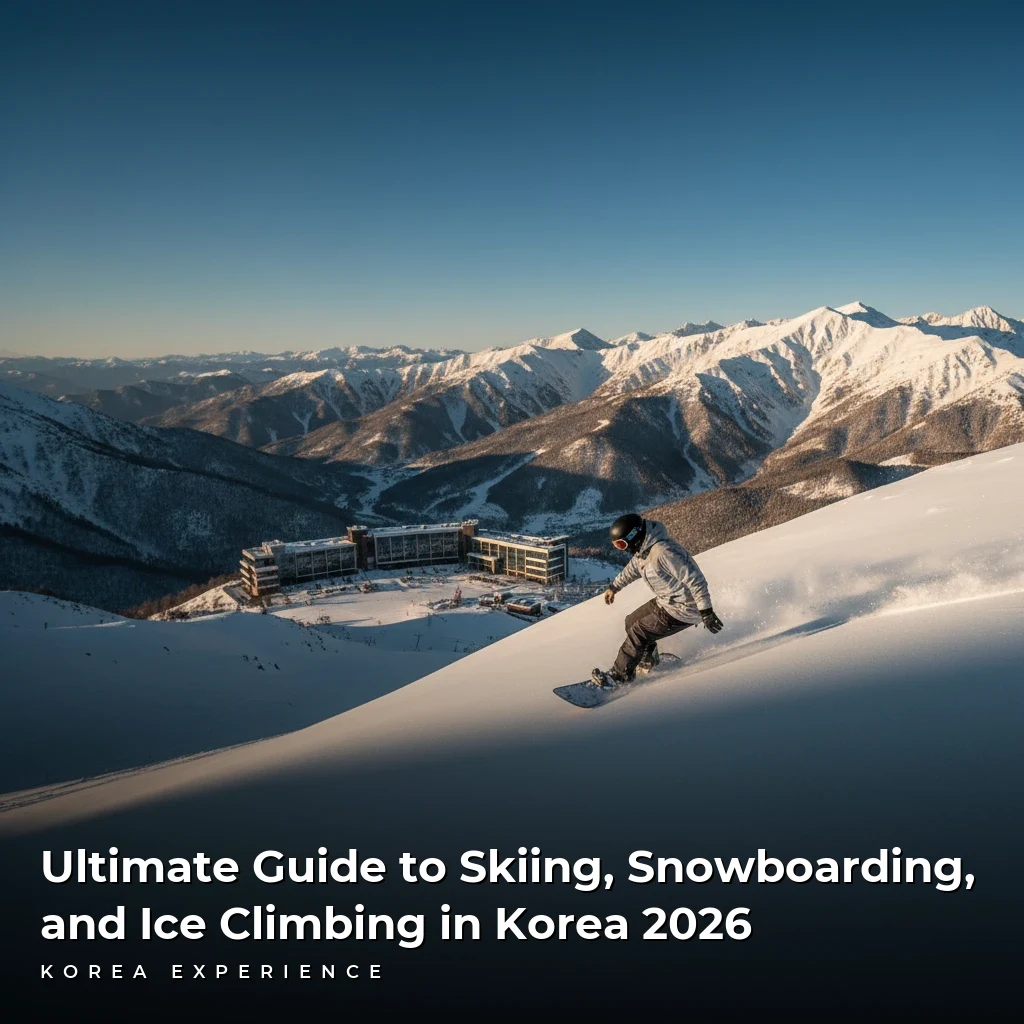
Discover Korea's top winter sports spots for 2026. From Yongpyong slopes to Cheongsong ice walls, get prices, transport tips, and rental guides.
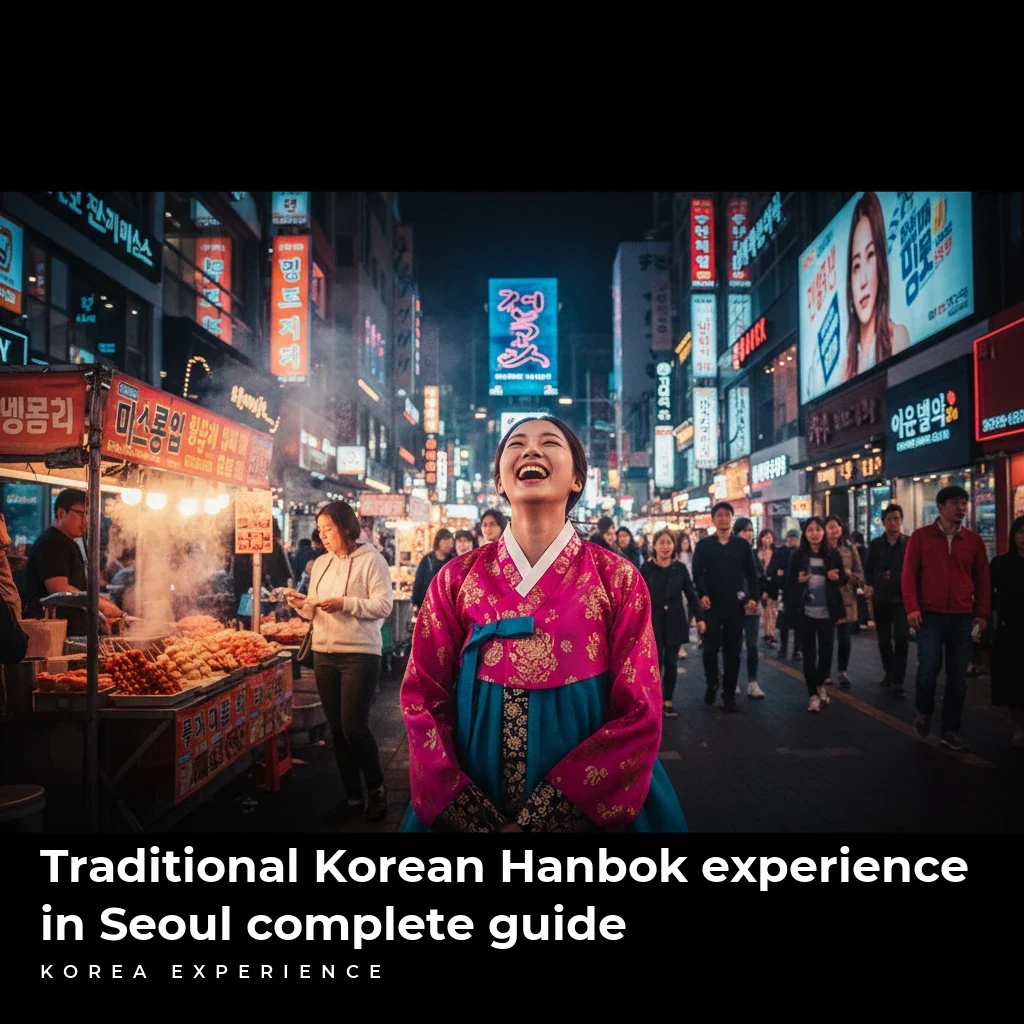
Discover the best traditional Korean hanbok experience in Seoul with rental tips, pricing guides, and hidden photo spots for 2026 travelers.
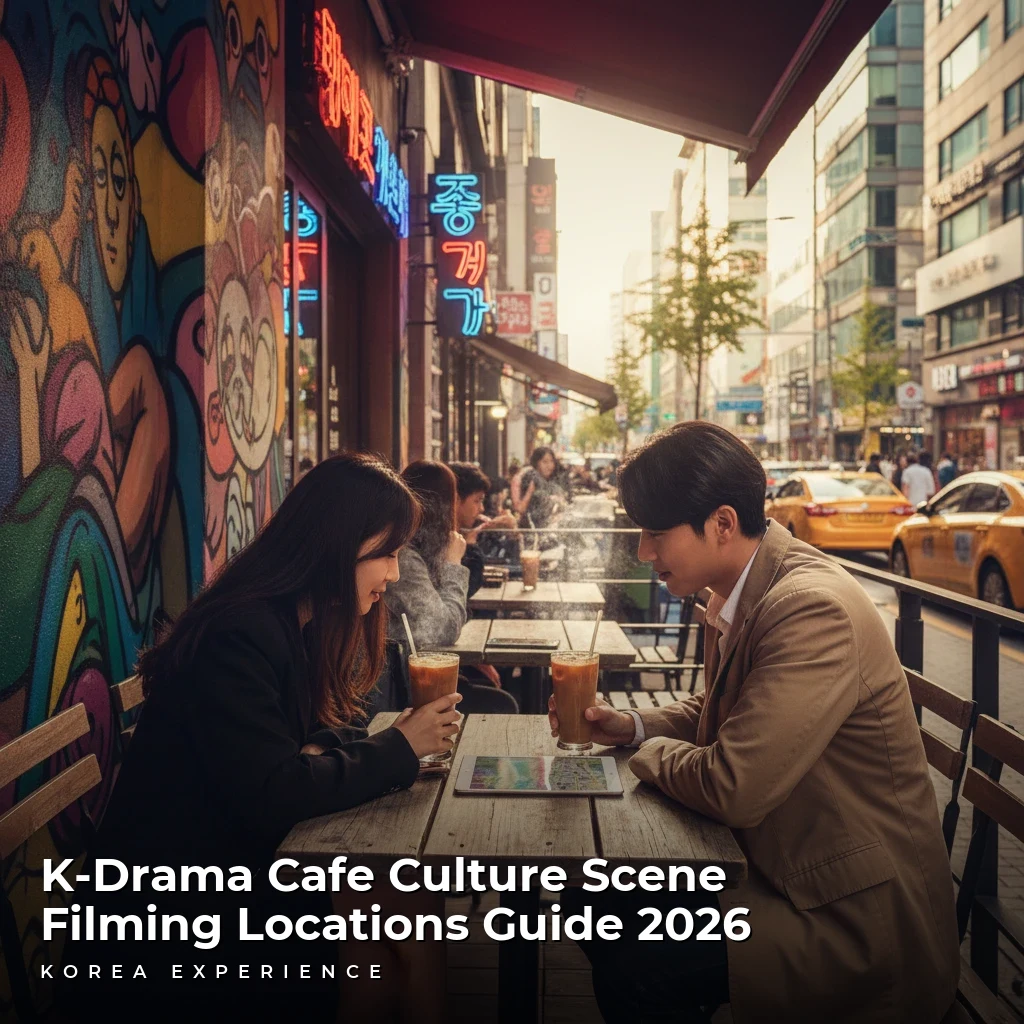
Explore the ultimate guide to K-Drama filming locations and cafe culture in Seoul. Discover iconic spots, prices, and travel tips for fans.
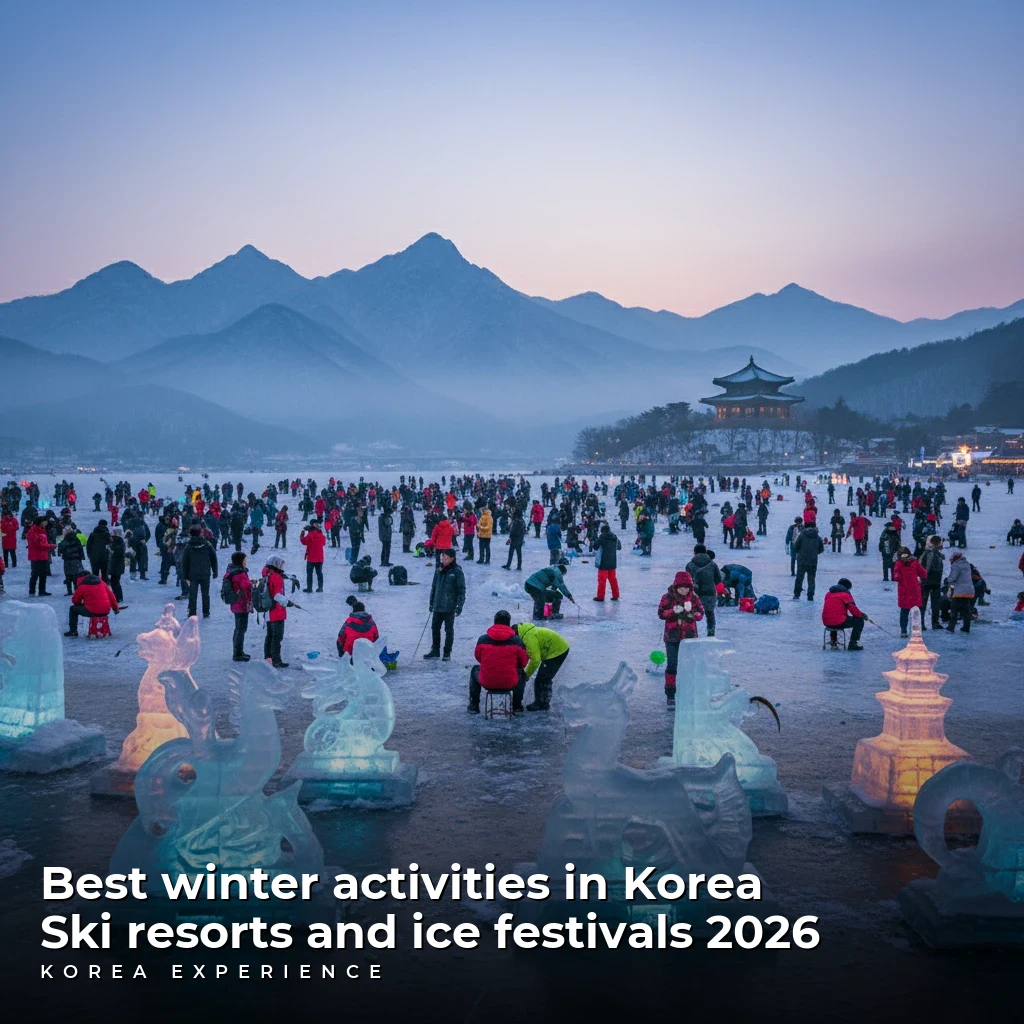
Discover top Korean ski resorts and ice festivals for 2026. From High1 to Hwacheon, find prices, transport tips, and gear rentals in our complete guide.

Discover Korea's best markets beyond Seoul. Explore Busan, Jeju, and Daegu with specific food prices, transport tips, and 2026 travel data.
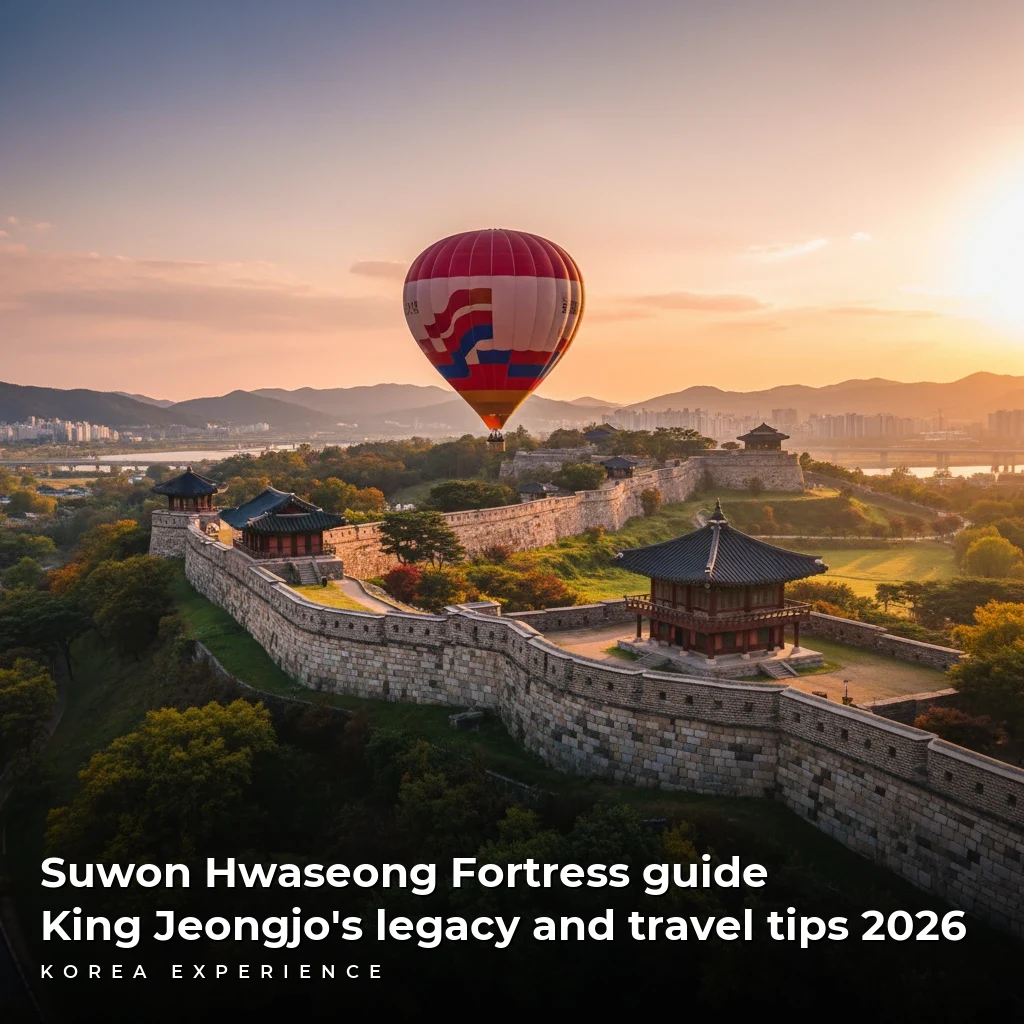
Explore Suwon Hwaseong Fortress in 2026. A complete guide to the 5.7km wall, King Jeongjo's history, Flying Suwon costs (₩20,000), and famous Galbi spots.