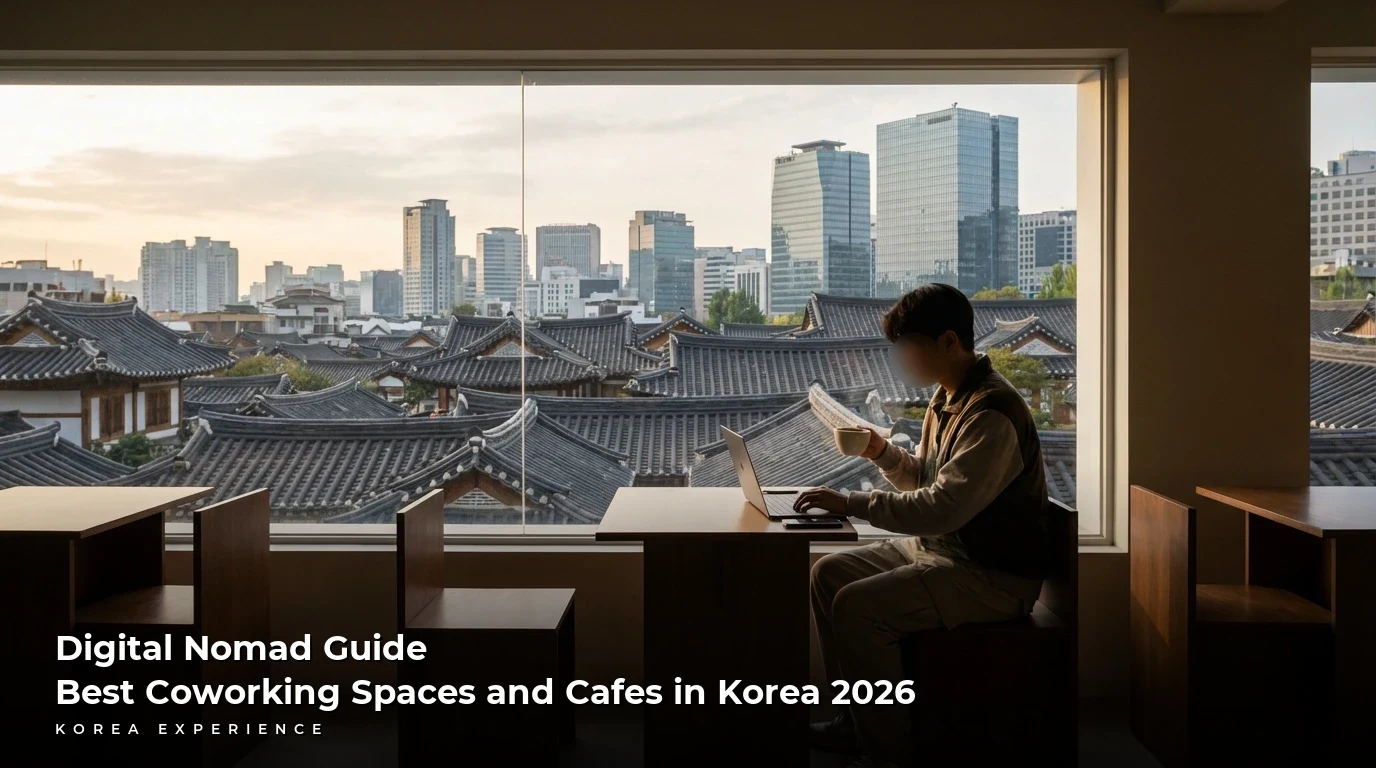
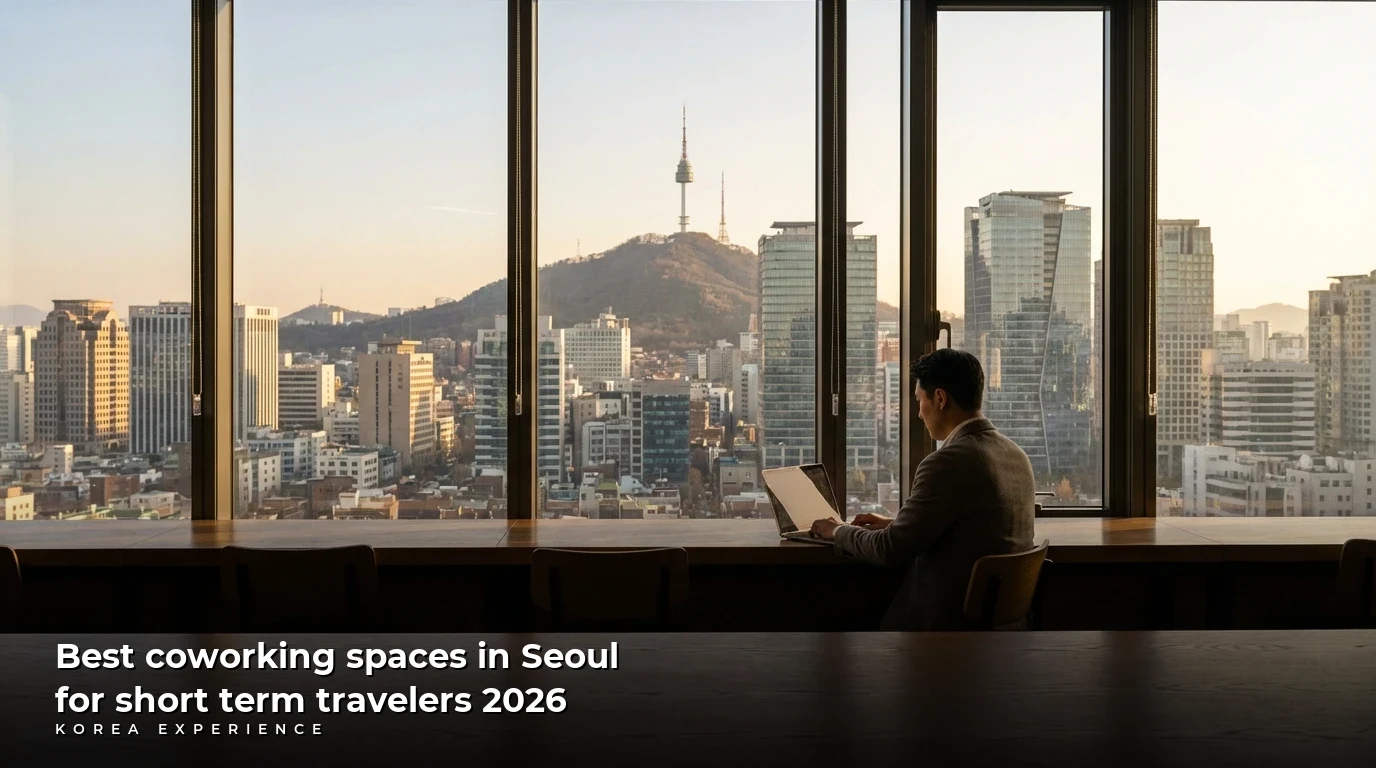
Digital Nomad Guide: Korea's Coworking Spaces & Cafes
Unlock Korea's best remote work spots! This guide covers premier coworking spaces, unique study cafes, and vibrant coffee shops across Seoul and beyond, offering essential tips for digital nomads.
Unlocking Productivity: A Digital Nomad's Guide to Korea's Coworking Spaces and Cafes
The allure of Korea – a vibrant blend of ancient traditions and hyper-modern innovation – draws countless travelers seeking unique cultural experiences. For the modern digital nomad, however, the dream extends beyond sightseeing; it involves finding the perfect balance between exploration and productivity. Landing in a new country, armed with a laptop and a to-do list, often comes with the immediate challenge of locating a reliable, comfortable, and inspiring workspace.
Korea, particularly its bustling capital Seoul, has rapidly evolved into a global hub for technology and innovation, making it an increasingly attractive destination for remote workers. From state-of-the-art coworking facilities designed for collaboration to uniquely Korean study cafes and an unparalleled coffee culture, the options for digital nomads are diverse and plentiful.
This comprehensive guide is meticulously crafted for international travelers and expats ready to immerse themselves in Korea while maintaining their professional commitments. We will navigate the landscape of Korean workspaces, providing insider knowledge on everything from the best coworking spaces and their pricing structures to the etiquette of working in cafes and the unexpected utility of PC Bangs (internet cafes). By the end of this post, you'll be equipped with all the information needed to confidently set up your remote office in Korea, ensuring a productive and enriching digital nomad experience.
Navigating Korea's Diverse Work Environment for Digital Nomads
Korea offers a fascinating spectrum of work environments, each catering to different needs and preferences. Understanding these options is the first step for any digital nomad looking to settle in. Beyond the standard coworking spaces, Korea boasts unique establishments that have become integral to the local study and work culture.
The Rise of Coworking Spaces in Korea
The global coworking phenomenon has firmly established itself in Korea, especially in major cities like Seoul and Busan. These spaces are designed to foster productivity, networking, and a sense of community among independent professionals, startups, and remote teams. They typically offer a range of amenities, including high-speed internet, meeting rooms, printing services, and often complimentary refreshments. The international brands like WeWork and local giants like Fast Five and Sparkplus have made significant inroads, providing world-class facilities.
Unique Korean Workspaces: Study Cafes and PC Bangs
Before the widespread adoption of coworking spaces, Koreans developed their own solutions for focused work and study. These unique establishments continue to thrive and offer excellent alternatives for digital nomads.
Study Cafes (Study Cafe)
These are hybrid spaces combining the atmosphere of a cafe with the functionality of a library or a quiet study room. Unlike regular cafes, study cafes are specifically designed for concentration. They often feature individual booths, ergonomic chairs, power outlets at every seat, and strictly enforced quiet zones. Many operate on an hourly basis, with automated self-check-in/check-out systems, making them highly flexible and affordable. You can usually bring your own food and drinks, though some offer basic snacks and beverages. They are perfect for focused work requiring minimal interaction.
PC Bangs (Internet Cafe)
While primarily known as gaming hubs, PC Bangs can be surprisingly effective workspaces for certain tasks. They offer incredibly high-speed internet, powerful computers, large monitors, and comfortable chairs, all for a very low hourly rate. For tasks requiring heavy processing power, or if you need to use specific software not on your laptop, a PC Bang can be a godsend. However, they are generally not quiet environments, with the sounds of gaming and conversations often filling the air. They are less suitable for calls or deep concentration but excellent for quick tasks, uploads, or high-bandwidth activities.
The Ever-Present Cafe Culture
Korea's cafe culture is legendary, with cafes on nearly every block, offering an inviting atmosphere and, typically, reliable Wi-Fi. Many cafes are designed with aesthetics in mind, providing visually appealing spaces that can inspire creativity. While not purpose-built for work, numerous cafes in trendy neighborhoods have become de facto remote offices for locals and nomads alike. The key is to know which cafes are conducive to working and understand the unspoken etiquette.
This diverse range of options ensures that digital nomads in Korea can always find a suitable environment, whether they seek a collaborative hub, a silent study zone, or a bustling coffee shop with a creative vibe.
Premier Coworking Hubs for Digital Nomads in Seoul
Seoul, as the epicenter of Korea's technological and business landscape, hosts the largest concentration of high-quality coworking spaces. These facilities offer more than just a desk; they provide a community, networking opportunities, and a suite of professional services.
WeWork: The Global Standard
WeWork is a familiar name for digital nomads worldwide, and its presence in Seoul is robust, with multiple locations across key business districts.
- Locations: Major branches include Gangnam Station, Yeouido, Euljiro, and Gwanghwamun. These locations are strategically chosen for their excellent public transport links and proximity to business amenities.
- Amenities: High-speed internet, private offices, hot desks, dedicated desks, meeting rooms, event spaces, phone booths, complimentary coffee/tea/beer, and a vibrant community. They often host networking events and workshops.
- Pricing (Estimate):
- Hot Desk (All Access Membership): Starts from approximately 350,000 KRW - 450,000 KRW per month.
- Dedicated Desk: Starts from approximately 500,000 KRW - 700,000 KRW per month.
- Private Office: Varies widely, usually starting from 1,000,000 KRW+ per month.
- Best for: Those seeking a professional, internationally recognized brand with extensive networking opportunities and premium services. Ideal for longer stays or teams.
- Website (Example): Search for "WeWork Korea" to find specific location details.
Fast Five: Korea's Largest Domestic Player
Fast Five is a leading domestic coworking brand in Korea, renowned for its stylish design, comprehensive amenities, and focus on the local startup ecosystem. They often feature unique interior concepts at each location.
- Locations: Extensive presence across Seoul, including Gangnam, Hongdae, Seolleung, and Jamsil. Their locations often have a trendy, modern aesthetic.
- Amenities: Similar to WeWork, offering hot desks, dedicated desks, private offices, meeting rooms, relaxation areas, high-speed Wi-Fi, printing, and various community events. Many locations have unique features like rooftop gardens or lounges.
- Pricing (Estimate): Generally competitive with WeWork, sometimes slightly more affordable for comparable services.
- Hot Desk: Starts from approximately 300,000 KRW - 400,000 KRW per month.
- Dedicated Desk: Starts from approximately 450,000 KRW - 650,000 KRW per month.
- Best for: Digital nomads looking for a modern, well-designed space with a strong local community feel. Good for those planning to integrate with the Korean startup scene.
- Website (Example): Search for "Fast Five Korea" for detailed information.
Sparkplus: Growing in Popularity
Sparkplus is another significant Korean coworking brand, known for its strategic locations and emphasis on creating productive environments. They often focus on providing practical, efficient workspaces.
- Locations: Key areas include Gangnam, Guro Digital Complex, City Hall, and Samseong. These locations cater to a mix of tech companies and general businesses.
- Amenities: Standard coworking offerings: hot desks, private offices, meeting rooms, high-speed internet, printing, and often strong community support. They aim for a balance of comfort and corporate efficiency.
- Pricing (Estimate):
- Hot Desk: Starts from approximately 280,000 KRW - 380,000 KRW per month.
- Dedicated Desk: Starts from approximately 400,000 KRW - 600,000 KRW per month.
- Best for: Nomads who prioritize a straightforward, functional, and professional workspace with good accessibility, potentially at a slightly lower price point than some competitors.
- Website (Example): Search for "Sparkplus Korea" for their branches and offerings.
Other Notable Coworking Spaces
Beyond these giants, numerous smaller, independent coworking spaces cater to niche communities or specific neighborhoods. Examples include local-run spaces in areas like Hongdae or Itaewon, which might offer a more intimate atmosphere and cater to creative professionals or specific language groups. Exploring these local options often reveals hidden gems. Many also offer daily or weekly passes, which are ideal for short-term visits. Always check their websites or social media for the most current pricing and availability.
Beyond Traditional Coworking: Study Cafes and PC Bangs
For digital nomads in Korea, thinking outside the conventional coworking box can unlock unique and highly effective work environments. Study cafes and PC Bangs, deeply ingrained in Korean culture, offer distinct advantages.
The Allure of Study Cafes
Study cafes are a uniquely Korean phenomenon, perfectly blending the comfort of a cafe with the silent focus of a library. They are primarily used by students preparing for exams or professionals seeking quiet concentration, but they are equally beneficial for digital nomads.
- Atmosphere: Generally very quiet, designed for individual focus. Many have individual booths or partitioned desks.
- Amenities: Robust Wi-Fi, ample power outlets, comfortable chairs, often self-serve coffee/tea machines (sometimes paid), and vending machines for snacks. Some even offer blankets or ergonomic accessories.
- Pricing: Typically hourly rates, making them incredibly flexible. Expect to pay around 1,000 KRW to 3,000 KRW per hour, with discounted daily or multi-hour packages available (e.g., 8,000 KRW to 15,000 KRW for a full day). Payment is usually via a kiosk system using credit cards or T-Money.
- Best for: Deep work, writing, coding, or any task requiring minimal distraction and sustained concentration. Excellent for budget-conscious nomads or those needing flexible hours.
- Locations: Ubiquitous across all neighborhoods, often found on upper floors of commercial buildings. Just look for signs that say "스터디 카페" (pronounced seo-tu-di ka-pe).
- Insider Tip: Many operate 24/7 with automated entry systems, making them accessible at any time. Remember to be mindful of noise levels; a silent environment is highly respected.
The Unexpected Utility of PC Bangs
PC Bangs (often translated as "internet cafe") are primarily known for gaming, but they offer powerful infrastructure that can be invaluable for digital nomads in specific situations.
- Atmosphere: Can be noisy due to gaming, but some larger establishments have quieter sections or even dedicated "work" zones. Expect flickering screens and the hum of powerful computers.
- Amenities: Blazing fast internet (among the fastest in the world), high-spec computers, large monitors, comfortable gaming chairs, and food/drink delivery to your desk (ordered via the computer screen). Prices are incredibly low.
- Pricing: Extremely affordable, usually 1,000 KRW to 2,000 KRW per hour, with cheaper multi-hour packages. Payment is typically upfront at a central counter or kiosk.
- Best for:
- Tasks requiring exceptionally high-speed internet (large file uploads/downloads, streaming).
- Using high-performance software if your laptop struggles.
- Quick tasks where you need a large screen or a powerful machine.
- Emergency situations when your laptop fails or you need a backup.
- Locations: Found in nearly every commercial area, particularly near universities and entertainment districts. Look for signs with "PC방."
- Insider Tip: If you need to make a call, step outside. The environment is generally not suitable for phone or video conferences. However, for sheer processing power and internet speed, they are unbeatable for the price.
Comparison Table: Workspace Types for Digital Nomads
| Feature | Coworking Space | Study Cafe | PC Bang | Regular Cafe |
|---|---|---|---|---|
| Primary Purpose | Professional Work, Networking | Focused Study, Quiet Work | Gaming, High-Performance PC | Socializing, Coffee |
| Noise Level | Moderate (collaborative areas), Quiet (focus zones) | Very Quiet, Silent Zones | Noisy (gaming sounds) | Moderate to High (conversations, music) |
| Internet Speed | Excellent | Excellent | Extremely Fast | Good (can vary) |
| Amenities | Desks, chairs, meeting rooms, printing, F&B, community | Individual booths, outlets, ergonomic chairs, self-serve F&B | High-spec PCs, large monitors, food delivery | Tables, chairs, F&B, restrooms |
| Pricing Model | Monthly membership (daily/weekly passes avail) | Hourly, daily packages | Hourly (very cheap) | Per item ordered (coffee, food) |
| Best For | Collaboration, networking, professional environment | Deep focus, individual work, budget-friendly | High-bandwidth tasks, emergency computing | Light work, casual meetings, ambiance |
| Etiquette | Respect others' space, network politely | Strict silence, minimal noise | Casual, but respect privacy | Be a paying customer, don't hog space |
This diverse ecosystem of workspaces ensures that digital nomads in Korea have a multitude of options, allowing them to choose the perfect environment for their specific tasks and budget constraints.
Embracing Cafe Culture: Working Remotely from Korea's Best Coffee Shops
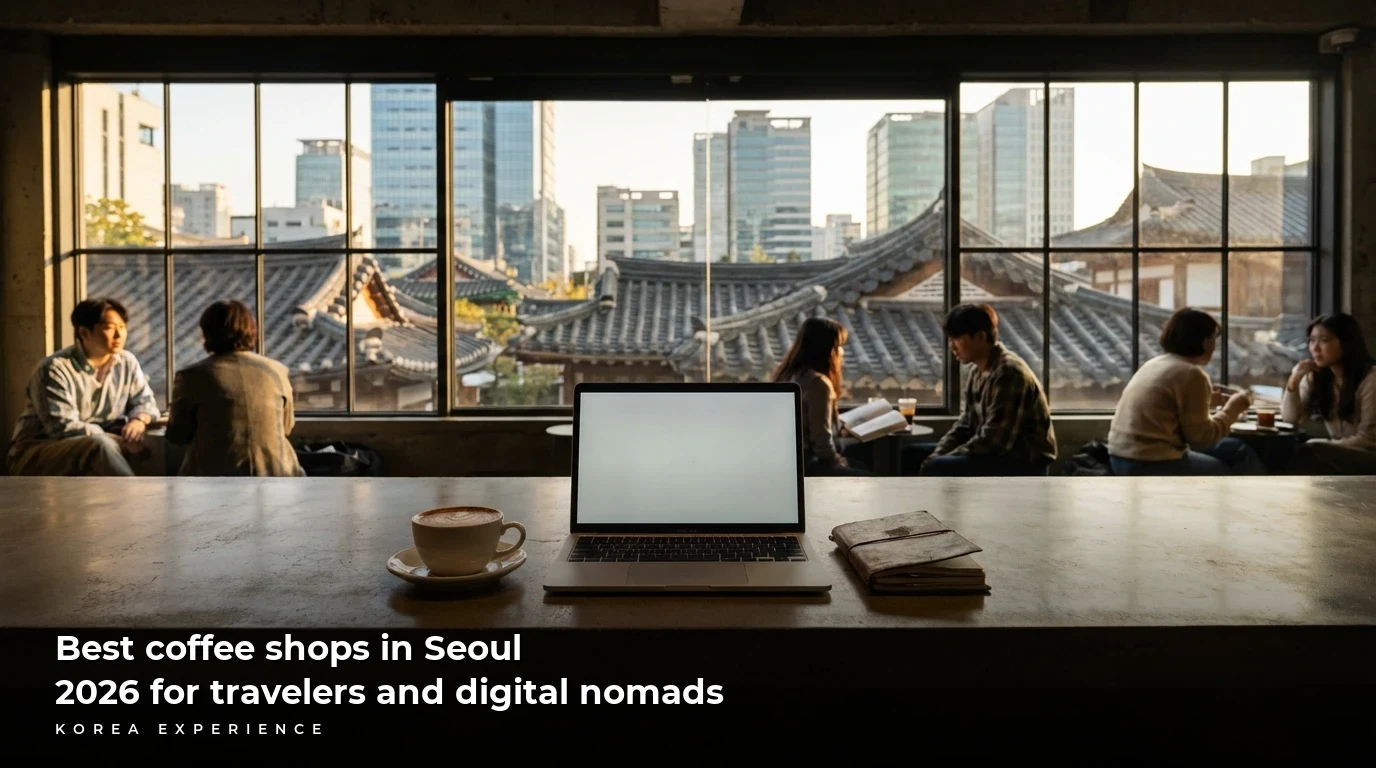
Korea's cafe culture is legendary, boasting an incredible density of coffee shops ranging from trendy minimalist spaces to charming traditional hanok cafes. For many digital nomads, working from a cafe offers a perfect blend of productivity and immersion in local life. However, not all cafes are created equal for remote work.
Finding Work-Friendly Cafes
While almost every cafe offers Wi-Fi, certain characteristics make a cafe truly suitable for working.
- Power Outlets: This is crucial. Look for cafes that clearly have accessible outlets, often indicated by customers already using them or designated charging areas.
- Table Space and Comfort: Tiny tables or uncomfortable stools are not conducive to long work sessions. Seek out cafes with sturdy tables, comfortable chairs, and ample space for your laptop and peripherals.
- Atmosphere and Noise Level: Some cafes are designed for lively social interaction, while others cultivate a more serene ambiance. Visit during off-peak hours or scout out cafes known for their quiet environment. Chain cafes like Starbucks often have more predictable work-friendly setups.
- Wi-Fi Reliability: While generally good, Wi-Fi can sometimes be spotty in independent cafes. A quick speed test or observing other workers can give you an idea.
Neighborhoods Renowned for Work-Friendly Cafes
- Hongdae/Yeonnam-dong: Known for its artistic vibe, these areas have countless independent cafes. Yeonnam-dong, in particular, has many quieter, aesthetically pleasing spots perfect for creative work.
- Gangnam/Sinsa-dong (Garosu-gil): Upscale and trendy, these areas offer more spacious and modern cafes, often with a professional atmosphere. Many large chains are present here.
- Ewha Womans University Area/Sinchon: Catering to students, these areas have cafes designed for longer stays and often come equipped with ample power outlets and seating.
- Itaewon/Hae bangchon: Diverse and international, you'll find a mix of independent cafes with unique styles, often catering to expats and offering a relaxed vibe.
- Seoul Forest/Seongsu-dong: This area has become a hub for stylish, industrial-chic cafes that are often quite spacious and have a calm atmosphere during weekdays.
Cafe Etiquette for Digital Nomads
Working from a Korean cafe comes with unspoken rules to ensure a harmonious environment for everyone.
- Be a Paying Customer: Always order at least one drink, and consider ordering more if you plan to stay for several hours. This is essential to justify your use of their space and utilities.
- Don't Hog Space: Especially during peak hours, be mindful of how much space you're occupying. Avoid spreading out too many items across multiple tables.
- Limit Your Stay During Peak Times: If the cafe is visibly full and people are waiting for tables, it's polite to wrap up your work and move on after a reasonable amount of time (e.g., 2-3 hours).
- Manage Your Noise: Keep calls brief and discreet, ideally stepping outside if a lengthy conversation is needed. Use headphones for music or video calls.
- Clean Up After Yourself: Return your tray and dispose of trash properly.
- Ask for Wi-Fi (if not visible): If you don't see the Wi-Fi password, politely ask "Wi-Fi bi-mil-beon-ho ju-se-yo?" (Please give me the Wi-Fi password).
By respecting these guidelines, digital nomads can fully enjoy the vibrant cafe culture of Korea as a productive and pleasant remote workspace. Remember that while free Wi-Fi is common, cafes are primarily businesses selling food and drink, so always be a considerate customer.
Practical Considerations for Digital Nomads Working in Korea
Beyond choosing the right workspace, several practical aspects are crucial for a smooth and productive digital nomad experience in Korea.
Internet Connectivity: Speed and Reliability
Korea boasts some of the fastest and most reliable internet in the world.
- Public Wi-Fi: Widely available in cafes, subways, public buildings, and even on buses. While convenient, public Wi-Fi can sometimes be less secure or stable than private connections.
- SIM Cards/eSIMs: Highly recommended for consistent internet access. You can purchase prepaid SIM cards at Incheon International Airport (ICN) or major convenience stores and telecom provider shops (KT, SKT, LG U+). eSIMs are also increasingly available.
- Recommendation: Get a local SIM card with a generous data plan. This ensures you're always connected, especially when navigating or needing a hotspot. Plans range from 30,000 KRW to 60,000 KRW per month for ample data.
- Pocket Wi-Fi (Egg Wi-Fi): Another option, especially if you're traveling with multiple devices or a group. These portable hotspots offer unlimited data and can be rented at the airport.
- Speed: Expect download speeds well into the hundreds of Mbps, even on mobile data. This means video calls, large file transfers, and streaming are rarely an issue.
Power Outlets and Adapters
- Voltage: Korea uses Type F (Schuko) and Type C plugs, with a voltage of 220V and a frequency of 60Hz.
- Adapters: If your devices use a different plug type (e.g., Type A/B from North America or Type G from the UK), you'll need an adapter. Converters are generally not needed unless your device is not dual-voltage compatible (most modern laptops and phone chargers are).
- Availability: Coworking spaces and study cafes typically have abundant outlets. Cafes vary, so it's wise to carry a fully charged power bank, especially if you're unsure about outlet availability.
Language Barrier and Communication
While many Koreans, especially younger generations and those in tourist areas, have some English proficiency, a significant language barrier can exist.
- Basic Korean Phrases: Learning a few basic phrases ("Annyeonghaseyo" - Hello, "Kamsahamnida" - Thank you, "Jeogiyo" - Excuse me/to get attention) goes a long way.
- Translation Apps: Google Translate (especially with its camera function) or Papago (Naver's translator, often preferred for Korean) are indispensable. Download offline translation packs.
- Coworking Spaces: Staff at major coworking spaces (WeWork, Fast Five) are generally proficient in English, making communication easy. Independent study cafes or smaller businesses might have less English-speaking staff.
Cost of Living and Budgeting for Workspaces
Seoul can be an expensive city, but smart budgeting can make it manageable.
- Coworking: Monthly memberships are a significant expense. Consider daily or weekly passes for shorter stays or if you don't need a dedicated space every day.
- Study Cafes: Highly budget-friendly for focused work.
- Cafes: Ordering just a coffee can be a cost-effective way to get Wi-Fi and a workspace, but costs add up if you stay long and order multiple items.
- Food: Eating out can be very affordable, especially at local eateries. Convenience stores offer cheap and quick meals.
Etiquette and Cultural Norms in Professional Settings
- Respect for Elders and Hierarchy: This is deeply ingrained. Be polite and respectful, especially in formal settings.
- Quietness: In libraries, study cafes, and even some coworking areas, maintaining a quiet environment is highly valued.
- Cleanliness: Koreans are generally very tidy. Keep your workspace clean and dispose of trash properly.
- Personal Space: Koreans tend to value personal space, so avoid overly casual physical contact in professional settings.
- Business Cards: Exchanging business cards (myeongham) is common in formal introductions. Receive and present with both hands.
By being mindful of these practicalities and cultural nuances, digital nomads can navigate their work life in Korea with confidence and ease, ensuring a productive and respectful experience.
Navigating Costs: Pricing and Membership Options for Digital Nomads
Understanding the various pricing models and membership options for workspaces in Korea is crucial for budgeting and selecting the most suitable environment. Costs can vary significantly based on the type of space, location, and desired amenities.
Coworking Space Pricing
Major coworking brands like WeWork, Fast Five, and Sparkplus typically offer a tiered membership structure:
- Hot Desk / Flex Desk (Flexible Membership):
- Concept: Access to any available non-assigned desk in common areas. Ideal for those who don't need a fixed spot or have varying schedules.
- Price Range: Approximately 280,000 KRW - 450,000 KRW per month.
- Benefits: Flexibility, cost-effective for irregular use, access to community events.
- Considerations: Can be challenging to find a spot during peak hours, less privacy.
- Dedicated Desk (Fixed Desk):
- Concept: A specific desk assigned to you within a shared office space.
- Price Range: Approximately 400,000 KRW - 700,000 KRW per month.
- Benefits: Consistency, personal space, often includes a lockable drawer or cabinet.
- Considerations: Higher cost, less flexibility if you need to work from different locations.
- Private Office:
- Concept: A lockable, private office for individuals or small teams.
- Price Range: Varies widely, usually starting from 1,000,000 KRW+ per month, depending on size and location.
- Benefits: Maximum privacy, dedicated space, often includes specific branding options.
- Considerations: Highest cost, primarily for teams or individuals requiring strict confidentiality.
- Daily / Weekly Passes:
- Concept: Short-term access to hot desk areas.
- Price Range: Daily passes typically 25,000 KRW - 40,000 KRW. Weekly passes 100,000 KRW - 150,000 KRW.
- Benefits: Excellent for short visits or trial periods, no long-term commitment.
- Considerations: Less cost-effective for extended stays.
Study Cafe Pricing
Study cafes are known for their affordability and flexibility, operating on an hourly or daily basis.
- Hourly Rates: Roughly 1,000 KRW - 3,000 KRW per hour.
- Multi-hour / Daily Packages: Common packages include 4-hour, 8-hour, or full-day passes.
- Price Range: A full-day pass (often 9-10 hours) can range from 8,000 KRW - 15,000 KRW.
- Benefits: Very budget-friendly, highly flexible, perfect for intense focus sessions.
- Considerations: No community aspect, strict quiet environment, often limited amenities beyond a desk and Wi-Fi.
PC Bang Pricing
PC Bangs offer the most budget-friendly option for high-speed internet and powerful computers.
- Hourly Rates: Typically 1,000 KRW - 2,000 KRW per hour.
- Bulk Hour Packages: Often cheaper if you buy hours in advance (e.g., 10,000 KRW for 10 hours).
- Benefits: Extremely low cost, exceptional internet speed, high-spec hardware.
- Considerations: Noisy environment, not ideal for calls or sustained deep work, primarily a gaming atmosphere.
Cafe Pricing
Working from a cafe involves purchasing drinks and/or food.
- Average Drink Price: A standard Americano typically costs 4,000 KRW - 6,000 KRW. Specialty drinks can be 6,000 KRW - 8,000 KRW+.
- Benefits: Relaxed atmosphere, access to food and beverages, opportunity to observe local life.
- Considerations: Costs can add up quickly if you stay long and order multiple items, Wi-Fi and power outlet availability can be inconsistent, noise levels vary.
Tips for Cost Management
- Evaluate Your Needs: If you only need a quiet space for a few hours occasionally, study cafes are best. If you require a professional address, networking, and consistent office amenities, a coworking hot desk might be worth the investment.
- Look for Promotions: Many coworking spaces offer free trial days or discounted first-month memberships. Follow their social media channels.
- Consider Day Passes: For short trips or irregular work, daily passes for coworking spaces offer flexibility without commitment.
- Combine Options: Don't limit yourself to one type of workspace. Mix and match: coworking for collaboration, study cafes for deep work, and cafes for a change of scenery or light tasks.
By carefully planning and understanding these pricing structures, digital nomads can effectively manage their budget while enjoying the diverse range of workspaces Korea has to offer.
Frequently Asked Questions (FAQ) for Digital Nomads in Korea
Here are some common questions digital nomads might have about working remotely in Korea.
Q1: Do I need a special visa to work remotely in Korea as a digital nomad?
A1: Currently, Korea does not have a specific "digital nomad visa." Most digital nomads enter on a tourist visa (e.g., K-ETA for visa-exempt countries or a B-2 visa). It's crucial to understand that working remotely for an overseas company on a tourist visa is generally tolerated, but directly engaging in local employment or business activities is not permitted. Always check the latest visa regulations from the Korean embassy in your country before traveling, as visa policies can change.
Q2: Is English widely spoken in Korean coworking spaces?
A2: Yes, in major international coworking chains like WeWork, and even in many larger Korean brands like Fast Five and Sparkplus, staff members typically have good English proficiency. The communities within these spaces are also often international, facilitating English communication. In smaller, independent spaces or study cafes, English might be less common, but translation apps can bridge the gap.
Q3: How reliable is the internet speed in Korea?
A3: Korea is world-renowned for its exceptionally fast and reliable internet. Whether you're in a coworking space, a study cafe, a regular coffee shop, or using a local SIM card with mobile data, you can expect excellent speeds capable of handling video calls, large file transfers, and streaming without issues. Wi-Fi is ubiquitous, and 5G mobile networks are widely available.
Q4: Are there options for working late at night or very early in the morning?
A4: Absolutely. Many study cafes operate 24/7 with automated self-entry systems, making them perfect for night owls or early risers. Some PC Bangs also operate 24 hours. While most coworking spaces have set opening hours, premium memberships often grant 24/7 access to the main facilities. Major chain cafes like Starbucks typically close later than independent ones, but usually not 24 hours.
Q5: What's the general etiquette for taking phone or video calls in public workspaces?
A5: In Korea, maintaining quiet is highly valued in shared professional and study environments. In coworking spaces, use designated phone booths for calls. In study cafes, taking calls inside is generally frowned upon; step outside. In regular cafes, try to keep calls brief and use a low voice, or ideally, step outside for longer conversations. Always use headphones for video calls to minimize disturbance.
Conclusion: Your Productive Korean Adventure Awaits
Korea offers an unparalleled environment for digital nomads, blending cutting-edge infrastructure with unique cultural experiences. From the sleek, collaborative hubs of coworking spaces like WeWork and Fast Five to the serene, focused atmospheres of study cafes and the unexpectedly powerful utility of PC Bangs, you have a diverse array of options to suit every work style and budget. Complementing these dedicated workspaces is Korea's vibrant cafe culture, providing countless opportunities for relaxed productivity amidst charming surroundings.
As you embark on your digital nomad journey in Korea, remember these key takeaways:
- Choose Wisely: Match your workspace to your task. Coworking for collaboration, study cafes for deep work, PC Bangs for high-bandwidth tasks, and cafes for light work and immersion.
- Stay Connected: Invest in a local SIM card or eSIM for reliable, high-speed internet wherever you go.
- Respect Local Etiquette: Be mindful of noise levels, especially in quiet zones, and always be a considerate patron in cafes.
- Budget Smart: Explore daily/hourly passes for flexibility, and leverage study cafes and PC Bangs for cost-effective productivity.
- Embrace the Experience: While working, take moments to soak in the unique Korean environment – from its technological advancements to its rich cultural tapestry.
Whether you're coding in a Gangnam high-rise, writing in a quaint Yeonnam-dong cafe, or researching in a 24/7 study cafe, Korea promises a productive and enriching experience. With the insights from this guide, you are well-prepared to not just visit Korea, but to truly live and work within its dynamic landscape. Get ready to experience the best of both worlds – unparalleled productivity and unforgettable exploration.
Ready to plan your complete Korean adventure? Check out our upcoming guides on "Getting Around Korea: Public Transportation Demystified" and "Korean Cuisine for Expats: A Culinary Journey."
About the Author
Korea Experience Team
Written by the Korea Experience editorial team - experts in Korean medical tourism, travel, and culture with years of research and firsthand experience.
Explore more in Travel & Tourism
From Seoul's neon-lit streets to Jeju's volcanic landscapes — discover the best of Korea with insider travel tips, itineraries, and seasonal guides.
Browse All Travel & Tourism ArticlesContinue Reading
Explore more articles you might find interesting
Planning a DMZ tour from Seoul in 2026? This guide covers everything: booking, expectations, prices, and tips for this unique historical journey.
Experience the thrill of Danyang paragliding! This 2026 guide covers everything from booking to breathtaking views of the S-curve river.
Debating DMZ tours? This guide compares JSA and Tunnel tours for 2026, helping international travelers choose the best Korean historical experience.
Unlock authentic Korea through cultural immersion programs, language lessons, and hands-on craft workshops. Discover how to deeply connect with Korean heritage.
Discover Korea's top family attractions from thrilling theme parks to engaging museums. Plan an unforgettable trip with our expert guide to fun for all ages!
Discover Korea's breathtaking coastal bike routes, offering scenic seaside cycling adventures. This guide covers the best paths, tips, and planning essentials for an unforgettable journey.