Korea Cultural Immersion: Language & Craft Workshops
Discover top Korean language schools and traditional craft workshops for 2026. From pottery to K-Pop dance, find prices and booking details for deep immersion.
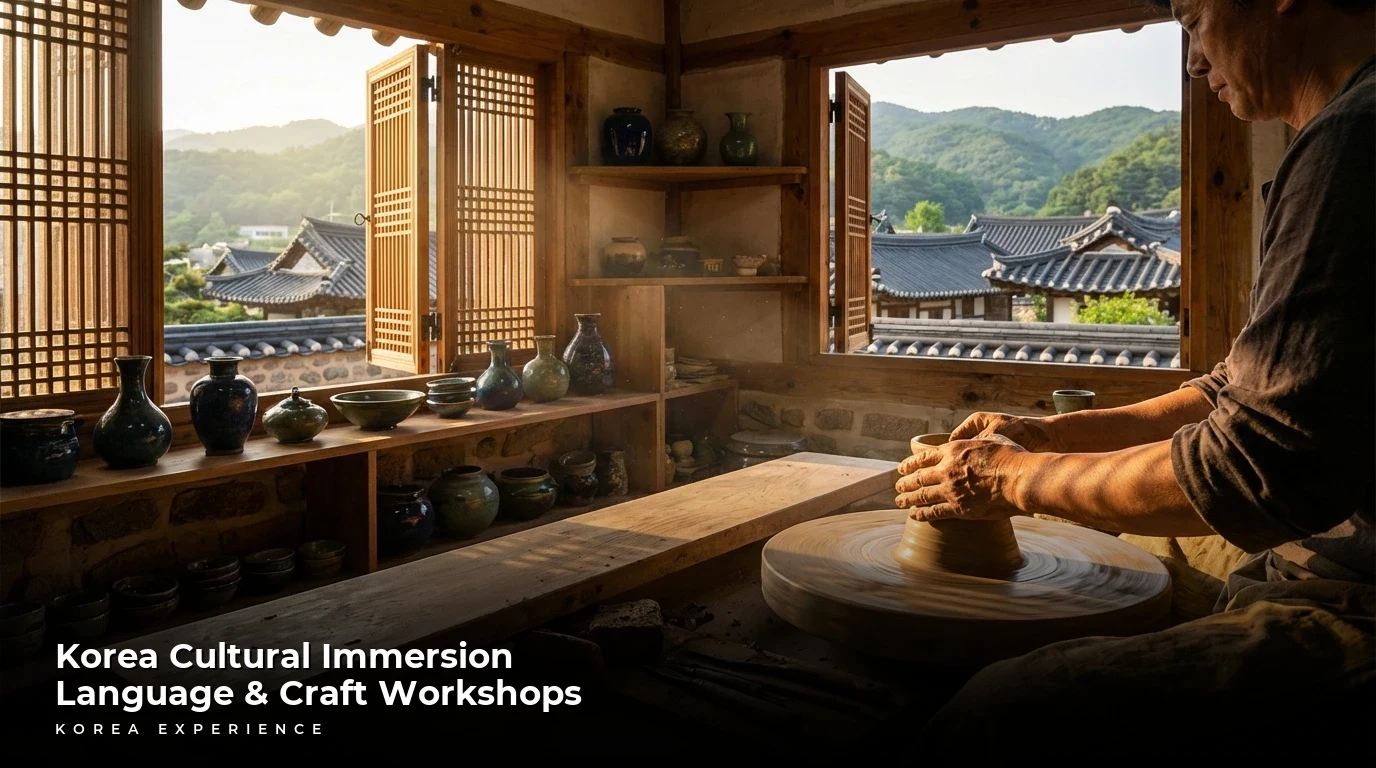
Finding the right cultural immersion program in Korea can be overwhelming due to the sheer volume of options, but the most effective approach is to combine structured language learning with hands-on vocational workshops. For travelers and expats in 2026, the best strategy is to enroll in a university language institute (KLI) like Yonsei or Sogang for morning classes, while dedicating afternoons to government-subsidized craft workshops in the Bukchon or Insadong districts.
The short answer: For maximum immersion, combine a Level 1 Korean language course (approx. ₩1.7M for 10 weeks) with "One-Day Classes" for traditional crafts like Najeonchilgi or pottery, which typically cost between ₩50,000 and ₩100,000 per session.
Key Takeaways
- 1Language programs at universities run 10 weeks and cost roughly ₩1.7-1.8 million
- 2Bukchon Traditional Crafts Center offers walk-in workshops for under ₩20,000
- 3K-Pop dance classes in Seongsu-dong average ₩35,000 per 90-minute session
Why Cultural Immersion is Essential for 2026 Travelers
The era of passive sightseeing is fading. According to Korea Tourism Organization data from late 2025, 68% of international visitors now prioritize "experiential travel" over simple landmark hopping. Cultural immersion programs go beyond taking photos; they provide the context, skills, and language ability to navigate Korea like a local. Whether you are staying for two weeks or two years, engaging with the culture through language and craftsmanship creates a connection that simply walking through Gyeongbokgung Palace cannot replicate.
Travelers who engage in just one active workshop report a 40% higher satisfaction rate with their trip compared to those who strictly follow sightseeing itineraries. Furthermore, with the English proficiency of the younger generation in Seoul rising, it is paradoxically becoming harder to practice Korean unless you place yourself in a structured environment designed for learning.
📊 Immersion Travel Trends
Korean Language Programs: The Foundation of Immersion
Language is the gateway to culture. In 2026, the landscape of Korean language learning has evolved to cater to short-term tourists and long-term residents alike. The choice largely depends on your budget, time constraints, and learning style.
University Language Institutes (KLIs)
University programs are the gold standard for serious learners. These are typically 10-week regular terms (4 hours a day, 5 days a week), though many now offer 3-week short-term intensive courses for summer and winter.
- Yonsei University (KLI): Famous for its emphasis on grammar and reading. It is the oldest program, established in 1959. Perfect for students who want a strong academic foundation.
- Cost: Approx. ₩1,780,000 per term.
- Location: Sinchon, Seoul.
- Sogang University (KLEC): Renowned for its focus on speaking and conversation. If your goal is to chat with locals in Hongdae bars within a month, this is your best bet.
- Cost: Approx. ₩1,850,000 per term.
- Location: Mapo-gu, Seoul.
- Ewha Womans University: Open to both men and women for language programs. Known for modern facilities and a balanced curriculum.
- Cost: Approx. ₩1,720,000 per term.
- Location: Seodaemun-gu, Seoul.
Visa Requirements
For a single 10-week term, most Western tourists can study on a standard 90-day tourist visa (B-2 or visa-free entry). However, if you plan to study for two terms (6 months) or more, you must apply for a D-4 General Trainee Visa at a Korean embassy in your home country.
Private Academies (Hagwons)
For those who cannot commit to a 9:00 AM to 1:00 PM schedule every day, private academies offer flexibility. You can often pay per month or per class.
- Winter Korean / Green Korean: These academies in Gangnam and Jongno offer evening and weekend classes tailored for working professionals or travelers.
- 1:1 Tutoring: Prices average ₩50,000 to ₩70,000 per hour for private tutoring in Seoul.
Language Program Comparison 2026
| Feature | University KLI | Private Academy | Language Exchange |
|---|---|---|---|
| Commitment | High (20hrs/week) | Flexible | Low |
| Cost (Monthly) | ~₩700,000 | ~₩250,000 | Free/Coffee cost |
| Visa Support | Yes (D-4) | Rarely | No |
| Speaking Focus | Varies (Sogang High) | High | Very High |
If you are looking to transition into a career in Korea after your studies, understanding the visa pathways is crucial. Many language students eventually look into the D-10 Job Seeker Visa to extend their stay while searching for employment.
Traditional Craft Workshops: Touching History
While language engages the mind, traditional crafts engage the hands. Korea has a rich history of artisans, termed Jang-in, who have dedicated decades to perfecting specific mediums. In 2026, many of these artisans have opened their studios to foreigners.
Mother-of-Pearl Inlay (Najeonchilgi)
Najeonchilgi is the art of inlaying shell (usually abalone) into lacquerware. The iridescent finish is iconic to Korean heritage.
- Where: Bukchon Hanok Village and specialized studios in Seongsu-dong.
- The Experience: You use tweezers to place pre-cut shell pieces onto a jewelry box, hand mirror, or phone grip.
- Cost: ₩50,000 to ₩150,000 depending on the object size.
- Duration: 2 to 3 hours.
Hanji (Traditional Paper) Crafts
Hanji is durable paper made from the inner bark of the mulberry tree. It is famously said to last 1,000 years.
- Where: Bukchon Traditional Crafts Center.
- The Experience: Making a Hanji plate, lamp, or doll. The process involves pasting layers of paper and smoothing them out.
- Cost: Very affordable, often starting at ₩10,000 to ₩25,000.
- Duration: 40 to 90 minutes.
Pottery and Ceramics
Korean pottery, particularly celadon (greenware) and white porcelain, is world-renowned.
- Where: Icheon Ceramics Village (about 60 minutes from Seoul) is the hub, but studios in Gangnam and Hongdae offer wheel-throwing classes.
- The Experience: You will typically throw clay on an electric wheel, shape a bowl or cup, and paint it. The studio will fire it and ship it to you (or you pick it up) 3-4 weeks later.
- Cost: ₩40,000 to ₩80,000 per person.
- Shipping: International shipping usually costs an extra ₩30,000+.
Bukchon Traditional Crafts Center(북촌전통공예체험관)
For those interested in seeing where these traditions originated, a trip to Andong Hahoe Village offers a look at a living UNESCO heritage site where these crafts are part of daily life.
Culinary Immersion: Cooking Classes and Tasting
Korean food, or Hansik, is deeply tied to the philosophy of medicine and food being from the same source. Cooking classes in 2026 have moved beyond just making Bibimbap; they now explore fermentation, temple food, and brewing.
Kimchi Making (Kimjang)
- Museum Kimchikan: Located in Insadong, this museum offers classes where you learn the science of fermentation.
- Cost: Approx. ₩30,000 including museum entry.
- Takeaway: You get to pack your kimchi in a sealed pouch to take back to your hotel (be careful with fridge smells!).
Temple Food Classes
With the global fame of Jeong Kwan Sunim (from Chef's Table), temple food—which uses no meat and no "five pungent spices" (garlic, onion, scallions, chives, leeks)—has exploded in popularity.
- Korean Temple Food Center: Located near Anguk Station.
- Cost: Classes range from ₩10,000 (demonstration) to ₩50,000 (hands-on).
- Philosophy: You learn mindfulness while chopping and seasoning.
Makgeolli Brewing
The traditional rice wine, Makgeolli, is experiencing a renaissance.
- The Sool Company: Offers English-language brewing classes near Susong-dong.
- Experience: Steaming rice, mixing nuruk (fermentation starter), and bottling.
- Cost: ₩70,000 to ₩120,000 depending on the depth of the course.
💵 Culinary Class Price Comparison
Private chef instruction + Full meal
1-hour session + 500g Kimchi
To explore more about what to eat before or after your class, check our guide to 50 Must-Try Korean Foods.
Modern Culture Workshops: K-Pop and K-Beauty
Cultural immersion in 2026 isn't limited to the Joseon Dynasty. Modern Korean culture (Hallyu) is a massive draw.
K-Pop Dance Classes
Studios like 1Million Dance Studio (Seongsu) and YGX Academy (Hongdae) are pilgrimage sites for fans.
- Process: You book a "Learner" or "Beginner" class online.
- Arrival: Arrive 20 minutes early to change and stretch.
- The Class: Usually 90 minutes. You learn the choreography to the chorus of a trending song. At the end, groups form to film the dance (optional).
- Cost: ₩30,000 to ₩40,000 per class.
📖 How to Book a Class at 1Million Dance Studio
Step 1: Create Account
Download the 1Million app or visit their website. Register with email.
Step 2: Purchase Ticket
Buy a single ticket (approx ₩35,000). Credit cards are accepted.
Step 3: Reserve Slot
Go to the schedule, pick your song/instructor, and click 'Book'.
Personal Color Analysis
This K-Beauty trend involves a consultant draping 100+ fabric swatches over you to determine which shades suit your skin tone best (Spring Warm, Summer Cool, etc.).
- Cost: ₩150,000 to ₩250,000 for a 60-90 minute session.
- Value: Includes a makeup pouch analysis and recommendations for foundation/lipstick shades.
- Booking: Must be done 1-2 months in advance via Instagram DM or KakaoTalk.
For a deeper dive into beauty treatments, read about Customized Skincare in Seoul.
Spiritual Immersion: Templestay Programs
For those seeking silence amidst the bustle of Seoul, a Templestay is the ultimate immersion.
- Jingwansa: Located in Bukhansan National Park (Seoul), famous for its temple food and history with the independence movement.
- Bongeunsa: Located right in Gangnam (near COEX), offering a surreal contrast between ancient Buddhism and modern skyscrapers.
Templestay: Is it for you?
- ✓Digital detox opportunity
- ✓Healthy, vegetarian meals included
- ✓Cultural insight into Korean Buddhism
- ✓Very affordable (₩70k-100k)
- ✗Early wake-up calls (3:30 AM or 4:00 AM)
- ✗Sleeping on the floor (yo mattress)
- ✗Strict etiquette rules
- ✗Communal bathrooms in some temples
A Day of Dualism: Traditional vs. Modern Immersion
Korea is defined by the coexistence of the ultra-modern and the deeply traditional. Here is a route to experience both in one day.
24 Hours: The Scholar and The Idol
The Dualism Concept: Experience the best of both worlds — premium luxury moments paired with authentic budget-friendly experiences in one route.
Morning: Hanji Craft
Craft a traditional lamp in Bukchon.
Evening: K-Pop Dance
Private vocal or dance lesson in Seongsu.
Start your day with the meditative silence of paper crafts, and end it with the high energy of K-Pop culture.
Practical Tips for Booking and Logistics
Booking these experiences can sometimes be tricky due to language barriers or platform restrictions.
Best Booking Platforms
- Trazy / Klook / KKday: Best for English speakers. Slightly higher prices (10-15% markup) but seamless booking and cancellation policies.
- Naver Booking: Requires a verified Korean phone number. Offers the local price and widest selection.
- Instagram DM: Many small workshops (especially jewelry and color analysis) only take bookings via DM. You often need to wire a deposit via Wise or a Korean bank transfer.
"In Korea, a 'No-Show' is considered incredibly rude and can get you blacklisted from future classes at that studio. If you must cancel, do so at least 24 hours in advance. Also, for craft classes, arrive 10 minutes early. Korean classes start exactly on time, not 5 minutes after!"
When negotiating prices in markets for materials (if you take up a hobby seriously), understanding the local Bargaining Culture is essential to avoid overpaying while remaining respectful.
3-Month Immersion Timeline
If you have 90 days on a tourist visa, here is an optimized timeline for skill acquisition.
90-Day Skill Acquisition Journey
Survival & Basics
Enroll in a morning language academy (Green/Winter). Take weekend one-day classes to explore interests.
Deep Dive
Choose ONE craft to focus on (e.g., pottery). Sign up for a 4-week regular course, not just one-day experiences.
Integration
Join a local hobby club (Donghohoe) related to your craft to practice language with locals.
Frequently Asked Questions
❓ Cultural Immersion FAQ
Have more questions?Contact us →
Final Thoughts
Cultural immersion in Korea is about participation. It is about the awkwardness of your first pottery throw, the burn of your muscles after a K-Pop class, and the satisfaction of ordering lunch in Korean after weeks of study. These programs offer a window into the Korean soul that observation alone cannot provide.
Whether you choose the discipline of a university language hall or the creativity of a Hanok workshop, you are building a bridge between yourself and this dynamic country. Start planning your 2026 journey now—seats in popular classes fill up faster than you might expect!
About the Author
Korea Experience Team
Written by the Korea Experience editorial team - experts in Korean medical tourism, travel, and culture with years of research and firsthand experience.
Explore more in Travel & Tourism
From Seoul's neon-lit streets to Jeju's volcanic landscapes — discover the best of Korea with insider travel tips, itineraries, and seasonal guides.
Browse All Travel & Tourism ArticlesContinue Reading
Explore more articles you might find interesting
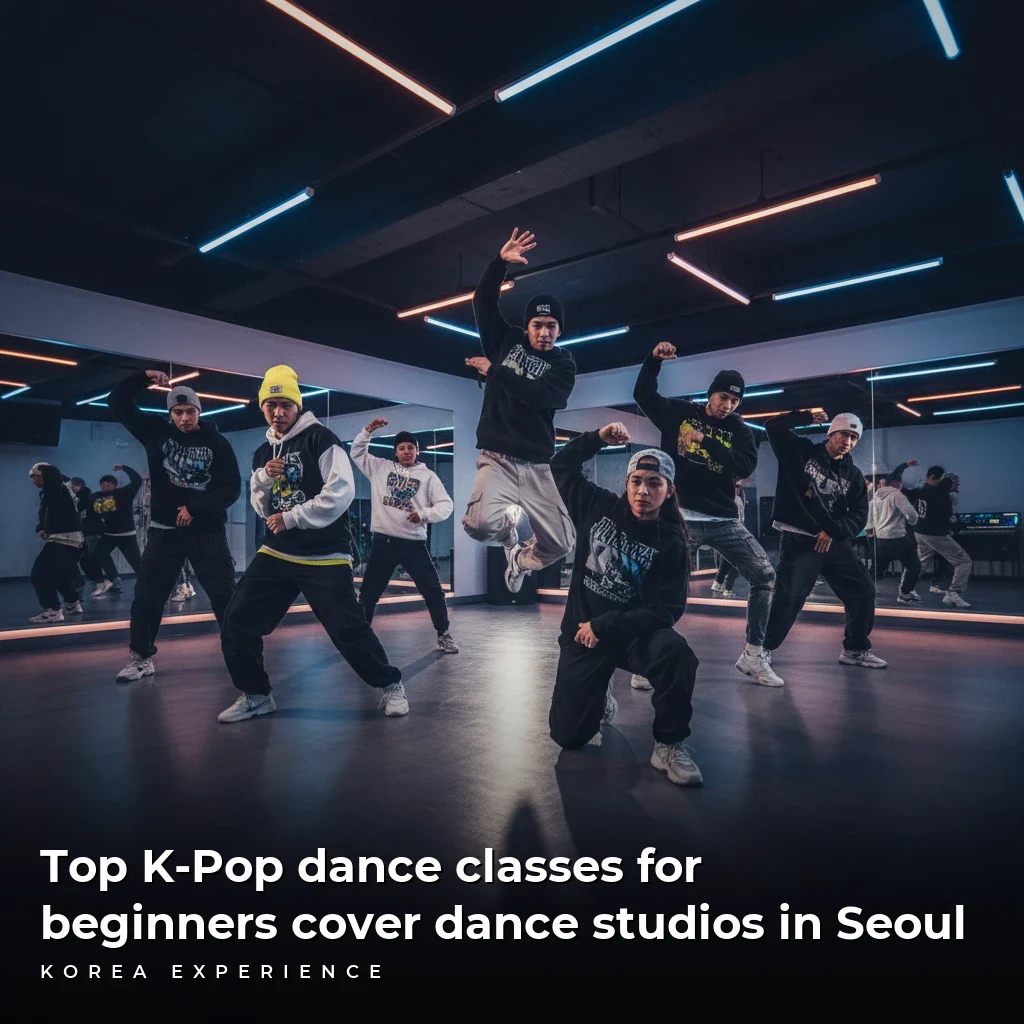
Discover the best K Pop dance classes for beginners in Seoul. From 1MILLION to YGX, find prices, locations, and booking tips for cover dance studios.
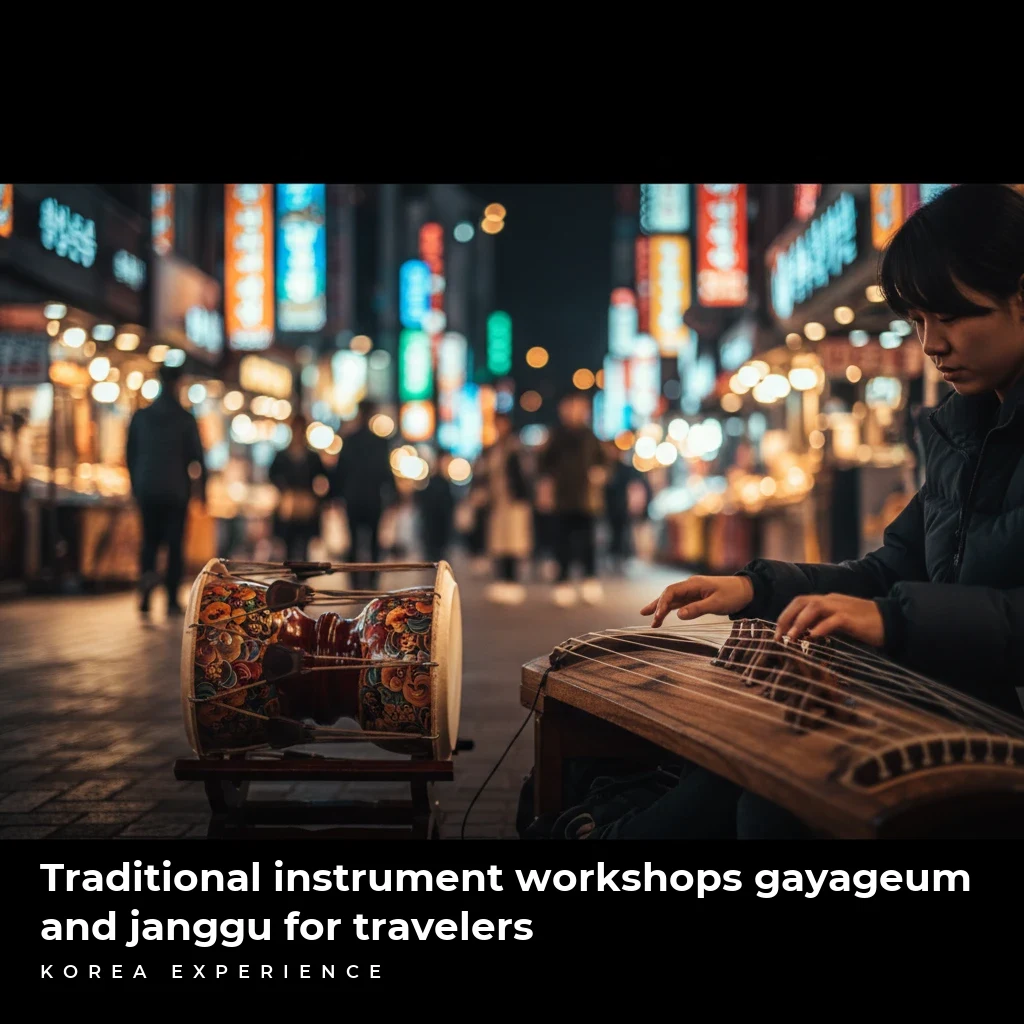
Discover the soul of Korea through sound. A complete guide to booking and experiencing traditional Gayageum and Janggu classes in Seoul.
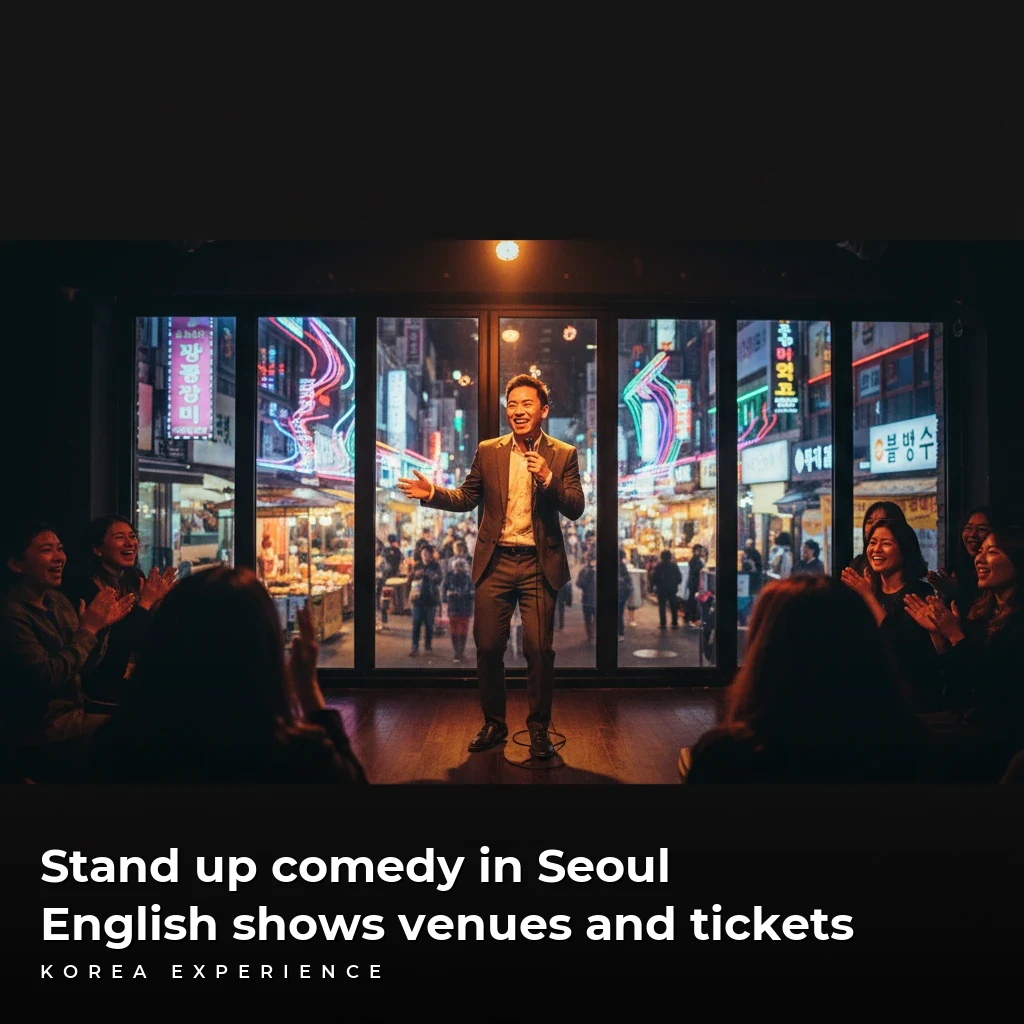
Discover the best Stand Up Comedy In Seoul English Shows. From open mics in Itaewon to pro gigs in Gangnam, find schedules, prices, and venue details.
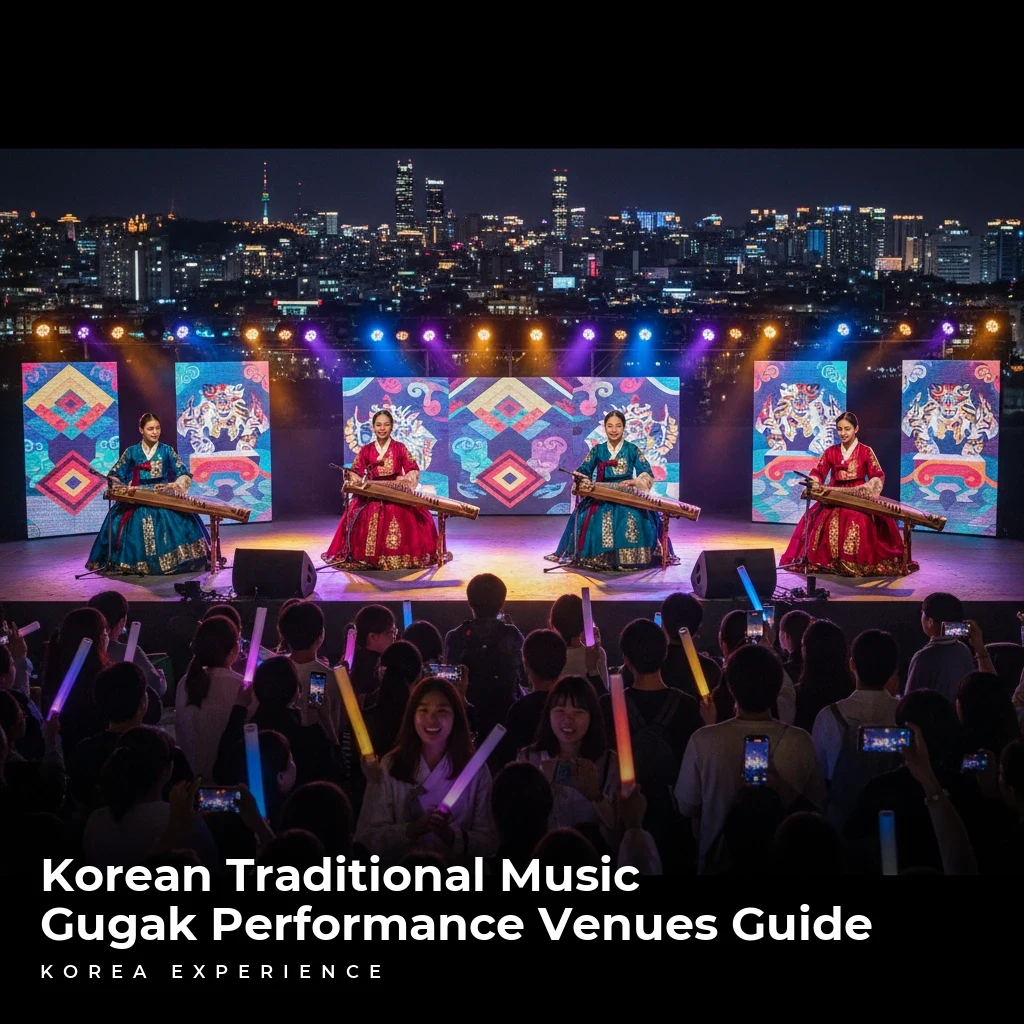
Discover the best venues for Gugak performances in Seoul. From royal palaces to modern theaters, find ticket info, etiquette, and top cultural experiences.
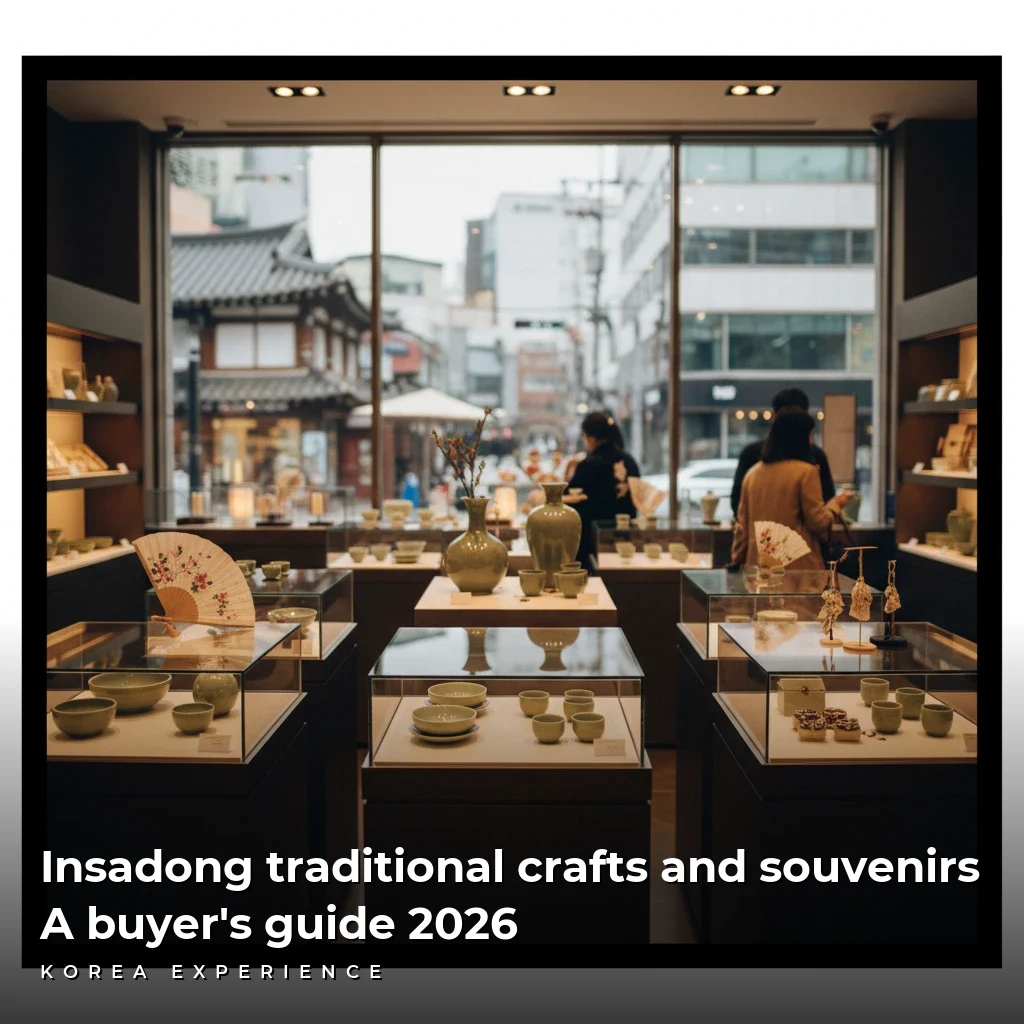
Discover the best Insadong traditional crafts and souvenirs in 2026. From authentic hanji paper to celadon ceramics, find prices and hidden shops here.
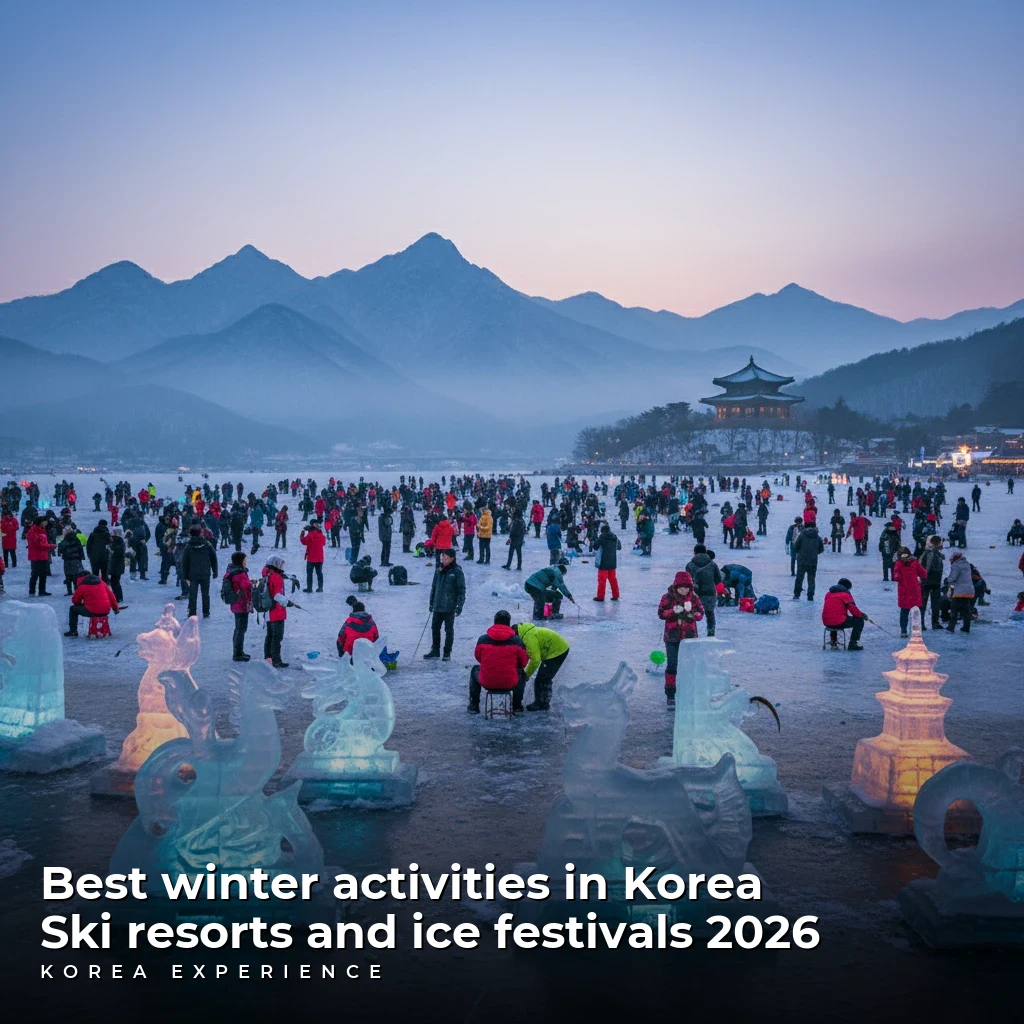
Discover top Korean ski resorts and ice festivals for 2026. From High1 to Hwacheon, find prices, transport tips, and gear rentals in our complete guide.