Dmz Tour From Seoul Complete Guide And What To Expect 2026
Comprehensive 2026 guide to DMZ tours from Seoul. Includes booking tips, JSA status updates, dress codes, and price comparisons starting at ₩55,000.
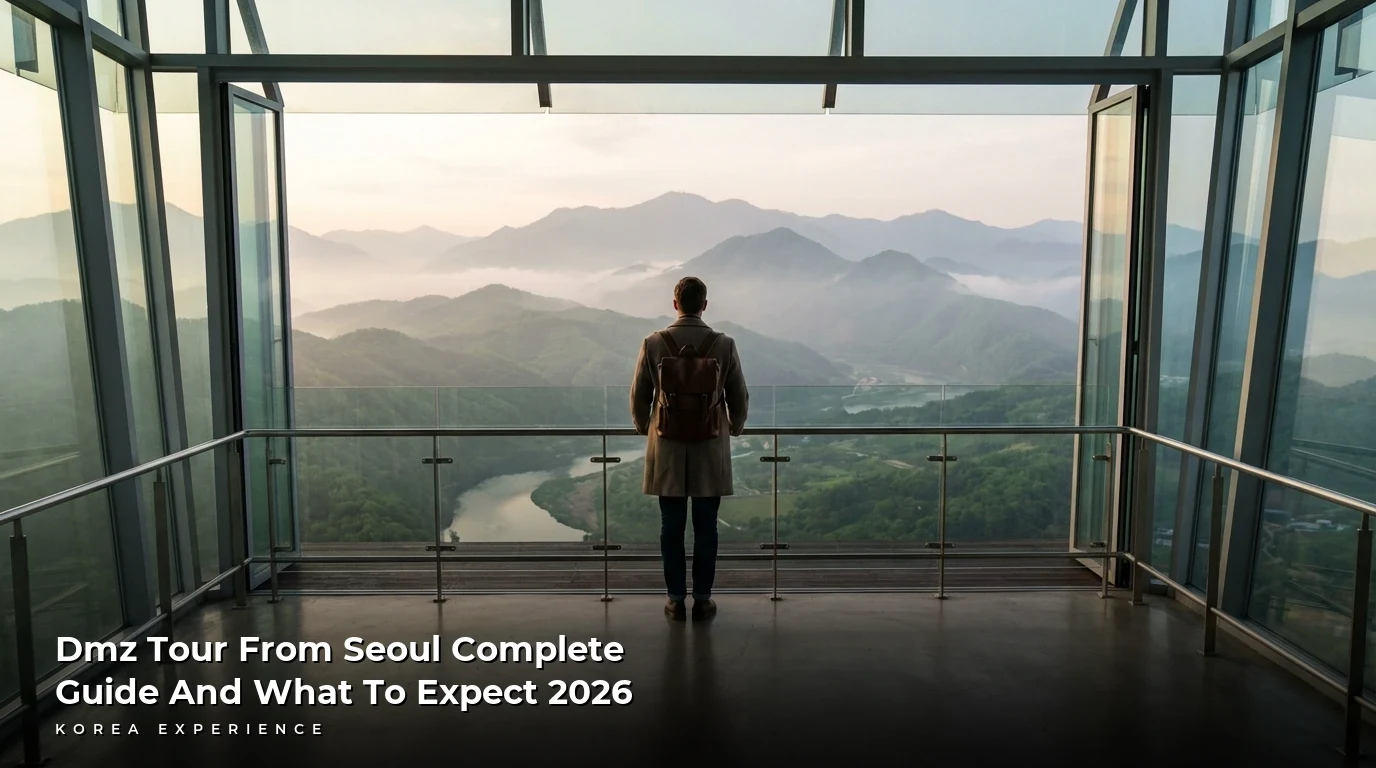
Visiting the Korean Demilitarized Zone (DMZ) remains the most popular day trip for international travelers in 2026, but the rules and accessibility have changed significantly over the last few years. To visit the DMZ from Seoul, you generally must book a guided tour, as individual travel beyond the Civilian Control Line is heavily restricted. As of early 2026, the standard DMZ tour (including the 3rd Infiltration Tunnel and Dora Observatory) is fully operational and runs daily (except Mondays and holidays), costing between ₩55,000 and ₩75,000 ($40–$55 USD) per person. However, the Joint Security Area (JSA/Panmunjom)—where soldiers stand face-to-face—remains subject to sudden closures due to geopolitical tensions and UN Command directives.
The short answer: You need to book a guided tour at least 2-3 weeks in advance, bring your physical passport, and expect to pay around ₩65,000 for a 6-7 hour trip starting from Hongdae or Myeongdong at 7:00 AM.
Key Takeaways
- 1Passports are mandatory; you cannot enter the Civilian Control Zone without one
- 2JSA (Panmunjom) tours are extremely limited in 2026; most tours only cover the DMZ/Tunnel
- 3Book at least 14 days in advance as daily visitor caps are strictly enforced
- 4Strict dress codes apply specifically to JSA areas, but comfort is key for the steep tunnel walk
Understanding the DMZ in 2026
The Korean Demilitarized Zone is a strip of land running across the Korean Peninsula that serves as a buffer zone between North and South Korea. It is approximately 250 kilometers (160 miles) long and 4 kilometers (2.5 miles) wide. Despite the name, it is one of the most heavily militarized borders in the world.
For travelers in 2026, it is crucial to understand the difference between the DMZ Tour and the JSA Tour.
- DMZ Tour: Takes you to the 3rd Infiltration Tunnel, Dora Observatory (where you can look into North Korea), and Dorasan Station. This is safe, available, and allows for large groups.
- JSA (Panmunjom) Tour: Takes you to the blue conference buildings where the armistice was signed. This is the "tense" part of the border. In 2026, availability for this is sporadic and often cancelled on short notice.
📋 DMZ Tour Essentials
Why the Rules Keep Changing
The accessibility of the DMZ is directly tied to inter-Korean relations. In 2026, security protocols have tightened slightly regarding what you can photograph at the Observatory. While you could previously use telephoto lenses freely, soldiers now strictly enforce "photo lines" at Dora Observatory.
Booking Your Tour: The Process
You cannot simply rent a car and drive to the DMZ. You must cross the Civilian Control Line (CCL), which requires a military escort provided via authorized tour buses.
When to Book
Demand for DMZ tours has skyrocketed. In 2026, we recommend booking at least 21 days in advance for morning slots, which are preferred to avoid the massive crowds that arrive by 11:00 AM. Same-day bookings are virtually impossible unless there are last-minute cancellations, which are rare.
📖 How to Book a DMZ Tour Successfully
Step 1: Choose Your Platform
Use reputable platforms like Klook, Trazy, or VIP Travel. Direct operator sites often have clunky interfaces.
Step 2: Select Tour Type
Decide between 'DMZ Only' (Tunnel + Observatory) or 'DMZ + Suspension Bridge'.
Step 3: Input Passport Data
You must provide full name, nationality, and passport number exactly as they appear on your ID.
Step 4: Confirm Pickup
Select a pickup point. Most tours depart from Hongdae (Exit 3), Myeongdong (Exit 8), or Dongdaemun.
Cost Breakdown
Prices have risen slightly due to increased fuel costs and park admission fees in Paju. Below is a comparison of what you can expect to pay in 2026.
💵 2026 DMZ Tour Price Comparison
Private car, flexible schedule, dedicated guide, lunch included.
Large bus (40 pax), strict schedule, no lunch included.
Passport Warning
You MUST bring your physical passport on the day of the tour. Photocopies or photos on your phone are NOT accepted by the ROK soldiers at the checkpoint. No passport, no entry, no refund.
Detailed Itinerary: What You Will See
Most tours follow a strict loop regulated by the military. The buses from Seoul drive to Imjingak Park, which acts as the staging ground. From there, your guide will buy tickets, and you may have to switch to a designated DMZ shuttle bus depending on the tour operator's license.
1. Imjingak Park
Located approximately 50 kilometers northwest of Seoul, this is the last village before the restricted zone. It was built for 5 million people who lost their homes during the Korean War.
- Mangbaedan Altar: Where separated families bow toward the North during Chuseok.
- Bridge of Freedom: A former railroad bridge used by repatriated POWs and soldiers.
- Steam Locomotive: A destroyed train engine riddled with over 1,000 bullet holes, serving as a stark symbol of the conflict.
2. The 3rd Infiltration Tunnel
This is the highlight for many, and the most physically demanding part. Discovered in 1978, this tunnel was dug by North Korea to invade the South. It is 1,635 meters long and located 73 meters below ground.
- The Descent: You will walk down a steep 350-meter slope (11-degree gradient). It takes about 15 minutes to walk down and 20-25 minutes to walk back up.
- Inside: You can walk 265 meters into the tunnel until you reach the concrete barricade blocking the Military Demarcation Line.
- The Experience: It is cool (around 11°C/52°F), damp, and cramped. Tall visitors (over 180cm/5'11") will need to hunch over significantly, even while wearing the mandatory hard hats.
If you have asthma, heart conditions, or severe claustrophobia, DO NOT walk down the tunnel. Wait for the monorail ticket (limited availability) or skip the descent. The walk back up is incredibly steep and humid, and we see tourists fainting almost every summer.
3. Dora Observatory
Reopened in a new, higher location recently, this is the closest you can get to North Korea without entering the JSA. From the observation deck, you use binoculars (free of charge in 2026) to look across the 4km DMZ.
What you can see:
- Kijong-dong: The North Korean "Propaganda Village."
- Kaesong Industrial Complex: The now-shuttered joint factory park.
- Statue of Kim Il-sung: Visible on very clear days with high-power binoculars.
- Gijong-dong Flagpole: The massive 160m flagpole flying the North Korean flag.
4. Dorasan Station
This is a futuristic, fully equipped train station designed to connect Seoul to Pyongyang and eventually onto the Trans-Siberian Railway. Currently, it sits empty, a symbol of hope. You can buy a souvenir "ticket" to Pyongyang for ₩1,000, which is a popular keepsake.
The "No-Shopping" vs. "Shopping" Tour Debate
In 2026, you will see tour listings explicitly stating "No Shopping."
- Shopping Tours: Often cheaper (₩45,000-₩50,000) but force you to stop at a Ginseng Center or Amethyst Factory for 45-60 minutes on the way back to Seoul. This kills the mood and wastes time.
- No-Shopping Tours: Cost slightly more (₩65,000+) but return you directly to Seoul, giving you more time to explore the city in the afternoon.
Recommendation: Always pay the extra $10-$15 for a No-Shopping tour. The time saved is worth it.
For more ideas on how to spend your afternoon after returning to Seoul, check out our 24-hour Seoul itinerary which pairs perfectly with a morning DMZ trip.
Paju DMZ vs. Cheorwon DMZ: The 2026 Trend
While 90% of tourists go to Paju (the standard tour described above), seasoned travelers are heading to Cheorwon in 2026. Cheorwon is further east and offers a rawer, less commercialized experience.
Paju vs. Cheorwon DMZ Comparison
| Feature | Paju (Standard) | Cheorwon (Alternative) |
|---|---|---|
| Travel Time from Seoul | 1 hour | 2 hours |
| Crowds | Very High | Low |
| Tunnel Experience | 3rd Tunnel (Walking/Monorail) | 2nd Tunnel (Walking only) |
| Atmosphere | Commercial/Theme Park | Raw/Historical |
Cheorwon tours often include the Labor Party Headquarters, a haunting building bombed during the war, and the 2nd Infiltration Tunnel, which is wider but requires a longer drive.
Practical Tips for Your Visit
Dress Code
The strict dress code mainly applies to the JSA. However, even for the standard DMZ tour, military police may deny entry if you look "disrespectful."
- Permitted: Jeans (no rips), t-shirts, sneakers, jackets.
- Prohibited: Ripped jeans, camouflage clothing (military style), workout leggings, crop tops, shorts above the knee, flip-flops.
Photography
- Civilian Control Line: You generally cannot take photos of the checkpoints or the soldiers guarding the bus.
- Tunnel: Photography is strictly prohibited inside the tunnel. You must leave your phone and camera in free lockers at the entrance.
- Observatory: Photography is allowed only behind the yellow "photo line" (usually 2-3 meters back from the railing), though this rule is occasionally relaxed depending on the threat level of the day.
Food and Drink
Most half-day tours do not include lunch. Imjingak Park has several restaurants:
- Popeyes/Dunkin Donuts: For quick fast food.
- Korean Restaurants: Serving Galbi-tang (Beef Short Rib Soup) for roughly ₩15,000.
- Convenience Stores: There is a CU at Imjingak.
If you return to Seoul around 2:00 PM, you'll be dropped off in Hongdae or Myeongdong. This is the perfect time to explore local food scenes. See our guide to best Korean BBQ restaurants in Seoul for a hearty post-tour meal.
Getting There: Logistics
Meeting Points
The tours almost always depart early to secure a "slot" at the DMZ. The military limits the number of buses per hour.
- Hongdae (Hongik Univ. Station Exit 3): Usually 6:30 AM - 7:00 AM.
- Myeongdong (Station Exit 8): Usually 7:10 AM - 7:30 AM.
Hongik Univ. Station Exit 3(홍대입구역 3번출구)
The "Private Car" Option
If you hire a private guide with a van (approx. ₩300,000 - ₩400,000 for the day), they still cannot drive their vehicle into the DMZ sites (Tunnel/Observatory). They must drive to Imjingak, park, buy tickets for you, and then everyone must transfer to the official military shuttle bus.
- Benefit: You travel to Imjingak in comfort and have flexibility on stops like the suspension bridge.
- Drawback: You are still subject to the military shuttle bus schedules inside the zone.
Combined Itineraries: Making a Full Day of It
Since the DMZ tour is physically draining but often finishes by early afternoon, many travelers look for nearby attractions to maximize the day.
Option A: The Gamaksan Suspension Bridge
Many operators bundle the DMZ with the Gamaksan Suspension Bridge.
- Length: 150 meters.
- Height: 45 meters (it spans a valley).
- Hike: Requires a 15-minute uphill hike to reach the bridge.
- Verdict: Worth it in Autumn (October/November) for the foliage. In winter, it can be biting cold.
Option B: Heyri Art Village & Paju Outlets
Located 20 minutes from Imjingak, Heyri is a curated artistic community with unique architecture, museums, and cafes.
- Best for: Families and art lovers.
- Shopping: The nearby Lotte Premium Outlets Paju is massive.
If you are interested in spending more time exploring outside the city center, consider our recommendations for best day trips from Seoul.
Safety and Ethics
Is it safe to visit the DMZ in 2026? Statistically, yes. Millions of tourists visit without incident. However, it is an active war zone. You will see soldiers, razor wire, and potentially landmine warning signs.
- Waivers: You will likely sign a waiver acknowledging the risks.
- Political Climate: If tensions rise (missile tests, etc.), tours can be cancelled the morning of the trip. Always have a "Plan B" itinerary.
📊 DMZ Visitor Statistics
Pros and Cons of the DMZ Tour
Is it worth the hype? Here is an honest assessment.
DMZ Tour Experience
- ✓Unique historical insight into the Cold War
- ✓Educational and emotional experience
- ✓Well-organized logistics
- ✓Safe way to see North Korea
- ✗Can feel rushed and commercialized
- ✗Strict rules on photography
- ✗Physically demanding (Tunnel)
- ✗Crowded during peak seasons
FAQ: Common Questions About DMZ Tours
❓ Frequently Asked Questions
Have more questions?Contact us →
Conclusion
Visiting the DMZ in 2026 remains a profound experience. It offers a stark reminder of the Korean War's legacy and the ongoing division of the peninsula. While the "Disney-fication" of some areas (like the amusement park rides at Imjingak) can feel jarring against the backdrop of barbed wire, the view from Dora Observatory and the descent into the 3rd Tunnel are experiences you cannot find anywhere else on Earth.
For those planning their trip, the key takeaway is preparation. Book early, bring your passport, and wear comfortable shoes. Once you return to the vibrant energy of Seoul, the contrast will make your dinner and evening activities feel even more lively. Speaking of evenings, if you need a place to relax after the long tour, consider visiting one of the best coffee shops in Seoul to unwind and process the day's events.
About the Author
Korea Experience Team
Written by the Korea Experience editorial team - experts in Korean medical tourism, travel, and culture with years of research and firsthand experience.
Explore more in Travel & Tourism
From Seoul's neon-lit streets to Jeju's volcanic landscapes — discover the best of Korea with insider travel tips, itineraries, and seasonal guides.
Browse All Travel & Tourism ArticlesContinue Reading
Explore more articles you might find interesting
Compare DMZ Tunnel tours ($50) vs JSA Panmunjom ($120). Discover the best Korean border experience, booking rules, and passport requirements for 2026.
Discover the ultimate digital nomad guide to Korea for 2026. Compare top coworking spaces, cafe etiquette, workation visas, and monthly budgets.

Discover top Korean family attractions for 2026. Compare Lotte World vs. Everland ($45+), visit Legoland, and find free museums for kids in Seoul.
Experience the thrill of Danyang paragliding in 2026. Costs range from ₩80,000 to ₩150,000 for a 10-minute flight over the Han River's famous S-curve.
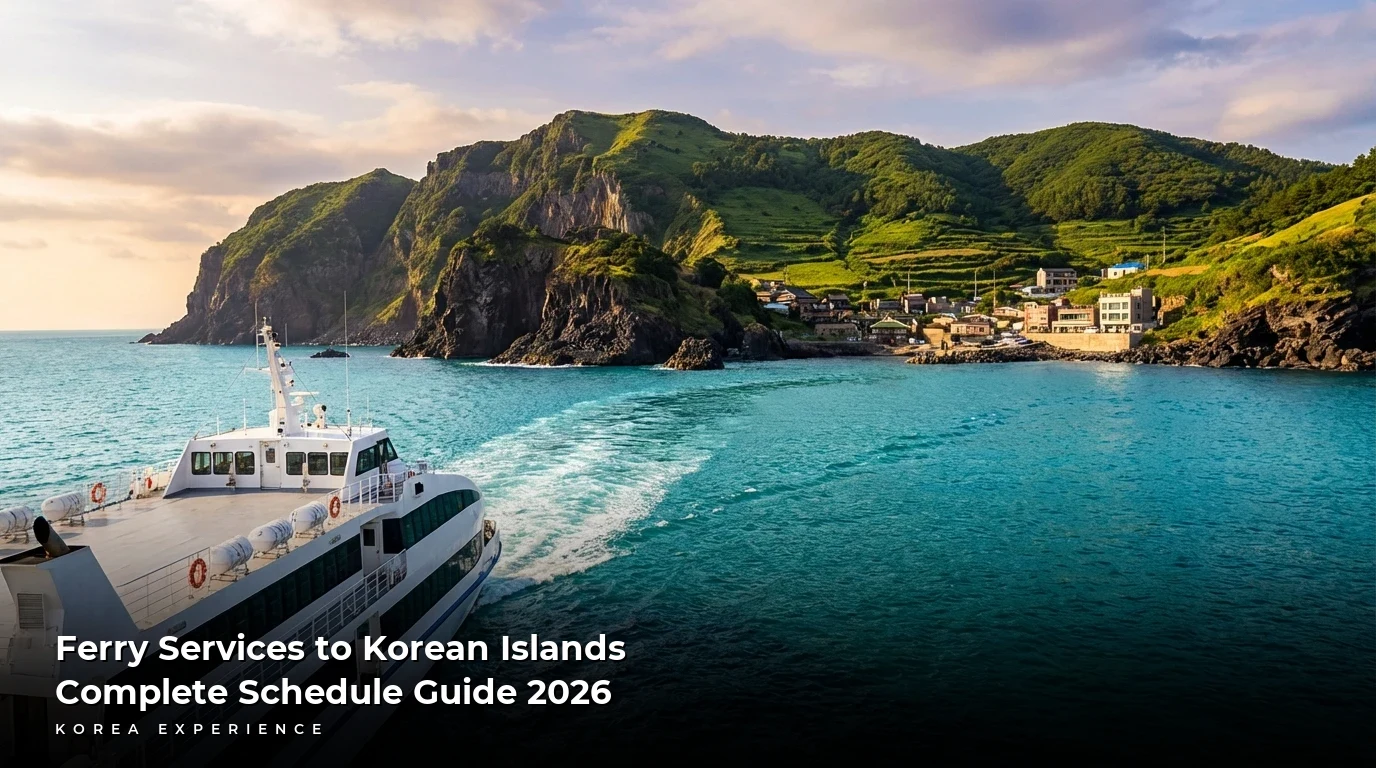
Find 2026 ferry schedules for Jeju, Ulleungdo, and more. Compare ticket prices starting at ₩15,000 and learn how to book online without a Korean number.
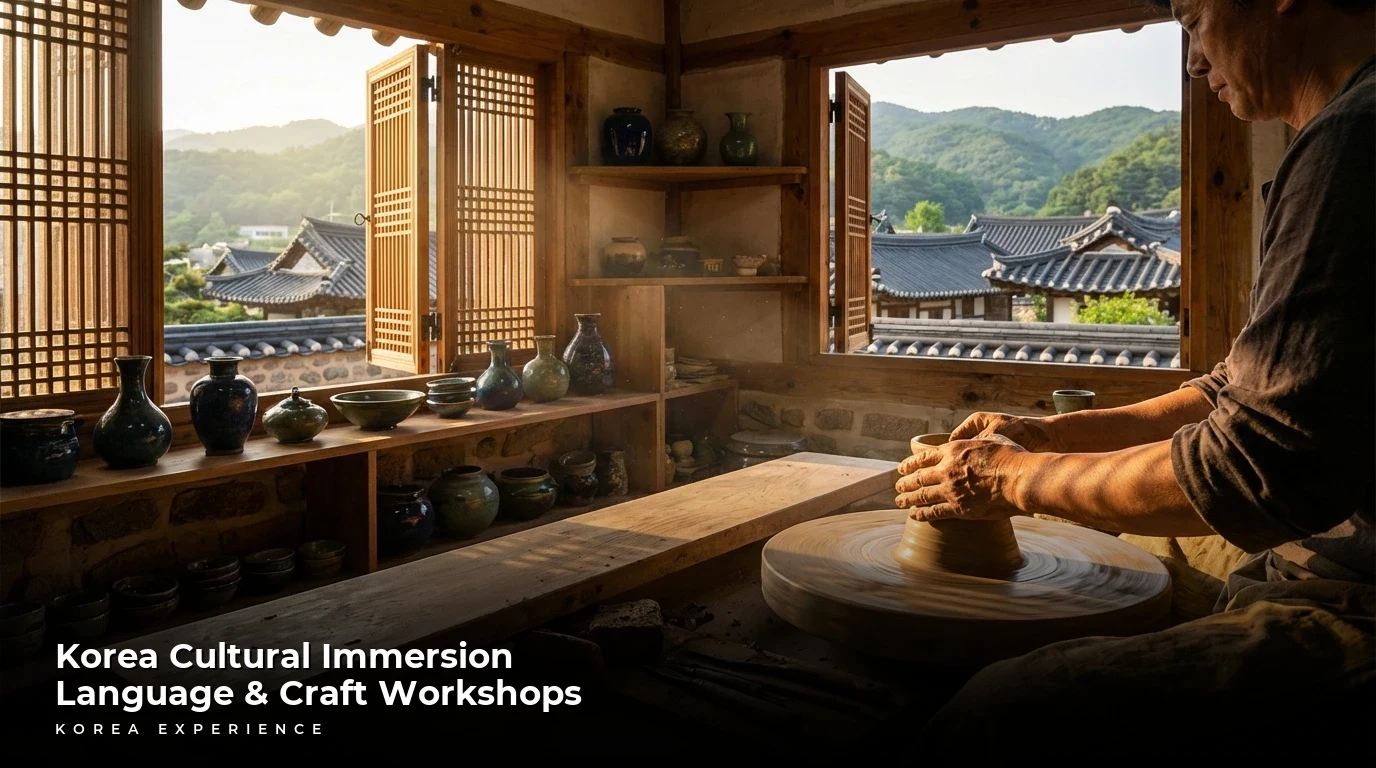
Discover top Korean language schools and traditional craft workshops for 2026. From pottery to K-Pop dance, find prices and booking details for deep immersion.