Food & Dining

Gluten-Free Dining in Korea Celiac-Safe Options

Navigating gluten-free dining in Korea can be challenging for celiacs and those with sensitivities, but with the right knowledge, it is entirely possible.

Unlocking Gluten-Free Dining in Korea: Your Celiac-Safe Guide

The vibrant streets, bustling markets, and aromatic kitchens of Korea offer an unparalleled culinary adventure. For many international travelers and expats, the prospect of diving into this rich food culture is a major draw. However, if you're navigating the world with celiac disease or gluten sensitivity, the thought of eating out in a country known for its soy sauce-based dishes, noodles, and fried delicacies can feel daunting. The good news? While it requires preparation and careful communication, enjoying delicious, gluten-free dining in Korea is more achievable than ever before.

This comprehensive guide is your essential companion to understanding, identifying, and savoring celiac-safe options across Korea. We'll equip you with the knowledge to decode menus, communicate your dietary needs, find dedicated gluten-free establishments, and even shop for safe ingredients. From traditional Korean fare that can be adapted to insider tips for everyday dining, prepare to explore Korea's gastronomic landscape with confidence and peace of mind.

Understanding Gluten in Korean Cuisine

At first glance, Korean cuisine might seem heavily reliant on gluten. And indeed, many staple ingredients and popular dishes do contain it. However, a deeper understanding reveals plenty of naturally gluten-free components and dishes that can be easily modified.

Common Gluten Culprits to Watch Out For

To successfully navigate gluten-free dining in Korea, it's crucial to know where gluten typically hides.

  • Soy Sauce (Ganjang): This is perhaps the biggest hidden culprit. Traditional Korean soy sauce is almost always made with wheat. Unless specifically labeled "gluten-free soy sauce" (wheat-free soy sauce), assume it contains wheat. Many dishes use soy sauce as a base for marinades and sauces.
  • Gochujang (Korean Chili Paste): This ubiquitous, spicy, and savory condiment is a staple in countless Korean dishes. Unfortunately, most commercial gochujang brands contain wheat flour or barley, used as a fermentation agent.
  • Gochugaru (Korean Chili Flakes): Pure gochugaru is naturally gluten-free, made purely from dried chili peppers. However, it's often used in conjunction with gochujang or other sauces, so always verify the entire dish.
  • Noodles (Myeon): Many popular Korean noodles are wheat-based, including ramyeon, jjajangmyeon, janchi guksu, and many types of kalguksu. While rice noodles (e.g., in Japchae) are gluten-free, the sauces often contain gluten.
  • Mandu (Dumplings): The wrappers for Korean dumplings are typically made from wheat flour.
  • Fried Foods (Twigim): Most fried items, including Korean fried chicken (Chimaek), are battered with wheat flour.
  • Bread and Baked Goods (Ppang): As expected, nearly all traditional Korean bread, pastries, and cakes are wheat-based.
  • Barley (Bori) and Malt: Barley is sometimes used in certain teas (boricha) or fermented drinks and can be a hidden ingredient in some products. Malt is also derived from barley.
  • Certain Alcoholic Beverages: Beer (Maekju) contains barley. Soju and Makgeolli are generally distilled from rice or sweet potatoes and might be safe, but always check for additives and fermentation processes.

Naturally Gluten-Free Staples and Safer Choices

Despite the list above, many core components of Korean cuisine are inherently gluten-free. Focusing on these will significantly broaden your safe dining options.

  • Rice (Bap): White rice and brown rice are foundational and always gluten-free.
  • Meats: Plain grilled or roasted meats like pork belly (Samgyeopsal), beef short ribs (Galbi), or unmarinated chicken are excellent choices. Be cautious of marinades unless you can confirm their ingredients.
  • Vegetables (Yachae): Most fresh vegetables are safe. Steamed, boiled, or simply grilled vegetables are great.
  • Eggs (Gyeran): Eggs are naturally gluten-free and frequently used in Korean cooking.
  • Seaweed (Gim): Plain roasted seaweed is gluten-free.
  • Tofu (Dubu): Unprocessed tofu is a safe protein source.
  • Some Starchy Foods: Sweet potato (Goguma) and potato (Gamja) are gluten-free.
  • Pure Sesame Oil (Chamgireum), Chili Flakes (Gochugaru), Garlic (Maneul), Ginger (Saenggang): These flavor bases are typically safe.

Essential Korean Phrases for Gluten-Free Dining

Effective communication is your most powerful tool for gluten-free dining in Korea. While English proficiency is increasing, especially in tourist areas, having a few key phrases in Korean will make a significant difference. Remember, direct translation of "celiac disease" might not be widely understood, so focusing on "wheat allergy" or "no flour" is often more effective.

Key Phrases and Their Meanings (English Only)

English PhraseKorean Transliteration (Pronunciation Guide)
I have a wheat allergy.Jeoneun mil allergiga isseoyo.
I cannot eat wheat flour.Jeoneun milgaru meokji mothaeyo.
I cannot eat gluten.Jeoneun geulluten meokji mothaeyo.
Is this dish made with wheat flour?I eumshik-e milgaruga deureogayo?
Is this soy sauce gluten-free?I ganjang-eun geulluten peuri-ingaeyo?
No soy sauce, please.Ganjang ppaejuseyo.
Please remove the wheat.Milgaru ppaejuseyo.
No gochujang, please.Gochujang ppaejuseyo.
Is this vegetarian?Igeos-eun chae-sik-ingaeyo?
I cannot eat barley.Jeoneun bori meokji mothaeyo.
Thank you.Gamsahamnida.

Visual Aids and Translation Apps

  • Restaurant Cards: Consider carrying a small card, professionally translated, explaining your dietary needs in detail. This can be handed to staff and kitchen. It should clearly state "I have celiac disease and cannot eat any wheat, barley, rye, or oats (unless certified gluten-free). Please ensure no wheat flour, regular soy sauce, gochujang, or breading is used. Cross-contamination is a serious concern."
  • Translation Apps: Google Translate or Papago (a Korean-developed app, often more accurate for Korean) can be invaluable. Type in your request and show the translated text or play the audio.
  • Image References: Sometimes, showing pictures of what you can eat (e.g., plain grilled meat, rice) can help bridge the language barrier.

Dining out is an integral part of the Korean experience. With some foresight and careful ordering, you can enjoy many traditional dishes.

Traditional Korean Dishes That Can Be Gluten-Free (With Caveats)

Many beloved Korean dishes can be enjoyed gluten-free with simple modifications or by choosing naturally safe versions.

Dish CategoryGenerally Safe (with checks)High Risk (often contains gluten)
MeatsSamgyeopsal (plain pork belly)Bulgogi, Galbi (marinades usually have soy sauce)
Grilled duck (Ori Gui)Dakgalbi (sauce)
Soups/StewsKimchi Jjigae (if made without gochujang, check broth)Doenjang Jjigae (soybean paste can have wheat/barley)
Seolleongtang (ox bone soup - pure broth)Budae Jjigae (often has ramyeon, processed meats)
Gamjatang (pork bone stew - check broth, can use gochujang)Sundubu Jjigae (check sauce base)
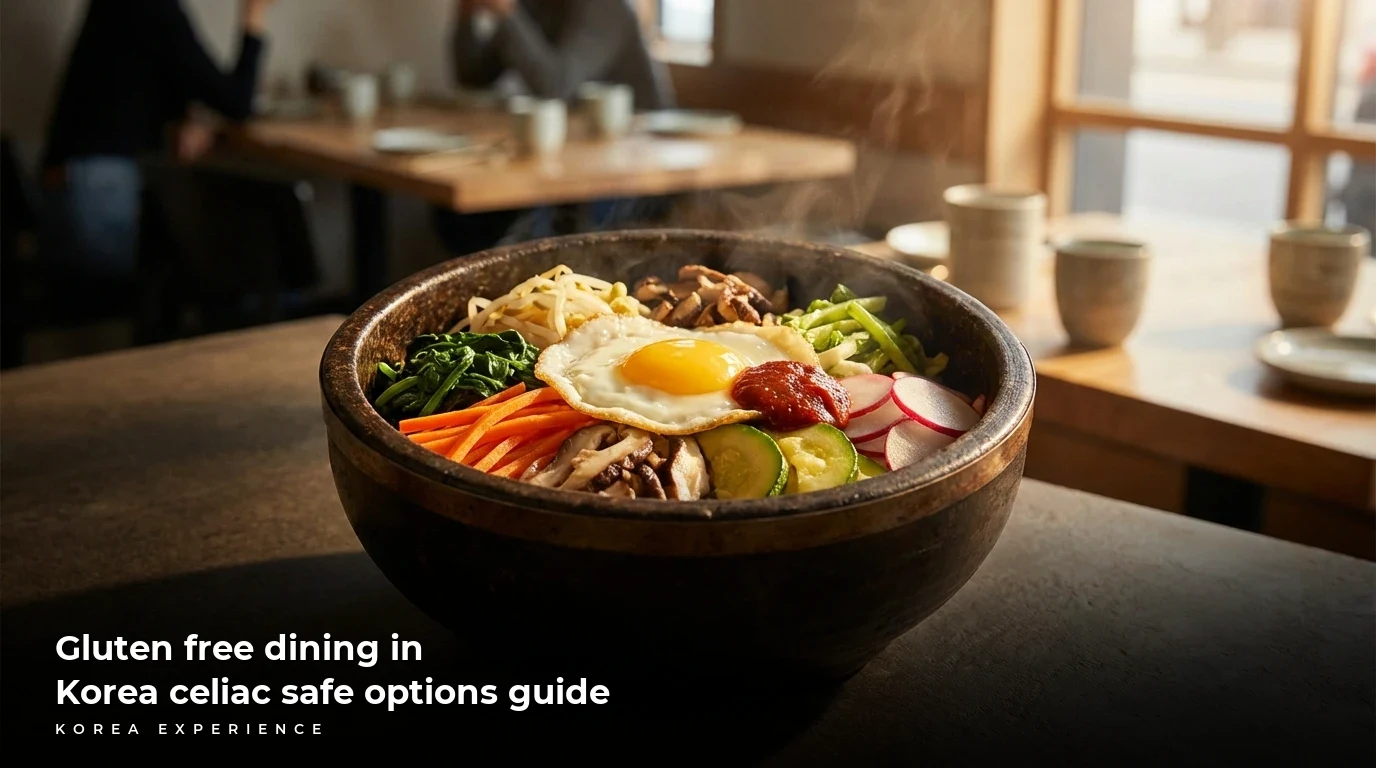
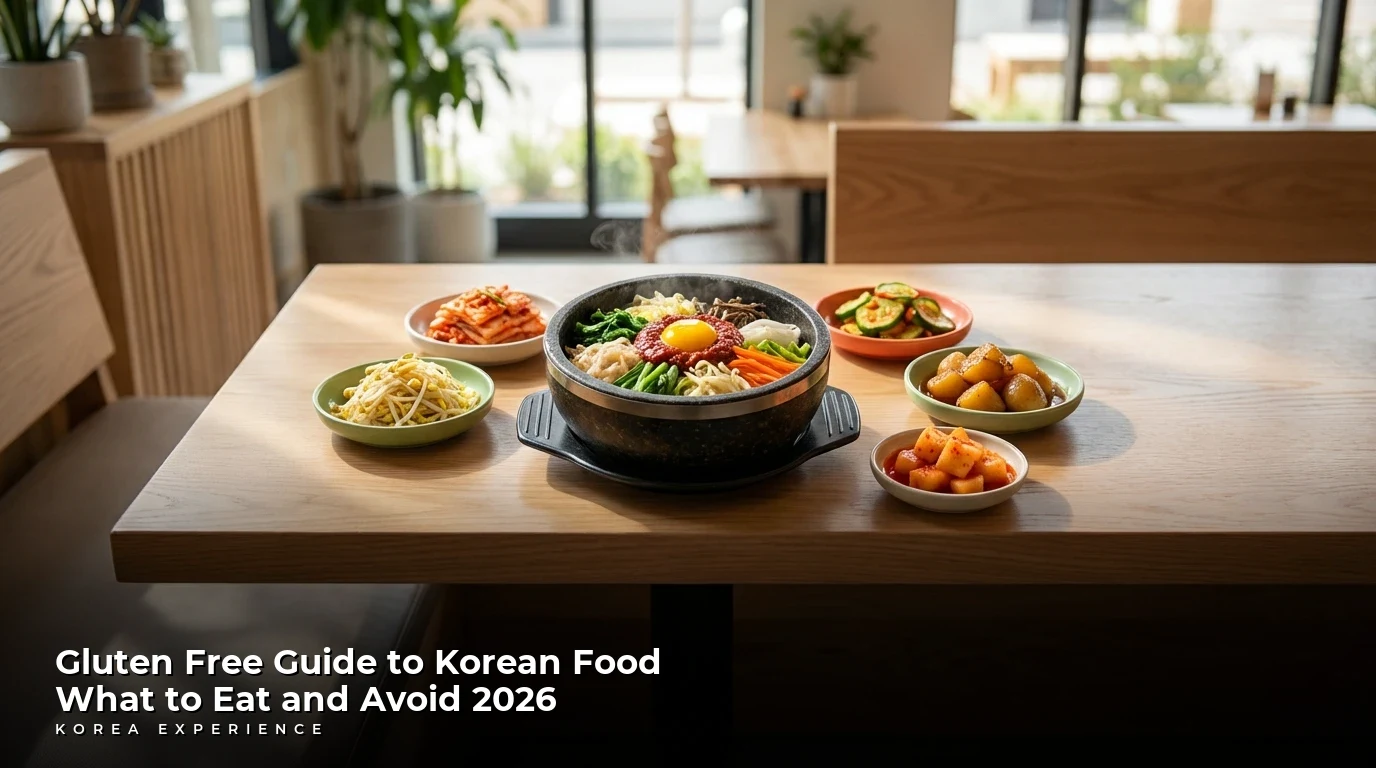
Rice DishesBibimbap (vegetable/egg mix, plain rice, omit gochujang)Japchae (glass noodles safe, but sauce is usually not)
Gyeran Bap (egg over rice, plain)Bibim Guksu (wheat noodles, spicy sauce)
SidesMany Banchan (side dishes) like plain kimchi, seasoned vegetablesJeon (pancakes, made with flour)
Steamed eggs (Gyeranjjim - check additives)Gyeran Mari (rolled omelette - check seasonings)

Specific Restaurant Types and Ordering Tips

  • Korean Barbecue (Gogi-gui) Restaurants: These are often your safest bet.
    • Order: Plain, unmarinated cuts of meat like Samgyeopsal (pork belly), Moksal (pork neck), or Saeng Galbi (unmarinated beef ribs).
    • Side Dishes (Banchan): Stick to plain kimchi (traditional kimchi is often safe, but some can have wheat), fresh vegetables for grilling, seasoned bean sprouts, spinach, or radish. Avoid anything battered, fried, or with thick sauces.
    • Sauces: Use pure sesame oil with salt and pepper, or bring your own gluten-free soy sauce. Explicitly ask for no soy sauce (Ganjang ppaejuseyo).
  • Temple Food (Sanchon Eumshik) Restaurants: These focus on natural, plant-based ingredients and often avoid many common allergens, but always inquire about their soy sauce and gochujang usage.
  • Health-Focused Cafes/Vegan Restaurants: These establishments are increasingly aware of dietary restrictions and are more likely to offer gluten-free options or be able to adapt dishes. Look for ones explicitly mentioning "gluten-free" on their menus.
  • Sushi/Sashimi: While not Korean, Japanese cuisine is widely available. Sashimi (plain fish) is naturally gluten-free. Sushi can be safe if you bring your own gluten-free soy sauce and avoid tempura rolls or rolls with sauces.

Asking for Modifications

When ordering, be specific and persistent (politely).

  • "Gochujang ppaejuseyo" (Please omit gochujang). This is critical for dishes like Bibimbap, Tteokbokki, or spicy stews.
  • "Ganjang ppaejuseyo" (Please omit soy sauce). For marinades on meats, or in stir-fries.
  • "Milgaru eopge haejuseyo" (Please make it without wheat flour). For fried dishes or pancakes.
  • "Geulluten peuri ganjang isseoyo?" (Do you have gluten-free soy sauce?) Some upscale or international restaurants might have it.

Dedicated Gluten-Free Establishments and Bakeries

The demand for gluten-free options in Korea, particularly in major cities, has led to a welcome increase in specialized eateries. These places provide a safe haven where you can dine with minimal worry.

Seoul's Gluten-Free Hotspots

Seoul, being the cosmopolitan hub, naturally leads the way in dedicated gluten-free options. While specific establishments can change, here are examples of types of places and areas to explore:

  • The Gluten Free (Itaewon): One of the pioneers, this is a dedicated gluten-free bakery and cafe offering a wide range of breads, cakes, cookies, and even savory items. It's a must-visit for anyone craving safe baked goods. Itaewon, known for its international community, is a good area to find other international cuisine restaurants that might be more accommodating.
  • Plant Cafe & Kitchen (Itaewon, Yeonnam-dong): While primarily a vegan restaurant, Plant often has clearly marked gluten-free options on its menu, including salads, bowls, and some baked goods. Their staff are generally well-versed in dietary restrictions.
  • Vegan Kitchen (Hongdae/Mapo-gu): Another excellent vegan spot, Vegan Kitchen frequently offers gluten-free dishes. Always confirm current menu items as they can rotate, but their commitment to plant-based means they are usually more aware of ingredient details.
  • Vegetus (Itaewon): A popular vegan restaurant with a focus on healthy, whole foods. They often have gluten-free choices like grain bowls and salads.
  • Online and Delivery Services: Platforms like Coupang Eats, Baemin, and Shuttle Delivery (especially popular with expats) list many restaurants. You can filter by "vegan" or sometimes "gluten-free" to find places that cater to specific diets. Some specialty online stores also deliver GF products.

Beyond Seoul: Regional Gluten-Free Finds

While less prevalent than in Seoul, the trend of gluten-free awareness is slowly spreading to other major cities and tourist destinations.

  • Busan: Look for health-focused cafes or vegan restaurants, particularly in areas frequented by tourists like Haeundae. Research local expat groups or blogs for recommendations.
  • Jeju Island: With its focus on natural ingredients and a growing wellness tourism sector, Jeju is seeing more cafes and restaurants catering to specific dietary needs. Farm-to-table restaurants might be more willing to accommodate.
  • Gyeongju/Jeonju: These cities are famous for traditional Korean food. While dedicated GF restaurants are rare, your best bet is to stick to Korean BBQ with unmarinated meats, pure rice, and carefully selected side dishes, using your phrase card.

Always use online resources like HappyCow, blogs by other gluten-free travelers, and local expat forums to find up-to-date recommendations.

Grocery Shopping for Gluten-Free Ingredients in Korea

Cooking at home or preparing your own snacks is a fantastic way to ensure a completely gluten-free diet while in Korea. Grocery stores are becoming increasingly friendly to dietary restrictions.

Major Supermarkets and Organic Stores

  • Emart, Lotte Mart, Homeplus: These large supermarket chains are ubiquitous and often have international food sections. Look for "gluten-free" labels (often in English or with a clear symbol) in these sections. You can find gluten-free pasta, bread, and snacks here.
  • LOHB's, Olive Young: These health and beauty stores sometimes carry a small selection of imported health food snacks, including some gluten-free options.
  • Organic/Health Food Stores: Smaller, independent organic stores (often called "yugyeongnyeop jeonmunjeom" or similar) are excellent for finding specialty items. They might stock gluten-free flours, grains, and sometimes even local gluten-free products. Ask staff for "geulluten peuri" items.

Reading Labels: Identifying Gluten-Containing Ingredients

Label reading in a foreign language can be tricky. Here are some terms to look for (and avoid) on ingredient lists:

  • Wheat: Mil (밀) or Milgaru (밀가루 - wheat flour)
  • Barley: Bori (보리)
  • Rye: Honmil (호밀)
  • Malt: Malt (몰트)
  • Soy Sauce: Ganjang (간장) – unless specifically marked "geulluten peuri ganjang" (gluten-free soy sauce).
  • Starch/Modified Starch: Jeonbun (전분) or Byeongyeong Jeonbun (변형전분) – this could be corn, potato, tapioca (safe) or wheat (not safe). If it doesn't specify the source, err on the side of caution.
  • Yeast Extract: Hyomo Chulchulmul (효모추출물) – generally safe, but some can contain gluten. When in doubt, avoid.
  • Hydrolyzed Vegetable Protein (HVP): Suhae Chae-so Danbaekjil (수해채소단백질) – can be derived from wheat.

Tip: Download a translation app on your phone that allows you to scan text. This can be a lifesaver when deciphering ingredient lists. Focus on products clearly labeled "Gluten-Free" in English.

Online Retailers

For a wider selection of gluten-free products, online shopping is your best bet.

  • iHerb Korea: This international online retailer has a robust Korean presence and offers a vast array of certified gluten-free products, from flours and mixes to snacks and supplements. Delivery is generally fast and reliable.
  • Coupang Global/Rocket 직구 (Jikgu): Coupang, Korea's largest e-commerce platform, has an international direct purchase section (Rocket Jikgu) where you can order imported gluten-free items. Standard Coupang also lists many domestic and imported GF options.
  • Specialty Korean Online Stores: A growing number of niche online stores cater specifically to vegan, organic, or allergen-friendly diets. Searching for "글루텐 프리" (geulluten peuri) on Korean search engines can help you find these.

Eating Out with Confidence: Practical Tips and Insider Knowledge

Beyond phrases and specific locations, a mindset of preparedness and adaptability will serve you well.

Research Before You Go

  • Utilize Gluten-Free Travel Blogs: Many expats and travelers share their experiences and restaurant recommendations for gluten-free dining in Korea. Search for recent posts as menus and establishments change.
  • Check Restaurant Websites and Social Media: Many restaurants, especially modern ones, list their menus online. Look for allergen information or contact them directly via email or messenger before visiting.
  • Use Apps like HappyCow: While primarily for vegan options, HappyCow often lists places that are also gluten-free friendly or aware of dietary needs.
  • Consult Expat Forums: Online communities for expats in Korea (e.g., Facebook groups) are invaluable for up-to-date recommendations and advice from people living the experience.

Carry Your Own Essentials

  • Gluten-Free Soy Sauce Packets: These are compact and can be a game-changer when dining at Korean BBQ or other places where plain ingredients are served, but the standard soy sauce is not safe.
  • Emergency Snacks: Keep some safe gluten-free snacks on hand (e.g., rice crackers, fruit, nuts, GF protein bars). This helps prevent hunger pangs and reduces stress if a planned meal falls through.

Be Prepared for Cross-Contamination

  • Understand the Reality: In traditional Korean kitchens, cross-contamination is a significant risk. Shared fryers, cutting boards, and cooking utensils are common. Even if a dish is inherently gluten-free, it might be prepared in proximity to gluten-containing ingredients.
  • Prioritize Dedicated GF Establishments: If you have severe celiac disease, dedicated gluten-free restaurants offer the highest level of safety.
  • Communicate Severity: Your phrase card should ideally emphasize the severity of your allergy, indicating that even small amounts can cause a reaction.

Embrace Simple Dishes

  • Focus on the Basics: Grilled meats, plain rice, and steamed vegetables are almost always your safest bet.
  • Ingredient-Focused Meals: Look for dishes where you can clearly see the individual components and easily identify potential gluten sources.
  • Soups and Stews: While tempting, many broths and bases in Korea use soy sauce or gochujang. Seolleongtang (ox bone soup) or Gomtang (beef bone soup), if truly just bone broth, can be safe. Always confirm.

Beyond Restaurants: Gluten-Free Korean Street Food and Snacks

Street food is an iconic part of Korean culture, offering a sensory overload of flavors and aromas. Navigating it gluten-free requires careful choices.

Safer Street Food Options

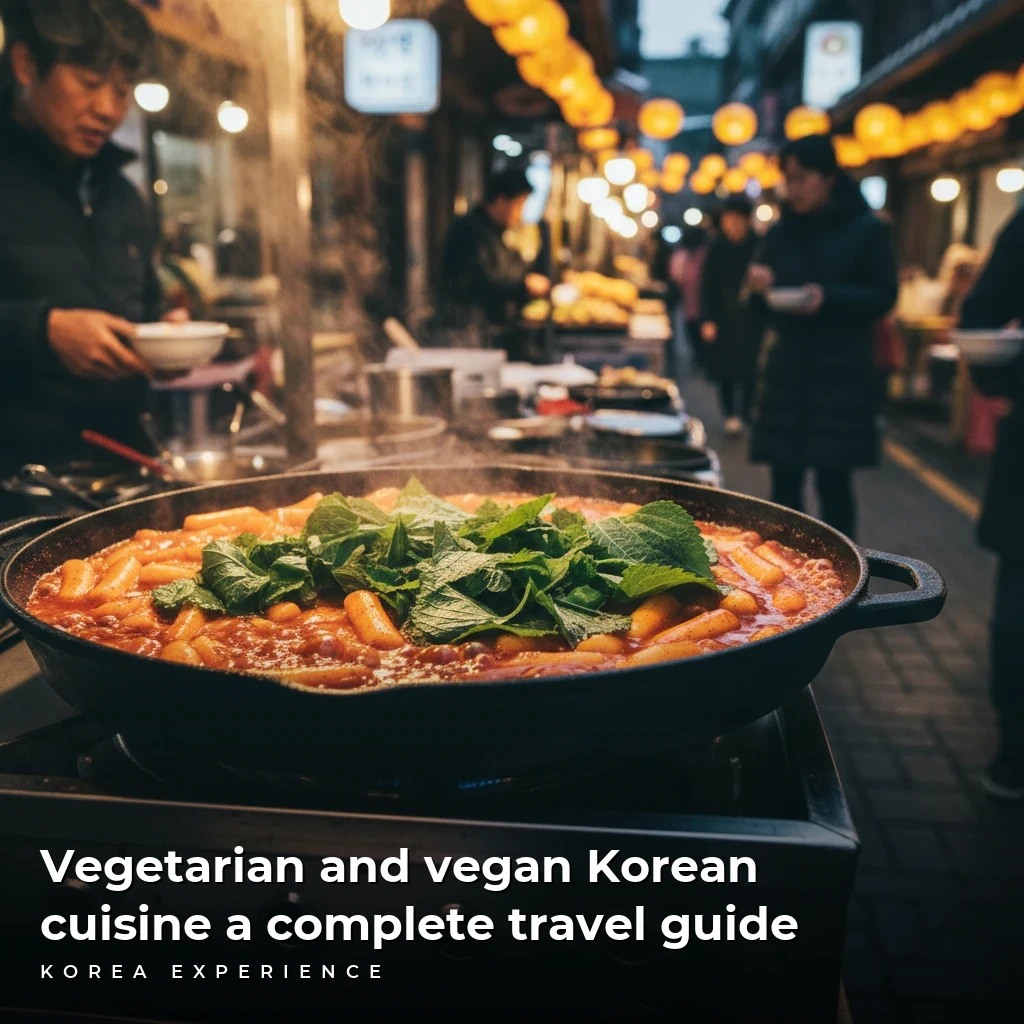
  • Tteokbokki (Spicy Rice Cakes): While the sauce is almost always made with gochujang (and thus not safe), the rice cakes themselves (tteok) are made from rice flour. If you can find a vendor willing to cook plain rice cakes for you (highly unlikely for street food) or a specialized vendor using a GF sauce, it could work. Generally, assume street tteokbokki is not safe.
  • Gyeranppang (Egg Bread): Typically made with wheat flour, but some rare vendors might offer a rice flour version.
  • Gyeran Mari (Rolled Omelette): If simply eggs, but often contains broth, soy sauce, or other seasonings. Best to verify.
  • Roasted Chestnuts (Gunbam): A seasonal, naturally gluten-free snack.
  • Fresh Fruit: Easily found from street vendors, fruit is always a safe and refreshing option.
  • Dried Seaweed (Gim): Plain roasted seaweed snacks are generally gluten-free. Check for flavored varieties that might contain soy sauce.

Snacks to Look Out For

When shopping for packaged snacks, apply the same label-reading rules as you would for grocery ingredients.

  • Rice Crackers (Ssal Gwa-ja): Many traditional Korean rice crackers are made solely from rice flour. Look for "쌀과자" (ssal gwa-ja) and check the ingredient list carefully for wheat.
  • Dried Fruits and Nuts: Widely available and naturally gluten-free.
  • Sweet Potato Snacks: Dried sweet potato (Goguma Mallangi) or roasted sweet potatoes are excellent gluten-free options.
  • Specialty Gluten-Free Snacks: As awareness grows, you can find more explicitly labeled gluten-free snacks in larger supermarkets or health food sections.

What to Avoid (Generally)

  • Bindaetteok (Mung Bean Pancake) & Pajeon (Green Onion Pancake): While mung beans are gluten-free, these pancakes are typically bound with wheat flour.
  • Hotteok (Sweet Pancakes): Made with wheat flour.
  • Odeng/Eomuk (Fish Cakes): Often contain wheat flour as a binder.
  • Korean Fried Chicken (Chimaek): The vast majority is breaded with wheat flour. There are very few (if any) dedicated GF fried chicken places.
  • Kimbap: While rice-based, the fillings can vary, and cross-contamination is high. Some might use wheat-based sauces.

Frequently Asked Questions About Gluten-Free Dining in Korea

1. Is all Korean soy sauce gluten-free? No. Traditional Korean soy sauce is almost always made with wheat. You must look for specific "gluten-free soy sauce" (밀가루 없는 간장 or 글루텐 프리 간장) which is less common but can be found in larger supermarkets or specialty stores. Assume standard restaurant soy sauce contains gluten.

2. Can I eat Korean fried chicken (Chimaek) if I'm gluten-free? Generally, no. The vast majority of Korean fried chicken is battered with wheat flour. While some restaurants might offer a "no batter" option, cross-contamination from shared fryers is a significant risk. Dedicated gluten-free fried chicken establishments are extremely rare in Korea.

3. Are rice noodles always safe? The rice noodles themselves are gluten-free, but the sauces they are cooked in are often not. For example, Japchae (glass noodle stir-fry) uses glass noodles (made from sweet potato starch, which is safe), but the sauce typically contains regular soy sauce. Always confirm the sauce ingredients.

4. How common is celiac disease awareness in Korea? Awareness of celiac disease is growing, but it is still relatively low compared to Western countries. It's more common for Koreans to understand "wheat allergy" or "no flour." It's best to explain your dietary needs using these terms, focusing on specific ingredients to avoid rather than the general term "celiac."

5. What's the best way to explain "celiac" in Korea? Instead of directly translating "celiac disease," which might not be understood, focus on practical terms. Use phrases like "Jeoneun mil allergiga isseoyo" (I have a wheat allergy) and "Jeoneun milgaru meokji mothaeyo" (I cannot eat wheat flour). A pre-translated card explaining your severe intolerance to wheat, barley, and rye, and explicitly listing common gluten-containing ingredients, is the most effective approach.


Conclusion: Embrace Your Gluten-Free Korean Culinary Journey

Navigating gluten-free dining in Korea may seem like a challenge, but with the detailed information and practical strategies outlined in this guide, it transforms into an exciting opportunity. Korea's culinary scene is evolving, with increasing awareness and options for those with dietary restrictions.

Your key to a successful gluten-free experience in Korea lies in preparation, communication, and informed choices. Research ahead, carry your essential phrases and tools, prioritize naturally safe dishes like Korean BBQ, and explore the growing number of dedicated gluten-free establishments. Don't be afraid to ask questions, politely explain your needs, and enjoy the incredible flavors Korea has to offer.

By following these tips, you're not just finding safe food; you're unlocking a deeper, more confident engagement with Korean culture and cuisine. So pack your bags, prepare your phrase card, and get ready to savor every delicious, gluten-free moment in the Land of the Morning Calm!

For more tips on navigating Korean supermarkets or understanding Korean street food, be sure to check out our other guides!

About the Author

Korea Experience Team

Written by the Korea Experience editorial team - experts in Korean medical tourism, travel, and culture with years of research and firsthand experience.

⚠️ Medical Disclaimer

The information provided on this website is for general informational purposes only and does not constitute medical advice. Always consult with qualified healthcare professionals before making any medical decisions.

Continue Reading

Explore more articles you might find interesting