Food & Dining

Gluten-Free Guide to Korean Food: What to Eat and Avoid 2026

Unlock Korea's culinary delights with this essential gluten-free guide for 2026. Discover safe dishes, navigate menus, and avoid hidden gluten. Your delicious adventure awaits!

A Gluten-Free Guide to Korean Food: What to Eat and Avoid in 2026

Welcome to the vibrant, delicious, and sometimes daunting world of Korean cuisine! For international travelers and expats navigating dietary restrictions, particularly a gluten-free diet, the thought of exploring Korea's renowned food scene can be both exciting and anxiety-inducing. With its rich flavors, diverse ingredients, and unique preparation methods, Korean food offers an incredible journey for your taste buds. However, for those avoiding gluten, the prevalence of soy sauce, gochujang, and other wheat-containing staples can pose a significant challenge.

Fear not! As Korea continues to embrace global dietary trends and its food scene evolves, finding delicious and safe gluten-free options is becoming increasingly feasible. This comprehensive Gluten-Free Guide to Korean Food for 2026 is designed to equip you with the knowledge, tips, and confidence to savor the best of Korea's culinary landscape without compromising your health or peace of mind.

In this guide, you'll learn:

  • The common sources of gluten in Korean cuisine.
  • A definitive list of naturally gluten-free Korean dishes.
  • Strategies for avoiding cross-contamination and making safe choices.
  • Practical tips for dining out, shopping for snacks, and communicating your needs.
  • Insights into dedicated gluten-free establishments and future trends in 2026.

Get ready to embark on a delicious, worry-free adventure through the heart of Korean food!

Understanding Gluten in Traditional Korean Cuisine

Before diving into specific dishes, it's crucial to understand where gluten commonly hides in traditional Korean cooking. Many foundational ingredients, beloved for their distinct flavors, contain wheat or other gluten-containing grains.

Common Gluten-Containing Ingredients

  1. Gochujang (Korean Chili Paste): This ubiquitous, fermented red chili paste is a cornerstone of Korean flavor. While its primary ingredients are chili powder, glutinous rice, and soybeans, most commercial gochujang brands also contain wheat flour as a fermenting agent or filler. Always check labels, but assume restaurant gochujang contains wheat.
  2. Ganjang (Soy Sauce): Traditional Korean soy sauce, especially regular 'jin ganjang' or 'soup ganjang,' is typically brewed with wheat. While 'Korean traditional soy sauce' (Joseon ganjang) made purely from fermented soybeans and brine exists, it's less common in everyday cooking and restaurant use. Most restaurants use commercial soy sauce.
  3. Doenjang (Fermented Soybean Paste): Similar to soy sauce, while primarily made from soybeans, some commercial doenjang brands may include wheat flour. Traditional, artisanal doenjang is less likely to contain wheat, but verification is still necessary.
  4. Wheat Flour (Milgaru): Used explicitly in many dishes like pancakes (jeon), noodles (myeon), dumplings (mandu), and fried items. This is often the most obvious source.
  5. Barley (Bori): Less common but can appear in certain grain mixtures or teas.
  6. Marinades and Sauces: Many marinades for meats like bulgogi or galbi rely heavily on soy sauce. Other sauces, like those for fried chicken (yangnyeom chicken) or stir-fries, often contain soy sauce or a wheat-thickened base.
  7. Fried Coatings: Anything battered and fried (e.g., fried chicken, some types of jeon, certain street foods) is almost certainly coated in wheat flour.

Hidden Sources and Cross-Contamination

Beyond the obvious ingredients, gluten can lurk in unexpected places:

  • Soup Bases: Broths for stews (jjigae) or soups (guk) might use soy sauce or a dash of gochujang.
  • Seasonings: Some spice blends or pre-made marinades may contain hidden wheat.
  • Shared Fryers: Restaurants that serve both gluten-containing and naturally gluten-free fried items often use the same oil, leading to cross-contamination.
  • Shared Utensils and Cutting Boards: In bustling kitchens, dedicated gluten-free preparation areas are rare unless it's a specialized restaurant.

Understanding these pitfalls is the first step toward a successful gluten-free dining experience in Korea.

Naturally Gluten-Free Korean Dishes: Your Safe Bets

While the list of foods to avoid might seem extensive, many traditional Korean dishes are naturally gluten-free or can be easily adapted. Focus on these delicious, safe choices.

Meat and Seafood Staples

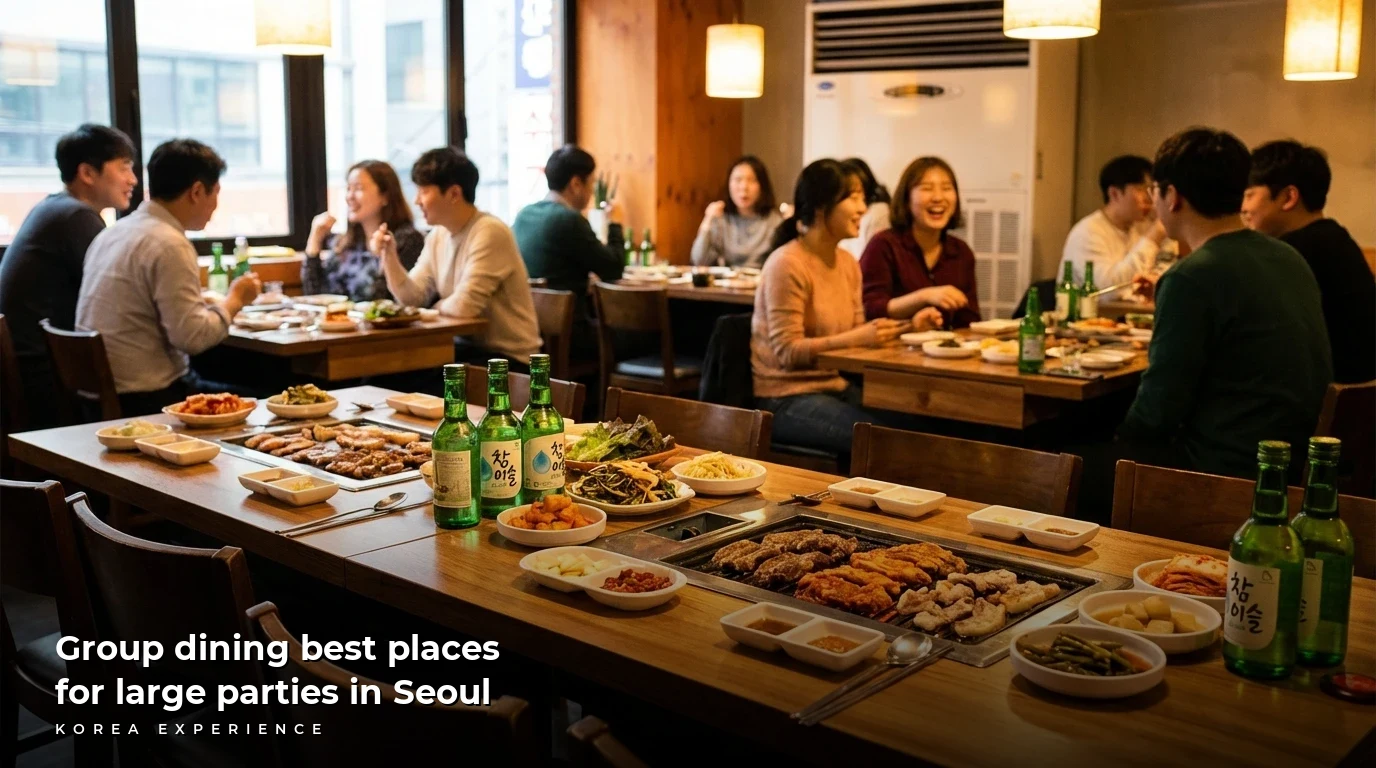
  1. Grilled Meats (Gogi-gui): This is often your safest and most satisfying bet.

    • Samgyeopsal (Pork Belly): Thick slices of unmarinated pork belly, grilled right at your table. Served with fresh lettuce, garlic, kimchi (ensure it's wheat-free), and often ssamjang (a dipping sauce that will contain gluten, so avoid). Use salt, pepper, and sesame oil (chamgireum) as seasonings.
    • Moksal (Pork Neck): Another unmarinated pork cut, similar to samgyeopsal.
    • Dakgalbi (Spicy Stir-fried Chicken) - Caution: While the chicken itself is GF, the marinade for dakgalbi often contains gochujang and soy sauce. Always confirm with staff if a wheat-free version is available or request plain grilled chicken.
    • Plain Grilled Fish (Saengseon Gui): Many restaurants offer freshly grilled fish, usually seasoned only with salt. This is generally a safe option.
  2. Jokbal (Braised Pork Hocks): Slow-cooked pork hocks, incredibly tender and flavorful. The braising liquid typically contains soy sauce, but in this preparation, the gluten content is often negligible for many with sensitivities, or specific restaurants might use gluten-free soy sauce. Verify at specialty jokbal restaurants. Served with fresh greens, garlic, and kimchi. Avoid any dipping sauces.

  3. Bossam (Boiled Pork Slices): Steamed pork belly, served with various accompaniments like spicy radish salad (mu-saengchae) and fresh greens. The pork itself is gluten-free. As with jokbal, be mindful of accompanying sauces like ssamjang or kimchi paste.

Rice Dishes and Soups

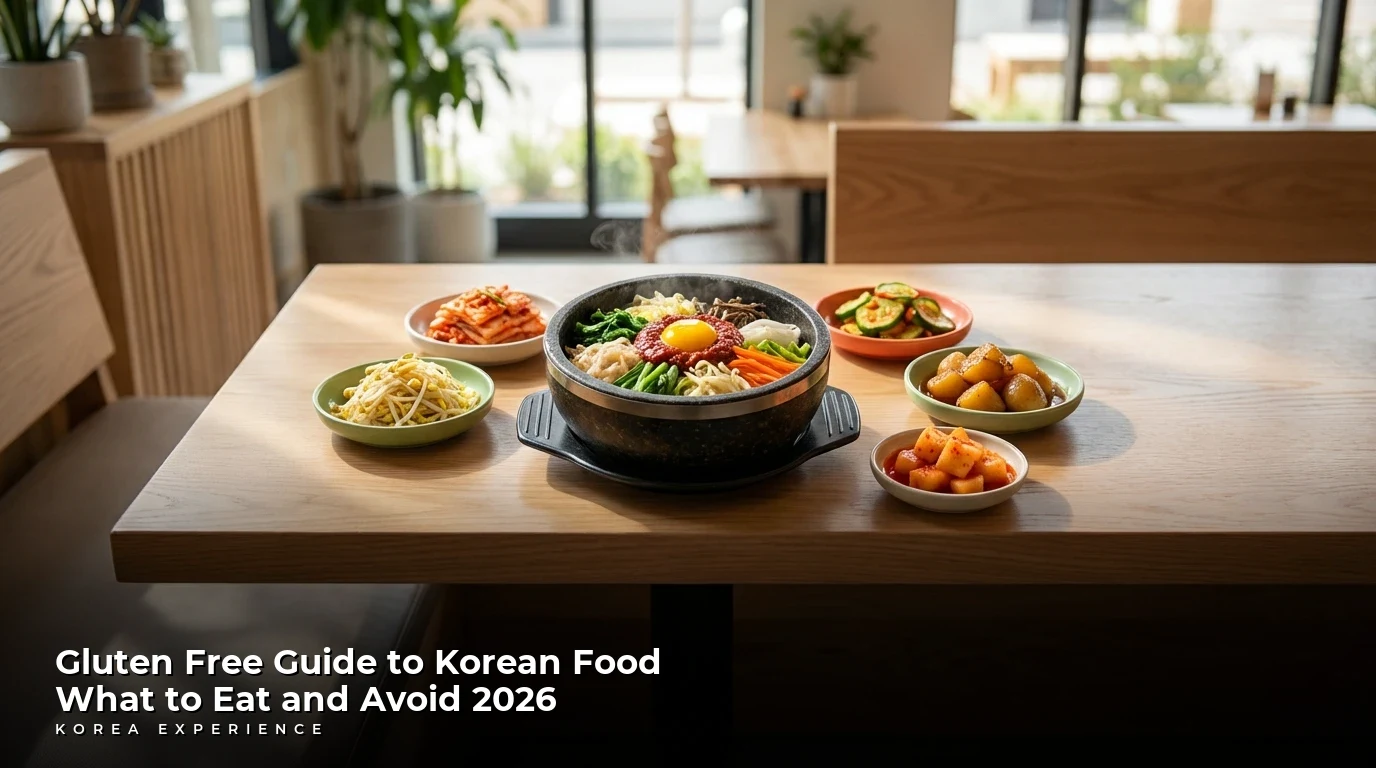
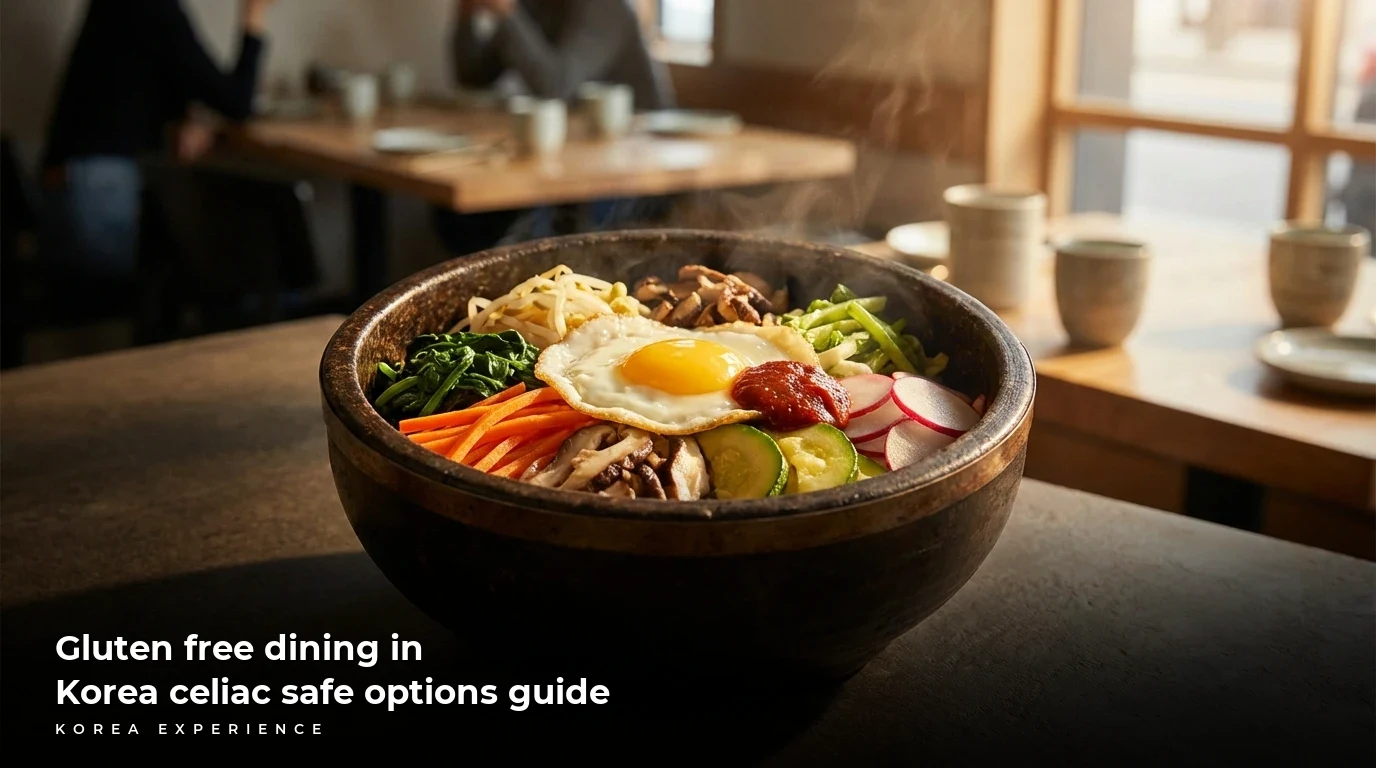
  1. Bibimbap (Mixed Rice with Vegetables) - Caution: The rice and vegetables are safe, but the crucial element, gochujang, contains gluten. Order without gochujang (gochujang ppaego) and use gluten-free soy sauce (if you carry your own) or just salt and sesame oil for flavoring. Many establishments are becoming more aware and might offer alternatives.
  2. Gukbap (Rice Soup): A comforting dish where rice is served with soup.
    • Sundae Gukbap (Blood Sausage and Pork Soup): The soup base is typically pork bone broth. Ensure the sundae itself doesn't contain wheat fillers (rare, but possible). Avoid the red pepper paste condiment on the side.
    • Dwaeji Gukbap (Pork Soup with Rice): Similar to sundae gukbap, a clear pork broth with slices of pork. Very safe if unseasoned.
    • Seolleongtang (Ox Bone Soup): A milky white broth made from ox bones, usually seasoned lightly with salt and green onions. This is a very safe and nutritious option.
    • Samgyetang (Ginseng Chicken Soup): A whole young chicken stuffed with glutinous rice, ginseng, chestnuts, and jujubes, then simmered to perfection. Naturally gluten-free and highly recommended.
  3. Juk (Porridge): Rice porridge is a common breakfast or comfort food.
    • Abalone Juk (Jeonbok Juk): Made with rice and abalone.
    • Vegetable Juk (Yachae Juk): Made with rice and various vegetables.
    • Always confirm no additional gluten-containing seasonings are added.

Vegetable and Side Dishes (Banchan)

Many banchan are naturally gluten-free.

  • White Rice (Bap): Always gluten-free.
  • Gyeran Jjim (Steamed Egg Custard): A fluffy, savory egg dish, typically safe.
  • Various Fresh or Blanched Vegetables: Many vegetable side dishes (namul) are simply seasoned with sesame oil, garlic, and salt.
  • Kimchi (Fermented Cabbage) - Caution: While traditional kimchi is naturally gluten-free (fermented napa cabbage, radish, chili powder, garlic, ginger, fish sauce), some commercial brands or restaurant recipes may use glutinous rice paste (which is fine) or, rarely, wheat flour as a thickener in the seasoning paste. It is generally considered safe but if you are extremely sensitive, politely inquire.
  • Miyeokguk (Seaweed Soup): Often made with beef or just seaweed, seasoned with soy sauce. If made without soy sauce or with GF soy sauce, it's a good choice.

Comparison Table: Gluten-Free vs. Gluten-Containing Staples

CategoryGenerally Gluten-Free (GF)Generally Contains Gluten (CG)
Main SeasoningsSalt, Pepper, Sesame Oil (Chamgireum), Garlic, Ginger, Chili Flakes (Gochugaru), Fish Sauce (Aekjeot - check brand)Gochujang (chili paste), Ganjang (soy sauce), Doenjang (soybean paste - check brand), Ssamjang (dipping paste)
Grains/StarchesWhite Rice (Bap), Glutinous Rice (Chapssal)Wheat Flour (Milgaru), Barley (Bori), Wheat Noodles (e.g., Kal Guksu)
Common DishesSamgyetang, Seolleongtang, Samgyeopsal (unmarinated), Bossam, Plain Grilled Fish, Most Namul (vegetable sides)Kimchi Jjigae (due to gochujang/soy sauce), Tteokbokki (gochujang), Japchae (soy sauce), Mandu (dumplings), Jeon (pancakes), Fried Chicken
Snacks/DessertsFresh Fruits, Dried Seaweed (Gim), Some Rice Cakes (Tteok - plain)Most packaged snacks, Yaksik (sweet rice dessert - check ingredients), Bungeoppang (fish-shaped bread)

Successfully eating gluten-free in Korea requires vigilance, especially when it comes to dishes that are almost gluten-free but feature a problematic ingredient.

Dishes to Approach with Extreme Caution (or Avoid)

  1. Kimchi Jjigae (Kimchi Stew): While the main ingredients (kimchi, tofu, pork) are often GF, the broth invariably contains gochujang and/or soy sauce for deep flavor. Very difficult to find a safe version in a standard restaurant.
  2. Doenjang Jjigae (Soybean Paste Stew): Often uses commercial doenjang which may contain wheat, and potentially soy sauce in the broth.
  3. Tteokbokki (Spicy Rice Cakes): The spicy, sweet sauce is almost entirely reliant on gochujang. The rice cakes (tteok) themselves are GF, but the sauce is not.
  4. Japchae (Glass Noodles Stir-fry): Made with sweet potato starch noodles (dangmyeon), which are naturally GF. However, the stir-fry sauce is heavily soy sauce-based. While it can be made GF with gluten-free soy sauce, most restaurants will use regular soy sauce.
  5. Mandu (Dumplings): The wrappers are almost always made from wheat flour.
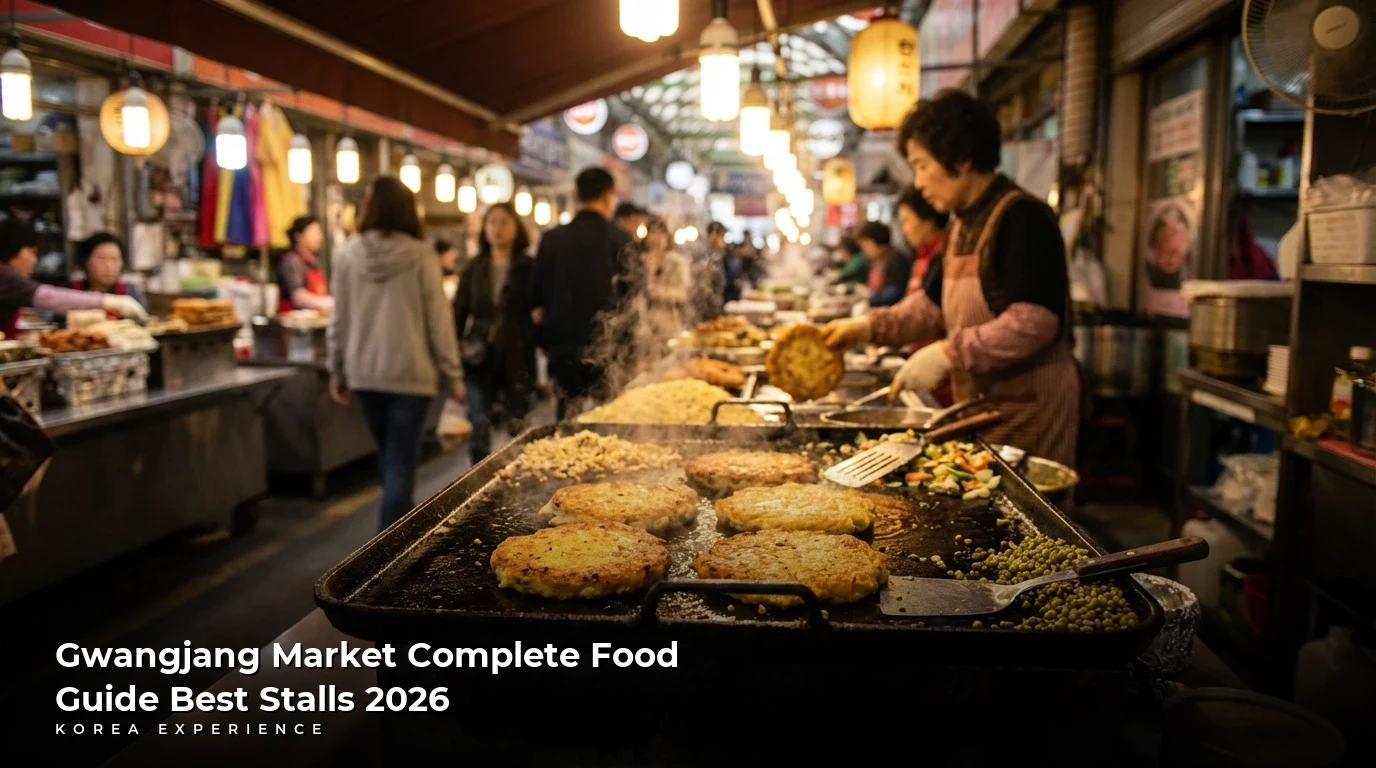
  6. Jeon (Pancakes): All varieties (pajeon - green onion, haemul jeon - seafood, bindae-tteok - mung bean) use wheat flour or a wheat-based batter. Bindae-tteok, made with mung bean flour, might seem safe but often has some wheat flour mixed in. Confirm explicitly.
  7. Fried Chicken (Chimaek): Delicious, but the crispy coating is made from wheat flour. Some specialty gluten-free fried chicken places are emerging, but rare.
  8. Gimbap (Korean Seaweed Rolls): The rice, vegetables, and meat fillings are usually fine, but the seasoned rice or fillings might use soy sauce. The outer layer of seaweed is safe. Often served with regular soy sauce for dipping. Best to avoid unless you can get a custom-made roll with no problematic ingredients.
  9. Bulgogi / Galbi (Marinated Grilled Meats): While grilled meats are often safe, bulgogi and galbi are marinated in a sweet, savory sauce that prominently features soy sauce. Unless specifically stated to be gluten-free, assume it contains wheat.

Cross-Contamination Concerns

Even if a dish is inherently gluten-free, prepare for potential cross-contamination in busy Korean kitchens.

  • Shared Cooking Surfaces: Grills and stir-fry woks might be used for gluten-containing items.
  • Shared Utensils: Ladles, spatulas, and serving spoons often move between various dishes.
  • Soy Sauce on Tables: Many tables have bottles of regular soy sauce, which might inadvertently contaminate dishes.
  • Frying Oil: If a restaurant fries both GF and non-GF items, the oil will become contaminated. This is a major concern for celiacs.

For those with severe celiac disease, dedicated gluten-free establishments or preparing your own food might be the safest options. For sensitivities, knowing the risks helps you make informed choices.

Gluten-Free Dining Strategies in Korea

Successfully navigating the Korean dining scene requires a proactive approach. Here’s how you can make your experience smoother and safer.

Essential Korean Phrases and Translation Tools

Communicating your dietary needs is paramount. Learning a few key phrases or using translation apps can make a huge difference.

English PhraseKorean Pronunciation (no Korean characters allowed)Notes
I have a gluten allergy.Jeoneun geulluten allereugiga isseoyo.Use "allergy" as it conveys seriousness.
I cannot eat wheat.Milgarureul meogeul su eopseoyo."Milgaru" is wheat flour. Very important term.
No soy sauce, please.Ganjang ppaego juseyo."Ganjang" is soy sauce, "ppaego juseyo" means "please remove/exclude."
No gochujang, please.Gochujang ppaego juseyo."Gochujang" is chili paste.
Does this contain soy sauce?Igeo ganjang deureogasseoyo?"Deureogasseoyo" means "is it in there?"
Does this contain wheat flour?Igeo milgaru deureogasseoyo?Essential for fried items, noodles, pancakes.
Is it possible without gluten?Geulluten eopsi ganeunghangayo?Direct but might be less understood than specifying ingredients.
Is this gluten-free?Igeo geulluten peuriingaeyo?Often understood, but "allergy" or "cannot eat wheat" is stronger.
I have celiac disease.Jeoneun selliak byeongi isseoyo.For severe reactions, use this phrase.

Tips for Communication:

  • Print a Gluten-Free Dining Card: Many websites (e.g., Celiac Travel) offer downloadable cards in Korean explaining gluten-free needs comprehensively. This is invaluable.
  • Use Papago or Google Translate: These apps are fantastic for quick translations. Show the Korean text to staff.
  • Be Patient and Polite: Korean restaurant staff are often eager to help, but communication barriers can be frustrating for both sides. A smile and patience go a long way.
  • Point to Dishes: If ordering samgyetang, point to the dish on the menu and then show your gluten-free card or phrase.

Choosing Restaurants Wisely

  • Grilled Meat Restaurants (Gogi-gui Jip): Your absolute safest bet. Focus on unmarinated pork belly (samgyeopsal) or neck (moksal). Bring your own gluten-free soy sauce for dipping or use salt/sesame oil.
  • Soup Restaurants (Guk Jip): Look for Seolleongtang (ox bone soup) or Samgyetang (ginseng chicken soup) specialists. These usually have very clear, simple ingredient lists.
  • Porridge Shops (Juk Jip): A good option for breakfast or a light meal. Confirm no problematic additives.
  • Buffets (Viking Restaurant): While offering variety, buffets are high-risk for cross-contamination. Proceed with extreme caution, if at all.
  • Dedicated Gluten-Free Establishments: These are growing in number, especially in Seoul. Research them in advance (see next section).

What to Bring With You

  • Gluten-Free Soy Sauce: A small travel-sized bottle can be a lifesaver for enhancing flavors of naturally GF dishes.
  • Gluten-Free Snacks: Always have backup snacks (nuts, fruit, GF bars) in case dining out proves too difficult.
  • Gluten-Free Dining Card: As mentioned, print this out in Korean.
  • Translation App: Papago is often preferred for Korean-English translations.

Gluten-Free Snacks, Desserts, and Drinks in Korea

The good news is that the Korean snack and beverage market is vast, and with careful label reading, you can find many safe options.

Safe Snacks

  1. Gim (Roasted Seaweed): This is a fantastic, naturally gluten-free snack. Look for plain roasted seaweed seasoned only with salt and sesame oil. Most brands are safe.
  2. Tteok (Plain Rice Cakes): The base ingredient for tteokbokki, plain white rice cakes are gluten-free. You can find them in markets or supermarkets. Avoid flavored or filled versions unless verified.
  3. Fresh Fruit: Easily available at markets and convenience stores. Bananas, apples, pears, and seasonal fruits are abundant.
  4. Nuts and Seeds: Unflavored nuts are a great protein-rich snack.
  5. Dried Sweet Potato (Goguma Mallangi): A popular and healthy chewy snack, typically just dried sweet potato.
  6. Certain Rice-Based Crackers: Look for crackers explicitly stating "쌀" (ssal - rice) as the primary ingredient and check for wheat flour (밀가루 - milgaru) in the ingredient list. Many traditional rice crackers are safe.
  7. Yogurt and Dairy: Most plain yogurts, milk, and cheese products are gluten-free. Check flavored varieties for additives.

Desserts

Traditional Korean desserts often feature rice, making them potentially gluten-free.

  • Plain Tteok (Rice Cakes): As mentioned, plain versions are safe.
  • Patbingsu (Shaved Ice with Red Beans): Shaved ice with sweet red beans (pat), often topped with plain rice cakes and condensed milk. Ensure no additional gluten-containing toppings are used (e.g., some cookies). This is a wonderfully refreshing treat.
  • Fruits and Fruit Juices: Natural and safe.

Drinks

  • Water: Always safe.
  • Coffee and Tea: Black coffee, Americano, various teas (green tea, traditional herbal teas like roasted barley tea - bori-cha, which is generally not recommended for celiacs due to potential cross-contamination with wheat during processing, though barley itself is GF if pure, and roasted corn tea - oksusu-cha) are generally safe. Be cautious with flavored lattes or powdered mixes, which can contain gluten.
  • Soju: Traditional Korean distilled spirit, typically made from rice or sweet potato. Generally considered gluten-free.
  • Makgeolli (Rice Wine) - Caution: While made from rice, some commercial makgeolli can contain wheat additives or be fermented with koji that uses wheat. Check labels carefully or stick to soju.
  • Korean Fruit Juices and Soft Drinks: Most are safe, but always check ingredients for added wheat.

Label Reading: Key Terms to Look For

When shopping in supermarkets or convenience stores, familiarize yourself with these Korean terms (written in English here as per instructions):

  • Gluten-Free: "Geulluten Peuri" (글루텐 프리) - Increasingly seen on packaging.
  • Wheat: "Milgaru" (밀가루) - Avoid if present.
  • Soy Sauce: "Ganjang" (간장) - Avoid unless specified GF.
  • Barley: "Bori" (보리) - Avoid for celiacs.
  • Rice: "Ssal" (쌀) - Generally safe.
  • Glutinous Rice: "Chapssal" (찹쌀) - Generally safe.
  • Starch: "Jeonbun" (전분) - Could be corn, potato, or wheat. Best to avoid if source isn't specified, or look for specific "Gamja Jeonbun" (potato starch) or "Oksusu Jeonbun" (corn starch).

The gluten-free scene in Korea is rapidly evolving. While not as widespread as in some Western countries, 2026 sees more options than ever before, especially in major cities like Seoul and Busan.

Notable Gluten-Free Friendly Zones and Establishments

  • Seoul:
    • Itaewon: Known for its international community, Itaewon has long been a hub for diverse cuisine and increasingly, dietary-specific options. Look for cafes and restaurants that explicitly state "gluten-free options" on their menus. Examples might include:
      • Plant-based cafes: Many vegan cafes naturally offer GF options (e.g., bread made from rice flour). Check out establishments like "Root" or "The Bread Blue" (verify GF bread options).
      • International restaurants: Some Italian, American, or Middle Eastern restaurants may offer GF pasta or bread.
    • Gangnam/Garosu-gil: Upscale areas with trendy cafes and bakeries. There are a growing number of dedicated GF bakeries. One to look out for might be a projected "Grain & Bloom Bakery" specializing in rice flour pastries.
    • Hongdae/Yeonnam-dong: Youthful, artistic areas with many unique cafes. Smaller, independent cafes might be more willing to accommodate or offer GF alternatives. Keep an eye out for "GF Lab Cafe" (a hypothetical name for a likely emerging dedicated GF cafe).
  • Busan: As Korea's second-largest city, Busan is also seeing growth. Areas like Haeundae and Seomyeon are likely places to find health-conscious cafes or international restaurants with GF choices.
  • Online Communities and Apps:
    • HappyCow: Primarily for vegan/vegetarian, but often lists places with GF options.
    • Local Expat Forums & Facebook Groups: Search for "Gluten-Free Korea" or "Celiac Korea" groups. Members frequently share updated recommendations and hidden gems.
    • Naver Blog/Instagram: Use "글루텐프리" (geulluten peuri) as a search term. Many local bloggers review GF spots.

By 2026, we anticipate several positive shifts:

  1. Increased Awareness: More Korean chefs and restaurant owners will understand gluten-free needs, leading to more labeled menu items and better communication.
  2. More Dedicated Establishments: The number of 100% gluten-free bakeries, cafes, and even restaurants is expected to rise, particularly in major cities.
  3. Availability of GF Products: Supermarkets (E-Mart, Lotte Mart, Homeplus) will likely expand their selection of imported and domestic gluten-free products, including GF soy sauce, pasta, and snacks. Look for dedicated "웰빙" (well-being) or "건강" (health) sections.
  4. Online GF Stores: More specialized online shops delivering gluten-free products across Korea will emerge, making it easier for expats and long-term visitors.
  5. Tourism Industry Adaptations: As more GF travelers visit, hotels and tour operators might start offering more GF-friendly meal options and recommendations.

While full integration is still a journey, the outlook for gluten-free dining in Korea is promising, offering more freedom and culinary enjoyment for those with dietary restrictions.

Frequently Asked Questions (FAQ) about Gluten-Free Korean Food

Q1: Is it safe to eat Korean food if I have celiac disease, or only gluten sensitivity?

A1: For individuals with celiac disease, strict adherence to a gluten-free diet is critical due to severe health implications from even trace amounts. This means actively avoiding cross-contamination and choosing dedicated gluten-free establishments or naturally gluten-free dishes with extreme caution. For gluten sensitivity, the approach can be less rigid, but careful selection of dishes and communication with staff are still highly recommended to prevent discomfort. Always err on the side of caution.

Q2: Can I find gluten-free soy sauce in Korean supermarkets?

A2: Yes, by 2026, major Korean supermarkets like E-Mart, Lotte Mart, and Homeplus are increasingly stocking imported gluten-free soy sauce brands (e.g., Kikkoman GF Tamari). You may find them in the international foods aisle or a dedicated health/well-being section. It's always a good idea to bring a travel-sized bottle from home for dining out, just in case.

Q3: What should I do if a restaurant doesn't understand "gluten-free"?

A3: If staff do not understand "gluten-free" (geulluten peuri), switch to more specific terms like "I cannot eat wheat flour" (Milgarureul meogeul su eopseoyo) or "I have a wheat allergy" (Mil allereugiga isseoyo). Show a pre-translated gluten-free dining card in Korean, which usually explains the issue in detail. If communication remains difficult or you feel uncertain, it's best to choose a different restaurant, perhaps a dedicated grilled meat place where the ingredients are simpler.

Q4: Are Korean traditional rice cakes (tteok) always gluten-free?

A4: The rice used to make traditional tteok (rice cakes) is naturally gluten-free. However, the risk lies in potential hidden ingredients or how they are prepared. Plain, steamed white rice cakes are almost always safe. Be cautious with flavored tteok, those with fillings, or in dishes like tteokbokki where the sauce is a major gluten source. Always confirm with the seller, especially for more elaborate rice cake preparations, to ensure no wheat flour was mixed in or used in any accompanying sauces.

Q5: What is the safest bet for a gluten-free meal at a non-specialized Korean restaurant?

A5: Your safest bet at a typical Korean restaurant that is not specifically gluten-free friendly is unmarinated grilled pork belly (samgyeopsal) or neck (moksal) served with fresh lettuce wraps (ssam), garlic, and basic seasonings like salt and sesame oil. Other excellent choices include Samgyetang (ginseng chicken soup) or Seolleongtang (ox bone soup), which are typically unseasoned or lightly seasoned without gluten. Always clearly communicate your dietary needs regarding sauces and marinades.

Conclusion: Savoring Korea, Gluten-Free in 2026

Navigating a gluten-free diet in Korea, while challenging at times, is an increasingly rewarding experience. With a bit of preparation, knowledge of key ingredients, and effective communication, you can confidently explore the vast and delicious world of Korean cuisine.

Remember these key takeaways for your 2026 Korean adventure:

  • Prioritize Naturally GF Dishes: Focus on unmarinated grilled meats, clear soups like Seolleongtang and Samgyetang, and simple rice-based dishes.
  • Know Your Gluten Sources: Be vigilant about gochujang, ganjang (soy sauce), and milgaru (wheat flour) in marinades, sauces, and fried items.
  • Communicate Clearly: Utilize a printed GF dining card and essential Korean phrases.
  • Be Prepared: Carry GF snacks and possibly your own GF soy sauce.
  • Seek Out Dedicated Options: In major cities, look for the growing number of dedicated gluten-free cafes, bakeries, and restaurants.

Korea's culinary landscape is evolving, offering more and more options for diverse dietary needs. Embrace the journey, experiment wisely, and you'll find that a gluten-free diet doesn't have to mean missing out on the incredible flavors of the Land of the Morning Calm. Enjoy your delicious and safe exploration of Korean food!

For more insider tips on navigating Korea, check out our guides on Korean street food essentials or planning your perfect Seoul itinerary!

About the Author

Korea Experience Team

Written by the Korea Experience editorial team - experts in Korean medical tourism, travel, and culture with years of research and firsthand experience.

⚠️ Medical Disclaimer

The information provided on this website is for general informational purposes only and does not constitute medical advice. Always consult with qualified healthcare professionals before making any medical decisions.

Continue Reading

Explore more articles you might find interesting