Food & Dining

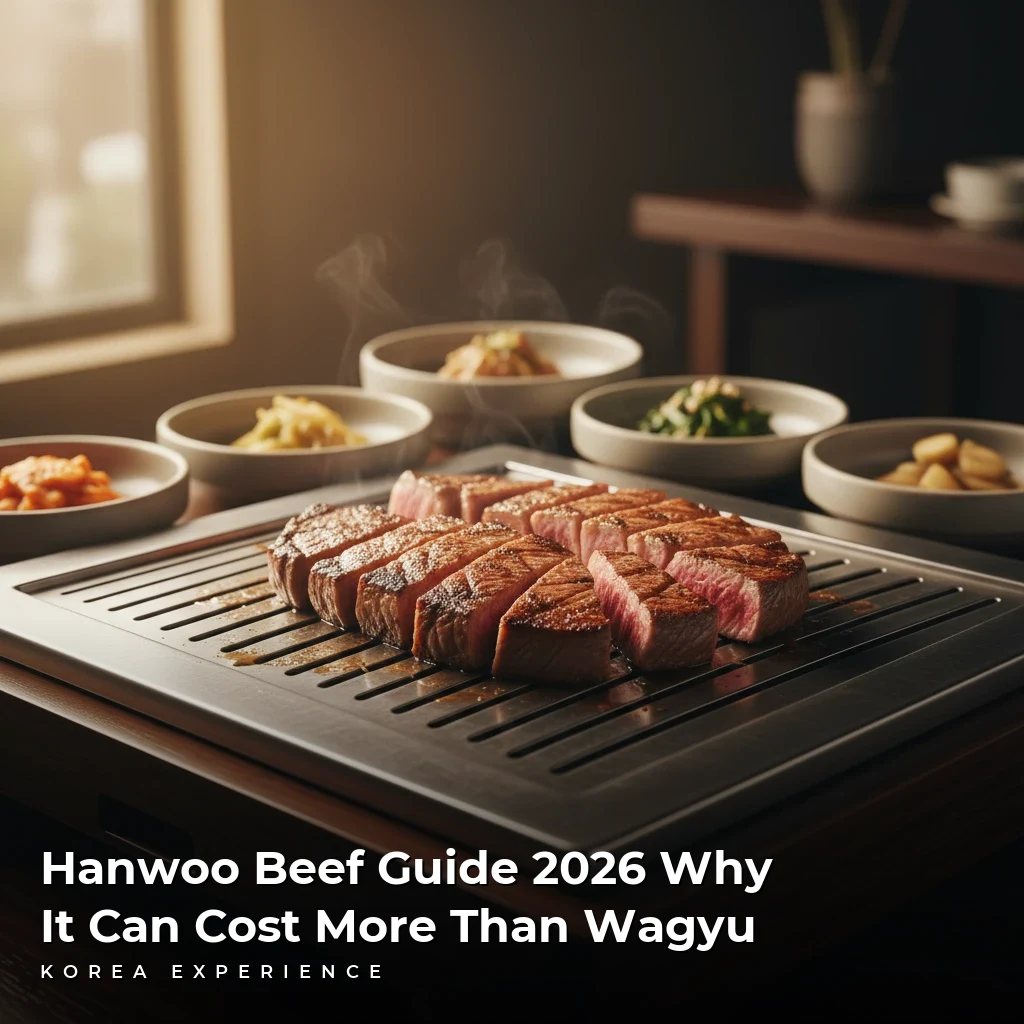
Korean Beef Hanwoo Guide Why it's More Expensive Than Wagyu 2026

Unravel the mystery of Hanwoo Korean beef. Discover why this highly prized, melt-in-your-mouth delicacy often surpasses Wagyu in price and prestige.

Unveiling Hanwoo: The Ultimate Korean Beef Experience for Travelers

For many international travelers and expats, a trip to South Korea is incomplete without indulging in the quintessential Korean barbecue experience. The sizzling sound, the smoky aroma, the vibrant array of side dishes – it’s a sensory delight. Amidst this culinary landscape, one particular ingredient often steals the spotlight: Hanwoo. This native Korean beef, renowned for its exquisite marbling and unparalleled flavor, is a true national treasure.

However, a common question arises among those familiar with premium meats: "Why is Hanwoo Korean beef often more expensive than even Wagyu, the globally celebrated Japanese beef?" This question becomes particularly pertinent as we look ahead to 2026, with global travel resuming robustly and culinary explorations becoming even more refined. The perceived disparity in price, especially for a product less globally recognized than Wagyu, can be perplexing.

This comprehensive guide aims to demystify Hanwoo. We will explore its unique characteristics, delve into the intricate factors that contribute to its premium pricing, compare it in detail with Wagyu, and provide essential tips for international visitors to navigate and savor this extraordinary Korean delicacy. By the end of this post, you'll not only understand why Hanwoo commands its price but also appreciate the rich cultural heritage and culinary artistry behind every delectable bite. Get ready to embark on a flavorful journey into the world of Korea's most cherished beef.

Understanding Hanwoo Korean Beef: Its Unique Identity and Heritage

Hanwoo, often simply referred to as "Hanu" (though Hanwoo specifically refers to the cattle breed, while Hanu refers to its meat), is more than just beef; it's a symbol of Korean culinary pride and tradition. Unlike other cattle breeds globally, Hanwoo has a distinct history and a very specific set of characteristics that make it stand out.

What is Hanwoo? A Native Korean Cattle Breed

Hanwoo (Korean: 한우) refers exclusively to the indigenous Korean cattle breed. These cattle have been raised on the Korean Peninsula for thousands of years, primarily as draft animals for farming. Over generations, selective breeding has transformed them into a beef breed highly prized for its meat quality. They are known for their docile temperament and distinctive light brown coat. Their genetic purity is rigorously maintained, ensuring the quality and authenticity of Hanwoo beef. This long history and genetic isolation contribute significantly to its unique qualities.

History and Cultural Significance: A Symbol of Prosperity

Historically, cattle played a vital role in Korea's agrarian society. They were indispensable for plowing fields and transporting goods. Consequently, beef was a luxury, primarily consumed on special occasions or for medicinal purposes. The shift from draft animal to prime beef producer began in earnest in the mid-20th century. Today, Hanwoo symbolizes prosperity, health, and national pride. It’s a highly valued gift for holidays like Chuseok (Korean Thanksgiving) and Seollal (Lunar New Year), underscoring its cultural importance far beyond mere sustenance. The care and attention given to Hanwoo cattle reflect a deep-seated respect for this animal and its contribution to Korean culture.

Key Characteristics: Marbling, Texture, and Flavor Profile

The allure of Hanwoo lies in its exceptional meat quality. Its defining characteristics include:

  • Exquisite Marbling: Hanwoo is famous for its fine, intricate intramuscular fat distribution, often referred to as "marbling." This fat melts at lower temperatures, infusing the meat with moisture and flavor during cooking. The marbling pattern in Hanwoo is often described as finer and more evenly dispersed than some other beef types, leading to a consistently tender and juicy experience.
  • Tender Texture: Thanks to its superior marbling and unique muscle fiber structure, Hanwoo boasts an incredibly tender texture that practically melts in your mouth. This tenderness is a hallmark of high-grade Hanwoo, making each bite a luxurious experience.
  • Distinctive Flavor Profile: The flavor of Hanwoo is often described as clean, rich, and intensely beefy, with a delicate sweetness. Unlike some beef known for its extreme richness, Hanwoo strikes a balance, offering a profound umami flavor without being overwhelmingly fatty. This unique taste is attributed to the cattle's specific diet and genetic makeup.

Hanwoo Grading System Explained

To ensure quality and consistency, Korea employs a strict grading system for Hanwoo beef, similar to other premium beef categories. Understanding this system is crucial for consumers:

  • Grade 1++: The highest grade, indicating exceptional marbling (BMS 8-9), superior meat color, fat color, and firmness. This is the most sought-after and expensive grade.
  • Grade 1+: Excellent marbling (BMS 6-7) and overall quality, slightly below 1++.
  • Grade 1: Good marbling (BMS 4-5) and quality, suitable for most premium dining.
  • Grade 2: Acceptable quality with less marbling (BMS 2-3).
  • Grade 3: Basic quality with minimal marbling (BMS 1).

These grades are determined by factors such as marbling score (BMS - Beef Marbling Standard), meat color, fat color, firmness, and maturity. When selecting Hanwoo, especially in a butcher shop or a high-end restaurant, look for these grade labels to ensure you're getting the quality you desire. The 1++ grade is especially prized for special occasions.

The Hanwoo Experience: More Than Just a Meal

Enjoying Hanwoo is a culinary ritual in Korea, a social event that transcends simple dining. It's about the company, the convivial atmosphere, and the shared experience of cooking and savoring each precious bite.

Traditional Dining Customs and Grilling Techniques

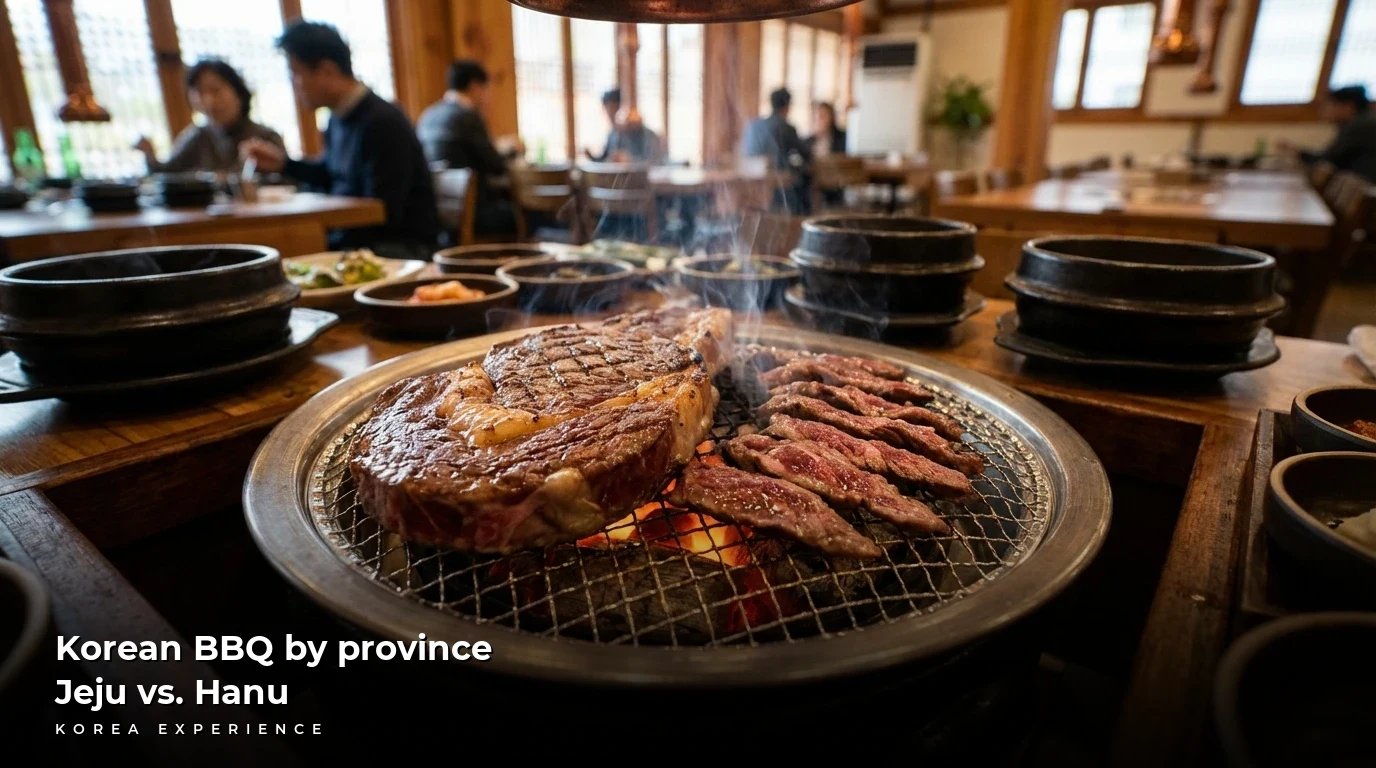
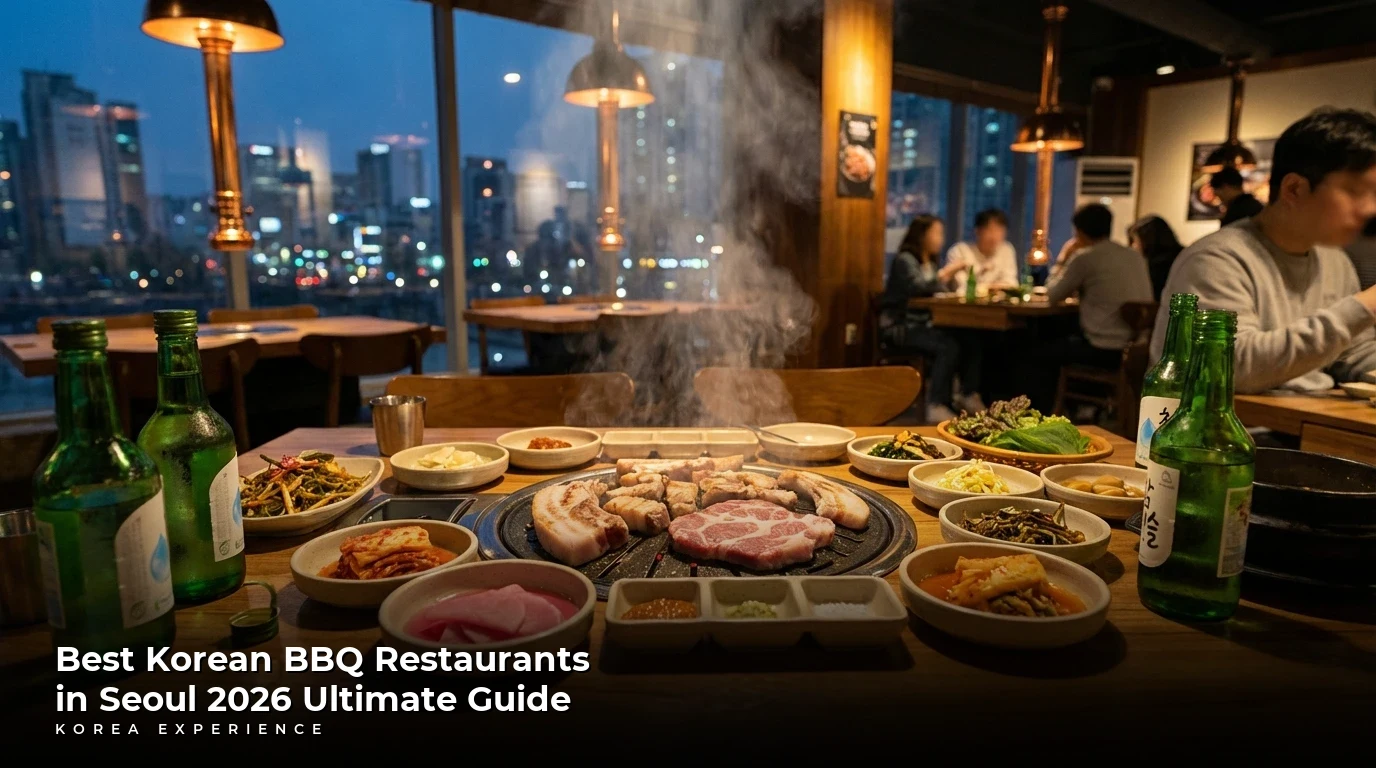
The most popular way to enjoy Hanwoo is at a Korean barbecue restaurant (Gogi-jib, 고깃집). Here, thinly sliced or generously portioned cuts of beef are grilled at your table, typically over charcoal or gas flames.

  • Tabletop Grilling: The interactive nature of grilling your own meat is central to the experience. Servers often assist with the initial grilling, especially for specific cuts, ensuring perfect doneness.
  • Ssam (Wrap): Cooked meat is traditionally wrapped in a lettuce or perilla leaf (kkaennip), often with ssamjang (a savory, spicy dipping sauce made from doenjang and gochujang), a slice of garlic, and a green chili. This combination creates a harmonious explosion of flavors and textures.
  • Banchan (Side Dishes): A plethora of banchan accompanies every Hanwoo meal – kimchi, pickled radishes, seasoned vegetables, salads, and more. These are not mere accompaniments but integral components that cleanse the palate and enhance the meat's flavor.
  • Dipping Sauces: Beyond ssamjang, sesame oil with salt and pepper, or a simple soy sauce concoction, are common dipping options that allow the natural flavor of the Hanwoo to shine.

Hanwoo offers a diverse range of cuts, each with its unique texture and flavor profile, dictating its ideal preparation method:

  • Deungshim (Sirloin/Ribeye): One of the most popular cuts, known for its excellent marbling and tender texture. Often grilled in thick slices, allowing the fat to render beautifully.
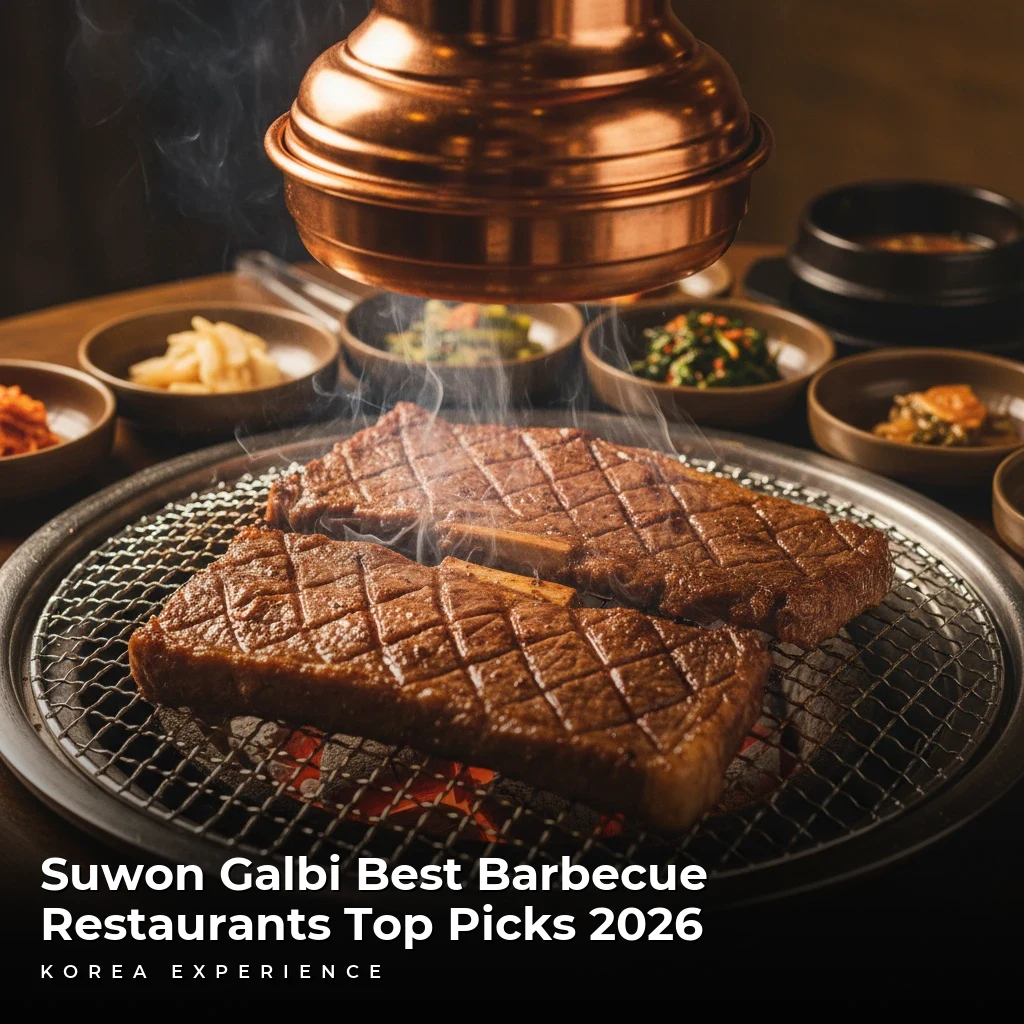
  • Galbi (Short Ribs): Often marinated in a sweet and savory soy-based sauce (Galbi-jim for braised, Yangnyeom Galbi for grilled) or served unmarinated (Saeng Galbi). The bone-in presentation and rich flavor make it a barbecue favorite.
  • Chadolbagi (Beef Brisket Slices): Very thin slices of brisket that cook almost instantly on the grill. Known for its rich, buttery flavor due to high fat content, often dipped in a light sauce.
  • Ansim (Tenderloin): The most tender cut, with less marbling than deungshim but unparalleled softness. Often grilled quickly to medium-rare.
  • Chimaesal (Flank Steak): A leaner, chewier cut, but packed with beefy flavor. Often thinly sliced and grilled.
  • Ggotdeungshim (Ribeye Cap/Chuck Roll): A highly prized portion of the ribeye, known for its intense marbling and incredibly tender texture, often considered the 'flower' of the deungshim.
  • Hanwoo Yukhwe (Beef Tartare): Fresh, raw Hanwoo, finely chopped and seasoned with soy sauce, sesame oil, garlic, and often served with a raw egg yolk and Korean pear slices. A delicate and refreshing way to appreciate the beef's freshness.

Where to Find Authentic Hanwoo: Restaurants, Butcher Shops, and Markets

For international travelers, finding authentic Hanwoo involves knowing where to look:

  • Specialized Hanwoo Restaurants: These establishments focus exclusively on Hanwoo, offering a range of cuts and often tableside grilling services. Look for restaurants with "Hanwoo" (한우) prominently displayed in their names or signage. High-end areas of Seoul like Gangnam, Cheongdam-dong, or even traditional neighborhoods like Samcheong-dong, have numerous upscale options. Some famous chains specialize in Hanwoo, offering consistent quality.
  • Majang Meat Market (Seoul): This is Seoul's largest meat market, offering an unparalleled selection of Hanwoo at wholesale prices. Here, you can purchase your preferred cuts from a butcher and then take it to one of the many restaurants within the market that will cook it for you, typically for a small seating fee. This offers a highly authentic and often more cost-effective experience.
  • Traditional Markets: Smaller traditional markets across Korea, such as Nambu Market in Jeonju or Seomun Market in Daegu, will also have dedicated butcher stalls selling high-quality local Hanwoo. While not always as vast as Majang, these offer a glimpse into local culinary traditions.
  • Department Store Food Courts: Upscale department stores like Lotte, Shinsegae, and Hyundai often have gourmet food sections that sell vacuum-packed, graded Hanwoo. While convenient, prices tend to be higher.
  • Local Butchers (Jeong-yuk-jeom): Throughout any Korean city, you’ll find local butcher shops (정육점) selling fresh Hanwoo. These are excellent places to buy cuts for home cooking if you have access to a kitchen.

Why Hanwoo Is More Expensive Than Wagyu: Deciphering the Cost

This is the central question for many discerning food enthusiasts. While both Hanwoo and Wagyu represent the pinnacle of beef quality in their respective countries, several key factors contribute to Hanwoo's often higher price tag, particularly within Korea.

Rarity and Exclusivity: Domestic Consumption Priority

One of the primary drivers of Hanwoo's high cost is its exclusivity. Unlike Wagyu, which has seen significant international export and even successful breeding programs in other countries (e.g., American Wagyu, Australian Wagyu), Hanwoo production is almost entirely for domestic consumption. Strict regulations and a strong national desire to keep Hanwoo within Korea mean that very little, if any, is exported. This limited supply, coupled with extremely high domestic demand, naturally inflates prices. As of 2026, the global availability of authentic Hanwoo remains extremely low, making any international purchase almost prohibitively expensive or impossible.

Intensive Raising Methods: Feed, Environment, and Animal Welfare

The meticulous care and labor-intensive methods used in raising Hanwoo cattle also contribute significantly to its cost:

  • Specialized Feed Programs: Hanwoo cattle are fed a high-quality, specialized diet that often includes fermented grains, barley, and even specific herbal supplements. This diet is carefully controlled to optimize marbling and flavor development. The cost of these premium feedstuffs is substantial.
  • Stress-Free Environment: Farmers go to great lengths to ensure a low-stress environment for their cattle. This includes spacious pens, good ventilation, and sometimes even classical music played in barns, all believed to contribute to better meat quality. A stress-free animal is thought to produce more tender meat.
  • Individual Attention: Hanwoo farms are typically smaller than large-scale industrial operations. Animals often receive more individual attention and care, which, while beneficial for quality, increases labor costs.
  • Longer Maturation Periods: Hanwoo cattle are typically raised for a longer period than conventional beef cattle, often up to 30 months or more. This extended rearing time allows for the full development of marbling and flavor but also means higher feed and maintenance costs over the animal's lifetime.

Domestic Demand and Cultural Value: A Luxury Good and Gifting

As mentioned earlier, Hanwoo holds immense cultural significance in Korea. It's not just food; it's a luxury item, a symbol of status, and a cherished gift.

  • Luxury Status: Hanwoo is often reserved for special occasions, celebrations, or important business dinners. Its price reflects its status as a premium, indulgent product.
  • Gifting Culture: During major holidays, gift sets of premium Hanwoo are highly sought after. This cultural practice drives consistent high demand, regardless of economic fluctuations, further bolstering its price. Many Koreans are willing to pay a premium for Hanwoo for these cultural reasons, reinforcing its value proposition.
  • National Pride: There is a strong sense of national pride associated with Hanwoo, similar to how local produce is celebrated in other countries. Koreans support their native beef, which further solidifies its market position and price.

Government Regulations and Supply Chain Control

The Korean government plays an active role in regulating the Hanwoo industry, from breeding programs to quality control.

  • Strict Quality Control: The rigorous grading system, enforced by the Animal Products Quality Evaluation Center (APQEC), ensures high standards, but also adds to the cost of production and processing.
  • Breeding Programs: Government-supported breeding programs focus on maintaining the genetic purity and improving the quality of the Hanwoo breed, which involves significant investment.
  • Supply Chain: The relatively shorter and more localized supply chain for Hanwoo (from farm to Korean plate) compared to internationally traded beef means less price competition from global markets and a greater ability for producers to set prices based on domestic demand and costs. Tariffs and import restrictions on foreign beef also help to maintain Hanwoo's premium status in the domestic market.

Hanwoo vs. Wagyu: A Detailed Comparison

While both Hanwoo and Wagyu are celebrated for their exceptional marbling and tenderness, they possess distinct characteristics that cater to different palates. Understanding these nuances is key to appreciating each for its unique merits.

Origins and Genetics

  • Hanwoo: Native Korean breed, distinct genetic lineage developed over millennia on the Korean peninsula. Historically, dual-purpose (draft and meat) but now primarily beef-focused. Its genetic purity is highly guarded.
  • Wagyu: Several Japanese cattle breeds (e.g., Kuroge, Akage, Nihon Tankaku, Mukaku). "Wagyu" literally means "Japanese cow." Known for intense genetic predisposition to intramuscular fat. Developed specifically for high marbling.

Marbling and Texture

Both breeds are famous for marbling, but there are subtle differences:

  • Hanwoo: Tends to have a finer, more delicate marbling pattern. The fat is often described as having a cleaner, less heavy mouthfeel, melting smoothly and integrating seamlessly with the meat fibers. The texture is incredibly tender but retains a satisfying chew.
  • Wagyu: Often exhibits more extreme marbling, with thicker, more pronounced veins of fat. This leads to a buttery, melt-in-your-mouth texture that can sometimes feel richer or more 'fatty' to some palates. The texture can be almost creamy.

Flavor Profiles

Flavor is subjective, but distinct differences can be identified:

  • Hanwoo: Offers a rich, robust, and clean beef flavor with a hint of sweetness. It provides a deep umami character without being overly greasy. Many describe it as having a "true beef" taste that is exquisitely balanced. It pairs exceptionally well with Korean side dishes, which are designed to cut through richness.
  • Wagyu: Famous for its intense richness, often described as a buttery or nutty flavor, sometimes with a distinctive 'Wagyu aroma.' The high fat content contributes significantly to its flavor profile, which can be incredibly decadent.

Pricing Nuances Across Regions and Grades

Pricing is complex and varies greatly:

  • Hanwoo (within Korea): As discussed, Hanwoo is consistently expensive within Korea due to domestic demand, limited supply, and cultural value. Grade 1++ is exceptionally pricey, sometimes reaching hundreds of dollars for a single portion at high-end restaurants. Prices in markets like Majang can be more competitive, but still reflect its premium status. Its price stability is largely due to domestic market forces.
  • Wagyu (globally): Wagyu's price varies depending on the specific breed, grade, country of origin (Japanese Wagyu is generally more expensive than Australian or American Wagyu), and the region where it's sold. While high-grade Japanese A5 Wagyu can be incredibly expensive, the global availability and variations in quality mean that there's a wider range of price points for "Wagyu" worldwide compared to Hanwoo.

Table: Hanwoo vs. Wagyu - Key Differences

FeatureHanwoo Korean BeefWagyu Japanese Beef
OriginNative Korean cattle breedJapanese cattle breeds (e.g., Kuroge, Akage)
Primary MarketPrimarily domestic Korean consumptionGlobal market, significant export
MarblingFine, delicate, well-distributed intramuscular fatOften more intense, pronounced intramuscular fat
Flavor ProfileClean, rich, robust, balanced beefy flavor, subtle sweetnessButtery, nutty, highly decadent, intensely rich umami
TextureIncredibly tender, satisfying chew, melts smoothlyExtremely tender, often described as "melts in your mouth"
AvailabilityExtremely limited outside KoreaWidely available globally (various origins)
Cost in Origin CountryVery high (domestic scarcity, cultural value)Very high (premium grades)

Table: Hanwoo vs. Wagyu - Grading Systems Overview

AspectHanwoo Grading System (Korea)Wagyu Grading System (Japan - A grade)
Marbling Score (BMS)1++ (8-9), 1+ (6-7), 1 (4-5), 2 (2-3), 3 (1)A5 (8-12), A4 (5-7), A3 (3-4)
Yield GradeNot a primary consumer-facing grade (focus on quality)A (Above Standard), B (Standard), C (Below Standard)
Quality GradeCombined with Marbling (e.g., 1++)Numerically (5: Excellent, 4: Good, 3: Average, 2: Below)
Key FactorsMarbling, meat color, fat color, firmness, maturityYield, marbling, meat color, fat color, firmness, texture

Table: Average Price Comparison (Hypothetical 2026 Prices, USD per 100g)

(Note: These are illustrative prices for high-end cuts like Ribeye or Sirloin at premium restaurants in their respective origin countries, converted to USD. Actual prices will vary.)

Beef TypeGradeAverage Price per 100g (USD)
Hanwoo (Korea)1++$40 - $70
Hanwoo (Korea)1+$30 - $50
Japanese WagyuA5 (Japan)$35 - $65
Japanese WagyuA4 (Japan)$25 - $45
American/Australian WagyuBMS 8-9 (US/Aus)$20 - $40

As seen in the table, top-tier Hanwoo 1++ often commands prices at or above the highest-grade Japanese A5 Wagyu within its domestic market, largely due to its extreme scarcity and high domestic demand.

Experiencing Hanwoo should be a highlight of your Korean trip. With a little planning and insider knowledge, you can make the most of this culinary adventure.

How to Choose a Good Hanwoo Restaurant

  • Look for "한우" (Hanwoo) Signage: This seems obvious, but many Korean barbecue places serve other types of beef (like imported US beef or local pork). A dedicated Hanwoo restaurant will prominently feature the word "Hanwoo" in its name or on its signboard.
  • Check for Grading Labels: Reputable Hanwoo establishments will display information about the grade of beef they serve, often with certifications. Look for 1++, 1+, or 1.
  • Review Online Recommendations: Use popular travel apps and websites like TripAdvisor, Google Maps, or local Korean platforms like MangoPlate or Naver Maps (using translation features) to find highly-rated Hanwoo restaurants. Pay attention to reviews mentioning quality, service, and atmosphere.
  • Consider the Setting: Hanwoo restaurants range from casual local spots to luxurious, modern dining experiences. Choose one that fits your budget and desired ambiance. Upscale options like Born & Bred or Maple Tree House (though they also offer other meats) are well-known for quality, while places in Majang Meat Market offer a more authentic, bustling atmosphere.
  • Ask for Recommendations: Don't hesitate to ask your hotel concierge, local friends, or even shopkeepers for their favorite Hanwoo spots.

Understanding the Menu and Ordering

  • Prices per 100g or per Portion: Hanwoo is almost always priced by weight (often per 100g or 150g) rather than per dish. Be aware that a "portion" might be smaller than you expect given the price. Confirm the weight before ordering.
  • Set Meals (Seteu-menyu): Many restaurants offer set menus (세트 메뉴) that combine different cuts, sometimes with stew or noodles. These can be a good way to sample various Hanwoo cuts and may offer better value.
  • Popular Cuts: Start with popular cuts like Deungshim (Sirloin/Ribeye), Galbi (Short Ribs), or Ansim (Tenderloin). If you're feeling adventurous, try Ggotdeungshim for an ultimate marbled experience.
  • Marinated vs. Unmarinated: "Saeng" (생) means raw/unmarinated, while "Yangnyeom" (양념) means marinated. For your first Hanwoo experience, try unmarinated to fully appreciate the beef's natural flavor.
  • Language Barrier: While many tourist-friendly restaurants have English menus, some smaller, more authentic places may not. Having a translation app or a few key Korean phrases ready can be helpful.

Budget-Friendly Ways to Enjoy Hanwoo

While Hanwoo is undeniably premium, there are ways to enjoy it without completely breaking the bank:

  • Visit Majang Meat Market: As mentioned, buying direct from a butcher in Majang Market and then taking it to a nearby restaurant for grilling is often significantly cheaper than dining in a high-end restaurant. You pay for the meat by weight and then a separate small "setting fee" (Sangcharim-bi, 상차림비) per person for the table, charcoal, and side dishes.
  • Lunch Specials: Some Hanwoo restaurants offer more affordable lunch specials, which might include Hanwoo bulgogi (marinated thinly sliced beef) or a small Hanwoo set.
  • Less Common Cuts: Explore cuts like Chimaesal (Flank Steak) or Yangji (Brisket for stew) which are still flavorful but generally less expensive than prime cuts like Deungshim or Ansim.
  • Hanwoo Dishes Beyond BBQ: Consider dishes like Hanwoo Seolleongtang (ox bone soup with Hanwoo slices), Hanwoo Gomtang (beef bone soup), or even Hanwoo Mandu (dumplings) at specialized eateries. While not the traditional BBQ experience, they offer the distinct flavor of Hanwoo at a lower price point.
  • Go with a Group: Sharing a larger portion with friends can make the experience more economical per person.

Insider Tips for an Unforgettable Experience

  • Pairing with Soju or Beer: Hanwoo, especially grilled, pairs wonderfully with traditional Korean soju or a crisp local beer. The alcohol helps cut through the richness of the meat.
  • Don't Overcook: High-quality Hanwoo, especially with good marbling, is best enjoyed medium-rare to medium. Overcooking will render the fat away and make the meat tough.
  • Savor Each Bite: Hanwoo is meant to be savored. Take small bites, appreciate the texture, and try it with different ssam combinations.
  • Internal Link Opportunity: For a deeper dive into Korean drinking culture and pairing recommendations, check out our [Guide to Korean Alcoholic Beverages for Travelers].
  • Try Yukhwe: If you're adventurous, try Hanwoo Yukhwe (beef tartare). It's a sublime way to taste the freshness and quality of the beef in a different form.
  • Book in Advance: For popular Hanwoo restaurants, especially during peak dining hours or holidays, making a reservation is highly recommended.

Sustainable Hanwoo Farming: Preserving a Legacy

Beyond its culinary appeal, the Hanwoo industry is increasingly focusing on sustainable practices and its broader impact on rural Korea.

Modern Farming Practices and Sustainability Efforts

The Hanwoo industry recognizes the importance of sustainable development. Efforts include:

  • Reduced Environmental Impact: Farmers are adopting practices to minimize waste, manage manure responsibly, and reduce greenhouse gas emissions. This includes optimizing feed conversion rates and exploring alternative feed sources.
  • Animal Welfare: There's a growing emphasis on animal welfare, ensuring humane treatment, comfortable living conditions, and access to outdoor spaces where possible. While not as widespread as some Western countries, the trend is towards improved animal well-being.
  • Traceability Systems: Korea has an advanced traceability system for Hanwoo, allowing consumers to trace the beef from farm to table. This transparency builds trust and helps ensure quality and safety, including adherence to sustainable practices.

Impact of Hanwoo on Rural Korean Economy

The Hanwoo industry is a vital component of Korea's rural economy:

  • Job Creation: It supports numerous jobs, from farmers and veterinarians to butchers, distributors, and restaurant staff in agricultural regions.
  • Economic Stability: For many rural communities, Hanwoo farming is a primary source of income and economic stability, helping to prevent rural depopulation.
  • Regional Specialization: Certain regions, such as Hoengseong County in Gangwon Province, are particularly famous for their Hanwoo, creating regional brands and attracting culinary tourism. Hoengseong Hanwoo is considered by many to be the pinnacle of quality and commands some of the highest prices. This regional specialization fosters local pride and economic development.

Future Outlook for Hanwoo: Internationalization and Preservation

The future of Hanwoo involves a delicate balance between preserving its unique heritage and potentially expanding its reach:

  • Maintaining Purity: The focus will remain on maintaining the genetic purity and high quality of the breed.
  • Limited Internationalization: While there might be small, highly controlled experimental exports to extremely high-end markets in the future, the primary focus will likely remain on satisfying domestic demand. Any international presence will be symbolic rather than large-scale, maintaining its rarity and exclusivity.
  • Innovation: Continued research into feed, breeding techniques, and cooking methods will aim to further enhance Hanwoo's quality and appeal within Korea.
  • Cultural Preservation: As Korea modernizes, the Hanwoo industry plays a role in preserving traditional farming knowledge and culinary practices, ensuring that this national treasure continues to thrive for generations to come.

Frequently Asked Questions About Hanwoo Korean Beef

Here are some common questions international visitors have about Hanwoo.

Q1: Is Hanwoo truly better than Wagyu?

"Better" is subjective and depends on personal preference. Both Hanwoo and Wagyu are world-class premium beef known for exceptional marbling and tenderness. Hanwoo often has a cleaner, more robust beef flavor with a delicate sweetness and fine marbling, while Wagyu (especially A5) can be incredibly rich, buttery, and melt-in-your-mouth. Many connoisseurs find Hanwoo to be more balanced, allowing for larger portions without feeling overwhelmed. It's recommended to try both to determine your own preference.

Q2: What is the best cut of Hanwoo?

The "best" cut depends on your preference for texture and fat content.

  • For ultimate marbling and melt-in-your-mouth tenderness: Ggotdeungshim (ribeye cap) or top-grade Deungshim (ribeye).
  • For a balanced, tender, and rich experience: Deungshim (sirloin/ribeye).
  • For extreme tenderness with less fat: Ansim (tenderloin).
  • For a classic Korean BBQ experience, often marinated: Galbi (short ribs). Each cut offers a unique experience, so exploring a few is recommended.

Q3: How much should I expect to pay for a Hanwoo meal in 2026?

For a premium dining experience at a high-end Hanwoo restaurant, expect to pay anywhere from 70,000 KRW to 150,000 KRW (approx. $50 - $110 USD) or more per person for a good portion of grade 1+ or 1++ Hanwoo. This typically includes side dishes. If you opt for cheaper cuts or visit a meat market like Majang, you might pay 40,000 KRW - 80,000 KRW ($30 - $60 USD) per person. Prices can vary significantly based on restaurant, grade, and portion size.

Q4: Can I find authentic Hanwoo outside of Korea?

Currently, finding authentic Hanwoo outside of Korea is extremely difficult, if not impossible, for regular consumers. Due to strict export regulations and high domestic demand, virtually all Hanwoo production is consumed within Korea. Any "Korean beef" found internationally is almost certainly not genuine Hanwoo. This exclusivity is a major factor in its premium pricing within Korea.

Q5: Are there ethical concerns with Hanwoo farming practices?

The Hanwoo industry in Korea is increasingly aware of animal welfare. While practices can vary between farms, there's a growing movement towards more humane treatment, spacious enclosures, and stress-reduction methods. Traceability systems help ensure compliance with certain standards. Consumers interested in ethical sourcing can look for restaurants or butchers that highlight their farm origins or sustainable practices. Like any agricultural industry, it's an evolving landscape with continuous efforts towards improvement.

Conclusion: Savoring the Unforgettable Taste of Hanwoo

As we've journeyed through the intricate world of Hanwoo Korean beef, it becomes clear that its premium price tag, often exceeding that of even Wagyu, is entirely justified. It's not merely about the meat itself, but the culmination of centuries of indigenous breeding, meticulous raising methods, profound cultural significance, and a domestic market that fiercely cherishes its national treasure.

Hanwoo offers a distinct and unforgettable culinary experience – a unique flavor profile that is both robustly beefy and delicately sweet, a tender texture that melts in the mouth, and a dining ritual that is deeply embedded in Korean social fabric. For international travelers and expats in Korea, indulging in Hanwoo is more than just a meal; it's an immersion into the heart of Korean culture and a celebration of gastronomic excellence.

Actionable Takeaways for Your Hanwoo Journey in 2026:

  • Plan Your Experience: Decide whether you want a high-end restaurant ambiance or the authentic bustling atmosphere of a meat market.
  • Understand the Grades: Look for 1++ or 1+ for the most premium experience, but don't shy away from Grade 1 for excellent quality at a slightly lower price point.
  • Embrace the Culture: Participate in the tabletop grilling, try different ssam combinations, and savor the banchan.
  • Consider Your Budget: Utilize tips like visiting Majang Meat Market or opting for lunch specials to enjoy Hanwoo more affordably.
  • Savor Every Bite: This is a delicacy meant to be appreciated. Take your time, enjoy the company, and let the unique flavors of Hanwoo captivate your palate.

So, as you plan your culinary adventures in Korea for 2026, be prepared to embark on an extraordinary journey with Hanwoo. It's an investment not just in a meal, but in an authentic, unparalleled taste of Korea itself. Don't miss the opportunity to experience why Hanwoo Korean beef stands as a testament to national pride and culinary perfection, truly earning its place among the world's most luxurious meats.

About the Author

Korea Experience Team

Written by the Korea Experience editorial team - experts in Korean medical tourism, travel, and culture with years of research and firsthand experience.

⚠️ Medical Disclaimer

The information provided on this website is for general informational purposes only and does not constitute medical advice. Always consult with qualified healthcare professionals before making any medical decisions.

Continue Reading

Explore more articles you might find interesting