Korean Breakfast Foods Traditional Morning Meals Guide
Discover the authentic flavors of Korean breakfast, from hearty soups and savory rice dishes to modern cafe culture and street food staples.
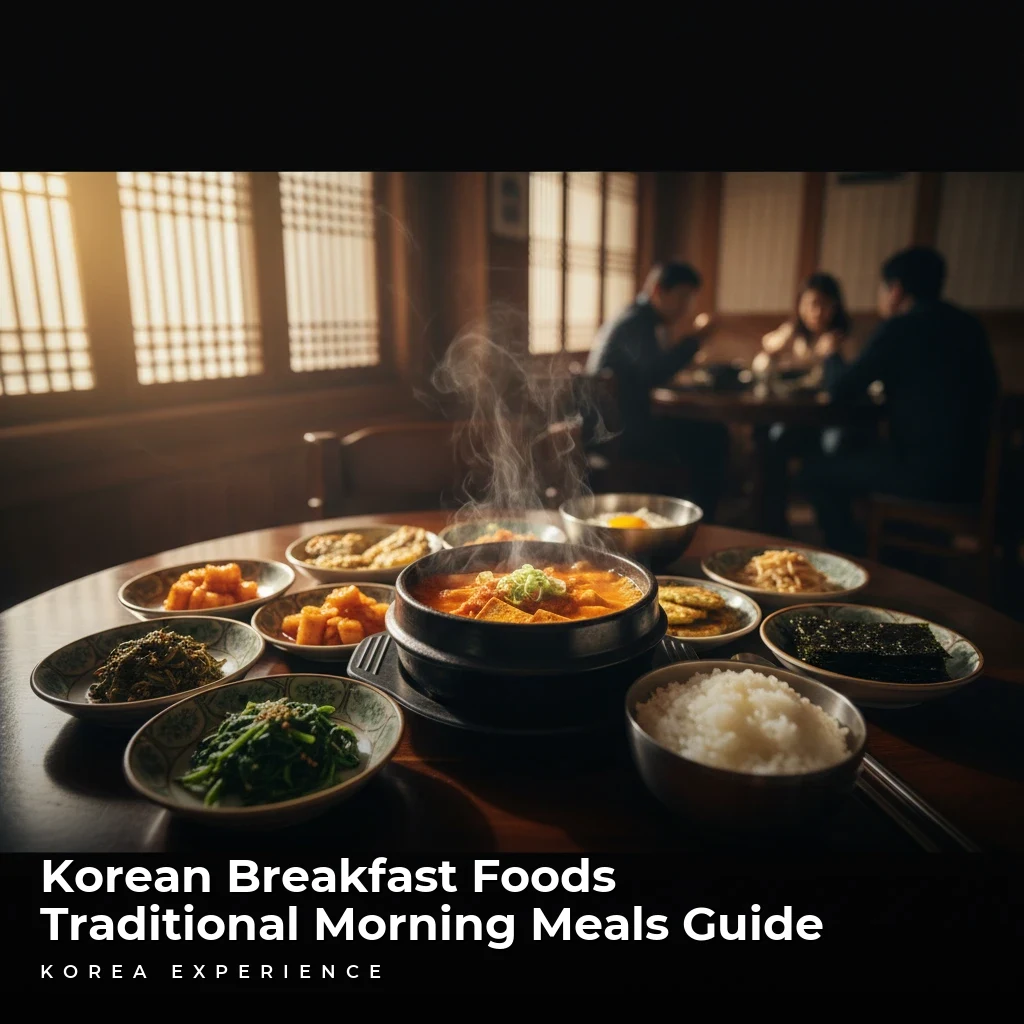
For many international travelers, the concept of a "Korean breakfast" is often the first cultural curveball they encounter upon landing in Seoul. Unlike the distinct separation between bacon-and-eggs for breakfast and steak for dinner found in the West, traditional Korean cuisine, or Hansik, operates on a different philosophy. Historically, the morning meal was simply a lighter version of the evening meal: rice, soup, and side dishes.
You might also enjoy our article about Korean breakfast culture what locals eat in the morning.
For more details, check out our guide on 50 Must Try Korean Foods Complete Guide.
Learn more in our comprehensive guide to Exploring Korea Traditional Market Street Food Tours.
Related reading: Gyeongju Traditional Cuisine Historic Recipes and Dining ....
However, the modern Korean morning landscape is a dynamic blend of centuries-old tradition and rapid, high-tech convenience. Whether you are looking for a hangover-curing soup that has been simmering for 24 hours or a buttery toast sandwich grabbed during the chaotic subway rush, understanding Korea's morning food culture is essential for any traveler.
Key Takeaways
- 1Traditional meals center on rice and soup, rarely distinguishing breakfast foods from dinner foods
- 2Street toast and Gimbap are budget-friendly staples costing under ₩6,000
- 3Most authentic breakfast restaurants open between 6:00 AM and 7:00 AM
The Philosophy of the Morning Table (Bansang)
To truly understand Korean breakfast, one must abandon the search for pancakes and cereal. A traditional home-cooked breakfast, known as Bansang, is designed to provide stamina for the day ahead. It is balanced, savory, and undeniably hearty.
The centerpiece is always Bap (steamed rice), accompanied by Guk (soup) and varying Banchan (side dishes). Nutritional studies show that a traditional Korean breakfast typically contains between 500 to 700 calories, with a high proportion of vegetables and fermented foods like Kimchi, which aids digestion and boosts immunity.
Pro Tip
If you are staying at a Hanok stay or a high-end hotel, ask for the "Hansik" breakfast option. It is often a set menu rather than a buffet, offering a curated experience of seasonal ingredients.
In the Joseon Dynasty, a King’s morning meal (Surasang) might feature 12 different side dishes. Today, a typical household settles for 3 to 5 side dishes, usually prepared in batches on the weekend. The rice bowl standard size in restaurants is roughly 210 grams, a portion control standard that has been in place since the government standardized stainless steel bowls in the 1970s.
The Soul of Morning: Gukbap (Soup and Rice)
If there is one dish that defines the Korean morning for the working class and the hungover partygoer alike, it is Gukbap. Literally translating to "soup rice," this category of food is the backbone of the Korean dining ecosystem.
Gukbap restaurants are often the earliest to open, catering to taxi drivers, market vendors, and early risers. The broth is usually boiled for 12 to 24 hours to extract deep flavors from bones or vegetables, creating a collagen-rich meal that is believed to restore energy.
📊 Gukbap Economics
1. Bean Sprout Soup (Kongnamul Gukbap)
Originating from Jeonju, a city roughly 200 kilometers south of Seoul, this dish is famous for its refreshing quality. It features soybean sprouts rich in asparagine, a compound known to break down alcohol, making it the ultimate hangover cure. The soup is typically served boiling hot (around 85-90°C) and costs between 7,000 and ₩9,000 ($5-7 USD) on average.
2. Ox Bone Soup (Seolleongtang)
This milky-white soup is made by boiling ox bones for hours until the calcium is extracted. It is mild and creamy, usually served unseasoned so the diner can add salt, pepper, and chopped green onions to taste. A famous establishment in Myeongdong claims to have kept their master broth boiling continuously for over 50 years, only topping it up with fresh water and bones.
Hadongkwan(하동관)
3. Blood Sausage Soup (Sundae Gukbap)
A robust and earthy choice, this soup features Korean blood sausage (Sundae) and pork slices. It is a staple of traditional markets. While the texture of blood sausage might be intimidating to some Western palates, it is incredibly savory. A bowl typically contains 20-30 grams of protein, making it a favorite among laborers.
Street Food and The "Pali-Pali" Culture
"Pali-Pali" (Hurry-Hurry) is the cultural rhythm of South Korea. For the millions of commuters in Seoul navigating the subway system—which handles over 7 million rides daily—a sit-down meal is a luxury. This has given rise to a vibrant grab-and-go breakfast culture.
Korean Street Toast (Gilgeori Toast)
This is not your average sandwich. Korean street toast involves butter-fried white bread, a cabbage and egg omelet, ham, and cheese, all topped with a sprinkle of sugar and ketchup. It is a sweet and savory explosion. Stalls like Isaac Toast have franchised this concept, with over 800 locations nationwide.
📋 Street Toast Facts
Gimbap (Seaweed Rice Rolls)
Often mistaken for sushi, Gimbap is seasoned with sesame oil rather than vinegar. While basic vegetable Gimbap starts at around ₩3,500, premium versions with tuna, beef, or spicy pork can reach ₩6,000. The "Triangle Gimbap" (Samgak Gimbap) found in convenience stores is the ultimate budget breakfast, selling for roughly 1,200 to ₩1,500 ($1 USD). In 2025 alone, major convenience store chain CU reported selling over 100 million triangle gimbap units.
💵 Breakfast Cost Comparison
Buffet at 5-star hotel (Shilla, Four Seasons)
Isaac Toast + Americano
Convenience Store Culture: The 24/7 Pantry
Korean convenience stores (GS25, CU, 7-Eleven, Emart24) are architectural marvels of efficiency. Located practically every 100 meters in urban areas, they are the de facto breakfast spot for students and office workers.
Unlike Western convenience stores, Korean ones offer high-quality, fresh meals delivered twice daily. You can find microwaveable lunch boxes (Dosirak) ranging from 4,500 to ₩6,000 that include rice, meat, and three side dishes. Many stores have designated eating areas with hot water dispensers for instant ramen and microwaves.
Don't ignore the '1+1' or '2+1' tags on the shelves. This means buy-one-get-one-free. It's extremely common for yogurt drinks, coffee, and protein bars in the morning. It's how locals save significant money on their daily commute.
The Modern Cafe and Bakery Boom
In the last decade, Korea has become a global powerhouse in coffee culture. The country boasts roughly 100,000 coffee shops, one of the highest densities per capita in the world. While the "Ice Americano" (famously consumed even in freezing winter) is the national beverage, bakeries have evolved to offer sophisticated breakfast pastries.
Chains like Paris Baguette and Tous Les Jours open as early as 7:00 AM, offering salad breads, sausage pastries, and bagels. However, the trendy "Brunch Cafes" in neighborhoods like Seongsu-dong or Hannam-dong usually do not open until 10:00 AM or 11:00 AM. If you are looking for an early breakfast (before 8:00 AM), a traditional bakery or a Starbucks is your safest bet.
Cafe vs. Traditional Breakfast
- ✓Familiar Western options (bagels, eggs)
- ✓High-quality coffee availability
- ✓Modern, aesthetic atmosphere
- ✗Significantly more expensive (₩15,000+)
- ✗Opens later (usually after 10 AM)
- ✗Often crowded with long wait times
Regional Breakfast Specialties
If you venture outside of Seoul, the breakfast menu changes to reflect local ingredients and climate. Korea's high-speed KTX trains can take you across the country in under 3 hours, meaning you could technically have breakfast in Seoul and an early lunch in Busan.
Busan: Dwaeji Gukbap (Pork Rice Soup)
Busan, the coastal metropolis 325km southeast of Seoul, is famous for its Pork Rice Soup. Unlike the clear beef soups of Seoul, this is a cloudy, rich broth made from pork bones. An entire alley in Seomyeon, Busan, is dedicated to this dish. Prices here are generally 10-15% cheaper than in Seoul, averaging ₩9,000 per bowl.
Jeju Island: Abalone Porridge (Jeonbokjuk)
On Jeju Island, the morning starts with the ocean. Abalone porridge is a luxury turned staple. The porridge is distinctively green, colored by the innards of the abalone, which provides a rich, savory depth. A bowl near the coast can cost between 12,000 and ₩15,000, reflecting the freshness of the local catch.
How to Eat Like a Local: A Step-by-Step Guide
Walking into a bustling local restaurant where no English is spoken can be intimidating. Here is how to navigate the traditional Gukbap experience.
📖 How to Eat Gukbap Like a Local
Step 1: Taste the Broth First
Before adding anything, sip the broth. It is usually unseasoned.
Step 2: Season to Taste
Add salt, pepper, and most importantly, 'Saeujeot' (salted fermented shrimp) provided in a small jar. This adds umami, not just saltiness.
Step 3: The Rice Technique
You can eat the rice separately or dump the entire bowl of rice into the soup. The latter is the traditional 'Gukbap' style.
Step 4: Add the Kimchi
Place a piece of Radish Kimchi (Kkakdugi) on your spoon with the rice and soup for the perfect bite.
Sodium Warning
Korean soups and stews can be high in sodium. If you are watching your salt intake, ask for the soup "Sing-geop-ge" (bland/less salty) or simply avoid adding extra salt and shrimp paste at the table.
Where to Find Breakfast: A Strategic Approach
Finding breakfast depends heavily on your location. In business districts like Gangnam or Yeouido, restaurants open early (6:30 AM - 7:00 AM) to feed office workers. In university districts like Hongdae, shops may open late (11:00 AM) because the nightlife continues until dawn.
Breakfast Venue Comparison
| Venue Type | Opening Time | Avg Price | Vibe |
|---|---|---|---|
| 24h Gukbap House | 24 Hours | ₩9,000-12,000 | Bustling, Local |
| Street Stall (Toast) | 07:00 AM | ₩3,000-5,000 | Quick, On-the-go |
| Brunch Cafe | 10:30 AM | ₩18,000+ | Trendy, Relaxed |
| Convenience Store | 24 Hours | ₩5,000 | Solo, Efficient |
The Ideal Morning Food Tour
Start with Coffee
Grab a quick coffee at a convenience store or early bird chain.
Main Meal
Head to a local market (e.g., Gwangjang Market) for Knife-cut noodles or porridge.
Digest & Explore
Walk along the Cheonggyecheon stream to digest your meal.
Common Ingredients and Dietary Restrictions
Travelers with dietary restrictions need to be vigilant. "Vegetarian" in Korea often implies "no chunks of meat," but broths may still be beef-based or contain fish sauce.
- Vegetarians/Vegans: Look for Temple Food restaurants or Bibimbap. However, ensure the Gochujang (red chili paste) does not contain meat, and the soup is not seafood-based.
- Gluten-Free: Traditional Korean food uses soy sauce (which contains wheat) in almost everything. Samgyetang (Ginseng Chicken Soup) is often a safer bet as it is a whole chicken with glutinous rice (naturally gluten-free), but always check the side dishes.
- Halal: Itaewon district in Seoul has the highest concentration of Halal-certified Korean restaurants.
Safe Bet: Porridge (Juk)
If you have a sensitive stomach or dietary concerns, "Juk" (Porridge) chains like Bonjuk are excellent. They offer customizable menus (vegetable only, seafood, beef) and allow you to adjust the consistency and saltiness. Prices range from 9,000 to ₩14,000.
Conclusion: Embrace the Savory Start
The Korean breakfast challenges the western palate to move beyond the sweet and embrace the savory. It is a meal designed for utility and health, deeply rooted in the agricultural history of the peninsula. Whether you are sitting on a plastic stool in a wet market sipping hot noodle soup or enjoying a precision-made latte in a glass-walled cafe, the morning meal in Korea is an essential chapter of your travel story.
By trading your croissant for a bowl of Seolleongtang, you aren't just eating breakfast; you are participating in the daily rhythm of Korean life.
❓ Frequently Asked Questions
Have more questions?Contact us →
About the Author
Korea Experience Team
Written by the Korea Experience editorial team - experts in Korean medical tourism, travel, and culture with years of research and firsthand experience.
Explore more in Food & Dining
Korean BBQ, street food, Michelin restaurants, and regional specialties — your ultimate guide to eating well in Korea.
Browse All Food & Dining ArticlesContinue Reading
Explore more articles you might find interesting
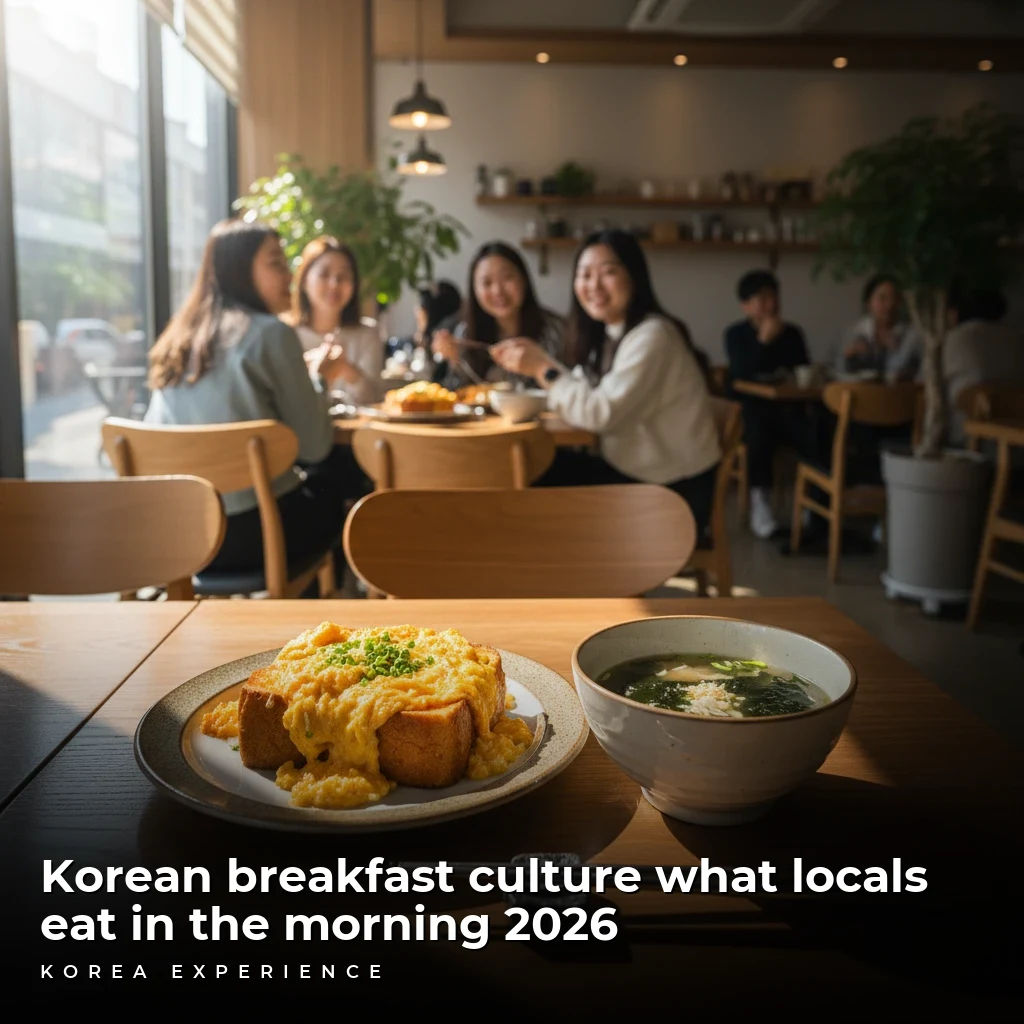
Discover the truth about Korean breakfast in 2026. From traditional soups to trendy toast, find out what locals eat, where to go, and how much it costs.
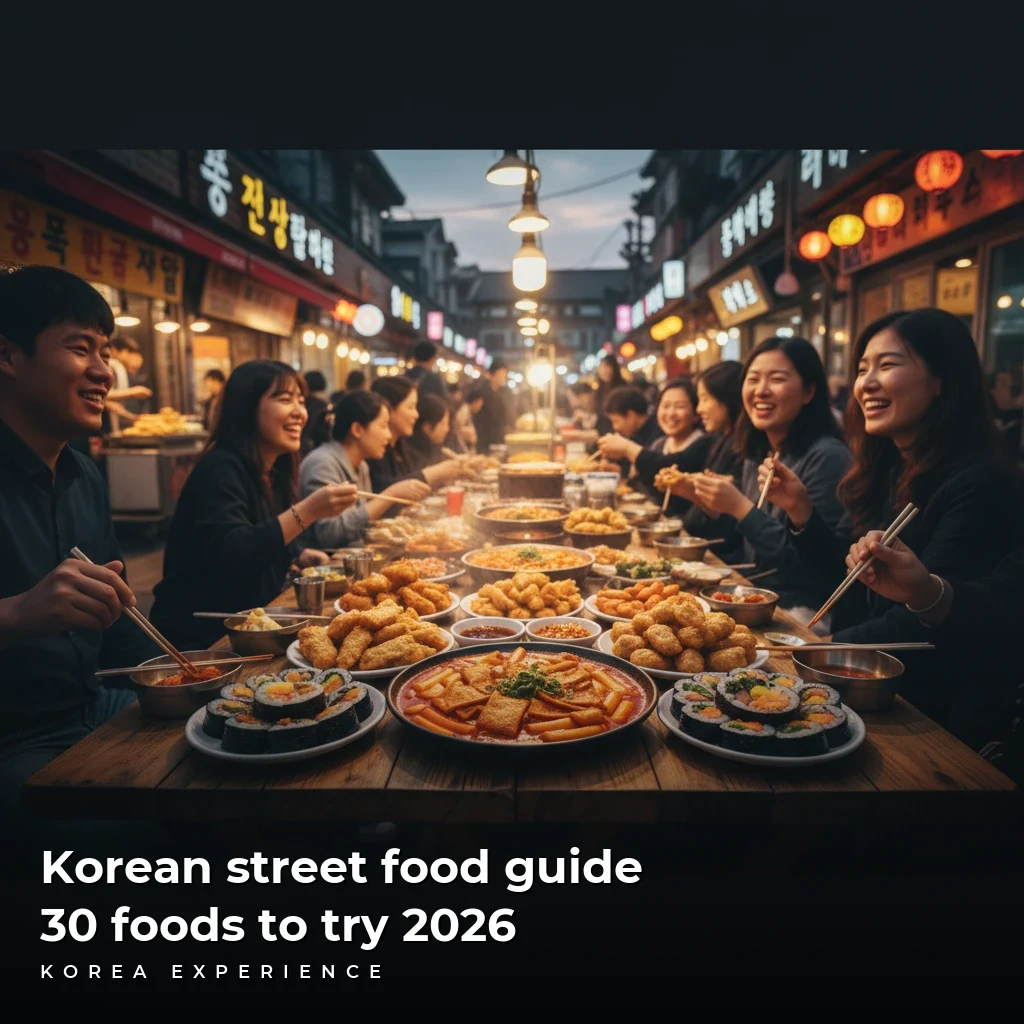
Discover the ultimate list of 30 must-try Korean street foods for 2026, from classic spicy rice cakes to trendy fusion snacks, with prices and local tips.
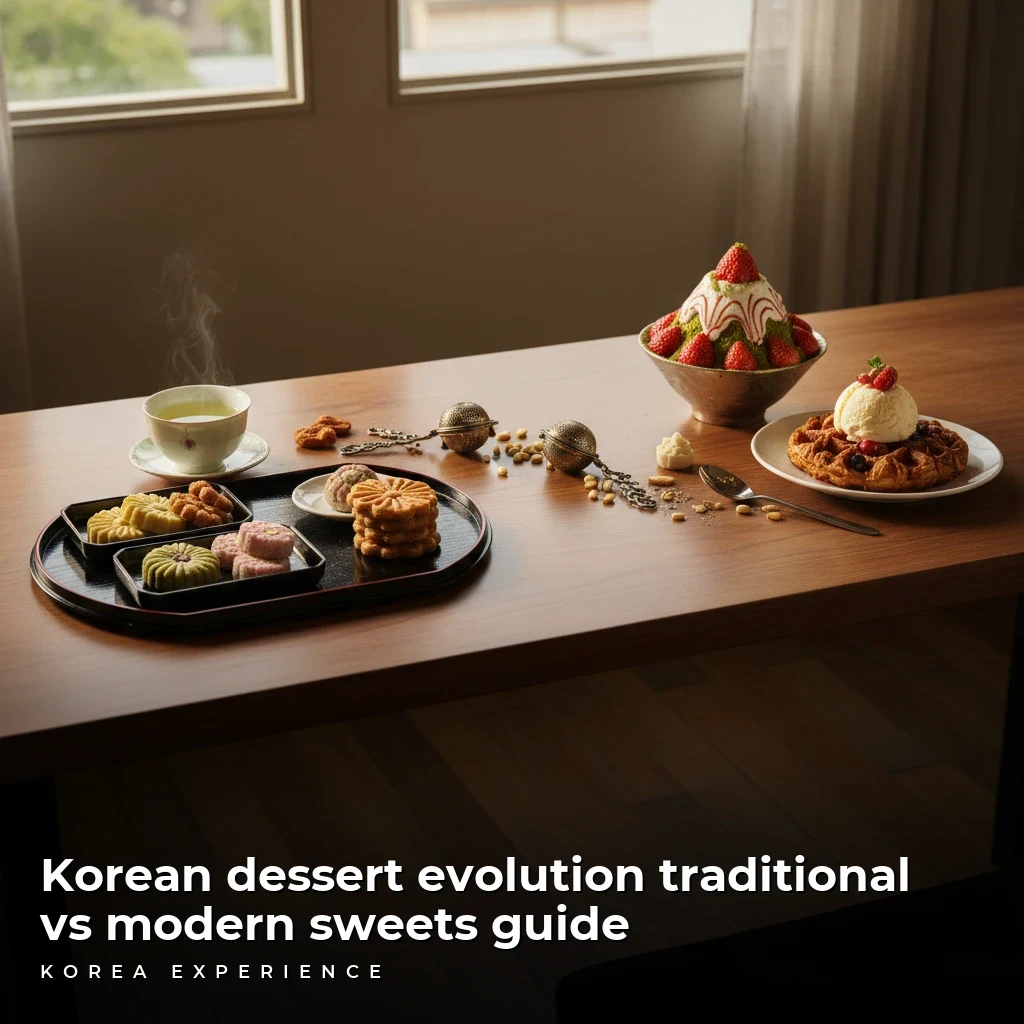
Discover the sweet journey from royal court treats to viral cafe sensations in this comprehensive guide to Korean dessert culture.
Discover the ultimate checklist of 50 essential Korean dishes, from street food to royal cuisine, including prices, spicy levels, and best spots for 2026.
Discover the best Makgeolli bars in Seoul, understand traditional rice wine etiquette, and explore premium craft brews in this ultimate guide.
Discover the best Korean buffet culture all you can eat options, from luxury hotels to K-BBQ and endless street food spots in Seoul.