Food & Dining

Gyeongju Traditional Cuisine Historic Recipes Unveiled

Journey through Gyeongju's ancient flavors. Discover historic Korean recipes, iconic dishes, and where to savor them in this cultural capital.

Gyeongju Traditional Cuisine Historic Recipes: A Culinary Journey Through Silla

Welcome, food enthusiasts and history buffs! Are you planning a trip to Korea and seeking an experience that tantalizes your taste buds while transporting you back in time? Look no further than Gyeongju, the ancient capital of the Silla Kingdom. Often dubbed the "museum without walls," Gyeongju is not just a treasure trove of UNESCO World Heritage Sites; it's also a vibrant living archive of traditional Korean culture, especially its food.

For international travelers and expats, understanding Korean cuisine can often begin with the more widely known dishes of Seoul. However, Gyeongju offers a unique opportunity to delve deeper into the historical roots of Korean gastronomy. Imagine savoring dishes that trace their lineage back over a thousand years, recipes that fueled kings, scholars, and artisans of a glorious dynasty. Yet, for many, the rich tapestry of Gyeongju's traditional cuisine and its historic recipes remains largely unexplored. How do these ancient culinary traditions survive today, and where can you experience them authentically?

This comprehensive guide aims to unlock the secrets of Gyeongju's traditional cuisine, exploring its historic recipes, cultural significance, and the best places to indulge in these timeless flavors. From royal delicacies to everyday staples, we will take you on a culinary journey through Silla, providing practical tips and insider knowledge to enrich your visit. Get ready to discover the soul-stirring tastes that define Gyeongju's gastronomic heritage.

The Royal Legacy of Silla Cuisine in Gyeongju

Gyeongju's culinary identity is inextricably linked to its past as the capital of the Silla Kingdom, which flourished for nearly a millennium (57 BC – 935 AD). Silla cuisine was a sophisticated blend of influences, shaped by royal decree, Buddhist principles, and the bountiful natural resources of the region. Understanding this legacy is key to appreciating Gyeongju's traditional cuisine historic recipes.

Ingredients and Influences Shaping Silla's Table

Silla's royal kitchens were at the forefront of culinary innovation. Historical records and archaeological findings suggest a diet rich in grains like rice, barley, millet, and soybeans. Vegetables, often cultivated in royal gardens or gathered from nearby mountains, played a crucial role, reflecting a deep connection to nature. Meat, primarily beef, pork, and poultry, was consumed, though less frequently in stricter Buddhist periods. Fish and seafood from the East Sea also contributed to the diverse Silla diet.

A significant influence was Buddhism, which arrived in Silla in the 6th century. With its emphasis on vegetarianism and non-violence, Buddhist principles encouraged the development of elaborate plant-based dishes. Temple cuisine, or saengchae, emphasized fresh, seasonal vegetables prepared with minimal seasoning to highlight their natural flavors. This focus on natural ingredients and gentle preparation methods deeply permeated even the royal tables.

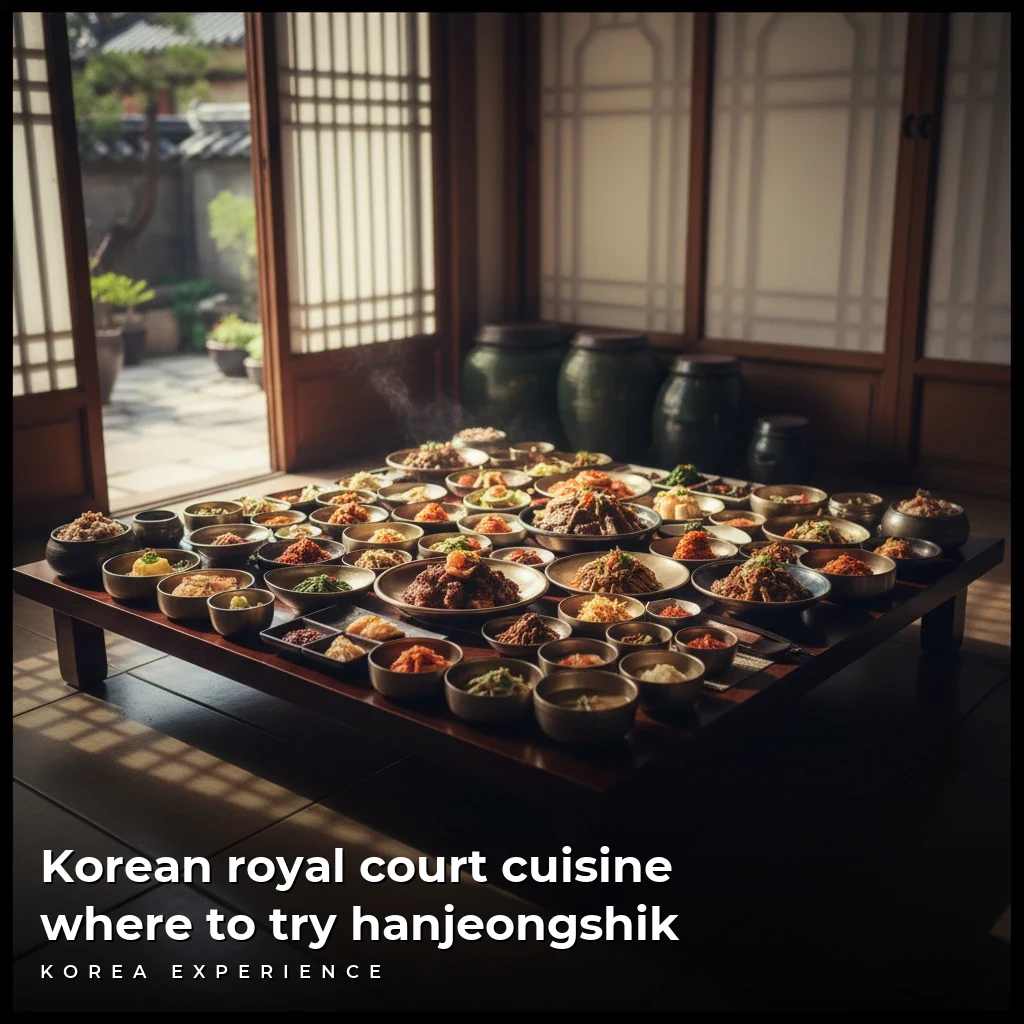
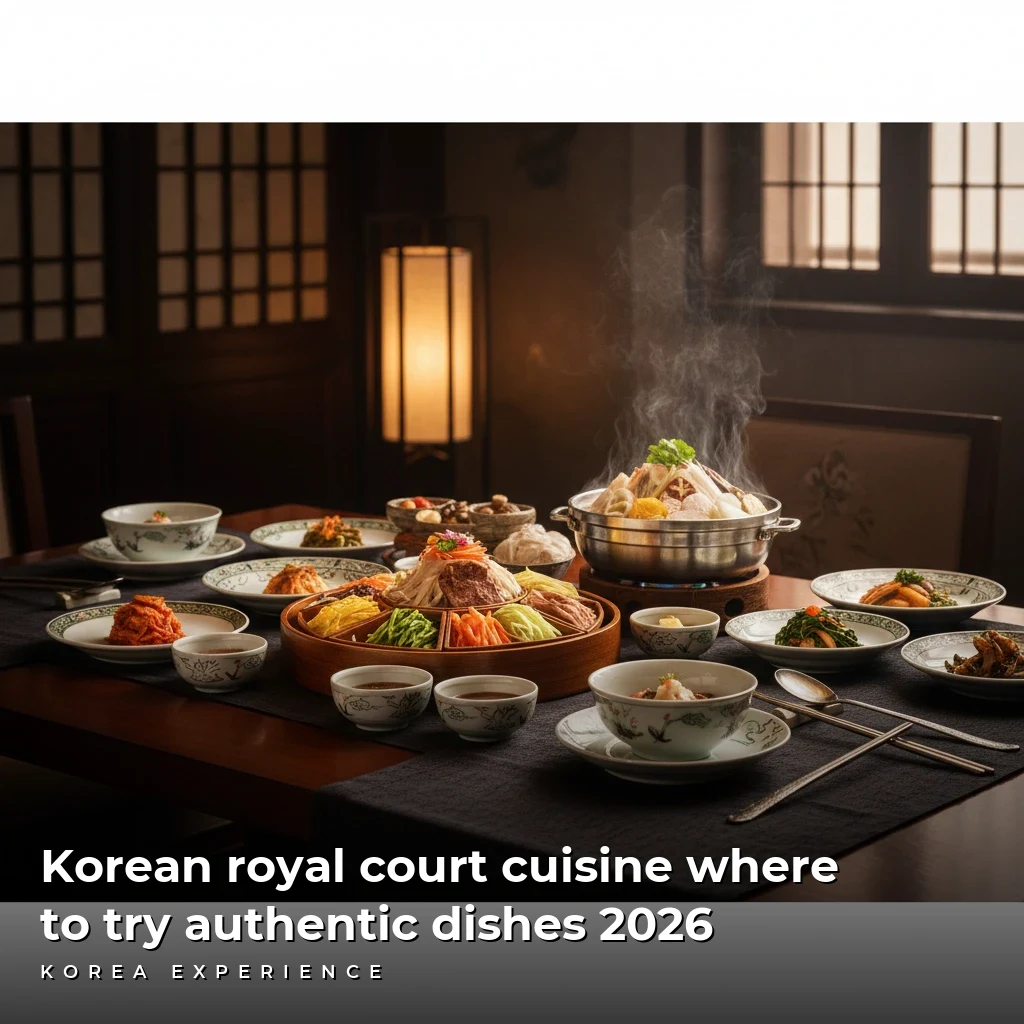
Aristocratic households, known as yangban, also played a pivotal role. Their wealth and access to exotic ingredients, coupled with a desire for refined dining, led to the creation of elaborate multi-course meals (hanjeongsik) that showcased both local specialties and imported luxuries. These elite dining traditions, passed down through generations, form the bedrock of many of Gyeongju's enduring historic recipes.

Key Characteristics of Gyeongju's Culinary Heritage

Gyeongju's traditional cuisine is characterized by its clean, balanced flavors and an emphasis on fermentation. Unlike some spicier regional cuisines, Silla-era dishes tended to be milder, allowing the natural essence of the ingredients to shine.

  • Seasonality: A profound respect for seasonal ingredients is a cornerstone. Dishes are crafted to celebrate the peak flavors of local produce, from fresh spring greens to hearty autumn roots.
  • Fermentation: The art of fermentation was highly developed. Key fermented products like jang (soy sauce, soybean paste, chili paste) were not just condiments but fundamental building blocks of flavor. Traditional rice wine, beopju, also relied on intricate fermentation processes.
  • Balance and Harmony: Meals were designed to offer a balanced nutritional profile and a harmonious sensory experience, incorporating diverse textures, colors, and flavors. This philosophy is evident in hanjeongsik, where a variety of small dishes are served together.
  • Medicinal Properties: Many Silla dishes were believed to possess medicinal benefits, aligning with traditional Asian views on food as medicine. Ingredients were often chosen not just for taste but for their health-promoting qualities.

This historical context provides a vivid backdrop for understanding the specific traditional dishes and Gyeongju traditional cuisine historic recipes that have stood the test of time.

Gyeongju's Iconic Historic Dishes Unveiled

When exploring Gyeongju, certain dishes are absolute must-tries, each carrying centuries of history and culinary artistry. These iconic foods offer a direct link to the Silla era's gastronomic practices.

Beopju: Gyeongju's Traditional Rice Wine

No discussion of Gyeongju's historic recipes is complete without mentioning Beopju, a highly esteemed traditional rice wine. Its origins trace back to the Silla Dynasty, where it was often served at royal banquets and used in ancestral rites. Beopju is known for its clear, golden hue, subtly sweet taste, and fragrant aroma. Unlike many modern rice wines or soju, Beopju is typically brewed using traditional methods, involving multiple fermentation stages over an extended period (often 100 days). The result is a refined, smooth beverage with a relatively high alcohol content (around 16-18%).

One of the most authentic places to experience Beopju is at the Gyeongju Gyodong Beopju brewery, located within the picturesque Gyeongju Gyochon Traditional Village. This brewery has been run by the Choi family for generations, meticulously preserving the original Silla brewing techniques passed down through their ancestors. Visitors can learn about the traditional brewing process, sample the exquisite wine, and purchase bottles directly from the source. A 700ml bottle of Gyeongju Gyodong Beopju typically costs around 30,000 to 50,000 Won, making it a premium souvenir and an unparalleled tasting experience.

Ssambap: The Art of Leaf-Wrapped Rice

Ssambap, literally "wrap rice," is a quintessential Gyeongju dining experience that reflects the Silla emphasis on fresh vegetables and balanced meals. While popular across Korea, Gyeongju's Ssambap is particularly renowned for its generous servings of fresh greens and diverse side dishes (banchan). The concept is simple yet elegant: take a fresh leaf (often lettuce, perilla, or even steamed cabbage), place a spoonful of rice on it, add a piece of protein (often grilled pork or beef, or even fish), a dollop of ssamjang (a savory dipping sauce made from soybean paste and chili paste), and any other preferred side dishes like garlic or chili. Then, wrap it all up and enjoy in one delicious bite.

Ssambap embodies the communal and interactive nature of Korean dining. The historical roots likely stem from a diet that relied heavily on easily cultivated greens and efficient ways to consume grain and protein. The act of wrapping is a tactile and engaging experience, making it a favorite among both locals and visitors.

Recommended Restaurants:

  • Gyochon Ssambap (교촌쌈밥): Located near Gyeongju Gyochon Traditional Village, this restaurant is highly regarded for its fresh ingredients and extensive banchan spread. Expect to pay around 15,000-20,000 Won per person for a Ssambap set.
  • Cheonnyeon Hanjeongsik (천년한정식): While serving a broader Hanjeongsik, their Ssambap offerings are excellent and come with a more upscale presentation. Prices might be slightly higher, in the 20,000-30,000 Won range.

Hwangnam-ppang: Gyeongju's Signature Bread

Hwangnam-ppang, often simply called Gyeongju Bread, is a small, round, red bean paste-filled pastry that has become synonymous with the city. While not as ancient as Beopju or Ssambap, its history dates back to 1939, making it a historic recipe in its own right, deeply woven into Gyeongju's modern identity. Created by Mr. Choi Young-hwa in Hwangnam-dong, Gyeongju, the bread quickly gained popularity for its simple yet satisfying flavor. Each pastry is handmade, featuring a thin, slightly chewy crust and a generous filling of sweet, smooth red bean paste. The top is typically stamped with a distinctive chrysanthemum pattern, symbolizing royalty and prosperity.

Hwangnam-ppang is an ideal snack or souvenir. Its relatively dry consistency means it travels well, and its mild sweetness appeals to a wide range of palates. You'll find numerous shops selling Hwangnam-ppang throughout Gyeongju, but for the authentic experience, visit the original store.

Where to Buy:

  • Hwangnam-ppang Main Store (황남빵 본점): Located at 783, Taejong-ro, Gyeongju-si. This is the original establishment, often bustling with customers. They sell them in boxes of varying sizes, typically starting from 8,000 Won for 10 pieces.
  • Numerous other branches are available near popular tourist sites like Bulguksa Temple and Bomun Lake, ensuring easy access to this beloved Gyeongju treat.

Beyond the Famous: Exploring Lesser-Known Delicacies

While Beopju, Ssambap, and Hwangnam-ppang are must-tries, Gyeongju's culinary landscape offers a deeper dive into traditional cuisine with equally compelling, though perhaps less globally famous, historic recipes.

Chalboribbang: The Chewy Barley Bread

Often confused with Hwangnam-ppang due to its similar appearance as a round, filled pastry, Chalboribbang (chewy barley bread) offers a distinct Gyeongju experience. Its primary ingredient is barley flour, which gives it a unique chewy texture and a slightly nutty flavor. Like Hwangnam-ppang, it's typically filled with a sweetened red bean paste, though some modern variations might include other fillings. Chalboribbang represents a more rustic, wholesome side of Gyeongju's traditional snacks, reflecting a time when barley was a more common staple grain.

Key Differences from Hwangnam-ppang:

  • Main Ingredient: Barley flour (Chalboribbang) vs. Wheat flour (Hwangnam-ppang).
  • Texture: Chewier and slightly denser (Chalboribbang) vs. Softer, cake-like (Hwangnam-ppang).
  • Flavor Profile: Nutty, wholesome (Chalboribbang) vs. Mildly sweet, pure (Hwangnam-ppang).

Chalboribbang is widely available at bakeries and souvenir shops throughout Gyeongju. Prices are comparable to Hwangnam-ppang, around 7,000-10,000 Won for a small box.

Gyeongju Hanjeongsik: The Traditional Full Course Meal

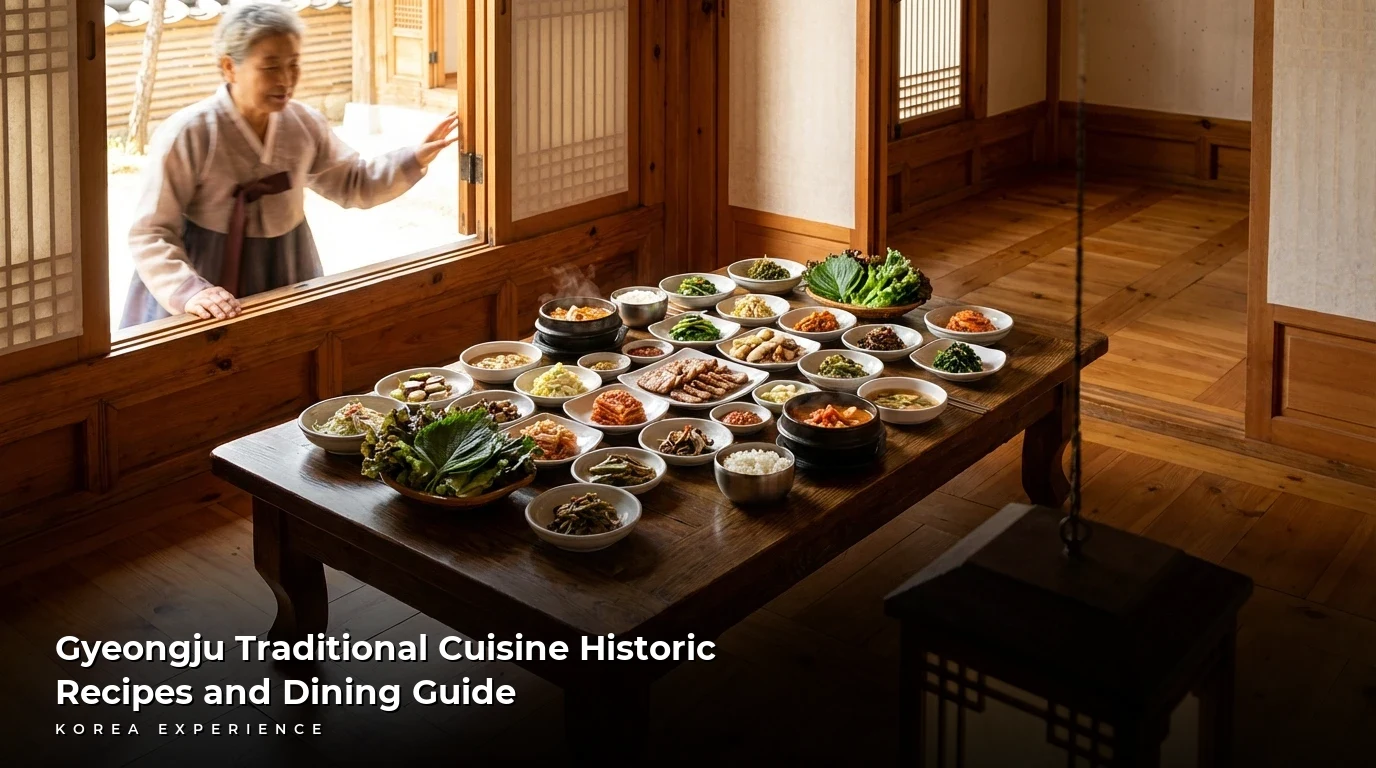
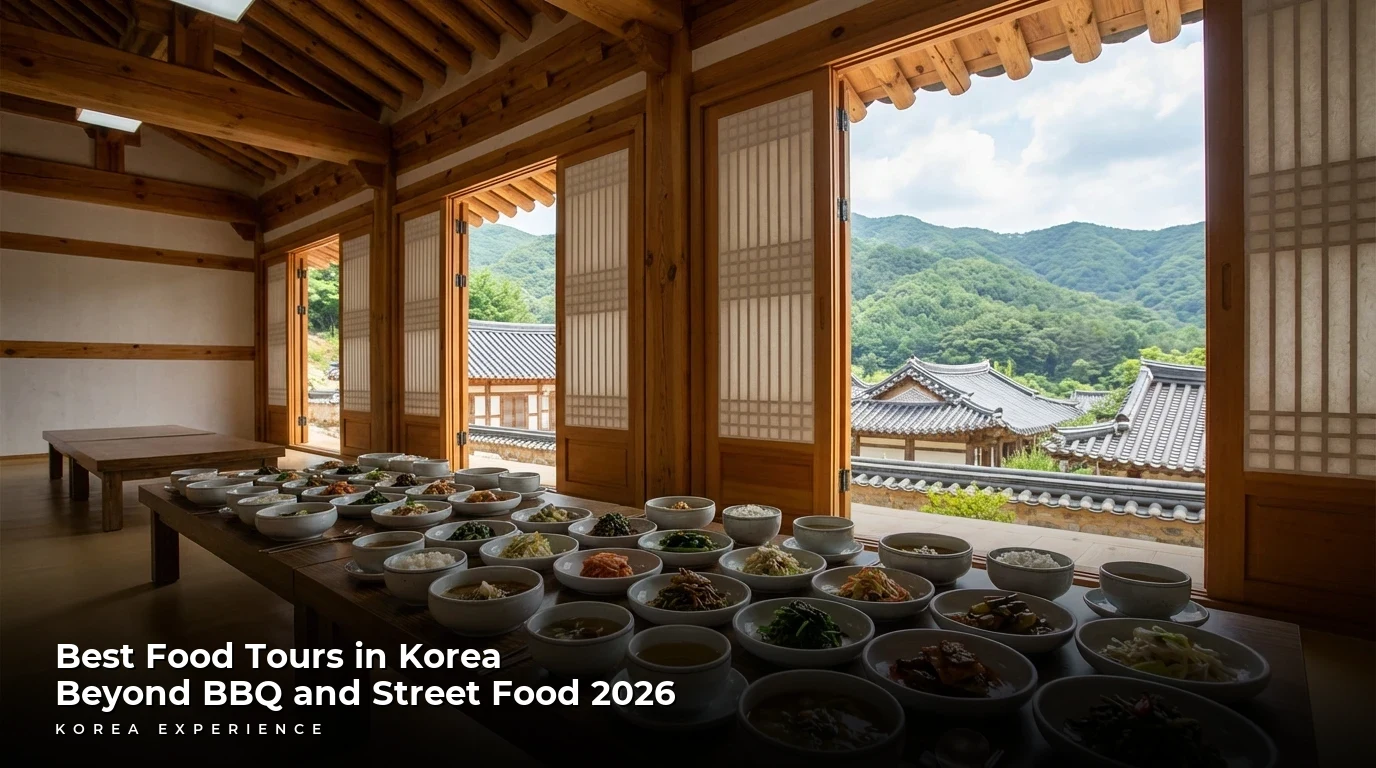
For a truly immersive experience into Gyeongju traditional cuisine historic recipes, a Gyeongju Hanjeongsik is indispensable. Hanjeongsik is a traditional full-course Korean meal, and in Gyeongju, it often emphasizes dishes that reflect Silla's culinary traditions: fresh seasonal ingredients, fermentations, and a balance of flavors. A typical Gyeongju Hanjeongsik might include dozens of small dishes, from various kinds of kimchi and seasoned vegetables (namul) to grilled fish, meat dishes, stews, and rice. It's a feast for both the eyes and the palate, showcasing the diversity and artistry of Korean cooking.

Components and Philosophy:

  • Variety: Expect a wide array of small dishes, each prepared differently.
  • Balance: Dishes are chosen to provide a nutritional balance of proteins, carbohydrates, and vegetables.
  • Seasonality: The specific banchan will often change with the seasons, highlighting fresh, local produce.
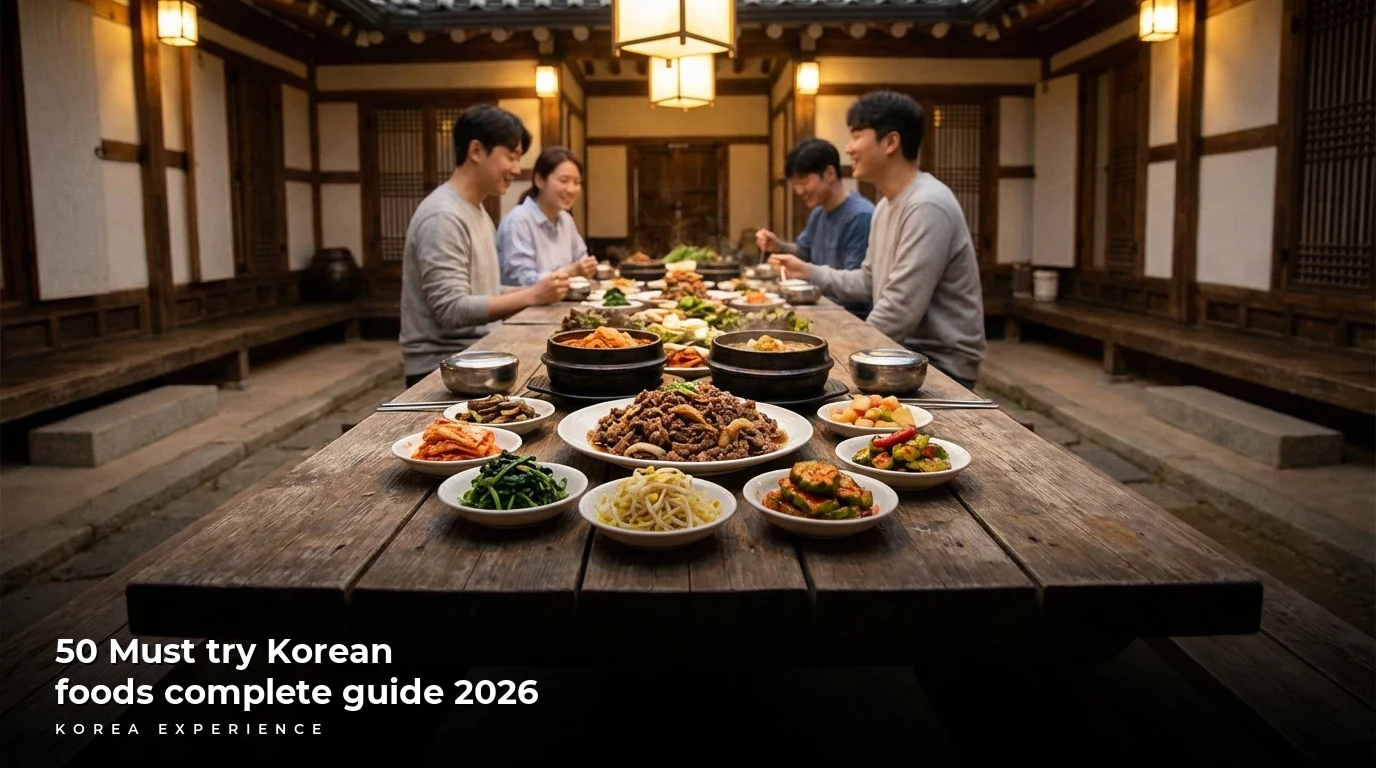
  • Communal Dining: Hanjeongsik is meant to be shared, encouraging interaction and discovery among diners.

Recommended Restaurants:

  • Sukyeong Hanjeongsik (수경한정식): Known for its elegant ambiance and authentic Gyeongju-style Hanjeongsik, offering a refined dining experience. Expect prices from 25,000-50,000 Won per person depending on the course.
  • Surime Ssambap (수리뫼쌈밥): While famous for Ssambap, they also offer excellent Hanjeongsik sets that incorporate many traditional Gyeongju elements. Prices typically range from 20,000-40,000 Won.

Jayeonsan Songi Beoseot Tteokgalbi: Wild Pine Mushroom Short Rib Patties

This specific dish represents a luxurious and regionally unique Gyeongju traditional cuisine historic recipe. Tteokgalbi, grilled short rib patties, is a beloved Korean dish. However, in Gyeongju, especially during autumn, you might find Jayeonsan Songi Beoseot Tteokgalbi, which elevates the dish with the inclusion of precious wild pine mushrooms (songi beoseot). These mushrooms are highly prized for their intense aroma and unique texture, making them a seasonal delicacy. The earthy fragrance of the pine mushrooms perfectly complements the savory, slightly sweet marinated beef patties, creating a dish that is both rich and exquisitely balanced. This dish reflects the Silla aristocracy's appreciation for fine ingredients and sophisticated culinary techniques. Due to the rarity and cost of wild pine mushrooms, this dish is often seasonal and can be quite expensive, sometimes upwards of 40,000-60,000 Won per serving, primarily found in upscale traditional restaurants during autumn.

The Art of Fermentation: Gyeongju's Culinary Backbone

Fermentation is not merely a technique in Korean cuisine; it is an art form, a philosophy, and a deep-seated tradition. In Gyeongju, the legacy of Silla's sophisticated fermentation practices continues to thrive, forming the very backbone of many traditional dishes. These Gyeongju traditional cuisine historic recipes owe much of their depth and complexity to the slow, patient process of fermentation.

Jang: The Foundation of Korean Flavor

Jang, referring to a category of fermented sauces, is perhaps the most crucial element in Korean cooking. In Silla, the production of jang was an essential household chore and a highly developed craft.

  • Ganjang (Soy Sauce): Traditionally made by fermenting soybeans in brine, Gyeongju's soy sauce often boasts a clean, umami-rich flavor, distinct from commercially produced versions. It was and still is fundamental for seasoning virtually every savory dish.
  • Doenjang (Soybean Paste): A thick, savory paste made from fermented soybeans, doenjang provides a deep, earthy flavor to soups, stews, and dipping sauces. Its robust profile is a hallmark of traditional Korean comfort food.
  • Gochujang (Chili Paste): While chili peppers were introduced to Korea much later than the Silla period (likely in the 16th century), the concept of fermented paste as a condiment existed. Modern gochujang builds upon this tradition, offering a spicy, sweet, and savory kick that is indispensable in contemporary Korean cooking.

In Gyeongju, some traditional homes and cultural centers still make jang using age-old methods, passing down the knowledge through generations. The process typically involves soaking and boiling soybeans, forming them into blocks (meju), drying and fermenting them with beneficial microorganisms, and then brining and aging the meju for months or even years. This dedication to craft results in jang with unparalleled depth of flavor.

Kimchi Varieties: Preserving and Enhancing

Kimchi, the ubiquitous fermented vegetable dish, has ancient roots in Korea. In Silla, the concept of preserving vegetables through salting and fermentation was vital for sustenance, particularly during harsh winters. While modern kimchi with chili powder is a relatively recent development, the tradition of jangaji (pickled vegetables) and simple fermented vegetables was well-established.

Gyeongju's regional kimchi often reflects the local produce and milder flavor preferences. You might encounter:

  • Baek Kimchi (White Kimchi): A non-spicy variety, fermented with brine, garlic, ginger, and fruits like apple or pear, showcasing the clean flavors favored in ancient times.
  • Nabak Kimchi (Water Kimchi): A refreshing, mildly spicy or non-spicy kimchi served in a watery broth, often with radish, napa cabbage, and various seasonings. It's a popular accompaniment to rich meals.
  • Dongchimi (Radish Water Kimchi): A clear, sour, and refreshing kimchi made primarily from radish, often served cold, perfect for cleansing the palate.

These traditional kimchi varieties, less spicy than their modern counterparts, offer a glimpse into the kind of fermented side dishes that would have graced Silla tables. Many traditional restaurants in Gyeongju will serve a selection of these alongside their main dishes, allowing visitors to appreciate the diverse world of Korean fermentation.

Experiencing Gyeongju's Historic Cuisine Today

Stepping into Gyeongju is like stepping into a living museum, and its food scene is no exception. Here's how to immerse yourself in Gyeongju traditional cuisine historic recipes and experiences.

To truly taste Gyeongju's heritage, seek out establishments known for their authenticity and commitment to tradition.

  • For Ssambap:
    • Gyochon Ssambap (교촌쌈밥): (As mentioned earlier) Located at 349-2 Gyo-dong, Gyeongju-si. A bustling, popular spot for fresh Ssambap sets, usually 15,000-20,000 Won per person. Reservations are not typically taken, so expect a wait during peak hours.
    • Surime Ssambap (수리뫼쌈밥): Offers a slightly more refined Ssambap experience with various protein options. Address: 195-2 Gyeonggam-ro, Gyeongju-si. Prices around 20,000-30,000 Won.
  • For Hanjeongsik (Traditional Full Course Meal):
    • Sukyeong Hanjeongsik (수경한정식): (As mentioned earlier) Known for its elegant setting and carefully crafted Hanjeongsik. Address: 217 Bobul-ro, Gyeongju-si. Courses range from 25,000-50,000 Won per person. Booking ahead is recommended, especially for larger groups.
    • Ssamgyewon (쌈계원): Specializes in chicken Ssambap and offers traditional Hanjeongsik with a focus on local ingredients. Address: 1039-3 Taejong-ro, Gyeongju-si. Prices around 20,000-35,000 Won.
  • For Beopju (Traditional Rice Wine):
    • Gyeongju Gyodong Beopju (경주교동법주): (As mentioned earlier) Located within Gyeongju Gyochon Traditional Village. The best place to buy and sample directly from the source. Address: 19-3 Gyo-dong, Gyeongju-si. Operating hours typically 9:00 AM - 5:00 PM.
  • For Hwangnam-ppang and Chalboribbang:
    • Hwangnam-ppang Main Store (황남빵 본점): The original and most famous shop for Hwangnam-ppang. Address: 783 Taejong-ro, Gyeongju-si. Open daily, usually from 8:00 AM to 10:00 PM. Expect queues, but service is quick.
    • Look for smaller local bakeries and souvenir shops throughout the city for Chalboribbang, especially in areas like Hwangnidan-gil and around Bomun Lake.

Hands-On Culinary Experiences

To truly appreciate Gyeongju traditional cuisine historic recipes, consider a hands-on experience.

  • Gyeongju Gyochon Traditional Village: Beyond Beopju, the village offers various cultural programs, including occasional traditional cooking classes where you can learn to make simple Silla-era snacks or traditional sauces. Check their official website for schedules and booking information.
  • Temple Stays: While not strictly Gyeongju-specific, a temple stay at nearby Golgulsa Temple or Bulguksa Temple can offer an invaluable introduction to temple cuisine (saengchae), a vital part of Silla's Buddhist culinary legacy. These programs often include opportunities to participate in preparing simple, wholesome meals.

Gyeongju's Traditional Markets

For a genuine feel of local ingredients and everyday Gyeongju cuisine, a visit to one of the traditional markets is essential.

  • Jungang Market (중앙시장): Gyeongju's largest traditional market, bustling with vendors selling fresh produce, seafood, meats, and an array of prepared foods. It's an excellent place to see seasonal ingredients firsthand and sample street food like tteokbokki (spicy rice cakes) or eomuk (fish cakes). You can also find vendors selling homemade jang and various kimchi.
  • Seongdong Market (성동시장): Located near Gyeongju Station, this market is smaller but renowned for its gukbap (rice soup) alley and various banchan (side dish) shops. It's a fantastic spot for a cheap, authentic lunch or to pick up some traditional Korean snacks and side dishes.

Exploring these markets offers insight into the ongoing culinary traditions that underpin Gyeongju's historic recipes, providing a sensory overload of sights, sounds, and smells.

Comparison Tables: Gyeongju Culinary Staples

To help differentiate between some of Gyeongju's popular treats and understand their unique roles, here are a few comparison tables.

Hwangnam-ppang vs. Chalboribbang

FeatureHwangnam-ppang (Gyeongju Bread)Chalboribbang (Barley Bread)
Main IngredientWheat flourBarley flour
TextureSoft, slightly cake-likeChewier, denser, more rustic
Flavor ProfileMildly sweet, pure red bean flavorNutty, earthy, wholesome, slightly sweet
AppearanceOften stamped with a chrysanthemumSimilar round shape, sometimes plain
HistoryOriginated in 1939Longer, more rustic history, staple grain
Best ForGift/souvenir, classic Gyeongju tasteChewier texture preference, local specialty

Key Components of a Gyeongju Hanjeongsik

Dish CategoryExample DishesDescription
Rice & SoupSteamed rice, Doenjang Jjigae (soybean paste stew), Miyeokguk (seaweed soup)The core of the meal, accompanied by comforting and flavorful broths.
Kimchi & JangBaechu Kimchi (cabbage kimchi), Nabak Kimchi, Ganjang (soy sauce), DoenjangEssential fermented sides providing tang, spice, and umami.
Namul (Seasoned Veg)Sigeumchi Namul (spinach), Kongnamul (bean sprouts), Gosari (fernbrake)Blanched or sautéed vegetables seasoned with sesame oil, garlic, soy.
Jeon (Pancakes)Pajeon (green onion pancake), Kimchi Jeon, Hobak Jeon (zucchini pancake)Savory pancakes, often served crisp on the outside, soft on the inside.
Grilled DishesBulgogi (marinated beef), Grilled fish (e.g., mackerel), Tteokgalbi (rib patties)Primary protein dishes, varying from sweet-savory to lightly salted.
Stew/Braised DishesGalbijjim (braised short ribs), Sundubu Jjigae (soft tofu stew)Hearty, flavorful stews or slow-cooked dishes offering deep comfort.
Dessert/FruitSikhye (sweet rice punch), Fresh seasonal fruitsLight, refreshing finishes to cleanse the palate after a rich meal.

Practical Tips for Culinary Explorers in Gyeongju

To make your Gyeongju culinary adventure as smooth and enjoyable as possible, keep these practical tips in mind.

  • Picture Menus: Most tourist-friendly restaurants will have menus with pictures, making ordering easier even if you don't speak Korean.
  • English Translations: Many establishments catering to international visitors, especially around major tourist sites, will offer English translations on their menus.
  • Set Meals: For dishes like Ssambap or Hanjeongsik, ordering a set meal (jeongsik) is often the best value and allows you to sample a wide array of dishes. Indicate the number of people for whom you are ordering a set.
  • Don't Be Afraid to Point: If all else fails, pointing at dishes on another table that look appealing is perfectly acceptable.

Dietary Considerations

  • Vegetarian/Vegan: Traditional Silla cuisine, influenced by Buddhism, has a strong vegetarian foundation. Look for sanchae bibimbap (mountain vegetable mixed rice) or beoseot jeongol (mushroom hot pot). Informing staff that you are chaesikjuuija (vegetarian) or vegan (vegan) can help. Be aware that many broths might contain meat or fish. Temple restaurants are your best bet for strict vegetarian options.
  • Allergies: If you have severe allergies, it's advisable to carry a translated card explaining your dietary restrictions in Korean. Common allergens like nuts, shellfish, or gluten might be present in various dishes.

Best Times to Visit for Seasonal Foods

  • Spring (March-May): Enjoy fresh wild greens (sanchae) and spring vegetables, often featured in namul and bibimbap.
  • Summer (June-August): Light, refreshing dishes like milmyeon (wheat noodles) or naengmyeon (cold noodles) are popular. Look for seasonal fruits.
  • Autumn (September-November): This is a prime season for wild pine mushrooms (songi beoseot) and other hearty root vegetables. The rice harvest also means exceptional quality rice.
  • Winter (December-February): Warm, comforting stews (jjigae) and rich meat dishes are popular. This is also when many traditional fermented foods reach their peak flavor.

Consider aligning your visit with specific seasons to experience the full spectrum of Gyeongju traditional cuisine historic recipes as they were intended.

Conclusion: Savoring Gyeongju's Timeless Tastes

Gyeongju is more than just a city of ancient ruins; it's a living testament to Korea's enduring cultural and culinary heritage. From the royal tables of the Silla Dynasty to the humble street food enjoyed today, Gyeongju traditional cuisine historic recipes offer a flavorful window into the past. Each bite of Ssambap, each sip of Beopju, and each taste of Hwangnam-ppang connects you to centuries of tradition, artistry, and the profound relationship Koreans have with their food.

By exploring these historic recipes and dining experiences, international travelers and expats can gain a deeper appreciation for the nuances of Korean gastronomy, moving beyond the familiar to discover the authentic tastes that have shaped a nation. Gyeongju's food is clean, balanced, and deeply rooted in its environment and history, providing a unique and unforgettable culinary adventure.

So, as you plan your journey through this magnificent city, make sure to dedicate ample time to its culinary offerings. Step into a local restaurant, visit a traditional market, and allow the Gyeongju traditional cuisine historic recipes to tell you their stories. Your taste buds, and your understanding of Korea, will thank you.

For more insights into Gyeongju's rich history, consider exploring our guide to Gyeongju's UNESCO World Heritage Sites, which often ties in with the locations and traditions of these very foods. Happy eating, and enjoy your delicious exploration of ancient Silla!

About the Author

Korea Experience Team

Written by the Korea Experience editorial team - experts in Korean medical tourism, travel, and culture with years of research and firsthand experience.

⚠️ Medical Disclaimer

The information provided on this website is for general informational purposes only and does not constitute medical advice. Always consult with qualified healthcare professionals before making any medical decisions.

Continue Reading

Explore more articles you might find interesting