Food & Dining

Korean Drinking Snacks Anju Pairing Guide: Ultimate Flavors

Unlock Korea's culinary secrets with this comprehensive anju pairing guide. Discover the best Korean drinking snacks for soju, makgeolli, and beer.

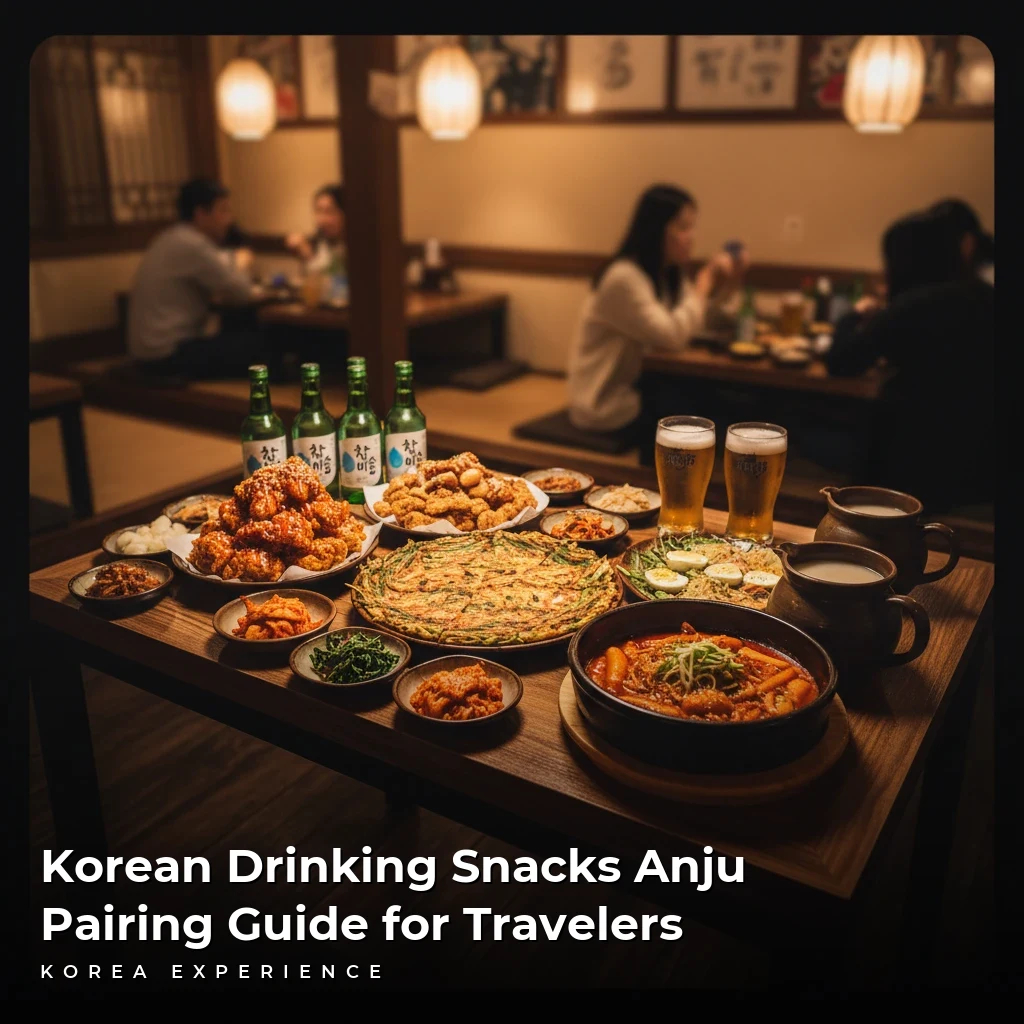
Embarking on a culinary journey through South Korea is an adventure for all senses, but no experience is complete without delving into the vibrant world of anju – the beloved Korean drinking snacks. For international travelers and expats eager to immerse themselves in authentic Korean culture, understanding anju is key to unlocking the full enjoyment of a night out, whether it's a bustling evening in a pocha (tent bar) or a cozy gathering at a local hof (pub). This comprehensive Korean Drinking Snacks Anju Pairing Guide is your essential companion, designed to navigate the delectable array of dishes perfectly crafted to complement Korea's diverse alcoholic beverages.

Many visitors are familiar with popular Korean dishes like kimchi jjigae or bulgogi, but the true magic of Korean dining often unfolds around the table laden with anju, shared amongst friends alongside bottles of soju, makgeolli, or maekju (beer). Without a proper guide, the sheer variety can be overwhelming, leaving newcomers unsure of what to order or how to best enhance their drinking experience.

This guide aims to demystify Korean drinking snacks, providing you with expert insights into the most popular anju, their ideal beverage pairings, and insider tips for finding the best spots to enjoy them. By the end of this post, you'll be confidently ordering like a local, ready to savor every bite and sip of your Korean adventure. You will learn about:

  • The cultural significance of anju in Korea.
  • Classic and unexpected pairings for soju, makgeolli, and beer.
  • Where to find the best anju experiences, from traditional to modern.
  • Practical tips and etiquette for enjoying anju like a seasoned local.

Understanding Anju: More Than Just Snacks, It's Culture

At its core, anju (안주) refers to any food consumed with alcohol in Korea. However, to call them mere "snacks" would be an understatement. Anju are an integral part of Korean social life, embodying the spirit of communal dining and camaraderie. They are designed not just to line the stomach but to enhance the flavors of the drinks, balance their effects, and most importantly, facilitate lively conversation and shared experiences.

The Cultural Significance of Anju

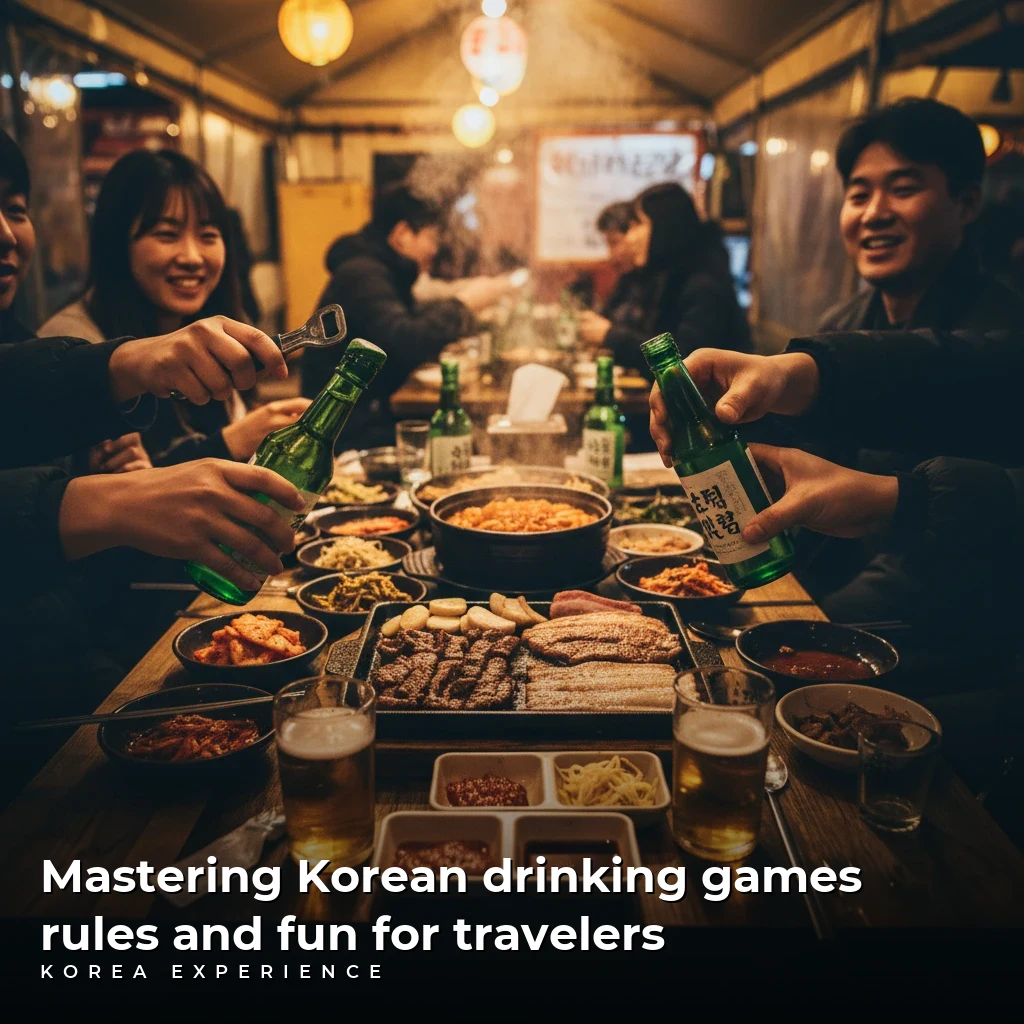
The tradition of anju runs deep in Korean society. Drinking is often a communal activity, a way to build bonds, celebrate successes, or commiserate after a long day. Anju plays a crucial role in this ritual. Sharing food signifies togetherness, and the act of passing plates and offering bites reinforces social connections. It's common for a group to order several different anju dishes, creating a diverse spread that caters to everyone's tastes and ensures there's always something to nibble on.

Moreover, anju serves a practical purpose: it helps prevent rapid intoxication, allowing for longer, more enjoyable drinking sessions. From simple side dishes to elaborate main courses, the variety reflects the adaptability of Korean cuisine to different drinking occasions and preferences. Understanding this cultural backdrop enriches every anju experience, transforming a simple meal into a profound cultural immersion.

From Simple Sides to Hearty Meals

Anju can range dramatically in complexity and portion size. Some are light, quick bites, perfect for a casual drink, while others are substantial, full-meal dishes that could easily stand alone.

  • Light Anju: Think dried squid (ojingeo), peanuts, or fruit plates (gwaeil anju). These are often found in casual bars or as starter dishes.
  • Medium Anju: Popular choices include spicy rice cakes (tteokbokki), Korean pancakes (jeon), or fried chicken (chikin). These are more filling but still easy to share.
  • Hearty Anju: These are often stews, grilled meats, or braised dishes, such as pork hocks (jokbal), kimchi stew (kimchi jjigae), or grilled intestines (gopchang). These are designed to be a significant part of the meal, often shared by several people.

The beauty of anju lies in this versatility. No matter the mood, the company, or the drink, there's always a perfect anju waiting to be discovered.


Soju Pairings: Classic Anju for Korea's Favorite Spirit

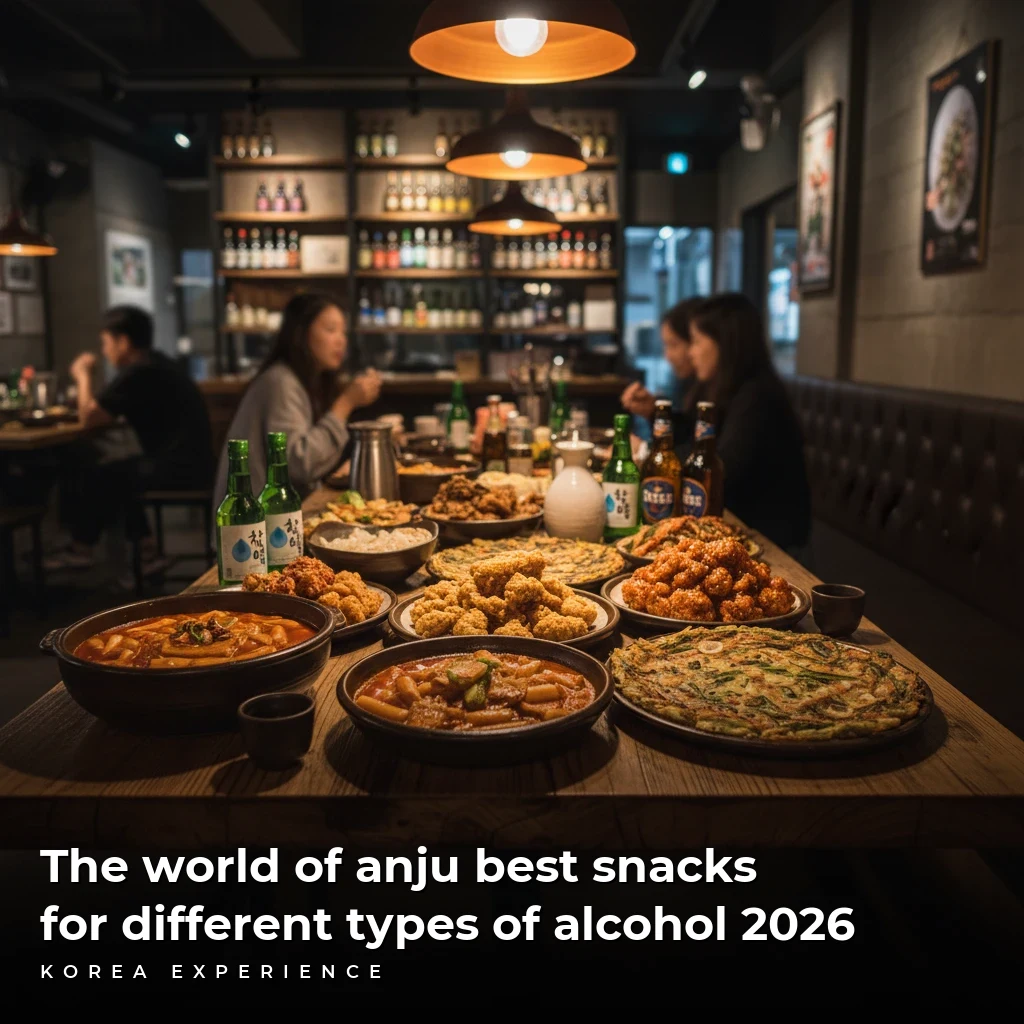
Soju, the clear, potent, and ubiquitous Korean distilled spirit, demands anju that can stand up to its crisp, sometimes fiery character. The best Korean drinking snacks anju pairings for soju often feature bold flavors, hearty textures, and a good balance of spiciness or richness to complement the alcohol.

Hearty & Flavorful: Grilled Meats

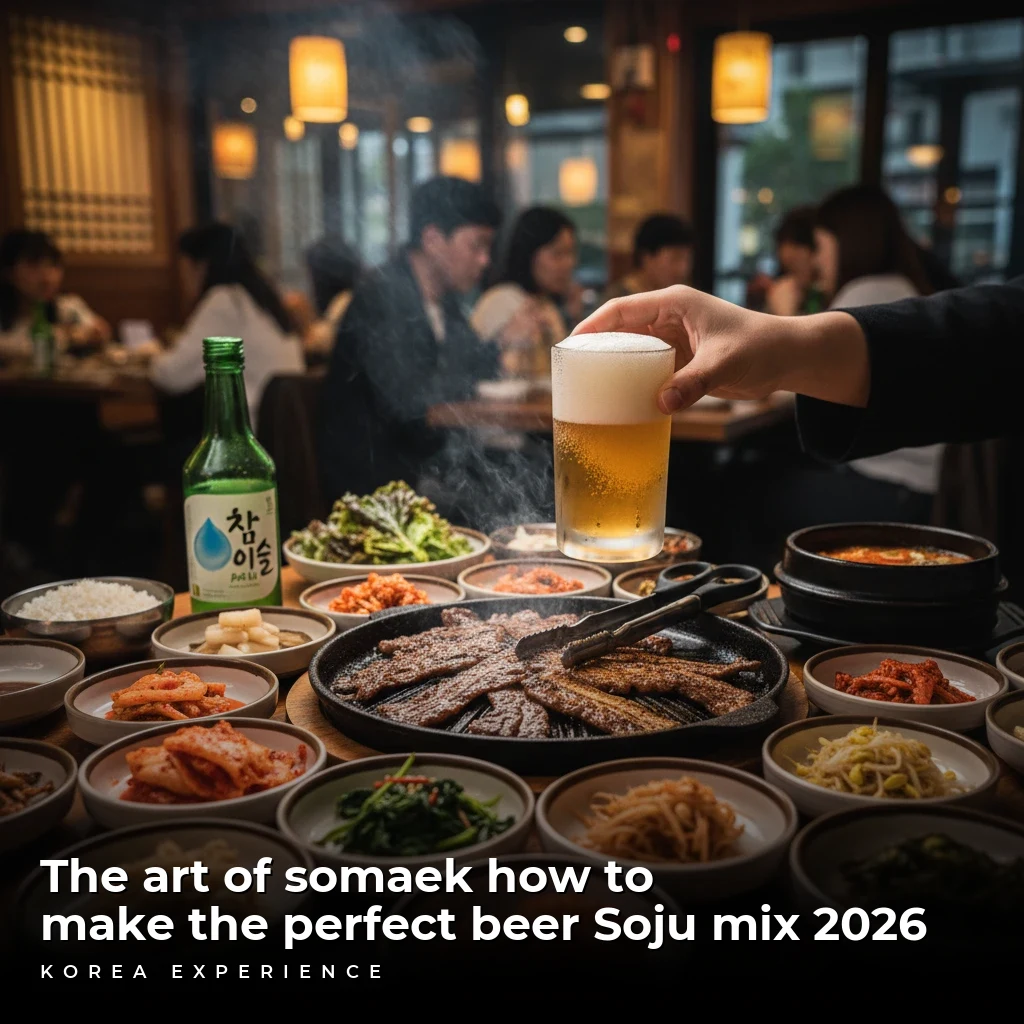
Grilled meats are arguably the quintessential anju for soju, offering a rich, savory counterpoint that perfectly balances the spirit's clean finish.

  • Samgyeopsal (Pork Belly): Thick slices of grilled pork belly are a national favorite. The fatty, juicy meat, often dipped in ssamjang (a spicy dipping sauce) and wrapped in lettuce with garlic and kimchi, provides a burst of flavor that cuts through the soju's intensity. You can find excellent samgyeopsal at countless grill restaurants across Korea, especially popular in areas like Hongdae or Gangnam, where bustling eateries serve it fresh off the grill. A typical serving for two might cost around 28,000 - 35,000 won.
  • Gopchang (Grilled Beef Intestines): For the adventurous palate, gopchang offers a chewy, flavorful, and incredibly addictive experience. Grilled to perfection, often with onions and garlic, its unique texture and rich, savory taste are a match made in heaven for soju. Specialized gopchang restaurants are common, particularly in areas like Wangsimni in Seoul, known for its gopchang alley. Expect to pay around 18,000 - 25,000 won per serving.
  • Galbi (Marinated Ribs): Whether it's pork (dwaeji galbi) or beef (sogalbi), the sweet and savory marinade of galbi makes it an incredibly satisfying anju. The tender, charred meat pairs wonderfully with soju, offering a more refined yet equally hearty option. Popular in family restaurants and upscale Korean BBQ joints.

Spicy & Comforting: Soups & Stews (Jjigae, Tang)

Warm, spicy, and deeply flavorful soups and stews are ideal for cutting through the soju and providing comfort, especially during colder months.

  • Kimchi Jjigae (Kimchi Stew): This iconic stew, brimming with fermented kimchi, tofu, pork, and sometimes tuna, is a spicy and sour delight. Its robust flavors and warming properties make it a go-to anju, especially when sharing with friends. Widely available in almost any Korean restaurant. A large portion for sharing might be 15,000 - 25,000 won.
  • Budae Jjigae (Army Stew): A hearty and eclectic stew featuring ham, sausages, baked beans, kimchi, instant noodles, and cheese, budae jjigae is a flavorful fusion born from post-war scarcity. Its savory, spicy, and slightly cheesy broth makes it a communal favorite, perfect for long drinking sessions. Many specialty restaurants in areas like Uijeongbu (its origin) or vibrant city centers like Myeongdong offer authentic versions. Prices range from 20,000 - 35,000 won for a sharing pot.
  • Eomuk Tang (Fish Cake Soup): While often found as a street food, eomuk tang in a larger pot, simmered with various fish cakes and often a hint of spiciness, is a soothing and light anju. It’s perfect for cleansing the palate between soju shots. Commonly found in pocha and street food vendors. A large serving can be 10,000 - 18,000 won.

Light & Refreshing: Sashimi & Seafood (Hwe)

For those who prefer lighter fare or a taste of the ocean, fresh seafood offers a refreshing contrast to soju.

  • Hwe (Korean Sashimi): Freshly sliced raw fish, often flounder or sea bream, served with spicy chili paste (chojang) or soy sauce with wasabi, offers a clean, delicate flavor that pairs surprisingly well with soju, especially in coastal cities like Busan or at large seafood markets in Seoul like Noryangjin Fish Market. Be prepared for prices to vary significantly based on the type and freshness of the fish, typically starting from 30,000 won for a small plate.

Table 1: Soju & Anju Classic Pairings

Anju TypeKey CharacteristicsSoju Pairing RationaleTypical Price Range (KRW)Where to Find (Example Areas)
SamgyeopsalHearty, fatty, grilled pork bellyCuts through soju's crispness, rich flavor28,000 - 35,000Hongdae, Gangnam, Local BBQ joints
GopchangChewy, savory, grilled beef intestinesBold, unique flavor and texture complements soju's kick18,000 - 25,000Wangsimni, Traditional Pocha
Kimchi JjigaeSpicy, sour, comforting kimchi stewWarmth and spice balance soju, prevents rapid intoxication15,000 - 25,000Any Korean restaurant
Eomuk TangLight, savory fish cake soupPalate cleanser, soothing, great for multiple rounds10,000 - 18,000Pocha, Street food vendors
HweFresh, delicate raw fishRefreshing contrast, clean flavors30,000+Noryangjin Fish Market, Coastal towns

Makgeolli Pairings: The Perfect Companions for Rice Wine

Makgeolli, Korea's oldest alcoholic beverage, is a cloudy, slightly sweet, and effervescent rice wine. Its mild, often tangy flavor profile and milky texture call for anju that are equally comforting, savory, and often possess a delicate sweetness or satisfying crunch. The best Korean drinking snacks anju pairings for makgeolli are often traditional and hearty.

Savory Pancakes: Pajeon and Kimchijeon

Korean pancakes, or jeon, are the quintessential makgeolli anju. Their savory, sometimes crispy texture and comforting flavors are a perfect match for the rice wine.

  • Pajeon (Scallion Pancake): A large, savory pancake studded with scallions and often seafood (haemul pajeon), pajeon is crispy on the outside and soft on the inside. The slight oiliness and robust flavors stand up beautifully to makgeolli's smooth character. Look for specialty jeon restaurants or traditional makgeolli bars in areas like Jongno or near university districts. Expect to pay 12,000 - 20,000 won for a large pancake.
  • Kimchijeon (Kimchi Pancake): Spicy, tangy, and deeply flavorful, kimchijeon is another beloved jeon variety. The fermented kimchi provides a piquant kick that harmonizes wonderfully with the mild sweetness of makgeolli. Often served with a soy-based dipping sauce.

Stir-fried Delights: Dubu Kimchi

  • Dubu Kimchi (Tofu and Stir-fried Kimchi): This simple yet incredibly satisfying dish features warm, plain tofu slices served alongside stir-fried kimchi, often with pork. The soft, neutral tofu perfectly complements the rich, savory, and spicy kimchi, while providing a textural contrast that pairs excellently with makgeolli. It's a healthy-ish, flavorful choice found in many pocha and traditional Korean eateries, usually around 15,000 - 25,000 won.

Sweet & Tangy: Fruit and Dried Snacks

While not as common as the savory options, some lighter, sweeter choices can also pair well with makgeolli.

  • Gwaeil Anju (Fruit Plate): A platter of fresh, seasonal fruits like melon, grapes, and apples offers a refreshing, natural sweetness that complements the subtle tang of makgeolli, providing a lighter alternative.
  • Dried Snacks (Malli Anju): Dried squid (ojingeo) or dried pollack (hwangtae) served with a spicy mayonnaise dipping sauce can also be a simple, chewy companion to makgeolli, offering a savory and slightly sweet flavor profile.

Beer (Maekju) & Chimaek Pairings: Modern Korean Favorites

Korean beer (maekju) culture is thriving, often centered around lighter lagers that are incredibly refreshing. The best Korean drinking snacks anju pairings for beer are often fried, salty, and shareable, making them perfect for casual gatherings.

The Irresistible Charm of Chimaek (Chicken and Beer)

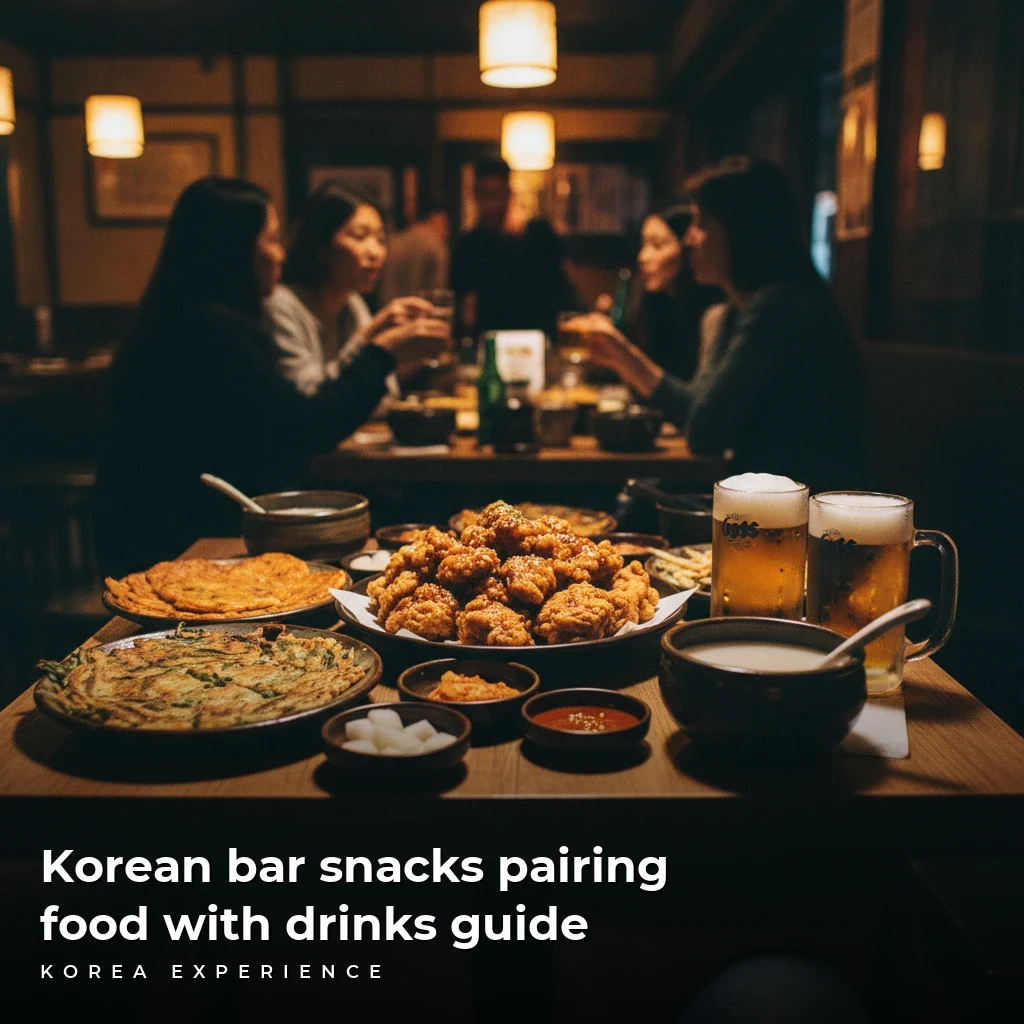
No discussion of Korean beer anju is complete without chimaek (치맥), the legendary combination of fried chicken and beer. This pairing has transcended national borders to become a global phenomenon.

  • Korean Fried Chicken (Chikin): From classic crispy original to sweet and spicy yangnyeom (양념) chicken, garlic soy, or cheese powder variations, Korean fried chicken is famous for its extra-crispy exterior and juicy interior. The slight grease and robust flavors of chicken are perfectly cut by the crisp, refreshing taste of a cold beer. Chicken shops are ubiquitous in Korea, found on nearly every street, often open late into the night. Expect to pay 18,000 - 25,000 won for a whole chicken.

Pub Grub with a Korean Twist: Fries, Sausages, and More

Beyond chimaek, many pub-style anju have gained popularity, often with a distinctly Korean flair.

  • French Fries (Gamja Twigim): Often served with unique dipping sauces like honey mustard, cheese sauce, or spicy mayonnaise, Korean-style fries are a popular and affordable anju, perfect for casual beer drinking.
  • Sausage Platter (Modum Sausage): A diverse plate of grilled sausages, often served with various dipping sauces, salad, and sometimes fries, offers a savory and satisfying option that pairs well with beer.
  • Cheese Sticks (Chijeu Stick): Fried mozzarella sticks, often accompanied by a sweet berry sauce, provide a gooey, cheesy, and crunchy anju that's a crowd-pleaser.

Table 2: Makgeolli & Maekju Anju Pairings

Anju TypeKey CharacteristicsBeverage Pairing RationaleTypical Price Range (KRW)Where to Find (Example Areas)
PajeonSavory, crispy scallion pancakeComplements makgeolli's sweetness, satisfying texture12,000 - 20,000Jongno, Traditional Makgeolli bars
KimchijeonSpicy, tangy kimchi pancakePiquant flavor harmonizes with makgeolli's mildness12,000 - 20,000Traditional Pocha, Jeon restaurants
Dubu KimchiTofu & stir-fried kimchi with porkSavory, spicy, and healthy-ish, perfect with makgeolli's body15,000 - 25,000Pocha, Traditional Korean eateries
Korean Fried ChickenCrispy, juicy, various flavors (original, spicy)Saltiness and grease cut by beer's crispness, ultimate comfort18,000 - 25,000Any chicken shop (ubiquitous)
French FriesCrispy potato fries with unique saucesSalty and crunchy, great for casual beer drinking8,000 - 15,000Hof, Pubs, Casual bars

Unexpected Anju Delights: Exploring Unique Flavors

Beyond the classics, Korea offers a myriad of unique and often adventurous anju that are worth exploring for those truly wanting to dive deep into local flavors. These provide some of the most memorable Korean drinking snacks anju pairings.

Offal Adventures: Sundae, Gopchang, and Other Delicacies

Korean cuisine has a rich tradition of utilizing various parts of animals, resulting in incredibly flavorful and unique dishes.

  • Sundae (Korean Blood Sausage): A distinctive sausage made by steaming cow or pig intestines stuffed with a mixture of pig's blood, glass noodles, and vegetables. Often served sliced with salt, chili powder, or alongside tteokbokki, its earthy, savory flavor is a truly authentic anju experience. Sundae can be found at street food stalls and specialty restaurants, often served in a stew (sundae gukbap) or stir-fry (sundae bokkeum). A plate costs around 8,000 - 15,000 won.
  • Gopchang (Grilled Beef Intestines): While mentioned for soju, it's worth reiterating its adventurous nature. This chewy, fatty, and deeply flavorful anju is a must-try for those looking for a unique texture and taste.
  • Makchang (Grilled Pork Abomasum) & Daechang (Grilled Beef Large Intestine): Similar to gopchang but with distinct textures and flavors, these grilled offal dishes are incredibly popular for soju gatherings, particularly among younger Koreans. They offer a rich, fatty, and satisfying chew.

Braised Wonders: Jokbal and Bossam

These tender, slow-cooked pork dishes are hearty and packed with flavor, making them excellent choices for a substantial anju.

  • Jokbal (Pigs' Trotters): Braised pigs' trotters, seasoned with soy sauce, ginger, and garlic, resulting in incredibly tender, gelatinous, and flavorful meat. Served sliced, often with a spicy dipping sauce (saeu-jeot, fermented shrimp sauce) and fresh vegetables, jokbal is a feast for the senses. It’s particularly good with soju, as its richness is balanced by the spirit. Specialty jokbal restaurants are famous, especially in areas like Jangchung-dong in Seoul. A large serving for 2-3 people can range from 30,000 - 45,000 won.
  • Bossam (Boiled Pork Belly Wraps): Steamed pork belly, thinly sliced, served with fresh kimchi, pickled radish, raw garlic, and spicy sauces. The lean, tender pork is wrapped in lettuce or perilla leaves, creating a customizable bite. Like jokbal, its satisfying flavors make it an excellent accompaniment for soju or makgeolli. Also found in specialty restaurants and many general Korean eateries, with similar pricing to jokbal.

Spicy Street Food Turn-ups: Tteokbokki, Odeng

While often considered standalone street food, these spicy and savory items are frequently enjoyed as casual anju.

  • Tteokbokki (Spicy Rice Cakes): Chewy rice cakes stir-fried in a fiery gochujang-based sauce, often with fish cakes, boiled eggs, and scallions. The intense sweet and spicy flavors are highly addictive and surprisingly good with beer, offering a delightful contrast. Widely available from street vendors and bunsik (snack) restaurants, a small serving might be 3,000 - 5,000 won, while a larger, more elaborate pot can be 10,000 - 20,000 won.
  • Odeng (Fish Cakes): Skewered fish cakes simmered in a savory broth, often found at street stalls. While usually a quick snack, a small plate of odeng can be a light and warm anju, especially with soju or for those who prefer less spice.

Finding the right anju spot is as important as choosing the anju itself. Korea offers a diverse range of venues, each with its own atmosphere and specialty.

Traditional Pocha and Hof

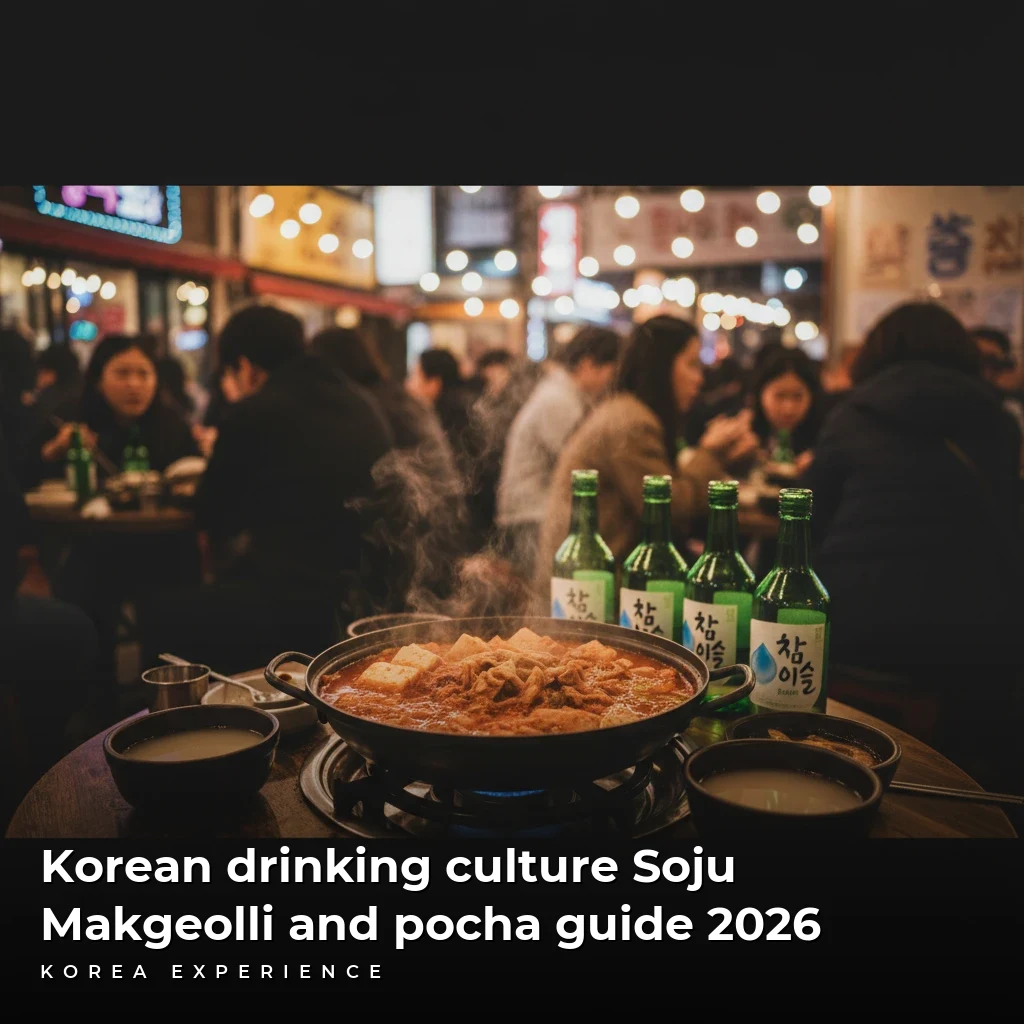
  • Pocha (Tent Bars/Street Stalls): These humble tented establishments, often popping up in bustling areas in the evenings, offer an authentic, lively, and sometimes rustic Korean drinking experience. They typically serve a wide variety of anju, from stir-fries and stews to grilled fish and simpler snacks. They are excellent for experiencing local street culture. Look for them in areas like Jongno 3-ga, Euljiro, or around major university districts.
  • Hof (Pubs): Korean-style pubs, often larger and more structured than pocha, specialize in beer (maekju) and typical beer-friendly anju like fried chicken, French fries, and various platters. They are great for casual gatherings and offer a comfortable, often modern environment. You'll find hof everywhere, but popular chains like "BHC Chicken" or "Oka's Chicken" are reliable choices.

Modern Bars and Restaurants

Seoul and other major cities boast a burgeoning scene of trendy bars, gastropubs, and specialty restaurants that offer elevated or unique anju experiences.

  • Modern Korean Bars: These establishments often feature chic interiors, craft beers, and creative anju dishes that fuse traditional Korean flavors with international influences. They are ideal for a more upscale or unique dining and drinking experience. Areas like Garosu-gil, Hannam-dong, or Itaewon are rich with such establishments.
  • Specialty Restaurants: Dedicated restaurants focusing on specific anju, such as jokbal specialty shops, gopchang eateries, or jeon houses, guarantee high-quality and authentic versions of their signature dishes.

Convenience Store Gems (for Budget Travelers)

For budget-conscious travelers or those looking for a quick, late-night anju, convenience stores (like CU, GS25, 7-Eleven) are a surprisingly robust option.

  • Ramen and Instant Food: Instant noodles, microwaveable tteokbokki, or pre-made rice bowls can be heated up and enjoyed on the spot with a bottle of soju or beer.
  • Snacks and Dried Goods: Bags of chips, dried squid, nuts, or even pre-packaged sundae can serve as simple, affordable anju.
  • Kimbap and Sandwiches: For something a bit more substantial, kimbap rolls or triangle kimbap are readily available.

Table 3: Anju Spot Types & Vibe

Spot TypeAtmosphere & VibeSpecialty AnjuAverage Price LevelBest For
PochaLively, rustic, authentic street cultureDiverse street food, stews, grilled fishAffordableImmersive local experience, casual groups
HofCasual, comfortable, often modernFried chicken, fries, sausages, beer-friendly snacksMid-rangeCasual gatherings, chimaek, sports viewing
Specialty RestaurantFocused, high-quality, often traditionalJokbal, Gopchang, Jeon (specific dish expertise)Mid-to-highAuthentic taste of a specific anju, foodies
Modern BarTrendy, chic, unique ambianceCreative fusion anju, craft beer, cocktailsHigh-endUpscale experience, unique flavors, dates
Convenience StoreQuick, utilitarian, budget-friendlyInstant noodles, dried snacks, pre-made mealsVery AffordableLate-night cravings, budget travelers

Anju Etiquette and Tips for International Diners

Navigating the Korean drinking and dining scene comes with its own set of unspoken rules. Knowing these can enhance your experience and show respect for local customs.

Sharing is Caring

Anju is almost always meant to be shared. It's rare for one person to order and consume an entire anju dish alone. Order several dishes to share amongst your group, allowing everyone to sample different flavors. This also aligns with the communal aspect of Korean dining.

Ordering Strategy

  • Start with variety: Don't be afraid to order 2-3 different anju dishes, especially if you're with a group. This allows for a diverse tasting experience.
  • Consider the drink: Think about what you'll be drinking. If it's soju, lean towards hearty, spicy, or fatty dishes. For makgeolli, consider pancakes or stir-fried tofu. For beer, fried chicken is a safe bet.
  • Don't over-order: While sharing is key, it's also polite not to leave too much food uneaten. Start with a manageable amount and order more if needed.

Budgeting for Your Anju Feast

Anju prices can vary widely based on the dish, the establishment, and the location.

  • Street food/pocha: Generally the most affordable, with individual dishes ranging from 5,000 to 20,000 KRW.
  • Hof/casual restaurants: Mid-range, with most main anju dishes costing between 15,000 and 35,000 KRW.
  • Specialty/upscale restaurants: Can be significantly higher, especially for premium ingredients like hwe or large portions of jokbal or bossam, potentially reaching 40,000 KRW or more per dish.

Always check the menu for prices before ordering. It's common to split the bill amongst friends.

Internal Linking Opportunity

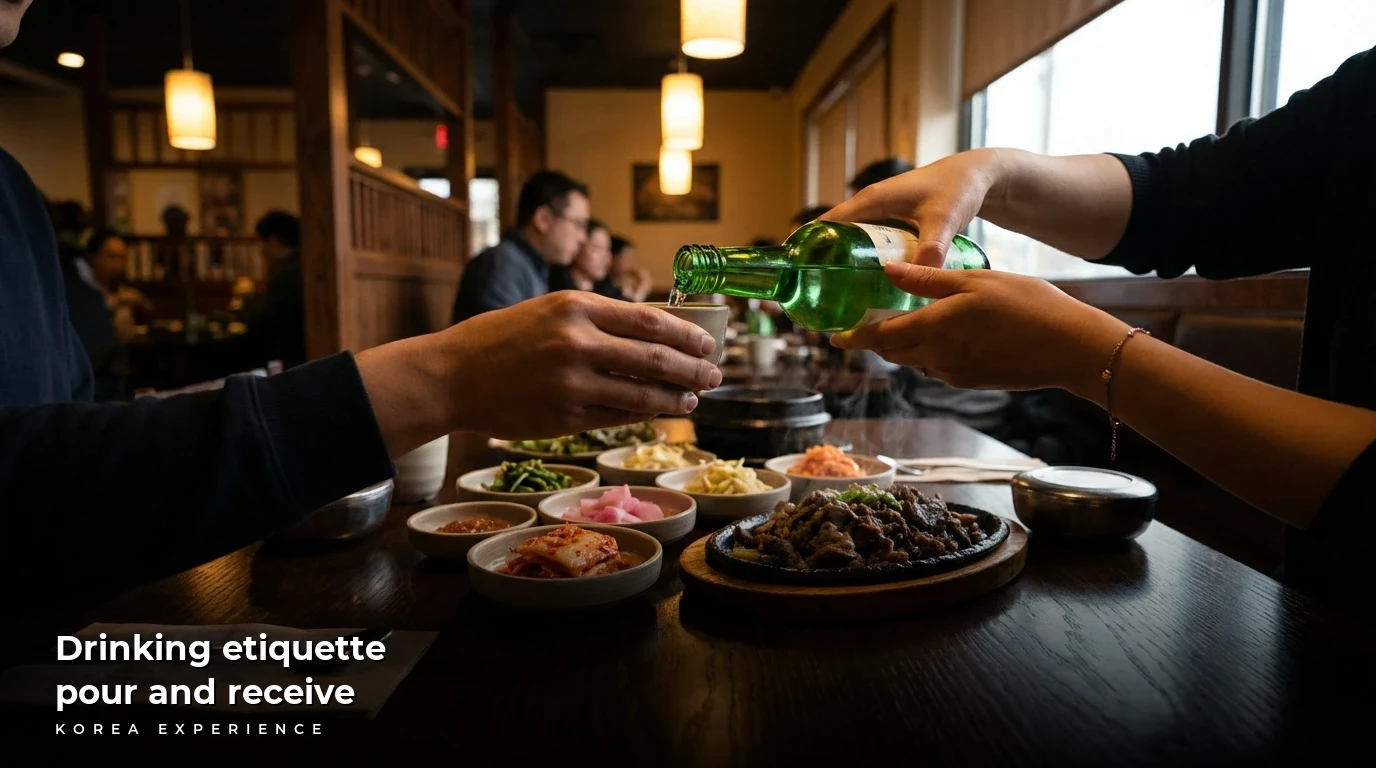
For a deeper dive into general Korean dining customs and drinking etiquette, be sure to check out our comprehensive guide on "Mastering Korean Dining Etiquette: A Visitor's Handbook." It covers everything from pouring drinks to seating arrangements!


Frequently Asked Questions about Korean Drinking Snacks (Anju)

What exactly is anju?

Anju refers to any food consumed with alcoholic beverages in Korea. It can range from light snacks like dried nuts or fruit to hearty full-meal dishes like stews, grilled meats, or braised pork. It's an essential part of Korean drinking culture, enhancing the drinking experience and fostering social bonding.

Can I order anju without alcohol?

While anju is specifically drinking food, most restaurants and bars that serve anju will not have an issue if you order food without alcohol. Some dishes are substantial enough to be considered a meal on their own. However, in traditional pocha or hof, it's generally expected that you will be drinking with your food. If you're looking for just a meal, a dedicated restaurant might be a better choice.

Are there vegetarian anju options?

Yes, absolutely! While many popular anju dishes feature meat or seafood, vegetarian options are available. Look for dishes like kimchijeon (kimchi pancake), pajeon (scallion pancake, ask for no seafood), dubu kimchi (tofu and stir-fried kimchi, specify no pork), gwaeil anju (fruit plate), or various vegetable stir-fries. Many places can also customize dishes if you ask.

What's a typical price range for anju?

The price of anju varies greatly depending on the type of dish and the establishment. Simple street food anju can start from 3,000 - 5,000 Korean Won, while larger, more elaborate dishes in restaurants or specialty eateries can range from 15,000 - 45,000 Korean Won or more for a sharing portion. Budget around 15,000 - 30,000 Korean Won per person for a good anju experience with drinks in a mid-range setting.

Is it rude to not finish all the anju?

It's not considered particularly rude to leave a small amount of food, especially if you've ordered generously for a group. However, ordering more than you can reasonably eat is generally frowned upon due to food waste. It's better to start with a couple of dishes and order more if your group is still hungry, rather than over-ordering from the start.


Conclusion: Savoring Korea, One Anju at a Time

The world of Korean drinking snacks, or anju, is a delicious and integral part of experiencing South Korea's vibrant culture. From the hearty grilled meats that perfectly complement a shot of soju, to the crispy pancakes best enjoyed with a milky bowl of makgeolli, and the universally loved fried chicken paired with a cold beer – each anju offers a unique window into Korean culinary traditions and social customs.

By using this Korean Drinking Snacks Anju Pairing Guide, you are now equipped with the knowledge to confidently explore the diverse landscape of anju. No longer will you feel overwhelmed by menu choices; instead, you'll be able to seek out specific dishes that perfectly match your drink and your mood.

Here are your actionable takeaways for your next Korean adventure:

  1. Be Adventurous: Don't be afraid to try new anju, even the ones that seem unfamiliar. You might discover a new favorite!
  2. Share with Friends: Anju is best enjoyed communally. Order a variety of dishes and share them amongst your group.
  3. Match Your Drink: Remember the general pairings: bold for soju, comforting for makgeolli, and crispy for beer.
  4. Explore Different Venues: Visit a traditional pocha for an authentic street experience, a hof for casual chimaek, or a specialty restaurant for a deep dive into specific dishes.
  5. Embrace the Culture: Anju is more than just food; it's about connection, celebration, and creating lasting memories.

So, on your next trip to Korea, raise a glass, grab a bite of delicious anju, and immerse yourself in one of the country's most cherished culinary traditions. Geonbae! (Cheers!)

About the Author

Korea Experience Team

Written by the Korea Experience editorial team - experts in Korean medical tourism, travel, and culture with years of research and firsthand experience.

⚠️ Medical Disclaimer

The information provided on this website is for general informational purposes only and does not constitute medical advice. Always consult with qualified healthcare professionals before making any medical decisions.

Continue Reading

Explore more articles you might find interesting