Food & Dining

Korean Fermented Foods Beyond Kimchi Doenjang Gochujang: A Deep Dive

Explore the rich, diverse world of Korean fermented foods beyond the popular trio. Discover lesser-known culinary treasures, their history, health benefits, and where to find them.

Unveiling Korea's Hidden Fermented Food Treasures

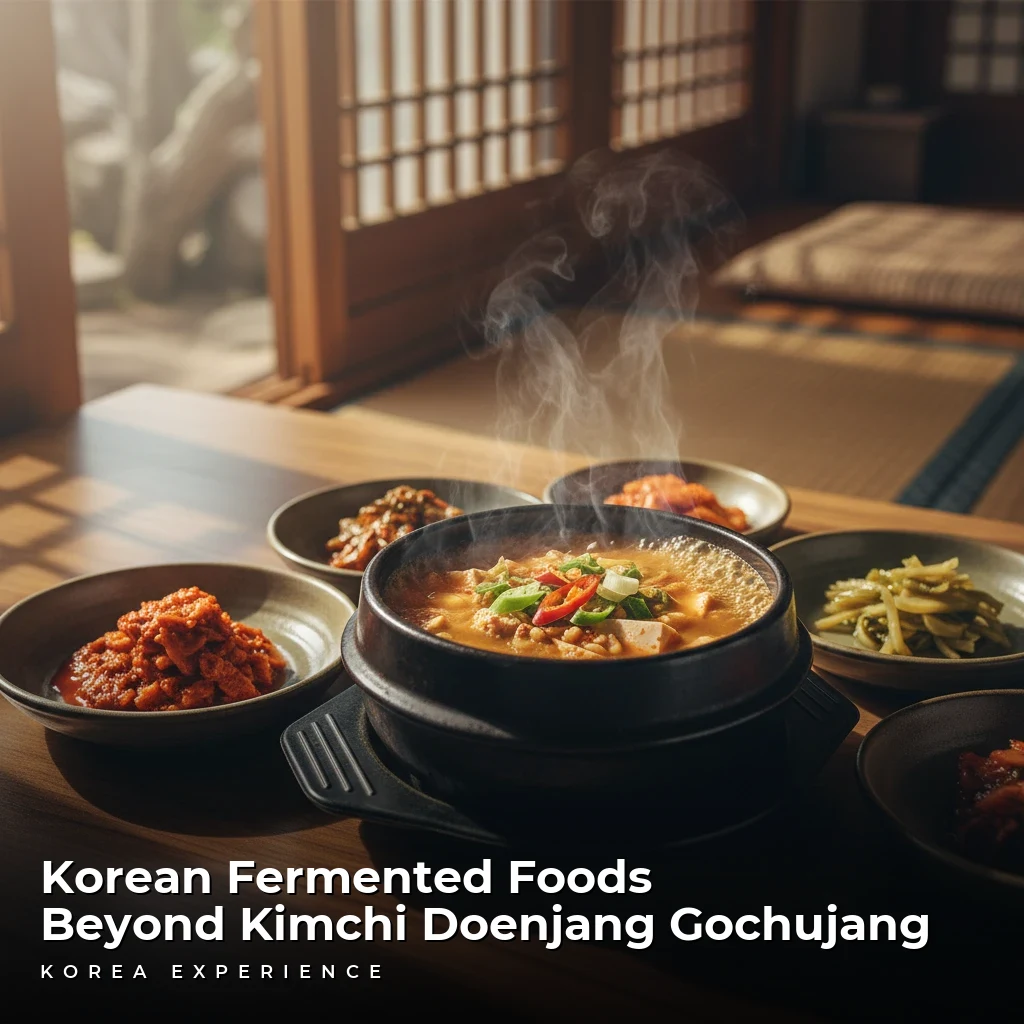
When you think of Korean cuisine, your mind likely conjures images of vibrant red kimchi, savory doenjang (fermented soybean paste), and spicy gochujang (fermented chili paste). These culinary ambassadors are undoubtedly staples, revered globally for their unique flavors and probiotic benefits. However, for the international traveler or expat genuinely interested in delving deeper into Korea's gastronomic landscape, there's a vast, flavorful universe of Korean fermented foods beyond kimchi doenjang gochujang waiting to be discovered.

This comprehensive guide aims to pull back the curtain on these lesser-known, yet equally vital, fermented treasures. From the nuanced depths of traditional soy sauce to the invigorating tang of fermented drinks and seafood, we'll explore their fascinating history, intricate preparation methods, immense health advantages, and practical culinary uses. Prepare to expand your palate and knowledge, gaining an insider's perspective on the rich tapestry of Korean fermentation culture.

The Unsung Hero: Ganjang (Korean Soy Sauce) - A Fermented Staple

While soy sauce is ubiquitous across Asia, Korean ganjang stands distinct. It's not merely a seasoning but a cornerstone of Korean cooking, its depth of flavor developed through a meticulous and time-honored fermentation process.

The Foundation of Flavor: Traditional Ganjang Making

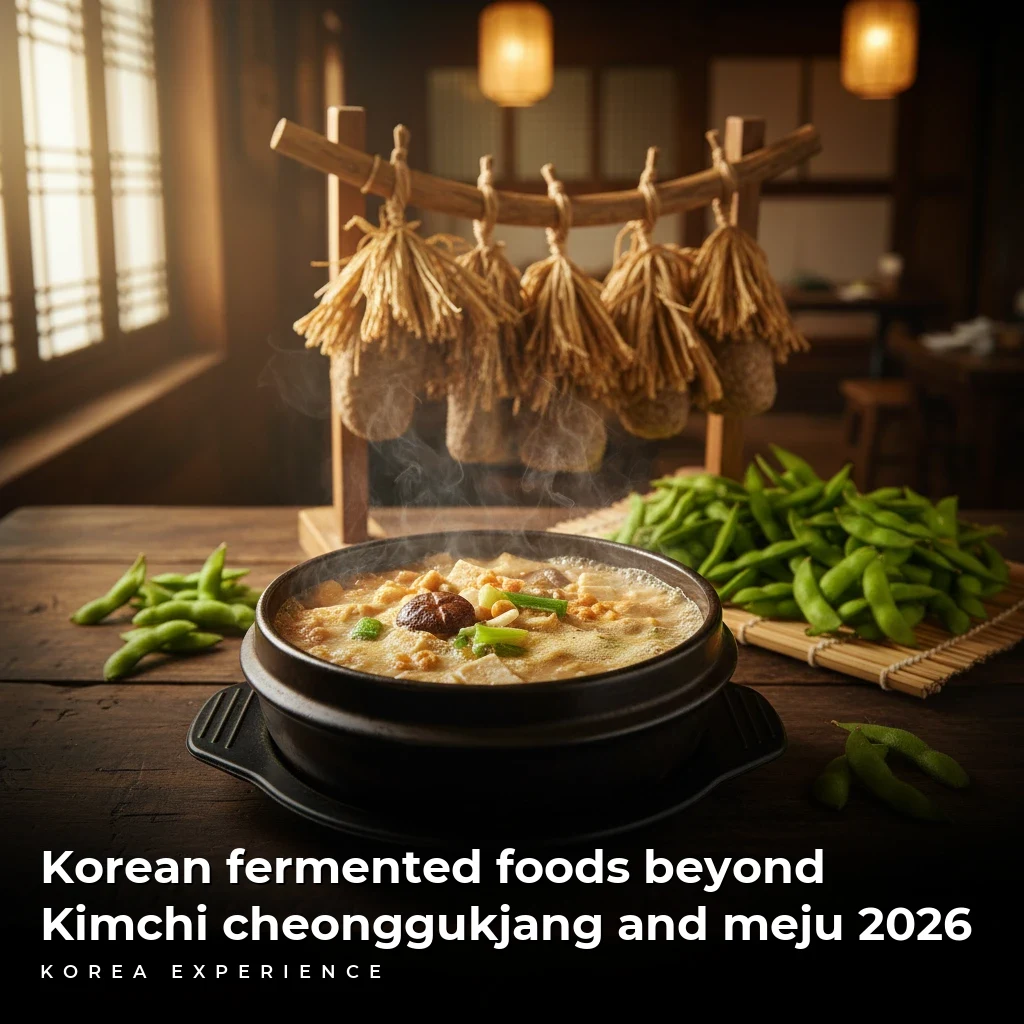
Traditional ganjang begins with meju – blocks of boiled and pounded soybeans, dried and fermented with naturally occurring bacteria and fungi, often by being hung from ceilings. These meju blocks are then submerged in brine (saltwater) for several months, typically stored in large earthenware pots called onggi. During this prolonged aging, the soybeans break down, creating a rich, umami-laden liquid that becomes ganjang, and the solids remaining are pressed to become doenjang. This process highlights a key difference from many Japanese soy sauces, which often use a mix of soybeans and wheat and a shorter fermentation period, resulting in a generally sweeter and less salty profile compared to traditional Korean ganjang.

Varieties of Ganjang: A Spectrum of Taste

The world of Korean soy sauce is more diverse than many realize, each type serving a specific culinary purpose:

  • Guk Ganjang (Soup Soy Sauce): Also known as Joseon Ganjang (old Korean soy sauce), this variety is made solely from soybeans and brine, following the most traditional methods. It has a lighter color but an intensely salty flavor and distinct aroma. It's primarily used for seasoning soups (guk), stews (jjigae), and various vegetable side dishes (namul) where a light color is desired, but deep savory notes are essential. Its saltiness means only a small amount is needed.
  • Jin Ganjang (Dark/All-Purpose Soy Sauce): This is the most commonly used soy sauce in modern Korean kitchens. Often referred to as Yangjo Ganjang (brewed soy sauce), commercial versions typically incorporate wheat in addition to soybeans and may undergo a more controlled, accelerated fermentation. It has a darker color, a richer, slightly sweeter, and less intensely salty flavor than guk ganjang. Jin Ganjang is versatile, perfect for braising, stir-fries, marinades, and dipping sauces.
  • Yangjo Ganjang (Brewed Soy Sauce): While often used interchangeably with Jin Ganjang in a commercial context, Yangjo Ganjang specifically refers to soy sauce made through a natural brewing process, regardless of whether it uses wheat. Always check labels for yangjo to ensure a naturally fermented product.

Culinary Uses and Insider Tips

Understanding which ganjang to use is key to authentic Korean flavors. Guk Ganjang is your go-to for light-colored dishes where saltiness and pure umami are needed without darkening the food. Jin Ganjang is the workhorse for most other applications.

Where to buy: For artisanal, traditionally made guk ganjang and high-quality jin ganjang, visit traditional markets like Gwangjang Market in Seoul, or specialty food stores. You'll find a wide selection in major department store food halls (e.g., Lotte, Shinsegae, Hyundai). Look for labels that emphasize "traditional brewing" (jeontong yangjo) or "hand-made" (sugyeom). A good quality jin ganjang often starts around 5,000 KRW for a small bottle, while traditional guk ganjang can be pricier, reflecting its labor-intensive production.

Type of GanjangKey CharacteristicsPrimary UsesFlavor Profile
Guk GanjangLight color, very salty, traditionally made from soybeansSoups, stews, namul (seasoned vegetables)Intense saltiness, pure umami
Jin GanjangDarker color, less salty, often includes wheatBraising, stir-fries, marinades, dipping saucesRich, savory, slightly sweet
Yangjo GanjangNaturally brewed (can be similar to Jin Ganjang)Versatile, depends on specific brand and ingredientsVaries, generally balanced and rich

Beyond the Pantry: Cheong (Fermented Syrups) and Sikcho (Vinegars)

Korean fermentation isn't limited to savory pastes and sauces. A delightful world of sweet and sour fermented products also plays a crucial role in the cuisine and traditional health practices.

Cheong: Nature's Sweet Elixir

Cheong refers to concentrated syrups made by layering fruits, vegetables, or herbs with sugar and allowing them to ferment over several months. The sugar extracts the moisture and beneficial compounds, creating a sweet, tangy, and intensely flavored liquid.

  • Maesil Cheong (Plum Syrup): Undeniably the most famous cheong, maesil cheong is made from green plums. It's a digestive aid, often diluted with water or soda for a refreshing drink. In cooking, it adds a unique sweet and tangy note to marinades (especially for bulgogi), dressings, and dipping sauces. The region of Gwangyang in Jeollanam-do is particularly famous for its high-quality maesil.
  • Omija Cheong (Five-Flavor Berry Syrup): Made from omija (schisandra berries), this cheong offers a complex flavor profile encompassing sweet, sour, salty, bitter, and pungent notes. It's known for its invigorating properties and is often served as a traditional drink, especially during summer.
  • Other Cheong Varieties: You can find cheong made from ginger, various citrus fruits (like yuzu - yuja cheong), quince (mogwa cheong), and even garlic. Each offers unique health benefits and flavor profiles.

Sikcho: The Tang of Tradition

Sikcho (vinegar) in Korea goes beyond mere acidity. Traditional Korean vinegars are naturally fermented, often from grains or fruits, yielding complex flavors that are far more nuanced than commercial distilled white vinegar.

  • Traditional Rice Vinegar: Made by naturally fermenting makgeolli (rice wine) or other rice-based alcohols, this vinegar is a staple. It has a mild, slightly sweet, and tangy flavor, ideal for chojang (vinegared gochujang sauce), naengmyeon (cold noodles), and various namul dishes.
  • Heuk Sikcho (Black Vinegar): A dark, aged vinegar, often made from unpolished rice. It boasts a richer, deeper, and more mellow flavor compared to clear rice vinegar, with subtle smoky or malty undertones. It's excellent in dressings, marinades, or as a dipping sauce.
  • Fruit Vinegars: Vinegars made from fruits like persimmon (gam sikcho), apple, or even ginseng are prized for their unique flavors and purported health benefits, often consumed diluted as a health drink.

How to Incorporate Them into Your Diet

Cheong and sikcho are incredibly versatile.

  • Drinks: Dilute cheong or fruit sikcho with cold water or sparkling water for a refreshing and healthy beverage. Many Koreans consume a small shot of diluted fruit vinegar daily for digestion.
  • Cooking: Use cheong in marinades for meats like bulgogi or galbi for tenderizing and flavor. Sikcho is essential for pickling vegetables (jangajji), making salad dressings, and adding brightness to soups or cold noodle dishes.

Where to buy: Look for cheong and traditional sikcho at farmers' markets, organic food stores, and larger supermarket chains. Specialty health food stores often carry artisanal varieties. Prices vary widely depending on the ingredient and fermentation time, but expect to pay around 10,000-30,000 KRW for a good quality cheong or sikcho.

The Ocean's Bounty: Jeotgal (Fermented Seafood)

For those daring to explore deeper flavors, jeotgal offers an intensely savory and pungent experience. These salt-fermented seafood products are an acquired taste for some, but they are absolutely essential to the umami profile of countless Korean dishes, including kimchi.

A Taste of the Sea: What is Jeotgal?

Jeotgal encompasses a wide array of seafood – tiny shrimp, oysters, squid, pollack roe, and various fish – preserved and fermented in salt for periods ranging from a few weeks to several years. The high salt content and enzymatic breakdown during fermentation create incredibly concentrated, savory, and sometimes spicy flavors. While some jeotgal are eaten as side dishes (banchan), others are primarily used as potent seasoning agents.

The diversity of jeotgal is staggering, with regional variations and specific uses:

  • Saeujeot (Fermented Shrimp): Perhaps the most indispensable jeotgal, saeujeot consists of tiny, whole shrimp fermented in salt. Its delicate, briny flavor is crucial for making kimchi, as it provides a deep umami and helps in the fermentation process. It's also used to season soups and stews, particularly those with pork or seafood, and as a dipping sauce.
  • Myeongnanjeot (Fermented Pollock Roe): This popular jeotgal features whole, bright orange pollack roe sacks fermented with chili flakes and other seasonings. It has a creamy texture and a salty, slightly spicy, and rich flavor, often enjoyed simply with rice or as a topping for bibimbap.
  • Ojingeojeot (Fermented Squid): Thin strips of squid are marinated and fermented in a spicy gochujang-based sauce. It offers a chewy texture and a satisfyingly spicy, sweet, and savory taste, making it a favorite banchan.
  • Gyeranjeot (Fermented Clams) & Guljeot (Fermented Oysters): These jeotgal varieties offer the fresh, briny taste of their respective shellfish, intensified through fermentation, often mixed with gochugaru (chili powder) and garlic.
  • Changnanjeot (Fermented Pollock Intestines): A more adventurous option, these fermented intestines offer a unique, robust flavor and a slightly chewy texture, favored by jeotgal connoisseurs.

Culinary Application and Where to Find

Jeotgal is primarily eaten as a banchan – a small, flavorful side dish served with every Korean meal. It's also a secret weapon for adding deep umami to various dishes. A small spoonful can transform a bland soup or stir-fry.

Where to buy: The best place to explore and purchase jeotgal is a traditional fish market like Noryangjin Fish Market in Seoul or local jeotgal specialty shops found in most cities. These shops often allow you to sample different varieties before purchasing. When buying, look for a good balance of flavor and freshness. Jeotgal can be quite salty, so store it in the refrigerator. Small containers usually cost between 5,000-15,000 KRW depending on the type and quality.

Type of JeotgalKey CharacteristicsPrimary UsesFlavor Profile
SaeujeotTiny whole shrimp, light pinkish color, very saltyKimchi making, seasoning soups/stews, dipping sauceBriny, umami-rich, subtly sweet
MyeongnanjeotPollock roe, often spicy red, creamy textureSide dish with rice, bibimbap toppingSalty, spicy, rich, slightly sweet
OjingeojeotSquid strips, spicy red sauce, chewy textureSide dish, flavoring for banchanSpicy, sweet, savory, chewy
Gyeranjeot/GuljeotWhole clams/oysters, usually with chili flakesSide dish, garnish for rice/stewsBriny, fresh seafood taste, spicy
ChangnanjeotPollock intestines, dark red, distinct textureSide dish for connoisseurs, strong umami flavorPungent, robust, savory

Ancient Elixirs: Makgeolli and Traditional Korean Alcoholic Beverages

While often considered purely beverages, traditional Korean alcohols like makgeolli are products of fascinating fermentation processes, brimming with culture and, in some cases, probiotic benefits.

Makgeolli: The Farmer's Drink Reinvented

Makgeolli is a milky, lightly carbonated rice wine, typically low in alcohol (around 6-8% ABV). It's made by fermenting cooked rice, nuruk (a traditional Korean fermentation starter culture containing various yeasts and molds), and water. The fermentation is relatively short, often just a few days to a week.

Traditional makgeolli is unfiltered and unpasteurized, meaning it retains beneficial lactic acid bacteria, yeast, and rice sediment, giving it its characteristic cloudy appearance and slightly tangy, sweet, and effervescent taste. It's often referred to as "Korean milky rice wine" and has seen a resurgence in popularity, moving from its humble origins as a farmer's drink to trendy bars.

Other Traditional Fermented Drinks

  • Cheongju (Clear Rice Wine): A more refined and clear version of makgeolli, cheongju is made by carefully straining the fermented rice mash to remove solids. It has a higher alcohol content than makgeolli and a cleaner, sweeter taste, often compared to Japanese sake. It's used both as a ceremonial drink and in cooking.
  • Traditional Soju: While modern mass-produced soju is a distilled spirit made from diluted ethanol and flavorings, traditional soju is an artisanal product. It's distilled from fermented grains (rice, barley, wheat), making it a truly fermented and then distilled spirit with a complex flavor profile that far surpasses its industrial counterpart.
  • Fruit Wines: Korea also produces several fruit wines that undergo fermentation, such as Bokbunja-ju (Korean raspberry wine) and Sansachun (hawthorn berry wine), both known for their unique flavors and often consumed for their purported health benefits.

Experience the Fermentation Process

To truly appreciate these fermented beverages, consider visiting a traditional brewery or a makgeolli bar.

  • Brewery Tours: Some smaller, artisanal breweries across Korea offer tours and tastings, providing insights into the nuruk-making process and fermentation. The Yangon Brewery in Yangon, Gyeonggi-do, is one example where you can experience traditional makgeolli making.
  • Makgeolli Bars (Jumak): In cities like Seoul, especially in areas like Hongdae, Gangnam, and Jongno, you'll find numerous makgeolli bars that serve a wide selection of artisanal makgeolli from different regions, often paired with savory Korean pancakes (pajeon, bindaetteok).

Practical Tip: When choosing makgeolli at a store, look for labels that say "생막걸리" (saeng makgeolli - live makgeolli) or "비살균" (bisalgyun - unpasteurized) to ensure you're getting the freshest product with active probiotics. These usually need to be kept refrigerated. A bottle of makgeolli typically costs between 1,500-5,000 KRW, with artisanal varieties being more expensive.

The Quick and the Complex: Cheonggukjang and Unique Fermented Pastes

Beyond doenjang and gochujang, Korea boasts other distinct fermented pastes and refreshing beverages that showcase the breadth of its fermentation techniques.

Cheonggukjang: The Potent Powerhouse

Cheonggukjang is a quickly fermented soybean paste known for its exceptionally strong, pungent aroma, often compared to ripe cheese or even gym socks by the uninitiated. Unlike doenjang, which is fermented over months to years in brine, cheonggukjang is made by fermenting boiled soybeans at a warm temperature for just 2-3 days, typically using the bacterium Bacillus subtilis. This rapid fermentation results in a paste rich in beneficial bacteria (including the famed natto bacteria found in Japanese natto), enzymes, and vitamin K2.

Despite its strong smell, cheonggukjang offers a deep, savory, and highly nutritious experience. It's primarily used to make Cheonggukjang Jjigae, a hearty, bubbling stew with tofu, vegetables, and often meat or seafood. This stew is revered for its warming properties and health benefits, especially in colder months.

Sikhye: Sweet Rice Punch

Moving from the savory and pungent to the sweet and refreshing, sikhye is a traditional non-alcoholic fermented rice beverage. It's made by steeping cooked rice in malted barley water (yeotgireum), which allows enzymes in the malt to break down the starch in the rice into simpler sugars. After a brief fermentation, it's sweetened and served chilled.

Sikhye is easily recognizable by the floating grains of rice at the bottom of the glass. It has a distinctive sweet, malty, and slightly tangy flavor, making it a popular digestive drink often served after meals, particularly at Korean bathhouses (jjimjilbang) or traditional restaurants. You'll also find it widely available in cans or bottles at convenience stores and supermarkets.

Where to Savor These Flavors

  • Cheonggukjang: To try authentic Cheonggukjang Jjigae, look for specialty restaurants, often simply named "Cheonggukjang Jip" (Cheonggukjang House). These establishments are dedicated to this potent stew and often serve it with various banchan. Prices for a bowl of Cheonggukjang Jjigae typically range from 8,000-12,000 KRW.
  • Sikhye: Sikhye is ubiquitous in Korea. You can find it in traditional restaurants as a post-meal palate cleanser, at jjimjilbang as a refreshing drink, or conveniently packaged in cans or plastic bottles at any supermarket or convenience store for around 1,000-2,000 KRW.

Jangajji and More: The Art of Pickling and Fermenting Vegetables

While kimchi dominates the conversation around fermented vegetables, jangajji represents another significant category of preserved side dishes that showcase Korea's masterful approach to fermentation and pickling.

Jangajji: The Korean Pickle

Jangajji refers to various vegetables that have been pickled and fermented, typically in a seasoned soy sauce brine (ganjang jangajji), a vinegared brine (sikcho jangajji), or even gochujang (gochujang jangajji). Unlike kimchi, which primarily relies on lactic acid fermentation and often involves chili paste, jangajji focuses more on the flavor infusion from the pickling liquid and a longer, slower preservation process that results in a distinct crispness and intense flavor.

These pickles are cherished banchan, providing a crunchy, salty, tangy, or savory counterpoint to rich Korean meals. They are often less spicy than kimchi, allowing the natural flavor of the vegetable and the pickling liquid to shine.

Regional Variations and Unique Ingredients

The range of vegetables used for jangajji is extensive and varies by region and season:

  • Maneul Jangajji (Garlic Pickles): Whole garlic cloves pickled in soy sauce and vinegar. They lose their pungent raw garlic bite and develop a delicious savory tang, often with a hint of sweetness.
  • Kkaennip Jangajji (Perilla Leaf Pickles): Fragrant perilla leaves layered and pickled in a savory soy sauce-based marinade, sometimes with chili flakes. These are incredibly aromatic and flavorful, often eaten with rice.
  • Oi Jangajji (Cucumber Pickles): Cucumbers preserved in various brines, offering a refreshing crunch and tangy flavor.
  • Mu Jangajji (Radish Pickles): Radishes, often the larger Korean radish (mu), pickled to achieve a satisfying crispness and a savory-sweet-tangy profile.
  • Temple Food Influence: Jangajji is a cornerstone of Korean temple food cuisine, where its clean, distinct flavors and long shelf life make it an ideal accompaniment for simple, plant-based meals.

Bringing Fermented Goodness Home

Jangajji is incredibly versatile. It's served alongside rice, with grilled meats, or as a palate cleanser. Its distinct textures and flavors add depth to any meal.

Where to buy: You can find an abundant selection of jangajji at traditional markets and specialized banchan shops (side dish stores) across Korea. Many traditional Korean restaurants will also serve a variety of jangajji as part of their complimentary banchan spread. Prices are typically very affordable, with a small container costing around 3,000-7,000 KRW.

Health Benefits of Korean Fermented Foods

Beyond their incredible flavors, Korean fermented foods are lauded for their health-promoting properties, contributing to a balanced gut microbiome and overall well-being.

Food TypeKey BenefitsNotable Compounds / Elements
Ganjang (Traditional)Rich in amino acids, enhances digestion, source of umamiAmino acids, peptides, beneficial enzymes
Cheong (Fermented Syrups)Aids digestion, antioxidant properties, nutrient absorptionProbiotics (in unpasteurized), enzymes, vitamins, minerals
Jeotgal (Fermented Seafood)High in protein, omega-3 fatty acids, minerals, umami boostAmino acids, peptides, minerals (calcium, iron), enzymes
Makgeolli (Unpasteurized)Probiotic-rich, supports gut health, source of amino acidsLactic acid bacteria, yeast, amino acids, fiber
CheonggukjangExceptional probiotic content, supports bone healthBacillus subtilis bacteria, Vitamin K2, enzymes, peptides
JangajjiSource of dietary fiber, minerals, aids digestionDietary fiber, vitamins (from vegetables), organic acids

Frequently Asked Questions about Korean Fermented Foods

Q1: Are all Korean fermented foods probiotic?

While many Korean fermented foods, especially those unpasteurized and traditionally made (like saeng makgeolli, certain kimchi varieties, and cheonggukjang), are rich in beneficial live cultures (probiotics), not all are. The fermentation process itself creates enzymes and beneficial compounds even if the final product is pasteurized or doesn't contain live cultures (e.g., some ganjang or shelf-stable cheong). The broader health benefits, including enhanced nutrient absorption and flavor development, still apply.

Q2: Can I make these fermented foods at home?

Yes, many Korean fermented foods can be made at home, though some are more complex than others. Cheong (fruit syrups) and simple jangajji (pickles) are relatively straightforward. Making traditional ganjang or doenjang requires sourcing meju (fermented soybean blocks) and a significant time commitment. Makgeolli making also requires nuruk (starter culture) and careful temperature control. There are many online resources and cookbooks specifically for home fermentation.

Q3: Where is the best place to buy authentic Korean fermented foods?

For the most authentic and often artisanal products, traditional markets (like Gwangjang Market in Seoul or regional markets known for specific products) are your best bet. Specialty banchan shops, local jeotgal stores, and organic food stores also carry high-quality options. For commercially produced, reliable options, major supermarket chains and department store food halls offer a wide selection. Always check labels for "traditional brewing" (jeontong yangjo) or "unpasteurized" (bisalgyun) for genuine experiences.

Q4: How should I store these foods?

Most Korean fermented foods, especially once opened, require refrigeration to slow down further fermentation and prevent spoilage. Jang (pastes like doenjang and gochujang), ganjang, and jeotgal are relatively robust due to their salt content but are best kept cool. Cheong and sikcho are stable, but refrigeration after opening helps preserve their flavor. Unpasteurized makgeolli is a "live" product and absolutely requires constant refrigeration. Always check the packaging for specific storage instructions.

Q5: Are there vegetarian/vegan options among fermented Korean foods?

Absolutely! Many Korean fermented foods are inherently vegetarian and vegan. Ganjang, doenjang, gochujang, cheong, sikcho, sikhye, and most jangajji varieties are plant-based. Unpasteurized makgeolli is also typically vegan. However, be cautious with jeotgal as it is seafood-based. When dining out, always inquire about ingredients, especially for jjigae (stews) or banchan that might contain seafood or meat elements.

Conclusion: A World of Flavor Awaits

The journey through Korean fermented foods beyond kimchi doenjang gochujang reveals a culinary world brimming with depth, tradition, and incredible flavor. From the subtle nuances of artisanal ganjang to the invigorating tang of cheong, the robust umami of jeotgal, and the probiotic power of makgeolli and cheonggukjang, these foods are more than just ingredients; they are cultural pillars.

Embracing these fermented treasures means understanding the painstaking processes passed down through generations, appreciating the profound connection between food and health, and experiencing the true essence of Korean cuisine. Next time you find yourself in Korea, dare to step beyond the familiar. Visit a traditional market, explore a makgeolli bar, or try a bowl of Cheonggukjang Jjigae. Your taste buds, your gut, and your understanding of Korean culture will be profoundly enriched. Dive in and discover the delicious, wholesome world of Korea's fermentation mastery.

About the Author

Korea Experience Team

Written by the Korea Experience editorial team - experts in Korean medical tourism, travel, and culture with years of research and firsthand experience.

⚠️ Medical Disclaimer

The information provided on this website is for general informational purposes only and does not constitute medical advice. Always consult with qualified healthcare professionals before making any medical decisions.

Continue Reading

Explore more articles you might find interesting