Korean bar snacks pairing food with drinks guide
Master the art of Anju with our comprehensive guide to pairing Korean food with alcohol, from Chimaek to Makgeolli and Jeon.
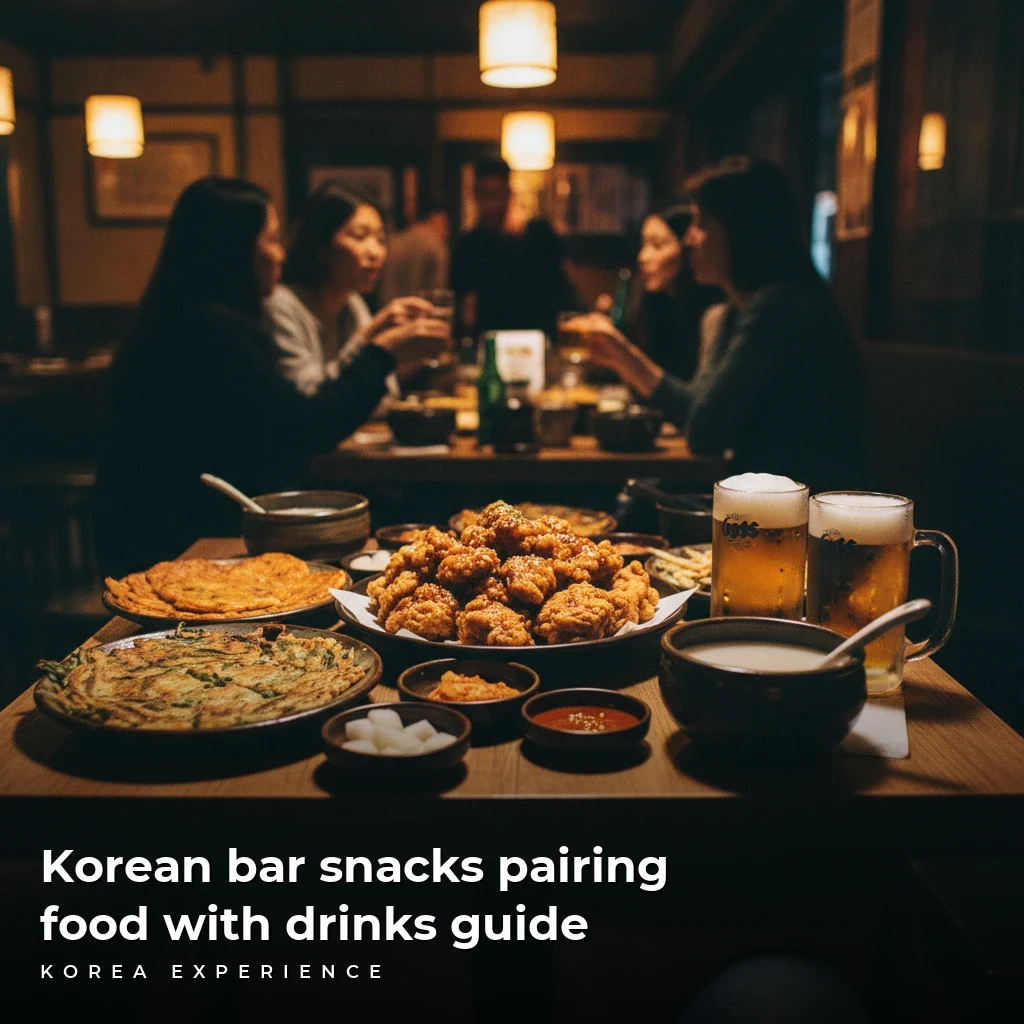
In South Korea, drinking is rarely a solitary act, and it almost never happens without food. This cultural cornerstone is known as Anju—a term specifically referring to food consumed with alcohol. Unlike Western pub culture where peanuts or pretzels might suffice, Korean Anju is a culinary universe unto itself, ranging from light dried snacks to heavy, simmering stews that could constitute a full meal.
Related reading: Korean Drinking Snacks Anju Pairing Guide for Travelers.
You might also enjoy our article about Best food apps for English speakers TableCheck vs CatchTable.
Related reading: Best Korean Convenience Store Food Must Try Items.
You might also enjoy our article about Chuncheon Dakgalbi Street Guide South Korea Spicy Chicken....
Understanding Anju is essential for any traveler looking to navigate Korea’s vibrant nightlife. It is not just about mitigating the effects of alcohol; it is about flavor harmony. The salty, spicy, or fatty nature of the food is designed to complement the specific profile of the drink, be it the clean bitterness of Soju, the carbonated crispness of Maekju (beer), or the milky richness of Makgeolli (rice wine). With over 60,000 bars and pubs operating in Seoul alone as of 2025, knowing what to order can transform a simple night out into a gastronomic adventure.
Key Takeaways
- 1Anju is the mandatory food paired with alcohol; drinking on an empty stomach is culturally frowned upon.
- 2The 'Holy Trinity' of pairings: Soju with grilled pork, Beer with fried chicken, Makgeolli with pancakes.
- 3Budget roughly ₩25,000 ($19 USD) per person for a standard evening of drinks and heavy snacks.
The Philosophy of Anju: More Than Just Bar Snacks
The Korean approach to drinking is rooted in the belief that alcohol should be enjoyed with proper sustenance to protect the stomach and enhance the social atmosphere. Historically, even a simple bowl of unrefined rice wine was accompanied by kimchi or fermented bean paste. Today, this has evolved into a sophisticated pairing system.
Statistically, South Koreans are among the heaviest drinkers in Asia, with the average adult consuming approximately 53 bottles of Soju annually according to 2025 health data. However, the prevalence of heavy meals served alongside these drinks helps mitigate intoxication levels. Most drinking establishments, from neon-lit Hofs (beer halls) to tented street stalls known as Pochas, require customers to order at least one Anju dish, typically costing between ₩15,000 and ₩30,000 ($11 to $23 USD).
Pro Tip
If you have already eaten dinner and just want a light drink, look for a "2nd Round" establishment. These places, often designated as dried fish bars, allow for cheaper, lighter snacks like dried pollack or semi-dried squid.
Soju Pairings: The Soul of Korean Nightlife
Soju, the clear, distilled spirit that serves as the fuel of the nation, dominates the market. While standard green-bottle Soju is roughly 16-17% ABV and costs about ₩5,000 to ₩6,000 in restaurants, premium traditional Soju can range from ₩20,000 to over ₩100,000. Because standard Soju has a sharp, slightly chemical finish, it requires Anju that is either high in fat or rich in broth to coat the mouth and stomach.
Samgyeopsal (Grilled Pork Belly)
The undisputed king of Soju pairings is Samgyeopsal. The greasy, savory fat of the grilled pork belly neutralizes the harshness of the alcohol, while the Soju acts as a palate cleanser, cutting through the grease. A standard serving (150g-180g) of Samgyeopsal in Seoul averages ₩18,000 ($13.50 USD) in 2026.
Geum Dwaeji Sikdang (Gold Pig)(금돼지식당)
Jjigae (Spicy Stews)
When the weather drops below 10°C (50°F), locals turn to spicy stews. Kimchi-jjigae (Kimchi stew) and Budae-jjigae (Army base stew) are favorites. The hot, spicy broth promotes sweating and metabolism, which many Koreans believe helps process the alcohol faster. A communal pot usually costs ₩20,000 to ₩25,000 and serves 2-3 people.
Raw Seafood (Hoe)
For a lighter option that doesn't leave you feeling bloated, raw fish (Hoe) is the preferred partner for Soju. Unlike Japanese Sashimi, Korean Hoe is often dipped in Chojang (vinegar chili paste) and wrapped in lettuce with garlic. The clean taste of white fish like Flounder or Rockfish matches the clean profile of Soju.
"When eating raw fish with Soju, try mixing a teaspoon of wasabi into the Chojang dipping sauce. The combination of heat, vinegar, and sweetness elevates the sweetness of the Soju. It's how the locals do it in coastal cities like Busan."
Beer (Maekju) Pairings: The Chimaek Phenomenon
Korean beer tends to be light lagers (like Cass, Terra, or Kelly), designed to be highly carbonated and refreshing rather than complex. This makes them the perfect foil for deep-fried foods.
Chimaek (Fried Chicken + Maekju)
The portmanteau "Chimaek" is globally famous. Korean fried chicken differs from its Western counterparts due to the double-frying technique, which renders out the fat and leaves the skin shatteringly crisp.
📊 The Scale of Chimaek
In 2026, a whole fried chicken typically costs between ₩22,000 and ₩28,000 depending on the franchise and seasoning (Yangnyeom, Soy Garlic, or Original). Delivery is ubiquitous, often arriving within 30 to 40 minutes even at riverside parks.
Dry Snacks (Mareun Anju)
If you are full but still want to drink beer, you order Mareun Anju. This platter usually consists of:
- Nogari: Young dried pollack (approx. ₩2,000 per piece).
- Juipo: Dried filefish jerky.
- Squid/Cuttlefish: Served with a dipping sauce of mayonnaise, soy sauce, and chopped Cheongyang chili peppers.
💵 Beer Snack Cost Comparison
Includes radish and salad
5-6 pieces with peanuts
Makgeolli Pairings: Traditions of Rain and Flour
Makgeolli is a cloudy, unfiltered rice wine with an ABV of 6-8%. It is sweet, tangy, and rich in lactobacillus. Cultural superstition dictates that one must drink Makgeolli on rainy days. Why? The sound of rain hitting the ground resembles the sizzling sound of batter frying in oil.
Jeon (Savory Pancakes)
The starchiness of Makgeolli pairs perfectly with the oily richness of Jeon.
- Haemul Pajeon: Seafood and green onion pancake (Avg. ₩18,000).
- Kimchi Jeon: Kimchi pancake (Avg. ₩15,000).
- Gamja Jeon: Potato pancake (Avg. ₩16,000).
These dishes are usually large, roughly 30cm in diameter, and are meant to be torn apart with chopsticks and shared.
Dubu Kimchi (Tofu and Stir-fried Kimchi)
For a healthier protein option, Dubu Kimchi is a staple. It features blanched, warm tofu served alongside pork belly stir-fried with aged kimchi. The bland, soft texture of the tofu balances the intense sour and spicy flavors of the kimchi, while the Makgeolli washes it all down smoothly.
📖 How to Enjoy Makgeolli
Step 1: Check the Bottle
Sediment settles at the bottom. Do not open it immediately if it has been standing still.
Step 2: The Gentle Shake
Gently rotate the bottle upside down and back 2-3 times to mix the sediment. Do not shake vigorously or it will explode.
Step 3: Serve in Bowls
Makgeolli is traditionally drunk from shallow brass or aluminum bowls to keep it cold.
The Pocha Experience: Street Tent Gastronomy
Pochangmacha (Pocha) are the tented street stalls often seen in K-dramas. While many have moved indoors due to city regulations, the "Pocha style" menu remains a distinct category of Anju. These venues are typically open from 6:00 PM until 4:00 AM or 5:00 AM.
Pocha Dining Analysis
- ✓Extremely casual atmosphere
- ✓Open very late (often until sunrise)
- ✓High-energy social vibe
- ✗Sanitation can vary by location
- ✗Restrooms are often shared/external
- ✗Can be loud and crowded
Must-Try Pocha Menu Items
- Dakbal (Chicken Feet): Usually spicy and boneless for beginners. Rich in collagen. (Avg. ₩18,000).
- Odolppyeo: Stir-fried pork cartilage with spicy sauce. Provides a crunchy texture. (Avg. ₩16,000).
- Gyeran-mari: Rolled omelet, often roughly 20cm long and filled with cheese or vegetables. (Avg. ₩12,000).
- Udon: A simple bowl of thick noodle soup, costing roughly ₩6,000. It is the classic "finisher" to a night of drinking.
Euljiro Nogari Alley(을지로 노가리 골목)
Modern Pairings: The Rise of Traditional Liquor Bars
Since 2022, there has been a massive resurgence in traditional Korean liquors (Sool) paired with fine dining. These "Traditional Liquor Bars" usually require reservations 2-3 weeks in advance.
Here, you won't find greasy comfort food. Instead, Anju is presented as Hanjeongsik (course meal) bites.
- Gamtae Wraps: Seaweed wrapping uni (sea urchin) or tartare.
- Perilla Oil Noodles: Buckwheat noodles tossed in fragrant perilla oil.
Drinking Venue Types
| Feature | Pocha (Street) | Hof (Beer Hall) | Sool Bar (Premium) |
|---|---|---|---|
| Avg Price/Person | ₩20,000 | ₩25,000 | ₩70,000+ |
| Noise Level | High | High | Low/Medium |
| Reservation | No | Rarely | Essential |
Drinking Etiquette and The Flow of the Night
To fully appreciate Anju culture, one must understand the flow of a Korean night out. It is rarely a "one-stop" event. The night is divided into rounds, or Cha.
The Typical Night Out (Hoesik)
The Meal
Heavy food + Soju/Beer. Usually BBQ or Sashimi.
The Pub
Fried snacks + Beer. Hofs or Izakayas.
The Pocha
Soup or light dried snacks + Soju to finish.
Singing
Digesting the alcohol through singing. Fruit platters served.
Cultural Warning
Never pour your own drink. It is considered bad luck. Always fill your companion's glass when it is empty, and hold your glass with two hands when receiving a drink from someone older or senior to you.
Cost Considerations
While street food seems cheap, costs accumulate quickly during a multi-round evening.
- Taxi Surcharge: After 10:00 PM, taxi fares increase by 20%, and after 11:00 PM by 40%. A ride that costs ₩10,000 during the day may cost ₩14,000 at night.
- Public Transport: Most subways stop running around 12:00 AM - 12:30 AM. Night buses (N-Buses) are available but run on limited routes every 30-40 minutes.
Conclusion
Korean Anju culture is a testament to the nation's obsession with flavor balance. It transforms the act of drinking from a vice into a communal dining event. Whether you are tearing into a savory pancake on a rainy day or grilling pork belly with colleagues after work, the food is never an afterthought—it is the co-star of the show.
For the international traveler, the barrier to entry is low. Menus often have pictures, and the universal language of "Cheers" (or Geonbae!) bridges the gap. Just remember the golden rule: in Korea, you never drink alone, and you certainly never drink hungry.
❓ Frequently Asked Questions
Have more questions?Contact us →
About the Author
Korea Experience Team
Written by the Korea Experience editorial team - experts in Korean medical tourism, travel, and culture with years of research and firsthand experience.
Explore more in Food & Dining
Korean BBQ, street food, Michelin restaurants, and regional specialties — your ultimate guide to eating well in Korea.
Browse All Food & Dining ArticlesContinue Reading
Explore more articles you might find interesting
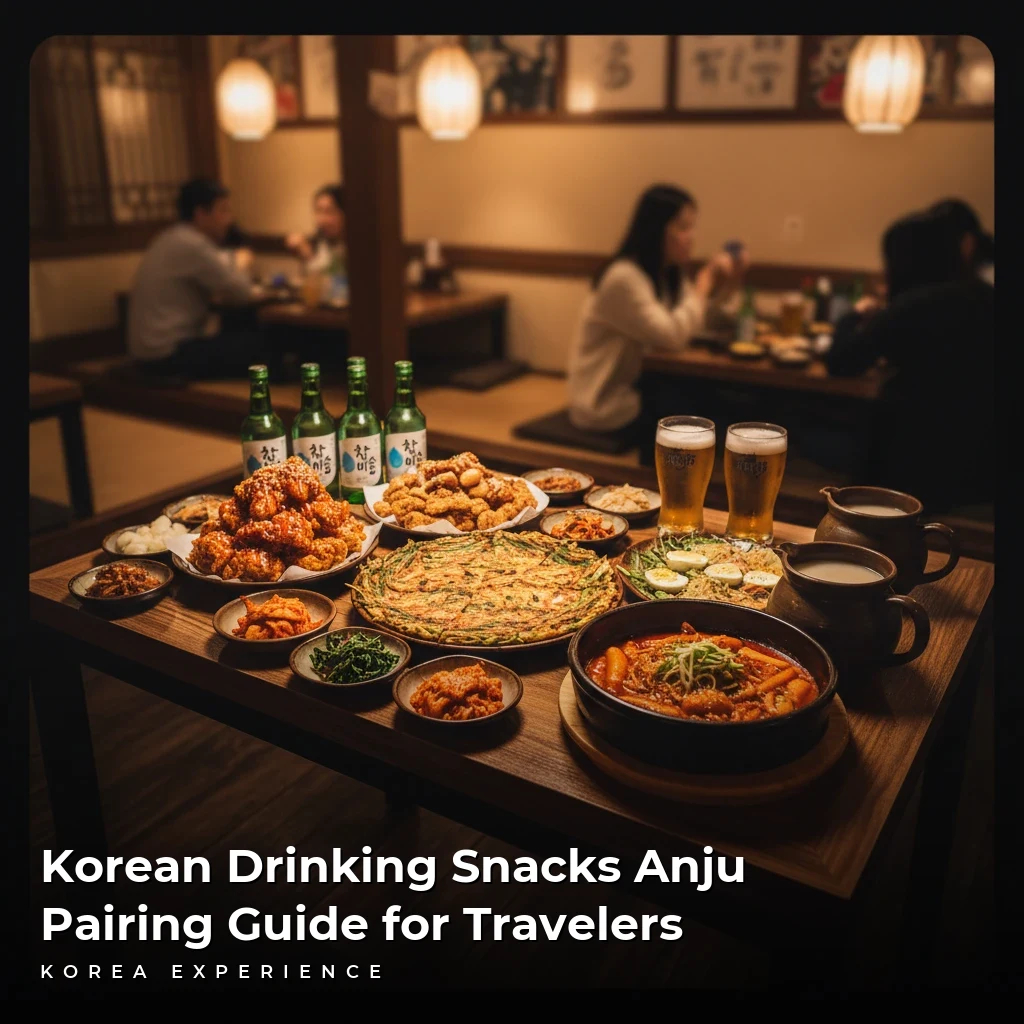
Master the art of Korean Anju pairings with our expert guide to Soju, Makgeolli, and Beer snacks for the ultimate local dining experience
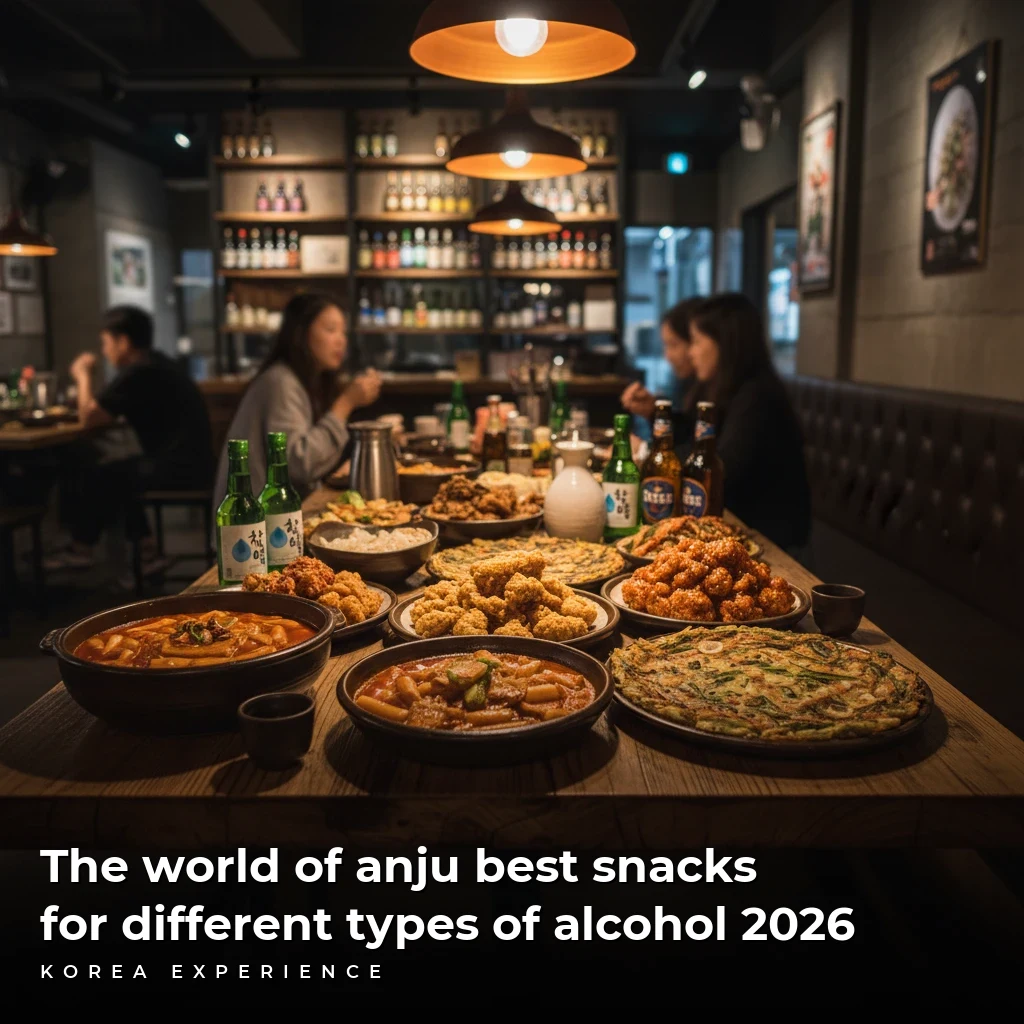
Discover the ultimate guide to Korean Anju culture in 2026. Learn how to pair Soju, Beer, and Makgeolli with the perfect snacks for an authentic experience.

Master the complex South Korean recycling system with our comprehensive 2026 guide covers bags, fines, food waste, and schedules.
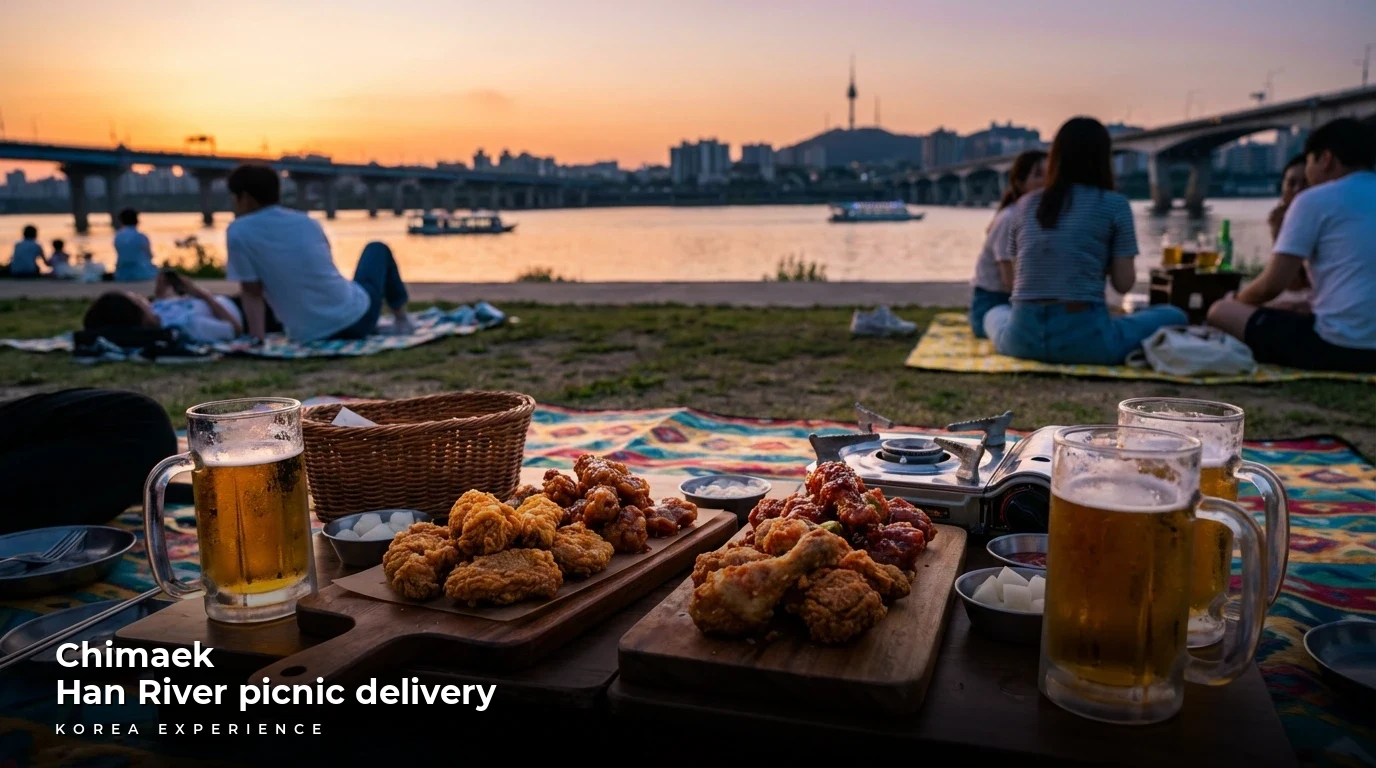
Master Han River delivery in 2026 with our guide to Baemin and Shuttle apps. Learn how to find zones, pay 25,000 KRW for chicken, and handle reusable containers.
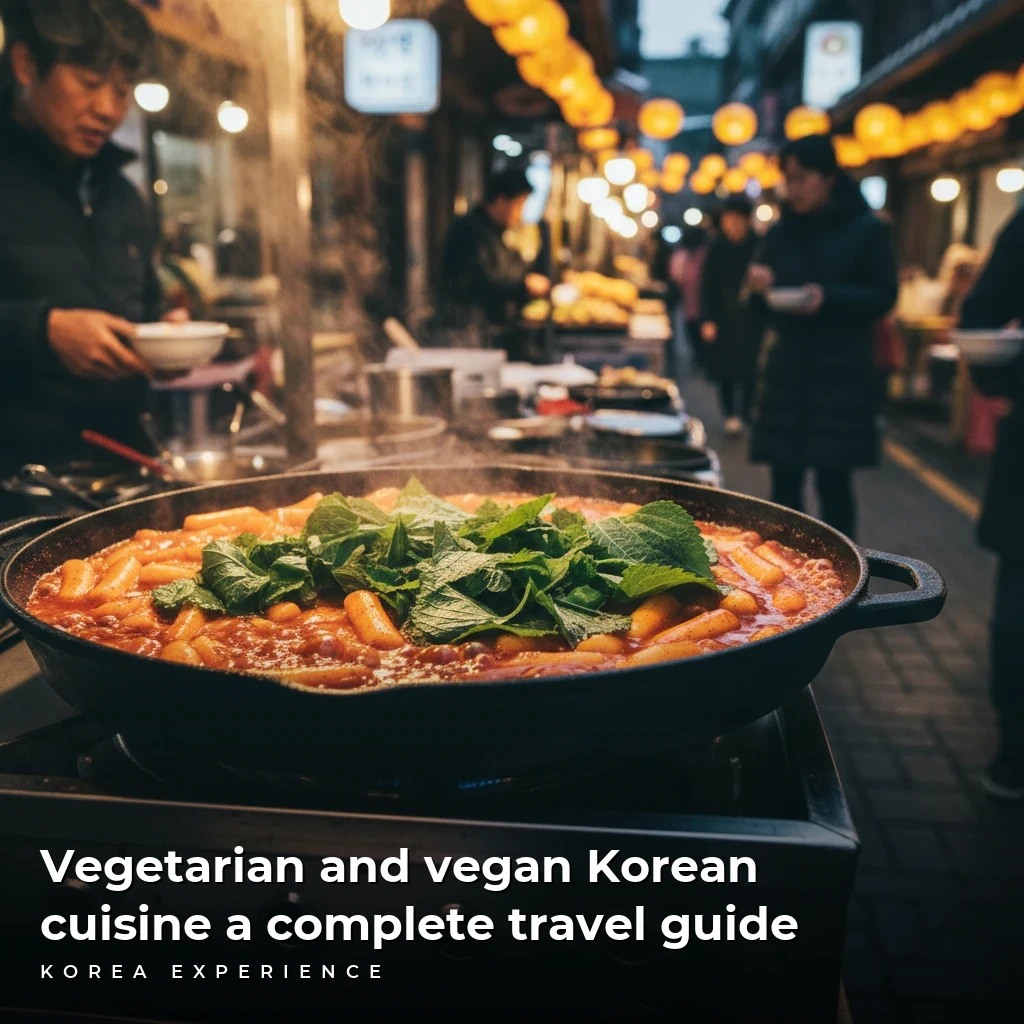
Discover the best vegetarian and vegan Korean cuisine options. From Michelin-starred temple food to spicy street snacks, navigate dining in Korea easily.
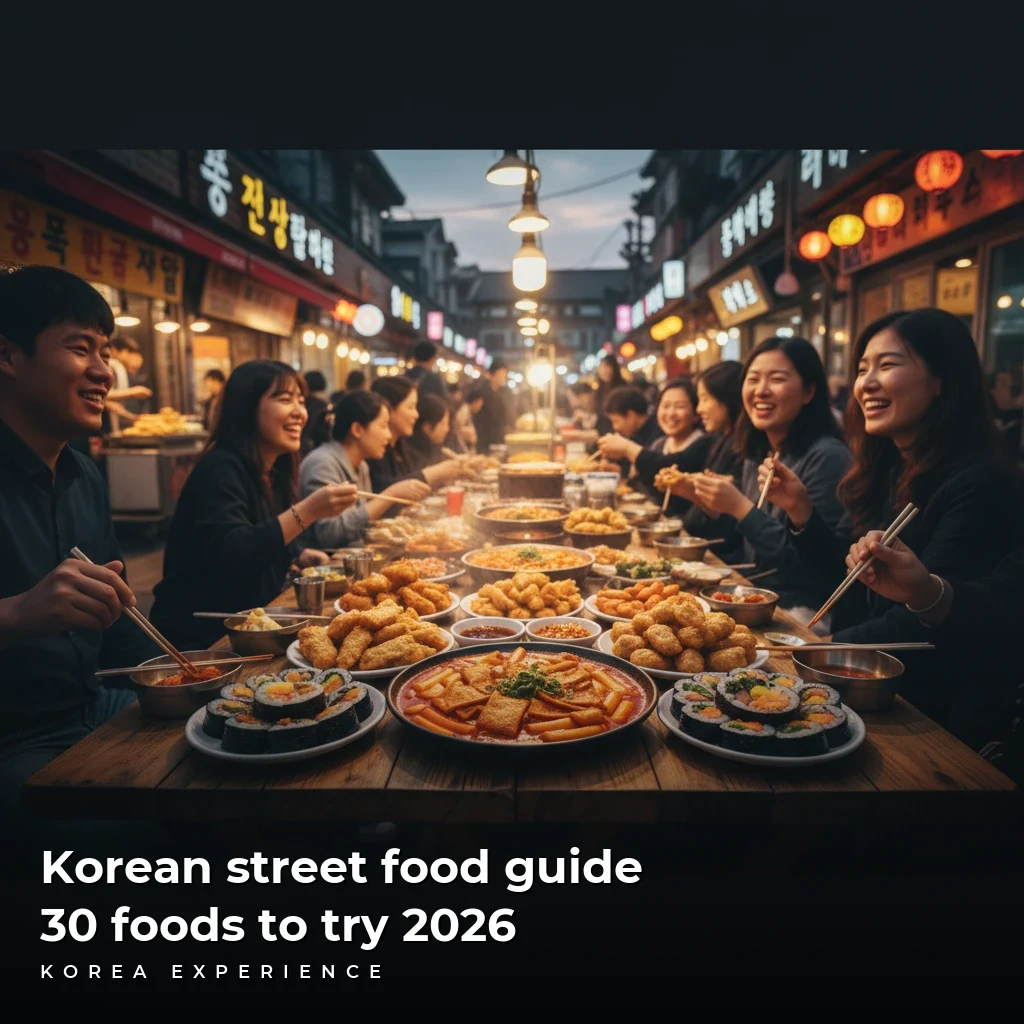
Discover the ultimate list of 30 must-try Korean street foods for 2026, from classic spicy rice cakes to trendy fusion snacks, with prices and local tips.