Korean hangover cures haejangguk and remedies guide
Master the art of recovery in Seoul. From savory Haejangguk soups to convenience store elixirs, here is your essential guide to Korean hangover cures.
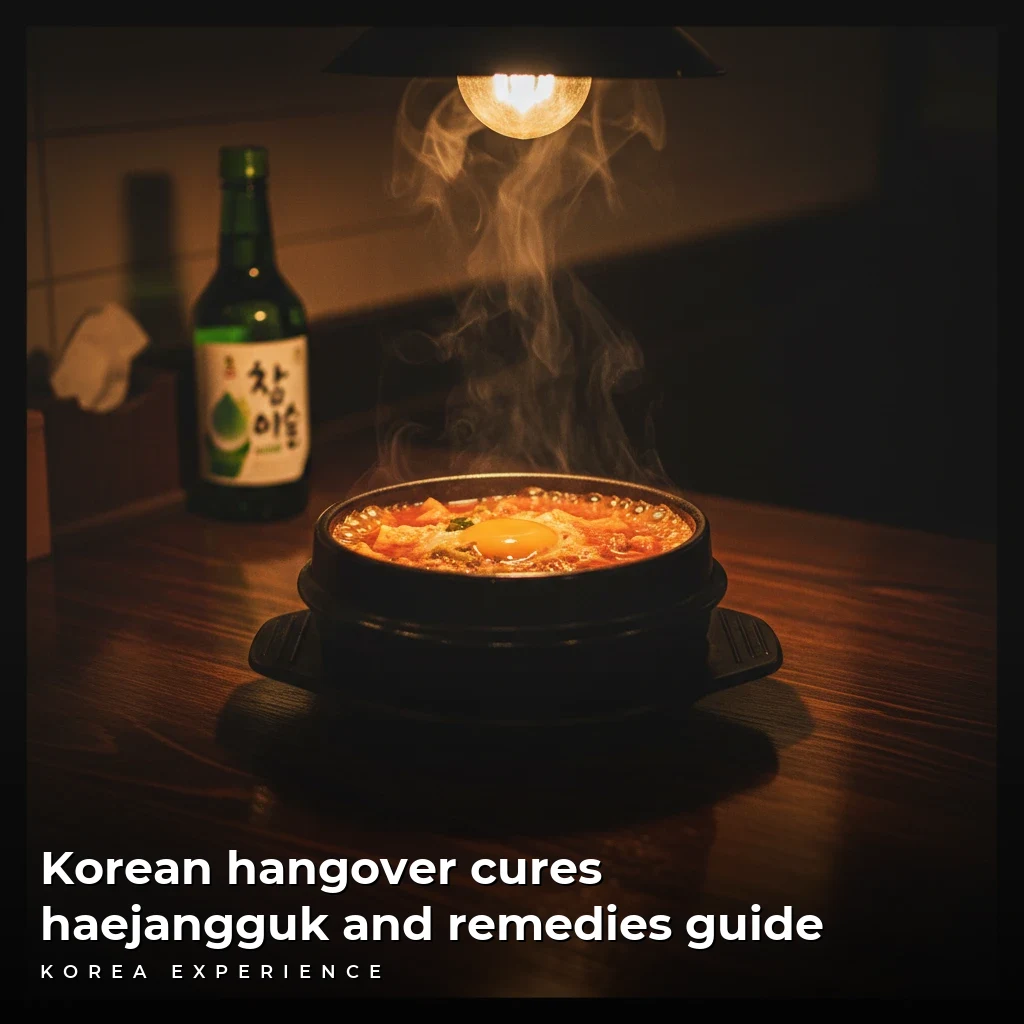
If you have spent even a single night out in Seoul, you likely understand why South Korea has developed the world's most sophisticated hangover recovery culture. With a vibrant nightlife where "Hoesik" (company dinners) often extend into the early hours, the morning after is treated with just as much ritualistic importance as the night before.
The Korean approach to hangovers is not about hiding in bed; it is active recovery. It involves specific hydration strategies, medicinal herbs, and, most famously, Haejangguk—a category of soups specifically designed to chase away the sickness. According to 2025 industry statistics, the Korean hangover cure market is valued at over ₩300 billion (approximately $230 million USD), proving that recovery here is serious business.
Whether you overindulged on Soju or simply want to experience a cornerstone of local culinary culture, this guide explores the science, taste, and tradition of Korean hangover cures.
Key Takeaways
- 1Haejangguk refers to a specific class of soups eaten to cure hangovers, typically costing 9,000 to ₩12,000 ($7-9 USD).
- 2Convenience store remedies like Condition and Dawn 808 are most effective when consumed 20 minutes before drinking.
- 3Bean Sprout Soup (Kongnamul Gukbap) is the most beginner-friendly option, rich in asparagine to break down alcohol toxins.
The First Line of Defense: Convenience Store Remedies
Before you even reach a restaurant for soup, your journey to recovery likely begins at a convenience store like CU, GS25, or 7-Eleven. These stores are ubiquitous in Korea, usually found within 100 meters of any nightlife district. The refrigerator section is stocked with small glass bottles and cans dedicated entirely to liver health and alcohol processing.
You might also enjoy our article about Incheon chinatown jajangmyeon origins the black noodle history.
These drinks are often powered by specific ingredients: Hovenia dulcis (oriental raisin tree), turmeric, and taurine.
📊 Hangover Drink Market
Top 3 Drinks to Look For
1. Condition (Hutgae Condition) This is the market leader. It utilizes oriental raisin tree extract to speed up the decomposition of alcohol. It tastes somewhat like a sweet, herbal fruit juice. A 100ml bottle typically costs around ₩5,000 ($3.80 USD).
2. Dawn 808 (Yeomyong 808) You cannot miss the can; it features the inventor's face printed directly on the front. This is an all-natural tea remedy made from alder and hazelnut.
Learn more in our comprehensive guide to Korean Rice Dishes Bibimbap Dolsot Kongnamul Bap Guide. Warning: The taste is intensely herbal and bitter, often described by expats as "liquid earth." However, it is widely regarded as the most effective option for severe cases. The price point is higher, sitting at approximately ₩6,000 ($4.60 USD) per 140ml can.
3. Ready Q Available as a tropical fruit-flavored drink or mango-flavored chewable jelly. This is popular among younger travelers because it tastes like candy rather than medicine. The chewable version costs about ₩4,000 ($3.00 USD) for a packet of three jellies.
💵 Convenience Store Cures Comparison
Drinks like Dawn 808 or Condition CEO meant for heavy nights.
Jelly chews or pills like RU-21, easy to carry in a pocket.
Pro Tip: The 1+1 Deals
Convenience stores in Korea frequently run "1+1" (buy one, get one free) or "2+1" promotions on hangover drinks. Always check the tag on the shelf before buying—you might get a backup cure for the next morning for free!
Haejangguk: The Soul of Recovery
The word Haejangguk literally translates to "soup to chase a hangover." Unlike Western cures which might involve greasy burgers or pizza, Korean wisdom suggests that steaming hot broth, hydration, and specific nutrients are the key to settling the stomach.
Most Haejangguk restaurants open early—often 24 hours—specifically to cater to the post-party crowd or the early morning workforce. A standard bowl contains between 600 to 900 calories, providing a substantial energy boost to start the day.
1. Kongnamul Gukbap (Bean Sprout Soup)
Best for: Vegetarians (check broth base), light eaters, and sensitive stomachs.
This is the gentlest entry into the world of Haejangguk. Originating from Jeonju, a city 200km south of Seoul known for its food culture, this soup features crunchy soybean sprouts in a clear anchovy or beef broth.
Why it works: Soybean sprouts are packed with asparagine, an amino acid that helps the liver remove acetaldehyde (the compound that causes hangovers) from your system.
The Ritual: It is often served boiling hot (around 85-90°C). You will typically receive a poached egg in a separate metal bowl. Do not dump the egg into the soup immediately. instead, spoon a few tablespoons of the hot broth into the egg bowl to cook it slightly, then stir and eat the egg first to coat your stomach.
"If you order Kongnamul Gukbap 'Nambu Market Style' (Nambu-sijang-sik), the soup is served warm rather than boiling hot. This allows you to eat it quickly without burning your tongue—perfect for when you are rushing to work at 8 AM."
2. Ppyeodagwi Haejangguk (Pork Bone Soup)
Best for: Meat lovers and those craving spice.
This is a hearty, spicy soup made from pork spine bones boiled for 12 to 24 hours. The meat falls off the bone, and the broth is rich with perilla seeds, soybean paste (doenjang), and chili powder. It usually includes dried radish greens (siraegi).
The Challenge: Eating this requires dexterity. You must use chopsticks to pick the meat from the complex vertebrae bones. It is a messy, engaging process that wakes you up. A bowl averages ₩10,000 ($7.60 USD).
📖 How to Eat Pork Bone Soup Like a Local
Step 1: Remove the Bones
Move the large bones to the empty metal plate provided. Don't try to eat directly from the hot stone bowl yet.
Step 2: Extract the Meat
Use chopsticks to pull the meat off the bones. Dip the meat in the wasabi-soy sauce provided.
Step 3: Rice Ritual
Once the bones are out, dump your bowl of white rice into the remaining spicy soup and eat it with a spoon.
3. Bugeoguk (Dried Pollock Soup)
Best for: A non-spicy, soothing milky broth.
Dried pollock is a staple in Korean households. When boiled for hours, the dried fish releases a milky, white broth that is incredibly savory but not fishy. It is usually seasoned with sesame oil and green onions.
The Science: Pollock is rich in amino acids like methionine, which protects the liver. It is considered a "beauty food" as well as a hangover cure.
4. Seonji Haejangguk (Ox Blood Soup)
Best for: The adventurous eater and iron replenishment.
This is the advanced level. Seonji refers to congealed ox blood. It looks like blocks of dark red or brown jelly. The texture is firm, similar to pudding or tofu, and it has a metallic, irony taste.
Related reading: Korean drinking etiquette pouring and toasting guide.
While the description may daunt international travelers, it is a nutritional powerhouse. The high iron and protein content helps restore energy levels rapidly. This dish is particularly famous in the Jongno district of Seoul, where some restaurants have been serving it for nearly 90 years.
Haejangguk Varieties Compared
| Type | Main Ingredient | Spice Level | Texture |
|---|---|---|---|
| Kongnamul Gukbap | Bean Sprouts | Mild/None | Crunchy & Light |
| Ppyeodagwi | Pork Spine | Spicy | Rich & Heavy |
| Bugeoguk | Dried Pollock | Mild | Savory & Smooth |
| Seonji | Ox Blood | Medium | Jelly-like |
Where to Eat: Legendary Haejangguk Spots
Seoul is dotted with thousands of soup restaurants, but a few hold legendary status. These venues often have lines out the door during lunch hours (11:30 AM - 1:00 PM), so plan accordingly.
Cheongjin-ok(청진옥)
Sambaejip(삼백집)
Beyond Food: The Jjimjilbang (Korean Sauna)
Sometimes, soup is not enough. You need to sweat the toxins out. This brings us to the Jjimjilbang, the Korean public bathhouse.
Related reading: Affordable Fine Dining 5 Michelin-Starred Lunch Menus in Seoul....
Visiting a Jjimjilbang is a multi-hour commitment. Most admission fees range from 12,000 to ₩18,000 ($9-$14 USD). Once inside, you are given a uniform (shorts and a t-shirt). You can sleep on heated floors, sit in kilns ranging from 40°C to 80°C (104°F - 176°F), and drink cold Sikhye (sweet rice punch).
The Cold Plum Tea Secret
While at the sauna, look for Maesil-cha (green plum tea). It is often sold at the snack bar inside the sauna for about ₩4,000. The fermented plum juice is acidic and sweet, helping to settle an upset stomach and aid digestion while you rehydrate after sweating.
📋 Sauna Recovery Facts
Sauna for Hangovers: Good or Bad?
- ✓Sweating promotes circulation
- ✓Heated floors relieve muscle aches
- ✓Quiet environment for napping
- ✗Extreme heat can cause dehydration
- ✗Public nudity in bath areas required
- ✗Dizziness risk if still intoxicated
The DIY Recovery Timeline
If you are planning a big night out in Hongdae or Itaewon, follow this timeline to minimize the damage. The key is timing your intake of remedies relative to your alcohol consumption.
The Ultimate Recovery Protocol
Pre-Game Defense
Buy a 'Condition' or 'Ready Q' drink from a convenience store. Drink it 20 minutes before your first alcohol.
The Water Stop
Before heading home, stop at a convenience store for 1 liter of water and a chocolate milk (another popular local cure).
The Soup Run
Head to a 24-hour Haejangguk restaurant. If you can handle spice, get Pork Bone Soup. If not, Bean Sprout Soup.
The Iced Americano
Koreans swear by 'Ah-Ah' (Iced Americano) to clear the brain fog. Grab a large size for about ₩2,000-4,500.
Why Korea Does It Better
The "Pali-Pali" (hurry, hurry) culture of Korea extends to recovery. In many Western countries, a hangover is an excuse to lie on the couch all day. In Korea, where work hours are long and social pressure to attend dinners is high, rapid recovery is a necessity of life.
The infrastructure supports this. With taxis costing roughly ₩1,000 per kilometer (starting fare ~₩4,800 in Seoul) and convenience stores on every corner open 24/7, you are never far from relief. The combination of ancient herbal medicine principles and modern convenience creates a safety net that allows the vibrant nightlife to flourish.
When you sit down for a bowl of Haejangguk, look around. You will likely see a businessman in a suit, a group of college students, and perhaps a grandmother, all enjoying the same red broth. It is a unifying culinary experience—the collective healing of the city.
Frequently Asked Questions
❓ Common Questions About Korean Hangover Cures
Have more questions?Contact us →
About the Author
Korea Experience Team
Written by the Korea Experience editorial team - experts in Korean medical tourism, travel, and culture with years of research and firsthand experience.
Explore more in Food & Dining
Korean BBQ, street food, Michelin restaurants, and regional specialties — your ultimate guide to eating well in Korea.
Browse All Food & Dining ArticlesContinue Reading
Explore more articles you might find interesting
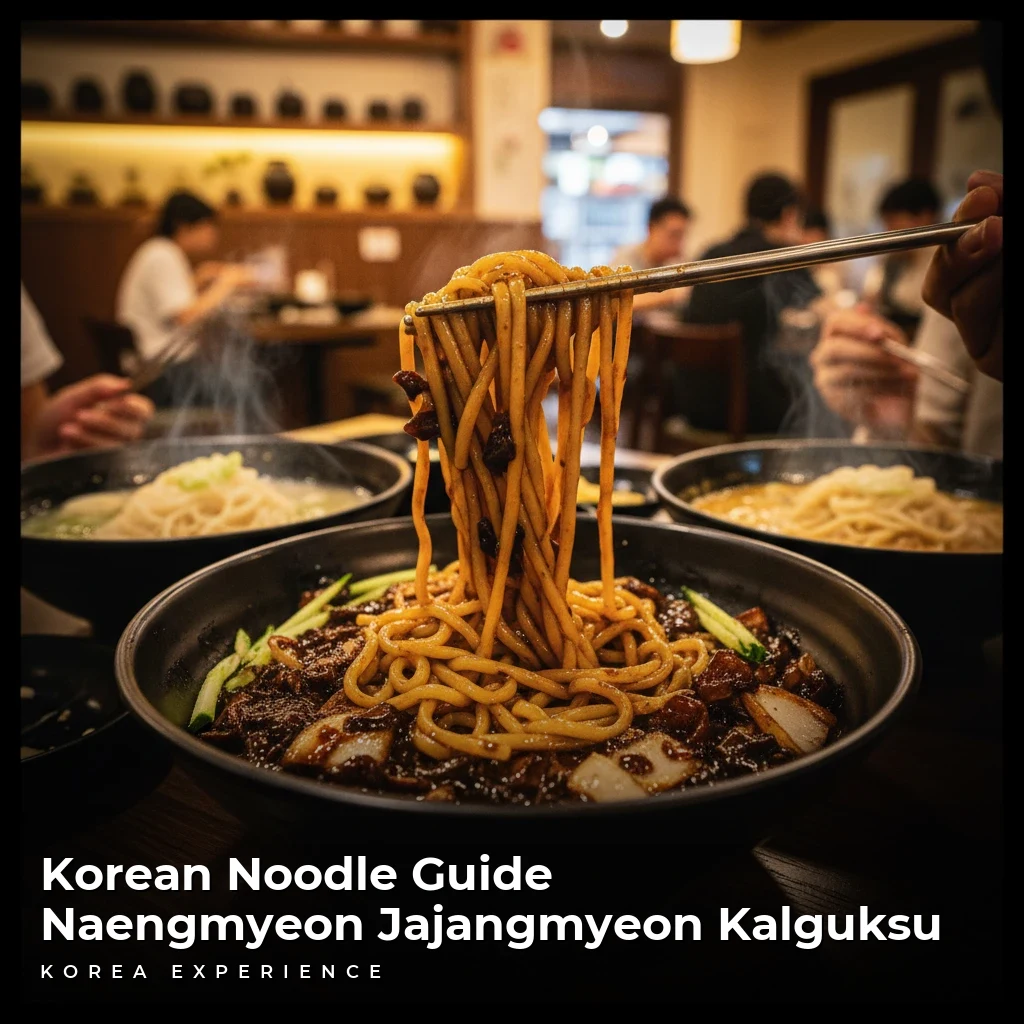
Discover the ultimate Korean noodle guide covering Naengmyeon, Jajangmyeon, and Kalguksu. Learn where to eat, how to order, and local etiquette tips.
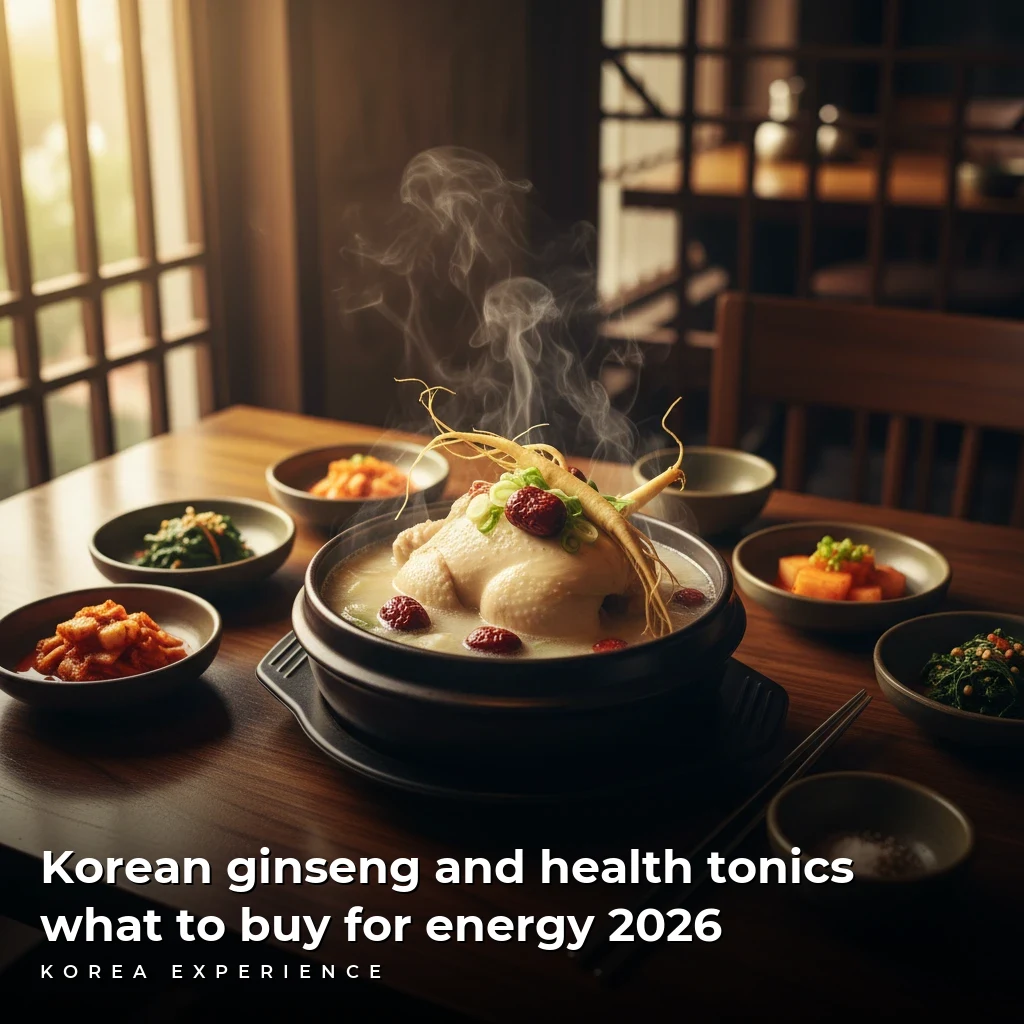
A comprehensive guide to buying Korean ginseng and energy tonics in 2026.
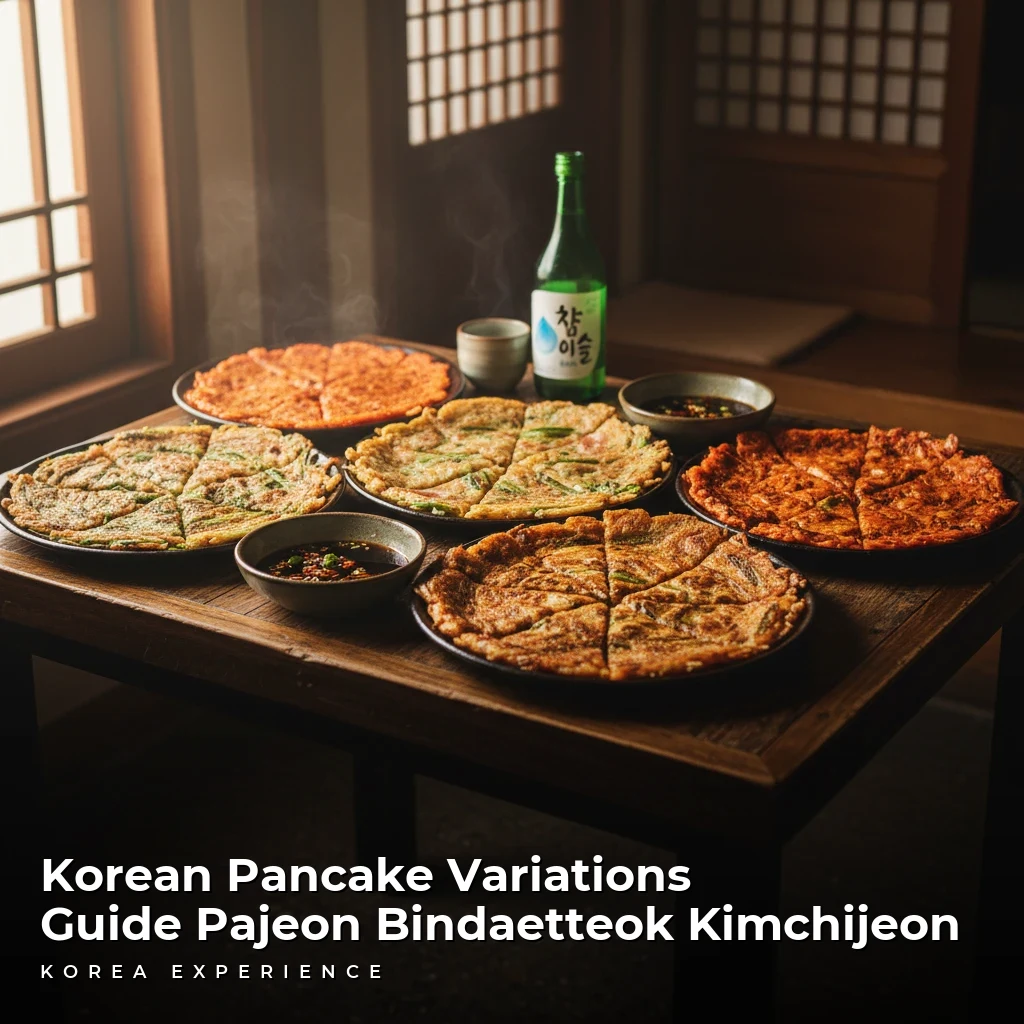
Discover the ultimate guide to Korean pancake variations, including Pajeon, Bindaetteok, and Kimchijeon, with the best spots in Seoul for 2026.
Master Korean food delivery apps in 2026. From Coupang Eats to Baemin, learn how to order like a local with our complete English guide.
The ultimate 2026 guide to Korean ramyeon. From spicy Shin Ramyun to creamy Carbonara Buldak.
Discover the deep flavors of Cheonggukjang, Jeotgal, and Jangajji. A comprehensive guide to Korea's lesser-known fermented treasures for foodies.