Food & Dining

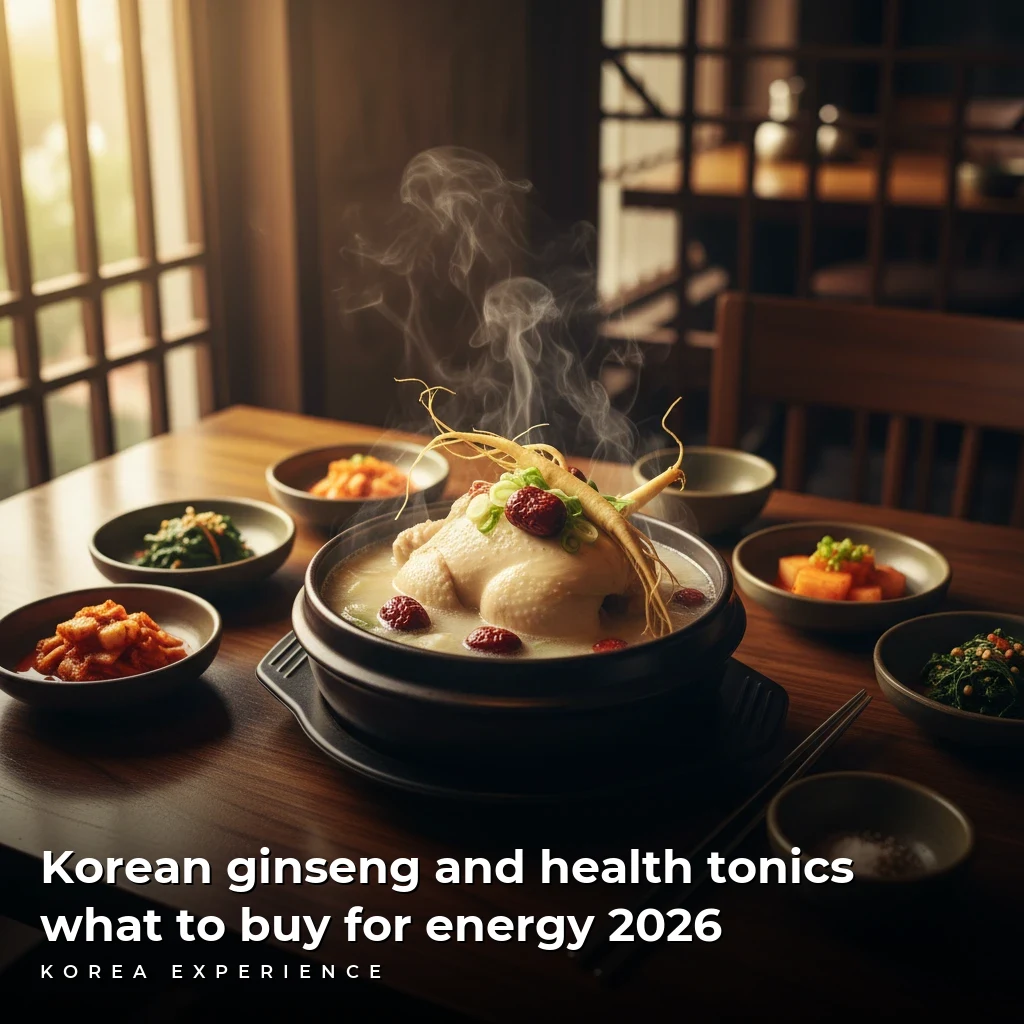
Korean Ginseng & Health Tonics What to Buy for Energy 2026

Unlock Korea's secret to vitality. This 2026 guide reveals the best Korean ginseng and health tonics for energy, where to buy them, and what to look for.

Introduction: Discovering Korea's Ancient Secret to Modern Energy

Stepping into Korea is an immersion in a vibrant culture, a bustling metropolis, and a culinary adventure. But beyond the bright lights and delicious food, Korea holds ancient secrets to health and vitality, particularly in its revered world of traditional health tonics. For international travelers and expats looking to tap into a natural energy source and enhance overall well-being, the Korean market for ginseng and other health supplements can be both fascinating and overwhelming. What exactly should you buy for energy in 2026? How do you navigate the myriad of brands, forms, and claims?

This comprehensive guide is designed to empower you with the knowledge needed to confidently explore Korea's health tonic landscape. We will demystify Korean ginseng, introduce you to other potent tonics, pinpoint reputable brands and buying locations, and provide practical tips for making informed purchases. By the end of this article, you will be well-equipped to choose the perfect Korean ginseng and health tonics to boost your energy, support your immune system, and bring a touch of traditional Korean wellness into your daily life. Get ready to uncover the root of Korean vitality and embark on your journey to sustained energy and better health.

Understanding Korean Ginseng: The Root of Vitality

At the heart of Korea's health regimen lies ginseng, a powerful root celebrated for millennia for its adaptogenic properties. Known scientifically as Panax Ginseng, meaning "all-healing ginseng," this remarkable plant is revered for its ability to help the body adapt to stress, boost energy, and restore balance. It's not just a supplement; it's a cornerstone of Korean wellness.

What is Ginseng? A Natural Adaptogen Explained

Korean ginseng, specifically, is a slow-growing perennial plant native to the mountains of Korea. Unlike other types of ginseng (like American or Siberian), Korean ginseng is particularly prized for its high concentration and diverse profile of active compounds called ginsenosides. As an adaptogen, ginseng works by helping your body regulate its physiological responses to physical, chemical, and biological stressors, promoting homeostasis. This makes it an ideal natural solution for combating fatigue and enhancing resilience, directly translating into improved sustained energy levels.

Red Ginseng (Hongsam) vs. White Ginseng (Baeksam): Processing and Benefits

The two most common forms you'll encounter are red ginseng and white ginseng, and their distinction lies in their processing methods, which significantly impact their chemical composition and perceived benefits:

  • White Ginseng (Baeksam): This is ginseng that has been dried naturally, usually in the sun, after being harvested. It's simply peeled and air-dried. The drying process typically reduces its water content to less than 15%. White ginseng is often considered to be milder and is a popular choice for daily consumption or for those new to ginseng. It generally retains more of its original fresh ginseng properties.
  • Red Ginseng (Hongsam): This is the more famous and often more potent variety. Red ginseng is prepared by steaming fresh ginseng (unpeeled) at high temperatures and then drying it. This steaming process caramelizes the natural sugars and creates new ginsenosides and other beneficial compounds not present in fresh or white ginseng. This transformation is believed to enhance its adaptogenic and restorative properties. Red ginseng is known for its darker color, denser texture, and a slightly bitter, earthy flavor. It is generally considered superior for boosting energy, enhancing immunity, and supporting overall vitality.

For those specifically seeking an energy boost, red ginseng is typically the recommended choice due to its enhanced beneficial compounds.

Key Compounds: Ginsenosides Explained

The primary active components in ginseng are called ginsenosides. These triterpene saponins are unique to the Panax genus and are responsible for the vast majority of ginseng's pharmacological effects. Over 30 different ginsenosides have been identified, each contributing to ginseng's diverse health benefits. The steaming process that creates red ginseng converts some ginsenosides into more potent forms, like Rg1, Rb1, and particularly Rg3, which is often highlighted for its anti-fatigue and immune-modulating effects. The total ginsenoside content (often measured as the sum of Rg1, Rb1, and Rg3) is a key indicator of a product's quality and potency. Higher ginsenoside content generally equates to greater efficacy for energy and other health benefits.

Benefits for Energy and Beyond

The consumption of Korean ginseng is associated with a wide array of health benefits, with a strong emphasis on energy enhancement:

  • Increased Energy and Stamina: Ginseng helps the body utilize oxygen more efficiently, reduces muscle damage during exercise, and supports mitochondrial function, leading to sustained energy levels and reduced fatigue.
  • Improved Cognitive Function: Many users report enhanced focus, memory, and mental clarity, making it beneficial for those facing demanding work or study schedules.
  • Immune System Support: Ginseng strengthens the immune response, helping the body ward off infections and recover faster from illness.
  • Stress Reduction: As an adaptogen, it helps normalize physiological functions under stress, promoting a sense of calm and well-being.
  • Antioxidant Properties: It combats oxidative stress, protecting cells from damage and contributing to anti-aging effects.
  • Improved Blood Circulation: Ginseng supports healthy blood flow, which is crucial for nutrient delivery and overall vitality.

These benefits combine to offer a holistic approach to energy management, not just a temporary stimulant, but a foundational support for sustained vigor.

The Korean ginseng market is vast and diverse, offering products in many forms and price points. Understanding the different options available is crucial for making the best purchase for your energy needs in 2026.

Forms of Ginseng: Root, Extract, Powder, Capsules, Jelly, Drinks

Ginseng products come in a surprising array of forms, each with its own advantages:

  • Whole Root (Fresh or Dried): The most traditional form. Fresh ginseng is often used in cooking (like Samgyetang, chicken ginseng soup) or steeped as tea. Dried roots can be rehydrated or ground. This form allows for the most direct, unprocessed consumption but requires preparation.
  • Ginseng Extract (Concentrate): This is perhaps the most popular and potent form, especially for red ginseng. Extracts are highly concentrated liquids, often thick and syrupy, made by boiling ginseng roots multiple times. They are potent and convenient, usually taken by dissolving a small spoon of extract in warm water or directly. This form is excellent for maximizing ginsenoside intake for energy.
  • Powder: Dried ginseng roots are finely ground into a powder, which can be mixed into drinks, smoothies, or food. It's a convenient option for those who prefer not to deal with liquid extracts or capsules.
  • Capsules/Tablets: For convenience and precise dosing, ginseng is often encapsulated or pressed into tablets. This is a great option for travelers or those who dislike the taste of ginseng.
  • Jelly/Sticks: Modern innovations include ginseng jelly sticks, which are single-serving portions of ginseng extract in a convenient, often slightly sweetened jelly form. These are extremely popular for on-the-go consumption and appeal to a younger demographic.
  • Drinks: Ginseng-infused beverages, ranging from light teas to energy drinks, offer a more casual way to consume ginseng. While less concentrated than extracts, they provide a refreshing way to enjoy its benefits.

Purity and Grade: Understanding Saponin Content (mg/g)

When buying ginseng, particularly extracts, pay close attention to the purity and ginsenoside content. High-quality red ginseng products will clearly state the amount of total ginsenosides (sum of Rg1, Rb1, and Rg3) in milligrams per gram (mg/g) of the extract. A higher number generally indicates a more potent product. For premium red ginseng extracts, you might see figures ranging from 5.5 mg/g to over 20 mg/g. Don't be swayed by products that simply state "100% ginseng" without providing specific ginsenoside content, as purity doesn't always equate to potency. The age of the root (6-year-old ginseng is generally considered optimal) also influences quality and price.

Price Ranges and Value for Money

Ginseng prices vary significantly based on brand, form, age of the root, and ginsenoside concentration.

  • Premium Extracts: High-concentration red ginseng extracts from top brands can range from 150,000 KRW to 300,000 KRW (approximately 110-220 USD) for a 100-240g jar. These offer the best value for potent energy benefits.
  • Mid-Range Products: Capsules, powders, or less concentrated extracts might be priced between 50,000 KRW and 150,000 KRW (approximately 35-110 USD).
  • Casual Drinks/Jelly Sticks: These are more affordable, often ranging from 20,000 KRW to 80,000 KRW (approximately 15-60 USD) for a pack, depending on the number of servings and concentration.

Consider your budget and your desired level of potency. For a serious energy boost, investing in a high-quality extract or capsule is usually more effective.

Where to Buy: Reputable Stores and Brands

Purchasing ginseng in Korea means having access to a wide variety of sellers. To ensure authenticity and quality, it's vital to buy from reputable sources:

  • Duty-Free Shops: Lotte Duty Free, Shinsegae Duty Free, and Shilla Duty Free, typically located in major airports (Incheon International Airport) and city centers (Myeongdong, Gangnam), offer a wide selection of top brands, often with tax benefits for international travelers.
  • Department Stores: High-end department stores like Lotte Department Store, Shinsegae Department Store, and Hyundai Department Store have dedicated health food sections or brand counters for major ginseng producers.
  • Specialty Ginseng Stores: Brands like Cheong Kwan Jang have their own standalone retail stores across Korea, offering expert advice and a full range of products.
  • Large Supermarkets (e.g., Nonghyup Hanaro Mart): These stores carry a good selection of ginseng products, including fresh roots, and are a good option for more budget-friendly or local brands.
  • Traditional Markets: While fascinating, be cautious when buying processed ginseng products from smaller vendors in traditional markets unless you are confident in identifying quality. Fresh ginseng roots, however, can be a great find here.
  • Online Official Stores: If you're an expat or have a Korean address, buying directly from official brand websites or reputable online pharmacies can also be a convenient option.

Always ask for recommendations and check for authenticity certifications when purchasing.

Top Korean Ginseng Brands and Products for Energy 2026

When it comes to Korean ginseng, certain brands have established themselves as leaders in quality, efficacy, and trust. For an energy boost in 2026, these are the names and products you should seek out.

Cheong Kwan Jang (KGC): The Gold Standard

Cheong Kwan Jang, owned by Korea Ginseng Corporation (KGC), is undoubtedly the most recognized and trusted brand for Korean red ginseng. With over 120 years of heritage, they control every aspect of production, from cultivating 6-year-old ginseng roots to processing and packaging. Their commitment to quality and scientific research makes them the go-to for many.

  • Bestsellers for Energy:
    • Hongsam Jeong Everytime (Red Ginseng Extract Sticks): These are incredibly popular for their convenience. Each stick contains a concentrated dose of red ginseng extract, perfect for on-the-go energy. A box of 30 sticks (10ml each) typically costs between 80,000 KRW and 120,000 KRW.
    • Hongsam Jeong Plus (Red Ginseng Extract): The flagship product, a highly concentrated extract sold in jars (e.g., 120g, 240g). This is the most potent form for sustained energy benefits. A 120g jar can range from 150,000 KRW to 200,000 KRW.
    • Red Ginseng Capsules/Tablets: For those who prefer easy dosing without the distinct ginseng taste, Cheong Kwan Jang offers various encapsulated forms. Prices vary based on concentration and quantity, typically from 70,000 KRW upwards.
  • Why Choose Cheong Kwan Jang? Unparalleled quality control, high ginsenoside content guaranteed, and global recognition for efficacy. While pricier, it's an investment in proven energy and health benefits. They often have English-speaking staff in major stores to help international customers.

Nonghyup Hanaro Mart: Accessible Quality

Nonghyup (National Agricultural Cooperative Federation) is a prominent agricultural cooperative in Korea. Their Hanaro Marts (supermarkets) carry a range of their own ginseng products, which offer reliable quality at more accessible price points compared to premium brands.

  • Products: You'll find red ginseng extracts, powders, and even fresh ginseng roots. Their red ginseng extracts often come in slightly less concentrated forms than Cheong Kwan Jang but still provide good quality.
  • Value Proposition: Nonghyup is excellent for those looking for good value, especially if you're buying for daily consumption and don't require the absolute highest concentration. You can often find decent red ginseng extract (e.g., 100g) for around 70,000 KRW to 120,000 KRW.
  • Where to Buy: Exclusively at Nonghyup Hanaro Mart stores across the country.

Punggi Ginseng: Regional Excellence

Punggi, located in Yeongju, Gyeongsangbuk-do, is historically renowned as one of the best regions for cultivating ginseng due to its ideal climate and soil conditions. Buying Punggi ginseng is like buying Champagne from Champagne—it comes with a strong reputation for quality.

  • Products: Punggi specializes in high-quality fresh ginseng and red ginseng products, often directly sourced from local farms. You can find whole roots, powders, and extracts. Many smaller, reputable brands operate out of Punggi.
  • Why Choose Punggi: Supports local producers and ensures you're getting ginseng from a prime cultivation area. The quality can be exceptional.
  • Where to Buy: Look for "Punggi Ginseng" labels at department stores, specialty ginseng shops, and particularly at local markets and stores in the Punggi region itself if you are traveling there. Online retailers also stock Punggi brands.

Lesser-Known but Effective Brands

Beyond the giants, several other Korean brands offer excellent ginseng products that are worth considering:

  • Korea Insam Co., Ltd.: Another established brand with a focus on red ginseng. They offer a variety of extracts, concentrates, and capsules, often with competitive pricing and good quality. Look for their "Goryeo Red Ginseng" lines.
  • Daedong Korea Ginseng: Known for its range of red ginseng products including extracts, honeyed ginseng slices, and health drinks. They often have appealing packaging and solid product quality, frequently found in duty-free stores and larger supermarkets.

Comparison Table 1: Korean Ginseng Brand Comparison

FeatureCheong Kwan Jang (KGC)Nonghyup GinsengPunggi Ginseng (Various Producers)Daedong Korea Ginseng
ReputationGold standard, global leaderReliable, cooperative-backedRegionally famous, premium qualityEstablished, good value
Primary Focus6-year-old Red GinsengRed Ginseng, Fresh Ginseng6-year-old Red & Fresh GinsengRed Ginseng
Product RangeExtensive: Extracts, sticks, capsules, teaExtracts, powders, fresh roots, supplementsWhole roots, extracts, powders, honeyed slicesExtracts, honeyed slices, drinks, capsules
Ginsenoside ContentGuaranteed high, clearly statedGood, usually statedOften high, especially for extractsGood, usually stated
Approx. Price (100g Extract)150,000 - 200,000 KRW+70,000 - 120,000 KRW100,000 - 180,000 KRW+80,000 - 150,000 KRW
Best ForPremium quality, maximum potency, giftsDaily consumption, value for moneyAuthentic regional quality, unique productsBalanced quality and price
Where to BuyOwn stores, duty-free, depts.Hanaro MartsSpecialty stores, duty-free, local marketsDuty-free, supermarkets, online

Beyond Ginseng: Other Korean Health Tonics for Enhanced Energy

While Korean ginseng reigns supreme, Korea's traditional medicine (Hanbang) offers a treasure trove of other natural ingredients that contribute to health and energy. These can be taken individually or in conjunction with ginseng for synergistic effects.

Hovenia Dulcis (Hogaenamu): Liver Support and Detox

Hogaenamu is a tree native to East Asia, and its fruit and bark have been traditionally used for centuries in Korea. It's particularly famous for its liver-protective qualities. A healthy liver is crucial for detoxification and efficient energy metabolism. By supporting liver function, Hovenia dulcis can indirectly contribute to better energy levels by helping the body process toxins and nutrients more effectively. It's popular for hangovers but also for general liver health.

Reishi Mushroom (Yeongji Beoseot): Immunity and Stress Reduction

Reishi mushroom, or Lingzhi in Chinese culture, is a potent medicinal mushroom revered for its adaptogenic properties. In Korea, Yeongji Beoseot is highly valued for its ability to boost the immune system, reduce stress, and promote relaxation without causing drowsiness. While not a direct energy stimulant like caffeine, by lowering stress and enhancing overall bodily function, Reishi can significantly contribute to sustained energy and mental clarity, especially in stressful environments. It is often consumed as a tea or in extract form.

Korean Black Raspberry (Bokbunja): Antioxidants and Stamina

Bokbunja, the Korean black raspberry, is a superfood packed with antioxidants, particularly anthocyanins, which give it its deep color. It's traditionally known for improving stamina, male vitality, and general immune health. Bokbunja wine is a popular alcoholic beverage, but extracts and juices are also widely consumed for their health benefits. Its rich nutrient profile helps fight oxidative stress, leading to better cellular function and improved energy over time.

Schisandra Berry (Omija): Adaptogen and Focus

Omija, or Schisandra berry, is known as the "five-flavor fruit" because it encompasses all five basic tastes: sweet, sour, salty, bitter, and pungent. This unique balance is believed to reflect its broad spectrum of medicinal properties. Omija is another powerful adaptogen, similar to ginseng, known for improving mental clarity, focus, and physical endurance. It helps combat fatigue and stress, making it an excellent tonic for maintaining energy and concentration throughout the day. It's often consumed as a refreshing tea or in concentrated liquid forms.

Deer Antler (Nokyong): Traditional Powerhouse

Nokyong, or deer antler, is one of the most highly prized and expensive ingredients in traditional Korean medicine. It's harvested from the antlers of young deer before they fully ossify, as this "velvet" stage is believed to contain the most active compounds. Nokyong is revered for its ability to build strength, boost immunity, support bone health, and enhance overall vitality. It's considered a potent tonic for combating severe fatigue, improving circulation, and accelerating recovery. Given its high cost, it's often reserved for specific health concerns or as a premium gift, but its energy-boosting reputation is legendary.

Comparison Table 2: Other Korean Health Tonics Comparison

Tonic NameKorean TermPrimary Benefit for EnergyCommon Form(s)Approx. Price (Mid-range)Best For
Hovenia DulcisHogaenamuLiver support, detoxification (indirect energy)Extracts, teas, capsules30,000 - 80,000 KRWLiver health, post-alcohol recovery, general well-being
Reishi MushroomYeongji BeoseotStress reduction, immune boost, calming (sustained energy)Sliced, powder, extract, tea40,000 - 100,000 KRWStress management, immunity, overall vitality
Korean Black RaspberryBokbunjaAntioxidant, stamina, vitalityJuice, extract, wine, capsules20,000 - 70,000 KRWPhysical stamina, antioxidant boost, male vitality
Schisandra BerryOmijaAdaptogen, focus, anti-fatigueTea, extract, syrup25,000 - 75,000 KRWMental clarity, stress adaptation, endurance
Deer AntlerNokyongStrength, immunity, deep vitality (intense energy)Slices, powder, extract200,000 KRW+ (very high)Severe fatigue, convalescence, ultimate vitality

Practical Buying Guide: Tips for International Shoppers

Purchasing Korean health tonics can be an exciting part of your Korean experience. Follow these practical tips to ensure you get authentic, high-quality products that meet your needs.

Authenticity and Certification

Korean health products are highly regulated. Look for these certifications to ensure authenticity and quality:

  • GAP (Good Agricultural Practices): Certifies that the raw materials (like ginseng) were cultivated following strict safety and quality standards.
  • GMP (Good Manufacturing Practices): Ensures that products are consistently produced and controlled according to quality standards.
  • HACCP (Hazard Analysis and Critical Control Points): A system that identifies, evaluates, and controls hazards significant for food safety.
  • Government-issued "Genuine" seals: Especially for red ginseng, look for seals from the Korean government or reputable industry associations that verify the product's origin and quality.
  • Brand Trust: Stick to well-known brands like Cheong Kwan Jang, which have stringent internal quality controls.

If a deal seems too good to be true, it probably is. Avoid purchasing from unverified street vendors offering significantly lower prices on premium products.

Reading Labels: Dosage and Ingredients

Always take the time to read product labels carefully, even if they're in Korean (many reputable brands provide English translations).

  • Ginsenoside Content: As mentioned, this is crucial for red ginseng. Look for the sum of Rg1, Rb1, and Rg3, expressed in mg/g.
  • Ingredients List: Ensure there are no unwanted fillers, artificial flavors, or excessive sugars. For pure extracts, ginseng should be the primary, if not only, ingredient.
  • Dosage Instructions: Follow the recommended dosage to maximize benefits and avoid potential side effects. Start with a lower dose if you are new to ginseng.
  • Expiry Date: Check for a clear manufacturing and expiry date.

Price Negotiation and Duty-Free Shopping

  • Duty-Free Advantage: For international travelers, duty-free shops (Lotte, Shinsegae, Shilla) are often the best places to buy premium ginseng products. Not only are the prices generally lower due to tax exemption, but they also often run special promotions, bundle deals, or offer additional discounts for certain payment methods or membership cards. Always inquire about current promotions.
  • Department Store Sales: Keep an eye out for seasonal sales or special events at department stores.
  • No Haggling in Most Stores: Unlike some traditional markets, prices in department stores, duty-free shops, and brand-specific stores are fixed.
  • Tax Refunds: If you buy from designated tax-free stores (even if not duty-free) and spend over a certain amount (usually 30,000 KRW), you might be eligible for a tax refund at the airport. Look for "Tax Free" logos.

Customs Regulations and Export Limits

This is a critical point for international travelers.

  • Personal Use Limits: Most countries allow you to bring in a reasonable amount of health supplements for personal use. However, "reasonable" can be subjective.
  • Ingredient Restrictions: Check your home country's customs regulations for any specific restrictions on herbs, roots, or animal products (like deer antler). Some countries have very strict rules.
  • Declaration: Always declare health supplements to customs officials upon entry to your home country. Failure to declare can lead to confiscation or fines.
  • Dried vs. Fresh: Dried and processed products (extracts, powders, capsules) are generally easier to bring through customs than fresh roots, which might be subject to stricter agricultural import regulations.
  • Packaging: Keep products in their original, sealed packaging with clear labeling to assist customs inspections.

It's highly recommended to check with your country's customs and border protection agency before traveling, especially if you plan to buy large quantities.

Storage and Shelf Life

To preserve the potency of your Korean health tonics:

  • Ginseng Extracts: Store in a cool, dark place. Once opened, many recommend refrigeration. Follow specific instructions on the product label. They often have a shelf life of 2-3 years.
  • Powders and Capsules: Keep in airtight containers away from moisture and direct sunlight.
  • Fresh Ginseng: Best stored in the refrigerator, wrapped in a damp cloth or paper towel, and consumed within a few weeks.
  • Jelly Sticks and Drinks: Typically have a longer shelf life and are convenient for grab-and-go.

Comparison Table 3: Product Types & Best Use

Product TypePrimary Benefit for EnergyConvenienceTasteApprox. Cost per ServingBest For
Concentrated ExtractMaximum potency, sustainedMediumStrong, earthy, bitterHighSerious energy boost, long-term health, severe fatigue
Jelly/Stick ExtractPotent, quick energyHighSlightly sweet, convenientMediumOn-the-go energy, busy lifestyles, beginners
Capsules/TabletsConsistent dose, no tasteHighNeutralMediumDiscreet consumption, travel, taste-sensitive
PowderFlexible, mixableMediumEarthy, mildLow to MediumAdding to food/drinks, custom blending
Drinks/TeasMild boost, refreshingHighLight ginseng flavorLowCasual consumption, hydration, mild energy
Fresh RootHolistic, culinaryLowStrong, slightly bitterMediumCooking, traditional preparations, specific regimens

Incorporating Korean Health Tonics into Your Daily Routine

Integrating Korean ginseng and other health tonics into your daily life can be a simple yet effective way to maintain sustained energy and overall well-being.

Best Time to Consume for Energy

For an energy boost, many people find it best to take ginseng or other tonics in the morning or early afternoon.

  • Morning: A great way to kickstart your day, especially if you feel sluggish or need sustained focus.
  • Before Work/Study: Helps with concentration and mental stamina.
  • Before Physical Activity: Can enhance endurance and reduce fatigue during workouts.
  • Avoid Late Evenings: While not a stimulant like caffeine, some individuals might find ginseng slightly stimulating, which could interfere with sleep if taken too close to bedtime. Experiment to see what works best for your body.
  • Follow Label Instructions: Always adhere to the dosage recommendations provided on the product label. These are typically based on the concentration of the product.
  • Start Low: If you are new to ginseng or any new health tonic, begin with a lower dose than recommended for the first few days to see how your body reacts, then gradually increase to the full dose.
  • Consistency is Key: For adaptogenic benefits and sustained energy, regular, consistent consumption is more effective than sporadic high doses.
  • Consult a Professional: If you have underlying health conditions, are pregnant or breastfeeding, or are taking prescription medications, it is crucial to consult a healthcare professional (doctor or traditional medicine practitioner) before starting any new supplement regimen.

Potential Side Effects and Interactions

While generally safe for most healthy adults, ginseng can have potential side effects or interactions:

  • Mild Side Effects: Some individuals may experience mild side effects like digestive upset, headaches, or sleep disturbances, especially with high doses or when first starting.
  • Blood Thinners: Ginseng can have a mild blood-thinning effect. If you are taking anticoagulant medications (e.g., Warfarin), consult your doctor, as it might increase the risk of bleeding.
  • Blood Sugar Levels: Ginseng can lower blood sugar. Diabetics on medication should monitor their blood sugar closely and consult their doctor.
  • Caffeine: Combining ginseng with excessive caffeine might lead to overstimulation in some sensitive individuals.
  • Autoimmune Diseases: Individuals with autoimmune conditions should consult their doctor, as ginseng can modulate the immune system.

Listen to your body, and if you experience any adverse effects, discontinue use and seek medical advice.

Lifestyle Factors for Sustained Energy

Remember that health tonics are supplements, not replacements for a healthy lifestyle. For truly sustained energy, integrate your ginseng regimen with these fundamental practices:

  • Balanced Diet: Prioritize whole foods, fruits, vegetables, lean proteins, and healthy fats.
  • Regular Exercise: Even moderate activity boosts energy levels and improves circulation.
  • Adequate Sleep: Aim for 7-9 hours of quality sleep each night. No supplement can fully compensate for chronic sleep deprivation.
  • Stress Management: Practice mindfulness, meditation, or other stress-reducing activities.
  • Hydration: Drink plenty of water throughout the day.

By combining the power of Korean ginseng and health tonics with a healthy lifestyle, you can unlock a truly profound and sustained boost in your energy and overall well-being.

FAQ: Your Top Questions About Korean Ginseng and Health Tonics

Here are answers to some of the most frequently asked questions about buying and using Korean ginseng and other health tonics.

1. Is Korean ginseng safe to take every day for energy? Yes, generally, Korean ginseng, particularly red ginseng, is safe for daily consumption for most healthy adults when taken at recommended dosages. As an adaptogen, its benefits are often cumulative over time. However, it's always wise to consult a healthcare professional, especially if you have underlying health conditions or are on medication.

2. How long does it take to feel the energy-boosting effects of ginseng? The effects vary among individuals. Some people report feeling more energized and focused within a few days to a week of consistent use. For deeper adaptogenic benefits like improved stamina and stress resilience, it might take several weeks to a few months. It's not an immediate stimulant like coffee, but rather a tonic that supports the body's natural energy mechanisms over time.

3. What's the best form of Korean ginseng for maximum energy? For maximum potency and a significant energy boost, red ginseng extract (Hongsam Jeong) is widely considered the most effective form. Its high concentration of beneficial ginsenosides, particularly Rg3, contributes to its powerful adaptogenic and energy-enhancing properties. Extracts in stick form are also highly potent and convenient.

4. Can I take Korean ginseng with other medications? Ginseng can interact with certain medications, including blood thinners, blood pressure medication, and diabetes drugs. It can also enhance the effects of some stimulants. It is absolutely crucial to consult your doctor or pharmacist before combining ginseng with any prescription medications to avoid potential adverse interactions.

5. Are there any specific times of year when buying ginseng is better or cheaper in Korea? Fresh ginseng is typically harvested in the autumn (September-November), and prices might fluctuate around this time. For processed products like red ginseng extract, prices are generally more stable throughout the year, although you might find special promotions during major Korean holidays like Chuseok (autumn harvest festival) and Seollal (Lunar New Year), or during department store sales seasons. Duty-free shops often have consistent pricing and ongoing promotions regardless of the season.

Conclusion: Embrace Korean Vitality for Your Energy in 2026

The journey through Korea's rich landscape of ginseng and health tonics offers more than just a purchase; it's an opportunity to connect with centuries of traditional wisdom aimed at fostering a vibrant, energetic life. For international travelers and expats in 2026, understanding what to buy for energy means recognizing the profound power of Korean ginseng and its complementary tonics.

By now, you should feel confident in distinguishing between red and white ginseng, identifying key brands like Cheong Kwan Jang, Nonghyup, and Punggi, and understanding the nuances of other potent ingredients such as Hovenia Dulcis, Reishi Mushroom, Bokbunja, Omija, and Nokyong. You are equipped with practical knowledge on where to buy authentic products, how to read labels for quality (especially ginsenoside content), and important customs considerations.

Remember that true, sustained energy comes from a holistic approach. While Korean ginseng and health tonics are powerful allies, they thrive best when combined with a healthy diet, regular exercise, sufficient sleep, and effective stress management. Embrace these traditional Korean secrets not just as supplements, but as vital components in your quest for enhanced vitality.

So, as you explore the dynamic streets of Seoul or the serene landscapes of the Korean countryside, take a moment to consider investing in your well-being. Bring home not just souvenirs, but a piece of Korea's ancient energy secret. Your body will thank you for the boost, enabling you to experience all that this incredible country has to offer with renewed vigor and a deeper sense of wellness. Here's to a more energized and balanced you in 2026, powered by the best of Korean health traditions!

About the Author

Korea Experience Team

Written by the Korea Experience editorial team - experts in Korean medical tourism, travel, and culture with years of research and firsthand experience.

⚠️ Medical Disclaimer

The information provided on this website is for general informational purposes only and does not constitute medical advice. Always consult with qualified healthcare professionals before making any medical decisions.

Continue Reading

Explore more articles you might find interesting