Korean Soup Culture Guide 2026 Kimchi Jjigae Doenjang Jjigae
Discover the soul of Korean cuisine through its soups. A complete 2026 guide to Kimchi Jjigae, Doenjang Jjigae, and essential dining etiquette.
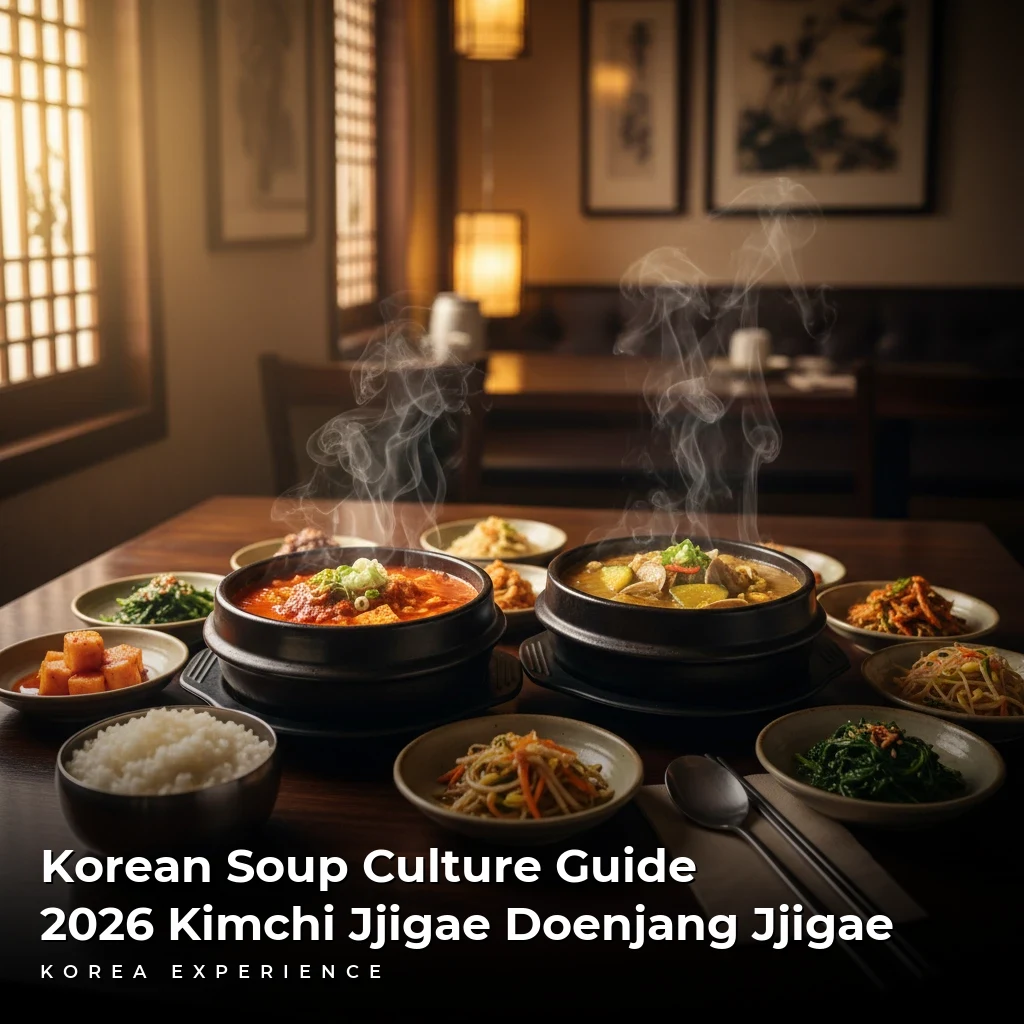
Korean soup culture is not merely a side dish; it is the foundation of the Korean dining table. Unlike Western meals where soup often serves as an appetizer, in Korea, a meal is rarely considered complete without a steaming bowl of guk (soup), tang (stew), or jjigae (thicker stew). For the international traveler in 2026, understanding this liquid landscape is the key to unlocking authentic local flavors.
In this comprehensive guide, we explore the savory depth of Kimchi Jjigae, the earthy richness of Doenjang Jjigae, and the restorative powers of specialized broths. Whether you are navigating a bustling lunch crowd in Gangnam or seeking a hangover cure in Hongdae, this guide ensures you order with confidence.
Related reading: Korean Fermented Foods Beyond Kimchi Doenjang Gochujang.
Key Takeaways
- 1Soup is a main course, not a starter, essential to the Korean table setting (Bansang)
- 2Average prices range from 8,000 to ₩15,000 ($6-11 USD) for most standard stews
- 3Jjigae is thicker and saltier than Guk, designed to be eaten with rice
Understanding the Terminology: Guk vs. Tang vs. Jjigae
To navigate a Korean menu effectively, you must first distinguish between the three main categories of liquid dishes. While they may look similar to the untrained eye, the ratio of liquid to solid ingredients and the method of serving differ significantly.
You might also enjoy our article about Korean Soup Culture Guide Gamjatang Galbitang Seolleongtang.
Guk has the highest liquid-to-solid ratio. It is usually lighter, served in individual bowls, and accompanies rice. Tang is a more formal term for soup, often requiring longer cooking times (8 to 12 hours for bone broths) and is frequently shared or served in larger earthenware pots. Jjigae is the thickest of the three, seasoned heavily with chili paste or soybean paste, and is undeniably the most popular choice for a hearty lunch.
📋 Soup Categories at a Glance
Korean Soup Types Compared
| Feature | Guk (Soup) | Tang (Stew) | Jjigae (Thick Stew) |
|---|---|---|---|
| Consistency | Watery/Light | Rich/Long-simmered | Thick/Dense |
| Sharing | Individual | Individual or Shared | Often Shared |
| Seasoning | Mild | Table-side (Salt) | Pre-seasoned (Strong) |
The Holy Trinity of Korean Stews
When visiting Korea in 2026, three specific stews dominate the culinary landscape. These are available in roughly 90% of general Korean restaurants and constitute the daily fuel for millions of locals.
Learn more in our comprehensive guide to Daegu Makchang guide the ultimate grilled intestines expe....
1. Kimchi Jjigae (Kimchi Stew)
Kimchi Jjigae is the quintessential comfort food. It is spicy, savory, and tangy. The primary ingredient is aged kimchi—fermented for at least 6 months to a year—which provides a depth of flavor that fresh kimchi cannot achieve. It is typically boiled with pork belly, tuna, or spam, and tofu.
You might also enjoy our article about Korean breakfast culture what locals eat in the morning.
The dish is served boiling hot, usually around 85°C to 95°C (185°F - 203°F). It is affectionately known as a "Bap-doduk" or "Rice Thief," meaning it is so delicious that you will consume bowl after bowl of rice without noticing.
Pro Tip
If the stew is too spicy for your palate, ask for "gyeran-mari" (rolled omelet) as a side dish. The egg neutralizes the heat and costs about 5,000 to ₩8,000 ($4-6 USD).
2. Doenjang Jjigae (Soybean Paste Stew)
If Kimchi Jjigae is the fiery younger sibling, Doenjang Jjigae is the wise, earthy elder. Made from fermented soybean paste (doenjang), this stew is savory, salty, and complex. It usually contains zucchini, tofu, onions, and sometimes brisket or clams.
Historically, doenjang has been a source of protein in Korea for over 2,000 years. The stew is lighter on the stomach than its spicy counterparts and is often the standard accompaniment to Korean BBQ. A standard serving contains roughly 15-20 grams of protein, making it a nutritious option.
3. Sundubu Jjigae (Soft Tofu Stew)
Sundubu Jjigae features uncurdled, extra-soft tofu that has a silken texture. This stew is typically cooked in a small earthenware pot called a ttukbaegi, which retains heat for 15 to 20 minutes after arriving at the table. It is famous for the raw egg cracked into the boiling broth just before serving—the residual heat cooks the egg to a perfect poach in about 2 minutes.
📖 How to Eat Sundubu Jjigae
Step 1: Crack the Egg
Immediately crack the raw egg into the bubbling stew upon arrival.
Step 2: Taste the Broth
Sip the broth first. If it's too spicy, wait 2-3 minutes.
Step 3: Mix with Rice
Scoop the soft tofu and broth over your rice, do not dump rice into the pot.
Soups for Stamina and Hangovers
Korean culture has a specific soup for every physical condition. Whether you are draining energy in the summer heat or recovering from a night of soju, there is a broth prescribed for you.
Samgyetang: The Summer Stamina Booster
Samgyetang is a whole young chicken stuffed with glutinous rice, ginseng, jujube (red dates), and garlic, floating in a rich broth. It is traditionally eaten during Sambok, the three hottest days of the lunar calendar (typically July and August).
In 2026, the price of a premium Samgyetang in Seoul averages between 18,000 and ₩25,000 ($13-19 USD). The ginseng used is typically 3 to 4 years old, believed to boost the immune system and increase energy.
Many tourists visit Tosokchon near Gyeongbokgung Palace, but the line can take 45-60 minutes. For an equally authentic experience with a 10-minute wait, try authentic spots in the Yeouido financial district where office workers eat.
Haejangguk: The Hangover Cure
The word Haejangguk literally translates to "soup to chase a hangover." This is a category rather than a single dish, but the most common version features a beef broth with napa cabbage, bean sprouts, and congealed ox blood (seonji). If ox blood sounds intimidating, you can opt for Byeo-Haejangguk (Bone Hangover Soup), which features pork spine meat that falls off the bone.
These restaurants often operate 24 hours a day. A typical bowl costs 9,000 to ₩11,000 ($7-8 USD) and is heavily seasoned to shock the system back into operation.
💵 Hangover Soup Price Comparison (Seoul 2026)
High-end specialized restaurant
Local neighborhood diner
The Milky Broths: Seolleongtang and Gomtang
For those who dislike spice, the milky white bone broths are a culinary sanctuary.
Seolleongtang is made by boiling ox leg bones for 12 to 24 hours until the calcium is extracted, turning the broth a milky white. It is served with brisket slices and somyeon (thin wheat noodles). Gomtang is similar but often clearer as it includes more meat and fewer bones in the boiling process.
Crucially, these soups are served unseasoned. You will find sea salt, black pepper, and chopped green onions at the table. It is up to you to season it to your taste. A typical serving contains about 800mg of sodium before you add salt, so taste it first.
Imun Seolnongtang(Imun Seolnongtang)
Army Stew (Budae Jjigae): A Modern Classic
Budae Jjigae is a fusion dish born out of necessity after the Korean War. It combines Korean staples like gochujang (chili paste) and kimchi with US military surplus items like Spam, hot dogs, and baked beans. Today, it is a beloved comfort food, often topped with processed cheese and instant ramen noodles.
It is a communal dish, almost always cooked at the table on a portable gas burner. A medium pot for two people usually costs around ₩24,000 ($18 USD). It is rich, caloric (approx. 700 kcal per serving), and incredibly satisfying.
Recommended Restaurants in Seoul
While you can find soup anywhere, these establishments are institutions recognized for their dedication to specific broths.
Eunju-jeong(Eunju-jeong)
Dining Etiquette and Tips for 2026
Dining in Korea involves specific protocols, especially regarding soups and stews.
1. The Spoon is King
Unlike in some other Asian cultures where the bowl is lifted to the mouth, in Korea, the bowl stays on the table. You use the long-handled spoon (sujeo) to drink the broth. Using chopsticks to fish out solid ingredients is acceptable, but drinking soup directly from the bowl is generally frowned upon in formal settings.
2. Communal vs. Individual
In 2026, hygiene awareness has shifted dining habits slightly. While older generations may still dip spoons into a communal pot (jjigae), most restaurants now provide a ladle and individual small bowls (ap-jeopsi). Always use the ladle to transfer the stew to your personal bowl before eating.
Communal Dining Etiquette
- ✓Fosters a sense of 'Jeong' (connection/bonding)
- ✓Allows you to control your portion size
- ✗Hygiene concerns if no ladle is used
- ✗Soup cools down faster in small individual bowls
3. The "Rice Lid" Trick
When eating hot soup, you can remove the stainless steel lid of your rice bowl, flip it over, and use it as a cooling plate for hot tofu or meat taken from the boiling stew. This is a common practice among locals to avoid burning the tongue.
Seasonal Considerations
The type of soup enjoyed in Korea changes with the seasons.
- Spring (March-May): Mugwort soup (Doenjang-guk with mugwort) is popular for its aromatic, earthy scent.
- Summer (June-August): Samgyetang (Hot Chicken Soup) or Naengmyeon (Cold Noodle Broth). While Naengmyeon is a noodle dish, the beef broth is chilled to 0°C - 4°C, often with slushy ice.
- Autumn (September-November): Toranguk (Taro Soup) is traditional during Chuseok (Korean Thanksgiving).
- Winter (December-February): Maeuntang (Spicy Fish Stew) or rich Seolleongtang provides warmth against temperatures dropping to -10°C (14°F).
📊 Soup Consumption Stats
Making it at Home: The Rise of Meal Kits
For travelers who fall in love with these flavors, 2026 has seen a boom in high-quality exportable meal kits. Major supermarkets like Lotte Mart and Emart (often located within 500 meters of major subway hubs) sell retort pouches of Seolleongtang and Kimchi Jjigae that can clear customs in most countries.
The average price for a premium pouch (500g, serving 1-2 people) is 6,000 to ₩8,000 ($4.50-6.00 USD). Look for brands like Bibigo or Peacock for reliable quality.
Customs Warning
Be careful buying products containing solid meats (beef/pork chunks) if traveling to the USA, Australia, or New Zealand. Broth-only extracts are usually safer for customs, but always declare food items.
Conclusion
To know Korea is to know its soups. From the fiery red depths of a Kimchi Jjigae bubbling in a back alley of Euljiro to the pristine, milky elegance of a Seolleongtang in Jongno, these dishes tell the story of a nation’s history, resilience, and geography.
As you explore Korea in 2026, do not just treat soup as a prelude. Order it as the main event. Let the steam warm your face, mix your rice with the rich broth, and experience the true "Taste of Korea."
❓ Frequently Asked Questions
Have more questions?Contact us →
About the Author
Korea Experience Team
Written by the Korea Experience editorial team - experts in Korean medical tourism, travel, and culture with years of research and firsthand experience.
Explore more in Food & Dining
Korean BBQ, street food, Michelin restaurants, and regional specialties — your ultimate guide to eating well in Korea.
Browse All Food & Dining ArticlesContinue Reading
Explore more articles you might find interesting
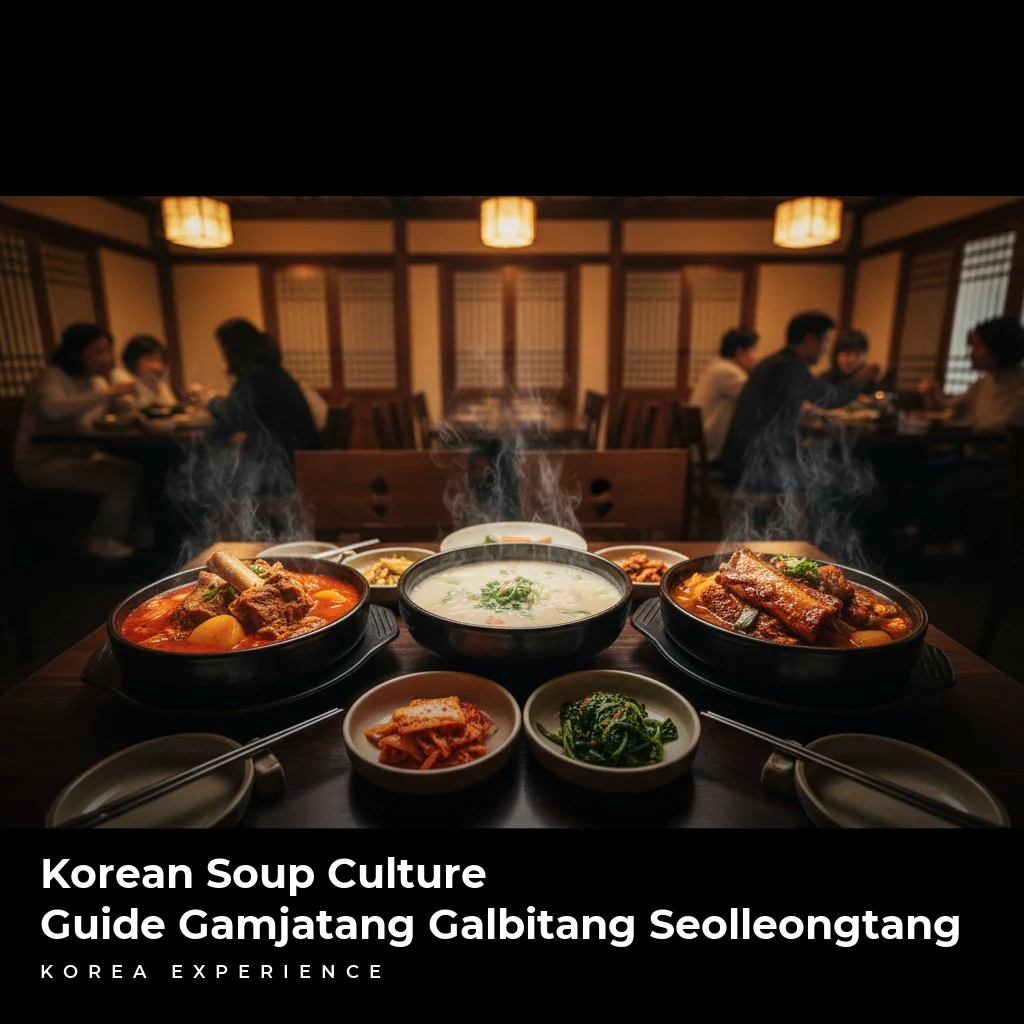
Discover the heart of Korean dining with our deep dive into Gamjatang, Galbitang, and Seolleongtang. Learn where to eat, how to order, and local etiquette.
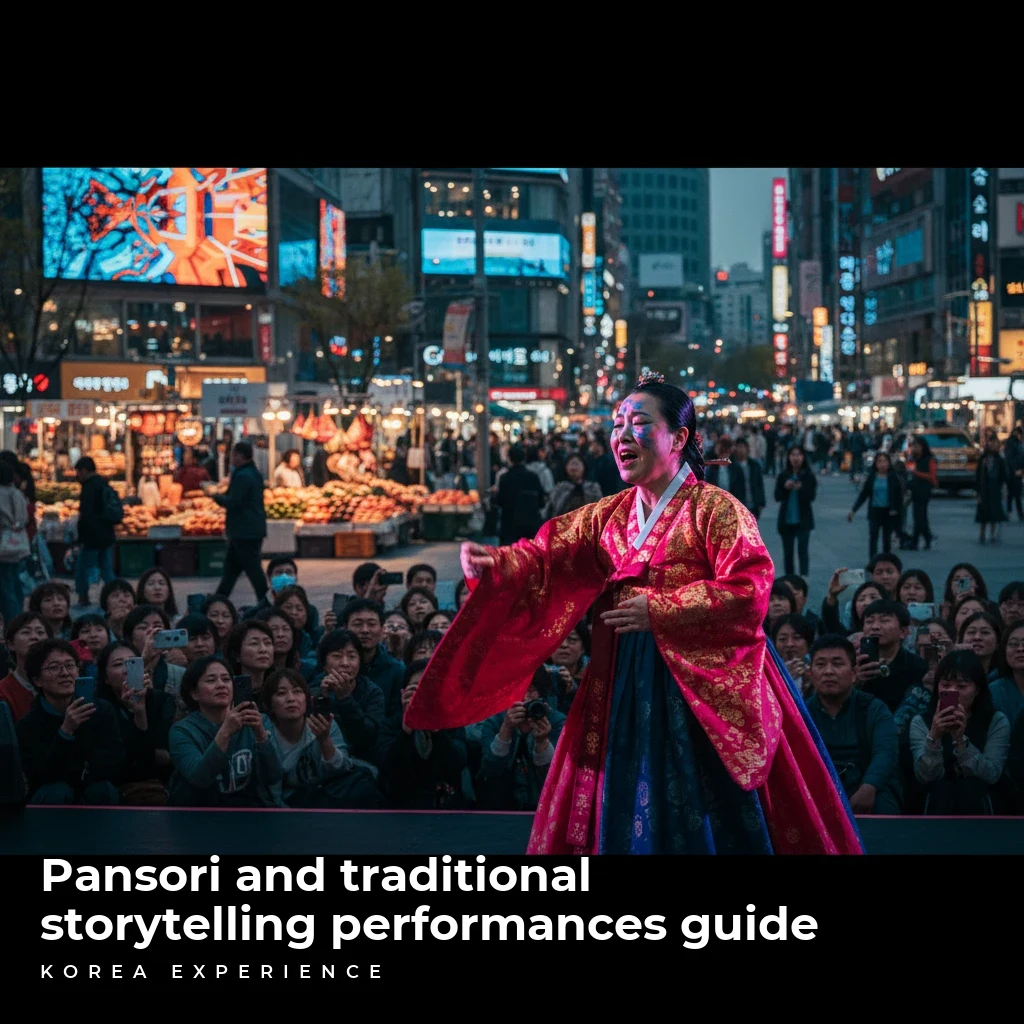
Discover the soul of Korea through Pansori. A complete guide to traditional storytelling venues, tickets, and etiquette for travelers.
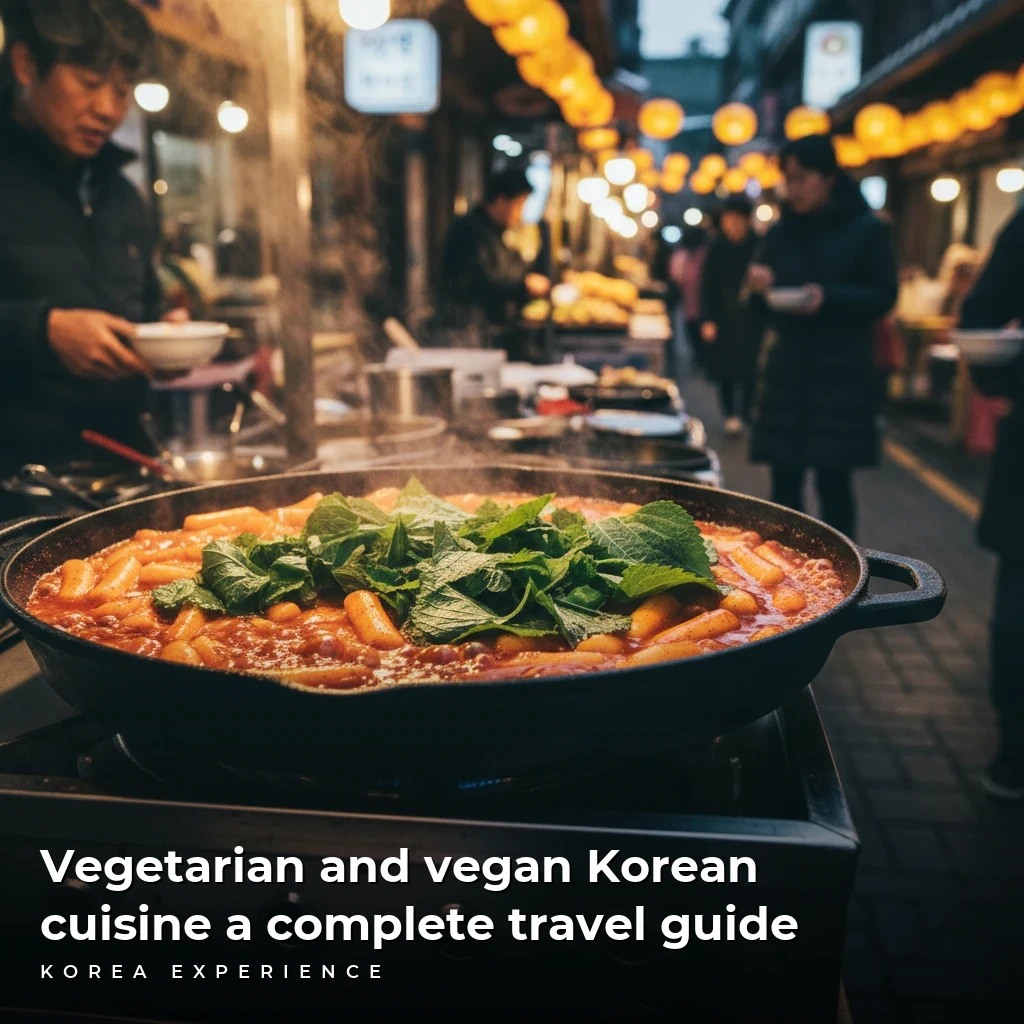
Discover the best vegetarian and vegan Korean cuisine options. From Michelin-starred temple food to spicy street snacks, navigate dining in Korea easily.
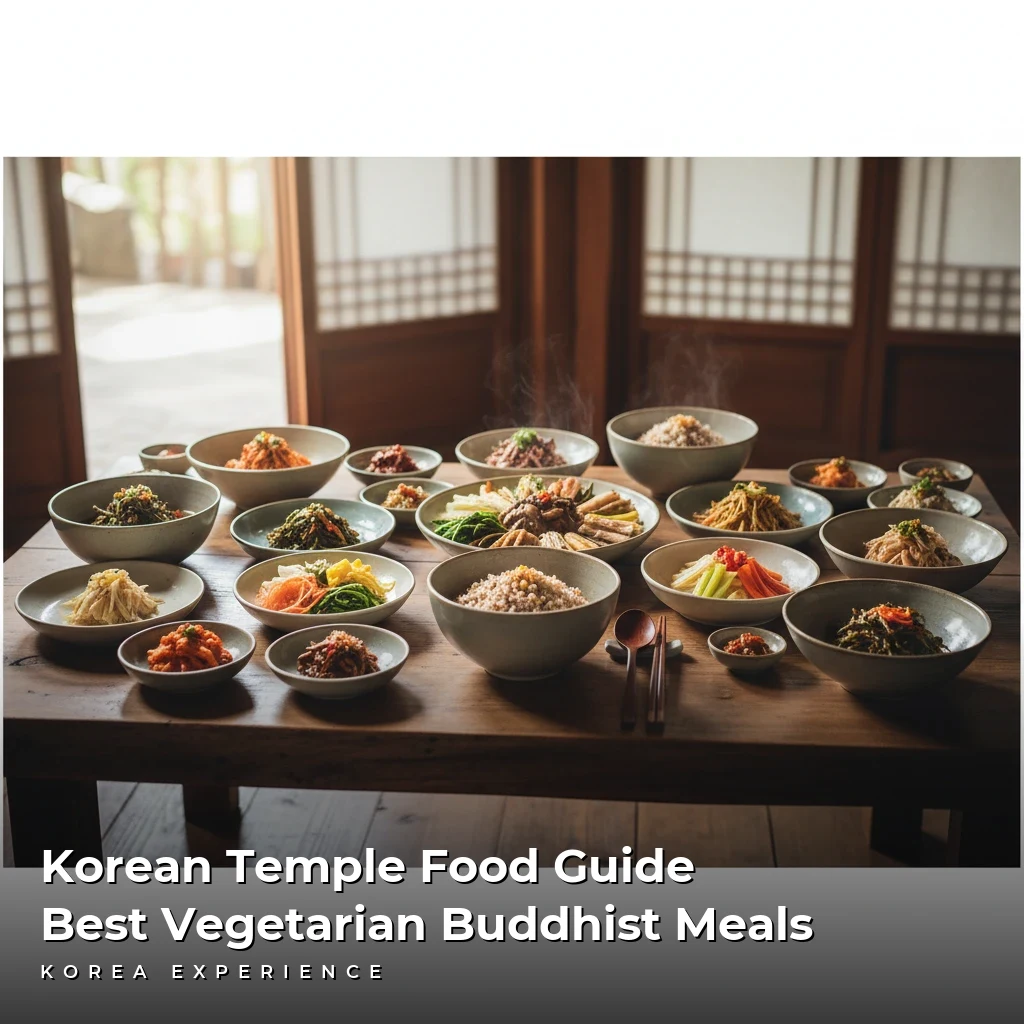
Discover the serenity of Korean temple food. A complete guide to vegetarian Buddhist cuisine, Michelin-starred restaurants, and etiquette.
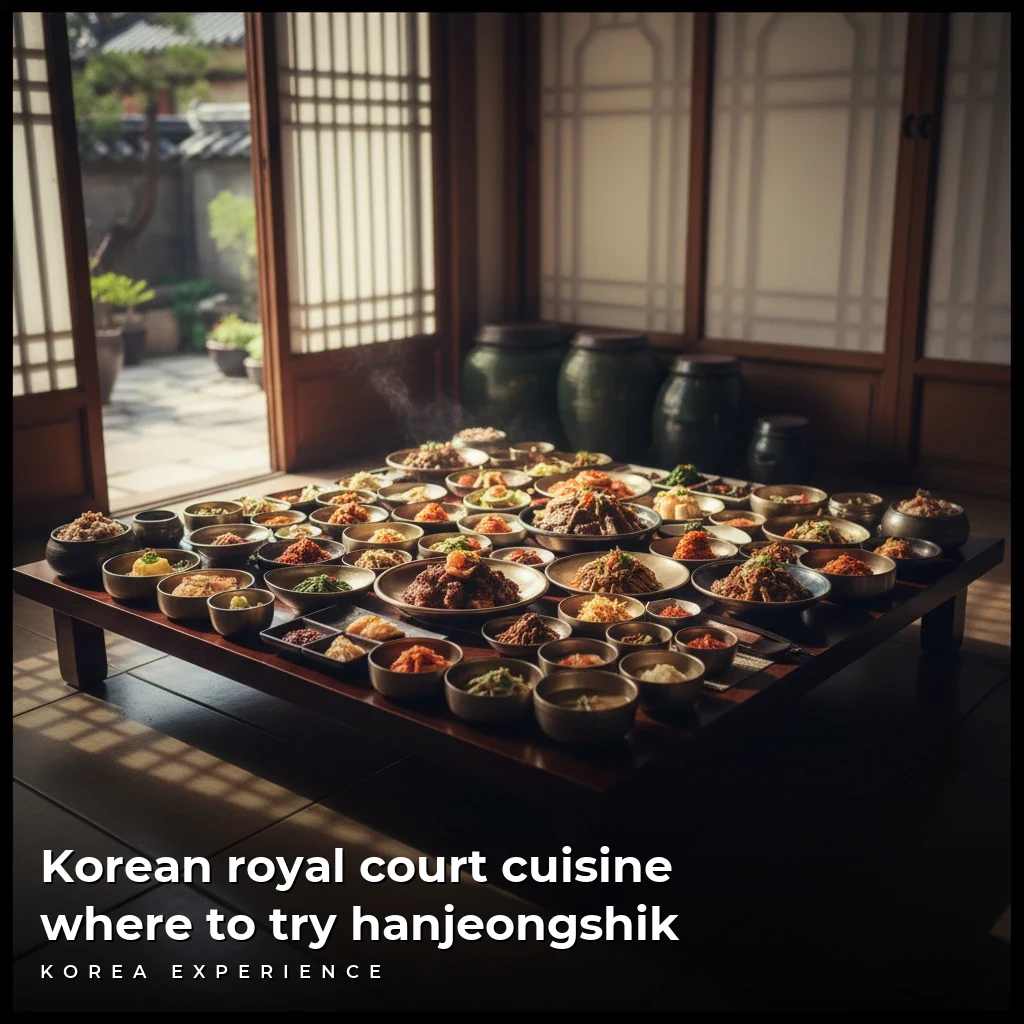
Discover the elegance of Korean Royal Court Cuisine. Our guide covers top Hanjeongshik restaurants, menus, and dining etiquette for 2026 travelers.
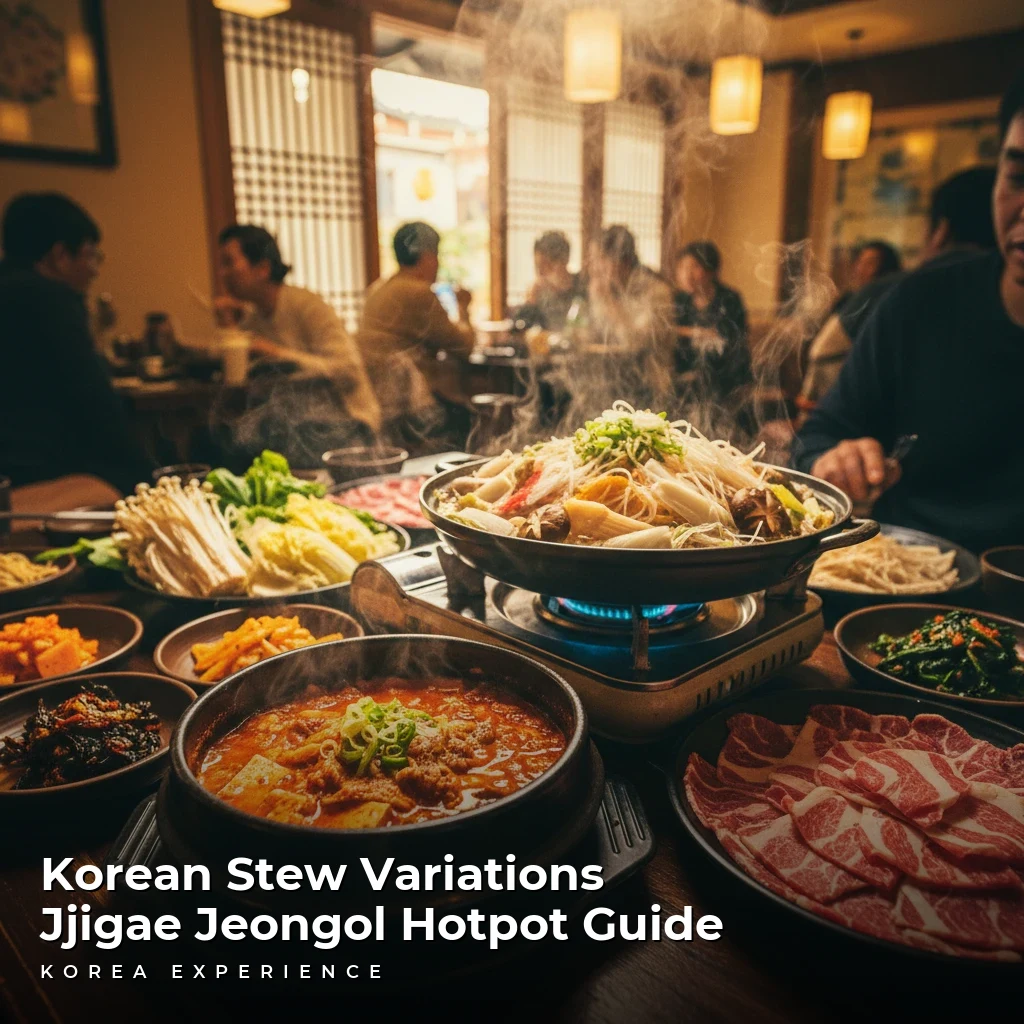
Discover the essential differences between Korean stew variations including Jjigae, Jeongol, and Hotpot for the ultimate dining experience.