Korean Stew Variations Jjigae Jeongol Hotpot Guide
Discover the essential differences between Korean stew variations including Jjigae, Jeongol, and Hotpot for the ultimate dining experience.
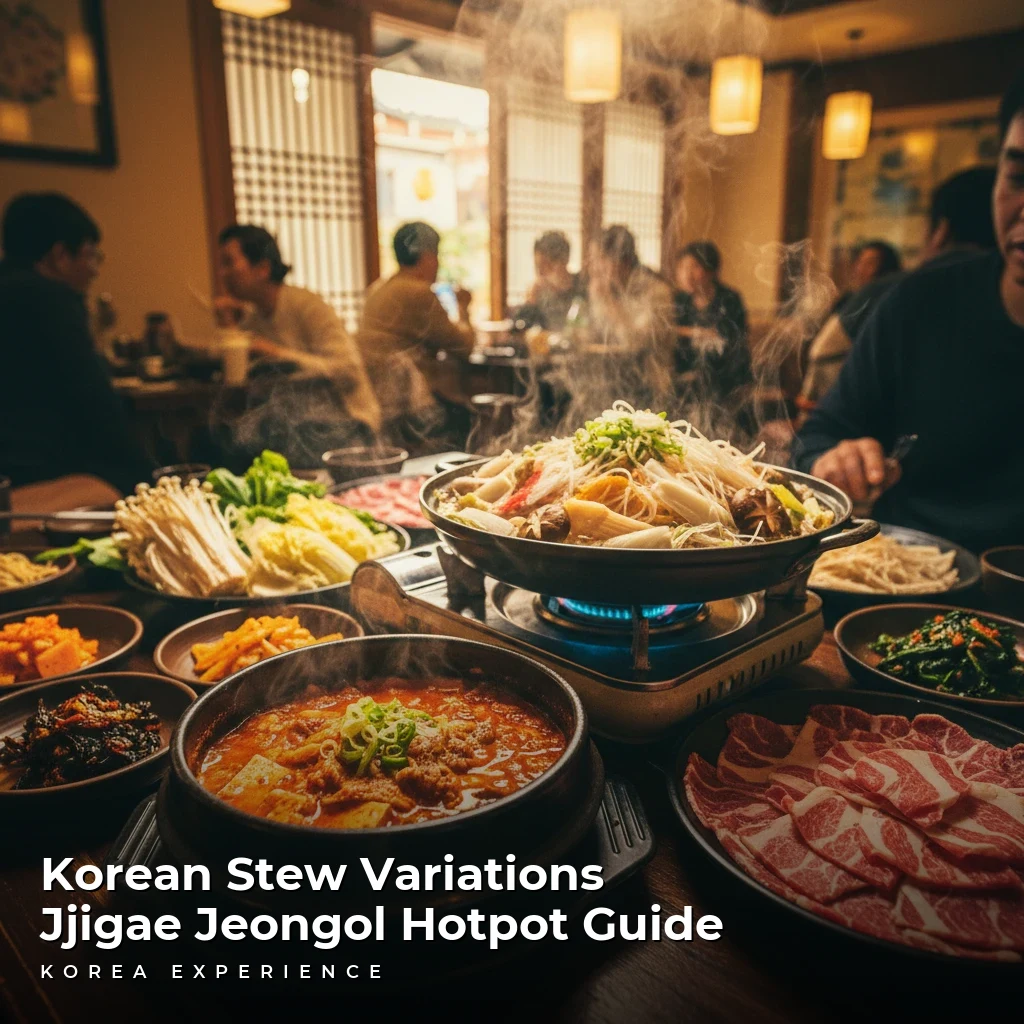
The soul of Korean cuisine does not lie in BBQ, despite its international fame. It resides in the bubbling, steaming earthenware pots filled with rich broths, spicy pastes, and communal warmth. For any traveler or expat navigating the culinary landscape of the peninsula, understanding Korean stew variations—specifically the distinction between Jjigae, Jeongol, and Hotpot—is the key to unlocking the true local dining experience.
While they may look similar to the untrained eye, the differences in preparation, serving style, price, and cultural etiquette are distinct. A Jjigae is often a solitary or intimate affair, a concentrated flavor bomb served boiling hot. Jeongol, conversely, is an elaborate communal ritual, cooked slowly at the table. Understanding these nuances not only prevents ordering mishaps but ensures you appreciate the depth of Korea's soup culture.
For more details, check out our guide on Korean Pancake Variations Guide Pajeon Bindaetteok Kimchi....
Key Takeaways
- 1Jjigae is a concentrated stew often served in individual pots (approx. ₩9,000).
- 2Jeongol is a communal hotpot cooked at the table, costing 30,000-₩50,000.
- 3Bokkeumbap (fried rice) is the essential dessert after finishing a Jeongol meal.
The Liquid Hierarchy: Guk, Tang, Jjigae, and Jeongol
To understand Jjigae and Jeongol, one must first grasp the Korean "Liquid Hierarchy." Korean dining categorizes soup dishes based on the ratio of liquid to solid ingredients and how the dish is served.
You might also enjoy our article about Korean Soup Culture Guide 2026 Kimchi Jjigae Doenjang Jjigae.
Guk is a soup with a high liquid-to-solid ratio (roughly 70:30). It is not shared; it is served in individual bowls alongside rice. Tang is similar to Guk but often implies a longer simmering time or a specific main ingredient (like Galbi-tang, short rib soup). Jjigae shifts the balance. It has less liquid and more solid ingredients (roughly 40:60 ratio) and is seasoned more heavily with fermented pastes like Doenjang (soybean paste) or Gochujang (chili paste). Jeongol is the most complex, involving raw ingredients arranged in a wide, shallow pan and cooked at the table.
📋 Korean Soup Classifications
Linguistic Insight
The suffix "-jjigae" denotes a stew that has already been boiled in the kitchen before arriving at your table. The suffix "-jeongol" implies an ongoing cooking process that happens in front of you.
Jjigae: The Daily Comfort Food
Jjigae is the backbone of the Korean daily diet. Walk into any typical office district in Seoul like Gwanghwamun or Yeouido between 11:30 AM and 1:00 PM, and you will find thousands of workers consuming Jjigae. It is efficient, hearty, and relatively affordable, with average lunch prices ranging from ₩8,000 to ₩12,000 ($6.00 - $9.00 USD).
Kimchi-jjigae (Kimchi Stew)
This is the undisputed king of Korean stews. It uses aged, sour kimchi cooked with pork belly (typically 150g per serving) or tuna. The sourness is the key; fresh kimchi cannot produce the deep, savory flavor required. Many restaurants will simmer their broth for 2 to 4 hours before service.
If a restaurant serves fresh, crunchy kimchi as a side dish, their Kimchi-jjigae might be lacking. The best stew places have dedicated refrigerators just for over-fermenting kimchi for at least 6 months to get that signature tang.
Doenjang-jjigae (Soybean Paste Stew)
Often compared to Japanese Miso soup, Doenjang-jjigae is significantly more robust, salty, and pungent. It usually contains zucchini, tofu, onions, and sometimes brisket or seafood. It is the standard accompaniment to Korean BBQ, often costing only 3,000 to ₩5,000 when ordered as a side dish to meat.
Sundubu-jjigae (Soft Tofu Stew)
Originating from the mid-20th century but popularized globally recently, this stew features uncurdled, silky tofu. It is usually spicy, utilizing chili oil, and often includes clams or minced pork. A raw egg is frequently cracked into the boiling pot at the table, cooking in the residual heat (approx. 90°C/194°F) within 2 minutes.
Eunju-jeong(Eunju-jeong)
Jeongol: The Communal Feast
If Jjigae is lunch, Jeongol is dinner. It serves a social function, designed for 2 to 4 people to share over alcohol, typically Soju. The price point reflects this, averaging ₩30,000 to ₩60,000 ($23 - $45 USD) per pot.
The presentation is crucial. Ingredients are arranged meticulously by color and texture in a shallow, wide pot. Broth is poured over, and the burner is lit at the table. It requires patience, usually taking 10 to 15 minutes to reach the optimal eating state.
Gopchang-jeongol (Beef Tripe Hotpot)
This is a favorite among local gourmands. It features beef small intestines, vegetables, and udon noodles in a spicy broth. The fat from the intestines emulsifies into the soup, creating a rich, creamy texture. It is calorie-dense, often exceeding 800 calories per serving, but is considered a premier "Anju" (food paired with alcohol).
Mandu-jeongol (Dumpling Hotpot)
A milder option, this features large, fist-sized Korean dumplings (Mandu) filled with pork, tofu, and vegetables. The broth is usually a clear beef bone or anchovy stock. It is particularly popular in winter, with search volumes for "Mandu-jeongol" spiking by 300% in Korea during December and January.
Beoseot-jeongol (Mushroom Hotpot)
For vegetarians, this is often the safest bet, though one must always confirm the broth base. It showcases a variety of local mushrooms like Enoki, Oyster, and Shiitake.
📖 How to Eat Jeongol Like a Local
Step 1: The Boil
Wait for the broth to boil vigorously. Do not stir immediately; let the arrangement hold for presentation.
Step 2: Vegetables First
Once boiling, eat the vegetables and mushrooms first as they cook quickly (approx. 3-5 mins).
Step 3: The Main Event
Eat the meat, dumplings, or seafood. Reduce the heat to low to keep it warm without overcooking.
Step 4: Kalguksu
When 30% of the soup remains, order Kalguksu (knife-cut noodles) to thicken the broth.
Step 5: Bokkeumbap
The finale. Order fried rice. The server will mix rice, seaweed, and sesame oil into the remaining concentrated sauce.
Budae-jjigae: The Hybrid Stew
Budae-jjigae, or "Army Base Stew," sits uniquely between Jjigae and Jeongol. While named Jjigae, it is almost exclusively served Jeongol-style (cooked at the table). It originated shortly after the Korean War (1950-1953) in the city of Uijeongbu, located 20km north of Seoul.
The dish utilizes US military surplus foods—SPAM, sausages, baked beans, and sliced cheese—mixed with traditional Kimchi, Gochujang, and Ramyeon noodles. It is a fusion dish born of necessity that became a national favorite.
📊 Budae-jjigae Consumption
Detailed Comparison: Jjigae vs. Jeongol
For the traveler trying to decide where to eat, the distinction often comes down to budget and company.
Jjigae vs. Jeongol Comparison
| Feature | Jjigae (Stew) | Jeongol (Hotpot) |
|---|---|---|
| Cooking Location | Kitchen (Pre-cooked) | Table (Cook-yourself) |
| Serving Style | Individual Earthenware Pot | Large Shared Shallow Pan |
| Primary Time | Lunch / Quick Meal | Dinner / Social Gathering |
| Price (Approx) | ₩9,000 - ₩12,000 | ₩30,000 - ₩50,000 |
| Sides (Banchan) | 3-5 Standard Sides | Often fewer sides, focus on main |
Cost Analysis for Travelers
Korea offers dining options for every budget. Jjigae represents one of the best value-for-money meals in the developed world. For less than $10 USD, you receive a boiling main dish, rice, and unlimited side dish refills.
💵 Stew Dining Cost Comparison
Located in Gangnam/Cheongdam. Includes high-grade beef.
Standard lunch price in residential areas.
The '2-Person' Rule
Many Jeongol restaurants enforce a "minimum order of 2 servings" (2-in-bun). Solo travelers may be turned away or forced to pay for two portions. Jjigae restaurants, however, usually welcome solo diners.
Regional Variations and Recommendations
While Seoul is the epicenter, variations exist across the country.
Seoul
The style here is clean and standardized. Recommendation: Silver Spoon Stews in Mapo-gu. Distance: 10 minutes from Hongik University Station.
Gyeonggi-do (Uijeongbu)
The birthplace of Budae-jjigae. The "Uijeongbu Budae-jjigae Street" has over 20 specialized restaurants clustered within a 200-meter radius. Travel Time: 45 minutes by subway (Line 1) from Seoul Station.
Jeolla-do
Known for deeper, funkier flavors using older fermentation. Feature: They often add extra seafood to meat stews for complexity.
Odeng Sikdang(Odeng Sikdang)
The Pros and Cons of Korean Stew Culture
Dining Experience Analysis
- ✓Extremely high nutrient density and vegetable intake
- ✓Social bonding experience unmatched by Western dining
- ✓Free refills on broth and side dishes are standard
- ✗Sodium levels are very high (often >2000mg/serving)
- ✗Shared dipping can be uncomfortable for some germaphobes
- ✗Garlic and chili odors stick to clothes
Clothing Care
Most Jeongol restaurants provide aprons (ap-chi-ma) to protect your clothes from red splatters. Look for them on the wall or ask the staff. Additionally, check if the chair seat lifts up; you can store your coat inside to prevent it from absorbing food smells.
FAQ: Common Questions About Korean Stews
❓ Frequently Asked Questions
Have more questions?Contact us →
Final Thoughts
Navigating the world of Korean stew variations—Jjigae, Jeongol, and Hotpot—is an adventure in texture, temperature, and timing. Whether you are grabbing a quick ₩9,000 Tuna Kimchi-jjigae in a bustling alleyway or settling in for a two-hour, ₩50,000 Gopchang-jeongol feast with friends, you are participating in the heartbeat of Korean culture.
Remember the golden rule: Jjigae is for sustenance, Jeongol is for bonding. And no matter which you choose, never skip the fried rice at the end.
About the Author
Korea Experience Team
Written by the Korea Experience editorial team - experts in Korean medical tourism, travel, and culture with years of research and firsthand experience.
Explore more in Food & Dining
Korean BBQ, street food, Michelin restaurants, and regional specialties — your ultimate guide to eating well in Korea.
Browse All Food & Dining ArticlesContinue Reading
Explore more articles you might find interesting
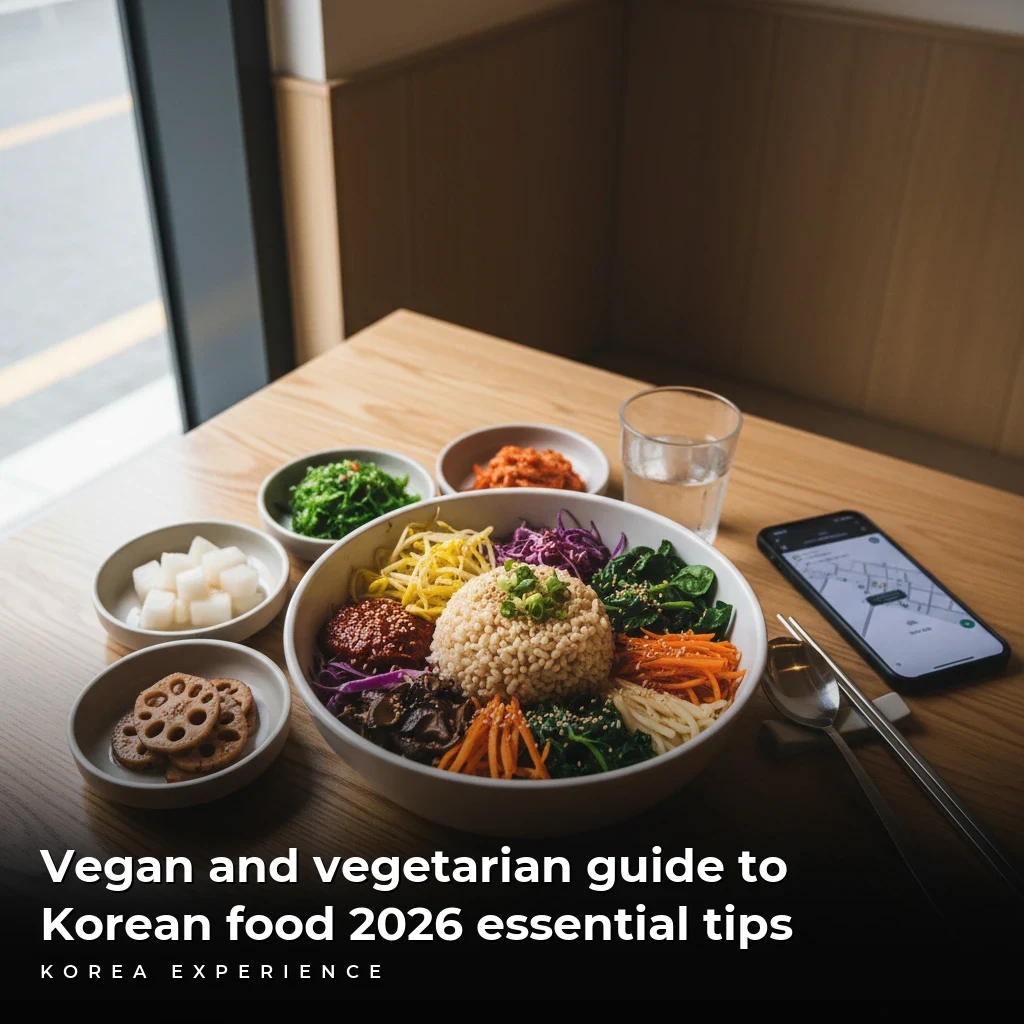
Discover the ultimate 2026 guide to vegan and vegetarian dining in Korea. Includes vocabulary, top restaurants, and survival tips for travelers.
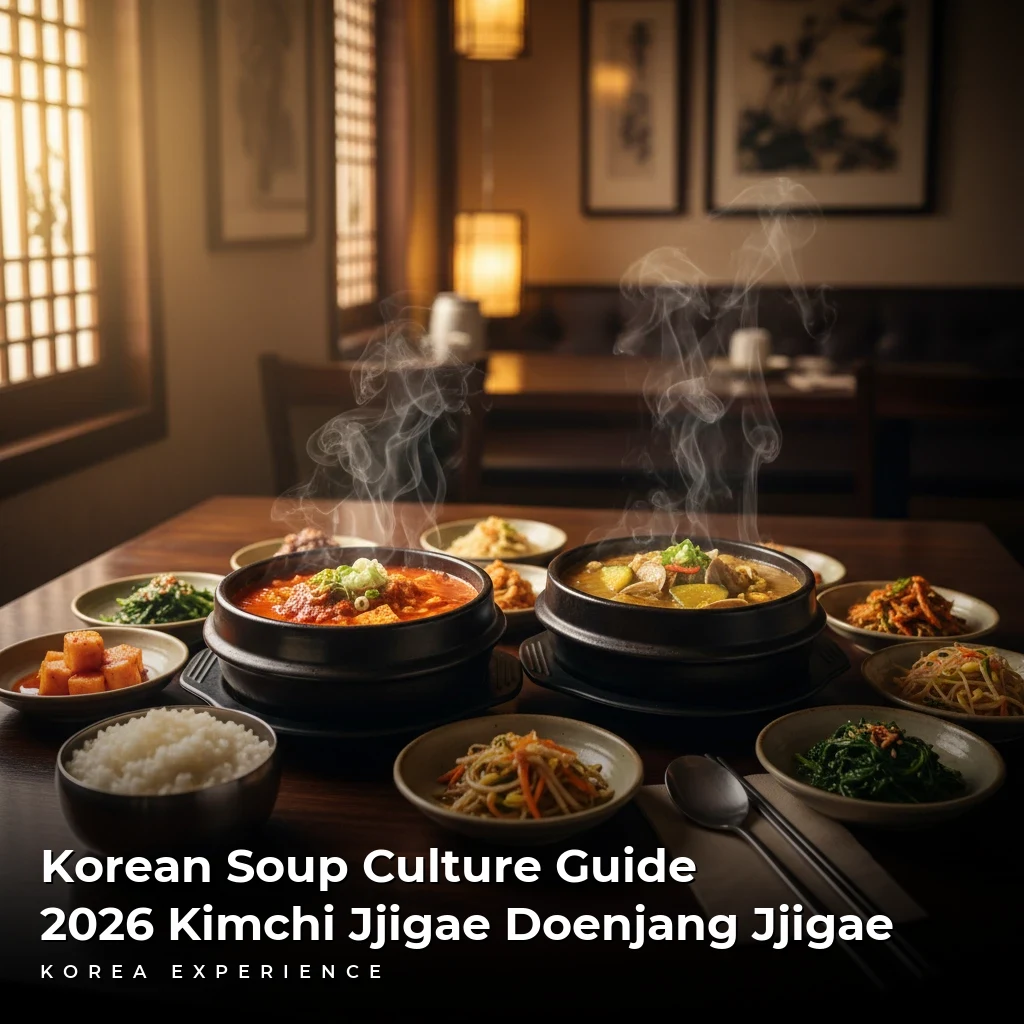
Discover the soul of Korean cuisine through its soups. A complete 2026 guide to Kimchi Jjigae, Doenjang Jjigae, and essential dining etiquette.
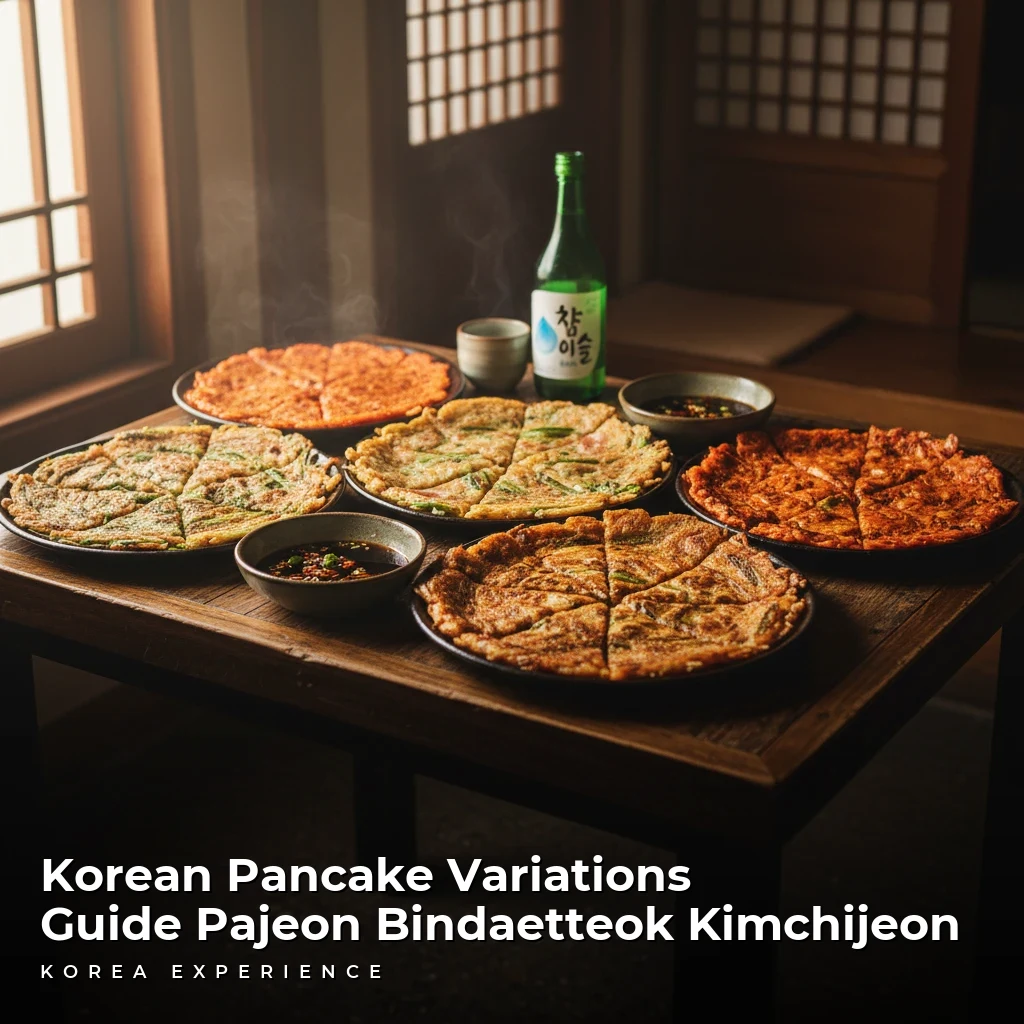
Discover the ultimate guide to Korean pancake variations, including Pajeon, Bindaetteok, and Kimchijeon, with the best spots in Seoul for 2026.
Discover the ultimate guide to gluten free dining in Korea with celiac safe options, restaurant recommendations, and essential travel tips for 2026.
Discover the ultimate checklist of 50 essential Korean dishes, from street food to royal cuisine, including prices, spicy levels, and best spots for 2026.
Discover the freshest seafood in Busan. From a $52 Haenyeo diver platter to a 10,000 KRW raw fish soup, explore the ultimate 2026 coastal dining guide.