Korean Pancake Variations Guide Pajeon Bindaetteok Kimchijeon
Discover the ultimate guide to Korean pancake variations, including Pajeon, Bindaetteok, and Kimchijeon, with the best spots in Seoul for 2026.
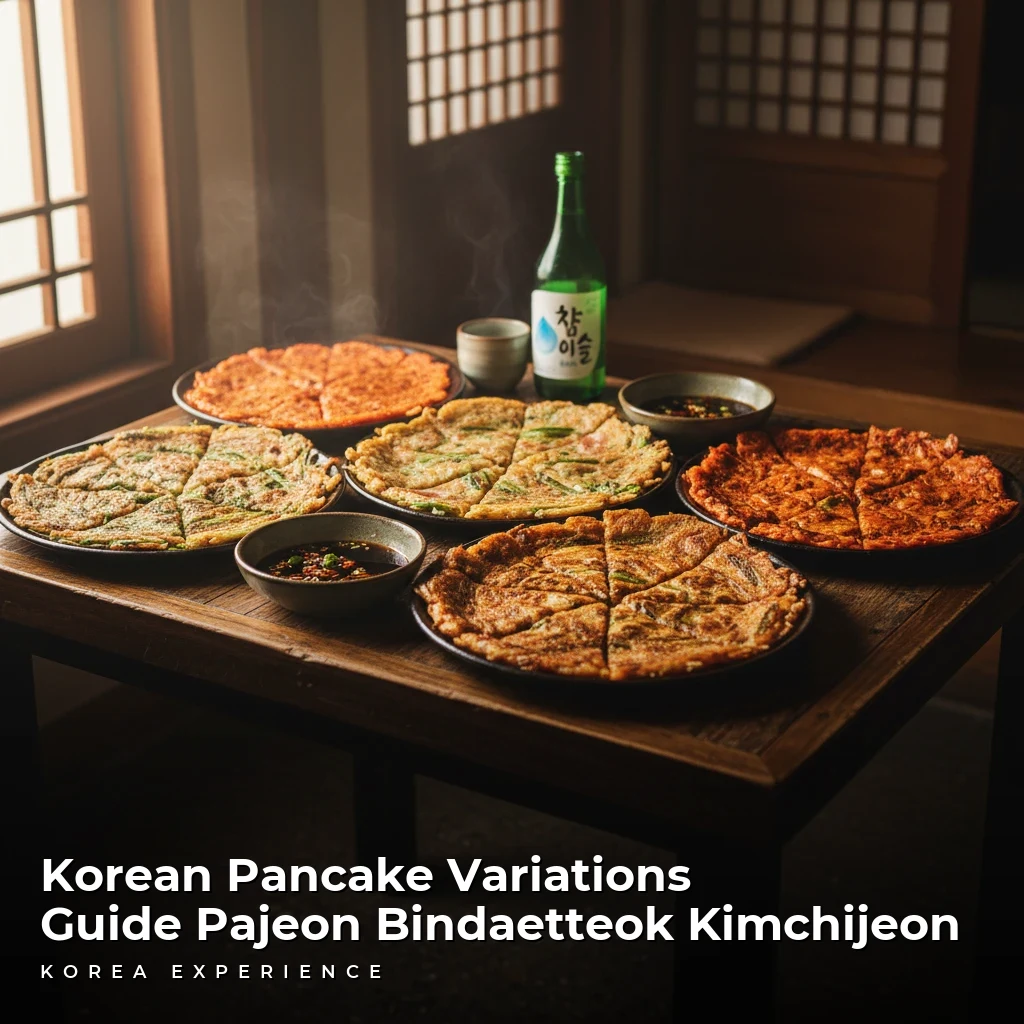
The sound of rain hitting the pavement triggers a very specific craving in the hearts of Koreans: the sizzling, crackling sound of batter hitting hot oil. This phenomenon is so culturally ingrained that on rainy days, sales of flour and Makgeolli (rice wine) spike significantly across the peninsula. Known collectively as Jeon or Buchimgae, Korean pancakes are a pillar of the nation's cuisine, offering a savory, crispy, and communal dining experience that transcends social classes.
While many international visitors are familiar with the generic "seafood pancake" found in overseas Korean restaurants, the world of Jeon is vast, intricate, and deeply regional. From the mung bean-based Bindaetteok of the chaotic Gwangjang Market to the refined Haemul Pajeon of coastal towns, understanding these variations is key to unlocking a true Korean culinary adventure.
Learn more in our comprehensive guide to Korean Stew Variations Jjigae Jeongol Hotpot Guide.
Key Takeaways
- 1Jeon consumption spikes during rain due to the auditory similarity between sizzling oil and rainfall.
- 2Bindaetteok is distinct from other pancakes as it uses ground mung beans instead of wheat flour.
- 3The average price for a premium Haemul Pajeon in Seoul is between 18,000 and ₩25,000.
The Cultural Significance of Jeon
To understand Korean pancakes, you must first understand the concept of Anju. Anju refers to food specifically consumed with alcohol. Jeon is arguably the king of Anju, particularly when paired with Makgeolli, a milky, unrefined rice wine.
Related reading: The best pajeon and Makgeolli spots for a rainy day in Seoul.
Historically, Jeon was a dish served to royalty and used in ancestral rites (Jesa). Today, it is the ultimate comfort food. The preparation involves coating ingredients—meat, seafood, vegetables—in a flour and egg batter and pan-frying them until golden.
The Rain Connection
There is a scientific theory and a romantic theory regarding Jeon and rain. Romantically, the sound of rain mimics frying. Scientifically, the high humidity helps spread the smell of frying oil, stimulating appetite, while the flour boosts serotonin levels on gloomy days.
According to 2025 consumer data, restaurant foot traffic in designated "Jeon Alleys" increases by approximately 45% on days with precipitation exceeding 5 millimeters. This cultural habit ensures that these establishments remain vibrant social hubs regardless of the weather.
Pajeon: The Green Onion Masterpiece
Pajeon is the most recognizable form of Korean pancake globally. The name combines pa (green onion/scallion) and jeon (pan-fried batter). Unlike Western pancakes where the batter is the star, in Pajeon, the green onions are the main event, laid out in parallel lines to form a structural base for the batter.
Haemul Pajeon (Seafood Green Onion Pancake)
The most premium version is Haemul Pajeon. A proper version is laden with squid, shrimp, clams, and occasionally oysters. The batter is often a mix of wheat flour, rice flour, and cornstarch to ensure a crispy texture that holds up for at least 20 minutes after serving.
📋 Pajeon Essentials
The texture should be a study in contrasts: crispy edges, a soft but cooked-through center, and the chewiness of the seafood. In Seoul, the standard diameter of a serving is roughly 30 centimeters (12 inches), making it a substantial dish meant for sharing between 2 to 3 people.
Nakseo Pajeon(Nakseo Pajeon)
The Cost of Quality
In 2026, ingredient costs for seafood have risen, impacting menu prices. A standard Pajeon at a university district might cost ₩15,000 ($11 USD), while a premium version in Gangnam or a tourist hotspot can reach ₩35,000 ($26 USD). The price difference usually reflects the volume of seafood and the quality of the oil used.
Bindaetteok: The Mung Bean Classic
Bindaetteok stands apart from other Jeon varieties because it does not use wheat flour. Instead, soaked mung beans are ground into a coarse paste on a millstone. This paste serves as both the batter and the body of the pancake.
Originating from the Pyongan province (now in North Korea), this dish has a nuttier, earthier flavor profile. It typically includes mung bean sprouts, bracken fern (gosari), and ground pork. Because it is deep-fried in a generous amount of oil (often lard in traditional markets), it has a distinctly crunchy, almost fritter-like exterior.
📊 Gwangjang Market Stats
The Gwangjang Market Experience
No discussion of Bindaetteok is complete without mentioning Gwangjang Market in Jongno-gu, Seoul. Here, vendors stack golden disks of Bindaetteok high, the smell of frying oil permeating the air for a radius of 200 meters.
The famous "Sunhee's Bindaetteok" remains a staple. The standard price for one piece of Nokdu Bindaetteok (Mung Bean Pancake) in the market is currently around 5,000 to ₩6,000 ($3.75 - $4.50 USD). It is an incredibly cost-effective meal, usually served with vinegared onion soy sauce to cut through the grease.
Many tourists make the mistake of eating Bindaetteok with chopsticks immediately. The locals actually use the chopsticks to tear the pancake into bite-sized pizza slices first. Also, dip the onion slice in the soy sauce and eat the onion with the pancake, rather than just dipping the pancake itself. It balances the oiliness perfectly.
Kimchijeon: The Spicy Comfort
Kimchijeon (or Kimchi-buchimgae) is the most common household variant because it requires fewer specialty ingredients. It is primarily made with sliced kimchi, flour batter, and water. However, the secret lies in the age of the Kimchi. Fresh kimchi does not work well; it must be sour, over-fermented kimchi, known as Mugeunji.
The acidity of the aged kimchi caramelizes when fried, creating a depth of flavor that is savory, spicy, and slightly tangy. Pork or tuna is often added for protein, but a simple kimchi-only version is a staple late-night snack for many Koreans.
📖 How to Spot Good Kimchijeon
Step 1: Check the Color
It should be a deep, vibrant red-orange. Pale pancakes indicate not enough Kimchi juice was used in the batter.
Step 2: Smell the Acidity
You should smell a hint of cooked fermentation. If it just smells like oil, the Kimchi wasn't aged enough.
Step 3: Texture Check
The edges should be lace-like and crispy, while the Kimchi pieces inside should be soft.
Price and Availability
Kimchijeon is generally the most affordable option on a Jeon menu, averaging 10,000 to ₩14,000 ($7.50 - $10.50 USD). It is spicy, ranging from 2 to 4 on a 5-point heat scale, depending on the pepper powder used.
Comparative Analysis: Which Jeon is for You?
Choosing between these variations can be difficult for a first-time traveler. The decision often comes down to texture preference and hunger level.
Jeon Variety Comparison
| Feature | Haemul Pajeon | Bindaetteok | Kimchijeon |
|---|---|---|---|
| Primary Texture | Chewy & Crispy | Crunchy & Grainy | Soft & Thin |
| Key Base | Wheat/Rice Flour | Ground Mung Bean | Wheat Flour + Kimchi Juice |
| Spice Level | Mild | Mild | Medium to Spicy |
| Gluten Content | High | Low (Trace Risk) | High |
Nutritional Considerations
For health-conscious travelers, it is worth noting that these are indulgent dishes. A single serving of Haemul Pajeon can contain approximately 800-1000 calories due to the oil absorption. Bindaetteok, while high in protein from the beans, is often fried in more oil than pajeon, making it calorie-dense as well.
The Makgeolli Pairing
You cannot eat Jeon without Makgeolli. This rice wine is sweet, tangy, and carbonated. It acts as a palate cleanser, cutting through the heavy oils of the pancakes.
💵 Makgeolli Price Guide (Restaurant)
Champagne-like natural carbonation, hand-brewed.
The ubiquitous green bottle. Sweet and carbonated.
In Jeon Alleys, Makgeolli is often served in a yellow aluminum kettle. This is not just for aesthetics; the metal keeps the wine cold, and the kettle allows for easy mixing of the sediment at the bottom of the wine without spilling.
Lesser-Known Variations
While the "Big Three" dominate the scene, adventurous eaters should look for these specific regional varieties:
- Gamjajeon (Potato Pancake): Made almost entirely of grated potato with minimal flour. It has a texture similar to hash browns but stickier (like mochi). Popular in Gangwon province, which is famous for potato farming.
- Buchujeon (Chive Pancake): Similar to Pajeon but uses garlic chives. It has a more garlicky, grassy flavor and is thinner and crispier than the scallion version.
- Yukjeon (Meat Pancake): Thin slices of beef coated in flour and egg, then pan-fried. This is a delicacy from the Jeolla province and is significantly more expensive, often costing ₩30,000 ($22 USD) or more.
Best Places to Experience Jeon in Seoul
Seoul is divided into districts that specialize in certain foods. For Jeon, there are three primary hubs you must visit.
1. Pajeon Alley (Hoegi Station)
Located near Kyung Hee University, this alley has been serving students since the 1970s. The pancakes here are famous for being thick, almost like a deep-dish pizza.
- Best for: Budget travelers, large groups, students.
- Average Spend: ₩12,000 per person.
2. Gwangjang Market (Jongno 5-ga Station)
The epicenter of Bindaetteok. It is loud, crowded, and authentic.
- Best for: Solo travelers, street food enthusiasts, photographers.
- Average Spend: ₩8,000 per person.
3. Gongdeok Jeon Alley (Gongdeok Station)
This alley operates differently. It is buffet-style. You take a basket and tongs, pick from dozens of pre-fried Jeon varieties (shrimp, chili pepper, meatball, sesame leaf), and they re-fry them for you.
- Best for: Variety seekers, office workers.
- Average Spend: 15,000 - ₩20,000 per person.
Crowd Warning
Gongdeok Jeon Alley becomes extremely crowded with office workers between 6:30 PM and 8:00 PM on Fridays. If you want a quiet meal, visit during lunch hours (11:30 AM - 1:00 PM) or on a Sunday evening.
Practical Dining Tips for Travelers
When you enter a Jeon restaurant, you will be given a few side dishes, usually including onions in soy sauce and Kakdugi (radish kimchi). Do not pour soy sauce directly onto the pancake.
If you are dining with locals, remember the "Seniority Pouring Rule." The youngest person at the table usually refills the empty glasses of the elders. Use two hands when pouring and receiving alcohol.
Jeon Dining Analysis
- ✓Incredible value for money, usually under $15 per person.
- ✓Highly social atmosphere ideal for groups.
- ✓Accessible flavor profiles for western palates (fried & savory).
- ✗Can be very oily; not suitable for sensitive stomachs.
- ✗Restaurants are often loud and lack English menus.
- ✗Clothing will absorb the smell of frying oil.
DIY at Home: A Brief Guide
If you fall in love with Jeon and want to recreate it at home, the key is the water-to-flour ratio (usually 1:1) and the water temperature.
The secret to a crispy pancake is using ice-cold water in your batter. The temperature shock when the cold batter hits the hot oil (approx 170°C) creates a reaction that maximizes crispiness. Also, do not press down on the pancake with your spatula too early, or you will ruin the air pockets.
Conclusion
Whether you are tearing into a thick Pajeon in a university alleyway or enjoying a solitary Bindaetteok at a market stall, eating Jeon is about more than just sustenance. It is about participating in a communal release of stress, a celebration of rain, and the enjoyment of savory comfort. As you plan your 2026 trip to Korea, ensure that a rainy evening is not a disappointment, but an invitation to explore this crispy, golden culinary tradition.
❓ Frequently Asked Questions
Have more questions?Contact us →
About the Author
Korea Experience Team
Written by the Korea Experience editorial team - experts in Korean medical tourism, travel, and culture with years of research and firsthand experience.
Explore more in Food & Dining
Korean BBQ, street food, Michelin restaurants, and regional specialties — your ultimate guide to eating well in Korea.
Browse All Food & Dining ArticlesContinue Reading
Explore more articles you might find interesting
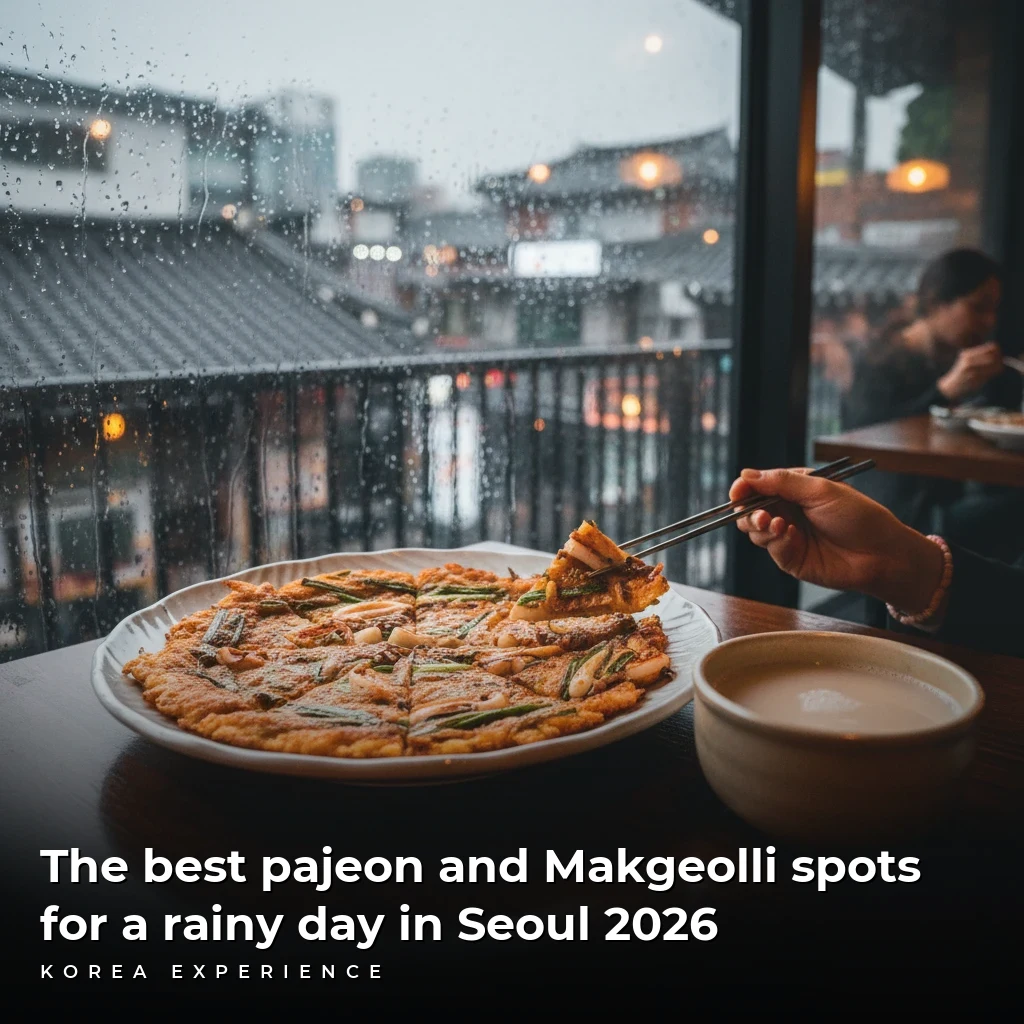
Discover the ultimate guide to savory pancakes and rice wine in Seoul. Top spots, craft brews, and local tips for a perfect rainy day experience.
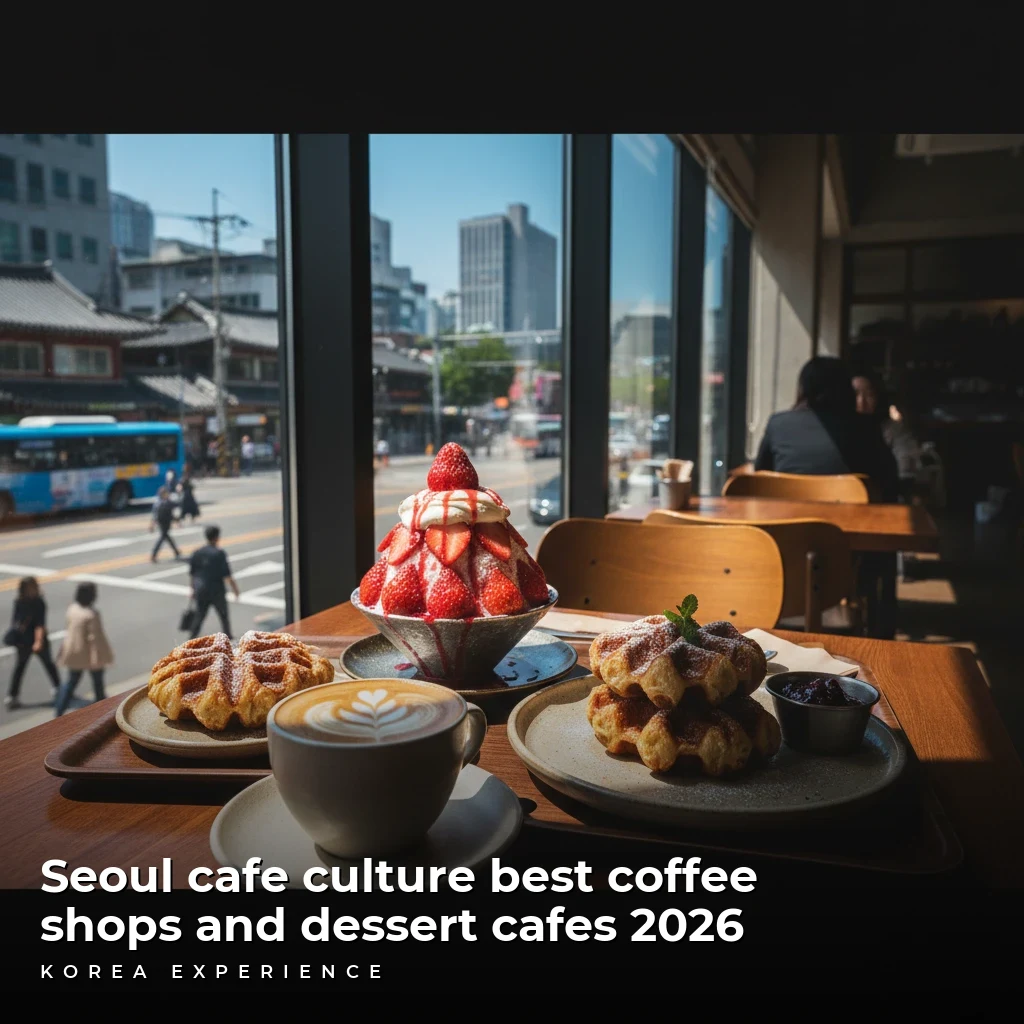
Discover the ultimate guide to Seoul cafe culture in 2026, featuring top coffee shops, trending dessert spots, and local insights for travelers.
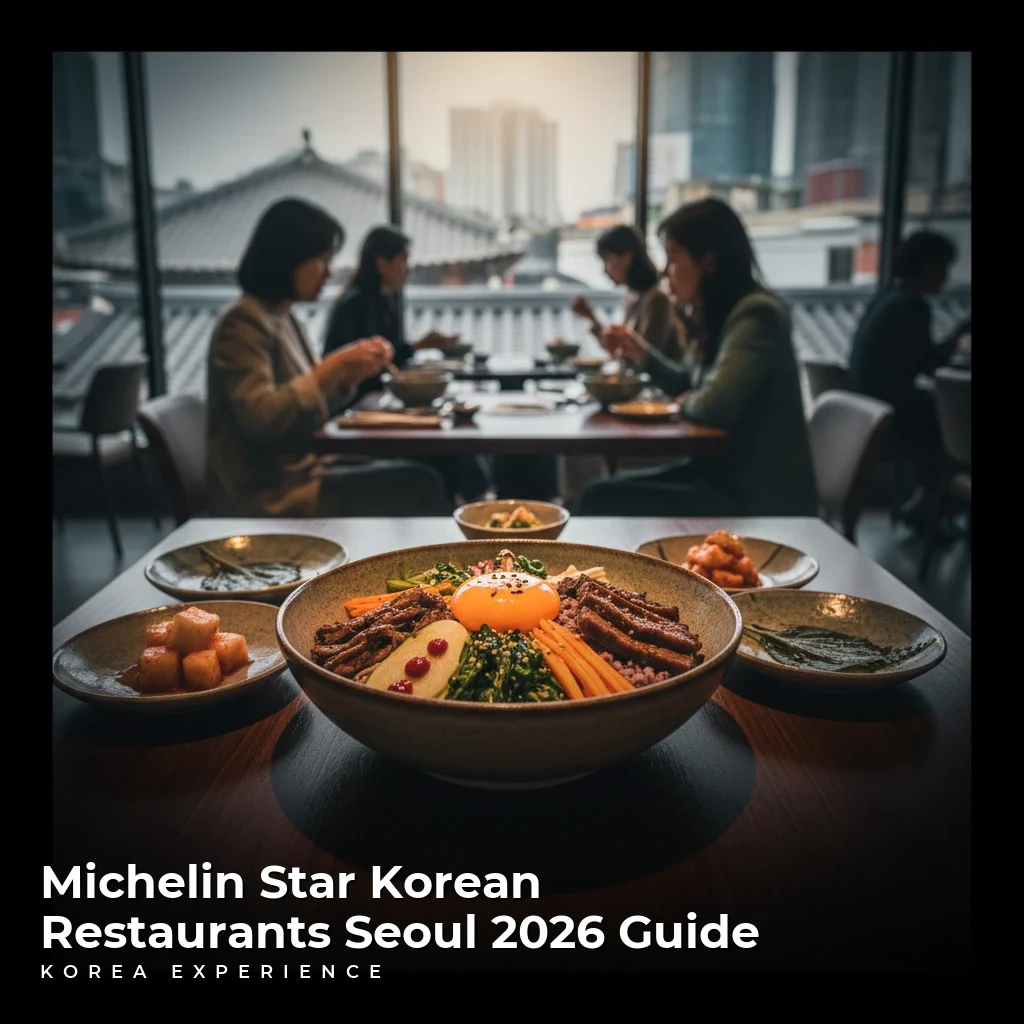
Discover the ultimate guide to Michelin Star Korean restaurants in Seoul for 2026 including reservations prices and menu highlights.
Discover the ultimate battle of Korean summer noodles. We compare Mul vs Bibim Naengmyeon, pricing trends for 2026, and top Seoul dining spots.
Discover the essential differences between Korean stew variations including Jjigae, Jeongol, and Hotpot for the ultimate dining experience.
The ultimate guide to solo dining in Seoul. Discover the best Hon Bap spots in Gangnam, Hongdae, and Myeongdong with 2026 prices and tips.