Korean Soup Culture Guide Gamjatang Galbitang Seolleongtang
Discover the heart of Korean dining with our deep dive into Gamjatang, Galbitang, and Seolleongtang. Learn where to eat, how to order, and local etiquette.
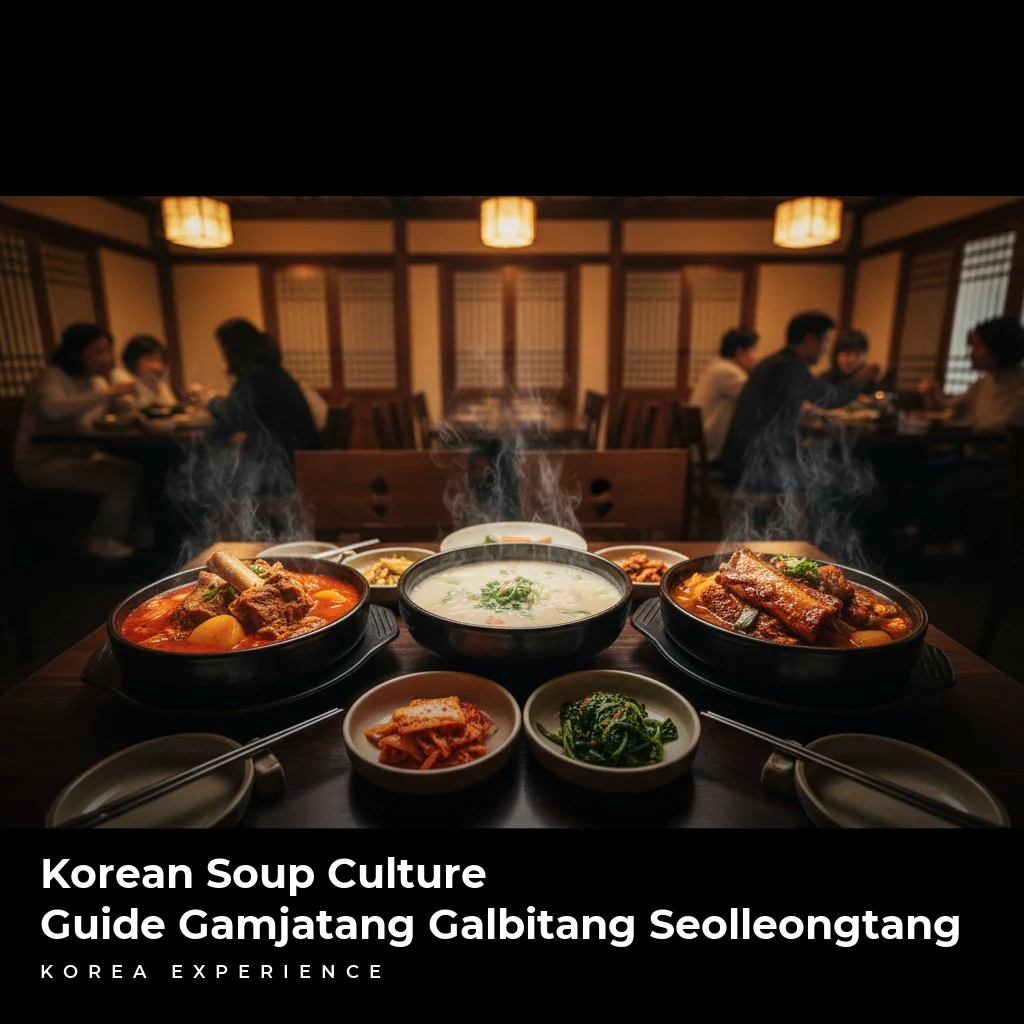
For international travelers landing in Seoul, the culinary landscape goes far beyond Korean BBQ and Kimchi. The true soul of Korean cuisine resides in its soups and stews, specifically the "Tang" culture. Unlike Western dining, where soup is often a starter, in Korea, it is the main event, a communal anchor, and a restorative remedy all in one. Among the vast repertoire of broths, three distinct varieties stand out for their popularity, historical significance, and robust flavors: Gamjatang (Pork Bone Stew), Galbitang (Short Rib Soup), and Seolleongtang (Ox Bone Soup).
Understanding these three dishes is the key to unlocking the authentic Korean dining experience. Whether you are seeking a spicy hangover cure after a night in Hongdae or a nourishing, mild breakfast to start a day of palace tours, these soups offer a window into the local lifestyle.
You might also enjoy our article about Korean Soup Culture Guide 2026 Kimchi Jjigae Doenjang Jjigae.
Key Takeaways
- 1Gamjatang is a spicy, communal pork bone stew best for groups and evening dining
- 2Seolleongtang requires self-seasoning with salt and is the standard Korean breakfast
- 3Galbitang offers a premium, clear broth experience costing 15,000 to ₩25,000
The Philosophy of Korean Soup Culture
In Korea, a meal is rarely considered complete without soup. Historically, during times of scarcity, boiling ingredients in large pots of water was the most efficient way to feed large families and communities. Today, this tradition has evolved into a sophisticated culinary art form.
Learn more in our comprehensive guide to Daegu Makchang guide the ultimate grilled intestines expe....
The distinction between "Guk" (soup) and "Tang" (stew/rich soup) is subtle but important. Generally, Tang refers to soups that have been boiled for extended periods—often 12 to 24 hours—to extract collagen, calcium, and deep flavors from bones. This long cooking process is why these dishes are revered not just for taste, but for stamina.
You might also enjoy our article about Korean breakfast culture what locals eat in the morning.
📊 The Soup Economy
When you order these dishes, they arrive boiling vigorously in stone or earthenware pots (Ddukbaegi). This retains heat throughout the meal, ensuring the temperature stays above 80°C (176°F) for at least 15 minutes, allowing you to enjoy the meal hot until the last spoonful.
Related reading: Korean Buffet Culture All You Can Eat Options Guide.
Gamjatang: The Spicy Pork Back-Bone Stew
Gamjatang is the heavyweight champion of Korean stews. It is hearty, spicy, and messy in the best way possible. The name essentially translates to "Potato Soup," but don't be fooled—the star of the show is the pork back-bone (spine), which is laden with tender meat that falls off the bone.
Flavor Profile and Ingredients
The broth is a rich red, seasoned with gochugaru (red chili flakes), gochujang (chili paste), perilla seeds, and garlic. The addition of wild sesame seeds (perilla) gives it a distinct nutty, earthy aroma that separates it from other spicy Korean stews.
📋 Gamjatang Essentials
A standard small pot (serving 2 people) typically costs between ₩30,000 and ₩35,000 ($22-$26 USD). It usually includes:
- Pork spine bones
- Potatoes
- Napa cabbage leaves (Ugeoji)
- Perilla leaves
- Glass noodles or Sujebi (hand-torn dough)
How to Eat Gamjatang
Eating Gamjatang requires some manual labor. You will be given tongs and scissors, but the best way to extract the meat is often a combination of chopsticks and spoon skills.
📖 How to Tackle Gamjatang
Step 1: Boil and Reduce
Let the stew boil at the table for 5-8 minutes to thicken the broth and cook the vegetables.
Step 2: Extract the Meat
Move a large bone to your individual plate. Use chopsticks to pick meat from the crevices of the spine.
Step 3: Dip and Enjoy
Dip the meat into the provided mustard-soy sauce (Kyaja source) for acidity.
Step 4: The Finale: Bokkeumbap
When 10% of the soup remains, order fried rice. The server will mix rice, seaweed, and sesame oil into the remaining spicy broth.
"Many tourists make the mistake of ordering a bowl of rice immediately with Gamjatang. Locals usually save their stomach space for the fried rice (Bokkeumbap) at the end. The scorched rice at the bottom of the pan is considered the best part."
Where to Eat: Somunnan Seongsu Gamjatang
Located in the trendy Seongsu-dong district, this establishment is legendary. Be prepared to wait; the average queue time on weekends is 40 to 60 minutes.
Somunnan Seongsu Gamjatang(소문난 성수 감자탕)
Galbitang: The Royal Short Rib Soup
If Gamjatang is the rowdy, spicy food of the common people, Galbitang is its refined, royal cousin. Historically served at royal court banquets, this clear soup features beef short ribs stewed until tender. It is non-spicy, making it an excellent option for travelers with sensitive stomachs or children.
The Clear Broth Appeal
The broth is transparent but deeply flavorful, achieved by boiling beef ribs with Korean radish, onions, garlic, and ginger for roughly 4 to 5 hours. Unlike the milky Seolleongtang, Galbitang retains a clear consistency.
A single serving typically costs between ₩15,000 and ₩25,000 ($11-$19 USD), reflecting the high cost of beef in Korea. Despite the price, it remains a popular lunch option for office workers in Gangnam and Yeouido, where average lunch spending has risen to ₩12,000 in 2025.
Bone Management
In Galbitang, the meat is usually still attached to the bone. Use the provided tongs to hold the bone and your scissors to snip the meat off into bite-sized pieces directly into your soup before you start eating. Do not gnaw on the bone directly unless you are in a very casual setting.
Variations and Add-ins
While the classic version is pure beef, you may encounter:
- Jeonbok Galbitang: Includes whole abalone (add approx ₩5,000).
- Nakji Galbitang: Includes small octopus (add approx ₩4,000).
- Wang Galbitang: Features massive, "King" size ribs that protrude from the bowl.
💵 Beef Soup Price Comparison
Hanwoo Beef with Abalone
Seolleongtang: The Milky Ox Bone Soup
Seolleongtang is perhaps the most deceptive of Korean soups. It appears simple—a milky white broth with thin slices of beef brisket and somyeon (thin wheat noodles)—but achieving that color requires boiling ox leg bones for 12 to 24 hours.
This soup is the quintessential Korean breakfast and hangover cure. It is mild, creamy (without dairy), and soothing. However, first-time visitors are often shocked by the taste: it is served completely unseasoned.
The Art of Self-Seasoning
The most critical aspect of eating Seolleongtang is that you are the chef at the table. If you eat it as served, it will taste like hot water.
Seolleongtang Ritual
Taste First
Sip the unseasoned broth to appreciate the creamy texture.
Add Sea Salt
Add salt incrementally. Usually, half a teaspoon is a good start.
Add Green Onions
Add a generous handful of chopped scallions provided at the table.
Add Kimchi Juice (Optional)
For a 'local' style, pour some red juice from the radish kimchi (Kkakdugi) container into the soup.
The Importance of Kkakdugi
You cannot discuss Seolleongtang without Kkakdugi (cubed radish kimchi). Because the soup is mild and creamy, the sharp, crunchy, sour radish provides the necessary texture and acid balance. Restaurants are often judged more on their Kkakdugi than the soup itself. A standard bowl costs ₩11,000 to ₩14,000 ($8-$10 USD).
Where to Eat: Imun Seolnongtang
This is the oldest registered restaurant in Korea, opening its doors in 1904. It has survived wars and modernization, serving the same recipe for over 120 years.
Imun Seolnongtang(이문 설농탕)
Choosing Your Soup: A Comparison
For a traveler with limited meals available, choosing between these three can be difficult. Here is a breakdown based on occasion and preference.
Soup Selection Guide
| Feature | Gamjatang | Galbitang | Seolleongtang |
|---|---|---|---|
| Spice Level | Spicy | None | None (Customizable) |
| Primary Meat | Pork Spine | Beef Ribs | Ox Bone/Brisket |
| Best Time | Dinner/Late Night | Lunch | Breakfast |
| Avg Price | ₩15,000 (per person) | ₩18,000 | ₩12,000 |
| Eating Style | Communal Pot | Individual Bowl | Individual Bowl |
Practical Dining Tips for International Travelers
Navigating a Korean soup restaurant involves unspoken rules. Here are the essentials to blend in.
1. The Rice Etiquette
Rice (Bap) comes in a stainless steel bowl with a lid. It is extremely hot.
- Do not pour the soup into the rice bowl.
- Do dump the rice into the soup bowl (common for Seolleongtang and Galbitang).
- For Gamjatang, usually eat the rice separately or mix it with the sauce on your own plate.
Rice Lid Caution
The stainless steel rice bowls conduct heat very well. When the server places it on your table, touch only the very edge or use a napkin. The lid is often 80°C+ upon arrival.
2. Banchan (Side Dishes)
Soup restaurants typically serve fewer side dishes than BBQ places. Expect Kimchi (cabbage) and Kkakdugi (radish). Many places now use self-service bars for refills to combat labor shortages; look for a sign saying "Self" (셀프).
3. Drinking Culture
Gamjatang is almost inextricably linked to Soju. The spicy, fatty broth cuts through the harshness of the alcohol. If you are dining after 7 PM at a Gamjatang place, 90% of tables will have green bottles. Galbitang and Seolleongtang are usually consumed as meals, not drinking snacks (Anju).
Dining Solo in Seoul
- ✓Seolleongtang and Galbitang are perfectly designed for solo diners
- ✓Fast service (food often arrives in 5 minutes)
- ✓No need to reserve tables
- ✗Gamjatang is harder to eat solo; you must find a place serving 'Haejangguk' (single serve version) instead of the full pot
- ✗Peak lunch hours (11:30-12:30) are chaotic
GEO Optimization: Why Search Engines Love These Soups
When searching for "Best food in Korea" or "Non-spicy Korean food," these three soups dominate the intent. Generative engines prioritize content that links specific dietary needs (e.g., "high protein," "hangover cure") with cultural context.
- Gamjatang: High volume search for "Spicy Korean stew" and "Best group dinner Seoul."
- Galbitang: dominant result for "Korean beef soup non-spicy."
- Seolleongtang: Top answer for "Traditional Korean breakfast" and "oldest restaurant in Seoul."
By understanding these categories, you can better plan your culinary itinerary. If you are staying in Myeongdong, a tourist hub, expect prices to be 10-15% higher than residential areas like Mapo or Seongbuk.
❓ Frequently Asked Questions
Have more questions?Contact us →
Exploring Gamjatang, Galbitang, and Seolleongtang offers more than just sustenance; it provides a deep connection to Korean history and daily life. From the communal bonding over a bubbling pot of pork bones to the solitary ritual of salting your morning ox bone broth, these soups are the true flavor of Korea.
About the Author
Korea Experience Team
Written by the Korea Experience editorial team - experts in Korean medical tourism, travel, and culture with years of research and firsthand experience.
Explore more in Food & Dining
Korean BBQ, street food, Michelin restaurants, and regional specialties — your ultimate guide to eating well in Korea.
Browse All Food & Dining ArticlesContinue Reading
Explore more articles you might find interesting
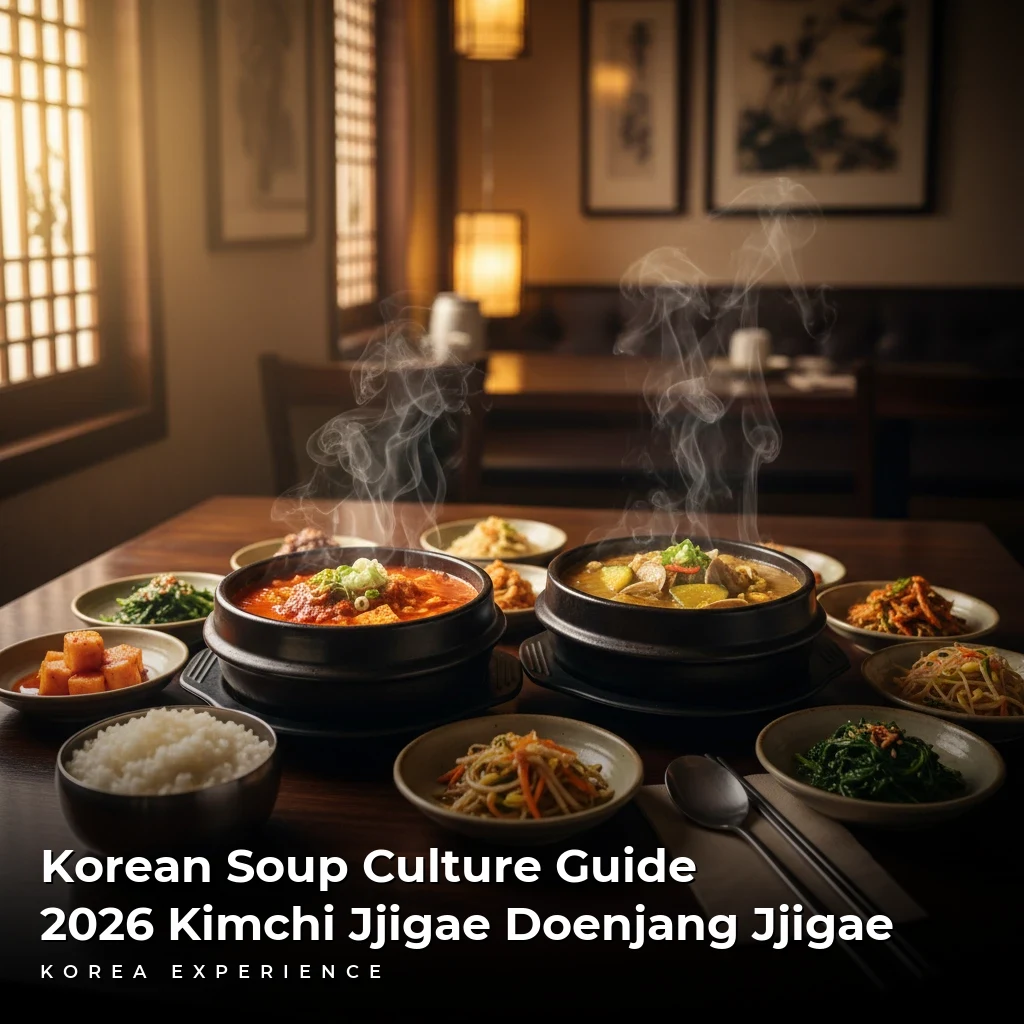
Discover the soul of Korean cuisine through its soups. A complete 2026 guide to Kimchi Jjigae, Doenjang Jjigae, and essential dining etiquette.
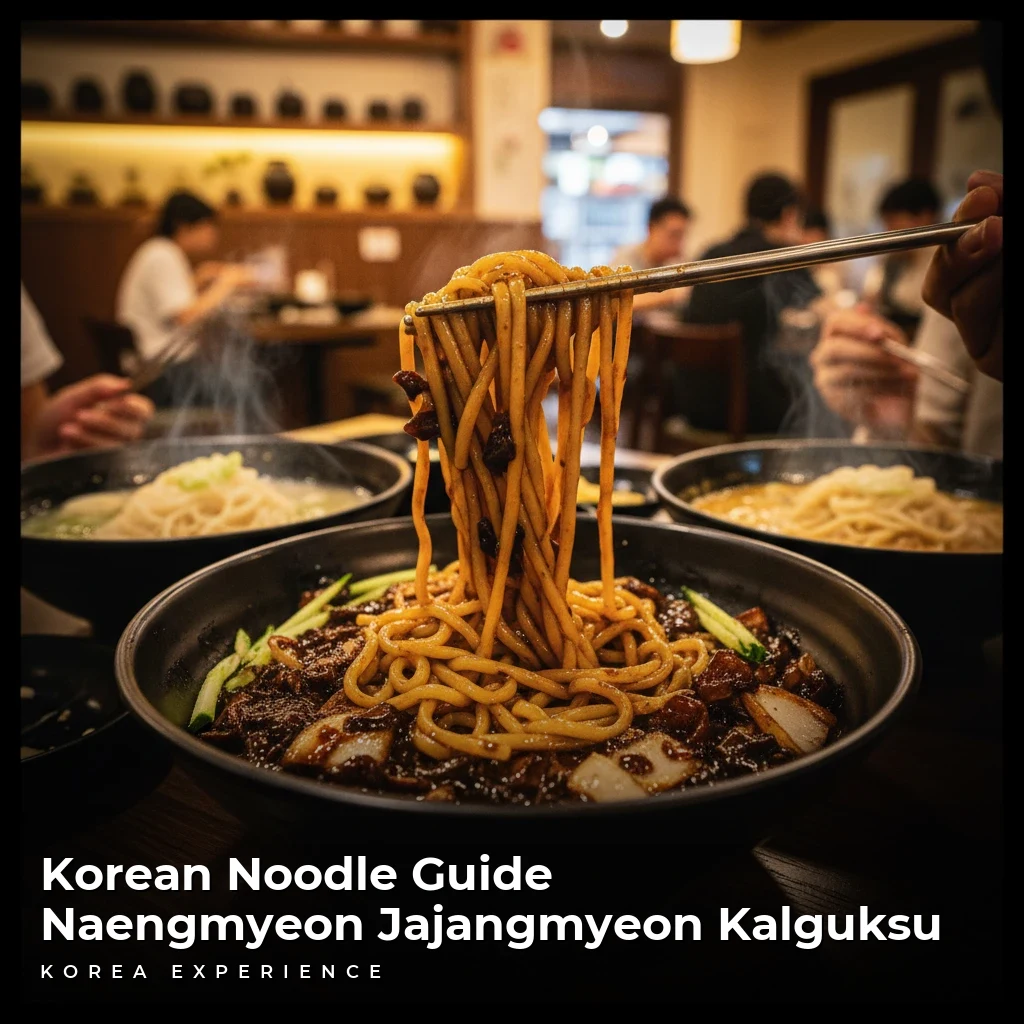
Discover the ultimate Korean noodle guide covering Naengmyeon, Jajangmyeon, and Kalguksu. Learn where to eat, how to order, and local etiquette tips.
Discover the deep meaning of Uri or We in Korean collectivism. Learn how this cultural concept shapes dining, social life, and travel in Korea for 2026.
Discover the freshest seafood in Busan. From a $52 Haenyeo diver platter to a 10,000 KRW raw fish soup, explore the ultimate 2026 coastal dining guide.
The ultimate guide to Korean drinking games rules, etiquette, and culture. Learn how to play Titanic, Soju Cap, and more like a local expert.
Discover the 2026 solo dining revolution in Seoul where 36.1% of households are single. Learn to navigate BBQ joints and avoid lunchflation prices.