Korean Side Dish Culture Understanding Banchan Guide
Master the intricate world of Korean side dishes with our comprehensive guide to banchan varieties, dining etiquette, and the best places to buy them in Seoul.
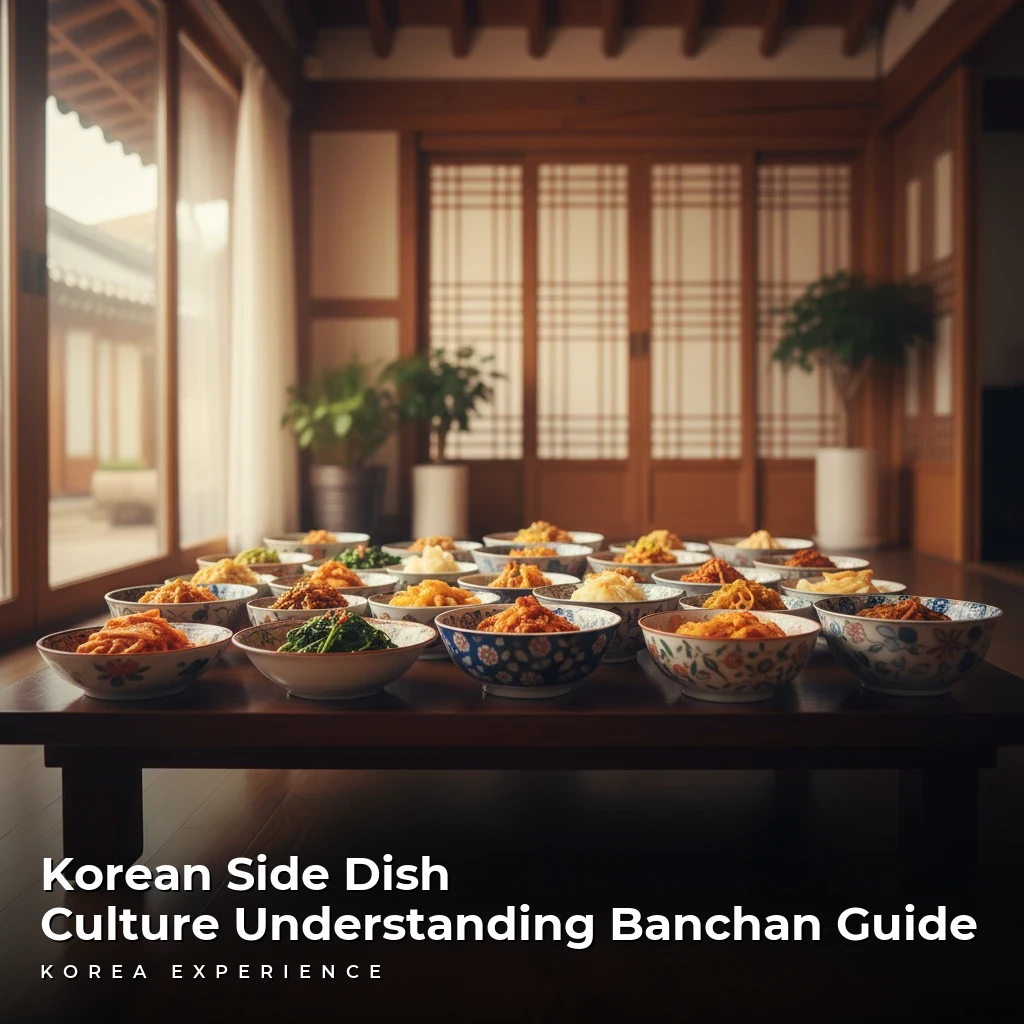
Walking into a Korean restaurant for the first time can be a disorienting experience for the uninitiated. You order a single main dish—perhaps a bubbling Kimchi-jjigae or sizzling Bulgogi—yet within 10 minutes, your table is crowded with anywhere from five to twelve small plates containing colorful vegetables, ferments, and savory bites. This is the world of Banchan, the cornerstone of Korean cuisine that transforms a simple meal into a communal feast.
Understanding banchan is essential to truly experiencing Korea. It is not merely a garnish or an appetizer; it is a fundamental pillar of the nutritional balance and flavor philosophy of Hansik (Korean food). Whether you are a traveler looking to navigate a busy lunch rush in Gangnam or an expat hoping to stock your fridge, this guide covers everything you need to know.
You might also enjoy our article about Korean Banchan Side Dishes Complete Guide.
Key Takeaways
- 1Banchan are shared side dishes served with almost every Korean meal and are usually refillable for free
- 2A standard meal includes 3-5 varieties, while royal table settings can feature up to 12 distinct dishes
- 3Traditional markets offer the best value, with 3 packs typically costing around ₩10,000 ($7.50)
What Exactly is Banchan?
At its core, banchan refers to the small side dishes served alongside rice and soup in Korean cuisine. Historically, the number of banchan served was a status symbol. During the Joseon Dynasty, a king's meal, known as Surasang, typically featured 12 distinct dishes (12-cheop), not counting the rice, soup, and stew.
Learn more in our comprehensive guide to Daegu Makchang guide the ultimate grilled intestines expe....
Today, the number of dishes generally correlates with the formality of the restaurant. A casual lunch spot might serve 3 to 5 dishes, while a formal Hanjeongsik (full-course meal) restaurant can serve upwards of 20 to 30 plates.
You might also enjoy our article about Korean breakfast culture what locals eat in the morning.
📊 Banchan by the Numbers
The philosophy behind this spread is nutritional balance and flavor contrast. The main dish might be spicy and hot, so the banchan will often include mild, cool, or vinegary options to cleanse the palate. With the average Korean meal containing approximately 500 to 700 calories, these vegetable-heavy sides play a crucial role in providing fiber and satiety without excessive caloric density.
Related reading: Korean Buffet Culture All You Can Eat Options Guide.
The Major Categories of Banchan
While there are literally thousands of potential side dishes, most fall into specific cooking categories. Understanding these helps you predict the flavor profile before you take a bite.
1. Kimchi (Fermented Vegetables)
Kimchi is the non-negotiable soul of the table. While spicy Napa cabbage kimchi is the global standard, there are over 200 documented varieties in Korea.
- Baechu-kimchi: The standard spicy cabbage kimchi.
- Kkakdugi: Cubed radish kimchi, known for a satisfying crunch.
- Baek-kimchi: White kimchi made without chili powder, suitable for children or those sensitive to spice.
Scientific Insight
A standard 100g serving of well-fermented kimchi contains over 100 million colony-forming units (CFU) of Lactobacillus, a probiotic that aids digestion. It is typically fermented at 4-5°C for optimal flavor development.
2. Namul (Seasoned Vegetables)
Namul refers to vegetables that have been blanched, stir-fried, or steamed, and then seasoned with sesame oil, garlic, and soy sauce.
- Kongnamul: Soybean sprouts, a crunchy staple high in aspartic acid.
- Sigeumchi-namul: Seasoned spinach.
- Gosari: Fernbrake (bracken), often brown and earthy in flavor.
3. Jorim (Braised Dishes)
These ingredients are simmered in a seasoned broth (usually soy-based) until the liquid reduces and the flavor intensifies.
- Dubu-jorim: Braised tofu, usually spicy.
- Jang-jorim: Soy-braised beef, often with quail eggs. This is a high-protein favorite, containing about 20g of protein per serving.
4. Jeon (Pancakes)
Pan-fried battered ingredients. These are often served cold or at room temperature as a side dish.
- Pajeon: Green onion pancake.
- Hobak-jeon: Pan-fried zucchini slices coated in egg.
📋 Nutritional Profile (Per 50g Serving)
Dining Etiquette: How to Eat Banchan
For international travelers, the communal nature of banchan can be a source of anxiety. Who gets the last piece? Can I double-dip? Here are the rules of the road for 2026.
The "Unlimited" Refill Policy
In 95% of Korean restaurants, banchan is refillable for free. This is a unique cultural aspect of Korean hospitality called Jeong. However, this does not apply to "main" dishes masquerading as sides, such as a large grilled fish or a plate of fancy marinated crab (Gejang).
To ask for a refill, you can say: "Igeo deo juseyo" (Please give me more of this).
Timing matters for refills. The best time to ask is when your plate is completely empty, and you still have at least 1/3 of your rice bowl left. Avoid asking for refills during the absolute peak lunch rush (12:15 PM - 12:45 PM) if the staff looks overwhelmed, unless it's self-service.
Communal Dining Rules
Banchan plates are placed in the center of the table (usually within a 60-80cm reach of all diners) and are meant to be shared.
- Chopstick Hygiene: In casual settings, using your own chopsticks to pick up side dishes is acceptable. In formal business settings or with people you don't know well, use a serving spoon if provided, or ask for "Gong-yong" (public) chopsticks.
- Rice Bowl Etiquette: Do not put the banchan directly onto your rice bowl to mix it in, unless you are eating Bibimbap. Pick up the banchan, eat it, then take a bite of rice.
- The Protein Rule: If there are limited high-value items (like grilled fish or beef pancakes), ensure everyone gets an equal share before taking a second piece.
Communal Side Dish Culture
- ✓Allows you to taste a wide variety of flavors
- ✓Free refills provide high value
- ✓Social bonding through sharing
- ✗Hygiene concerns for some travelers
- ✗Can lead to food waste if over-refilled
- ✗Reaching across table can be awkward
Where to Buy Banchan: Markets vs. Department Stores
For expats living in Korea or travelers staying in Airbnbs with kitchens, buying banchan is a great way to eat healthy and save money. The banchan market in South Korea is massive, estimated to be worth over 2.5 trillion won ($1.9 billion USD) as of 2026.
Traditional Markets (Sijang)
This is where you get the best value and "son-mat" (hand taste/homemade flavor). Popular markets like Gwangjang Market, Mangwon Market, and Tongin Market have dedicated banchan alleys.
Average Pricing:
- 3 small packs: ₩10,000 ($7.50)
- 1 kg Kimchi: 12,000 - ₩15,000 ($9 - $11)
Mangwon Market Banchan Alley(망원시장)
Department Stores
The basement food courts of department stores like Hyundai (The Seoul), Shinsegae, and Lotte offer premium banchan. These are often made with high-quality, domestic ingredients and have milder, more refined flavors.
Average Pricing:
- 1 small pack: 5,000 - ₩8,000 ($3.75 - $6.00)
- Premium Kimchi (500g): ₩15,000+ ($11.25)
💵 Banchan Shopping Comparison
Guaranteed domestic ingredients, refined taste, elegant packaging.
Bold flavors, generous portions, plastic bag packaging.
Modern Trends: The Banchan Subscription Era
In 2026, the way Koreans consume side dishes has evolved. With the rise of single-person households (now over 35% of the population), cooking elaborate sides is inefficient. This has given rise to "Banchan Regular Delivery" services.
Companies utilize "Saebyeok Baesong" (Dawn Delivery), where you order by 11:00 PM, and the food arrives at your door by 7:00 AM the next morning.
Banchan Sourcing Methods
| Feature | Cooking at Home | Market Buying | App Subscription |
|---|---|---|---|
| Cost per Meal | $$ (High waste) | $ (Best Value) | $$$ (Convenience) |
| Time Required | 60+ mins | 30 mins | 1 min |
| Variety | Limited | High | Curated |
DIY: Making a Simple Banchan at Home
If you want to bring a taste of Korea to your own kitchen, Spinach Namul (Sigeumchi-namul) is the easiest entry point. It requires minimal ingredients and takes less than 20 minutes.
📖 How to Make Spinach Namul
Step 1: Blanch the Spinach
Boil water with a pinch of salt. Blanch spinach for exactly 30-40 seconds. Do not overcook.
Step 2: Squeeze Dry
Rinse in cold water and squeeze out as much water as physically possible. This is crucial for texture.
Step 3: Season
Mix with 1 tbsp soy sauce, 1 tsp sesame oil, 1 tsp minced garlic, and toasted sesame seeds.
Storage Warning
Namul dishes (seasoned vegetables) have a shorter shelf life than kimchi. While kimchi can last months, spinach or bean sprout namul should be consumed within 3 to 4 days of preparation to avoid spoilage.
Seasonal Variations
One of the joys of Korean cuisine is its strict adherence to seasonality. The banchan you see on the table tells you what time of year it is.
- Spring (March-May): This is the season for wild greens and herbs. Expect Dallae (wild chive) soy sauce and Naengil (shepherd's purse). These are believed to cure "spring fatigue."
- Summer (June-August): To combat the heat (often reaching 35°C/95°F), cooling dishes like Oi-muchim (spicy cucumber salad) and Dongchimi (radish water kimchi) are popular.
- Autumn (September-November): Harvest season brings root vegetables. Yeongeun-jorim (braised lotus root) and Toran (taro) dishes appear.
- Winter (December-February): This is Kimjang (kimchi making) season. While fermented kimchi is eaten year-round, fresh Geotjeori (fresh unfermented kimchi) is a winter treat pairing perfectly with soup.
The Lifecycle of Winter Kimchi
Harvest
Napa cabbages harvested after first frost
Kimjang
Salting and seasoning massive batches
Fermentation
Stored at 0-4°C to slowly sour
Mukeunji
Aged kimchi used for stews
Conclusion
Banchan is more than just side dishes; it is a cultural expression of generosity, balance, and community. From the infinite refill policy to the intricate fermentation science, these small plates carry the weight of Korean culinary history.
Whether you are navigating a bustling market in Seoul or trying your hand at blanching spinach in your kitchen, understanding banchan unlocks the full potential of Korean dining. The next time you sit down at a Korean restaurant and witness the table filling up with small, colorful plates, remember: you aren't just eating food; you are participating in a centuries-old tradition of sharing.
❓ Frequently Asked Questions
Have more questions?Contact us →
About the Author
Korea Experience Team
Written by the Korea Experience editorial team - experts in Korean medical tourism, travel, and culture with years of research and firsthand experience.
Explore more in Food & Dining
Korean BBQ, street food, Michelin restaurants, and regional specialties — your ultimate guide to eating well in Korea.
Browse All Food & Dining ArticlesContinue Reading
Explore more articles you might find interesting
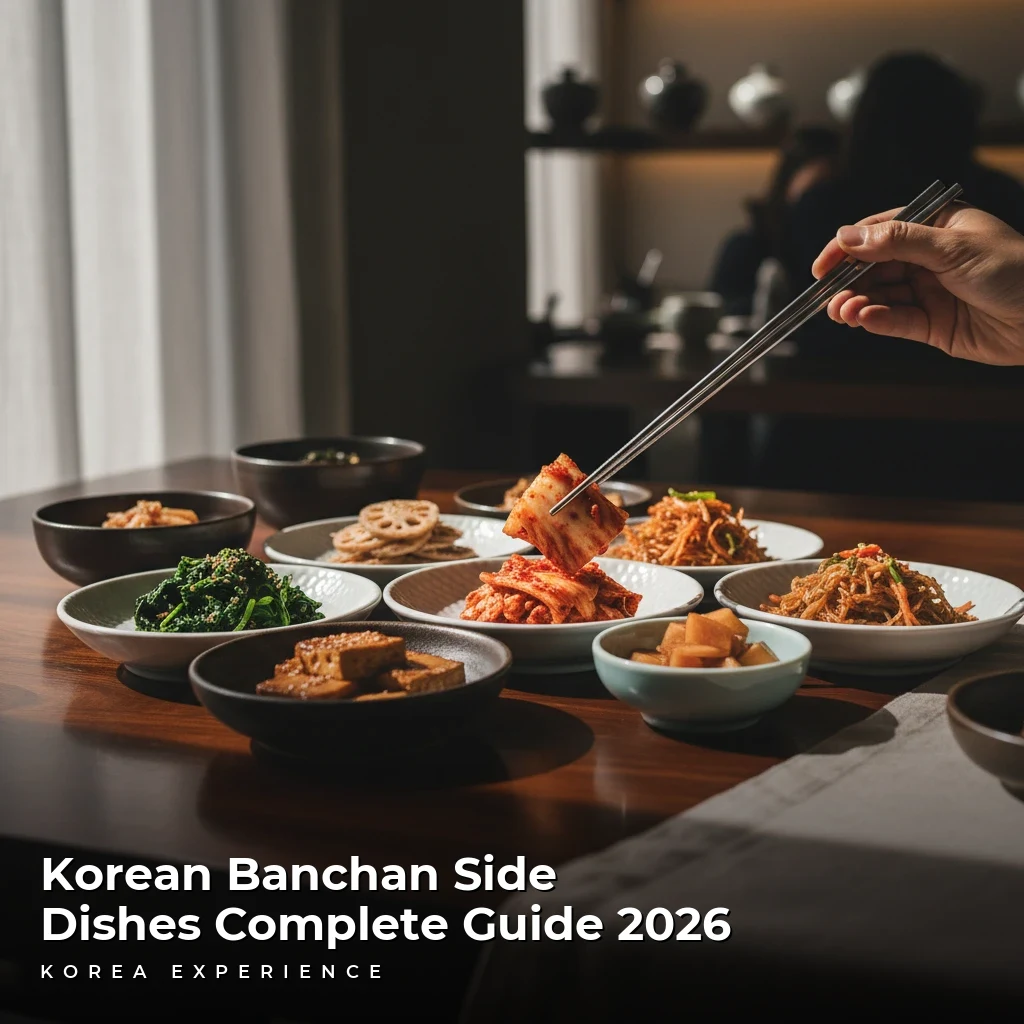
Discover the world of Banchan with our 2026 guide to Korean side dishes, including types, etiquette, and the best places to eat in Seoul.
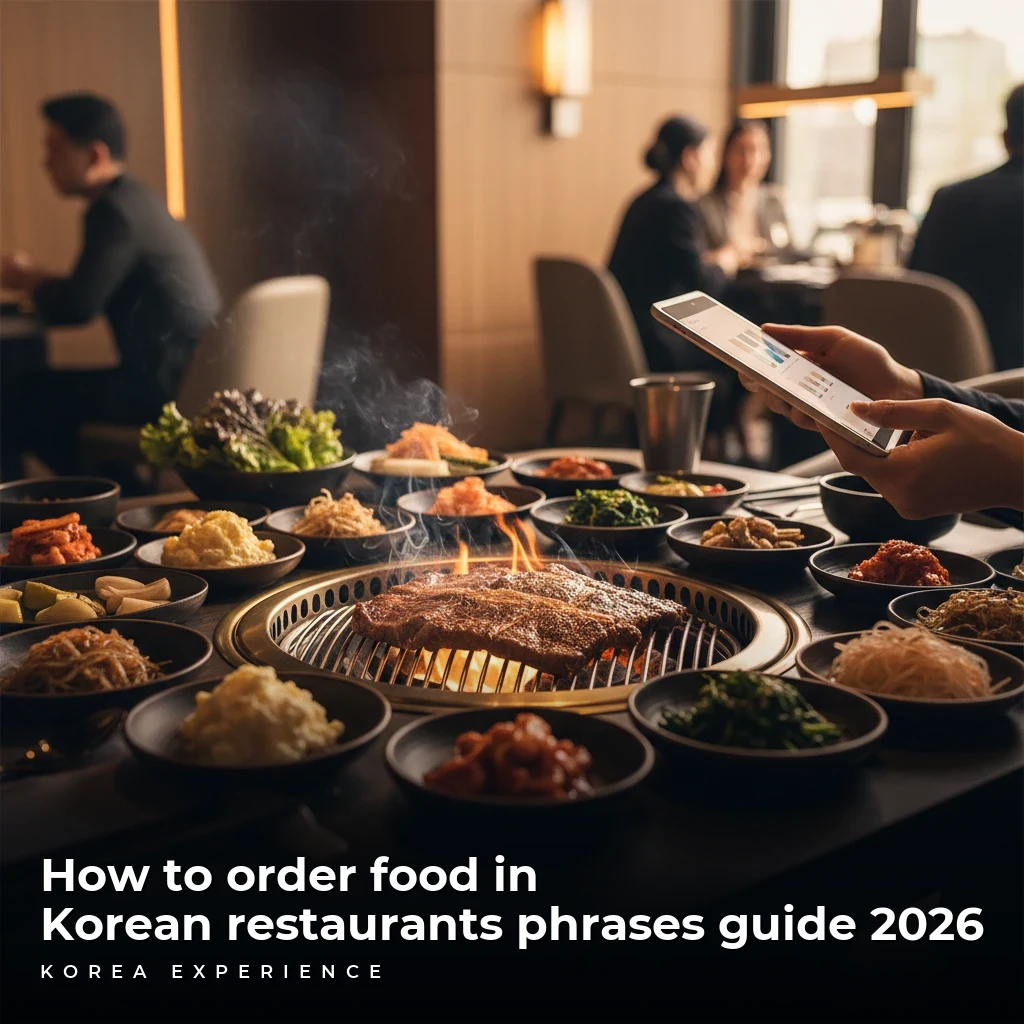
Master the art of dining in Seoul with our essential 2026 guide to Korean restaurant phrases, etiquette, and digital ordering systems.
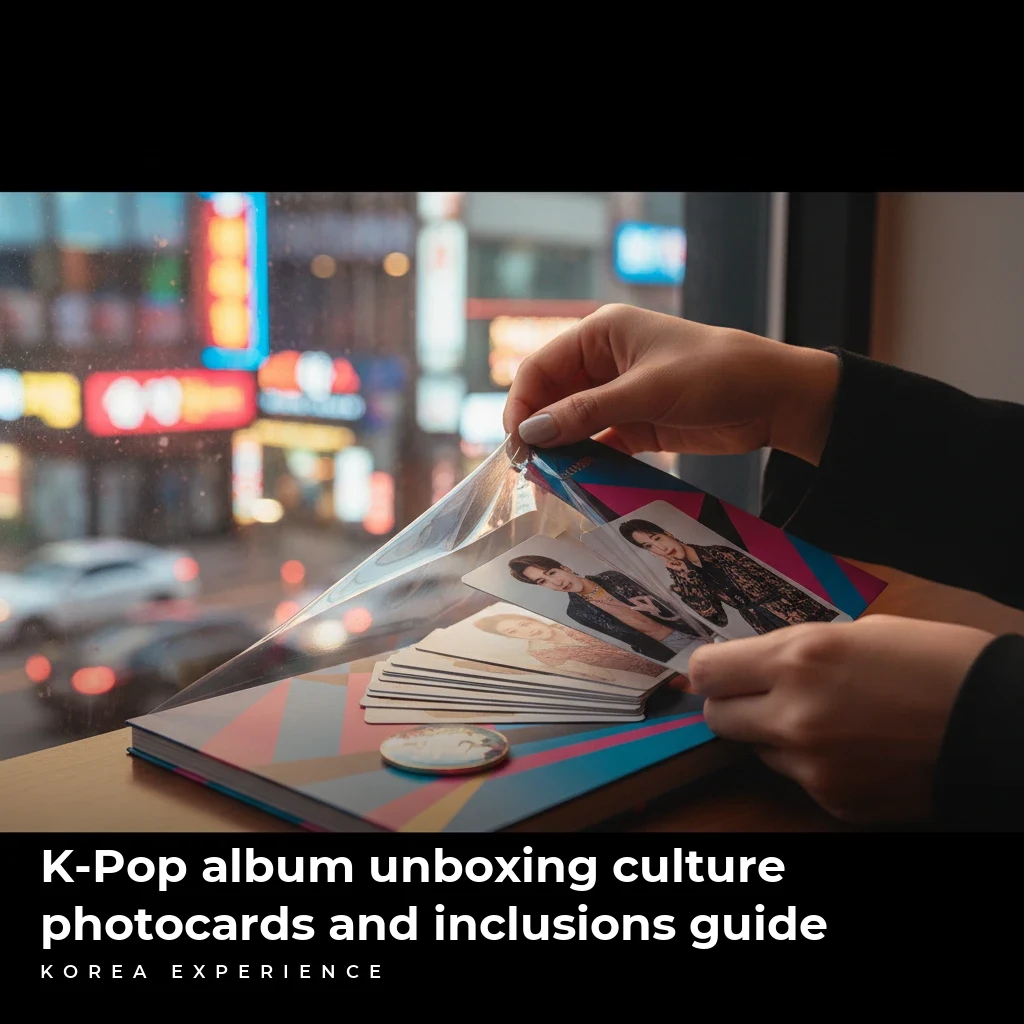
Discover the world of K Pop album unboxing culture. Learn about photocards inclusions buying in Seoul and trading etiquette for international fans.
Master the nuances of Korean work culture with our comprehensive guide on office etiquette, hierarchy, and business customs for international professionals.
Master Korean business culture in 2026. A comprehensive guide to bowing, business cards, and meeting protocols for international professionals.
Master Korean barbecue with this clear guide to meat cuts, portion rules, grilling mechanics, and shared side dishes.