Korean Summer Noodles: Naengmyeon vs Bibim Naengmyeon 2026
Dive into Korea's iconic cold buckwheat noodles. Explore Naengmyeon and its spicy counterpart Bibim Naengmyeon, discover their flavors, and find the best spots in 2026.
Korean Summer Noodles: Naengmyeon vs Bibim Naengmyeon 2026 – Your Ultimate Guide
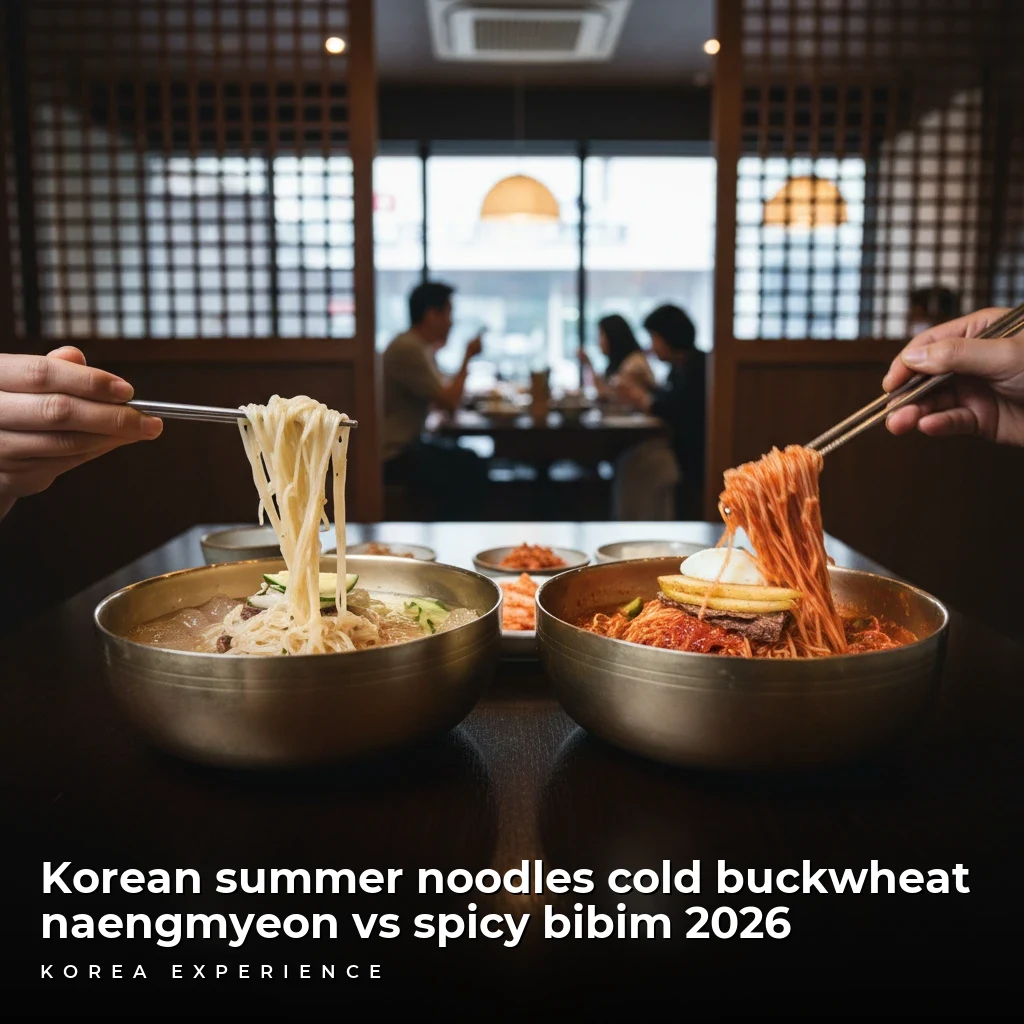
Imagine a scorching Korean summer day in 2026, the kind where the humidity clings to you like a second skin. Your body craves an escape, a culinary antidote to the heat. For many, that antidote comes in a bowl of chilled, refreshing noodles. But here lies the delicious dilemma: do you opt for the pristine, icy broth of Mul Naengmyeon (water cold noodles), or do you dare to ignite your palate with the fiery, vibrant kick of Bibim Naengmyeon (spicy mixed cold noodles)?
This choice is a quintessential Korean summer experience, a decision that defines your meal and provides instant relief from the sweltering heat. For international travelers and expats discovering Korea, understanding this iconic dish and its variations is crucial to truly embracing local culture and cuisine.
In this comprehensive guide, we'll dive deep into the world of Korean summer noodles. We’ll explore the rich history, distinct characteristics, and evolving trends of both Naengmyeon and Bibim Naengmyeon. By the end, you'll be equipped with insider knowledge, practical tips, and a confidently informed palate to make your perfect cold noodle choice in Korea, come 2026. Get ready to slurp your way through one of Korea's most beloved seasonal delights!
Naengmyeon 2026: The Classic Cold Buckwheat Noodle Experience
At its heart, Naengmyeon simply means "cold noodles." However, it's far more complex and revered than its simple translation suggests. This dish is a culinary institution, a symbol of resilience against the summer heat, and a testament to the sophistication of Korean cuisine.
A Legacy of Coolness: Origins and Evolution
The history of Naengmyeon stretches back centuries, with its origins tracing to the northern regions of the Korean peninsula, particularly the Pyeongyang and Hamheung areas. Historically, it was a winter dish, as buckwheat, the primary noodle ingredient, was a common crop in these colder climates, and the icy conditions naturally provided the necessary chill for the broth. Over time, with advancements in refrigeration and a growing appreciation for its cooling properties, Naengmyeon transformed into the undisputed champion of Korean summer dining.
Traditionally, the noodles were made from buckwheat flour, which gives them a distinct earthy flavor and chewy texture. The accompanying broth was often made from fermented radish water (dongchimi) or beef broth (yooksu), providing a tangy and savory foundation.
Mul Naengmyeon: The Icy Broth Masterpiece
When most Koreans refer to Naengmyeon without a qualifier, they're often thinking of Mul Naengmyeon, the water-based cold noodle dish. This is the epitome of refreshment, a delicate balance of flavors designed to invigorate and cool simultaneously.
- Ingredients and Composition:
- Noodles: The star of the show. Typically thin, chewy noodles made primarily from buckwheat flour, though sometimes mixed with potato or sweet potato starch to enhance elasticity.
- Broth: This is where Mul Naengmyeon truly shines. The broth is served ice-cold, often with literal ice shards floating in it. It's a complex blend, usually a clear beef broth (yooksu), sometimes infused with dongchimi (radish kimchi water) for a tangy kick, or a combination of both. Its flavor is subtle, savory, and profoundly refreshing.
- Toppings: A carefully curated array of toppings adds texture and color. These typically include thin slices of boiled beef or pork, half a hard-boiled egg, julienned cucumber, Korean pear slices for sweetness, and sometimes a sprinkle of sesame seeds.
- How to Eat Mul Naengmyeon:
- Cut the Noodles: Upon receiving your bowl, you'll almost always be offered a pair of scissors. Don't be shy! Use them to cut the long, chewy noodles into manageable lengths. This isn't just for convenience; it's a traditional part of the dining experience.
- Customize Your Flavor: Mul Naengmyeon is served subtly flavored, allowing diners to adjust it to their preference. Most establishments will provide small bottles of vinegar (sikcho) and mustard (gyeoja). Add a dash of vinegar for a tangy zing and a dollop of mustard for a pungent kick. Mix well and taste as you go.
- Slurp and Enjoy: The goal is pure refreshment. Slurp the noodles, savor the icy broth, and enjoy the harmonious blend of flavors and textures.
Pyeongyang Naengmyeon vs. Hamheung Naengmyeon: Regional Nuances
While both are types of Naengmyeon, Pyeongyang and Hamheung styles offer distinct experiences, reflecting their geographical and cultural origins in what is now North Korea. Understanding these differences is key to appreciating the depth of the dish.
-
Pyeongyang Naengmyeon: Hailing from Pyeongyang, this style is renowned for its mild, subtly savory, and often clear beef broth. The noodles are typically thicker and chewier, made with a higher percentage of pure buckwheat flour, giving them a distinct earthy aroma. Pyeongyang Naengmyeon is an acquired taste for some, appreciated for its understated elegance and the delicate balance of its broth. It's often described as "umami" without being overtly flavorful, allowing the pure taste of buckwheat and beef to shine. Famous spots like Wooraeok or Pyeongyang Myeonok in Seoul are stalwarts of this style.
-
Hamheung Naengmyeon: Originating from Hamheung, this style is characterized by its thinner, more elastic, and somewhat translucent noodles, often made with potato or sweet potato starch. While many associate Hamheung Naengmyeon with spiciness, the Mul Naengmyeon version of Hamheung can still have a clear broth, but it tends to be slightly sweeter and less purely savory than Pyeongyang style. Its hallmark is often the fine, springy texture of the noodles. The most famous spicy Naengmyeon, Bibim Naengmyeon, often uses Hamheung-style noodles.
Bibim Naengmyeon 2026: A Fiery Embrace of Flavor
If Mul Naengmyeon is a gentle, refreshing breeze, Bibim Naengmyeon is a vibrant, exhilarating summer storm. This spicy mixed cold noodle dish offers a completely different, yet equally beloved, way to beat the heat.
The Spicy Sensation: Origins and Appeal
Bibim Naengmyeon, like its milder cousin, also has roots in the northern regions, particularly Hamheung, where thinner, chewier noodles were more common. The addition of a fiery gochujang-based sauce likely evolved from local preferences for bolder flavors. It appeals to those who crave a robust, stimulating culinary experience, proving that sometimes, fighting fire with fire (or rather, heat with spice) is the most effective way to cool down. The initial burn is quickly followed by the cooling sensation of the cold noodles, creating a unique and addictive contrast.
Unpacking the Bibim Naengmyeon Bowl
Unlike Mul Naengmyeon's clear broth, Bibim Naengmyeon is all about the vibrant red sauce that coats every strand.
- Ingredients and Composition:
- Noodles: Typically the thinner, starchier Hamheung-style noodles, which absorb the sauce beautifully and provide a satisfyingly chewy texture.
- Spicy Sauce (Gochujang-based): The heart of Bibim Naengmyeon. This rich, deep red sauce is a meticulously balanced blend of Korean chili paste (gochujang), chili powder (gochugaru), sugar, garlic, vinegar, and sometimes fruit purees (like apple or pear) for sweetness and tang. It's spicy, sweet, tangy, and incredibly flavorful.
- Toppings: Similar to Mul Naengmyeon, toppings include boiled beef or pork, hard-boiled egg, julienned cucumber. A traditional Hamheung variation, Hoenghoe Bibim Naengmyeon, often includes thinly sliced, marinated fermented skate fish (hoe), which adds a unique chewy texture and a pungent, savory depth.
- Side Broth: While the dish doesn't come with a lot of broth in the bowl, many restaurants serve a small cup of warm, savory beef broth (yooksu) on the side. This is intended to cleanse the palate or to be poured into the spicy noodles for a slightly less intense, saucier experience.
- How to Eat Bibim Naengmyeon:
- Cut and Mix: Just like Mul Naengmyeon, use the provided scissors to cut the long noodles. Then, and this is crucial, mix everything thoroughly! You want every noodle strand coated in that delicious spicy sauce.
- Add Broth (Optional): If the spice is too intense, or if you prefer a slightly wetter consistency, slowly add some of the accompanying warm beef broth to your bowl and mix again.
- Embrace the Heat: Bibim Naengmyeon is meant to be spicy. Lean into it, enjoy the complexity of flavors, and let the initial burn give way to a refreshing chill.
Beyond Just Spicy: The Balance of Sweet and Tangy
While "spicy" is the first descriptor that comes to mind for Bibim Naengmyeon, it's a disservice to label it as merely hot. A well-made Bibim Naengmyeon sauce achieves a harmonious balance of sweet, tangy, and savory notes that complement the heat. The sweetness often comes from sugar or fruit, the tang from vinegar, and the umami from garlic and the gochujang itself. This multi-layered flavor profile is what makes it so addictive and satisfying.
Key Differences: Naengmyeon vs. Bibim Naengmyeon
While both are iconic cold noodle dishes, the experience of eating Mul Naengmyeon and Bibim Naengmyeon is vastly different. Understanding these core distinctions will help you make an informed choice.
Broth vs. Sauce: The Core Distinction
- Mul Naengmyeon: Defined by its icy, clear, and subtly flavored broth. The liquid component is paramount, offering pure refreshment and a delicate savory taste.
- Bibim Naengmyeon: Defined by its thick, vibrant red, spicy-sweet-tangy gochujang-based sauce. The sauce clings to the noodles, delivering an intense burst of flavor with every bite.
Noodle Texture and Composition
While both use buckwheat, there's a general trend in noodle styles:
- Mul Naengmyeon: Often features thicker, chewier noodles with a higher buckwheat content (especially Pyeongyang style), contributing to a more robust, earthy flavor and a satisfying bite.
- Bibim Naengmyeon: Commonly uses thinner, more elastic, and smoother noodles (often Hamheung style), made with a blend of buckwheat and starches like potato or sweet potato. These noodles are ideal for absorbing the thick sauce.
Flavor Profile: Cooling vs. Stimulating
- Mul Naengmyeon: The flavor profile is cooling, subtle, savory, and clean. It's about gentle refreshment and allowing the natural taste of the ingredients to shine through.
- Bibim Naengmyeon: The flavor profile is stimulating, spicy, tangy, and sweet. It's an invigorating assault on the senses, designed to awaken the palate.
The Overall Dining Sensation
- Mul Naengmyeon: Offers a sense of serenity and pristine refreshment. It's a meditative experience, often chosen when one needs to cool down and calm the senses.
- Bibim Naengmyeon: Provides an exhilarating, fiery, and bold experience. It's chosen when one craves excitement, a kick, and a powerful flavor punch that leaves you feeling invigorated despite the heat.
Here's a quick comparison table to summarize the core differences:
| Feature | Mul Naengmyeon (Water Cold Noodles) | Bibim Naengmyeon (Spicy Mixed Cold Noodles) |
|---|---|---|
| Primary Liquid | Icy, clear broth (beef, dongchimi, or mixed) | Thick, spicy gochujang-based sauce |
| Flavor Profile | Subtle, savory, clean, refreshing, slightly tangy | Spicy, sweet, tangy, robust, invigorating |
| Noodle Type | Generally thicker, higher buckwheat content (Pyeongyang style) | Generally thinner, more elastic, starchier (Hamheung style) |
| Spice Level | None (adjustable with mustard) | High (inherently spicy) |
| Visuals | Clear, pale broth with colorful toppings | Vibrant red sauce coating noodles and toppings |
| Feeling | Cools and calms | Stimulates and invigorates |
When to Choose Which: Your Ultimate 2026 Guide
The choice between Naengmyeon and Bibim Naengmyeon isn't just about personal preference; it's about matching the dish to your mood, the weather, and what your body truly craves.
Craving Refreshment and Subtlety? Go Mul Naengmyeon
- Hot & Humid Days: When the heat is truly oppressive, and you just want to cool down without adding any internal heat, Mul Naengmyeon is your savior. The icy broth is unparalleled for instant refreshment.
- Sensitive Palate: If you're not a fan of spice, or simply prefer milder flavors, Mul Naengmyeon offers a delicate, savory experience without any fiery surprise.
- After Rich Meals: Often served as a palate cleanser after Korean BBQ (especially galbi, grilled ribs), the cool, subtle broth cuts through the richness and refreshes the mouth.
- Exploring Nuance: For those who appreciate subtle umami and the delicate balance of flavors, Pyeongyang-style Mul Naengmyeon offers a sophisticated culinary journey.
Seeking a Bold, Zesty Kick? Choose Bibim Naengmyeon
- Spice Enthusiast: If you love spicy food and find it exhilarating, Bibim Naengmyeon will satisfy your craving for heat and bold flavors.
- Feeling Sluggish: The invigorating kick of Bibim Naengmyeon can wake up your senses and give you a jolt of energy, perfect when you're feeling a bit lethargic from the heat.
- Adventurous Palate: If you enjoy complex flavor profiles that blend sweet, sour, and spicy, Bibim Naengmyeon offers a dynamic taste experience.
- With Grilled Meats (But not always!): While Mul Naengmyeon is the classic BBQ pairing, some prefer the contrast of spicy Bibim Naengmyeon with fatty grilled pork belly or ribs, finding the spice cuts through the fat effectively.
Balancing Act: The "Half-and-Half" Option (Hoenghoe Bibim Naengmyeon)
For the truly indecisive or adventurous, some restaurants offer variations that blend aspects of both. Hoenghoe Bibim Naengmyeon, as mentioned, features the spicy sauce but also includes marinated fermented skate fish, which adds a unique texture and savory depth. It's a step up in complexity and flavor intensity. Some places even offer a 'half and half' where you get a smaller portion of each, allowing you to experience both worlds. If you see it on the menu (often described as "ban-ban" or "saek-saek"), it's a great option for exploration.
Dietary Considerations and Spice Tolerance
- Spice Tolerance: This is the most obvious factor. If you genuinely struggle with spicy food, stick to Mul Naengmyeon. Even "mild" Bibim Naengmyeon can be quite potent for unaccustomed palates.
- Gluten: While buckwheat noodles are naturally gluten-free, many commercial Naengmyeon noodles, especially the thinner Hamheung style, often contain wheat flour or other starches for elasticity. If you have severe gluten sensitivity, inquire carefully. Pure buckwheat (100% Pyeongyang-style) noodles are harder to find but exist.
- Vegetarian/Vegan: Traditional Naengmyeon broths are typically beef-based. However, with growing demand, some establishments now offer vegetable-based broths or dongchimi-only broths, making Mul Naengmyeon a possibility for vegetarians. Bibim Naengmyeon sauce can often be made vegan if the beef is omitted from toppings. Always ask!
Finding the Best Korean Summer Noodles in 2026
Korea is brimming with fantastic Naengmyeon establishments, ranging from historic institutions to trendy modern eateries. Here are some renowned spots you should aim to visit in 2026, with estimated prices (which may vary slightly due to inflation).
Top Naengmyeon Restaurants in Seoul
These restaurants are legendary for their Mul Naengmyeon, particularly the Pyeongyang style.
- Wooraeok (우래옥): A venerable institution in Euljiro, Seoul, famous for its rich, deep beef broth Pyeongyang Naengmyeon. It's often cited as one of the best. The atmosphere is traditional, and it’s a popular spot for both locals and discerning visitors.
- Specialty: Pyeongyang Mul Naengmyeon
- Estimated Price (2026): 17,000 - 19,000 KRW
- Tip: Pair it with their delicious Bulgogi for a truly indulgent meal.
- Pyeongyang Myeonok (평양면옥): With several locations, including its original in Jangchung-dong, this spot is another Pyeongyang Naengmyeon titan. Known for its clear, clean broth and pure buckwheat noodles.
- Specialty: Pyeongyang Mul Naengmyeon
- Estimated Price (2026): 16,000 - 18,000 KRW
- Tip: Try their boiled pork slices (Pyeonyuk) or boiled beef (Jeyuk) on the side.
- Eulmiladae (을밀대): A beloved spot in Mapo-gu, famous for its slightly thicker, almost slushy icy broth and distinctly chewy noodles. It has a cult following.
- Specialty: Pyeongyang Mul Naengmyeon
- Estimated Price (2026): 15,000 - 17,000 KRW
- Tip: Be prepared for a wait, especially during peak summer lunch hours.
- Jinmi Pyeongyang Naengmyeon (진미 평양냉면): Located in Gangnam, this relative newcomer has quickly gained acclaim for its exceptional Pyeongyang Naengmyeon, often considered a modern classic.
- Specialty: Pyeongyang Mul Naengmyeon
- Estimated Price (2026): 16,000 - 18,000 KRW
Premier Bibim Naengmyeon Spots
For those craving the spicy kick, these establishments excel in Bibim Naengmyeon, often featuring Hamheung-style noodles.
- Ojang-dong Hamheung Naengmyeon (오장동 함흥냉면): A historical restaurant in Jung-gu, widely regarded as one of the best for Hamheung Naengmyeon. They serve both Mul and Bibim, but their Bibim Naengmyeon with its thin, chewy noodles and balanced spicy sauce is legendary.
- Specialty: Hamheung Bibim Naengmyeon (and Hoenghoe Bibim Naengmyeon)
- Estimated Price (2026): 14,000 - 16,000 KRW
- Ojang-dong Heungnamjip (오장동 흥남집): Another long-standing favorite in the same area, offering a similar Hamheung-style experience. The competition between these two Ojang-dong giants is fierce and delicious.
- Specialty: Hamheung Bibim Naengmyeon, especially with fermented skate.
- Estimated Price (2026): 14,000 - 16,000 KRW
- Gyeongin Myeonok (경인면옥): While also offering Pyeongyang style, many praise their Hamheung Bibim Naengmyeon for its complex, spicy, and tangy sauce.
- Specialty: Hamheung Bibim Naengmyeon
- Estimated Price (2026): 15,000 - 17,000 KRW
Regional Gems Beyond Seoul
While Seoul boasts an impressive array, other regions also have their Naengmyeon specialties.
- Busan: Known for Milmyeon, a similar cold noodle dish made with wheat flour, often slightly sweeter and with a distinct broth. Dongnae Halmae Milmyeon is a famous example.
- Jeju Island: Offers Gogi Guksu, a pork noodle soup, but some places offer cold variations or Memil Guksu (buckwheat noodles) that are served cold with a soy sauce-based broth.
Navigating the Naengmyeon Scene: Tips for Tourists
- Look for Queues: A long line, especially during lunch or dinner, is usually a good sign of a quality establishment.
- Check Opening Hours: Many popular Naengmyeon spots close between lunch and dinner, or have specific closing days. Check online before you go.
- Order Confidently: Most restaurants will have English menus or picture menus. Pointing is perfectly acceptable.
- Don't Be Afraid to Experiment: Try both Mul Naengmyeon and Bibim Naengmyeon at different places to find your favorite style and restaurant.
Mastering the Art of Eating Naengmyeon and Bibim Naengmyeon
Eating Naengmyeon isn't just a meal; it's an experience with its own set of rituals and customs that enhance the enjoyment.
The Scissors Ritual: Why and How
The first thing you'll notice upon receiving your Naengmyeon bowl is often a pair of scissors. This is not for decoration! Naengmyeon noodles are notoriously long and incredibly chewy, designed to be cut for easier consumption.
- Why: Trying to eat the entire length of noodles without cutting them can be a challenge and less enjoyable. Cutting them allows for manageable mouthfuls.
- How: Simply place the noodles against the side of the bowl and snip them once or twice through the middle. Some purists argue against cutting, believing the long strands signify longevity, but for most, especially first-timers, cutting is highly recommended.
Customizing Your Bowl: Vinegar, Mustard, and More
Naengmyeon, particularly Mul Naengmyeon, is often served with a subtle base flavor, allowing you to customize it to your liking.
- Vinegar (Sikcho): Adds a bright, tangy acidity that cuts through richness and enhances the refreshing quality of the broth. A few splashes are usually enough.
- Mustard (Gyeoja): Korean mustard is pungent and spicy, adding a powerful kick to the broth. Start with a small dollop and mix it in. The heat and aroma are quite strong.
- Sugar (Bibim Naengmyeon): Some diners add a small amount of sugar to Bibim Naengmyeon to balance the spice, particularly if they prefer a sweeter profile. This is less common but an option.
- Warm Broth (Bibim Naengmyeon): As mentioned, the complimentary warm beef broth can be used to temper the spice of Bibim Naengmyeon or to thin the sauce to your preferred consistency.
Don't be afraid to experiment with these condiments. It's part of the fun and allows you to personalize your Naengmyeon experience.
Pairing Perfection: Galbi and Naengmyeon
One of Korea's most beloved food pairings is Naengmyeon with Korean BBQ, particularly galbi (grilled ribs).
- Mul Naengmyeon with Galbi: The rich, savory, and often fatty galbi finds its perfect counterpart in the clean, icy, and slightly tangy Mul Naengmyeon broth. The cold noodles cleanse the palate, cutting through the richness of the meat, preparing you for the next delicious bite. It's a harmonious balance of hot and cold, rich and refreshing.
- Bibim Naengmyeon with Galbi: For those who enjoy a bolder contrast, spicy Bibim Naengmyeon can also be paired with galbi. The fiery sauce against the sweet, savory meat creates an exciting dynamic that many find irresistible. The spiciness also helps to cut through the fat, much like Mul Naengmyeon, but with added intensity.
Whether you're finishing off a lavish BBQ meal or simply enjoying Naengmyeon on its own, understanding these eating customs will elevate your dining experience in Korea.
Korean Summer Noodles: Cultural Significance and Future Trends
Beyond being a delicious meal, Naengmyeon holds a special place in Korean culture, reflecting tradition, seasonal adaptability, and evolving culinary tastes.
A Culinary Icon of Korean Summers
Naengmyeon and Bibim Naengmyeon aren't just food; they are an essential part of the Korean summer identity. They represent relief, tradition, and community. From bustling restaurant queues to family gatherings, a bowl of cold noodles signifies the heart of the season. The ritual of slurping down icy noodles on a hot day is a shared cultural experience that transcends generations.
Health Perceptions and Ingredients
Historically, buckwheat was considered a healthy grain, aiding digestion and often used in traditional medicine. The clear broths are seen as pure and invigorating. While modern perceptions might focus more on flavor, the underlying idea of a wholesome, cooling dish persists. The fresh vegetables like cucumber and pear add nutritional value and crisp texture.
Emerging Trends: Vegan Options, Fusion Styles, and Global Appeal
As Korean cuisine gains global popularity and dietary preferences evolve, Naengmyeon is also seeing new trends:
- Vegan/Vegetarian Naengmyeon: With an increasing demand for plant-based options, more restaurants are developing delicious vegetarian or vegan Naengmyeon. This often involves using a mushroom or kelp-based broth for Mul Naengmyeon, and ensuring the Bibim Naengmyeon sauce is free of animal products (e.g., beef broth in the base sauce).
- Fusion Naengmyeon: Chefs are experimenting with new toppings, broths, and sauce variations. You might find Naengmyeon with unique proteins, or even international flavor profiles subtly integrated.
- DIY Kits: For those outside Korea, convenient DIY Naengmyeon kits are becoming increasingly popular, allowing enthusiasts to recreate the experience at home.
- Global Popularity: As K-culture continues to spread, so does the appreciation for dishes like Naengmyeon. It's finding its way onto menus in Korean restaurants worldwide, introducing new audiences to this refreshing summer staple.
Here's a table showing estimated prices for some popular Naengmyeon & Bibim Naengmyeon dishes in 2026:
| Restaurant Name | Dish Type | Estimated Price (2026 KRW) | Notes |
|---|---|---|---|
| Wooraeok | Mul Naengmyeon | 18,000 - 19,000 | High-end, classic Pyeongyang style |
| Pyeongyang Myeonok | Mul Naengmyeon | 17,000 - 18,000 | Renowned for authentic Pyeongyang |
| Eulmiladae | Mul Naengmyeon | 16,000 - 17,000 | Unique icy broth, very popular |
| Ojang-dong Hamheung Naengmyeon | Bibim Naengmyeon | 15,000 - 16,000 | Famous Hamheung style, spicy & chewy |
| Ojang-dong Heungnamjip | Hoenghoe Bibim Naengmyeon | 16,000 - 17,000 | Hamheung with fermented skate |
| Gyeongin Myeonok | Bibim Naengmyeon | 15,000 - 17,000 | Well-regarded for both styles |
And a table detailing common toppings and their roles:
| Topping | Role/Flavor Profile | Found in Mul Naengmyeon | Found in Bibim Naengmyeon |
|---|---|---|---|
| Boiled Beef/Pork | Savory protein, adds richness and chewiness | Yes | Yes |
| Hard-Boiled Egg | Mild protein, adds creaminess, can temper spice | Yes | Yes |
| Julienne Cucumber | Fresh, crisp texture, cooling effect | Yes | Yes |
| Korean Pear Slices | Sweetness, subtle fruitiness, cuts through richness | Yes | Often |
| Radish Kimchi | Tangy, crunchy, fermented flavor, adds complexity | Yes | Often |
| Fermented Skate | Unique chewy texture, pungent, savory, signature of Hoenghoe Bibim | No | Yes (Hoenghoe Bibim) |
| Sesame Seeds | Nutty aroma and subtle crunch | Often | Yes |
FAQ Section
1. Is Naengmyeon always spicy?
No, Naengmyeon is not always spicy. There are two main types: Mul Naengmyeon (water cold noodles) which has a clear, non-spicy, refreshing broth; and Bibim Naengmyeon (spicy mixed cold noodles) which is served with a fiery, gochujang-based sauce. You can choose based on your spice preference.
2. Can I find vegetarian or vegan Naengmyeon?
Traditional Naengmyeon broths are usually beef-based. However, with increasing demand, some specialized restaurants now offer vegetarian or vegan options, often using vegetable or dongchimi (radish kimchi water) based broths. Always ask at the restaurant. For Bibim Naengmyeon, ensuring the sauce is free of animal products and asking for no meat toppings can make it vegan-friendly.
3. Why do they give scissors with Naengmyeon?
Naengmyeon noodles are traditionally made to be very long and incredibly chewy. The scissors are provided to cut the noodles into more manageable, bite-sized portions, making them easier and more comfortable to eat. It's a common and expected part of the dining experience.
4. What's the difference between Pyeongyang and Hamheung Naengmyeon?
Pyeongyang Naengmyeon, from North Korea's capital, is known for its mild, clean, and subtle beef broth and thicker, chewier noodles with a higher buckwheat content. Hamheung Naengmyeon, from Hamheung, features thinner, more elastic noodles (often with potato/sweet potato starch) and is famously associated with the spicy Bibim Naengmyeon style, though it also has a Mul Naengmyeon version.
5. What drink pairs best with Naengmyeon?
Water is always a great choice, especially with spicy Bibim Naengmyeon. Many Koreans enjoy pairing Naengmyeon with Korean Soju or Makgeolli (rice wine) for a refreshing alcoholic complement. Non-alcoholic options like traditional Korean barley tea or a sweet Sikhye (rice punch) can also be pleasant.
Conclusion
As you plan your adventures in Korea for 2026, navigating the culinary landscape will undoubtedly be a highlight. The choice between the refreshing simplicity of Mul Naengmyeon and the invigorating complexity of Bibim Naengmyeon offers a delightful dichotomy, each promising a unique and memorable experience to combat the summer heat.
Whether you're a purist seeking the delicate nuances of Pyeongyang-style Mul Naengmyeon, or an adventurer craving the fiery zest of Hamheung Bibim Naengmyeon, Korea's cold noodle scene has something for everyone. Embrace the ritual of cutting your noodles, customize your bowl with vinegar and mustard, and savor every slurp.
Don't just choose one; make it your mission to try both types at various renowned establishments. Each bowl tells a story, a testament to centuries of culinary tradition adapted for the modern palate. So, on your next Korean summer visit, arm yourself with this guide, take the plunge into a bowl of these iconic noodles, and discover your own favorite way to cool down, Korean style.
Ready for more delicious Korean food adventures? Don't forget to check out our guide to Korean BBQ for the perfect pairing, or explore the bustling world of Korean street food for quick and tasty bites!
About the Author
Korea Experience Team
Written by the Korea Experience editorial team - experts in Korean medical tourism, travel, and culture with years of research and firsthand experience.
⚠️ Medical Disclaimer
The information provided on this website is for general informational purposes only and does not constitute medical advice. Always consult with qualified healthcare professionals before making any medical decisions.
Continue Reading
Explore more articles you might find interesting
Discover Seoul's top specialty coffee roasters in Seongsu and Yeonnam-dong. This 2026 guide helps international travelers find the finest brews and unique cafe experiences in Korea.
Uncover the hidden depths of Korean fermented foods beyond the usual suspects. Explore unique flavors, health benefits, and where to find these culinary treasures in 2026.
Discover Suwon Galbi's rich history, what makes it unique, and our top picks for the best barbecue restaurants in Suwon, South Korea for an unforgettable dining experience.