LGBTQ Travel Safe Neighborhoods And Inclusive Venues in Korea 2026
A complete guide to LGBTQ+ safety in Korea. Discover inclusive neighborhoods in Seoul, nightlife costs (₩15,000+ drinks), and specific travel tips for 2026.
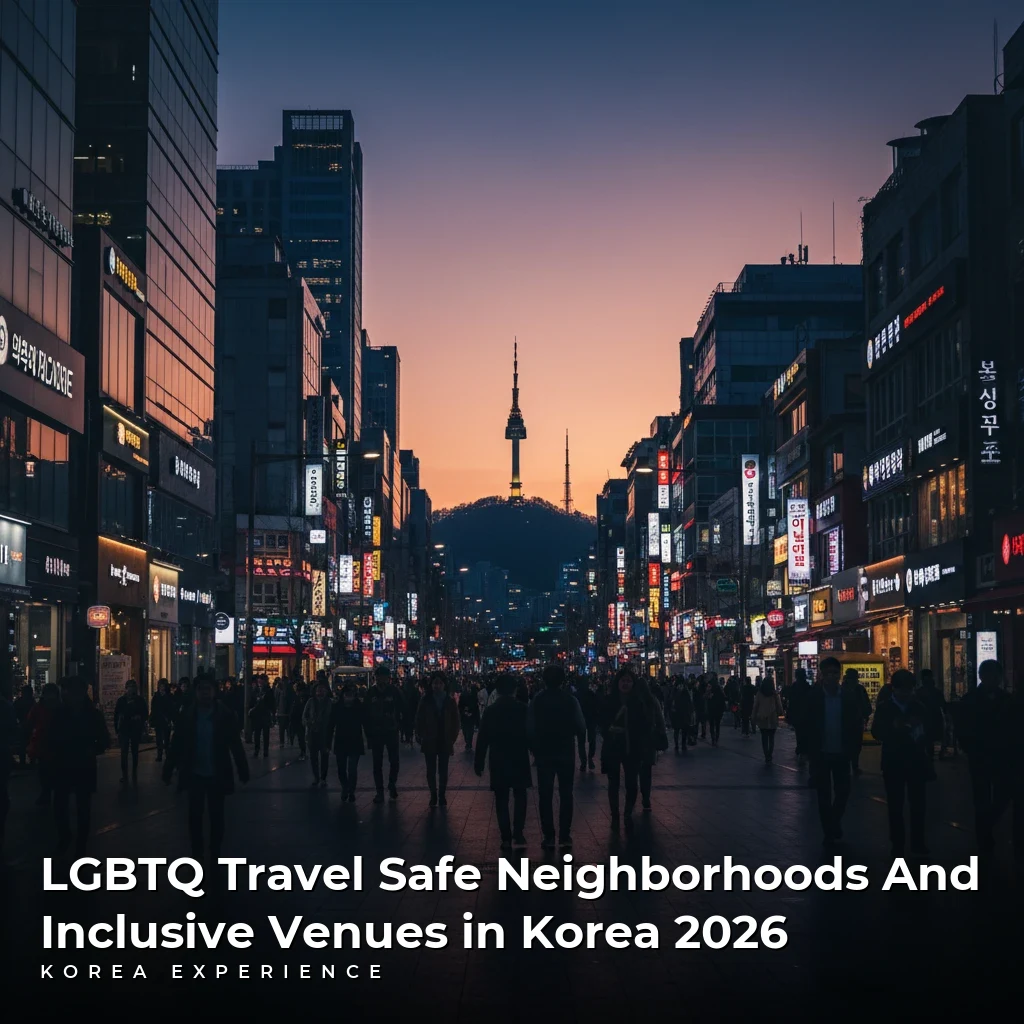
South Korea presents a unique paradox for LGBTQ+ travelers: it is statistically one of the safest countries in the world regarding violent crime, yet remains socially conservative regarding open expressions of queer identity. For international travelers arriving in 2026, navigating this landscape requires knowing exactly where to go to feel not just safe, but celebrated.
The short answer: Korea is physically very safe for LGBTQ+ travelers, but discretion is advised in general public areas. The most inclusive neighborhoods are Itaewon (Homo Hill) for partying, Jongno-3-ga for authentic local culture, and Hongdae for younger queer spaces. Public displays of affection (PDA) are generally frowned upon for all couples but attract more scrutiny for same-sex couples.
Key Takeaways
- 1Itaewon remains the primary English-friendly hub with 'Homo Hill' hosting 15+ venues
- 2Jongno-3-ga offers a uniquely Korean 'pojangmacha' street drinking culture for gay men
- 3Lesbian venues are concentrated in Hongdae/Hapjeong but often operate on private membership
- 4Transgender travelers may face challenges in gender-segregated spaces like Jjimjilbangs (spas)
The LGBTQ+ Landscape in Korea 2026
To understand where to go, you must first understand the social climate. In 2026, South Korea continues to modernize rapidly, yet traditional Confucian values still heavily influence social interactions. While there are no laws criminalizing homosexuality, there are also no comprehensive anti-discrimination laws protecting LGBTQ+ individuals.
This creates a "Don't Ask, Don't Tell" atmosphere in general society. You will rarely experience direct hostility or violence—Korea's violent crime rate remains exceptionally low (less than 1 incident per 100,000 people for major violent crimes). However, staring, whispering, or passive-aggressive behavior can occur if you are visibly queer or engaging in PDA outside of designated safe neighborhoods.
📊 Safety Perception 2026
For the international traveler, this means Korea is a fantastic destination as long as you understand the "time and place" culture. The queer scene in Seoul is vibrant, energetic, and runs late into the night, often until 6:00 AM or later on weekends.
Itaewon: The Global Queer Hub ("Homo Hill")
Itaewon has historically been the district for foreigners, centered around the US military base that was formerly nearby. Today, it remains the most diverse and English-friendly district in Seoul. The heart of the LGBTQ+ scene here is a steep incline officially named "Usadan-ro 12-gil," but universally known as "Homo Hill."
Located just a 5-minute walk from Itaewon Station (Line 6), Exit 3, this 150-meter stretch is densely packed with drag bars, clubs, and lounges. It is the most accessible entry point for foreign travelers because language barriers are virtually non-existent here.
The Vibe and Venues
The atmosphere on Homo Hill is electric, particularly on Friday and Saturday nights between 11:00 PM and 4:00 AM. Unlike other parts of Seoul where the crowd might be 99% Korean, Itaewon offers a mix of roughly 40% foreigners and 60% Koreans.
Queen(퀸)
Cost of a Night Out in Itaewon
Itaewon is slightly more expensive than university districts but cheaper than the luxury Gangnam area.
- Cover Charges: Many clubs on the Hill charge an entrance fee of ₩10,000 to ₩20,000 ($7.50-$15 USD), which usually includes one free drink coupon.
- Drinks: Cocktails range from ₩10,000 to ₩15,000. Bottled beer is around ₩8,000 to ₩10,000.
- Drag Shows: Venues like Trance host legendary drag shows. These usually start late, often after 1:00 AM.
Pro Tip: The Hill Etiquette
"Homo Hill" is a safe space, but it is also a public street. While holding hands and kissing is common on the hill itself, be mindful once you walk back down to the main road (Itaewon-ro), as the crowd becomes more general and mixed with non-LGBTQ tourists.
If you are looking for a place to stay that keeps you close to the action, check out our guide on best neighborhoods for expats in Seoul 2026, which details the pros and cons of living in Yongsan-gu.
Jongno-3-ga: The Authentic Korean Experience
If Itaewon is the "Western-style" gay district, Jongno is the deeply traditional Korean heart of the community. Located near the historic palaces, this area caters to a slightly older crowd (30s, 40s, and 50s), though younger Koreans frequent the pojangmachas (street food tents) here as well.
The "Pojangmacha" Culture
The center of action is Jongno-3-ga Station (Lines 1, 3, 5), Exit 5. As soon as you exit the station in the evening (after 7:00 PM), the street is lined with orange or red tented food stalls.
This is a unique cultural phenomenon. In this specific alleyway, nearly every table is occupied by gay men. It is an open-air safe space. The vibe is loud, boisterous, and incredibly friendly. You sit on plastic stools, drink Soju (₩5,000 per bottle), and eat Anju (side dishes) like stirred-fried spicy pork or odeng soup (₩15,000 - ₩20,000 per dish).
"Jongno is distinctly different from Itaewon. You won't hear much English here. It is helpful to know basic Korean phrases. If you are a foreigner sitting alone, don't be surprised if a group of Koreans invites you to join their table. The concept of 'Jeong' (affection/bond) is strong here. Just remember, this is a residential area, so keep voices down after 11 PM."
Navigating Nagwon-dong
Behind the street tents lies the Nagwon-dong area, a maze of narrow alleys filled with nearly 100 small gay bars, karaoke rooms (noraebang), and cafes.
- Size: These bars are often tiny, seating only 10-20 people.
- Vibe: Intimate and conversational. It is less about dancing and more about drinking and talking.
- Price: Generally cheaper than Itaewon. Beer sets often start at ₩30,000 for several bottles and a snack.
Saturday Night: Itaewon vs. Jongno
The Dualism Concept: Experience the best of both worlds — premium luxury moments paired with authentic budget-friendly experiences in one route.
Itaewon (Party)
Clubbing, drag shows, cocktails, international crowd.
Jongno (Local)
Street food tents, Soju, conversation, local crowd.
Start your trip with Jongno for dinner and culture, then take a taxi (approx ₩10,000) to Itaewon to dance until dawn.
Hongdae & Hapjeong: The Queer Youth & Lesbian Scene
Hongdae (Hongik University area) is the center of youth culture in Korea. While less concentrated than Itaewon or Jongno, it is the spiritual home of the alternative, artistic, and lesbian queer community.
The Challenge of Finding Lesbian Venues
Unlike the open street culture of Jongno gay men, the lesbian scene in Seoul is more private. Many bars in the Hongdae, Hapjeong, and Sangsu areas operate strictly as "Women Only" spaces.
- Entry Rules: It is common for venues to have no signage. Some require you to call a number on the door or check their Twitter/X feed for the daily passcode.
- Exclusivity: Many bars strictly enforce a "biological female" or "women only" policy. This can sadly be an exclusionary point for trans women or non-binary individuals who do not pass as cis-female, depending on the specific venue's politics.
However, the general atmosphere of Hongdae is very open. You will see more "soft butch" fashion and alternative styles here than anywhere else in Seoul. It is a safe place to walk around with visible tattoos, piercings, or non-conforming gender expression.
📖 How to Find Inclusive Spaces in Hongdae
Step 1: Search Social Media
Korean queer spaces often advertise on Twitter (X) rather than Google Maps. Search hashtags like #홍대레즈바 (Hongdae Les Bar).
Step 2: Look for Rainbow Flags
While rare, some coffee shops and bookstores in Hapjeong display small rainbow stickers.
Step 3: Visit General Inclusive Venues
Places like 'Club Evans' (Jazz) or street busking areas are generally very safe and mixed.
For those interested in the artistic side of this neighborhood, our guide to exploring Korea independent bookstores covers several spots in Mapo-gu (Hongdae's district) that are known for stocking queer literature and feminist texts.
Transgender and Non-Binary Travel Safety
Traveling as a transgender or non-binary person in Korea presents specific logistical challenges, primarily revolving around facilities that are strictly gender-segregated.
The Jjimjilbang (Bathhouse) Dilemma
Korean bathhouses (Jjimjilbangs) are a cultural staple, but they are almost strictly binary. The wet areas (baths) are separated by sex (Male/Female) based on biological features or legal ID.
- The Issue: Pre-op or non-passing trans travelers may be denied entry or asked to leave if other patrons complain. There are virtually no gender-neutral changing areas in traditional spas.
- The Solution: Look for high-end hotel spas which offer private rooms, or visit "Sauna" style places that offer private ensuite baths. Unfortunately, the communal naked bath experience is difficult to navigate safely for trans individuals.
Restroom Usage
Public restrooms in subway stations are clean and safe, but strictly binary. In 2026, gender-neutral restrooms are still extremely rare, even in Seoul. It is generally safest to use the restroom of the gender you present as, but be prepared for scrutiny from older generations (Ajummas/Ahjussis) who may police these spaces vocally.
Medical Tourism for Transition
Interestingly, Korea is a global hub for plastic surgery, including gender-affirming procedures (FFS, breast augmentation, etc.). Many clinics in Gangnam are highly experienced with trans patients. If you are combining travel with medical procedures, read our guide on plastic surgery clinics for foreigners in seoul for information on navigating the medical district.
Accommodation: Where to Stay
When booking accommodation, you generally do not need to look for "gay-specific" hotels. Discrimination in hospitality is rare for foreigners because hotels simply want your business. However, location matters for safety and convenience.
Recommended Areas
- Mapo-gu (Hongdae/Yeonnam-dong): Best for younger travelers (20s). High density of Airbnb options. Very anonymous and safe.
- Jongno-gu (Insadong/Ikseon-dong): Best for culture lovers. Close to the gay pojangmacha alley. Many boutique Hanok stays are here.
- Itaewon/Hannam-dong: Best for nightlife. Being within walking distance of "Homo Hill" saves you money on taxis, as many drivers refuse short distances late at night.
💵 Accommodation Costs by Area (Per Night)
High-end, very private
Youthful vibe, shared spaces
Dating Apps and Digital Safety
In 2026, digital life is essential to the Korean queer experience. Because of the closeted nature of society, 80-90% of interactions happen online before meeting in person.
- Jack'd: Historically the most popular app for gay men in Korea.
- Grindr: Widely used by foreigners and Koreans looking to meet foreigners.
- Tinder: Used by the lesbian and queer women community, as well as gay men.
- Her: Growing popularity among queer women.
Digital Privacy Warning
Catfishing and "outing" leverage are rare but not impossible. More commonly, you will find that many local profiles do not have face pictures ("headless torsos"). This is due to the intense social stigma. Do not pressure locals to send face pics immediately. Respect the "faceless" culture—it is a safety mechanism, not necessarily shadiness.
Beyond Seoul: Busan and Jeju
While Seoul is the hub, other cities have small but welcoming scenes.
Busan
Busan, Korea's second-largest city, has a relaxed, coastal vibe. The gay district is located in Beomil-dong (specifically around the calm "Tulip" area), though it is much smaller and grittier than Seoul's districts.
- Vibe: Old-school karaoke bars and small pubs.
- Summer: Haeundae Beach is the place to see and be seen, though strictly public/family-friendly.
Jeju Island
Jeju is known as the "Honeymoon Island." It is incredibly safe but lacks a centralized gay district. The best approach for Jeju is to rent a car and enjoy the nature.
- Stay: Look for queer-owned guesthouses (often advertised on Instagram).
- Travel: Since public transport is slower here, check our guide on driving in Korea (which covers rental rules too) to maximize your freedom.
Events: Seoul Queer Culture Festival (SQCF)
If you are planning your trip around June or July, you might coincide with the Seoul Queer Culture Festival.
- The Parade: Usually held in downtown Seoul (Euljiro or City Hall area).
- Attendance: Attracts over 150,000 people annually.
- Opposition: There is always a loud, visible anti-LGBT protest by religious groups nearby. Police barriers separate the two groups effectively. It is safe inside the festival zone, but the noise from protesters can be intense.
Typical SQCF Parade Day
Booths Open
Merchandise, NGOs, and embassy booths open.
Performances
K-Pop covers and drag shows on main stage.
The March
Parade through downtown Seoul streets.
After Parties
Crowds disperse to Itaewon and Jongno.
Practical Tips for the 2026 Traveler
1. Transportation at Night
The subway in Seoul usually stops around 12:00 AM to 12:30 AM. If you are partying in Itaewon until 3 AM, you must take a taxi.
- KakaoT / Uber: Download these apps. Hailing a cab on the street in Itaewon on a Saturday night is nearly impossible and "refusal of service" is common for short distances.
- Night Bus: The "N-Bus" (Owl Bus) network is extensive. Look for N62 or N26 which connect major nightlife hubs. Fare is approx ₩2,500.
2. Medical Emergencies & Sexual Health
Korea has excellent healthcare.
- HIV/PrEP: PrEP is available but can be expensive and complex to get for short-term tourists without national insurance. Bring your supply.
- Clinics: The Ivan City website (Korean) lists queer-friendly clinics, but for English service, the International Clinic in Itaewon is your best bet.
3. Discrimination Laws
As of 2026, a comprehensive anti-discrimination law is still being debated. This means businesses can technically refuse service, though it is incredibly rare in Seoul's tourist areas. If you face discrimination, it is often subtle (ignoring you) rather than confrontational.
LGBTQ Travel in Korea: The Verdict
- ✓Extremely low violent crime rate
- ✓World-class nightlife in Itaewon and Jongno
- ✓High-tech convenience and transport
- ✓Active digital community for meeting locals
- ✗Lack of legal anti-discrimination protection
- ✗Conservative views on PDA
- ✗Strict gender binary in bathhouses/spas
- ✗Lesbian venues can be hard to access for non-Koreans
Conclusion
Korea in 2026 offers a vibrant, exciting, and largely safe experience for LGBTQ+ travelers, provided you navigate with a bit of cultural awareness. The duality of the hidden, traditional Jongno scene and the explosive, international Itaewon scene offers something for every type of traveler.
While you may not see rainbow flags flying from every storefront as you might in parts of Europe or North America, the community here is resilient, welcoming, and undeniably fun. Come for the safety and the food, stay for the unforgettable nights on Homo Hill.
To plan your perfect day before hitting the clubs, check out our 24-hour Seoul itinerary, which perfectly complements a night out in the city that never sleeps.
❓ Frequently Asked Questions
Have more questions?Contact us →
About the Author
Korea Experience Team
Written by the Korea Experience editorial team - experts in Korean medical tourism, travel, and culture with years of research and firsthand experience.
Explore more in Travel & Tourism
From Seoul's neon-lit streets to Jeju's volcanic landscapes — discover the best of Korea with insider travel tips, itineraries, and seasonal guides.
Browse All Travel & Tourism ArticlesContinue Reading
Explore more articles you might find interesting
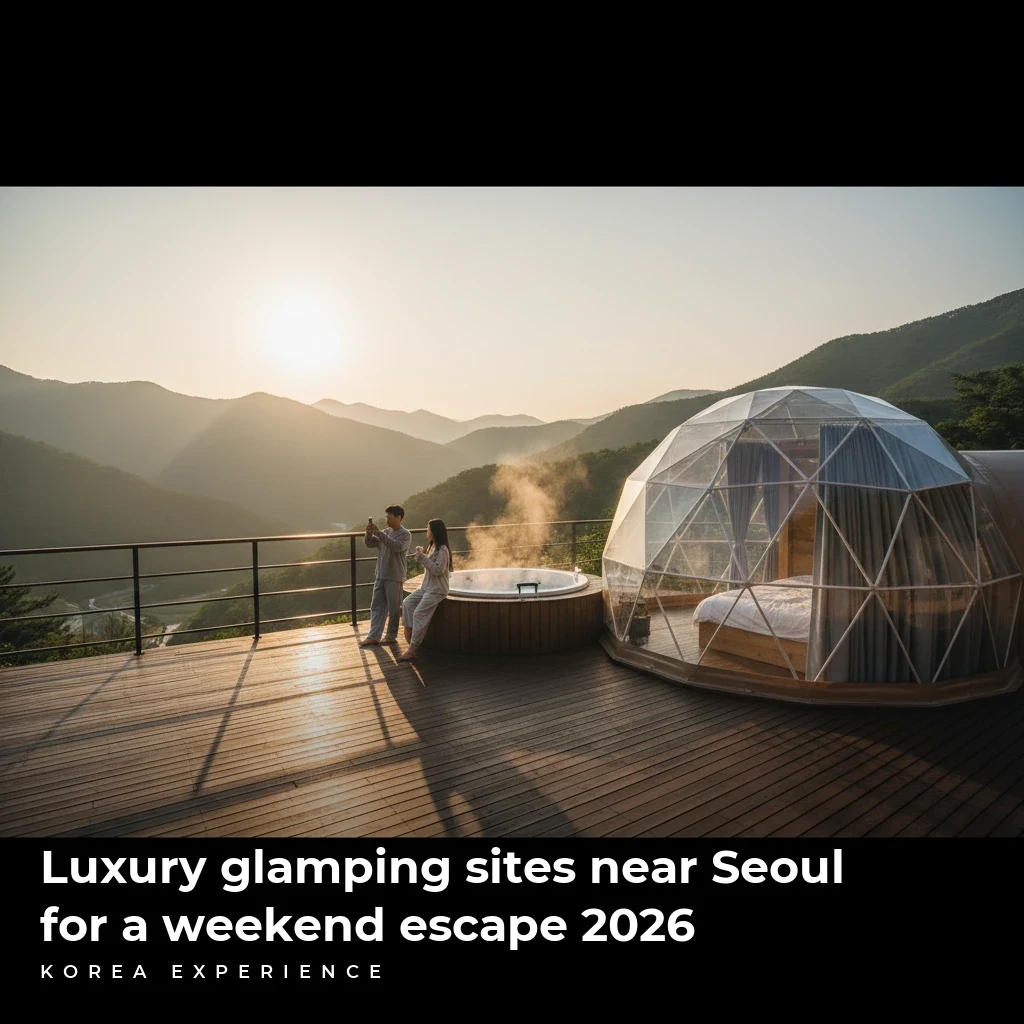
Discover the top luxury glamping sites near Seoul for 2026. Prices from ₩150,000, private jacuzzis, and travel times under 2 hours.
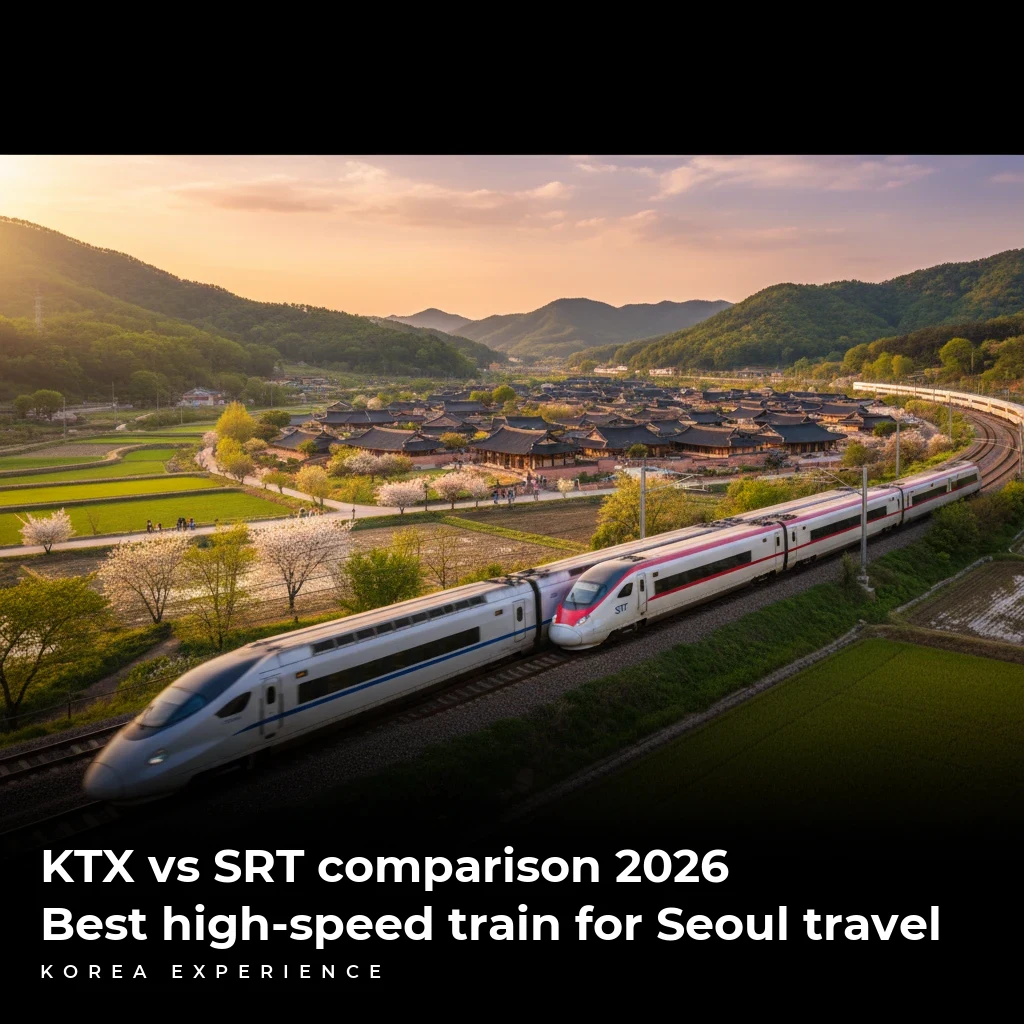
Compare KTX and SRT high-speed trains in Korea. Discover price differences (10% cheaper), station locations, and how to book tickets for your 2026 trip.
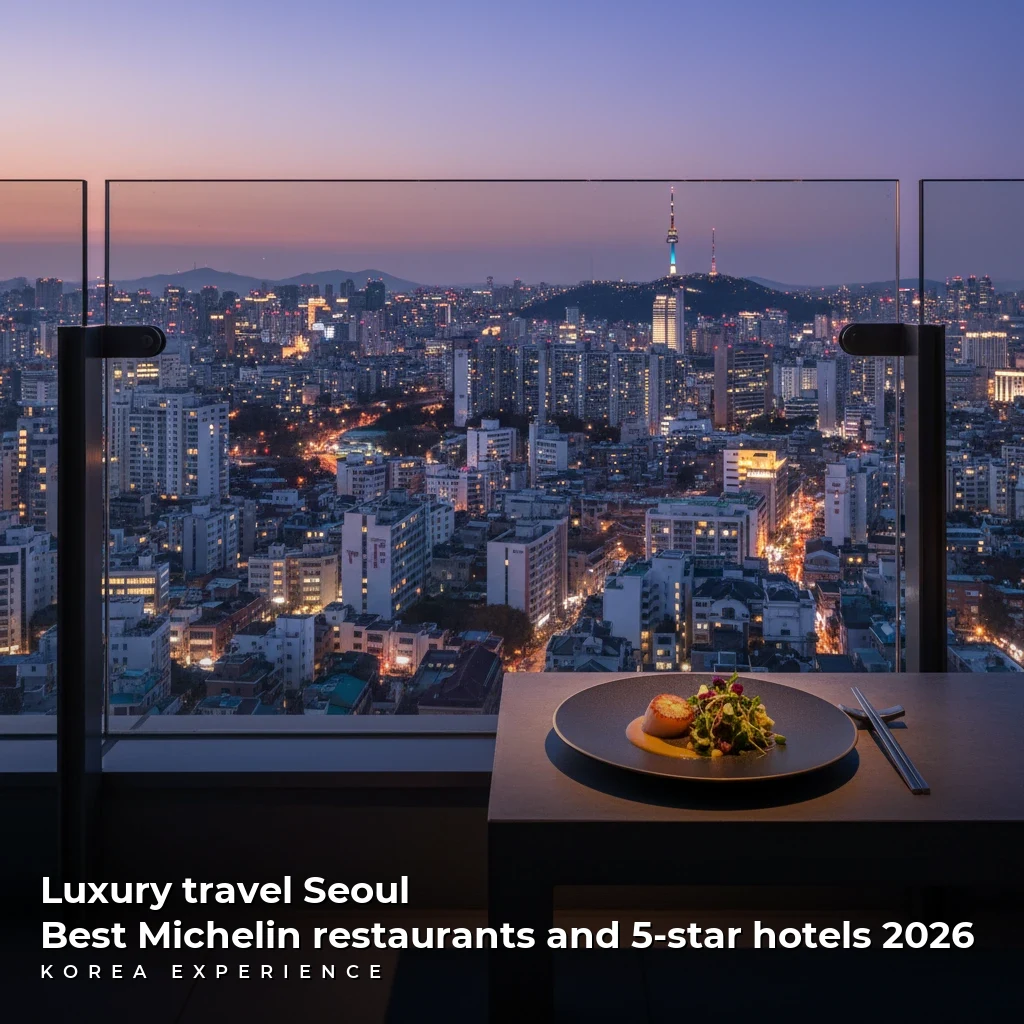
Experience the pinnacle of Seoul luxury. From 3-star Michelin dining to hotels costing ₩1.5M+ per night, here is your guide to elite travel in Korea 2026.
Compare Korea's best SIM and eSIM options for 2026. Data plans from ₩3,000/day, airport pickup details, and speed tests for KT, SKT, and LG U+.
Don't let the rain ruin your trip. Here is the ultimate guide to Korea's 2026 monsoon season, featuring 15+ indoor activities and essential survival tips.
Discover 12 stunning Korean train stations from K-drama sets to seaside stops. Includes travel times, photo spots, and best seasons for the perfect shot.